Table of Contents
Scaling snow-covered peaks above 20,000 feet demands gear that performs when failure isn’t an option. High-altitude mountaineering pushes both human endurance and equipment to absolute limits, where a single compromised night’s sleep can derail an entire expedition. The sleeping bag isn’t just comfort—it’s a critical survival tool, a portable thermal refuge against brutal cold, thin air, and unpredictable weather that can drop temperatures far below published ratings. Choosing the wrong bag here isn’t inconvenient; it risks hypothermia, frostbite, or worse. This environment demands specialized knowledge far beyond typical three-season camping gear.
Many climbers underestimate how drastically altitude transforms thermal dynamics. Thinner air holds less heat, wind chill becomes more severe, and the body’s ability to generate warmth diminishes as oxygen levels drop. Standard sleeping bags, even premium winter models, often fall short when summit bids stretch into multi-day bivouacs on glaciers. Condensation management becomes critical as exhaled moisture freezes inside the bag, destroying loft and insulation value. This guide cuts through marketing hype to focus solely on the engineering principles and material science that separate adequate high-altitude sleep systems from truly life-saving ones. We’ll dissect the non-negotiable features you must evaluate before your next high-elevation push.
Top 10 Sleeping Bags for Mountaineering
Detailed Product Reviews
1. Western Mountaineering Kodiak LZ Microfiber Sleeping Bag - 6'0
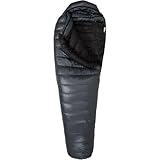
Overview: The Western Mountaineering Kodiak LZ is a premium ultralight mummy sleeping bag engineered for serious winter expeditions. Rated to 0°F, it utilizes 30 oz of high-fill-power down within a meticulously constructed shell, targeting backpackers needing reliable warmth in extreme cold without excessive bulk. Its microfiber construction emphasizes minimal weight and maximum compressibility. What Makes It Stand Out: Its standout features include the exceptional 5 1/4" continuous baffles preventing cold spots, a full down collar for heat retention around the neck, and an impressive 7" loft achieved with premium down. The precise 66"/41" girth offers a snug yet comfortable fit, while the 2 lbs. 12 oz. total weight is remarkable for a 0°F bag, showcasing Western Mountaineering’s mastery of ultralight insulation. Value for Money: Positioned at the high end of the market, its price reflects the top-tier materials (like the durable microfiber shell) and meticulous craftsmanship. While significantly pricier than budget options, it delivers unmatched warmth-to-weight efficiency and longevity for dedicated mountaineers, justifying the investment for those prioritizing performance in brutal conditions over cost. Strengths and Weaknesses: Strengths: Exceptional warmth-to-weight ratio; superior draft protection (collar, baffles); durable microfiber construction; highly compressible; reliable 0°F rating. Weaknesses: Very high cost; narrow cut may not suit all body types; microfiber can be noisier than nylon; requires careful handling to maintain loft. Bottom Line: An elite, purpose-built bag for winter mountaineering where minimal weight and maximum warmth are non-negotiable. Despite the steep price, it’s a top-tier investment for experienced adventurers tackling sub-zero environments who demand the best performance.
2. BUERTS Down Sleeping Bag for Adults Cold Weather Ultralight & Compact 680FP Backpacking Sleeping Bag for Camping, Hiking, Mountaineering.

Overview: The BUERTS Cold Weather Sleeping Bag is an affordably priced ultralight mummy bag designed for backpackers facing temperatures down to 9°F. Filled with 1.43 lbs of RDS-certified 680FP down, it emphasizes warmth retention through specific design features, targeting budget-conscious adventurers needing reliable cold-weather sleep on trails. What Makes It Stand Out: Its unique “3.5 oz per 10 sq ft” insulation distribution aims to maintain warmth even when compressed under body weight, a practical feature for side sleepers. The upgraded silk-thread lining claims enhanced heat retention, while the 400T 20D nylon shell offers durability and weather resistance. The included compression sack and dual-bag versatility (connectable via zipper) add significant value. Value for Money: Offering a sub-30°F comfort rating at a much lower price point than premium brands, it delivers solid value. The 680FP down and included accessories (compression/mesh sacks) make it a compelling budget-to-mid-range option, though longevity may not match higher-fill-power competitors at double the cost. Strengths and Weaknesses: Strengths: Competitive warmth for the price; good feature set (compression sack, connectable); effective insulation distribution claim; durable 400T shell; includes inner pocket. Weaknesses: 680FP down less lofty/compressible than 800+; temperature rating slightly optimistic for true comfort; zippered connection may leak drafts; durability concerns long-term vs. premium shells. Bottom Line: A strong budget-friendly contender for 3-season backpackers needing reliable cold-weather performance without breaking the bank. Ideal for those prioritizing features and initial value over the absolute peak longevity or minimal weight of top-tier bags.
3. ALPS Mountaineering Wisp Sleeping Bag - Charcoal/Red

Overview: The ALPS Mountaineering Wisp is not a primary sleeping bag but a versatile ultralight fleece liner/sleeper designed for warm weather or as a supplemental layer. Its primary role is enhancing comfort in summer conditions or boosting the warmth of a higher-rated mummy bag, offering a unique solution for adaptable campers. What Makes It Stand Out: The soft, breathable fleece interior eliminates the clammy feel of nylon liners, wicking moisture effectively. The key differentiator is its standalone usability as a comfortable summer bag (rated ~50-60°F) combined with its function as a liner. The left-side zipper allows precise upper-body ventilation, a thoughtful touch for temperature regulation in changing conditions. Value for Money: Priced modestly as a liner, its dual functionality as a full summer bag significantly enhances its value. It’s far more cost-effective than buying separate dedicated summer and liner products, especially for campers who frequently encounter warm nights or need flexibility without extra bulk. Strengths and Weaknesses: Strengths: Exceptionally comfortable fleece feel; dual use (liner or standalone summer bag); excellent breathability/moisture management; lightweight and packable; convenient ventilation zipper; durable #5 zippers. Weaknesses: Zero insulating value in cold weather; not a replacement for a true down/synthetic bag below ~50°F; limited girth compared to mummy bags. Bottom Line: An indispensable, highly versatile accessory for backpackers tackling variable or warm conditions. Its comfort, dual functionality, and smart ventilation make it a top recommendation for enhancing sleep quality in summer or extending the range of your primary bag.
4. BUERTS Down Sleeping Bag for Adults. 680FP Ultralight Portable, Backpacking Sleeping Bag for Hiking, Camping, Mountaineering, expeditions and Backpacking. with Compression Sack

Overview: This BUERTS model is an envelope-style (rectangular) down sleeping bag rated for 32°F to 17°F comfort, targeting campers prioritizing roominess and versatility over ultralight performance. Filled with 28.2 oz of RDS-certified 680FP down, it emphasizes comfort and features for car camping or less weight-sensitive backpacking trips. What Makes It Stand Out: The rectangular shape provides significantly more room than mummy bags, enhancing comfort for side sleepers or those who dislike confinement. Key features include the inner valuables pocket, foot-box ventilation zipper, and the ability to zip two bags together into a double. The durable 400T 20D shell offers windproof and water-resistant protection, unusual in this shape class. Value for Money: It offers good value as a comfortable, feature-rich car camping or basecamp bag. The price is very competitive for the included features (compression sack, dual-zip versatility) and down fill weight. However, its 3.13 lb weight makes it less ideal for serious backpacking compared to mummy bags at similar price points. Strengths and Weaknesses: Strengths: Spacious rectangular design for comfort; useful features (foot vent, connectable, valuables pocket); durable and weather-resistant shell; includes compression sack; good warmth for car camping. Weaknesses: Heavy (3.13 lbs) for backpacking; rectangular shape sacrifices significant warmth-to-weight efficiency; 680FP down less compressible; temperature rating likely optimistic for true comfort. Bottom Line: An excellent choice for car campers, basecampers, or casual backpackers prioritizing comfort and room over weight savings. Its features and warmth are well-suited for 3-season use where portability is secondary, but serious backpackers should opt for a mummy bag.
5. Western Mountaineering TerraLite 25 Degree Sleeping Bag Navy Blue 6FT 6IN / Left Zip
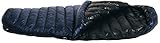
Overview: The Western Mountaineering TerraLite 25 is a premier ultralight mummy sleeping bag designed for 3-season backpacking. With a 25°F rating and an astonishing 1 lb. 13 oz. weight, it leverages 18 oz of premium 850+ fill power goose down within a featherweight 12D shell, targeting weight-obsessed backpackers needing reliable warmth without bulk. What Makes It Stand Out: Its defining feature is the exceptional warmth-to-weight ratio achieved through the high-fill-power down and ultralight 12D shell. The 5 1/4" continuous baffles allow strategic down shifting, while the dual zippers (main + foot box) offer unparalleled temperature control. The water-resistant shell adds crucial durability and weather protection at minimal weight cost. Value for Money: Positioned at a premium price, its value lies in unmatched performance for the weight. While cheaper bags exist, none match its combination of low weight, high warmth efficiency, and durability for spring-fall backpacking. It’s a long-term investment for serious hikers where every ounce matters. Strengths and Weaknesses: Strengths: Industry-leading warmth-to-weight ratio; superior 850+ FP down; excellent draft protection (tube, baffles); versatile dual zippers; durable yet ultralight shell; highly compressible. Weaknesses: Very high cost; snug mummy fit not for everyone; requires careful handling due to ultralight fabric; limited girth for broader shoulders. Bottom Line: The gold standard for ultralight 3-season backpacking sleeping bags. If minimizing pack weight while ensuring reliable 25°F warmth is your priority, the TerraLite is worth every penny and represents the pinnacle of efficient sleep system design.
6. ALPS Mountaineering Blaze -20° Sleeping Bag – Extreme Cold Weather Synthetic Mummy Sleeping Bag with TechLoft Silver Insulation, Draft Collar & Durable Ripstop Shell for Winter Camping

Overview: The ALPS Mountaineering Blaze -20° is a synthetic mummy bag engineered for extreme winter conditions, featuring TechLoft Silver insulation and a rugged ripstop shell. It targets campers facing sub-zero temperatures where reliability is non-negotiable.
What Makes It Stand Out: Its standout feature is the TechLoft Silver insulation, which balances warmth retention, loft, and compressibility exceptionally well for synthetic fill. The two-layer offset construction eliminates cold spots, while the integrated draft collar and insulated baffles seal in heat effectively—critical for -20° survival.
Value for Money: Priced mid-range for synthetic winter bags, it justifies cost through durability (ripstop shell resists abrasion) and performance in wet conditions where down fails. Cheaper alternatives often skimp on baffle quality, leading to cold spots.
Strengths and Weaknesses: Strengths: Exceptional cold-weather reliability, highly durable shell, effective draft protection, includes stuff sack. Weaknesses: Heavy (6 lbs. 12 oz) for backpacking, bulkier stuffed size (19"x13") than down equivalents, limited room for movement due to strict mummy fit.
Bottom Line: Ideal for car campers or winter expeditions prioritizing warmth and durability over pack size. Not suited for ultralight backpackers, but a robust, trustworthy choice for extreme cold where synthetic insulation’s moisture resistance is essential.
7. ALPS Mountaineering Blaze 0° XL Sleeping Bag – Extra Long Cold Weather Synthetic Mummy Sleeping Bag with TechLoft Silver Insulation, Draft Collar & Ripstop Shell for Winter Camping

Overview: This Blaze 0° XL bag extends ALPS’ synthetic winter line with extra length (86") for taller users, maintaining the TechLoft Silver insulation and mummy design optimized for 0°F conditions. It bridges car camping and serious backcountry use.
What Makes It Stand Out: The XL sizing (86"L x 36"W) accommodates users up to 6'6" without sacrificing warmth—a rarity in mummy bags. TechLoft Silver’s siliconized fibers enhance loft retention and packability, while the two-layer offset construction and contoured hood eliminate cold spots more effectively than single-layer designs.
Value for Money: Competitive for an XL synthetic bag, offering tall adventurers reliable 0°F performance without down’s cost or moisture sensitivity. The durable ripstop shell ensures longevity, outperforming budget XL bags prone to insulation gaps.
Strengths and Weaknesses: Strengths: Spacious fit for tall users, superior draft blocking (chest/zipper baffles), rugged yet packable (20"x13"), smooth #8 zippers. Weaknesses: Still heavy (6 lbs. 7 oz) for backpacking, synthetic fill lags behind down in warmth-to-weight ratio, limited color/style options.
Bottom Line: A top pick for taller winter campers needing synthetic reliability. Excellent value for its niche, though backpackers should consider weight trade-offs. Prioritize this if height and wet-weather resilience are critical.
8. BUERTS Down Sleeping Bag for Adult Backpacking Trips, 620FP, Cold Weather Sleeping Bag, 20°F, 40°F, 60°F. Mummy-Style for Hiking, Camping, and Mountaineering. Compact (10℉ to 23℉, Green)

Overview: The BUERTS down bag delivers ultralight warmth for backpackers, rated to 23°F comfort (10°F limit) with RDS-certified 620FP down. Its compact size (15.3"x7.9") and 3.89 lb weight target multi-season trail use.
What Makes It Stand Out: Ethical 620FP down provides outstanding warmth-to-weight ratio, while the 400T nylon shell adds water resistance—a rarity in budget down bags. The ergonomic design (85.8"L) allows movement, and the saddle-shaped neckline plus internal pocket enhance practicality.
Value for Money: Exceptional for its price point, undercutting premium brands with comparable fill power and features like water-repellent fabric. The dual-bag zipper option adds versatility for couples, though the extreme 1°F rating feels optimistic.
Strengths and Weaknesses: Strengths: Ultralight and highly compressible, ethical down fill, roomy yet efficient mummy shape, water-resistant shell, useful extras (pocket, double-bag zip). Weaknesses: Shell durability may lag behind pricier options, comfort rating slightly overstated for true winter use, limited color choices.
Bottom Line: A stellar budget-friendly down bag for three-season backpacking. Best for dry climates due to down’s moisture vulnerability, but unbeatable warmth-to-weight for the price. Avoid in consistently wet conditions.
9. Western Mountaineering Everlite 45f Sleeping Bag (Regular)

Overview: The Everlite 45° is an ultralight down sleeping bag focused on minimalist backpackers, boasting a mere 14.5 oz weight (regular size) with 3" loft and a 45°F rating. It epitomizes efficiency for warm-weather adventures.
What Makes It Stand Out: Its featherweight profile (14.5 oz) is class-leading, achieved through high-fill-power down and sewn-thru box construction. The insulated draft tube and adjustable neck/foot draws maximize warmth retention without adding bulk—ideal for ounce-counters.
Value for Money: Premium-priced but justified by Western Mountaineering’s reputation for quality and the bag’s exceptional weight savings. Competitors at this weight often cost more; here, you pay for elite materials and craftsmanship.
Strengths and Weaknesses: Strengths: Unmatched weight-to-warmth ratio, durable YKK zippers, versatile as a 35°F overbag, compresses tiny. Weaknesses: Very minimal insulation (unsuitable below 45°F), tight fit for broader sleepers, no internal pockets, high cost deters casual campers.
Bottom Line: A no-compromise choice for ultralight backpackers in mild conditions. Worth every penny if you prioritize weight savings, but overkill (and insufficient) for cold-weather or car-based trips.
10. ALPS Mountaineering Blaze -20° XL Sleeping Bag – Extreme Cold Weather Synthetic Mummy Sleeping Bag with TechLoft Silver Insulation, Draft Collar & Durable Ripstop Shell for Winter Camping

Overview: The Blaze -20° XL extends ALPS’ extreme-cold lineup with extra length (86"+), targeting tall adventurers needing synthetic reliability in sub-zero environments. It shares core tech with the standard -20° but accommodates heights up to 6'6".
What Makes It Stand Out: Combines XL sizing with synthetic insulation’s moisture resistance—a boon for humid cold or snowy conditions where down fails. The draft protection system (full baffles + collar) and two-layer offset construction prevent heat leakage more effectively than most XL bags.
Value for Money: Priced fairly for an XL synthetic winter bag, offering durability (ripstop shell) and true -20° performance where cheaper XL options compromise on insulation density. The included stuff sack adds convenience, though mummy bags rarely pair well with liners.
Strengths and Weaknesses: Strengths: Rare XL fit for extreme cold, excellent draft blocking, highly durable shell, reliable in wet conditions. Weaknesses: Heavy (weight unspecified but ~7+ lbs), bulky packed size, synthetic fill less compressible than down, limited ventilation options.
Bottom Line: The go-to synthetic bag for tall winter campers facing severe cold. Sacrifice pack size for assured warmth and height compatibility—ideal for car camping, ice fishing, or expeditions where weight isn’t critical.
Understanding the Extreme Environment
Why Standard Winter Bags Fail at Altitude
Conventional cold-weather sleeping bags assume sea-level atmospheric pressure and typical humidity levels. Above 15,000 feet, the significantly reduced air density means less ambient heat is available to buffer against cold. Standard temperature ratings, often tested in controlled labs simulating sea-level conditions, become dangerously optimistic. Additionally, the dry, frigid air at altitude accelerates heat loss through respiration—a factor rarely accounted for in standard EN/ISO testing protocols. Bags designed for basecamp use simply lack the thermal efficiency needed for prolonged exposure in the “death zone.”
The Oxygen Deprivation Factor
Hypoxia at extreme elevations directly impacts thermoregulation. With less oxygen available, the body prioritizes vital organ function over peripheral circulation, making extremities colder faster. Sleep quality deteriorates, reducing the body’s natural ability to generate heat during rest. A sleeping bag must compensate for this physiological deficit with superior insulation retention and strategic warmth distribution, particularly around the core and head—areas where heat loss becomes critical when oxygen-starved.
Critical Insulation Technologies
Down vs. Synthetic: The Altitude Dilemma
Down insulation remains the gold standard for high-altitude due to its unparalleled warmth-to-weight ratio and packability. However, its vulnerability to moisture is magnified at altitude where condensation from breath is inevitable. Premium high-fill-power down (850+ FP) treated with hydrophobic coatings offers the best compromise, resisting moisture absorption longer and retaining loft better in damp conditions than untreated down. Synthetics provide reliable performance when wet but typically require significantly more material (and weight) to match down’s warmth, a critical drawback when every ounce counts on a technical climb.
Fill Power and Loft: Beyond the Numbers
Fill power measures volume per ounce of down—a higher number indicates greater loft potential. For high-altitude, 850-fill power or higher is strongly recommended. But loft isn’t static; it must be sustained under compression from the sleeper’s body and external pressure from wind or snow. Look for baffles designed to minimize cold spots: trapezoidal or offset stitching prevents down from shifting and ensures consistent coverage, especially in the torso and footbox where heat loss is most dangerous. Continuous baffles along the length can create problematic gaps.
Temperature Rating Realities
Decoding the EN/ISO Standards
Relying solely on the manufacturer’s “comfort” or “limit” rating is perilous at altitude. The EN/ISO 23537 standard provides a useful baseline but has limitations: tests assume a sleeping pad with an R-value of 5.2 and a standard sleeping bag liner—conditions often not replicated on a mountain. Crucially, the test dummy doesn’t account for reduced metabolism due to hypoxia or the chilling effect of wind penetrating the tent. Always treat the “extreme” rating (-40°F/C or lower) as your absolute minimum safety threshold for serious high-altitude objectives, not the “comfort” rating.
Personal Factors That Skew Ratings
Your individual cold tolerance, metabolic rate, hydration level, caloric intake, and even stress significantly impact how a bag performs for you. Climbers often underestimate the warmth contribution of a high-R-value sleeping pad (aim for R-5+). Wearing proper dry base layers (avoid cotton!) and a insulated hood inside the bag adds crucial degrees. Never sleep hungry—your body needs fuel to generate heat. Factor in these variables when selecting your bag’s rated minimum; add a 10-15°F buffer beyond the expected coldest ambient temperature.
Design Elements for Survival
Hood Design: Your Thermal Lifeline
A well-engineered hood is non-negotiable. It must seal tightly around the face with minimal gaps, often featuring a dual-adjuster system (one at the forehead, one at the nape) for precise fit over a balaclava. Passive insulation around the hood opening—extra down baffles or draft tubes—is essential to prevent heat siphoning. The hood should maintain loft even when compressed by your head, as conduction through the hood fabric is a major heat loss vector. A poorly designed hood renders even the warmest bag ineffective.
Draft Tubes and Zippers: Eliminating Weak Points
Continuous, generously filled draft tubes behind the main zipper are vital. At high altitude, zipper snagging can be catastrophic; look for robust, snag-resistant coil zippers (often #8 or #10 size) with oversized, gloved-friendly pulls. Consider the zipper’s placement—left or right—based on your dominant hand for easier operation in the dark. Anti-snag fabric behind the zipper teeth prevents down from getting caught. Some premium designs incorporate a secondary draft collar above the chest zipper for added core warmth.
Footbox Ergonomics for Frostbite Prevention
A roomy, anatomically shaped footbox prevents toes from pressing against the insulation, maintaining loft where it’s most vulnerable. Tapered mummy bags often sacrifice foot space; prioritize models with a slightly trapezoidal foot end. Some designs feature differential cut—more insulation on top than bottom—to leverage radiant heat from your body while minimizing compressed down beneath you. Ensure the footbox can accommodate wearing thin vapor-barrier socks if needed, without crushing the insulation.
Weight and Packability Trade-offs
The Ounce vs. Degree Equation
Every extra ounce adds cumulative fatigue over days of climbing. High-altitude bags prioritize warmth per ounce, but there’s a hard limit: insufficient insulation is fatal, while marginal weight savings are irrelevant if you can’t function. For serious expeditions above 20,000 feet, bags typically range from 2.5 to 4.5 lbs. Don’t sacrifice essential warmth (e.g., lower fill power, thinner shell fabric) solely for minimal weight reduction. The weight saved in the bag might be lost carrying extra clothing layers that are less effective.
Shell Fabric: Durability Meets Breathability
The outer shell must balance wind resistance, moisture vapor transmission, and tear strength. High-denier fabrics (30D+) offer durability against rough tent floors and crampons but can trap moisture. Lower-denier shells (10D-20D) are lighter and more breathable but more prone to snags. Look for tightly woven, high-fill-power down shells treated with DWR (Durable Water Repellent) to shed light snow and condensation. Breathability is crucial—trapped moisture from respiration degrades insulation performance faster at altitude.
Moisture Management Strategies
Battling Internal Condensation
Your breath is your biggest enemy. Exhaling moisture inside the bag leads to frozen condensation on the inner shell, destroying down loft. Combat this by always positioning your head outside the sleeping bag hood, near a tent vent. Use a dedicated bivy sack with a waterproof/breathable outer layer (like Gore-Tex) over your sleeping bag to trap moisture before it reaches the insulation. Hydrophobic down treatments buy critical time but aren’t foolproof; proactive ventilation is essential.
Drying Techniques in the Field
Drying a damp sleeping bag at high altitude is nearly impossible. Focus on prevention: store your bag uncompressed in a large sack (not the stuff sack) during the day to maintain loft and allow moisture to escape. Hang it inside your tent during the day if space allows, but avoid direct sunlight which degrades fabrics. At basecamp, spread the bag out in a dry, ventilated area—never use direct heat sources. Accept that some moisture accumulation is inevitable; prioritize bags with robust hydrophobic treatments for resilience.
Integration with Your Sleep System
The Non-Negotiable Sleeping Pad
A sleeping bag’s insulation is crushed where your body compresses it against the ground. A high-R-value sleeping pad (R-5 or higher) is mandatory to prevent conductive heat loss. Combine an inflatable pad (R-4+) with a closed-cell foam pad (R-2+) for redundancy against punctures and maximum insulation. Ensure the pad’s width matches your bag’s shoulder girth to avoid bridging cold spots. This integration is arguably more critical than the bag itself at altitude.
Liners and Vapor Barriers: Smart Additions
A thin silk or thermal liner adds a few degrees of warmth and protects the bag’s interior from body oils and moisture, extending its life. For extreme conditions or climbers prone to cold feet, a strategic vapor barrier liner (VBL) over the feet or torso can prevent moisture from saturating the down, though improper use can cause clamminess. Use VBLs selectively and understand the condensation dynamics—they are tools, not universal solutions.
Long-Term Care and Maintenance
Preserving Loft and Performance
Proper storage is critical: never keep your bag compressed long-term. Store it loosely in a large cotton or mesh sack in a cool, dry place. After expeditions, air it out thoroughly before storage. Down bags require periodic washing with specialized cleaner to maintain hydrophobic properties and loft—follow manufacturer instructions meticulously. Synthetic bags lose resilience over time; inspect for matting, especially in high-stress areas like shoulders and knees.
Field Repairs and Redundancy
Carry a small repair kit: tenacious tape, spare zipper pulls, and a needle/thread matching your shell fabric. Know how to patch minor tears to prevent down loss. Consider the bag’s repairability—modular designs or easily replaceable components add longevity. For critical expeditions, discuss redundancy options with your outfitter; having a backup bag or renting a dedicated extreme-cold model for the summit push might be prudent.
Frequently Asked Questions
What temperature rating should I look for for 20,000+ feet expeditions?
Focus on bags rated to at least -20°F (-29°C) for the “limit” rating (EN/ISO standard), but treat the -40°F (-40°C) “extreme” rating as your practical baseline for safety in unpredictable high-altitude conditions. Always add a personal buffer based on your cold tolerance.
Can I use a 3-season sleeping bag with extra layers for high altitude?
No. Standard 3-season bags lack the necessary insulation density, hood design, and draft protection. Adding layers inside compresses the bag’s insulation, significantly reducing its effective warmth. The risk of inadequate thermal protection is too high.
Why is hydrophobic down so important at high altitude?
Condensation from your breath freezes rapidly in cold, dry air. Hydrophobic down resists absorbing this moisture, maintaining loft and insulation value longer than untreated down, which clumps and loses warmth when damp—a critical safety margin.
How does my sleeping pad affect my bag’s warmth?
The pad prevents conductive heat loss to the ground, which is the largest source of heat loss. A low-R-value pad negates even the warmest bag. Use a combined R-value of 5.0 or higher; an inflatable pad paired with a closed-cell foam pad is ideal.
Should I size up for extra room in my high-altitude bag?
No. Excess space inside the bag creates air pockets your body must heat, wasting energy. Choose a bag that fits snugly (mummy style) to minimize dead air space while allowing room for base layers and foot movement. Proper fit is crucial for efficiency.
How do I prevent my breath from freezing inside the bag?
Always vent your tent aggressively and position your head outside the sleeping bag hood, near a vent. Use a bivy sack with a breathable membrane. Avoid breathing directly into the bag collar. A Buff or balaclava over your mouth can reduce moisture output slightly.
Is synthetic insulation ever better than down for high altitude?
Only in consistently wet conditions where down’s moisture vulnerability becomes a critical flaw. For most high-altitude scenarios (cold, dry air), premium hydrophobic down’s superior warmth-to-weight ratio makes it the preferred choice despite the moisture risk.
How much should I realistically budget for a reliable high-altitude sleeping bag?
Expect significant investment. Quality bags meeting the necessary performance standards typically start around $600 and can exceed $1000. Prioritize technical features over brand names; the cost reflects specialized materials and construction essential for survival.
Can I dry my sleeping bag during a multi-week expedition?
Complete drying is nearly impossible at high camps. Focus on prevention: maximize ventilation, store the bag uncompressed during the day, and use a bivy sack. At basecamp, air it out thoroughly in a dry, shaded area—never use direct heat or sunlight.
How often should I replace my high-altitude sleeping bag?
With proper care (gentle washing, dry storage), a premium down bag can last 10+ years. Replace it when loft significantly diminishes (can’t regain full volume after airing), shell fabric shows thinning, or hydrophobic treatment fails consistently, leading to prolonged dampness after use.
Related Buying Guides
- How to Choose the 10 Best Sleeping Bags for High-Altitude Treks in 2026
- 10 Must-Have Mummy Sleeping Bags for High-Altitude Expeditions in 2026
- 10 Best Cold Weather Sleeping Bags for Sub-Zero Temperatures in 2026
- The 10 Best Base Layers for High-Altitude Expeditions in 2026
- 10 Best Cold Weather Sleeping Bags for Sub-Zero Expeditions in 2026