Table of Contents
There’s nothing quite like the profound silence of a backcountry campsite after sunset—the kind where you hear your own heartbeat mingling with the rustle of pine needles in the breeze. But that serene moment can turn into a long, shivering ordeal if your sleeping bag doesn’t match the demands of the trail. Backpacking forces you to carry everything you need on your shoulders, turning every ounce into a calculated trade-off between comfort, safety, and endurance. Your sleeping bag isn’t just gear; it’s your mobile sanctuary, the difference between waking up refreshed for summit day and spending dawn huddled in your tent, debating whether to pack up early just to get warm.
Choosing the wrong bag can derail an entire adventure. Too heavy, and your legs will burn on the ascent; too warm, and you’ll sweat through the night in milder conditions; too flimsy, and hypothermia lurks in the shadows of a surprise cold snap. Yet with a dizzying array of options cluttering online marketplaces and outdoor catalogs, how do you cut through the noise? This guide cuts past marketing fluff to focus on what actually matters when selecting a sleeping bag for backpacking. We’ll break down the non-negotiable features, decode confusing specifications, and arm you with the knowledge to make a confident choice—so you can focus on the trail, not your gear spreadsheet.
Top 10 Sleeping Bags for Backpacking
Detailed Product Reviews
1. Teton Trailhead, 20 Degree Sleeping Bag; Lightweight, Warm Mummy Sleeping Bag, Camping, Backpacking, Hiking

Overview: The Teton Trailhead is a mummy-style sleeping bag engineered for backpackers seeking reliable warmth in cold conditions. Rated to survive at 20°F and comfortable down to the low 30s, it prioritizes packability and insulation for serious outdoor adventures.
What Makes It Stand Out: Its standout features include a draft-resistant hood, vaulted footbox for toe space, and innovative microfiber insulation delivering high loft without bulk. The included durable compression sack—paired with instructional videos—eliminates guesswork for compact packing, a rarity at this price point.
Value for Money: Priced competitively under $100, it outperforms many ultralight bags costing twice as much. The robust construction, lifetime customer service promise, and true 20°F rating offer exceptional reliability for three-season backpacking.
Strengths and Weaknesses: Strengths: Exceptional warmth-to-weight ratio; effective draft protection; easy compressibility; soft brushed liner. Weaknesses: Mummy shape may feel restrictive for side sleepers; comfort rating assumes supplementary warmth (e.g., sleeping pad), which isn’t included.
Bottom Line: Ideal for backpackers prioritizing cold-weather performance and packability. Despite minor fit constraints, its warmth, durability, and Teton’s service guarantee make it a top-value investment for alpine and winter camping.
2. MalloMe Sleeping Bags for Adults Cold Weather & Warm - Backpacking Camping Sleeping Bag for Kids 10-12, Girls, Boys - Lightweight Compact Camping Essentials Gear Accessories Hiking Sleep Must Haves

Overview: MalloMe’s versatile sleeping bag bridges adult and youth needs, rated for 50–77°F. Designed for spring through fall, it accommodates users up to 6 feet tall while weighing just 3 lbs, targeting families and casual campers.
What Makes It Stand Out: The waterproof hex-tech shell with double-layered S-stitching and 3D synthetic fill provides reliable weather resistance uncommon in budget bags. Vibrant, gender-neutral colors and kid-friendly sizing (10–12 years) broaden its appeal beyond typical adult gear.
Value for Money: At $40–$60, it delivers machine-washable durability and year-round usability. While not for extreme cold, its waterproofing and easy maintenance justify the cost for frequent fair-weather campers and family trips.
Strengths and Weaknesses: Strengths: Excellent waterproofing; spacious fit for tall users; easy cleaning; snag-free zippers; velcro security strap. Weaknesses: 50°F lower limit limits true 3-season use; synthetic fill lacks the compressibility of premium microfiber alternatives.
Bottom Line: A practical, family-oriented choice for warm-to-cool conditions. Its waterproof shell and kid-friendly design make it perfect for car camping or summer backpacking, though serious cold-weather adventurers should look elsewhere.
3. ECOOPRO Portable, Waterproof, Lightweight Sleeping Bag with Compression Sack - For Camping, Backpacking & Hiking
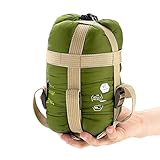
Overview: ECOOPRO’s envelope-style sleeping bag targets fair-weather campers with a 55–60°F temperature rating. Its minimalist 1.7-lb build and compact 11-inch packed size cater to ultralight backpackers prioritizing portability over extreme insulation.
What Makes It Stand Out: The waterproof nylon shell and breathable polyester lining create a versatile, skin-friendly barrier against light moisture. At 83 inches long, it accommodates most adults (or two children), while the envelope design offers more freedom than mummy bags.
Value for Money: Priced under $35, it’s ideal for budget-conscious hikers needing basic warmth in mild climates. Though not for cold nights, the included compression sack and multi-use potential (e.g., as a camp blanket) enhance its utility.
Strengths and Weaknesses: Strengths: Ultra-lightweight; highly packable; waterproof exterior; affordable; machine-washable. Weaknesses: Narrow 5°F comfort range; envelope shape sacrifices heat retention; lacks draft tubes or hoods for colder snaps.
Bottom Line: A solid budget pick for summer hikes or emergency use. Its waterproofing and portability shine in predictable warm weather, but limited insulation makes it unsuitable for true 3-season camping.
4. 3-4 Season Sleeping Bag for Adults & Kids, Lightweight Warm Cold Weather Camping Bag with Waterproof Compression Sack – Portable for Hiking, Backpacking, Traveling & Outdoor Adventures (Dark Gray)
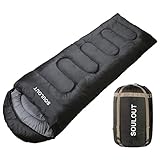
Overview: This rectangular sleeping bag promises 3–4 season versatility with water-resistant fabric and high-loft insulation. Designed for spring through fall, it balances roominess for adults/teens with portability via an included compression sack.
What Makes It Stand Out: The spacious envelope design offers superior wiggle room over mummy styles, while the water-resistant shell handles dew or light rain. Machine-washable convenience and soft interior lining prioritize comfort for car campers or casual backpackers.
Value for Money: At $50–$70, it competes well with mid-range bags. The combination of all-season insulation, easy cleaning, and family-friendly sizing delivers solid utility, though serious backpackers may find it bulky for long treks.
Strengths and Weaknesses: Strengths: Roomy rectangular fit; effective water resistance; easy maintenance; soft lining; good spring/fall warmth. Weaknesses: Less heat-efficient than mummy bags; heavier pack size; insulation may falter below 40°F.
Bottom Line: Best for car campers or beginners needing adaptable warmth. Its comfort and weather resistance suit most mild-weather trips, but weight and shape limit backpacking appeal.
5. Sleeping Bags for Adults Backpacking Lightweight Waterproof- Cold Weather Sleeping Bag for Girls Boys Mens for Warm Camping Hiking Outdoor Travel Hunting with Compression Bags(Navy Blue)

Overview: This hybrid bag targets 3-season use (41–77°F) with a 5’11” max height limit. At 3.3 lbs, it merges waterproofing for damp conditions with a unique foot-zipper design for temperature control during hikes or summer camps.
What Makes It Stand Out: The foot-zipper venting system is a rare feature for budget bags, allowing airflow adjustments as temperatures shift. The drawstring hood and hollow cotton insulation aim for adaptable warmth, while wipe-clean fabric suits messy adventures.
Value for Money: Priced around $45, it offers thoughtful touches like the foot vent and waterproofing for casual campers. However, the 50–68°F “design” rating versus 41–77°F “recommended” range creates confusion about true cold-weather capability.
Strengths and Weaknesses: Strengths: Foot-zipper ventilation; waterproof shell; easy surface cleaning; hood drawstring; compact packed size. Weaknesses: Temperature ratings lack clarity; hollow cotton fill compresses faster than synthetic alternatives; short length (86.6") excludes taller users.
Bottom Line: A functional choice for short trips in variable conditions, especially for kids or petite adults. The venting feature adds versatility, but inconsistent temperature data and size limits warrant caution for core backpacking.
6. ECOOPRO Warm Weather Sleeping Bag - Portable, Waterproof, Compact Lightweight, Comfort with Compression Sack - Great for Outdoor Camping, Backpacking & Hiking-83 L x 30" W Fits Adults

Overview: This 83" x 30" envelope-style sleeping bag targets warm-weather campers with a focus on portability and basic weather resistance. Designed for temperatures between 55–60°F, it uses waterproof nylon and breathable polyester lining to balance comfort and durability for solo adults or two children.
What Makes It Stand Out: Its standout features include true waterproofing (rare in budget summer bags), an ultra-compact 11" packed size, and featherlight 1.7 lb weight. The smooth zipper and multipurpose versatility—doubling as a camping comforter—cater well to minimalist backpackers needing reliable, no-fuss gear.
Value for Money: Priced accessibly, it outperforms non-waterproof alternatives in wet conditions while matching premium portability. Though lacking advanced insulation, it justifies cost for seasonal campers prioritizing weight savings over extreme cold protection.
Strengths and Weaknesses: Strengths: Exceptional packability; effective waterproofing; breathable lining; fits two children; includes compression sack. Weaknesses: Narrow temperature range (unsuitable below 55°F); basic envelope design lacks hood for warmth retention; limited insulation depth.
Bottom Line: Ideal for summer backpackers in mild, damp climates seeking a lightweight, waterproof option. Avoid for colder trips, but excellent value for its specific niche.
7. 0 Degree Winter Sleeping Bags for Adults Camping (350GSM) -Temp Range (5F – 32F) Portable Waterproof Compression Sack- for Big and Tall in Env Hoodie: Hiking Backpacking 4 Season

Overview: Built for extreme cold, this 4-season mummy bag handles temperatures down to 5°F with 450GSM microfiber insulation. Measuring 7.2 ft long, it specifically accommodates taller users (up to 6’10”) and emphasizes warmth retention through wind-blocking construction and a roomy fit.
What Makes It Stand Out: Its exceptional big-and-tall sizing, combined with a 5°F rating and machine-washable design, sets it apart. Features like anti-pinch zipper ribbons, 210T ripstop shell, and a skin-friendly 190T lining deliver pro-level durability without sacrificing comfort in sub-zero conditions.
Value for Money: At 5 lbs, it’s heavier than ultralight down bags but offers superior value for cold-weather campers needing robust, washable gear. Competes well against pricier expedition bags by including a compression sack and catering to underserved tall users.
Strengths and Weaknesses: Strengths: Spacious fit for tall users; reliable extreme-cold performance; waterproof shell; machine-washable; thoughtful anti-snag details. Weaknesses: Bulky packed size (15.6”); heavy for backpacking; synthetic fill loses loft faster than down.
Bottom Line: A top pick for tall adventurers tackling winter expeditions. Compromises on weight but delivers unmatched warmth and durability for its price.
8. Sleeping Bag for Adults, 25-36℉Cold Weather Mummy Sleeping Bag, Lightweight 3–4 Season Winter Sleeping Bag with Adjustable Hood, Phone Pocket & Compression Sack for Camping Hiking Backpacking

Overview: This technical mummy bag targets 3–4 season backpackers with a 25–36°F rating, ergonomic design, and tactical features. At 3.88 lbs, it balances weight efficiency and warmth for spring-to-fall trips, fitting users up to 6’1” with precision tailoring.
What Makes It Stand Out: The diagonal zipper (enhancing mobility), 3D footbox, and interior phone pocket address common mummy-bag frustrations. Water-resistant 40D nylon and 250g hollow-fiber insulation provide reliable damp-weather performance without synthetic fill’s typical bulk.
Value for Money: Competitively priced against mid-range bags, it adds premium touches (e.g., adjustable hood, anti-snag zippers) often found in costlier models. Ideal for backpackers seeking feature-rich warmth without down’s expense or maintenance.
Strengths and Weaknesses: Strengths: Innovative diagonal zipper; excellent draft protection; compact 13” packed size; phone pocket utility; ergonomic footbox. Weaknesses: Tight fit for broad-shouldered users; synthetic insulation less compressible than down; limited to mild winter use.
Bottom Line: A standout for backpackers wanting technical features in a cold-weather bag. Best for shoulder-season trips where weight and functionality matter most.
9. Kelty Cosmic Synthetic Fill 20 Degree Backpacking Sleeping Bag, Regular – Compression Straps, Stuff Sack Included (2025)

Overview: Kelty’s Cosmic Synthetic is a trusted 20°F regular mummy bag built for backpackers up to 6ft. Weighing 2 lbs 13 oz, it leverages synthetic insulation for damp-weather reliability, paired with a spacious footbox and trail-ready durability.
What Makes It Stand Out: Cirroloft synthetic insulation maintains warmth when wet—a critical edge over down—while the natural-fit footbox and exterior stash pocket prioritize comfort. Kelty’s reputation for rugged craftsmanship ensures longevity, even with frequent use.
Value for Money: Priced mid-range, it’s a steal for synthetic bags, undercutting premium brands while matching their weather resistance. The included compression sack and 20°F rating deliver exceptional versatility for spring-fall trips at a fair cost.
Strengths and Weaknesses: Strengths: Reliable wet-weather performance; generous footbox; lightweight for synthetic; durable construction; brand trust. Weaknesses: Heavier and bulkier than down equivalents; limited to 3-season use; basic hood adjustment.
Bottom Line: The go-to synthetic bag for damp climates or budget-conscious backpackers. Compromises on weight but excels in durability and consistent warmth.
10. OneTigris Bushcrafter’s Sleeping Bags, Mummy Sleeping Bag for Camping Hiking Backpacking, Survival Gear

Overview: This 3-season mummy bag serves bushcrafters and casual campers in 46–59°F conditions. At 6.8ft long, it offers generous space for adults while compressing to 7.8” x 16.5”, blending roominess with packability for survival-focused adventures.
What Makes It Stand Out: Its tall/wide design accommodates most users comfortably—a rarity in mummy bags—while YKK zippers and 300T pongee shell provide premium durability. The splash-resistant outer and quick-dry filling make it versatile for unpredictable spring/fall weather.
Value for Money: An affordable entry into quality mummy bags, it outperforms budget competitors with YKK hardware and machine-washable construction. Ideal for scouts or beginners needing reliable, multifunctional gear without splurging.
Strengths and Weaknesses: Strengths: Ample room for tall users; YKK anti-snag zippers; quick-drying fabric; compact stuff sack; versatile 3-season use. Weaknesses: Limited to mild cold (not true winter); synthetic filling lacks premium loft; basic draft tube.
Bottom Line: Perfect for casual campers and bushcrafters needing roomy, durable gear for fair-weather trips. Not for extreme cold, but exceptional value for its target range.
Understanding Temperature Ratings
The Reality Behind “Comfort” Labels
Manufacturers slap temperature ratings on bags like stickers on a water bottle, but these numbers are rarely absolute. A “20°F comfort rating” typically reflects the lower limit where an average sleeper stays warm in light clothing—not a guarantee for your cold-nights experience. Ratings often follow the EN/ISO standard (a rigorous lab test), but some brands use outdated or proprietary scales. Always prioritize bags with verified EN/ISO tags and treat the rating as a starting point, not gospel.
Adjusting for Your Personal Cold Tolerance
Your biology plays a huge role. Are you the type who wears socks to bed in summer? Do your hands stay icy even in spring? If so, you’ll likely need a bag rated 5–10°F colder than the expected lows. Women often run colder than men, and factors like fatigue, hydration, and recent calorie intake significantly impact warmth retention. Never cut it close with temperature margins—err on the side of caution.
Why “Extreme” Ratings Are Misleading
Beware of bags boasting “extreme” or “survival” ratings far below their main rating. These often represent the absolute minimum a lab dummy endured for six hours before risking frostbite—not a comfortable or safe recommendation. Relying on these numbers in real conditions is dangerous; they’re marketing gimmicks, not practical guidance.
Insulation Types: Down vs. Synthetic
Down: The Gold Standard (With Caveats)
Down insulation offers the best warmth-to-weight ratio and compressibility, making it ideal for weight-conscious backpackers. High fill-power down (700+ FP) traps more air in less space, yielding lighter, more packable bags. However, down loses all insulating ability when wet and takes forever to dry—a critical flaw in humid forests or rainy climates. Premium down also commands a steep price.
Synthetic: Reliability in Damp Conditions
Modern synthetic insulations (like PrimaLoft or Coreloft) have closed the performance gap significantly. They retain warmth when damp, dry faster, and are generally more affordable. While heavier and bulkier than down for equivalent warmth, synthetics excel in wet environments or for budget-focused adventurers. Newer “high-loft” synthetics mimic down’s packability but still can’t match its ultimate warmth efficiency.
The Ethical Sourcing Question
If choosing down, look for certifications like the Responsible Down Standard (RDS) or Global Traceable Down Standard (TDS). These ensure down is a byproduct of the food industry and prohibits live-plucking or force-feeding. Ethical sourcing matters—don’t compromise your values for a few ounces saved.
Weight and Packability: The Backpacker’s Dilemma
Striking the Balance Between Light and Warm
Ultralight bags (under 2 lbs) often sacrifice durability or warmth for weight savings, using thinner shell fabrics and minimal stitching. They’re perfect for fast-and-light trips in stable conditions but may feel flimsy or drafty in reality. Midweight options (2–3 lbs) offer the best versatility for most backpackers, balancing warmth, durability, and compressibility without breaking the bank.
How Compression Sacks Truly Impact Your Pack
A quality compression sack can shrink a bag by 30–50%, but aggressive compression damages insulation over time—especially down. Don’t store your bag compressed long-term; use a large storage sack at home. When packing, roll gently first, then compress. Remember: a bag that packs tiny but weighs 4+ lbs defeats the purpose of backpacking efficiency.
The Hidden Cost of Going Too Light
That 15-ounce quilt might save weight, but if it leaves you shivering at 40°F, you’ll burn precious calories staying warm all night—calories you need for tomorrow’s hike. Under-insulating forces you to wear bulky layers to bed, negating weight savings and reducing sleep quality. Prioritize adequate warmth; weight savings matter little if you’re miserable.
Fit, Shape, and Design Nuances
Mummy vs. Semi-Rectangular: Who Are You Sleeping For?
Mummy bags minimize dead air space (requiring less body heat to warm), making them warmer and lighter. They’re tapered from head to foot with a contoured hood—ideal for cold weather and solo backpackers. Semi-rectangular shapes offer more wiggle room (great for side sleepers) but are less thermally efficient. Avoid full rectangular bags; they’re heavy and drafty, better suited for car camping.
Shoulder and Hip Girth: Don’t Sacrifice Mobility
A bag too narrow across the shoulders restricts breathing and causes discomfort, while one too loose creates cold spots. Check the manufacturer’s girth specs at shoulder and hip points. If you’re broad-shouldered or wear layers to bed, size up slightly—many bags now offer “regular” and “long/wide” options.
Hood Design: Your Head’s Heat Shield
An effective hood should seal snugly around your face with minimal adjustment, often featuring a drawcord at the face opening and a 3D crown for insulation. A poor hood lets heat escape like an open window. Test this feature if possible; it’s vital for retaining warmth in freezing conditions.
Zippers, Draft Tubes, and Construction Details
Zipper Quality and Length: More Than Just Convenience
Full-length zippers offer ventilation versatility but add weight and potential draft points. Look for sturdy, snag-resistant zippers (like YKK) and a well-constructed draft tube—a baffle behind the zipper that blocks cold air from sneaking in. Shorter zippers (3/4 length) reduce weight but limit airflow options.
Stitching Techniques: Where Warmth Leaks Happen
Box-wall construction (individual fabric boxes holding insulation) prevents cold spots better than sewn-through stitching (where threads create heat-leaking lines). While box-wall adds slight weight, it’s worth it for consistent warmth. Check if baffles are vertically oriented in the footbox to stop insulation from shifting downward.
Hood and Collar Integration
The collar should sit high on your neck and cinch tightly without choking you. Some bags feature a “draft collar” with extra insulation above the shoulders—critical for trapping heat rising from your core. If the collar gaps or feels flimsy, cold air will invade your warmth zone.
Durability and Fabric Choices
Shell and Liner Deniers: Thin Isn’t Always In
Lower-denier fabrics (10D–20D) save weight but snag easily on rough tent floors or branches. For rugged trails, opt for 20D–30D shells—they add minimal weight but drastically improve longevity. Ripstop nylon is standard; some premium bags use ultra-strong but pricey fabrics like Pertex Quantum.
Water-Resistant Treatments: Worth the Investment?
DWR (Durable Water Repellent) coatings help shed light condensation inside your tent but wear off over time and aren’t waterproof. In very wet climates, this can delay moisture absorption into insulation, buying you time to dry your bag. However, never rely on DWR alone in rain—it’s a bonus, not a solution.
Reinforcement at High-Stress Points
Check for extra fabric layers or bartack stitching at zipper pulls, hood adjusters, and footboxes. These areas endure constant tension and abrasion; weak points here lead to premature failures miles from civilization.
Frequently Asked Questions
What’s the most common mistake first-time backpackers make with sleeping bags?
Overlooking personal cold tolerance—they choose a bag rated exactly for expected lows, not accounting for their own biology or unexpected temperature drops, leading to miserable, sleepless nights.
Can I use a summer sleeping bag for three-season backpacking?
Only in reliably warm conditions (above 50°F). Summer bags lack sufficient insulation for spring/fall nights where temperatures can plummet below 40°F, risking dangerous heat loss.
How do I test if a sleeping bag fits me properly?
Lie inside it at a store (or unpack it at home) and simulate sleeping: move side-to-side, pull the hood snug, and check for tightness across shoulders/hips. You should have minimal extra space but room to wear one insulating layer.
Are sleeping bag liners worth using?
Yes—they boost warmth by 5–15°F, protect the bag’s interior from sweat/oils (extending its life), and add a hygienic layer. Silk or thermal liners offer the best warmth-to-weight ratio.
Why does my sleeping bag feel less warm after a few years?
Insulation degrades over time. Down loses loft as clusters break down; synthetics mat together. Proper storage (fully lofted, not compressed) and gentle washing (using tech wash) slow this process significantly.
Should I size up for cold weather?
Not necessarily—excess space creates dead air your body must heat. Instead, choose a bag rated colder in your actual size, or wear dry base layers to bed. Oversizing makes the bag less thermally efficient.
How do I dry a wet sleeping bag on the trail?
Air it inside your tent during the day (away from direct sun), stuff it loosely in your pack to encourage airflow, and avoid compressing it wet. For synthetics, this might take one day; down can take 2–3 days of ideal conditions.
Is a sleeping pad really necessary with a good bag?
Absolutely. Over 50% of body heat loss happens through conduction to the ground. Even the warmest bag fails without an insulated pad with an R-value matching the season (R-value 3+ for summer, 5+ for winter).
Can I wash my sleeping bag in a regular washing machine?
Yes, but use a front-loader (no agitator), tech-specific detergent, and a gentle cycle. Top-loaders can damage baffles. Always dry on low heat with tennis balls to restore loft—never air-dry synthetics, as they mildew easily.
What’s the biggest indicator a bag is too heavy for backpacking?
If you dread shouldering your pack on long ascents or find yourself considering leaving it behind “just this once,” it’s too heavy. A true backpacking bag should feel like a necessary burden, not an anchor.
Related Buying Guides
- 10 Best Backpacking Sleeping Bags for Ultralight Hikers This Year
- 10 Best Sleeping Bags for Summer Backpacking Trips This Year
- 10 Expert-Recommended Camping Sleeping Bags for Family Adventures in 2026
- 10 Game-Changing Backpacking Sleeping Bags for Long-Distance Trails in 2026
- 10 Premium Backpacking Sleeping Bags (Worth the Investment) in 2026