Table of Contents
Choosing the right quiver can make or break your hunting experience in ways you might not expect. That moment of truth when your target steps into view is no time to fumble with stubborn arrow grips or deal with excessive noise that spooks game. The modern hunting quiver has evolved far beyond a simple arrow holder—it’s now a critical piece of equipment that affects your mobility, stealth, and shot readiness.
As we look toward the 2026 hunting season, understanding what separates a mediocre quiver from an exceptional one requires more than counting arrow slots. This comprehensive guide breaks down every feature, material choice, and design consideration you’ll need to evaluate. Whether you’re a treestand whitetail hunter or a backcountry elk chaser, these insights will help you make an informed decision without getting lost in marketing hype.
Top 10 Quivers for Hunting
Detailed Product Reviews
1. KRATARC Archery Lightweight Back Arrow Quiver Dual Use Foldable Compact Hip Arrows Bag with Molle System Pocket Hanged for Target Shooting Hunting (Black)

Overview: The KRATARC Archery Quiver delivers impressive versatility in a compact package. Constructed from durable polyester fabric with a thickened, wearproof bottom, this 19-inch quiver accommodates 18-24 arrows securely. Its dual-purpose design allows conversion between a back quiver and hip quiver, making it adaptable to various shooting styles and scenarios. The integrated Molle system and patch customization area let archers personalize their setup with tactical accessories or morale patches.
What Makes It Stand Out: This quiver’s primary distinction lies in its flexible carry system. The adjustable three-point padded shoulder strap ensures comfortable back carry, while the removable strap and belt clip enable quick conversion to hip-mounted use. The Molle webbing system extends functionality beyond simple arrow storage, allowing attachment of pouches or accessories. A large zippered pocket provides organized storage for arm guards, pullers, and bow strings.
Value for Money: Positioned in the mid-range price bracket, the KRATARC quiver offers excellent value through its 2-in-1 functionality. Comparable single-purpose quivers cost nearly as much, while the Molle customization and dual carry options essentially provide two products in one. The build quality exceeds expectations for the price point, making it a smart investment for growing archers.
Strengths and Weaknesses: Strengths include versatile carry options, Molle customization, comfortable padded straps, and ample storage. Weaknesses involve polyester material that, while durable, lacks the premium feel of higher-end fabrics, and the 18-24 arrow capacity may be limiting for extended target sessions.
Bottom Line: The KRATARC quiver is ideal for archers seeking versatility and customization without breaking the bank. Its dual-carry design and tactical features make it particularly suitable for those transitioning between target practice and hunting applications.
2. NRJSSCC Arrow Quiver, Archery Arrow Holder & Back Hip Quivers for Arrows, Adjustable Archery Equipment for Recurve & Compound Bow Target Practice and Hunting Accessories, Elegant Black

Overview: The NRJSSCC Arrow Quiver positions itself as a premium solution for serious archers. Built from tear-resistant materials with a reinforced bottom, this quiver prioritizes durability and arrow protection. Its foldable, compact design houses adjustable padded shoulder straps that extend from 13 to 30 inches, accommodating youth and adult shooters alike. The versatile construction serves recurve and compound bow users across target practice, hunting, and competitive scenarios.
What Makes It Stand Out: Exceptional adaptability defines this quiver. The extensive strap adjustment range ensures a secure, comfortable fit for virtually any body type, while the quick-release system enables rapid transition between shoulder and waist carry. The reinforced bottom provides critical protection for fletchings and broadheads, a feature often overlooked in budget options. Its universal design performs reliably across all archery disciplines, from daily training to school competitions.
Value for Money: While priced higher than entry-level quivers, the NRJSSCC justifies its cost through premium materials and multi-scenario versatility. The reinforced construction extends lifespan significantly, offering better long-term value than replacing cheaper alternatives. For competitive archers or dedicated hunters, the durability and adaptability represent a worthwhile investment.
Strengths and Weaknesses: Strengths include superior durability, extensive adjustability, comfortable padding, and true versatility across shooting styles. Potential weaknesses include a premium price that may exceed casual archers’ budgets and a “one-size-fits-all” approach that could feel excessive for those needing simple arrow storage.
Bottom Line: This quiver excels for committed archers demanding durability and flexibility. The NRJSSCC is a sound investment for competitive shooters, hunters, and serious practitioners who prioritize equipment longevity and adaptability over minimal cost.
3. LimbSaver Silent Quiver for Bow Hunting, One Piece, Carbon Black, 5 arrow

Overview: The LimbSaver Silent Quiver is a specialized bow-mounted hunting quiver engineered for stealth and efficiency. Unlike traditional back quivers, this five-arrow system attaches directly to your bow, featuring LimbSaver’s proprietary noise-dampening NAVCOM technology. Its low-profile, lightweight design minimizes bulk while the universal gripper accommodates both fixed and expandable broadheads across various shaft diameters.
What Makes It Stand Out: Silence is this quiver’s superpower. The vibration-dampening grippers eliminate the metallic rattling that spooks game, providing a genuine advantage in hunting scenarios. The quick-disconnect thumb release system allows silent arrow removal and easy quiver detachment when not needed. A positionable shaft gripper lets archers customize arrow placement for optimal balance and accessibility.
Value for Money: As a premium hunting-specific accessory, this quiver commands a higher price than basic models but delivers patented technology that serious hunters value. The durability in harsh environments and noise reduction capabilities justify the cost for dedicated bowhunters. However, target archers will find limited utility given its five-arrow capacity and bow-mounted design.
Strengths and Weaknesses: Strengths include exceptional noise dampening, quick-detach convenience, broadhead versatility, and rugged construction. The primary weakness is its specialized nature—five-arrow capacity is inadequate for target practice, and bow-mounted weight may affect balance for some shooters.
Bottom Line: This is a purpose-built tool for serious bowhunters prioritizing stealth above all else. If you hunt in noise-sensitive environments and value quick-detach convenience, the LimbSaver is an excellent investment. Target shooters and those needing higher capacity should look elsewhere.
4. SAS Archery Back Arrow Quiver Hunting Target with Two Front Pockets (Camo, Right)
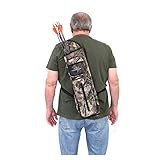
Overview: The SAS Archery Back Quiver prioritizes capacity and accessibility for target shooters and hunters needing ample arrow storage. Constructed from ultra-lightweight 600D polyester, this camo-patterned quiver features a large opening that facilitates smooth arrow retrieval. The generous main compartment holds approximately 30 arrows depending on diameter, while two front pockets—one with mesh netting and one expandable—provide organized storage for accessories.
What Makes It Stand Out: High capacity defines this quiver. The ability to carry 30 arrows eliminates frequent reloading during extended practice sessions. The dual-pocket design offers practical organization, with the mesh pocket perfect for small items and the expandable pocket accommodating larger accessories. Fully adjustable straps ensure compatibility with shooters of all sizes, while the lightweight construction prevents fatigue during all-day wear.
Value for Money: This quiver represents exceptional value for high-volume shooters. Its capacity rivals quivers costing twice as much, and the durable polyester construction withstands regular use. While lacking premium features like Molle systems or noise dampening, the SAS focuses resources on core functionality—carrying many arrows comfortably and affordably.
Strengths and Weaknesses: Strengths include impressive arrow capacity, lightweight design, effective pocket organization, and budget-friendly pricing. Weaknesses involve basic polyester material that may wear faster than premium fabrics, camo pattern that may not suit all preferences, and lack of advanced features like hip-carry conversion.
Bottom Line: The SAS quiver is perfect for target archers, instructors, and hunters prioritizing arrow capacity over specialized features. If you need to carry numerous arrows without spending premium dollars, this lightweight, functional quiver delivers exceptional bang for your buck.
5. RZAHUAHU Archery Quiver for Arrows Multi-Function Back with Molle System Tactical Arrow Holder Archery Bag Accessories and Pockets for Hunting Shooting Target Practice

Overview: The RZAHUAHU Archery Quiver embraces tactical functionality for gear-intensive archers. Constructed from durable, waterproof Oxford cloth, this 50x14x5cm quiver features an extensive Molle system plus a unique contraction belt for securing external items like water bottles. The multi-pocket design accommodates arm guards, pullers, and accessories, while removable tubes and adjustable straps enable ambidextrous use for both left and right-handed shooters.
What Makes It Stand Out: Tactical versatility sets this quiver apart. The Molle system allows extensive customization beyond typical quiver storage, while the external contraction belt expands carrying capacity for non-archery essentials. Waterproof Oxford cloth provides all-weather protection superior to standard polyester. The ambidextrous design with removable tubes ensures proper arrow orientation regardless of handedness—a thoughtful detail many quivers overlook.
Value for Money: Priced competitively with mid-range tactical gear, this quiver justifies its cost through waterproof construction and modular versatility. The ability to carry hydration and additional gear eliminates separate packs, saving money and weight. While tactical features may exceed casual archers’ needs, gear-intensive hunters and outdoor shooters gain significant value.
Strengths and Weaknesses: Strengths include waterproof material, Molle customization, ambidextrous design, external gear attachment, and durable construction. Weaknesses involve tactical aesthetic that may not appeal to traditional archers, potentially bulky profile when fully loaded, and complexity that could overwhelm simplicity seekers.
Bottom Line: This quiver excels for tactical gear enthusiasts, all-weather hunters, and archers who carry extensive equipment. If you value modularity, weather resistance, and ambidextrous functionality, the RZAHUAHU is an outstanding choice that bridges archery and tactical gear categories.
6. ARusyna 5 Arrow Bow Quiver for Archery Universal Hunting Quiver Quick Detach Quiver for Compound Bow and Recurve Bow Broadheads Lightweight Black
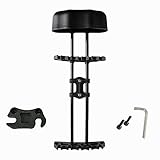
Overview: The ARusyna 5 Arrow Quiver delivers straightforward functionality for archers seeking a no-frills arrow storage solution. This universal quiver accommodates compound and recurve bows, holding up to five arrows with broadheads. Constructed from lightweight ABS plastic, it prioritizes durability and ease of use in hunting scenarios where quick access is paramount.
What Makes It Stand Out: The quick-detach lock mechanism distinguishes this quiver, allowing hunters to remove arrows silently and efficiently during critical moments. Its universal compatibility spans multiple bow types, while the ABS construction provides weather resistance without adding bulk. The five-arrow capacity hits the sweet spot for most hunting situations, balancing weight and ammunition availability.
Value for Money: Positioned as a budget-friendly option, this quiver offers essential features without premium pricing. While lacking the aesthetic appeal of leather or tactical versatility of high-capacity models, it delivers core functionality at a fraction of the cost. For beginners or hunters wanting a backup quiver, the price-to-performance ratio proves compelling.
Strengths and Weaknesses: Strengths include rapid arrow access, lightweight design, robust ABS construction, and universal bow compatibility. The quick-detach system operates smoothly under pressure. However, limited five-arrow capacity may restrict longer outings, the plastic aesthetic lacks traditional charm, and there’s minimal arrow protection compared to padded alternatives.
Bottom Line: Ideal for hunters prioritizing function over form, this quiver excels as a reliable, entry-level option. It performs admirably for short to medium hunting trips where rapid arrow deployment matters most. Consider this if you value simplicity, durability, and affordability in your archery kit.
7. Yuecoom 4/6 Arrow Quiver, Brown Leather Quiver Arrow Holder, Recurve Bow Quiver, Quick Shoot System Longbow Recurve Bow Quiver,Adjustable Archery Arrow Quiver for Hunting Shooting Practice (4)

Overview: The Yuecoom Leather Quiver merges traditional craftsmanship with modern functionality, offering archers a choice between four or six-arrow capacities. Hand-sewn from quality leather with an adjustable shoulder strap, this quiver caters to recurve and longbow enthusiasts who appreciate aesthetic elegance alongside practical performance for both practice and hunting.
What Makes It Stand Out: Exquisite hand-stitching and premium leather construction create a timeless appearance that enhances any traditional archery setup. The internal sponge pad and soft rubber clip system provide superior arrow protection while accommodating various shaft diameters. Its quick-shoot snap design enables rapid installation and angle adjustment, blending classic looks with contemporary convenience.
Value for Money: This mid-range quiver justifies its price through genuine leather materials and artisanal construction. While more expensive than synthetic alternatives, the durability, weather resistance, and aesthetic appeal offer long-term value. For traditional archers, the investment translates to equipment that improves with age and maintains resale value.
Strengths and Weaknesses: Strengths include beautiful craftsmanship, excellent arrow protection, adjustable carrying options, and versatile compatibility. The retro design appeals to traditionalists. However, leather requires more maintenance than synthetic materials, the capacity remains limited for extended hunts, and the premium price may deter budget-conscious buyers.
Bottom Line: Perfect for traditional archery purists seeking equipment that matches their bow’s elegance. This quiver excels in practice and shorter hunting excursions where style and arrow protection are priorities. Choose this if you value craftsmanship and are willing to maintain leather for lasting performance.
8. PSKOOK Archery Lightweight Back Arrow Quiver, Adjustable Quivers for Arrows with Molle System Shoulder Arrows Holder Hanged Target Shooting Quiver for Bow Hunting & Target Practice

Overview: The PSKOOK Back Quiver represents a tactical approach to arrow storage, accommodating 24-30 arrows in a high-capacity design. Constructed from rugged 600D PVC Oxford fabric with Molle and Velcro systems, this quiver targets serious target archers and hunters who require extensive ammunition storage and customizable accessory attachment options.
What Makes It Stand Out: The integrated Molle system transforms this from simple quiver to modular gear platform, allowing attachment of pouches and accessories. The three-point carry system ensures stability across body types and clothing layers. A large storage pocket secures arm guards, string wax, and tools, creating a comprehensive field solution that eliminates additional packs.
Value for Money: Despite higher capacity and tactical features, this quiver remains competitively priced. The 600D fabric construction offers military-grade durability at a civilian price point. For target shooters needing many arrows or hunters on extended trips, the utility surpasses smaller, similarly-priced alternatives, delivering exceptional functional value.
Strengths and Weaknesses: Strengths include massive capacity, modular Molle system, comfortable three-point harness, and integrated storage. The durable fabric withstands harsh conditions. However, the bulky profile may snag in dense brush, it’s overkill for short practice sessions, and the tactical aesthetic doesn’t suit traditional archery purists.
Bottom Line: Excellent for target archers, 3D competitors, and backcountry hunters requiring maximum arrow capacity and gear organization. The tactical design excels in open terrain and range environments. Opt for this if you prioritize capacity, modularity, and hands-free carrying over compact simplicity.
9. Eccliy Leather Hip Quiver for Arrows Archery Hunting Quiver Arrow Holder Handmade Archer Accessories for Shooting Targeting, Training

Overview: The Eccliy Hip Quiver offers mobile-focused archers a waist-mounted solution crafted from high-density PU leather with waterproof microfiber lining. Measuring 25 x 5 inches, this quiver enables one-handed arrow retrieval while maintaining stability during movement. Designed for dynamic shooting scenarios, it prioritizes accessibility and comfort for hunting and competitive applications.
What Makes It Stand Out: The scientifically angled tilt design minimizes arrow extraction interference, allowing archers to maintain focus and stance during target acquisition. Adjustable belt loops provide a secure, personalized fit that stabilizes the quiver during vigorous movement. The waterproof lining protects equipment in unpredictable weather, while the hip-mounted position keeps arrows accessible without encumbering the back.
Value for Money: This mid-priced quiver offers specialized functionality for mobile archers. The PU leather construction balances durability with affordability compared to genuine leather alternatives. For hunters navigating dense terrain or competitive shooters requiring rapid follow-up shots, the ergonomic design provides value that generic back quivers cannot match.
Strengths and Weaknesses: Strengths include excellent mobility, one-handed arrow access, weather-resistant construction, and stable hip-mount design. The tilted angle genuinely improves shooting flow. However, capacity is limited compared to back quivers, waist mounting may interfere with certain backpacks, and PU leather lacks the premium feel of genuine leather.
Bottom Line: Ideal for active hunters and field archers who prioritize movement and quick arrow access. The ergonomic design excels in dynamic shooting situations where traditional back quivers prove cumbersome. Choose this for mobile archery applications where accessibility and stability during motion are critical.
10. YTDYQFLZH Quiver Arrow Holder, Waxed Canvas Archery Quivers, Portable Arrow Quiver for Outdoor Hiking, Hunting, Shooting, Training, Targeting, Cosplay, Only The Quiver is Included (Brown)

Overview: The YTDYQFLZH Waxed Canvas Quiver combines vintage aesthetics with modern versatility in an 18-inch design holding 20+ arrows. Crafted from premium waxed canvas with a reinforced bottom, this quiver offers dual carrying modes—shoulder back or crossbody waist. Its adaptable design serves archers, hikers, and cosplay enthusiasts seeking durable, stylish arrow storage across diverse outdoor activities.
What Makes It Stand Out: The waxed canvas construction provides natural water resistance and develops character with use, unlike synthetic materials. Dual carrying configurations accommodate different shooting styles and body types, while the reinforced bottom prevents wear from broadhead contact. The generous capacity suits extended sessions without the tactical appearance of modern high-volume quivers.
Value for Money: This quiver delivers premium materials and versatile functionality at a moderate price point. Waxed canvas offers superior durability and weather resistance compared to standard fabrics, justifying the investment. For archers wanting one quiver for hunting, training, and costume use, the multi-scenario applicability provides exceptional economic value.
Strengths and Weaknesses: Strengths include versatile carry options, durable waxed canvas, large capacity, and classic aesthetic appeal. The reinforced bottom adds longevity. However, the canvas requires periodic re-waxing maintenance, lacks specialized arrow protection features like rubber clips, and the single compartment design may allow arrow rattling.
Bottom Line: Perfect for traditionalists and multi-purpose users wanting a quiver that performs in the field and looks authentic for historical reenactment or cosplay. The versatile design adapts to various activities while maintaining classic style. Select this for its durability, capacity, and timeless appearance across diverse archery applications.
Understanding Quiver Types for Modern Hunting
The foundation of your quiver selection starts with understanding the four primary designs available today. Each type serves distinct hunting styles and comes with unique trade-offs that directly impact field performance.
Back Quiver: Traditional Versatility
Back quivers hang over your shoulder and rest against your back, offering the most traditional aesthetic and excellent weight distribution. They excel in spot-and-stalk scenarios where you need complete freedom of movement without anything attached to your bow. The main drawback involves accessibility—you’ll need to practice the reach-back motion until it becomes second nature. Look for models with adjustable strap systems and stabilizing waist belts to prevent shifting during aggressive hikes.
Bow-Mounted Quiver: Streamlined Mobility
These attach directly to your bow’s riser, creating an integrated system that moves as one unit with your weapon. The primary advantage is instant arrow access without extra movement, crucial when hunting from blinds or tree stands. However, they add weight to your bow hand and can affect balance. Modern designs feature quick-detach mechanisms that let you remove the quiver before taking your shot, eliminating balance concerns while keeping arrows close at hand.
Hip Quiver: Accessible Convenience
Worn on your belt or thigh, hip quivers position arrows at your side for quick, quiet access. They’re particularly popular among 3D archers who’ve crossed over into hunting. The side positioning reduces bulk on your back and eliminates bow-weight issues. Pay attention to arrow grip tension—too loose and arrows fall out during crouching; too tight and you’ll fight every pull. The best designs offer individual arrow grippers with adjustable tension.
Tree Stand Quiver: Specialized Stationary Hunting
Designed specifically for elevated hunting, these quivers mount to your stand or nearby tree. They hold multiple arrows in a vertical position for silent, fumble-free access. Since they don’t travel with you, weight isn’t a concern, allowing for heavier, more stable construction. The limitation is obvious—you’re tied to that location. Consider these only if you primarily hunt from permanent or semi-permanent setups.
Key Capacity Considerations
How many arrows you carry isn’t just about confidence—it’s about practical weight, bulk, and hunt duration. Capacity decisions should match your hunting style and target species.
Standard Arrow Capacity for Different Game
For whitetail deer hunting where shots are limited, a 4-5 arrow quiver typically suffices. Elk or bear hunters in remote areas often prefer 6-7 arrows to account for longer hunts and potential follow-up shots. Waterfowl hunters using specialized arrow setups might need even fewer. Remember that every additional arrow adds weight and potential noise, so resist the urge to overfill “just in case.”
Expandable Options for Extended Hunts
Some modern quivers feature expandable designs that let you add or remove arrow tubes based on your needs. This flexibility proves invaluable for hunters who switch between day hunts and week-long backcountry trips. Look for systems with secure attachment points for expansion modules that don’t compromise the base quiver’s stability or create additional noise.
Minimalist Designs for Spot-and-Stalk
Ultralight hunters covering miles of terrain often gravitate toward 3-arrow quivers. These minimalist setups shave ounces and reduce profile, making them ideal for western spot-and-stalk hunting where every pound matters. The trade-off is obvious—you’d better make those first shots count. Many minimalist designs integrate directly into backpack systems or attach to the bow with ultra-secure, low-profile mounts.
Material Technology and Durability
The materials used in quiver construction directly impact noise, weight, weather resistance, and lifespan. Understanding these choices helps you prioritize what matters most for your hunting environment.
Weather-Resistant Synthetic Fabrics
Modern quivers utilize ballistic nylon, Cordura, and specialized polyester blends that resist moisture while remaining quiet. These materials typically feature DWR (durable water repellent) coatings that bead water away from arrow shafts and fletchings. In coastal or high-humidity environments, look for fully waterproofed options with sealed seams. The downside: some synthetic fabrics can develop a “crinkle” sound when cold, so test them in conditions similar to your hunting climate.
Quiet Operation Materials
Fleece-lined arrow grippers and foam inserts have replaced hard plastic components in premium designs. These materials grip arrows securely without the telltale “click” of older models. The interior lining should be dense enough to hold arrows upside down but soft enough for silent extraction. Some manufacturers use proprietary rubber compounds that maintain flexibility in sub-zero temperatures—a critical feature for late-season hunters.
Reinforced Structural Components
Carbon fiber and aircraft-grade aluminum reinforcements provide strength without excessive weight in high-stress areas like mounting brackets and frame structures. These materials resist bending and cracking better than standard plastics, especially important for bow-mounted quivers that endure constant vibration. For back quivers, look for internal frames that maintain shape even when fully loaded, preventing arrows from clattering together.
Noise Reduction Features
Silence isn’t just golden—it’s mandatory. The best quiver designs incorporate multiple noise-dampening features that work together to keep you undetected.
Silent Arrow Gripping Systems
Individual arrow grippers outperform single-groove designs for noise control. Each arrow sits in its own isolated slot, preventing contact with other shafts. The grip material should compress slightly when you insert an arrow, creating a custom fit that eliminates rattling. Test this by shaking the loaded quiver vigorously—if you hear anything, that sound will amplify in the quiet woods.
Dampening Technologies
Vibration dampeners mounted between the quiver and bow (or between the quiver body and mounting bracket) absorb the high-frequency buzz that can alert nearby game. These typically use rubber or gel compounds designed to deaden sound without adding significant weight. Some designs incorporate dual-layer construction with a dampening core sandwiched between outer shells, creating a noise-canceling effect.
Secure Attachment Mechanisms
Loose mounting hardware creates micro-movements that sound like dinner bells to alert animals. Look for locking cam systems or tension-adjustable bolts that maintain constant pressure. Bow-mounted quivers should have zero play when attached—wiggle them hard during testing. Any movement will worsen over time as you hike, climb, and hunt.
Weight and Balance Impact
Every ounce matters when you’re holding drawn bow at full draw, and weight distribution affects fatigue over long hunts. Smart quiver choices minimize these impacts.
Lightweight Construction Benefits
Modern quivers range from 8 ounces for minimalist hip models to over 2 pounds for heavy-duty back quivers. For bow-mounted options, stay under 12 ounces to prevent noticeable balance shift. Back and hip quivers can be slightly heavier since they don’t affect bow handling, but remember you’ll carry that weight all day. Carbon fiber and magnesium alloys offer the best strength-to-weight ratios.
Distribution and Bow Balance
Bow-mounted quivers position weight away from your hand, creating a lever effect that magnifies perceived weight. Models that position arrows close to the riser minimize this torque. Some designs allow you to adjust the quiver’s position along the riser, letting you fine-tune balance based on your bow’s geometry. Test this by holding your bow at full draw for 60 seconds with the quiver attached—fatigue indicates poor balance.
Heavy-Duty vs. Ultralight Trade-offs
Rugged, heavily-reinforced quivers withstand years of abuse but add pounds. Ultralight models reduce fatigue but may use thinner materials that wear faster. The sweet spot depends on your hunting style. Backcountry hunters should prioritize weight savings, while stand hunters can afford heavier, more durable construction. Consider the cost-per-season value rather than just upfront price.
Attachment and Compatibility
A quiver that doesn’t fit your bow or body properly becomes a liability. Compatibility goes beyond simple mounting—it involves integration with your entire hunting system.
Universal Mounting Systems
Most modern compound bows accept universal mounting hardware, but crossbows and traditional bows often require specialized brackets. Look for quivers with multiple mounting hole patterns or adjustable brackets that accommodate different riser designs. Some include adapter plates for popular bow models, eliminating guesswork. Always verify compatibility with your specific bow make and model before purchasing.
Brand-Specific Considerations
While avoiding specific recommendations, understand that some bow manufacturers design their quivers to integrate seamlessly with their bows’ balance and aesthetics. This doesn’t mean third-party quivers won’t work—in fact, many outperform proprietary options. The key is matching mounting hardware and ensuring the quiver’s weight and profile complement your bow’s design rather than fighting it.
Quick-Detach Mechanisms
The ability to remove your quiver silently and quickly proves invaluable in many hunting situations. Look for one-handed release systems that don’t require tools or excessive force. The mechanism should lock positively when reattached—no guessing if it’s secure. Practice detaching and reattaching until the motion becomes muscle memory, because fumbling with a noisy release at the moment of truth defeats the purpose.
Accessibility and Retrieval Speed
When opportunity presents itself, arrow access must be automatic. The difference between success and tag soup often comes down to seconds.
One-Handed Operation Design
Your support hand should be able to extract an arrow silently without looking, while your shooting hand maintains grip and anchor. This requires arrow grippers positioned at the perfect angle and tension. Test this repeatedly with gloves on—cold weather hunting demands tactile feedback even through thick insulation. The arrow should release with a smooth, consistent pull every time.
Arrow Orientation Options
Some quivers hold arrows with nocks up, others with points up, and some offer adjustable orientation. Nock-up positioning allows faster nocking but risks broadhead damage to the quiver interior. Point-up designs protect broadheads but require an extra hand rotation. Consider which motion feels more natural during practice sessions. Many hunters prefer hybrid systems that angle arrows for optimal access while protecting both points and fletchings.
Practice and Muscle Memory
No quiver design compensates for lack of practice. Spend time shooting with your quiver attached, then practice drawing arrows between shots. Your body needs to learn the exact motion, angle, and force required. This practice reveals design flaws—if you struggle during casual range sessions, you’ll fail under pressure. The best quiver becomes an extension of your body, requiring no conscious thought to operate.
Specialized Hunting Applications
Different hunting scenarios demand specific quiver features. Matching your quiver to your primary hunting method optimizes performance.
Tree Stand and Blind Configurations
Elevated hunters benefit from quivers with vertical orientation and low profiles that fit tight spaces. Bow-mounted designs should position arrows within easy reach while seated. Some hunters prefer a separate tree-mount quiver that keeps arrows stationary and silent, attaching to the stand itself. These often hold more arrows since weight isn’t a factor, and they eliminate any bow-balance issues.
Spot-and-Stalk Mobility Needs
Western hunters covering miles need quivers that attach securely to packs or stay tight to the bow without snagging vegetation. Low-profile designs that hug the bow’s contour prevent branches from catching. Back quivers work well here too, but require a stabilizing belt to prevent bouncing during strenuous climbs. Look for models with streamlined shapes that don’t extend beyond your pack’s profile.
Backcountry and Backpack Hunts
Multi-day hunts require quivers that integrate with backpack systems. Some designs attach directly to pack straps or frames, distributing weight to your hips rather than shoulders. Consider how your quiver interacts with your pack’s waist belt—conflict here creates pressure points and noise. Modular systems that let you remove the quiver from your pack and attach it to your bow when closing in on game offer maximum versatility.
Maintenance and Longevity
A quality quiver should last multiple seasons with proper care. Understanding maintenance needs helps you protect your investment and ensure reliable performance.
Cleaning and Care Routines
Synthetic fabric quivers clean easily with mild soap and water—avoid harsh detergents that break down water repellency. Inspect arrow grippers monthly for debris that could scratch arrow shafts. Leather components (common in traditional-style quivers) require conditioning to prevent cracking. After hunts in rain or snow, empty the quiver and let it air dry completely before storage to prevent mildew.
Wear Point Inspection
Check mounting brackets and hardware before each season for cracks or loosening. Arrow grippers lose tension over time—if arrows feel loose, it’s time for replacement inserts. Straps and buckles on back quivers endure significant stress; inspect stitching for separation. Catching these issues early prevents field failures. Keep spare mounting hardware in your pack—a lost bolt shouldn’t end your hunt.
Seasonal Storage Best Practices
Store quivers in a climate-controlled environment during off-season. Extreme heat can degrade rubber grippers and synthetic fabrics. Loosen straps to prevent permanent compression of padding. For bow-mounted quivers, remove them from the bow to prevent mounting hardware from seizing. A light coat of silicone spray on metal components prevents rust in humid climates. Proper storage extends usable life by years.
Budget and Value Assessment
Price doesn’t always equal performance, but understanding what features justify cost helps you spend wisely.
Entry-Level Feature Sets
Budget quivers typically use simpler materials and basic mounting systems but can still perform admirably. Expect plastic mounting brackets, standard nylon fabrics, and fixed arrow capacity. These work fine for occasional hunters or those just starting out. The compromise comes in durability and noise reduction—you’ll likely replace them sooner, but the initial investment is modest.
Premium Investment Justification
Higher-priced quivers justify cost through advanced materials, superior noise dampening, and modular features. Carbon fiber construction, proprietary silent grippers, and quick-detach systems become standard. For serious hunters who spend 30+ days afield annually, this investment pays dividends in reliability and stealth. The cost-per-hunt drops significantly over a 5-10 year lifespan.
Cost-Per-Season Value
Calculate value by dividing price by expected seasons of use. A $150 quiver lasting 10 seasons costs $15 per year. A $50 quiver replaced every two seasons costs $25 per year. Factor in intangible costs like missed opportunities due to equipment failure. Sometimes spending more upfront saves money and frustration long-term. Consider your hunting frequency and environment when deciding where to invest.
Frequently Asked Questions
How many arrows should my hunting quiver hold? Most hunters carry 4-6 arrows. Whitetail hunters typically need 4-5, while western big game hunters often prefer 6-7 for longer hunts. More arrows add weight and bulk, so carry only what you realistically need for your hunt duration and target species.
Will any quiver fit my compound bow? Most modern compound bows use universal mounting holes, but always verify compatibility. Crossbows and traditional bows often need specialized brackets. Check your bow’s riser for pre-drilled holes and measure spacing before purchasing.
Are bow-mounted quivers too noisy for hunting? Quality bow-mounted quivers designed for hunting incorporate extensive noise-dampening features. Cheap or target-shooting quivers often rattle. Test by shaking the loaded quiver vigorously—if it’s silent in your garage, it’ll be silent in the field.
What’s the quietest quiver material? Fleece-lined interiors and rubberized arrow grippers offer the quietest operation. Avoid hard plastic components that click or clack. Many premium quivers use proprietary foam or rubber compounds specifically engineered for silent arrow retention.
Should I remove my quiver before shooting? With modern quick-detach systems, many hunters remove the quiver once in position to improve bow balance. However, well-designed bow-mounted quivers that position arrows close to the riser allow accurate shooting while attached. Practice both ways to see what works for your setup.
How do I clean my quiver after a rainy hunt? Empty all arrows and wipe down with a damp cloth. Let it air dry completely before storage—never use direct heat. For fabric quivers, mild soap and water remove mud and blood. Check manufacturer guidelines for specific material care.
Can I use a back quiver for tree stand hunting? Back quivers work but aren’t ideal for tree stands. The reach-back motion is awkward when seated, and the quiver can catch on stand components. Bow-mounted or tree-mount quivers offer better accessibility in elevated positions.
What’s the difference between fixed and expandable quivers? Fixed quivers have a set number of arrow slots. Expandable models let you add or remove tubes based on your needs. Expandable systems offer versatility but may have more potential failure points. Choose based on whether you hunt varied durations.
How long should a hunting quiver last? With proper care, a quality quiver should last 5-10 seasons. Budget models may need replacement every 2-3 seasons. Inspect mounting hardware and arrow grippers annually—these wear points often fail first.
Are hip quivers practical for hunting? Hip quivers excel in spot-and-stalk scenarios where you need quick access while moving. They can snag on vegetation and may be uncomfortable with heavy backpacks. For stand hunting, bow-mounted designs typically work better.