Table of Contents
When you’re miles from civilization with nothing but trail ahead, every ounce in your pack matters—but nothing matters more than safe drinking water. Backpackers face a critical paradox: the wilderness provides breathtaking beauty and pristine-looking water sources that can harbor invisible threats like bacteria, protozoa, and viruses. Choosing the right portable water filter becomes a decision that directly impacts your health, pack weight, and peace of mind on the trail.
The market for backpacking water filters has evolved dramatically, with 2026 bringing even more sophisticated options that balance ultralight design with powerful filtration capabilities. Whether you’re planning a weekend warrior escape or a months-long thru-hike, understanding what separates a reliable filter from a risky gamble is essential. This guide walks you through everything you need to know to make an informed decision without getting lost in technical jargon or marketing hype.
Top 10 Portable Water Filters for Backpackers
Detailed Product Reviews
1. Waterdrop Gravity Water Filter Straw, Camping Water Filtration System, Water Purifier Survival for Travel, Backpacking and Emergency Preparedness, 1.5 gal Bag, 5 Stage Filtration, Pack of 1
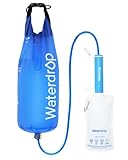
Overview: The Waterdrop Gravity Water Filter Straw combines a 5-stage filtration system with a 1.5-gallon gravity-fed bag, creating a comprehensive solution for outdoor enthusiasts and emergency preparedness. This system filters water through coconut shell activated carbon and a 0.1-micron ultrafiltration membrane, removing chlorine, sediment, and harmful contaminants while improving taste.
What Makes It Stand Out: The integrated gravity bag design sets this apart from standalone straw filters, allowing hands-free filtration for groups. The innovative backwash purifier function extends its lifespan significantly, enabling cleaning without special tools. With a capacity of 1,400 gallons and flow rate of 700 ml/min, it balances longevity with practical usability for all-day outdoor adventures.
Value for Money: Priced competitively for a gravity-fed system, the Waterdrop offers excellent value considering its dual-functionality as both a straw and gravity filter. The included 1.5-gallon bag eliminates separate purchases, and the extended lifespan translates to roughly $0.01 per gallon—substantially cheaper than disposable bottles or pump filters.
Strengths and Weaknesses: Strengths include versatile connectivity options, large capacity bag for group use, effective 5-stage filtration, and recyclable design. The gravity system requires hanging space and patience compared to squeeze filters. The bag’s durability may concern heavy users, and the bulkier setup isn’t ideal for ultralight backpackers.
Bottom Line: The Waterdrop Gravity system excels for basecamp scenarios and emergency kits where capacity matters more than minimal weight. It’s a reliable, cost-effective choice for families and groups prioritizing convenience and filtration performance over absolute portability.
2. Sawyer Products SP128 Mini Water Filtration System, Single, Blue

Overview: The Sawyer MINI is a palm-sized powerhouse weighing just 2 ounces, designed for minimalist adventurers who refuse to compromise on safety. This 0.1-micron absolute inline filter removes 99.99999% of bacteria and 99.9999% of protozoa, making it a trusted companion for hiking, camping, travel, and emergency kits worldwide.
What Makes It Stand Out: Sawyer’s rigorous quality control—100% of units are individually tested three times—provides unmatched reliability assurance. Its remarkable 100,000-gallon lifespan dwarfs competitors, while universal 28mm threading attaches to disposable bottles, hydration packs, or the included squeeze pouch. The versatility to drink directly from sources or filter into containers adds exceptional practical value.
Value for Money: Despite a slightly higher upfront cost than basic straws, the MINI’s extraordinary longevity makes it one of the most economical filters available. At 100,000 gallons, the cost per gallon is virtually negligible. The included accessories—squeeze pouch, straw, and cleaning plunger—eliminate additional purchases, delivering premium performance at a mid-range price.
Strengths and Weaknesses: Strengths include incredible lifespan, proven filtration efficacy, ultralight design, and versatile connectivity. The flow rate can slow with turbid water requiring frequent backflushing. The 16-ounce pouch is small for group use, and the hollow fiber membrane requires protection from freezing temperatures.
Bottom Line: The Sawyer MINI is the gold standard for individual users seeking maximum reliability and lifespan in a compact package. It’s worth every penny for serious adventurers and preparedness-minded individuals.
3. Membrane Solutions Personal Water Filter, Survival Filtration Straw Portable Gear, Emergency Preparedness, Supply for Drinking Hiking Camping Travel Hunting Fishing Team Family Outing (Blue, 4 Pack)
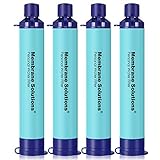
Overview: The Membrane Solutions Personal Water Filter four-pack delivers NSF-certified protection for families and groups. Each straw features a 5-stage filtration system with 0.1-micron precision, removing 99.9999% of coliform bacteria while maintaining essential minerals. At 7.1 inches and 2 ounces each, these filters pack serious capability into pocket-sized tools.
What Makes It Stand Out: Triple NSF certification (42, 372, 401) provides verified assurance against chlorine, lead, and microplastics—rare in this price category. The four-pack configuration offers immediate value for families, while removable ends facilitate thorough cleaning and extend lifespan to 1,320 gallons per filter. This scientific validation distinguishes it from unverified competitors.
Value for Money: Buying in bulk slashes the per-unit cost significantly, making this one of the best family-value propositions. Four filters for the price of two premium singles means everyone gets dedicated protection. The NSF certification justifies a slightly higher price than no-name alternatives, while the extended lifespan keeps long-term costs minimal.
Strengths and Weaknesses: Strengths include certified filtration standards, multi-pack convenience, effective 5-stage design, and mineral preservation. Flow rate at 500 ml/min is slower than some competitors. The blue color shows dirt easily, and individual storage cases aren’t included. Lacks the gravity bag option of some systems.
Bottom Line: Perfect for families and group outings, this NSF-certified four-pack offers verified safety and exceptional value. It’s the smart choice for those prioritizing certified performance over brand premium.
4. Katadyn BeFree 1.0L Water Filter, Fast Flow, 0.1 Micron EZ Clean Membrane for Endurance Sports, Camping and Backpacking, One Size, 8018006

Overview: The Katadyn BeFree 1.0L revolutionizes on-the-go filtration with its integrated soft-flask design and blazing 2-liter-per-minute flow rate. Weighing a mere 2.3 ounces, this Swiss-engineered system targets endurance athletes and ultralight backpackers who need clean water without slowing down. The 0.1-micron hollow fiber filter removes bacteria and protozoa with minimal effort.
What Makes It Stand Out: The EZ-Clean membrane requires just a simple shake or swish—no backflushing tools or complicated maintenance. The collapsible Hydrapak flask compresses as you drink, saving pack space. Fast Flow Channels deliver water faster than most pump or squeeze systems, while the Stay Clean nozzle prevents contamination between uses. This combination of speed and simplicity is unmatched.
Value for Money: Positioned as a premium ultralight option, the BeFree costs more than basic straws but delivers superior user experience. The 1,000-liter lifespan is adequate for regular seasonal use, though shorter than some competitors. For trail runners and fast-packers, the time saved and convenience justify the price premium.
Strengths and Weaknesses: Strengths include exceptional flow rate, effortless cleaning, ultralight integrated design, and Swiss quality guarantee. The soft flask is less durable than rigid bottles for rough use. Filter lifespan is shorter than top competitors, and replacement filters add ongoing costs. Freezing can damage the hollow fiber membrane.
Bottom Line: The BeFree is unbeatable for speed-focused adventurers who value convenience and fast water access. It’s a premium choice worth the investment for trail runners and ultralight hikers.
5. Straw Water Filter 5 Pack – Outdoor Camping & Hiking Survival Gear Kit for Family Use, Ultra-Light Personal Filter Straws for Backpacking, Travel, Bug-Out Bags and Emergency Preparedness

Overview: This five-pack of personal water filters prioritizes family preparedness and group convenience. Designed for real-world scenarios, each straw uses a 0.1-micron hollow fiber UF membrane combined with a sediment prefilter to eliminate 99.99999% of harmful substances. The food-grade, BPA-free construction ensures safe drinking across countless outdoor and emergency situations.
What Makes It Stand Out: The five-pack configuration eliminates sharing concerns during family trips or team outings, providing individual protection for each member. Its dead-simple operation requires zero setup or learning curve—just open and drink. The pocket-ready design and inclusion of multiple units make it ideal for distributed emergency preparedness across vehicles, packs, and home kits.
Value for Money: This bulk pack offers one of the lowest per-unit costs available, making it accessible for budget-conscious families. While lacking premium certifications, the food-grade materials and proven filtration technology deliver reliable performance at a fraction of individual filter prices. The convenience of having five ready-to-use units outweighs the basic feature set.
Strengths and Weaknesses: Strengths include unbeatable multi-unit value, foolproof simplicity, lightweight portability, and family-focused packaging. No independent certifications are listed, and flow rate specifications aren’t provided. Individual filter lifespan is unclear, and the basic design lacks advanced features like backwashing valves or gravity options.
Bottom Line: An excellent entry-level solution for families wanting basic protection without complexity. It’s the practical choice for emergency kits and casual camping where simplicity and quantity matter most.
6. BKLES Water Filter Camping – Electric Portable Water Purifier Survival, 0.01 Micron, 6-Stage Water Filtration System Survival with Emergency Lighting for Hiking, Backpacking, Travel – BK-2000

Overview: The BKLES BK-2000 redefines convenience in backcountry water treatment with its electric-powered design. This 350-gram system employs a comprehensive 6-stage filtration process—including a 0.01-micron ultrafiltration membrane, KDF media, and multiple carbon layers—to transform natural water sources into safe drinking water. Certified by SGS, FDA, FCC, and UL, it targets serious outdoor enthusiasts and emergency preppers.
What Makes It Stand Out: Hands-free operation is the game-changer here. Press a button to activate the pump and walk away while it delivers 700ml per minute, freeing you to manage camp tasks. The integrated emergency light proves invaluable for predawn or nighttime water collection. Multiple power options—built-in lithium battery, solar panels, or vehicle power—ensure functionality anywhere. One full charge purifies an impressive 168 liters, supporting group use for 10-15 days.
Value for Money: Positioned as a premium system, the BK-2000 justifies its price through automation and capacity. Unlike manual filters requiring constant physical effort, this electric model saves energy for actual adventuring. Replacement cartridges (search B09NNDR6L7 and B09NNFHJVK) last 1,000 liters, matching industry standards. For base camps or extended expeditions, the convenience outweighs the higher initial investment compared to squeeze filters.
Strengths and Weaknesses: Strengths include exceptional 0.01-micron filtration, hands-free operation, emergency lighting, versatile power inputs, and robust certifications. Weaknesses center on battery dependency—if power depletes, you’re without filtration. At 350 grams, it’s heavier than manual alternatives. The 180-day replacement schedule demands diligent tracking, and the system’s complexity adds potential failure points absent in simpler designs.
Bottom Line: Ideal for car camping, group expeditions, or emergency kits where weight is secondary to convenience. Not for ultralight purists, but perfect for those wanting push-button reliability and comprehensive filtration in challenging environments.
7. Sawyer Products SP129 Squeeze Water Filtration System w/Two 32-Oz Squeeze Pouches, Straw, and Hydration Pack Adapter

Overview: The Sawyer SP129 Squeeze System epitomizes simplicity and reliability in a palm-sized package. Weighing a mere 2 ounces, this 0.1-micron absolute filter eliminates bacteria, protozoa, cysts, sediment, and 100% of microplastics. Trusted by millions of outdoor enthusiasts, it represents the benchmark for lightweight water treatment without compromising performance.
What Makes It Stand Out: Unmatched quality control distinguishes Sawyer—each unit undergoes three individual performance tests before packaging. Remarkable versatility allows deployment as a squeeze system, direct straw, hydration pack inline filter, or gravity-fed setup. Universal 28mm threading integrates seamlessly with standard disposable bottles, providing field-expedient solutions when included pouches wear out.
Value for Money: Mid-range pricing delivers exceptional return. The kit includes two 32-ounce collapsible pouches, a drinking straw, hydration adapters, and a mesh storage bag—no hidden accessory costs. With proper backflushing, the filter lasts indefinitely, eliminating recurring expenses. This longevity makes it cheaper over time than replaceable-cartridge systems, especially for frequent adventurers.
Strengths and Weaknesses: Strengths include ultralight weight, proven durability, zero battery requirements, and multiple configuration options. The primary weakness is pouch longevity—collapsible bags eventually leak and require replacement. Manual squeezing demands physical effort for large volumes. While 0.1-micron filtration handles most threats, it doesn’t match 0.01-micron systems for virus protection in developing regions.
Bottom Line: The gold standard for solo backpackers and minimalist adventurers prioritizing weight savings and proven field reliability. Perfect for North American backcountry where viral contamination is rare. For those wanting simple, effective water treatment without batteries or moving parts, the SP129 remains unbeatable.
8. LifeStraw Personal Water Filter for Hiking, Camping, Travel, and Emergency Preparedness, 2 Pack, Blue
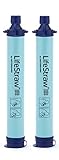
Overview: LifeStraw pioneered the personal water filter category with this iconic straw design. Each unit weighs less than 2 ounces and provides 1,000 gallons of protection against 99.999999% of bacteria, 99.999% of parasites, and microplastics. This two-pack offers redundant backup for critical situations where water safety is non-negotiable.
What Makes It Stand Out: The humanitarian mission sets LifeStraw apart—each purchase provides one year of safe water to a child in need. Unlimited shelf life makes these perfect for emergency kits that may sit idle for years. The extraordinary removal percentages exceed most competitors, offering maximum confidence when drinking from stagnant ponds or suspect sources. No moving parts, batteries, or maintenance required.
Value for Money: Exceptional per-unit value in this two-pack configuration. Zero ongoing costs—no replacements, cleaners, or accessories needed. For occasional hikers or emergency preparation, it’s among the most cost-effective solutions available. However, the straw-only design limits utility for frequent adventurers who need to filter water for cooking or carry it between sources.
Strengths and Weaknesses: Strengths include featherlight weight, absolute simplicity, proven effectiveness, and the social impact program. Critical weaknesses: no storage capability means drinking directly from the source, which can be awkward and potentially dangerous near fast-moving water. You cannot filter water for bottles, cooking, or sharing. The fixed design offers no versatility beyond personal drinking.
Bottom Line: An indispensable backup that belongs in every pack and emergency kit. While unsuitable as a primary water system for most trips, its reliability and social mission make it essential insurance. Carry one as a failsafe and use your main filter for bulk water collection.
9. 4 Packs of Water Filter Straws, Portable Personal Water Filtration System, Ultrafiltration Water Purifier, Emergency Preparedness for Camping, Hiking, Drinking, Travel, Hunting, and Family Outings

Overview: This four-pack delivers basic water purification for budget-conscious groups. Each 0.9-ounce straw employs 0.1-micron hollow fiber ultrafiltration membranes to remove pollutants, chlorine, and odors while preserving beneficial minerals. CMA certification and EPA-standard testing validate performance claims for family-oriented outdoor activities.
What Makes It Stand Out: Bulk packaging provides immediate value for families, youth groups, or outfitters needing multiple personal filters. The compact 4.53-inch length fits anywhere, and the 8.5 oz/minute flow rate balances filtration accuracy with drinkable resistance. Mineral preservation ensures filtered water retains healthy electrolytes rather than stripping everything like some systems.
Value for Money: Outstanding value for multi-person scenarios. Four filters typically cost less than one premium brand unit, making this accessible for casual users. However, the 211-gallon lifespan per filter is significantly shorter than top-tier alternatives, requiring more frequent replacements for regular adventurers. The generic brand lacks Sawyer’s or LifeStraw’s extensive field-proven track record.
Strengths and Weaknesses: Strengths include affordability, extreme portability, group convenience, and mineral retention. Weaknesses center on unproven long-term reliability compared to established brands, shorter filter life, and lack of virus protection. The straw design shares LifeStraw’s limitations—no storage, direct-source drinking only, and inability to filter water for cooking or sharing.
Bottom Line: Best suited for family day trips, youth group outings, or as inexpensive backup filters. While not replacing premium systems for serious expeditions, this four-pack provides adequate protection for casual outdoor activities and emergency preparedness when budget constraints dominate decision-making.
10. Survivor Filter PRO – 0.01 Micron Portable Water Filtration System Survival – Tested in USA Labs – Bacteria, Parasite and Virus Removal – Ultimate Survival & Backpacking Gear

Overview: The Survivor Filter PRO is a professional-grade system delivering 0.01-micron filtration in a 12.8-ounce package. USA lab testing confirms 99.999% removal of viruses, bacteria, protozoa, and heavy metals—protection levels exceeding typical backpacking filters. Designed for survival scenarios and international travel, it handles the most compromised water sources.
What Makes It Stand Out: The lifetime warranty demonstrates confidence unmatched in the industry. Virus protection at 0.01 microns provides security where waterborne viruses like Hepatitis A and Rotavirus are concerns. The manual hand pump delivers 500ml/minute without battery dependency—a critical feature in extended grid-down scenarios. No charging, no dead batteries, just consistent performance.
Value for Money: Premium-priced but justified by professional features and warranty. For domestic backpacking where viruses are rare, it may be overkill. However, for international travelers, survivalists, or disaster preppers, the virus protection and lifetime replacement policy deliver unmatched long-term value, effectively eliminating future filter purchases.
Strengths and Weaknesses: Strengths include superior 0.01-micron filtration, virus protection, lifetime warranty, respectable flow rate, and power independence. The primary weakness is weight—12.8 ounces is substantial for ultralight hikers. It’s bulkier than minimalist options and requires manual pumping effort that becomes tiring when processing large volumes for groups.
Bottom Line: The ultimate choice for international adventurers, survivalists, and emergency preppers demanding maximum protection. While too heavy for ounce-counting backpackers, its virus-blocking capability and lifetime warranty make it indispensable for those venturing into truly questionable water sources or preparing for worst-case scenarios.
Why Water Filtration is Non-Negotiable for Backpackers
The Risks of Untreated Water
Backcountry water sources might look crystal clear, but appearances deceive. Microscopic pathogens like Giardia lamblia, Cryptosporidium, and E. coli lurk in even the most pristine mountain streams. These organisms can cause debilitating gastrointestinal illness that cuts trips short and creates dangerous dehydration situations miles from medical help. Animal activity upstream, decaying organic matter, and seasonal runoff all contaminate water sources in ways you can’t detect with the naked eye.
How Filters Protect Against Illness
Portable water filters act as physical barriers, trapping harmful microorganisms while allowing clean water to pass through. Most backpacking filters use hollow fiber membrane technology with pore sizes small enough to block bacteria and protozoa. Think of it as a microscopic sieve that lets water molecules through but catches anything larger than 0.1 or 0.2 microns. This mechanical filtration provides immediate protection without waiting for chemical treatments to work or batteries to charge.
Understanding Filtration Technologies
Mechanical Filtration Explained
Mechanical filtration remains the backbone of most portable systems. Hollow fiber membranes consist of thousands of tiny straws with microscopic pores. When you force water through these fibers, contaminants get trapped on the outside while clean water flows through the center. This technology requires no chemicals, batteries, or waiting time—just physical pressure from pumping, squeezing, or gravity.
Activated Carbon and Chemical Reduction
Many filters incorporate activated carbon elements that do more than just block particles. Carbon absorbs chemicals, improves taste, and reduces odors from your water. It can remove chlorine, pesticides, and some heavy metals that mechanical filtration misses. However, carbon elements saturate over time and require regular replacement to remain effective, especially when filtering chemically-treated municipal water sources during travel.
UV Purification Basics
UV light systems use ultraviolet radiation to scramble the DNA of microorganisms, rendering them harmless. These devices work quickly and don’t affect water taste, but they have significant limitations. UV light can’t penetrate murky water, requires batteries, and fails to remove particulates or chemical contaminants. Most backpackers use UV as a secondary treatment method or for clear water sources only.
Gravity vs. Pump vs. Squeeze Systems
Your filtration method dramatically impacts convenience and effort. Gravity systems hang from a tree and filter water while you set up camp—perfect for groups but slower. Pump filters give you control and work in shallow water sources but require manual effort. Squeeze filters attach directly to bottles or reservoirs, offering a lightweight balance between convenience and speed for solo hikers.
Key Performance Metrics
Micron Ratings and What They Mean
Micron ratings indicate pore size and directly determine what your filter can catch. A 0.1-micron filter blocks bacteria like Salmonella and E. coli, while a 0.2-micron rating still protects against most protozoa like Giardia. For virus protection—which is rare in North American backcountry but relevant for international travel—you need purification down to 0.02 microns or additional chemical treatment.
Flow Rate Considerations
Flow rate, measured in liters per minute, affects how long you’ll spend at water sources. Fast-flowing filters process 1-2 liters per minute, while slower models might take several minutes per liter. Consider your patience level, group size, and daily water needs. A filter that seems fine in your backyard might frustrate you when you’re tired, hungry, and still have miles to hike.
Filter Lifespan and Capacity
Filter lifespan ranges from hundreds to thousands of liters depending on design and water quality. A filter rated for 1,000 liters might last a solo backpacker several seasons but only one group trip. Check the rated capacity and consider how often you’re willing to replace cartridges. Some filters can be cleaned in the field to restore flow rate, extending their practical lifespan significantly.
Physical Design Factors
Weight and Packability
Ultralight backpackers scrutinize every gram, and water filters represent a necessary weight penalty. Compact squeeze filters and straw-style devices weigh under 3 ounces, while robust pump systems can exceed 16 ounces. Consider whether the weight savings of a minimalist filter justifies the trade-offs in flow rate and convenience for your specific trip style.
Durability and Material Quality
Backcountry conditions punish fragile gear. Look for filters with sturdy housing materials that withstand drops, freezing temperatures, and being jostled in your pack. Transparent chambers let you monitor filtration progress and spot cracks or damage. Metal components generally outlast plastic ones, especially at connection points that see repeated stress.
Ease of Use in the Field
When you’re cold, tired, or dealing with mosquitoes, complicated assembly becomes infuriating. Simple designs with fewer parts mean less can go wrong. Consider how easily you can operate the filter with gloved hands, how stable it is on uneven ground, and whether you can set it up in low-light conditions. Field-repairable designs offer peace of mind for remote expeditions.
Situational Selection Criteria
Solo Backpacking vs. Group Trips
Your filter needs change dramatically based on party size. Solo hikers prioritize weight and simplicity, often choosing squeeze or straw filters that integrate with a single bottle. Groups need higher capacity and efficiency, making gravity systems or fast-pump filters more practical despite the weight penalty. A filter that works perfectly for one person becomes a bottleneck when four people need water for cooking and drinking.
Short Weekend Hikes vs. Thru-Hikes
Trip duration influences durability and maintenance requirements. Weekend warriors can use lighter, less robust filters since they’re not subjecting them to months of continuous use. Thru-hikers need filters that withstand daily use for 4-6 months, offer easy field cleaning, and have readily available replacement cartridges in trail towns. Long-distance hikers often carry backup treatment methods as insurance.
Clear Mountain Streams vs. Murky Water Sources
Your typical water source clarity affects filter choice. Crystal-clear mountain streams are gentle on filters and allow any technology to work effectively. Murky water from glacial runoff, desert potholes, or stagnant ponds clogs filters quickly and requires pre-filtering or more robust systems. Some filters handle sediment better than others, with backflush capabilities that clear trapped debris and restore flow.
Maintenance and Longevity
Cleaning Procedures
Regular maintenance keeps your filter flowing fast and extends its life. Most hollow fiber filters allow backflushing—forcing clean water backwards through the filter to dislodge trapped particles. Some designs include syringes or integrated backflush systems. Learn the recommended cleaning frequency and technique before your trip, as improper cleaning can damage delicate filter fibers.
Storage Best Practices
How you store your filter between trips affects its longevity and safety. Never store a filter wet, as this breeds bacteria and mold inside the fibers. After your final trip, flush the filter with clean water, then air-dry completely according to manufacturer instructions. Some filters require special storage solutions for long-term storage. Always check the filter’s condition before each trip—cracked housings or unusual odors mean it’s time for replacement.
Signs Your Filter Needs Replacement
Even with perfect maintenance, filters eventually wear out. Dramatically reduced flow rate after cleaning indicates clogged fibers. Visible cracks, leaks, or damaged O-rings compromise safety. If water tastes strange or the filter has been frozen (which can crack internal fibers), replace it immediately. Most filters have no visible wear indicators, so track your usage and replace on schedule rather than risking illness.
Safety and Best Practices
Pre-Filtering Debris
Extending your filter’s life starts before water even reaches it. Pre-filtering through a bandana, coffee filter, or specially designed pre-filter removes large particles that would otherwise clog your main filter. This simple step is especially crucial in silty or debris-filled water. Some advanced systems include built-in pre-filters that can be cleaned separately, protecting the main filter element.
Protecting Your Filter from Freezing
Freezing temperatures destroy most hollow fiber filters by expanding water inside the fibers and cracking them. In sub-freezing conditions, keep your filter in a sleeping bag at night and close to your body during the day. If you suspect your filter has frozen, replace it—there’s no way to test if the fibers are compromised. Some filters are marketed as freeze-resistant, but this typically means they can be thawed and reused, not that they’re immune to damage.
When to Use Additional Treatment Methods
Filters alone don’t remove viruses, which are too small for most mechanical filtration. In areas with questionable sanitation or when traveling internationally, pair filtration with chemical treatment (chlorine dioxide tablets) or UV purification. Boiling water for one minute (three minutes above 6,500 feet) kills all pathogens but requires fuel and time. Smart backpackers carry backup treatment methods for emergencies.
Budget and Value Considerations
Initial Cost vs. Long-Term Value
Portable filters range from $20 for basic straw filters to $150+ for advanced pump or gravity systems. The cheapest option isn’t always the most economical—frequent cartridge replacements add up. Calculate the cost per liter over the filter’s lifespan, factoring in replacement cartridges. A $100 filter that processes 2,000 liters costs less per use than a $30 filter that needs $15 cartridges every 100 liters.
Replacement Cartridge Expenses
Before buying any system, research replacement cartridge availability and cost. Some brands use proprietary cartridges that are expensive or hard to find in small towns. Standardized systems offer more flexibility. Consider buying replacement cartridges in bulk for long trips, and always carry a spare on extended journeys. A filter is worthless without a functional cartridge, so factor this into your initial budget.
Frequently Asked Questions
How do I know if my water filter is actually working?
You can’t see microorganisms, so trust the technology and maintenance schedule. If flow rate remains consistent after cleaning and there are no visible cracks or leaks, your filter is functioning. Some filters include integrity tests where you can blow through the clean side—if air passes easily, fibers may be broken. When in doubt, replace the cartridge or use backup treatment.
Can I filter salt water or chemically contaminated water?
Standard backpacking filters cannot desalinate water or remove most chemical contaminants like pesticides, heavy metals, or fuel spills. They remove particles and microorganisms only. For chemical contamination, you need activated carbon filtration plus a mechanical filter, or better yet, find a different water source. Never drink water that smells like chemicals, even after filtering.
How long can I continuously use a filter before replacing it?
Follow the manufacturer’s rated capacity, typically 1,000-4,000 liters. However, heavily contaminated water can clog filters prematurely. Track your usage in a trail journal or mark your calendar. For thru-hikers, most filters need replacement every 1,000-1,500 miles depending on water quality. Replace immediately if flow becomes unmanageably slow even after cleaning.
What’s the difference between a filter and a purifier?
Filters remove bacteria and protozoa mechanically. Purifiers also eliminate viruses, usually through smaller pore sizes (0.02 microns), chemical treatment, or UV light. In North American backcountry, filters are generally sufficient. For international travel or areas with poor sanitation, purifiers provide necessary virus protection. Some systems combine both technologies.
Should I filter water from high-altitude snowmelt?
Yes. While snowmelt appears pristine, it can contain bacteria from animals and organic matter. Melted snow should always be filtered or treated. However, snowmelt is typically low in sediment and easy on filters. Let snow melt completely before filtering—ice crystals can damage filter fibers. Consider warming the water slightly if possible, as very cold water flows slower through filters.
Can I share my personal filter with other hikers?
Physically, yes, but consider hygiene. The mouthpiece of straw or squeeze filters contacts your mouth, creating germ-sharing potential. In group settings, gravity or pump systems with separate clean water containers are more sanitary. If you must share a personal filter, clean the mouthpiece with alcohol wipes between users or have each person use their own clean drinking vessel.
How do I dispose of used filter cartridges responsibly?
Used cartridges contain trapped contaminants and shouldn’t go in regular recycling. Some manufacturers offer take-back programs for proper disposal. Otherwise, seal the used cartridge in a plastic bag and dispose of it with household trash. Never reuse a cartridge beyond its rated lifespan—the risk of fiber breakage and contamination bypass increases dramatically.
What’s the best way to collect water for filtering?
Use a dedicated “dirty water” container—typically a flexible bag or wide-mouth bottle. This prevents cross-contamination with your clean water vessels. Choose a collection spot with moving water away from the bank to avoid stirring up sediment. Let murky water settle before filtering, and always collect upstream from campsites and animal trails when possible.
Can I use my filter in freezing temperatures?
You can use it, but you must prevent it from freezing afterward. Keep the filter warm against your body when not in use, and sleep with it in your sleeping bag. If temperatures drop below freezing during the day, blow air through the filter after each use to clear water from the fibers. Some filters are more freeze-tolerant than others, but no filter is freeze-proof.
How do I choose between a straw, squeeze, pump, or gravity system?
Match the system to your trip style. Straws are ultralight but require lying at water sources. Squeeze filters offer the best weight-to-convenience ratio for solo hikers. Pumps work well for shallow sources and give you control. Gravity systems excel for groups and camp use. Most experienced backpackers own multiple systems for different trip types rather than trying to make one filter work for every situation.
Related Buying Guides
- 10 Best Portable Coolers for Backpackers Who Need Lightweight Gear in 2026
- 10 Expert-Recommended Water Filter Bottles for Ultralight Backpackers in 2026
- 10 Best Alcohol Stoves for Ultralight Backpackers This Year
- The 10 Best Canister Stoves for Lightweight Backpackers in 2026
- 10 Best Portable Camping Stoves for Lightweight Hiking Gear in 2026