Table of Contents
For precision handgun shooters, the quest for that perfect shot isn’t just about trigger control or stance – it’s often defined by the clarity and confidence you see through your optic. Handguns, by their very nature, present unique challenges for precision shooting; the shorter sight radius, inherent recoil impulse, and typically less stable platform demand every possible advantage. While iron sights have their place, a well-chosen pistol scope transforms the experience, turning frustrating misses into satisfying hits at distances that once seemed impossible. It bridges the gap between the inherent limitations of the handgun platform and the shooter’s ambition for pinpoint accuracy, whether you’re challenging steel at 100 yards, engaging in competitive long-range pistol events, or ensuring absolute confidence in demanding field conditions.
Gone are the days when pistol scopes were crude afterthoughts or simply miniaturized rifle optics ill-suited for the job. The technology has evolved dramatically, driven by passionate shooters pushing the boundaries of what’s possible with a handgun. Today’s market offers sophisticated solutions designed specifically to withstand punishing recoil, provide crystal-clear sight pictures even during rapid fire, and integrate seamlessly with the unique ergonomics of a pistol. Choosing the right one, however, requires understanding a distinct set of considerations far removed from selecting a scope for your rifle. It’s not just about magnification; it’s about eye relief tolerance, mounting stability, ruggedness, and features that work with the pistol’s movement, not against it. This guide cuts through the noise to focus on the critical factors that truly matter for precision handgun shooting in the current landscape.
Top 10 Pistol Scopes
Detailed Product Reviews
1. UTG 2-7X32 1" Handgun Scope, Long Eye Relief, PDC Reticle
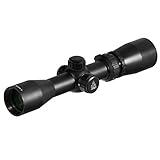
Overview: The UTG 2-7X32 is a dedicated handgun scope engineered for practical pistol shooting, featuring a generous 25-inch eye relief critical for safe operation with recoil. Built ruggedly and sealed against the elements, it targets shooters needing precision at varying handgun distances. What Makes It Stand Out: Its standout feature is the Projectile Drop Compensation (PDC) reticle, specifically designed to aid holdovers at different ranges without complex adjustments. The exceptionally long 25-inch eye relief is unmatched for true handgun safety, preventing scope-induced injuries during recoil, a vital consideration often overlooked in pistol optics. Value for Money: Priced accessibly, it delivers core functionality reliably. While premium scopes offer more adjustments, UTG provides essential weatherproofing, decent optics, and the crucial long eye relief/PDC combo at a fraction of high-end costs, making it a smart entry point. Strengths and Weaknesses: Strengths: Excellent eye relief safety, effective PDC reticle, robust nitrogen-filled waterproof/fogproof construction, shockproof for handgun recoil. Weaknesses: Optical clarity lags behind pricier brands, limited windage/elevation adjustment range compared to rifle scopes, basic reticle illumination options. Bottom Line: A highly practical and safe choice for handgun enthusiasts prioritizing recoil safety and basic trajectory compensation. It excels as a budget-conscious, no-nonsense optic for practical pistol use where eye relief is paramount.
2. TACFUN 3-9x42 Long Eye Relief Scope with Weaver/Picatinny Ring

Overview: The TACFUN 3-9x42 is a versatile, heavy-duty scope built for serious recoil applications like magnum pistols or lever-action rifles. Its one-piece aircraft aluminum chassis and long eye relief prioritize durability and shooter safety under punishing conditions. What Makes It Stand Out: The green fused multi-coated lenses significantly boost light transmission and image clarity, especially in low light, while offering scratch resistance. The unique pull-out adjustment knobs prevent accidental bumps, and the 8.5-10.5" eye relief provides a crucial safety buffer against heavy recoil while enabling fast target acquisition. Value for Money: It offers exceptional build quality and optical performance for its price point. While not the absolute cheapest, the combination of aircraft-grade aluminum, superior coatings, and recoil-specific design delivers significant value over flimsier alternatives, rivaling optics costing more. Strengths and Weaknesses: Strengths: Outstanding shockproof/fogproof construction, excellent green-coated optics for brightness/clarity, secure pull-out turrets, ideal eye relief range for recoil safety, versatile magnification. Weaknesses: Bulkier/heavier than some pistol scopes, eye relief might be tight for some handgun mounting setups compared to ultra-long relief models. Bottom Line: A top-tier value proposition for shooters needing a tough, optically capable scope for hard-kicking platforms. Its robust build and quality lenses make it a highly recommended investment for serious handgun or carbine use.
3. BSA Optics Edge Pistol Scope 2-7x32mm 30/30 Duplex Reticle, Black Matte

Overview: The BSA Edge is a straightforward, no-frills pistol scope focused on core functionality. Offering variable magnification and essential weatherproofing in a compact 1" tube, it targets budget-conscious shooters needing reliable performance for target shooting or plinking. What Makes It Stand Out: Its simplicity is key – it delivers fundamental features reliably without gimmicks. The 25 MOA adjustment range provides decent flexibility for zeroing and minor windage holds, while the classic duplex reticle offers clean target acquisition without complex aiming points. Value for Money: Positioned as an entry-level optic, it provides solid value. The waterproof, fogproof, and shockproof construction meets basic needs at a very competitive price, though optical clarity and adjustment precision won’t match premium scopes. It’s ideal for those prioritizing cost over cutting-edge features. Strengths and Weaknesses: Strengths: Affordable price point, essential weatherproofing, compact 1" tube, reliable duplex reticle, adequate 1/4 MOA adjustments. Weaknesses: Optical performance is functional but not exceptional (lower light transmission, potential edge distortion), limited eye relief details (likely standard ~15"), basic construction compared to milled-aluminum competitors. Bottom Line: A dependable, economical choice for casual pistol shooters or beginners. It fulfills the basic requirement of putting a scope on a handgun reliably and affordably, though demanding users may seek superior optics elsewhere.
4. Long Eye Relief 2-7x32 Red Green Illuminated Duplex Reticle Scope Fits Pistol and Mosin Nagant 1891/30 M39 LER Scope with Picatinny 1913 Ring Mounts

Overview: This versatile scope bridges the gap between pistol and vintage rifle use, specifically catering to handgun shooters and Mosin Nagant enthusiasts. It combines long eye relief safety with modern features like illuminated reticles in a rugged, purpose-built package. What Makes It Stand Out: The dual red/green illuminated duplex reticle is a major differentiator, vastly improving target acquisition in low light for both pistols and older rifles like the Mosin. Its specific compatibility with Mosin Nagant models (1891/30, M39) alongside pistols is unique, and the included Picatinny mounts add convenience. Value for Money: It offers remarkable versatility for the price. Getting a scope explicitly designed for both demanding pistol eye relief and fitting vintage rifles, plus illumination, represents strong value. While not the highest optical performer, the feature set for the cost is compelling for its niche applications. Strengths and Weaknesses: Strengths: Dual-color illuminated reticle, ideal 8.5-10.5" eye relief for recoil safety, Mosin Nagant compatibility, solid aircraft aluminum build, included mounts, good magnification range. Weaknesses: Optical quality is adequate but not premium (blue lens coating hints at limitations), illumination may drain battery faster, weight slightly higher than non-illuminated scopes. Bottom Line: An excellent value-focused solution for shooters needing one scope for both serious pistol use and Mosin Nagant rifles. The illumination and specific fitment make it a standout choice within its dual-purpose niche.
5. Feyachi Reflex Sight - Adjustable Reticle (4 Styles) Both Red and Green in One Red Dot Sight

Overview: The Feyachi Reflex Sight breaks the mold with its unique ability to switch between four distinct reticle patterns using both red and green illumination. Designed for speed and adaptability, it caters to shooters needing rapid target acquisition across diverse scenarios. What Makes It Stand Out: The quad-configurable reticle (Dot, Circle/Dot, Crosshair/Dot, Crosshair/Circle/Dot) in a single sight is unprecedented at this price. Combined with dual-color illumination and unlimited eye relief, it offers unmatched versatility for close-quarters, home defense, or hunting where target presentation varies. Value for Money: Exceptional. While basic red dots are common, the sheer flexibility of four reticle styles plus dual-color in one rugged, waterproof unit delivers extraordinary bang for buck. It eliminates the need for multiple sights, making it a highly cost-effective upgrade. Strengths and Weaknesses: Strengths: Unmatched reticle versatility (4 styles + dual color), unlimited eye relief & parallax-free, very wide field of view, extremely durable mount, ultralight, waterproof/shockproof. Weaknesses: Smaller 33mm lens limits absolute field of view compared to larger tube sights, battery life may vary with constant illumination use. Bottom Line: A game-changer for shooters seeking ultimate adaptability in a reflex sight. Its unique multi-reticle capability, robust build, and dual-color options make it an outstanding value and a top recommendation for versatile close-range applications.
6. EZshoot Red Green Dot Sight Red Dot Scope Reflex Sight with Lens Cap 20mm/11mm Picatinny Rail Mount
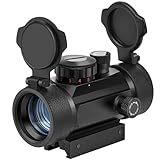
Overview: The EZshoot Red Green Dot Sight is a budget-friendly reflex sight designed for firearms with Picatinny rails. Constructed from aluminum alloy, it prioritizes durability and weather resistance for hunting or tactical use, featuring dual-color illumination and a wide lens aperture. What Makes It Stand Out: Its dual red/green illumination with five brightness settings adapts to varying light conditions (red for low light, green for daylight), while the 30mm reflective lens offers an expansive field of view for fast target acquisition. The quick-adjustment knobs for windage/elevation and included flip-up lens caps enhance practical usability in the field. Value for Money: Priced accessibly, it delivers core reflex sight functionality—reliability, wide视野, and dual illumination—at a fraction of premium brands. While optics clarity may not match high-end models, it outperforms cheaper plastic alternatives, making it ideal for casual shooters or hunters on a budget. Strengths and Weaknesses: Strengths: Rugged aluminum build, effective dual-color system, wide field of view, and practical lens caps. Weaknesses: Limited brightness range for extreme glare, potential for minor point-of-impact shift after heavy recoil, and basic optical coatings affecting low-light clarity. Bottom Line: A solid, no-frills red dot for entry-level to intermediate users seeking dependable performance without premium costs; recommended for hunting or recreational shooting where extreme precision isn’t critical.
7. BURRIS 2x20 Handgun Scope, Plex Reticle, Matte Black (200218)

Overview: The Burris 2x20 is a specialized handgun scope engineered for serious hunters using powerful revolvers or magnum pistols. Its robust construction and optimized optics cater to the unique demands of handgun hunting under harsh conditions. What Makes It Stand Out: Exceptional recoil resistance handles magnum calibers effortlessly, while long eye relief (critical for handgun safety) prevents scope bite. High-grade optical glass ensures superior brightness and clarity, even in low light, and the larger lens diameter enhances light transmission over comparable scopes. Value for Money: Positioned at a premium price, it justifies cost through durability and optical performance. For hunters investing in magnum handguns, it’s a worthy upgrade over budget scopes that may fail under recoil, offering reliability that cheaper alternatives lack. Strengths and Weaknesses: Strengths: Unmatched recoil durability, excellent low-light visibility, precise plex reticle, and long eye relief. Weaknesses: Fixed 2x magnification limits versatility, relatively narrow field of view, and higher cost excludes casual shooters. Bottom Line: The top choice for hunters demanding a scope that survives heavy recoil while delivering crisp optics; highly recommended despite the price for serious handgun hunting applications.
8. BSA Optics Edge Pistol Scope 2-7x28mm 30/30 Duplex Reticle, Black Matte

Overview: The BSA Edge is a versatile variable-power scope tailored for pistol shooters seeking magnification flexibility. Its 2-7x zoom range and long eye relief make it suitable for target shooting or light hunting with handguns. What Makes It Stand Out: The 2-7x variable magnification allows adaptation from close-quarters to mid-range targets, while the durable one-piece tube ensures stability. Long eye relief accommodates powerful handguns safely, and the matte finish reduces glare in bright conditions. Value for Money: Offers strong value for budget-conscious shooters. Though optical clarity lags behind premium brands, its solid build and zoom range provide more utility than fixed-power alternatives at this price point, ideal for plinking or casual target practice. Strengths and Weaknesses: Strengths: Flexible magnification range, robust tube construction, practical long eye relief, and affordable pricing. Weaknesses: Subpar low-light performance, potential for internal fogging, and less precise turrets compared to higher-end scopes. Bottom Line: A functional, economical scope for recreational pistol shooters needing magnification versatility; recommended for range use but not for demanding hunting scenarios.
9. CVLIFE 1X22X33 Reflex Sight Red Dot Sight Red Green 4 Reticle Optics with Laser and Pressure Pad Switch for 20mm Rail
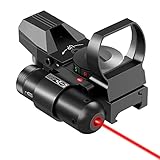
Overview: The CVLIFE Reflex Sight combines a red dot optic with a Class IIIA laser for rapid target engagement. Designed for handguns or rifles, it features multi-reticle options and wide-lens visibility on a standard Picatinny rail. What Makes It Stand Out: The integrated red laser (≤5mW) paired with dual-color red/green dots and four reticle patterns offers unmatched versatility for close-quarters scenarios. The 33mm fully multi-coated lens provides an expansive field of view, while the pressure-pad switch enables instant laser activation. Value for Money: Highly affordable for its feature set, especially the added laser. However, laser effectiveness is limited to very short ranges, and build quality is functional but not rugged. Best for budget airsoft or casual shooters, not critical defense use. Strengths and Weaknesses: Strengths: Laser integration for quick aiming, multiple reticle/brightness options, wide lens, and easy installation. Weaknesses: Laser adds bulk and battery drain, questionable durability under recoil, and optics clarity suffers in low light. Bottom Line: A gimmicky but practical budget option for recreational use where the laser is a fun bonus; not recommended for self-defense due to reliability concerns with the laser component.
10. Hammers Long Eye Relief Pistol Scout Scope 2-7X32 Silver Chrome with Weaver Rings
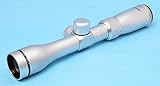
Overview: The Hammers Scout Scope is a versatile variable-magnification optic designed for pistols or scout-rifle setups. It features a 2-7x zoom range, long eye relief, and includes Weaver rings for straightforward mounting. What Makes It Stand Out: Long eye relief ensures safe use with powerful handguns, while the 2-7x magnification adapts from close to medium ranges. The fine 4plex reticle aids precision, and the included Weaver rings add immediate value, eliminating extra mounting costs. Value for Money: Excellent value for entry-level scout or pistol scopes. The silver chrome finish hints at cost-saving measures, but optical performance is adequate for the price. It outperforms fixed-power budget scopes, especially for target shooters needing zoom flexibility. Strengths and Weaknesses: Strengths: Included mounting rings, useful magnification range, long eye relief, and attractive finish. Weaknesses: Mediocre low-light clarity, potential for internal fogging, and less recoil resistance than premium brands. Bottom Line: A sensible, budget-friendly choice for novice pistol or scout-rifle enthusiasts prioritizing versatility and included accessories; recommended for range use but not extreme conditions.
Understanding the Unique Demands of Pistol Optics
Handgun shooting imposes specific stresses and requirements that rifle optics simply don’t face. Recognizing these fundamental differences is the essential first step in making an informed decision.
The Recoil Reality Check
Pistol recoil is fundamentally different from rifle recoil. It’s a sharp, abrupt, upward and backward snap, often generating significant g-forces concentrated on a smaller mounting surface. A scope built for rifle recoil, even a light-recoiling one, can quickly suffer internal damage, point-of-impact shifts, or complete failure when subjected to repeated pistol discharges. True pistol scopes are engineered with reinforced internal components, specialized shock-absorbing mechanisms, and robust tube construction specifically to handle this unique, punishing impulse without losing zero.
Eye Relief: The Critical Window
Unlike rifles, where head position is relatively fixed, handguns move significantly during firing. Your head naturally recoils with the pistol. Fixed, long eye relief (like 3.5+ inches on many riflescopes) is impractical and dangerous; you’d be consistently hit by the scope. Pistol scopes require very short, forgiving eye relief – typically between 2.5 to 4 inches. Crucially, it must be consistent across that range. You need an optic that provides a full, clear sight picture even if your head position varies slightly shot-to-shot due to recoil or positional changes. A scope with a tiny “sweet spot” for eye relief will frustrate even the most disciplined shooter.
Magnification: Finding the Sweet Spot
While high magnification is tempting for long-range precision, it magnifies everything – including hand tremors, breathing, and the natural movement of the pistol during recoil. For most practical precision handgun shooting (out to 100-150 yards), low magnification (1x to 4x) is often optimal. It provides enough target definition for precision without making the sight picture excessively shaky. Higher magnifications (6x+) are generally reserved for specialized long-range benchrest pistol shooting where absolute stability is achieved, but they significantly narrow the field of view and exacerbate movement. Consider the distances you realistically shoot most often.
Key Features Driving Precision Performance
Beyond the basic demands of recoil and eye relief, several optical and mechanical features directly impact your ability to acquire targets quickly and place shots accurately.
Reticle Selection: Clarity and Function
Your reticle is your aiming point and often your ranging tool. For precision handgun work, simplicity and speed are paramount. Fine crosshairs offer the least target obstruction but can be hard to see on low-contrast targets. Duplex reticles provide quick centering but thicker posts can obscure small targets at distance. Illuminated reticles (red or green) are invaluable in low-light conditions or against dark backgrounds, but ensure the brightness settings are sufficient for bright daylight too. Consider reticles with precise holdover points (BDC or mil-based) if you engage targets at varying known distances, but avoid overly complex designs that slow down target acquisition.
Optical Clarity and Light Transmission
Premium, multi-coated lenses are non-negotiable for precision. Each air-to-glass surface should have anti-reflective coatings to maximize light transmission, especially critical in dawn, dusk, or overcast conditions common in field shooting. Look for fully multi-coated optics (all lenses coated) for the best brightness, color fidelity, and edge-to-edge sharpness. Poor light transmission forces your eye to work harder, inducing fatigue and making precise aiming difficult as light fades. High-quality glass also minimizes chromatic aberration (color fringing) which distorts the target image.
Parallax Adjustment: Eliminating the Error
Parallax error occurs when the reticle and target image aren’t on the same focal plane, causing the reticle to appear to move off target as your eye shifts position. This is critical for precision at handgun distances. While many lower-magnification scopes are factory-set parallax-free at a specific distance (often 50 or 100 yards), serious precision shooters benefit from a scope with a user-adjustable parallax knob (often called an AO - Adjustable Objective). This allows you to eliminate parallax error at your exact shooting distance, ensuring your point of aim is always your point of impact regardless of minor head movement.
Mounting: The Foundation of Reliability
A scope is only as good as its mount. On a handgun, where recoil forces try to rip the optic off, the mounting system is arguably more critical than on a rifle.
Mounting Platform Compatibility
Not all handguns are created equal for optics. You need a pistol with a milling pattern (like the popular RMR footprint or proprietary patterns) machined directly into the slide, or a suitable mounting plate system. Ensure the scope base you choose is designed specifically for your pistol model and slide milling. Generic “universal” mounts often lack the precise fit and sheer strength needed to maintain zero under heavy recoil. A secure, gap-free fit between the base, slide, and scope rings is essential.
Ring Selection and Torque Specifications
Scope rings must be robust, specifically designed for pistol use, and made from high-strength materials like forged aluminum or steel. They need sufficient clamping force to grip the scope tube firmly without crushing it. Crucially, you must torque the ring screws to the manufacturer’s exact specifications using a quality torque driver. Under-torqued rings allow movement; over-torqued rings can deform the scope tube, damaging internal mechanisms and optics. Consider rings with recoil lugs that anchor into the base to prevent forward/backward movement under recoil.
Mounting Stability and Recoil Management
The entire mounting system – base, rings, scope – must act as a single, rigid unit bonded to the slide. Any flex or movement between components translates directly to lost zero. High-quality bases use multiple screws (often 4 or more) strategically placed to distribute stress. Some advanced systems incorporate polymer or elastomer recoil pads between the base and slide to absorb shock, though opinions vary on their long-term zero-holding ability versus a solid metal-on-metal fit. Prioritize mechanical rigidity and precise machining above all else for zero retention.
Durability and Environmental Considerations
Precision optics live hard lives, especially on pistols. They need to withstand more than just recoil.
Shockproof and Ruggedized Construction
Beyond recoil, pistol scopes get banged around during carry, handling, and competition stages. Look for scopes explicitly rated as “shockproof” and built with one-piece, aircraft-grade aluminum tubes. The internal mechanisms should be securely locked down during assembly. Nitrogen or argon purging is standard for fog-proofing, but ensure the seals are robust enough to maintain this integrity despite constant recoil shock. Don’t assume a rifle scope’s durability rating translates directly to pistol use.
Weatherproofing for Real-World Conditions
True waterproofing (submersible, not just weather-resistant) is essential. Precision shooting happens in rain, snow, and humidity. Argon or nitrogen purging prevents internal fogging when temperatures change rapidly – a common occurrence moving between indoor ranges and cold outdoor fields. O-ring seals must be high-quality and properly seated. Consider how the scope will perform when caked in mud or dust; exposed adjustment turrets can become problematic.
Adjustments: Precision and Reliability
Turrets need to be precise (typically 1/4 MOA or 0.1 MRAD clicks) for dialing in precise holds at distance, but they must also be reliable under recoil. Exposed turrets are susceptible to accidental bumps, while capped turrets can be slow to adjust. Some shooters prefer low-profile, capped turrets for competition carry, while others favor exposed tactical turrets for rapid adjustments in field scenarios. Ensure the adjustments are repeatable – dialing 10 MOA up and then back down should return you to exactly zero. Audible and tactile clicks are vital for making precise adjustments without taking your eye off the target.
Emerging Trends and Future-Proofing
The optics world moves fast. Understanding where technology is heading helps ensure your investment remains relevant.
Weight Reduction Innovations
Every ounce counts on a handgun, impacting balance and felt recoil. Manufacturers are aggressively pursuing weight savings through advanced materials (like titanium components), optimized tube geometries, and internal component redesigns without sacrificing strength. Lighter scopes reduce muzzle flip and make the pistol more maneuverable, aiding in faster follow-up shots – a critical factor in competition.
Enhanced Low-Light and Digital Integration
While true night vision remains niche for pistols, expect continued improvements in lens coatings specifically targeting low-light performance. More significantly, the integration of basic digital features – like Bluetooth connectivity for ballistic calculator syncing via smartphone apps or simple shot-counters – is beginning to appear. These features add minimal bulk but could offer tangible advantages for data-driven precision shooters as the technology matures and becomes more robust.
Customization and Modularity
The trend towards user customization is hitting pistol optics. Look for scopes offering interchangeable magnification levers, easily swapped battery compartments for illumination, or modular mounting systems that allow quick transition between different pistols. While full modularity like some rifle optics isn’t feasible yet due to size constraints, increased user configurability for specific shooting disciplines is likely to grow.
Making the Right Choice for Your Precision Goals
Selecting a pistol scope isn’t a one-size-fits-all proposition. Your specific discipline and priorities dictate the ideal feature set.
Defining Your Primary Shooting Discipline
Are you focused on competitive practical shooting (like USPSA Open Division), long-range precision pistol (up to 200+ yards), hunting, or general recreational target shooting? A competition shooter needs ultra-fast target acquisition, minimal weight, and ruggedness for speed, often favoring 1x or 2x magnification. A dedicated long-range precision shooter prioritizes adjustable parallax, precise turrets, and potentially higher magnification (4x-6x) for clarity at extreme distances, accepting some weight penalty. Hunters might prioritize light transmission and a versatile magnification range.
Balancing Budget Against Long-Term Value
Pistol scopes represent a significant investment. While entry-level options exist, the harsh reality of pistol recoil often means you get what you pay for in terms of durability and optical quality. Consider the scope as a long-term investment in your shooting success. Spending more upfront for a proven, high-quality optic designed specifically for pistols often saves money and frustration compared to replacing cheaper models that fail to hold zero. Prioritize features critical to your needs over unnecessary bells and whistles.
The Importance of Hands-On Evaluation
Whenever possible, handle potential scopes before buying. Check the eye box – how forgiving is the eye relief? How smooth is the magnification throw lever (if applicable)? Are the turrets easy to manipulate with a gloved hand? Does the scope feel solid and well-constructed? While online reviews are helpful, nothing replaces seeing the actual sight picture and feeling the controls. Visit a range where shooters use pistol optics or attend a competition to observe different setups in action.
Frequently Asked Questions
Frequently Asked Questions
Can I use a red dot sight instead of a magnified pistol scope for precision shooting? Red dot sights excel at close-to-medium ranges and speed but lack the magnification needed for true precision shooting beyond 50 yards on small targets. Magnified scopes provide the necessary target detail and holdover capability for longer distances.
How critical is adjustable parallax for handgun shooting at 100 yards? Very critical for true precision. At 100 yards, even a small parallax error can cause significant point-of-impact shifts. An adjustable parallax knob allows you to eliminate this error, ensuring your reticle is always perfectly aligned with the target at your specific distance.
Will any rifle scope mounting base work on my optics-ready pistol? No. Pistol mounting bases must match the specific milling pattern on your slide (e.g., RMR, DPP, proprietary). Using an incompatible base risks poor fit, stress on the slide, and almost certain loss of zero due to recoil.
Why do pistol scopes often have shorter eye relief than rifle scopes? Pistol recoil causes the shooter’s head to move significantly backward with the gun. Long eye relief would require an unnatural head position, risking scope eye injury. Short, forgiving eye relief accommodates the natural movement of the shooter’s head during recoil.
Can I mount a high-magnification rifle scope (like 10x) on my competition pistol? It’s technically possible but generally impractical. High magnification severely narrows the field of view, making target acquisition slow, and dramatically amplifies hand tremors and recoil movement, hindering speed and follow-up shots essential in competition.
How often should I check the torque on my pistol scope rings? Check ring torque before every significant shooting session or competition, especially after the initial mounting period. Recoil can cause screws to loosen over time. Always use a calibrated torque driver to the manufacturer’s specs – never guess.
Do I need an illuminated reticle for precision pistol shooting? It’s highly recommended, especially for versatility. Illumination dramatically speeds up target acquisition and improves precision in low-light conditions, dawn/dusk hunting, or when shooting against dark backgrounds, even in daylight for some shooters.
What’s the biggest mistake new precision pistol shooters make when choosing a scope? Prioritizing maximum magnification over optical quality, eye relief forgiveness, and recoil durability. A lower-magnification scope with excellent glass, robust construction, and a wide eye box will deliver far more consistent precision results than a high-mag scope that’s shaky and loses zero.
Can pistol scopes handle the recoil of large magnum calibers like .44 Magnum or .500 S&W? Yes, but only if the scope is explicitly rated and proven for that specific level of recoil. Not all “pistol scopes” are created equal. Verify the manufacturer’s recoil specifications match or exceed your cartridge’s power. Magnums demand the most rugged optics available.
How does the weight of the scope impact my pistol’s performance? Added weight, especially forward on the slide, can noticeably reduce muzzle flip and felt recoil, aiding faster follow-up shots. However, excessive weight can make the pistol feel nose-heavy and cumbersome to carry or manipulate quickly. Finding the right balance for your discipline is key.