Table of Contents
Precision training demands more than just steady hands and quality ammunition—it requires targets that provide immediate, accurate feedback with every shot. Paper targets remain the gold standard for serious marksmen because they deliver unambiguous visual data about your performance without the electronic complexity or cost of digital systems. Whether you’re a competitive shooter dialing in your groupings or a law enforcement professional maintaining qualification standards, the right paper target transforms each range session into a masterclass of measurable improvement.
The landscape of paper shooting targets has evolved dramatically, moving far beyond simple bullseyes to incorporate sophisticated features that enhance training value. Modern designs integrate high-visibility scoring zones, diagnostic grids, and specialized patterns that reveal not just where you hit, but why you might be missing. Understanding what separates a premium training tool from basic range fodder will fundamentally change how you approach practice sessions and accelerate your progression from competent shooter to precision marksman.
Top 10 Paper Shooting Targets
Detailed Product Reviews
1. Atflbox Silhouette Paper Target for The Range, 17X25 inch Target Paper for Indoor and Outdoor Use, Suitable for Handguns, Pistols, Rifles, Airguns, Pellet Gun, BB Guns(25 Pack)

Overview: The Atflbox Silhouette Paper Target pack provides 25 human-form targets measuring 17x25 inches, engineered for practical shooting skill development. Featuring detailed head and torso scoring zones, these targets serve defensive training and tactical practice needs. Compatible with handguns, rifles, and airguns, they function reliably in both indoor and outdoor environments. The dimensions offer optimal visibility for close to medium-range engagement while maintaining portability for range transport.
What Makes It Stand Out: This pack distinguishes itself through quantity and practical design. Twenty-five targets support extended training sessions without frequent resupply, while the realistic silhouette zones deliver immediate feedback on shot placement crucial for defensive scenarios. The high-contrast printing ensures visibility across various distances, and the versatile format accommodates calibers from .22 to rifle rounds. Unlike basic bullseyes, the human outline develops practical accuracy over theoretical precision.
Value for Money: The cost-per-target undercuts most competitors offering similar silhouette designs, while durable construction prevents premature tearing. Compared to cardboard alternatives, these provide comparable functionality at a fraction of the price. For high-volume shooters needing realistic practice without premium costs, this pack delivers exceptional economy. The 25-count quantity eliminates repeated ordering, saving both money and preparation time for regular range visitors.
Strengths and Weaknesses: Strengths include excellent print clarity, versatile caliber compatibility, and realistic training value. The size suits close to medium-range practice while remaining portable. Weaknesses involve limited long-range suitability where larger targets prove more practical, and paper construction may not endure heavy moisture during extended outdoor sessions. The silhouette design also lacks precision measurement grids.
Bottom Line: These targets excel for shooters prioritizing realistic defensive practice and tactical training. The 25-pack supports consistent practice schedules, making them ideal for concealed carry preparation and home defense drills. For practical shooting improvement beyond simple bullseye punching, this pack delivers exceptional training value.
2. Atflbox Silhouette Paper Target for The Range, 23X35 inch Target Paper for Indoor and Outdoor Use, Suitable for Handguns, Pistols, Rifles, Airguns, Pellet Gun, BB Guns

Overview: The larger-format Atflbox Silhouette Target measures 23x35 inches, providing enhanced visibility for distance shooting applications. This 10-pack delivers the same detailed human-form silhouette design but scaled for long-range precision work. The expanded dimensions make shot groups visible at 100+ yards, serving rifle shooters needing clear feedback without frequent downrange trips. Suitable for tactical training and hunting practice, these targets maintain clarity across varied lighting conditions while offering more forgiving aim points for developing marksmen.
What Makes It Stand Out: The oversized format immediately distinguishes this product from standard range targets. At nearly double conventional surface area, it accommodates extended-distance shooting while preserving practical silhouette zones essential for realistic training. Larger scoring areas benefit beginners, while experienced marksmen gain enhanced visibility when dialing in optics. This size proves particularly valuable for outdoor ranges where target placement flexibility matters, reducing reliance on spotting scopes during practice sessions.
Value for Money: While containing fewer targets than smaller options, the increased size justifies pricing for specific applications. Each sheet effectively replaces multiple smaller targets for long-range sessions, offsetting higher per-unit costs. For rifle shooters practicing beyond 50 yards, visibility improvements alone warrant the premium. However, pistol shooters and close-range trainers achieve better value with compact formats matching their engagement distances rather than paying for unnecessary size.
Strengths and Weaknesses: Strengths include superior long-range visibility, realistic silhouette training, and high-quality printing that maintains contrast at distance. The larger format reduces spotting scope dependency. Weaknesses center on lower count per pack and storage challenges due to unfolded dimensions. The price-per-target ratio suffers compared to bulk options, and the format may overwhelm indoor ranges with limited backstop area, making transport less convenient.
Bottom Line: This oversized silhouette pack serves rifle shooters and long-range enthusiasts exclusively. If practice regularly extends beyond 75 yards, enhanced visibility pays dividends in reduced frustration and improved feedback. For pistol and close-range shooters, however, the standard 17x25 format offers superior economy and convenience without wasted space.
3. Juvale Paper Shooting Targets for Shooting Range - 50 Pack, 14 x 22 in, Silhouette & Red Bullseye - Pistol Targets
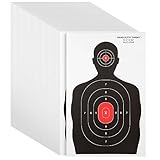
Overview: Juvale’s 50-pack of silhouette and red bullseye targets delivers high-volume practice capability in a compact 14x22 inch format. These targets combine human-form outlines with high-visibility red scoring zones, creating dual-purpose utility for precision and practical shooting. Lightweight paper construction mounts easily on standard target stands, while bold graphics remain visible across typical pistol and rifle ranges. This bulk pack addresses frequent shooters requiring consistent target supplies without premium costs, ensuring months of uninterrupted training.
What Makes It Stand Out: The exceptional quantity-to-price ratio immediately distinguishes this offering. With 50 targets included, shooters maintain uninterrupted practice schedules for extended periods. Integration of both silhouette and bullseye elements provides training flexibility—practice defensive shooting on the human outline, then transition to precision work on red scoring rings. Smaller dimensions reduce storage bulk while remaining large enough for effective practice at typical engagement distances, making them practical for range bags.
Value for Money: This represents arguably the best budget option for high-frequency shooters. Per-target cost falls well below competitors, making waste concerns negligible during rapid-fire drills. While print quality and paper weight don’t match premium brands, functional design and ample supply compensate for casual and intermediate shooters. The 50-count pack eliminates repeated ordering, saving both money and time for range regulars who prioritize volume over specialized features.
Strengths and Weaknesses: Strengths include outstanding quantity, dual-design versatility, and unbeatable price point. Red bullseye enhances rapid target acquisition, while silhouette provides practical context. Weaknesses involve thinner paper stock prone to tearing with high-velocity rounds, smaller size limiting long-range effectiveness, and less detailed scoring zones compared to specialized targets. Basic print quality may fade in extended outdoor sunlight exposure.
Bottom Line: Perfect for shooters burning through targets weekly, this bulk pack prioritizes quantity and affordability over premium features. Ideal for training courses, club events, or individual high-volume practice, these targets deliver functional performance where it matters most. Reserve premium targets for precision work, but rely on this pack for everyday skill maintenance and cost-effective training.
4. Atflbox Sight in Shooting Range Paper Target, 17X25 Inch Paper Red Bullseye Shooting Targets Suitable for Handgun, Rifle, Pellet Gun, Airgun, BB Guns, Airsoft (25 Pack)

Overview: The Atflbox Sight-In Target provides precision shooters with a feature-rich 17x25 inch format containing grid lines, eight bullseye zones, and integrated record-keeping sections. This 25-pack caters to marksmen focused on systematic accuracy improvement rather than tactical silhouettes. The design accommodates multiple shooters or various zeroing distances on a single sheet, maximizing practice efficiency. Each target functions as a comprehensive data collection tool, allowing shooters to track performance trends and optic adjustments methodically for competitive preparation.
What Makes It Stand Out: The one-inch grid overlay transforms these targets into serious training instruments, enabling precise measurement of group sizes and point-of-impact shifts without additional tools. Eight separate bullseye zones permit comparative testing of different ammunition loads or shooting positions on one sheet. The record-keeping section distinguishes this product from purely visual feedback targets, supporting disciplined training logs essential for competitive shooters and hunters preparing for specific scenarios where documentation matters.
Value for Money: While priced similarly to silhouette targets, added analytical features deliver superior value for precision-focused shooters. The multi-bullseye design effectively provides eight targets per sheet, dramatically reducing cost per use during load development. Grid-printed targets typically command premium pricing, making this pack competitively positioned. For shooters tracking performance data, built-in recording capability eliminates separate notebook expenses, streamlining the training process while maintaining organized records.
Strengths and Weaknesses: Strengths include exceptional versatility for load testing, professional-grade grid accuracy, and efficient multi-zone layout. Bright red bullseyes maintain visibility against grid background. Weaknesses involve complexity overwhelming casual shooters, lack of practical silhouette training value, and grid lines potentially distracting from pure marksmanship focus. The busy design suits analytical shooters but frustrates those preferring simple visual feedback without calculations.
Bottom Line: These targets serve precision rifle shooters, competitive marksmen, and anyone conducting serious load development. If you measure group sizes and track performance data, integrated features prove invaluable. Casual plinkers and tactical trainers should choose silhouette designs instead. For systematic accuracy improvement and detailed record-keeping, this is your ideal target solution.
5. Champion Traps and Targets Redfield Style Precision Sight-In Target (10-pack)
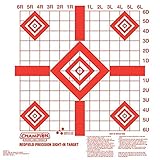
Overview: The Champion Redfield Style Precision Sight-In Target represents the premium tier of zeroing tools, delivered in a practical 10-pack. These targets feature the classic Redfield design with small diamond markers in each corner for ballistic load testing, backed by Bushnell’s manufacturing quality. The layout prioritizes absolute precision over high-volume practice, making them ideal for final scope zeroing and load validation before hunting season. Heavy paper stock withstands field conditions while maintaining sharp print definition essential for accurate assessment.
What Makes It Stand Out: The Redfield-style design carries decades of proven effectiveness in the hunting community, offering unparalleled precision feedback for optic zeroing. Corner diamond targets provide isolated test zones for comparing bullet trajectories and wind effects without contaminating the primary aim point. As a Bushnell-produced item under the Champion brand, quality control exceeds typical range target standards, ensuring consistent dimensions and print alignment critical for serious accuracy work where millimeters matter.
Value for Money: While the 10-pack carries premium pricing, specialized design justifies cost for hunters and precision shooters needing reliable zero confirmation. These aren’t bulk practice targets—they’re precision instruments for critical moments before a hunt. Cost per target aligns with other premium brands, but Redfield pedigree and corner diamond features add intangible value for experienced shooters understanding the methodology. Budget-conscious buyers should seek bulk alternatives for routine practice rather than specialized zeroing.
Strengths and Weaknesses: Strengths include legendary design provenance, exceptional print quality, corner diamonds for advanced testing, and durable construction resisting moisture. The uncluttered layout focuses attention on pure accuracy without distractions. Weaknesses center on low quantity per pack, premium pricing unsuitable for high-volume shooting, and lack of versatility for tactical training. The specialized nature limits appeal to general plinkers, and smaller format may challenge long-range visibility without optics assistance.
Bottom Line: Reserve these targets for critical zeroing sessions and pre-hunt validation rather than everyday practice. Hunters and precision rifle shooters appreciate the trusted design and quality construction. For bulk training needs, choose economical alternatives. When confirming your rifle before that once-in-a-lifetime shot, these targets deliver the confidence and precision feedback essential for ethical, accurate shooting.
6. Silhouette Paper Shooting Target for The Range, Aiming Target Practice Paper for Indoor and Outdoor Shooting, Gun Accessories, for Handguns, Pistols, Rifles, Airguns, Pellet Gun, BB Guns -14X22 inches

Overview: These traditional silhouette paper targets deliver straightforward, reliable performance for shooters seeking quantity and classic design. The 14x22 inch format provides a realistic human silhouette profile, while the 50-pack ensures extended practice sessions without frequent resupply. Compatible with virtually all firearms from airguns to high-powered rifles, these targets mount easily on standard backers.
What Makes It Stand Out: The high-contrast bullseye design maintains visibility across diverse lighting conditions, crucial for both indoor ranges and outdoor environments. The durable paper construction resists tearing better than generic alternatives, while the realistic silhouette size helps develop practical shooting skills and muscle memory for defensive applications. The generous quantity makes them ideal for group training or high-volume solo practice.
Value for Money: Costing approximately $0.40 per target, these represent exceptional value for budget-conscious shooters. While lacking reactive features, they cost 60-70% less than splatter targets, making them economical for high-round-count training. The 50-pack bulk format significantly reduces per-unit price compared to smaller quantities, offering competitive pricing for serious practitioners.
Strengths and Weaknesses: Pros include excellent bulk pricing, versatile firearm compatibility, realistic silhouette dimensions, and dependable durability. Cons require walking downrange for shot verification, lack instant visual feedback, and paper construction eventually succumbs to heavy calibers. Wind can affect paper more than tagboard alternatives, and the single design offers less training variety.
Bottom Line: Ideal for traditionalists, training instructors, and budget-focused shooters prioritizing quantity over convenience. Perfect for structured drills, qualification courses, and competitions where standardized scoring rings matter more than immediate feedback.
7. Splatterburst Targets - 12 x18 inch - Silhouette Splatter Target - Easily See Your Shots Burst Bright Fluorescent Yellow Upon Impact - Made in USA (25 Pack)

Overview: Splatterburst’s reactive targets transform range efficiency with patented fluorescent yellow impact detection. This 25-pack of 12x18 inch heavy-duty tagboard targets eliminates constant downrange trips, making every shot immediately visible from your shooting position. Designed for all firearms and calibers, they work equally well for airsoft and shotguns.
What Makes It Stand Out: The instant burst technology provides immediate visual feedback, accelerating skill development and reducing ammunition waste. Made in USA quality ensures consistent performance, while the heavy-duty non-adhesive tagboard withstands multiple shots without disintegrating. The fluorescent yellow holes remain visible in all lighting conditions, including low light, and benefit shooters with reduced vision.
Value for Money: Priced around $1 per target, these cost 2-3 times standard paper but save significant time and ammunition through faster corrections. For shooters with limited range time, the efficiency gain justifies the premium. The 25-pack offers a reasonable balance between quantity and investment, though high-volume users may prefer larger packs.
Strengths and Weaknesses: Pros feature instant shot visibility, durable construction, excellent low-light performance, and reduced range downtime. Cons include higher cost per target, smaller 12x18 size limiting long-range precision work, and the 25-count may not suffice for high-volume shooters. The silhouette design lacks detailed scoring rings for competition use.
Bottom Line: A game-changer for shooters valuing time efficiency and immediate feedback. Perfect for indoor ranges, short-range practice, shooters with vision challenges, and those wanting to maximize training density during limited range visits.
8. Splatterburst Targets - 12 x18 inch - Silhouette Splatter Target - Easily See Your Shots Burst Bright Fluorescent Yellow Upon Impact - Made in USA (50 Pack)
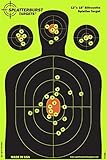
Overview: This 50-pack delivers Splatterburst’s patented fluorescent impact technology in bulk format for dedicated shooters. The 12x18 inch silhouette targets provide instant visual feedback across all firearm types, from airguns to high-powered rifles. Heavy-duty tagboard construction ensures durability through extensive shooting sessions without sacrificing the signature bright yellow burst.
What Makes It Stand Out: The bulk packaging combines revolutionary splatter visibility with serious cost savings for regular practitioners. Made in USA quality control ensures each of the 50 targets performs identically. The heavy-duty tagboard maintains structural integrity through multiple shot groups, while the compact size stores easily in range bags without folding or damage.
Value for Money: At approximately $0.80 per target, this 50-pack reduces cost by 20% compared to the 25-pack version. While still pricier than basic paper, the time saved and immediate feedback create substantial value for frequent shooters. The per-target cost becomes competitive when factoring reduced ammunition waste from faster corrections and fewer wasted rounds.
Strengths and Weaknesses: Pros include superior quantity, instant visibility, durable tagboard material, and progressive bulk savings. Cons feature the premium price point versus standard paper, smaller dimensions limiting some long-range applications, and potential over-purchase for casual shooters. The fixed silhouette design offers less variety than multi-bullseye options.
Bottom Line: The sweet spot for dedicated shooters wanting splatter technology without constant reordering. Ideal for regular range visitors, firearms instructors, and training groups who prioritize efficiency and can justify the upfront investment for long-term savings.
9. Atflbox Sight in Shooting Range Paper Target, 17X25 Inch High Visibility Bullseye Shooting Targets Suitable for Handgun, Rifle, Pellet Gun, Airgun, BB Guns, Airsoft (25 Pack)

Overview: Atflbox’s oversized 17x25 inch targets serve serious marksmen with a training-focused design featuring one-inch grid lines, eight bullseye zones, and performance record sheets. This 25-pack emphasizes skill development through structured practice rather than simple shot placement. Compatible with all firearms, the large format provides ample space for precision work at varying distances.
What Makes It Stand Out: The comprehensive layout transforms casual practice into data-driven training. Grid lines enable precise scope adjustments and windage calculations without separate tools. Multiple bullseye zones maximize paper usage, allowing several practice sessions per sheet. The integrated record sheet tracks performance metrics, making these ideal for progression monitoring and competitive preparation.
Value for Money: Costing roughly $0.70 per target, these specialized targets offer excellent value for training-focused shooters. The large format and multi-zone design effectively provide several practice opportunities per sheet, offsetting the premium over basic paper. For precision rifle shooters, the grid system alone justifies the price by eliminating guesswork in optic adjustments.
Strengths and Weaknesses: Pros include training-oriented features, generous size, multiple shooting zones, and high-quality printing with vibrant colors. Cons involve no splatter technology for instant feedback, larger size requiring bigger backers, and the complexity may overwhelm casual plinkers. Storage and transport of oversized sheets can be cumbersome without proper protection.
Bottom Line: Essential equipment for competitive shooters, precision rifle enthusiasts, and serious hunters dialing in their firearms. The grid system and record-keeping features make these superior training tools for those treating practice as deliberate skill development rather than recreation.
10. 10 Pack - 12” x18” Sight in Splatterburst Target - Instantly See Your Shots Burst Bright Florescent Yellow Upon Impact!

Overview: This entry-level 10-pack introduces shooters to Splatterburst’s fluorescent impact technology with minimal commitment. The 12x18 inch heavy-duty tagboard targets provide instant shot visibility for all firearms and calibers. Heavy-duty construction ensures durability while demonstrating the patented burst technology that makes Splatterburst popular among efficiency-focused shooters.
What Makes It Stand Out: The minimal quantity package lets shooters test premium splatter technology without significant investment. The same patented fluorescent yellow burst and heavy-duty construction found in larger packs ensures authentic performance evaluation across various calibers. This sampler size prevents waste for those uncertain about reactive target preferences.
Value for Money: At approximately $1.20 per target, this 10-pack carries the highest per-unit cost in the Splatterburst lineup. While expensive for regular use, it serves as a low-risk trial for those uncertain about splatter technology. For occasional shooters, the small quantity prevents waste, but frequent shooters will find poor economies of scale compared to 25 or 50 packs, making it cost-prohibitive for routine training.
Strengths and Weaknesses: Pros include low initial investment, premium technology access, and compact storage. Cons feature poor bulk value, limited supply requiring frequent repurchase, and the same 12x18 size constraints as larger packs. The packaging offers minimal savings versus larger quantities and the small count runs out quickly during active practice sessions.
Bottom Line: Perfect for curious shooters wanting to test splatter targets before committing to bulk purchases. Not recommended for regular range visitors due to premium pricing and limited quantity. Serve as excellent gift items or range bag emergency backups.
Understanding Paper Target Anatomy for Precision Training
Scoring Ring Configurations and Their Training Value
The concentric circle design isn’t just tradition—it’s a scientifically proven method for measuring incremental improvement. Standard bullseye patterns with clearly defined scoring rings allow you to quantify your accuracy with mathematical precision. Look for targets that offer multiple ring densities; closer rings challenge advanced shooters while wider spacing helps beginners build confidence. The relationship between ring diameter and typical group sizes at various distances should inform your selection.
High-Contrast Color Schemes for Instant Feedback
Your eyes process certain color combinations faster than others, which directly impacts how quickly you can assess shots and make corrections. Black on white provides maximum contrast for raw visibility, but consider how quickly you need information. Some designs use fluorescent or neon backgrounds that make bullet holes pop from the firing line, eliminating the need to walk downrange after each string. The key is balancing visibility with realistic target acquisition—training exclusively on high-vis patterns can create dependency.
Grid and Measurement Systems Built Into Targets
Serious precision work requires measurement tools integrated directly into the target face. Subtended grids, typically in one-inch squares, let you calculate group size without carrying calipers to the range. These grids also serve as diagnostic tools—consistent horizontal stringing might indicate trigger control issues, while vertical dispersion often points to breathing inconsistencies. The best training targets make these patterns subtle enough not to distract from aiming but visible enough for post-shot analysis.
Key Features That Define Quality Targets
Paper Weight and Durability Considerations
Target paper isn’t just paper—it’s a technical material engineered to provide clean bullet holes without excessive tearing. Heavier weights (think 60-80 pound stock) handle high-velocity rounds better, producing crisp holes that are easier to score. Lighter papers might save money but can shred with magnum calibers, making accurate shot identification impossible. Consider your primary ammunition type when selecting weight; .22LR shooters can use lighter stock than .308 Winchester enthusiasts.
Ink Quality and Fade Resistance
Premium targets use UV-resistant inks that won’t fade after hours under range lights or sunlight. Faded scoring lines force you to guess where rings begin and end, negating the precision aspect of your training. Quality printing also means ink that doesn’t bleed through to the backstop, which matters for indoor ranges with strict environmental controls. The ink should be dense enough to provide solid contrast but not so thick it affects bullet hole formation.
Self-Adhesive vs. Staple-On Backing Systems
How your target attaches to the backer affects both convenience and accuracy. Self-adhesive strips save time and create a flat mounting surface, but inferior adhesives can fail in heat or humidity. Staple-on targets require more effort but guarantee secure mounting. Some hybrid designs offer both options, letting you choose based on range conditions. Consider whether the adhesive residue will damage your range’s target carriers—a concern many shooters overlook until faced with angry range officers.
Target Types for Different Training Objectives
Bullseye Patterns for Fundamental Marksmanship
Nothing builds fundamental skills like traditional bullseyes. The simplicity forces focus on the basics: sight alignment, trigger control, and follow-through. For precision training, select bullseyes with multiple aim points on a single sheet—this lets you shoot several groups without changing targets, saving time and providing comparative data. The best designs position these bullseyes to minimize interference from previous shots.
Silhouette Targets for Tactical Precision
When training transitions from pure accuracy to practical application, silhouette targets bridge the gap. These maintain scoring zones but present them in human-relevant shapes. For precision work, avoid cluttered tactical designs with too many aiming points—they distract from fundamental technique. Instead, choose clean silhouettes with clearly defined center-mass and head-box scoring areas that challenge you to place shots precisely under time pressure.
Grid Targets for Zeroing and Load Development
These utilitarian patterns serve a specific purpose: measuring group size and determining point of impact shifts. A proper grid target features bold reference lines with subtle subdivisions, plus corner registration marks that help you position the target identically each time. This consistency is crucial when testing different ammunition lots or making scope adjustments. The grid should extend to the edges, allowing measurement of even widely dispersed groups.
Specialized Patterns for Advanced Diagnostics
Diamond and Dot Targets for Aiming Precision
The human eye naturally centers objects within circles, making dot targets excellent for testing pure aiming skill without the distraction of scoring rings. Diamond patterns serve a similar function but add orientation challenges. These designs excel for diagnosing flinching—any shot that deviates from the tiny aim point reveals problems with anticipation. They’re also ideal for zeroing optics at close range before moving to distance.
Multi-Bull and Sighter Target Combinations
Advanced training often requires shooting multiple groups with different holds or ammunition types. Multi-bull layouts provide several identical aim points on one sheet, perfect for comparing performance variables. Sighter targets add small reference grids or bullseyes in the corners, letting you confirm zero without wasting your main target area. This combination maximizes training efficiency and data collection.
Reactive and Splatter-Effect Designs
While technically paper, these targets incorporate chemical layers that create bright halos around bullet holes. The immediate visual feedback accelerates learning by connecting cause and effect faster. However, purists argue this convenience reduces development of precise observation skills. For precision training, use these sparingly—perhaps during initial practice sessions—then transition to standard patterns that force disciplined shot calling.
Size and Distance Considerations
Scaling Targets for Simulated Distance Training
You can’t always shoot at actual long distances, but properly scaled targets let you simulate the experience. A target designed for 100-yard practice can represent a 300-yard target when shot at 25 yards, provided the scaling is mathematically correct. Look for targets that explicitly state their simulation distances and provide the scaling formulas. This feature is invaluable for shooters limited to indoor ranges.
Standard Dimensions for Competition Practice
If you compete, your training targets must match regulation sizes. NRA, USPSA, and IDPA all specify exact dimensions for their courses of fire. Training on correctly sized targets builds proper sight pictures and timing. Using oversized targets creates false confidence, while undersized ones can discourage developing shooters. The best precision targets include certification marks showing they meet competitive standards.
Oversized Targets for Beginner Confidence
New shooters benefit from larger scoring areas that provide positive reinforcement. However, these should still incorporate precision elements—perhaps a large outer ring with a small, challenging center. This design lets beginners experience success while giving advanced students a difficult aim point. The progression from large to small targets mirrors the natural skill development curve.
Material Science in Target Construction
Recycled vs. Virgin Paper Fibers
Virgin fibers create stronger, more uniform paper that handles bullet impact predictably. Recycled content appeals to environmentally conscious shooters but can introduce inconsistencies that affect hole formation. Some premium manufacturers now offer certified sustainable virgin fibers, giving you performance without ecological guilt. The paper’s composition directly impacts how cleanly it fractures under impact, which matters for accurate scoring.
Clay-Coated Surfaces for Enhanced Hole Definition
A thin clay coating on the target surface creates crisper bullet holes by providing a contrasting layer beneath the printed surface. When a bullet passes through, it removes the clay in a clean circle, making the hole more visible than simple paper tearing. This technology is especially valuable for small-caliber shooters whose holes might otherwise be nearly invisible at distance. The coating adds minimal cost but significant value.
Weather-Resistant Treatments for Outdoor Use
Outdoor ranges expose targets to moisture, wind, and UV radiation. Water-resistant coatings prevent targets from disintegrating in dew or light rain, while still allowing clean bullet passage. These treatments shouldn’t make the target glossy, which creates glare and aiming difficulties. The best formulations maintain a matte finish while providing durable protection, extending target life during multi-day training sessions.
Diagnostic Features That Accelerate Learning
Windage and Elevation Reference Marks
Precision shooting requires understanding how environmental conditions affect bullet flight. Targets with built-in windage and elevation references help you document conditions and correlate them to point of impact shifts. These marks should be subtle enough not to interfere with aiming but clear enough for post-session analysis. Some designs include blank data fields where you can record wind speed, direction, and other variables directly on the target.
Shot-Numbering Systems for Sequence Analysis
Knowing the order in which you fired shots reveals patterns in fatigue or concentration. Targets with numbered scoring zones or separate bullseyes let you track performance degradation across a string. This feature is crucial for competitive shooters who need to maintain precision through 20, 50, or 100-shot courses. The numbering should be unobtrusive but legible when reviewing targets later.
Flinch-Detection Patterns
Specialized designs can help identify and cure flinching. Targets with unexpected aim points or decoy bullseyes force you to concentrate on sight alignment rather than anticipating recoil. Some patterns alternate between large and small aim points, making it impossible to develop a rhythmic flinch. Using these targets for dry-fire practice, then confirming with live fire, provides definitive feedback on whether you’re truly holding steady through the shot.
Environmental and Range Compatibility
Indoor Range Lighting Considerations
Fluorescent lighting can create color shifts that affect target visibility. Targets designed for indoor use often adjust their color palettes to compensate, using warmer tones that maintain contrast under artificial light. Some ranges prohibit certain ink colors due to cleanup concerns, so verify compatibility. The target’s reflectivity matters too—glossy finishes create hot spots that obscure aim points under bright range lights.
Outdoor Visibility in Various Conditions
Dawn and dusk shooting sessions require targets with enhanced visibility in low light. High-visibility fluorescent backgrounds work well in these conditions but can be overpowering in bright midday sun. Some advanced targets use color-shifting inks that appear different under varying light conditions, though these command premium prices. Consider your typical shooting times when selecting color schemes.
Backstop Safety and Bullet Pass-Through
Quality targets shouldn’t affect backstop integrity. Thin, brittle papers can cause bullet fragmentation, while excessively dense stock might deflect fragments unpredictably. Proper target paper is designed to be easily penetrated while capturing the bullet’s signature. This consideration is especially important for steel backstops or indoor ranges with specialized containment systems. Always consult your range’s guidelines on target materials.
Cost-Effectiveness and Bulk Purchasing
Per-Target Cost vs. Training Value
The cheapest targets often cost more in wasted time and ambiguous feedback. A target that clearly shows each shot’s location saves ammunition by preventing unnecessary “confirmation” shots. Calculate cost per training hour rather than cost per sheet. Premium targets that last multiple sessions or provide more data per shot often deliver better value than bargain options that need frequent replacement.
Bulk Packaging for High-Volume Shooters
Serious shooters burn through hundreds of targets annually. Bulk packaging reduces per-unit cost and ensures you always have fresh targets. Look for packages that include protective cardboard backing to prevent damage during storage. Some manufacturers offer subscription services that deliver targets monthly, guaranteeing you never run out before an important training session. Consider storage space—these packages can be bulky.
Multi-Target Packs for Varied Practice
Buying variety packs lets you match the target to the training goal without overstocking any single design. A good variety pack includes bullseyes for fundamentals, grids for zeroing, and silhouettes for practical application. This approach prevents training monotony and develops well-rounded skills. The best value packs maintain quality across all included designs rather than loading up with seconds or outdated patterns.
Customization and Specialty Applications
Printable Target Templates for Specific Needs
Many shooters create custom targets for unique training scenarios. Quality manufacturers offer downloadable templates sized for standard printers, letting you produce specialized patterns on demand. This flexibility is invaluable for law enforcement training specific threat scenarios or competitive shooters practicing unusual stage designs. The templates should include proper scaling marks and be formatted for common paper sizes.
Target Overlays and Pasters for Extended Use
Pasters—adhesive dots that cover bullet holes—let you reuse targets multiple times, saving money and reducing waste. Quality pasters use aggressive adhesive that won’t peel in wind but removes cleanly without damaging the underlying target. Some systems use transparent overlays with printed grids that turn any target into a precision measurement tool. These accessories extend target life and add versatility to your training kit.
Diagnostic Target Combinations for Instructor Use
Professional instructors need targets that facilitate student diagnosis. Combo packs might include identical targets for before/after comparisons, or targets with different difficulty levels for skill assessment. These often include instructor reference sheets explaining how to interpret various shot patterns. While premium-priced, they provide structured learning progressions that justify the cost for serious training programs.
Storage and Transport Considerations
Flat-Pack vs. Rolled Target Delivery
How targets are shipped affects their usability. Rolled targets develop memory curls that make them difficult to mount flat, affecting aim and bullet hole clarity. Flat-packed targets arrive ready to use but require more packaging material. Some premium manufacturers use a hybrid approach: lightly rolled around large-diameter tubes to minimize curling. Consider your storage space and patience for pre-flattening when choosing.
Weatherproof Storage for Outdoor Ranges
If you store targets at an outdoor range shack, they need protection from humidity and pests. Heavy-duty plastic target boxes with sealed lids preserve paper quality. Some shooters use vacuum-sealed bags for long-term storage, especially for specialty targets they use infrequently. The storage solution should organize different target types for quick selection during practice sessions.
Portable Target Systems for Mobile Training
Shooters who train on private land or in remote locations need portable target systems. Some paper targets integrate with collapsible cardboard backers or metal stands, creating self-contained kits. These should be lightweight but stable enough for windy conditions. The best portable systems protect targets during transport and set up in under a minute, maximizing training time at temporary ranges.
Frequently Asked Questions
What paper weight is ideal for high-velocity rifle training?
For centerfire rifles, 60-80 pound paper stock provides the best balance of clean hole formation and cost-effectiveness. This weight prevents excessive tearing while remaining easy to penetrate. Lighter papers shred with magnum calibers, obscuring shot location, while heavier stocks offer diminishing returns and higher costs.
How do I prevent targets from curling in humid conditions?
Store targets flat with weight on top, or use a target dryer (a simple wooden frame with clips) to stretch them before use. For immediate range use, lightly mist the back with water and iron on low heat through a protective cloth. Self-adhesive targets often resist curling better than staple-on versions.
Are splatter targets worth the extra cost for precision training?
Splatter targets provide excellent immediate feedback, which accelerates initial learning. However, over-reliance can hinder development of shot-calling discipline. Use them for 20-30% of your practice, focusing on standard targets that force you to predict shot placement before seeing the hole. This builds mental discipline crucial for competitive shooting.
What’s the best target size for 100-yard precision practice?
A 6-8 inch main scoring area with a 1-2 inch center bullseye works well for most shooters at 100 yards. This provides a challenging precision aim point while giving beginners a realistic chance of hitting the paper. Advanced shooters can scale down to 4-inch total diameter for greater challenge.
Can I print my own precision targets at home?
Yes, but use heavy cardstock (at least 110 lb) and a laser printer for best results. Inkjet ink runs when wet and fades quickly under range lights. Download targets from reputable sources that provide proper scaling, and verify dimensions with a ruler before committing to a large print run.
How often should I change targets during a practice session?
Change targets when shot holes begin to overlap or when you can’t clearly identify your group. For precision work, this often means every 5-10 shots. Shooting on a “cluttered” target reduces feedback quality and makes diagnosing problems impossible. Fresh targets for each new variable being tested are essential.
Do fluorescent targets really help with visibility?
Fluorescent backgrounds make bullet holes dramatically more visible, especially at distance or in low light. The effect is most pronounced with .22LR and small-caliber holes. However, the bright background can create eye fatigue during long sessions. Alternating between fluorescent and standard targets helps maintain visual comfort.
What’s the difference between competition targets and training targets?
Competition targets must meet strict dimension and color regulations set by governing bodies. Training targets prioritize learning features like diagnostic grids, multiple aim points, and durability. While you should practice on regulation targets before matches, training targets accelerate skill development through better feedback mechanisms.
How do I interpret consistent shot patterns on diagnostic targets?
Horizontal stringing typically indicates trigger control issues or inconsistent grip pressure. Vertical dispersion usually points to breathing problems or scope parallax. Groups that spread in all directions suggest fundamental instability or ammunition inconsistencies. Keep a logbook correlating patterns to shooting conditions and techniques.
Are there eco-friendly options that don’t compromise performance?
Several manufacturers now use sustainably sourced virgin fibers and soy-based inks that match traditional performance. Look for FSC certification and low-VOC printing processes. These eco-options cost 10-15% more but provide identical training value and reduce environmental impact, making them worthwhile for high-volume shooters.
Related Buying Guides
- 10 Best Value Paper Targets for High-Volume Training in 2026
- 10 Must-Have 3D Shooting Targets for Realistic Field Training in 2026
- 2026’s Top 10 3D Shooting Targets for Realistic Field Training
- 10 Game-Changing Humanoid Targets for Tactical Training in 2026
- How to Choose the 10 Best Long Range Targets for Accuracy Training in 2026