Table of Contents
Picture this: you’re gliding across glassy morning waters, the only sound the gentle drip of your paddle as you approach a promising fishing spot. You’ve got your rod ready, but your real secret weapon is securely stashed beside you – a cooler packed with ice-cold drinks and freshly caught bait. For kayak anglers, that cooler isn’t just a luxury; it’s mission-critical gear that impacts comfort, safety, and the entire day’s success. Yet, choosing the wrong one can turn a dream trip into a soggy, smelly disaster, sliding off your deck or melting your ice before lunch. The unique demands of kayak fishing – limited space, constant motion, exposure to sun and salt – mean your cooler needs to be a specialized piece of equipment, far beyond what you’d toss in the back of a truck.
Finding the perfect marine cooler for your kayak journey requires navigating a sea of options, each promising superior ice retention or rugged durability. But generic “best cooler” lists often miss the mark for paddlers. Stability on a narrow platform, secure mounting options, manageable weight when loaded, and resistance to the harsh marine environment are non-negotiables that standard coolers rarely address. This guide cuts through the noise, focusing solely on the features and considerations that matter most when your cooler shares your kayak cockpit or deck. We’ll explore the engineering behind true marine-grade performance, how to match cooler specs to your specific kayak model and fishing style, and the often-overlooked maintenance practices that ensure your investment lasts for countless salt-kissed adventures. Forget fleeting rankings; let’s build your knowledge to make the right choice for your kayak.
Top 10 Marine Coolers for Kayak Fishing
Detailed Product Reviews
1. Igloo 70 QT Latitude Marine Ultra White Cooler

Overview: The Igloo 70 QT Latitude Marine Ultra White Cooler targets boaters and outdoor enthusiasts needing substantial, reliable cooling capacity. Engineered specifically for marine environments, it leverages advanced insulation and structural design to maximize ice retention in demanding conditions. Its 70-quart size comfortably holds 102 cans, making it ideal for group outings or extended trips.
What Makes It Stand Out: Cool Riser Technology elevates the cooler off hot surfaces, significantly boosting cooling efficiency. The innovative “hybrid” latch combines stainless steel hinges for durability with a plastic snap closure, preventing rust while ensuring a secure, long-lasting seal. THERMECOOL Foam insulation is both eco-friendly and highly effective, contributing to its impressive 5-day ice retention claim.
Value for Money: Positioned as a premium marine cooler, its price competes favorably against rivals like Yeti or RTIC in this size class. The focus on marine-specific features (elevation, rust-resistant hardware) and strong ice retention delivers excellent value for serious boaters, avoiding unnecessary frills found in pricier models.
Strengths and Weaknesses: Strengths: Exceptional 5-day ice retention; marine-optimized elevated base; durable hybrid latch; eco-friendly insulation; large capacity. Weaknesses: Heavy when fully loaded; lid storage not integrated; marine focus limits versatility for non-boating uses.
Bottom Line: A top-tier marine cooler offering outstanding performance and smart design tailored for boats. Its superior ice retention and durability justify the investment for frequent boaters seeking reliable, long-lasting cooling capacity.
2. Buffalo Gear Kayak Fish Cooler Bag, 25in Portable Kayak Cooler for Caught Fish,Leak Proof Kayak Fishing Kill Bags with Shoulder Strap

Overview: Designed explicitly for kayak anglers, this portable cooler bag prioritizes keeping caught fish cold and contained during transport. Its leak-proof construction and rugged materials address the unique challenges of fishing from a kayak, where space is limited and messes must be contained. The 25-inch size offers practical storage without overwhelming small craft.
What Makes It Stand Out: Double-wall insulation combined with a puncture-resistant Tarpaulin interior and heat-welded seams ensures true leak-proof performance, critical for fish transport. The drain valve simplifies cleaning, while versatile carry options (detachable shoulder strap, handles, D-rings) adapt to various kayak setups and post-trip needs.
Value for Money: Priced accessibly within the kayak-specific cooler market, it delivers exceptional durability and functionality. Compared to hard-shell alternatives, it offers significant weight savings and easier storage on cramped kayaks, making it a cost-effective solution for dedicated anglers.
Strengths and Weaknesses: Strengths: Truly leak-proof with drain valve; ultra-durable puncture-resistant lining; versatile carry system; easy to clean; ideal fish transport solution. Weaknesses: Insulation less effective than high-end hard coolers for multi-day trips; capacity limited compared to larger coolers; shoulder strap may lack padding for heavy loads.
Bottom Line: An indispensable, purpose-built solution for kayak fishermen. Its leak-proof reliability, ruggedness, and thoughtful features make it the best value for safely transporting your catch home.
3. Engel UC19 19qt Leak-Proof, Air Tight, Fishing Drybox Cooler with Built-in Fishing Rod Holders, Also Makes The Perfect Small Hard Shell Lunchbox for Men and Women in Tan

Overview: The Engel UC19 merges hard-shell cooler durability with dry box functionality, creating a versatile 19-quart unit perfect for fishing, lunches, or gear storage. Its industrial-grade construction emphasizes airtight, leak-proof security, protecting contents from water, dust, and impacts in harsh environments like boats or job sites.
What Makes It Stand Out: The recessed EVA gasket ensures absolute leak-proof and airtight performance, setting it apart from typical coolers. Stainless steel latches and a hard plastic shell provide near-indestructibility, while built-in rod holders and a removable accessory tray add serious fishing utility. UV-resistant colors enhance longevity.
Value for Money: Though priced higher than basic coolers, its dual role as a premium cooler and a protective dry box offers significant value. The 2-day ice retention (for 32 cans) and exceptional durability justify the cost compared to single-purpose alternatives, especially for anglers needing gear protection.
Strengths and Weaknesses: Strengths: Truly airtight and leak-proof; indestructible build quality; excellent rod storage; versatile for food/gear; easy to clean; UV-resistant. Weaknesses: Smaller capacity (19QT) limits group use; heavier than soft coolers; premium price may deter casual users.
Bottom Line: A superb, multi-functional dry box cooler ideal for anglers and professionals needing bombproof protection for food or sensitive gear. Its unique airtight seal and durability make it worth the investment for demanding applications.
4. MAKO Spearguns Insulated Fish Cooler Bag for Kayak Fishing
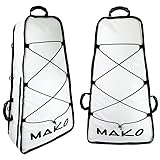
Overview: Tailored for spearfishing enthusiasts, the MAKO Insulated Fish Cooler Bag focuses on securely storing and chilling large catches directly from kayak dives. Its robust construction and high-performance insulation aim to solve the specific challenge of keeping fish cold during extended water excursions.
What Makes It Stand Out: 100% leak-proof welded seams eliminate drainage concerns, while highly dense closed-cell insulation promises up to 4 days of ice retention – exceptional for a soft bag. The UV-resistant, heavy-duty PVC exterior withstands sun, saltwater, and abrasion, crucial for marine use and durability.
Value for Money: Positioned as a premium speargun-specific bag, its price reflects the specialized, rugged materials. For serious spearfishers needing maximum ice retention and absolute leak-proofing in a large (70QT) soft cooler, it offers strong value over generic alternatives that may leak or underperform.
Strengths and Weaknesses: Strengths: Guaranteed leak-proof seams; outstanding 4-day ice retention claim; massive 70QT capacity; UV/rip-resistant PVC; ideal spearfishing size. Weaknesses: Very heavy when full; limited carry options beyond handles; “up to 4 days” likely requires optimal conditions; less versatile for non-fish uses.
Bottom Line: The definitive choice for kayak spearfishers prioritizing catch preservation. Its leak-proof integrity, huge capacity, and serious insulation deliver unmatched performance for its niche, justifying the cost for dedicated users.
5. Kayak Cooler,Waterproof Kayak Seat Back Cooler for Kayaking,Kayak Accessories Cooler Bag,Protable Ice Chest,Beach Cooler,Travel Cooler for Camping or Lunch Bag

Overview: This versatile seat-back cooler from Morxplor integrates directly onto kayak seats, providing hands-free cooling for drinks and gear during paddling. Designed for convenience, it functions as both a backrest cooler and a portable bag for various outdoor activities, blending storage with comfort.
What Makes It Stand Out: The innovative seat-back mounting system (using bungee cords) frees up deck space, while the 24-hour insulation claim and leak-proof TPU liner ensure temperature control. Dual fishing rod holders, removable storage pockets, and non-slip feet enhance its kayak-specific utility and adaptability.
Value for Money: Competitively priced for a multi-functional cooler, it offers excellent utility per dollar. The ability to serve as a seat cooler, portable bag, and lunch tote provides broader value than single-use coolers, especially for recreational kayakers and casual campers.
Strengths and Weaknesses: Strengths: Space-saving seat-back design; versatile for multiple activities; 24-hour insulation; convenient rod holders/pockets; lightweight portability. Weaknesses: Insulation likely falls short of 24 hours in extreme heat; capacity limited (20 cans); structural durability may not match hard coolers for heavy impacts.
Bottom Line: A highly practical and convenient solution for recreational kayakers wanting accessible cooling. Its clever design and versatility make it a smart buy for day trips, though hardcore users may need supplemental cooling for multi-day adventures.
6. Igloo 100 QT Latitude Marine Ultra White Cooler

Overview: The Igloo 100 QT Latitude Marine Ultra White Cooler is a large-capacity marine cooler designed for extended boating trips, featuring robust construction and eco-conscious insulation to maintain ice retention in demanding conditions.
What Makes It Stand Out: Its Cool Riser Technology elevates the body to enhance airflow and cooling efficiency, while THERMECOOL Foam offers eco-friendly insulation that sustains ice for up to 5 days. Marine-grade hinges ensure longevity in saltwater environments, and the 149-can capacity suits group outings.
Value for Money: Priced competitively for its class, it delivers exceptional ice retention without premium branding markups. Though not the cheapest 100QT option, its eco-insulation and marine-specific durability justify the cost versus basic coolers lacking these features.
Strengths and Weaknesses:
Strengths: Superior 5-day ice retention; eco-friendly THERMECOOL insulation; marine-grade hinges; high 149-can capacity; elevated design improves cooling.
Weaknesses: Bulky for solo use; no built-in cup holders or seating; lid insulation slightly less robust than premium rivals.
Bottom Line: An excellent value-focused marine cooler for groups prioritizing eco-materials and reliable ice retention; ideal for weekend boaters but less versatile for casual day trips.
7. Coleman Marine Cooler with Fully Insulated UV Guard Lid & Body, Keeps Ice for 3+ Days, Great for Boating & Fishing, 52qt/100qt Wheeled/120qt Options

Overview: Coleman’s Marine Cooler offers versatile capacity options (52QT to 120QT) with UV-resistant insulation, targeting boaters and anglers needing dependable ice retention and user-friendly features for extended excursions.
What Makes It Stand Out: The fully insulated UV Guard lid and body maintain ice for up to 6 days near 90°F. Unique “Have-A-Seat” lid supports 250 lbs, while integrated cup holders (fitting 30oz tumblers) and swing-up handles enhance convenience on deck.
Value for Money: Exceptional for budget-conscious buyers—it matches pricier brands’ ice retention at a lower cost. The seating lid and cup holders add utility absent in similarly priced models, making larger sizes ideal for family fishing trips.
Strengths and Weaknesses:
Strengths: Outstanding 6-day ice retention; durable UV Guard insulation; lid doubles as seat (250 lb capacity); practical cup holders; ergonomic swing handles.
Weaknesses: Hinges less robust than marine-specific brands; heavier than rotomolded alternatives; smaller sizes feel cramped.
Bottom Line: A top budget pick for families and anglers seeking no-fuss reliability; the seating lid and cup holders maximize functionality, though hardcore boaters may prefer marine-grade hinges.
8. RTIC Ultra-Light 32 Quart Hard Cooler Insulated Portable Ice Chest Box for Drink, Beverage, Beach, Camping, Picnic, Fishing, Boat, Barbecue, 30% Lighter Than Rotomolded Coolers, Marine/Canvas

Overview: RTIC’s Ultra-Light 32QT cooler prioritizes portability without sacrificing performance, targeting adventurers needing a durable, easy-to-carry option for day trips or smaller excursions.
What Makes It Stand Out: At 14.7 lbs, it’s 30% lighter than rotomolded coolers, thanks to optimized design. 2.5-inch closed-cell foam insulation ensures long ice retention, while its compact size (48-can capacity) and multi-use design (bench/step stool) cater to agile outdoor use.
Value for Money: Priced mid-range, it justifies cost through weight savings and RTIC’s reputation for insulation. Lighter than comparably sized Yetis, it’s ideal for solo hikers or kayakers where every pound matters, though larger groups may need bigger models.
Strengths and Weaknesses:
Strengths: 30% lighter than rotomolded rivals; excellent ice retention for size; versatile multi-use design; compact yet spacious (48 cans); robust construction.
Weaknesses: Lower capacity than 50QT+ coolers; no wheels for longer carries; lid seal less tested in extreme conditions.
Bottom Line: The premier choice for portability-focused users—campers, kayakers, or beachgoers needing reliable cold retention without bulk; skip if hauling ice for groups.
9. Kayak Cooler Behind Seat – Small Portable Cooler Bag for Kayak Seat Storage, Kayak Accessories for Fishing, Kayak Crate, Insulated Soft Sided Cooler Bag for Paddle Board Cooler - Fishing Blueprint
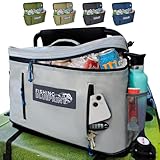
Overview: This slim, soft-sided cooler bag attaches behind kayak seats, offering targeted storage for drinks or bait with specialized insulation and secure mounting for anglers on the move.
What Makes It Stand Out: Its slim 4.5-gallon design fits snugly behind seats without sacrificing crate space. 6mm FreezLok EVA foam retains cold for 16+ hours in sun, while bungee anchors and waterproof zippers ensure stability and protection on turbulent waters.
Value for Money: At an affordable price, it solves a niche problem better than generic coolers. The removable liner and rugged PVC shell justify cost for serious kayakers, though casual users might find it over-engineered for short trips.
Strengths and Weaknesses:
Strengths: Perfect slim-fit for kayak seats; 16+ hour ice retention; bungee anchors prevent shifting; doubles as dry bag; packs flat for storage.
Weaknesses: Limited 20-can capacity; not ideal for multi-day trips; less durable than hard coolers for rocky shores.
Bottom Line: An essential, purpose-built accessory for kayak anglers prioritizing convenience and cold retention; skip if you need large-volume storage.
10. ENGEL 30 Quart Live Bait Cooler PRO for Fishing - Portable Minnow and Bait Bucket with Lithium-Ion Rechargeable Aerator with 4 Rod Holders - Tan (30QT)

Overview: The ENGEL 30QT Live Bait Cooler PRO is a specialized fishing solution combining premium insulation with a rechargeable aerator system to keep bait alive and beverages cold during extended trips.
What Makes It Stand Out: The USB-C rechargeable ENG-AP3 aerator runs 48 hours, outperforming battery-dependent rivals. Stainless steel hardware, 4 rod holders, and an EVA gasket prevent leaks, while the removable pull net simplifies bait handling.
Value for Money: High upfront cost is justified for professional anglers—its aerator longevity and rugged build eliminate recurring battery expenses. Cheaper coolers lack integrated aeration, making this a long-term investment for serious fishing.
Strengths and Weaknesses:
Strengths: 48-hour aerator runtime; robust stainless hardware; versatile 3-in-1 use (bait/beverages/storage); rod holders; leak-proof design.
Weaknesses: Expensive; heavy when full; aerator adds complexity for casual users.
Bottom Line: The undisputed choice for pro anglers needing reliable live bait storage; overkill for recreational use but unmatched in performance and durability.
Why Kayak Fishing Demands a Specialized Marine Cooler
The Critical Difference Between Standard and Marine Coolers
Standard coolers simply aren’t engineered for the dynamic, exposed environment of a kayak. Marine coolers prioritize features essential for stability and safety on water, such as integrated tie-down points, non-slip bases, and materials resistant to UV degradation and saltwater corrosion. The constant vibration, potential for splashing, and need for secure placement make the construction and design of a marine-specific unit fundamentally different from its landlocked counterparts.
Stability: Your Cooler’s Lifeline on a Narrow Platform
The biggest danger isn’t just losing your lunch; it’s a shifting cooler compromising your kayak’s balance. Marine coolers designed for kayaks often feature low centers of gravity, wide, flat bases with aggressive non-slip textures, and contoured shapes that fit snugly against kayak hatches or deck lines. This stability prevents dangerous tipping moments, especially when reaching for gear or fighting a fish, turning your cooler into a secure part of your vessel’s structure rather than a hazard.
Confronting the Unique Marine Environment
Sun exposure on open water is intense, accelerating ice melt significantly faster than on land. Saltwater is incredibly corrosive, eating away at hinges, latches, and hardware not specifically designed for it. Constant moisture and temperature swings also challenge seals and insulation. A true marine cooler uses UV-stabilized plastics, marine-grade stainless steel or coated hardware, and robust gaskets specifically formulated to withstand these relentless conditions, ensuring longevity and consistent performance trip after trip.
Essential Features for Kayak-Specific Cooler Performance
Insulation Technology: Beyond Basic Foam
While rotomolded construction is the gold standard for durability and insulation, the type and density of insulation matter immensely. Look for coolers using pressure-injected polyurethane foam throughout the entire lid and body walls. Higher-density foam provides significantly better thermal resistance, crucial for maintaining ice in the relentless sun reflecting off the water. Thicker walls and lids directly correlate to longer ice retention, a non-negotiable for full-day excursions.
Lid Design and Seal Integrity
A cooler is only as good as its seal. Marine coolers for kayaks often feature thick, multi-ridge rubber gaskets that create a positive, watertight barrier when the lid is latched. The lid’s weight and hinge design are also critical; too light, and it won’t compress the gasket effectively; too heavy, and it becomes cumbersome on a kayak. Positive-action latches that securely hold the lid down against the gasket are essential to prevent accidental openings from waves or movement.
Strategic Drainage and Venting Systems
Efficient drainage is vital after a day on the water or if water splashes in. Marine coolers feature robust, threaded drain plugs made from marine-safe materials, positioned for complete emptying without tilting precariously. Some advanced designs also incorporate subtle venting mechanisms that equalize pressure during temperature changes (preventing vacuum locks) without compromising the cold seal, making opening effortless even after hours in the sun.
Size and Capacity Considerations for Kayak Constraints
Matching Cooler Volume to Your Kayak’s Real Estate
Forgetting your kayak’s specific layout is a common mistake. Measure the available space on your deck – behind the seat, over the rear hatch, or within a designated cooler well. Consider how the cooler’s dimensions (length, width, height) interact with footwells, rod holders, and hatches. A cooler that almost fits will constantly be in the way. Prioritize coolers designed with kayak dimensions in mind, often featuring lower profiles or tapered sides.
Weight Management: The Hidden Factor
A fully loaded standard cooler can easily exceed 50+ pounds. On land, this is heavy; on a kayak, it’s potentially destabilizing and exhausting to lift on and off. Factor in the empty weight of the cooler itself plus the weight of contents (ice is heavy!). Opt for the smallest capacity that meets your needs (typically 20-45 quarts for solo kayakers) and prioritize coolers using lighter-weight, high-strength materials where possible without sacrificing insulation.
Balancing Capacity with Practicality
Don’t fall for the “bigger is better” trap. An oversized cooler wastes precious space, adds unnecessary weight, and often has poor ice-to-air ratio, causing faster melt. Honestly assess your needs: How many people? How long is the trip? What must stay cold (bait, meds, drinks)? Prioritize coolers with smart internal organization (like removable dividers) over sheer volume. A well-organized 30-quart cooler often outperforms a disorganized 45-quart one for kayak-specific use.
Critical Mounting and Security Solutions
Integrated Tie-Down Points: Non-Negotiable Anchors
Look for multiple, robust, and strategically placed molded-in tie-down points (D-rings or slots) on the cooler itself. These need to be strong enough to handle the leverage and force generated by a moving kayak. Points positioned low on the sides and near the corners allow for secure attachment to your kayak’s existing deck rigging, bungee cords, or dedicated mounting systems, preventing dangerous shifting.
Compatibility with Kayak Deck Rigging Systems
Modern kayaks often feature molded-in deck rigging channels (like RAM Mount channels or YakAttack Universal Track). Coolers designed with mounting feet or bases compatible with these systems offer incredibly secure, tool-free, and adjustable placement. Investigate if the cooler has proprietary mounts or universal compatibility – this integration is often the key to rock-solid stability, especially on choppy water.
The Role of Non-Slip Base Materials
Beyond tie-downs, the base material is your first line of defense. High-traction, textured rubberized bases grip kayak decks (especially textured or scuppered decks) far better than smooth plastic. Some coolers use aggressive molded tread patterns or even incorporate replaceable rubber pads. This passive grip works in tandem with active tie-downs, significantly reducing the chance of the cooler sliding during minor bumps or turns.
Material Durability and Long-Term Value
Rotomolded Construction: The Marine Standard
Rotomolding creates a single, seamless shell of polyethylene, making the cooler incredibly impact-resistant, durable, and inherently better insulated than coolers made from multiple bonded pieces. This construction is essential for withstanding the inevitable bumps against rocks, docks, and during transport, while also providing the structural integrity needed for secure mounting points that won’t rip out.
UV Resistance: Protecting Against Invisible Damage
Constant sun exposure degrades most plastics, making them brittle and prone to cracking. Marine coolers use UV inhibitors specifically formulated into the polyethylene resin during manufacturing. This isn’t just about color fading; it’s critical for maintaining structural integrity and preventing the cooler body from becoming fragile over time. Don’t assume all coolers have this; it’s a key differentiator for marine use.
Corrosion-Proof Hardware: Small Parts, Big Consequences
Hinges, latches, and drain plugs made from standard steel or aluminum will quickly corrode in saltwater, seizing up or failing. True marine coolers use 316 stainless steel (superior to 304 for saltwater) or high-quality, saltwater-resistant polymers for all critical hardware. Threaded drain plugs should have o-rings to prevent leaks as they age. Sacrificing on hardware quality guarantees premature failure in a marine environment.
Optimizing Ice Retention for Long Days
Pre-Chilling: The Most Underrated Step
Putting ice into a warm cooler is a recipe for rapid melt. Always pre-chill your cooler and its contents (including drinks/bait) in a refrigerator or freezer for 24-48 hours before your trip. This simple step significantly reduces the initial thermal load, allowing the ice you add later to last much longer. A cooler starting cold retains ice exponentially better than one starting warm.
Ice Type and Packing Strategy Matters
Block ice melts slower than cubed ice due to less surface area exposure. If using cubes, freeze them into solid blocks beforehand. Pack the cooler tightly – air space is the enemy of cold retention. Fill voids with towels or crumpled paper. Place items you’ll need first on top. Consider using frozen water bottles as ice and drinking water later. Never drain meltwater initially; this cold water actually helps insulate the remaining ice.
Minimizing Lid Openings and Sun Exposure
Every time the lid opens, cold air escapes and warm, humid air rushes in, accelerating melt. Organize contents so you minimize openings. Keep the cooler shaded whenever possible – under a seat, covered with a light towel, or positioned in the shadow of a spray skirt. Reflective coolers or those with light-colored exteriors absorb less solar heat than dark ones, providing a measurable advantage on sunny days.
Maintenance and Care for Maximum Lifespan
Thorough Post-Trip Cleaning Protocol
Salt, fish slime, and bait residue are corrosive and smelly. Rinse the cooler immediately after use with fresh water, inside and out. For deep cleaning, use a mild soap or specialized cooler cleaner; avoid harsh chemicals that can degrade seals. Pay special attention to the drain plug area and gasket groove. Never store the cooler closed and damp – this traps odors and promotes mildew.
Gasket and Seal Care
The gasket is your cooler’s lifeline. Clean it regularly with soapy water, removing any debris trapped in the grooves. Periodically apply a light coat of food-grade silicone grease or专用 gasket conditioner to keep it pliable and maintain a perfect seal. Inspect it for nicks, cracks, or permanent compression; replace it promptly if damaged to prevent ice melt and water ingress.
Proper Storage When Not in Use
Store your cooler completely dry, with the lid ajar to allow air circulation and prevent musty odors. Keep it in a cool, dry place out of direct sunlight. Avoid placing heavy objects on top that could warp the lid or body. If storing for extended periods, place crumpled paper inside to absorb any residual moisture and keep the gasket from taking a permanent set. Proper storage prevents unnecessary degradation.
Emerging Trends and Future-Proofing Your Purchase
Lightweight Material Innovations
Manufacturers are actively researching advanced composites and optimized rotomolding techniques to reduce empty weight without sacrificing insulation or durability. While rotomolded remains king, expect to see incremental weight savings, making larger capacities more feasible for kayak use without compromising stability.
Integrated Power and Monitoring
While niche now, expect more coolers to incorporate ports for 12V adapters (for small thermoelectric units on very long trips) or even Bluetooth temperature monitoring via smartphone apps. This won’t replace proper ice management but could offer peace of mind for critical items like medications during extended expeditions.
Sustainability Focus in Materials
Environmental concerns are driving R&D into recycled content marine-grade plastics and more sustainable manufacturing processes. Look for brands transparent about their material sourcing and end-of-life recyclability, as this becomes an increasingly important factor for eco-conscious anglers without compromising core marine performance.
Frequently Asked Questions
How do I determine the right cooler size for my specific kayak model?
Measure the available space on your deck, considering obstacles like hatches and footwells. Prioritize coolers designed for kayaks (typically 20-45 quarts), focusing on dimensions that fit snugly without impeding movement or stability. Always check the cooler’s exact footprint against your kayak’s layout.
Can I use dry ice in a marine cooler for kayak fishing?
Use extreme caution. While dry ice lasts longer, it produces significant CO2 gas in a confined space, which can build dangerous pressure or displace oxygen. Never seal a cooler with dry ice airtight; ensure the drain plug is partially open. Consult the cooler manufacturer’s specific guidelines, as dry ice can potentially damage some plastics or seals due to extreme cold.
What’s the single most important feature for preventing cooler slide on a kayak?
A combination of a high-traction non-slip base and robust, strategically placed tie-down points used with your kayak’s deck rigging is essential. The base provides passive grip, but secure attachment via straps to the kayak’s structure is non-negotiable for safety on moving water.
How can I significantly extend ice life beyond the manufacturer’s claim?
Pre-chill the cooler and contents for 24-48 hours, use block ice or frozen water bottles, pack the cooler completely full (filling air gaps), minimize lid openings, and keep the cooler shaded. Starting with a cold system and reducing warm air exposure are the most impactful steps.
Are cheaper “rotomolded” coolers suitable for saltwater kayak use?
Not all rotomolded coolers are equal. Ensure it uses UV-stabilized resin, marine-grade stainless steel or corrosion-proof hardware, and a high-quality gasket. Cheaper versions often skimp on UV inhibitors and hardware quality, leading to premature failure in harsh saltwater environments.
How often should I replace the cooler gasket?
Inspect it before every major trip. Replace it if you notice cracks, permanent compression (it doesn’t spring back), nicks, or if the seal feels compromised (ice melts unusually fast). Typically, with proper care and conditioning, gaskets last several seasons.
Can I mount a cooler directly over my kayak’s rear hatch?
Only if the cooler is specifically designed for that location and your kayak manufacturer approves it. Ensure the cooler’s weight and placement don’t impede hatch access or stability. Use appropriate mounting hardware that distributes weight and doesn’t damage the hatch cover.
What’s the best way to clean stubborn fishy odors from my cooler?
After rinsing, make a paste of baking soda and water, apply it to the interior, let it sit for several hours (or overnight), then scrub and rinse thoroughly. For severe odors, a diluted solution of white vinegar and water (1:1) can be effective, followed by a thorough fresh water rinse. Always dry completely.
Do light-colored coolers really retain ice better than dark ones?
Yes, significantly. Light colors (especially white) reflect more solar radiation, absorbing less heat from direct sunlight compared to dark colors which absorb heat. This can result in noticeably longer ice retention on sunny days, making color a practical performance factor, not just aesthetics.
Is it safe to stand on a marine cooler while fishing from my kayak?
Absolutely not. Coolers are not designed as structural supports. Standing on one creates immense leverage that can easily damage mounting points, the cooler itself, or cause catastrophic failure leading to a fall or capsize. Always maintain three points of contact with your kayak’s primary structure.
Related Buying Guides
- 10 Must-Have Marine Coolers for Offshore Fishing Adventures in 2026
- 10 Must-Have Marine Grade Coolers for Offshore Fishing in 2026
- 10 Top-Rated Marine Coolers According to Fishing Experts in 2026
- Best Coolers for Kayak Anglers: 10 Expert Picks for 2026
- How to Choose the 10 Best Coolers for Ice Fishing in 2026