Table of Contents
There’s a special kind of agony that only a hunter truly understands: the slow, relentless creep of foot fatigue turning a promising morning in the stand into a test of sheer willpower. You’ve tracked for miles, held your position through the chill, and finally spotted that trophy buck – only to realize your boots have become instruments of torture. Your focus shatters, replaced by the throb in your arches and the sting of blisters forming with every subtle shift. Comfort isn’t a luxury in the wild; it’s the bedrock of your success, your stealth, and your ability to stay in the game long enough for that perfect shot. When your feet scream, your mind wanders, and the hunt is lost before the trigger is pulled.
This is where the enduring legacy of leather hunting boots earns its stripes. While modern synthetics offer flashy alternatives, genuine leather, properly crafted and cared for, provides a unique blend of durability, breathability, and moldable support that synthetic materials struggle to replicate over the long haul of a demanding season. Forget the fleeting trends; the right pair of leather boots becomes a trusted partner, conforming to your foot, weathering brutal conditions, and delivering the silent, stable platform you need when every step counts. Choosing wisely isn’t about chasing the newest gadget; it’s about investing in a foundation of all-day comfort that disappears beneath you, letting you forget your feet and remember why you hunt. Let’s break down exactly what makes leather boots the enduring champions for serious hunters who demand comfort mile after mile.
Top 10 Leather Hunting Boots
Detailed Product Reviews
1. ROCKY Outback Gore-Tex Waterproof Boot, Light Brown, Size 10.5(WI)

Overview: Designed for severe wet conditions, the ROCKY Outback is a rugged, full-grain leather work boot built for demanding outdoor environments. Its core focus is keeping feet dry while providing stability on uneven terrain, making it suitable for hunters, ranchers, or anyone facing persistent moisture and rough ground. What Makes It Stand Out: The standout feature is the combination of waterproof, breathable GORE-TEX lining and the aggressive Outback outsole, specifically engineered for superior grip on loose, wet, or muddy surfaces. The Terra Suspension Footbed adds notable cushioning and arch support during long hours on your feet, enhancing comfort without sacrificing stability. Value for Money: Priced competitively within the premium waterproof work boot segment, it offers excellent durability thanks to the full-grain leather and robust construction. While not the cheapest option, the proven GORE-TEX technology and specialized outsole justify the cost for users needing reliable performance in consistently wet, rugged settings. Strengths and Weaknesses: Strengths: Exceptional waterproofing and breathability; outstanding traction on unstable terrain; high-quality full-grain leather; supportive footbed; durable construction. Weaknesses: Contains PFAS chemicals (an environmental/health concern for some); relatively heavy; limited insulation (not ideal for deep cold); break-in period required. Bottom Line: A top-tier choice for wet, rough conditions where reliable waterproofing and aggressive traction are paramount. Ideal for spring/fall hunting or wet-season work, though the PFAS use and lack of insulation are considerations for cold or eco-conscious buyers.
2. ROCKY BearClaw GORE-TEX® Waterproof 200G Insulated Outdoor Boot, Brown, Size 10(ME)

Overview: The ROCKY BearClaw is a specialized insulated hunting boot targeting cold, wet environments. Featuring 200g of 3M Thinsulate and GORE-TEX waterproofing, it balances warmth for chilly conditions with protection against persistent moisture, aimed at hunters needing moderate insulation without excessive bulk. What Makes It Stand Out: The inclusion of 200g Thinsulate insulation within a GORE-TEX waterproof boot is its key differentiator, providing crucial warmth for early/late season hunts in damp cold. The removable brush guard kiltie offers added protection against debris and moisture ingress around the laces, a thoughtful touch for brushy terrain. Value for Money: It delivers solid value for hunters requiring reliable waterproofing combined with light insulation. The GORE-TEX membrane ensures dry feet, while the Thinsulate provides adequate warmth without overheating in variable conditions, making it a versatile mid-season investment compared to non-insulated or heavier alternatives. Strengths and Weaknesses: Strengths: Effective waterproof/breathable GORE-TEX protection; useful 200g insulation for cool temps; removable kiltie enhances defense; comfortable Rocky Air-Port footbed; durable construction. Weaknesses: Contains PFAS chemicals; 200g may be insufficient for deep winter; kiltie can snag; break-in period needed; less aggressive sole than some competitors. Bottom Line: A dependable, well-insulated option for hunters facing cool, wet conditions. Its balance of warmth, waterproofing, and the practical kiltie make it a strong seasonal choice, though deep-freeze hunters will need more insulation and eco-conscious buyers should note the PFAS.
3. Rocky Men’s Blizzard Stalker Pro Hunting Boot,Brown/Black,11 M US

Overview: The Blizzard Stalker Pro is a mid-height hunting boot focused on durability and fundamental protection for varied terrain. Constructed with a durable rubber vamp and full-grain leather, it prioritizes ruggedness and weather resistance for hunters navigating brush and moderate conditions. Overview: The Blizzard Stalker Pro is a mid-height hunting boot focused on durability and fundamental protection for varied terrain. Constructed with a durable rubber vamp and full-grain leather, it prioritizes ruggedness and weather resistance for hunters navigating brush and moderate conditions. What Makes It Stand Out: Its standout feature is the robust rubber toe cap and vamp, offering superior abrasion resistance against rocks, brush, and rough handling compared to all-leather boots. The padded collar and extended tongue enhance comfort and help block debris and moisture from entering the boot during active use. Value for Money: Positioned as a value-oriented hunting boot, it offers solid durability and weather protection at a more accessible price point than premium GORE-TEX insulated models. It’s a practical choice for hunters on a budget needing reliable, tough footwear for shoulder seasons or drier conditions. Strengths and Weaknesses: Strengths: Highly durable rubber vamp resists abrasion; padded collar enhances comfort; extended tongue blocks debris; straightforward lace-up design; generally good value. Weaknesses: Outer material description vague (“Other”); lacks specific waterproofing tech (reliant on leather); minimal insulation; removable footbed may lack support; no resoleable construction noted. Bottom Line: A sturdy, budget-friendly workhorse for hunters needing abrasion resistance in brushy terrain during milder weather. Its lack of advanced waterproofing and insulation limits it to specific seasons, but it excels as a durable, no-frills hunting boot.
4. Irish Setter, Elk Tracker, Men’s, 12", Waterproof, Insulated 1000g, Hunting Boot, Brown, 11 EE (Wide)
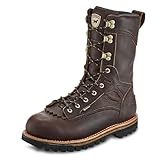
Overview: The Irish Setter Elk Tracker is a premium, high-insulation hunting boot built for extreme cold and wet conditions. Its 1000g Thinsulate Ultra layer and full GORE-TEX waterproofing target serious cold-weather hunters who demand maximum warmth and dryness during extended treks in frigid, damp environments. What Makes It Stand Out: The massive 1000g Thinsulate Ultra insulation is the defining feature, offering exceptional warmth without excessive bulk, crucial for sub-zero temperatures. Combined with GORE-TEX, ScentBan technology, the shock-absorbing memory foam footbed, and the resoleable Goodyear Welt construction, it delivers unparalleled cold-weather performance and longevity. Value for Money: While a significant investment, it offers outstanding value for hunters operating in severe cold. The 1000g insulation, resoleable build, GORE-TEX reliability, and comfort features justify the premium price, as cheaper alternatives often lack the warmth, durability, or comprehensive feature set for truly harsh conditions. Strengths and Weaknesses: Strengths: Exceptional 1000g warmth for extreme cold; superior GORE-TEX waterproofing; long-lasting comfort with memory foam/cork footbed; effective ScentBan; resoleable Goodyear Welt; aggressive traction sole; sturdy steel shank. Weaknesses: Very heavy due to high insulation; expensive; over-insulated for mild weather; break-in period required. Bottom Line: The definitive choice for hunters braving deep cold and wet conditions. Its unmatched insulation, durability, and comfort features make it worth the investment for extreme environments, though its weight and cost are drawbacks for milder climates or budget-conscious buyers.
5. Irish Setter, Trailblazer, Men’s, 7", Waterproof, Hunting Boot, Brown, 10.5 D (Medium)
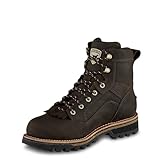
Overview: The Irish Setter Trailblazer is a versatile, lightweight 7-inch hunting boot designed for agility and comfort during long days on varied terrain. It emphasizes balanced performance with waterproofing, odor control, and a focus on reducing weight for hunters prioritizing mobility in moderate conditions. What Makes It Stand Out: Its standout feature is the combination of the lightweight UltraDry waterproof system (offering dryness without GORE-TEX’s cost/weight) and the significantly lighter construction enabled by the EVA footbed/midsole. The inclusion of ScentBan technology and the resoleable Goodyear Welt platform further enhance its appeal for active hunters. Value for Money: Offers excellent value as a mid-range hunting boot. The UltraDry waterproofing provides reliable dryness at a lower price point than GORE-TEX models, while the lightweight EVA components, ScentBan, and resoleable construction deliver premium features typically found in more expensive boots, maximizing performance per dollar. Strengths and Weaknesses: Strengths: Lightweight design enhances mobility; effective UltraDry waterproofing; comfortable EVA footbed/midsole; valuable ScentBan technology; resoleable Goodyear Welt for longevity; aggressive carbon rubber outsole; good traction. Weaknesses: Limited ankle support due to 7" height; minimal insulation (not for cold); UltraDry may not match GORE-TEX longevity in extreme use; less rugged than taller boots. Bottom Line: An outstanding value for hunters seeking a lightweight, comfortable, and durable boot for spring, summer, or fall hunts in moderate conditions. Its balance of features, weight savings, and resoleability make it a highly recommended choice, though cold-weather hunters need more insulation.
6. HUNTRITE Men’s Insulated Waterproof Hunting Boots, 1200-gram, Brown Brown 10.5D (Medium)

Overview: The HUNTRITE Men’s Insulated Waterproof Hunting Boots are rugged, all-purpose footwear designed for demanding outdoor tasks like hunting, scouting, and farm chores. Featuring substantial 1200-gram Thinsulate insulation, waterproof breathable membrane, and durable leather/nylon uppers, they target hunters needing reliable warmth and dryness in cold, wet conditions. What Makes It Stand Out: Its standout features are the high 1200-gram Thinsulate insulation for extreme cold retention and the dual-density rubber lug outsole, offering exceptional oil resistance and multi-terrain traction. The moisture-wicking mesh lining actively combats sweat buildup, enhancing dryness beyond basic waterproofing. Value for Money: Priced mid-range, these boots deliver strong value for serious cold-weather hunters. The robust construction and high insulation level surpass cheaper alternatives, while avoiding the premium cost of top-tier brands. They justify the price for users prioritizing warmth and durability over ultralight design. Strengths and Weaknesses: Strengths include excellent cold protection, reliable waterproofing, durable construction, and strong traction. Weaknesses are the significant weight due to heavy insulation, potential break-in period for the leather, and limited breathability during high exertion in milder temperatures. Bottom Line: A dependable, warm, and durable choice for hunters facing frigid, wet environments; ideal for static stands or slow-paced hunts where weight is less critical than sustained warmth and dryness.
7. Guide Gear Men’s 2.0 Lace-To-Toe 10” Waterproof Hunting Boots; 1,000-Gram Insulation Brown 11.5 2E (Wide)

Overview: Guide Gear’s Men’s 2.0 Lace-To-Toe boots are engineered for extended wear during long hunts or demanding work. They combine 1000-gram insulation, waterproof breathable technology, and a distinctive lace-to-toe design, specifically catering to hunters needing wide widths (2E) and all-day comfort without sacrificing performance. What Makes It Stand Out: The lace-to-toe construction provides superior, customizable ankle support and a secure fit that minimizes slippage, a significant upgrade over standard lacing. The premium OrthoLite insole delivers exceptional, lasting cushioning, while the Guide Dry lining effectively manages internal moisture. Value for Money: Offering impressive comfort features like the OrthoLite insole and wide-width option at a budget-friendly price, these boots provide excellent value. They outperform similarly priced boots in comfort and fit flexibility, making them a smart buy for hunters prioritizing foot support during long treks. Strengths and Weaknesses: Strengths are superior comfort for extended wear, excellent wide-width fit, effective waterproofing/breathability, and easy-clean soles. Weaknesses include slightly less insulation (1000g) than some competitors for extreme cold and potentially less refined upper durability compared to premium brands. Bottom Line: Highly recommended for hunters requiring wide widths and prioritizing all-day comfort on long outings; the lace-to-toe design and OrthoLite insole make it a standout budget-conscious choice for supportive, reliable performance.
8. Irish Setter, Wingshooter, Men’s, 9", Waterproof, Hunting Boot, Amber, 11 D (Medium)
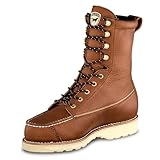
Overview: The Irish Setter Wingshooter 9" boot blends lightweight design with serious hunting functionality. Utilizing UltraDry waterproof construction, a Prairie outsole, and Goodyear Welt platform, it targets hunters seeking agility, reliable dryness, and long-term value through resoleability in varied terrain. What Makes It Stand Out: Key differentiators are the genuinely lightweight construction despite robust features and the Goodyear Welt construction, enabling professional resoling to drastically extend the boot’s lifespan – a rarity in mid-priced hunting boots. The Prairie outsole excels at shedding mud and debris. Value for Money: Its value is exceptional due to the resoleable Goodyear Welt construction. While the upfront cost is moderate, the potential for multiple sole replacements offers significant long-term savings compared to bonded-sole boots, making it a cost-effective investment for frequent hunters. Strengths and Weaknesses: Strengths include notable lightness, excellent resoleability, effective UltraDry waterproofing, stable steel shank, and superior traction on uneven ground. Weaknesses are the moderate (9") height offering less ankle support than taller boots and a removable footbed that may not suit all users. Bottom Line: An outstanding choice for hunters valuing longevity and agility; the resoleable design and lightweight comfort make it a top recommendation for those seeking boots that deliver performance season after season.
9. Danner Vital 8” Waterproof Hunting Boots for Men - Abrasion-Resistant Leather & Textile Upper, Shock-Absorbing Footbed & Non Slip Traction Outsole, Brown - 8 D

Overview: The Danner Vital 8" boots merge durability with modern hunting-specific tech. Featuring a split leather/polyester upper, Danner Dry waterproofing, and a unique Lock & Load lacing system, they target hunters demanding quiet operation, reliable grip, and resilient construction in challenging environments. What Makes It Stand Out: The Lock & Load lacing system provides swift, secure, and whisper-quiet tightening – crucial for stealthy hunting. The abrasion-resistant upper (split leather + 900D polyester) offers exceptional tear resistance, while the multi-density foam footbed eliminates pressure points for all-day comfort. Value for Money: Positioned at a premium price point, they justify the cost through Danner’s renowned build quality, innovative lacing, and superior materials. The durability and specialized features (like quiet lacing) offer better long-term value than cheaper boots that lack hunting-specific refinements. Strengths and Weaknesses: Strengths are the exceptionally quiet and secure lacing, outstanding upper durability, excellent multidirectional traction, and superior shock absorption. Weaknesses include the higher price tag and a break-in period typical of Danner’s sturdy construction. Bottom Line: A premium investment highly recommended for serious hunters prioritizing stealth, durability, and cutting-edge comfort features; the Lock & Load system and rugged upper make it worth the splurge for demanding pursuits.
10. Guide Gear Leather Hunting Boots for Men Monolithic Extreme Waterproof Insulated, 2,400-gram Thinsulate Ultra Mossy Oak Country Roots 12D (Medium)

Overview: The Guide Gear Monolithic Extreme boots are built for brutal cold, featuring massive 2400-gram Thinsulate Ultra insulation and an 8mm frost barrier. Designed as a fortress for the feet, they target hunters and workers in sub-zero temperatures where maximum warmth is non-negotiable. What Makes It Stand Out: The extreme 2400g insulation paired with the dedicated 8mm frost barrier between midsole and outsole is unparalleled, creating an exceptional thermal break. The combination of full-grain leather, EVA midsole, and wool fleece sockliner prioritizes intense, sustained warmth above all else. Value for Money: For the extreme cold specialist, these offer solid value by delivering exceptional warmth at a fraction of the cost of premium ultra-warmth boots. However, for most hunting conditions (above 0°F), the over-engineering and significant weight make them poor value compared to lighter, more versatile insulated boots. Strengths and Weaknesses: Strengths are unmatched warmth retention for extreme cold, robust waterproofing, stable lug outsole traction, and plush interior comfort from the wool liner. Weaknesses are excessive weight, poor breathability leading to sweat in milder conditions, and limited versatility outside deep-freeze scenarios. Bottom Line: Essential only for hunters braving prolonged, severe sub-zero conditions; otherwise, the weight and overheating risk make them impractical. A niche tool, not an everyday hunting boot.
Understanding Leather: The Foundation of Comfort and Durability
Full-Grain vs. Top-Grain: Decoding the Quality Spectrum
The term “leather” encompasses a wide range of quality, and this distinction is paramount for hunting boots. Full-grain leather represents the highest grade, utilizing the complete, unaltered outer layer of the hide. This retains the natural grain structure, making it incredibly strong, abrasion-resistant, and capable of developing a rich, protective patina over time. It breathes exceptionally well, wicking moisture away from your foot. Top-grain leather, while still durable, has had its surface sanded to remove imperfections, making it slightly thinner and less breathable. It often receives a heavier finish, which can reduce breathability further but might offer a more uniform appearance. For true all-day comfort in variable conditions, full-grain is generally the superior starting point.
The Critical Role of Thickness and Weight
Leather thickness, measured in ounces (e.g., 4oz, 6oz, 8oz), directly impacts the boot’s character. Thicker leathers (6oz+) offer maximum abrasion resistance and support, ideal for rugged terrain and heavy brush, but add significant weight and require a longer break-in period. Thinner leathers (4oz-5oz) provide greater flexibility, lighter weight, and faster break-in, enhancing comfort for long walks or milder conditions, but sacrifice some durability against sharp rocks or thick undergrowth. Finding the right balance for your specific hunting environment is crucial – too thick and you’ll fatigue quickly; too thin and the boot won’t hold up. Weight distribution across the entire boot construction is equally vital.
Why Breathability Trumps Waterproofing Hype
While waterproof membranes are heavily marketed, they often come at the cost of breathability – a critical factor for all-day comfort, especially during active pursuits or in humid conditions. Genuine leather is naturally breathable, allowing heat and moisture vapor to escape. Waterproof membranes trap this moisture inside, leading to sweaty, clammy feet that are prime real estate for blisters. For many hunters, particularly those in drier climates or pursuing game requiring significant walking, non-waterproof full-grain leather boots, properly treated with conditioners, offer superior overall comfort and temperature regulation. Waterproofing is essential for specific wet environments, but understanding its trade-offs is key.
Engineering Comfort: Beyond Just the Leather
The Anatomy of a Supportive Sole System
A boot’s sole is its connection to the earth, and its design is fundamental to comfort. The outsole provides traction and shock absorption; look for deep, multi-directional lugs made from resilient rubber compounds that grip varied terrain without becoming clogged. The midsole is the hidden hero – it cushions impacts and provides stability. High-quality boots often use dual-density EVA (ethylene-vinyl acetate) or polyurethane midsoles. Firmer densities along the arch and heel offer stability, while softer densities under the ball of the foot provide cushioning. Avoid overly soft midsoles that compress too quickly and lose support.
Arch Support and Heel Lock: Non-Negotiables for Endurance
Generic, flat insoles are a recipe for foot fatigue. Proper arch support tailored to your foot’s natural curve is essential for distributing weight evenly and preventing strain on ligaments and tendons. Many high-end hunting boots feature contoured footbeds with pronounced arch support and a deep heel cup. This heel cup is critical – it securely locks your heel in place, preventing slippage (a major blister cause) during descents or quick movements. Don’t underestimate the impact of these elements; they transform a boot from merely wearable to truly supportive for hours on end.
The Break-In Process: Patience Pays Off
Leather boots, especially those made with premium full-grain, require a proper break-in period to reach peak comfort. Rushing this by wearing them hard on a long hunt is a sure path to misery. Start by wearing them around the house with hunting socks, then progress to short walks on pavement, gradually increasing distance and incorporating some light terrain. Focus on how the boot flexes and where pressure points develop. Proper lacing techniques (like skipping eyelets over high insteps) can alleviate hot spots during break-in. This investment of time ensures the leather molds perfectly to your foot’s unique shape, eliminating friction and creating a custom fit that lasts for years.
Weathering the Elements: Protection Without Compromise
Waterproofing Technologies: Membranes and Treatments
When wet conditions are unavoidable, understanding waterproofing options is vital. The most common solution is a bonded waterproof/breathable membrane (like Gore-Tex or similar proprietary systems) sandwiched within the boot’s lining. While effective at keeping water out, their breathability is inherently limited compared to non-membrane leather. An alternative is oil-tanned or waxed leather treatments (like those used in classic moccasin-style hunting boots). These leathers absorb moisture but continue to provide insulation and dry relatively quickly, often offering better overall breathability than membrane boots, though they eventually saturate in prolonged immersion.
Insulation Choices: Balancing Warmth and Breathability
Insulation is necessary for cold-weather hunting, but too much can lead to overheating and sweat during exertion, negating comfort. Common options include Thinsulate (various deniers), PrimaLoft, or natural wool felts. The key is matching the insulation weight (e.g., 400g, 800g, 2000g Thinsulate) to your expected temperature range and activity level. Lighter insulation (200g-400g) is ideal for active hunting in cool, dry conditions, offering warmth without excessive bulk. Heavier insulation (800g+) is reserved for frigid, static stands. Remember, even insulated boots need sufficient breathability to manage moisture from your foot.
Seams and Stitching: The防线 Against Ingress
Water and debris find the weakest point, and for boots, that’s often the seams. Look for boots featuring sealed or taped seams, particularly along the upper where the leather meets the sole or lining. This critical detail prevents water from wicking through the stitching holes, a common failure point in cheaper constructions. High-quality, waxed thread and durable stitching techniques (like Goodyear welt or stitch-down) not only enhance waterproofing but also significantly extend the boot’s lifespan and allow for resoling, protecting your investment.
Terrain-Specific Considerations for Silent Steps
Tread Patterns for Different Ground Conditions
Your hunting ground dictates the ideal outsole. Deep, aggressive lugs excel in mud, snow, and loose gravel, providing maximum bite. However, they can be noisy on hard-packed trails or rocky terrain and tend to pick up debris. For forest floors, rocky outcrops, or dry conditions, a shallower, more varied lug pattern with siping (small cuts in the lugs) offers quieter movement, better sensitivity, and sheds debris more easily. Some boots feature hybrid patterns designed to balance grip and stealth across multiple terrains – a valuable consideration if you hunt diverse landscapes.
Ankle Support Needs: Lightweight vs. Rigid Uppers
Ankle support requirements vary dramatically. Lightweight boots with lower cuts (8-10 inches) prioritize flexibility and ease of walking over long distances, ideal for flat terrain or spot-and-stalk hunting where agility is key. They offer less protection against twists on uneven ground. Higher boots (12+ inches), often with sturdier, more rigid uppers and padded collars, provide critical ankle stability for navigating steep slopes, dense brush, or rocky canyons. This extra support reduces fatigue on uneven terrain but adds weight and restricts flexibility. Choose based on your predominant hunting environment, not just perceived ruggedness.
The Stealth Factor: Minimizing Noise in the Woods
Silent movement is non-negotiable for getting close to game. Beyond tread pattern, consider the materials. Stiff leather or rubber components can creak or squeak. High-quality, well-oiled full-grain leather tends to be quieter as it breaks in compared to stiffer synthetics or heavily varnished leathers. Pay attention to the flex points – a boot that bends smoothly without audible creasing is preferable. Avoid boots with excessive buckles, straps, or hard plastic components that can rattle against brush. Sometimes, the quietest boot is the one you barely hear yourself walking in.
Maximizing Longevity and Sustained Comfort
Proper Cleaning and Conditioning Rituals
Leather is a natural material that requires care to maintain its integrity and comfort. After every hunt, especially in wet or muddy conditions, remove dirt with a soft brush and allow the boots to dry slowly at room temperature, away from direct heat. Never force-dry near a heater or in a dryer – this cracks the leather. Once dry, apply a high-quality leather conditioner or dubbin to replenish natural oils lost during the hunt and drying process. This keeps the leather supple, waterproof, and resistant to cracking. Frequency depends on use, but regular conditioning is essential.
The Importance of Professional Resoling
One of the greatest advantages of high-quality leather hunting boots is their potential for a long life through resoling. When the outsole wears thin or the midsole compresses, a skilled cobbler can replace these components, often restoring the boot to near-new condition. This is far more economical and sustainable than replacing the entire boot. Look for boots constructed using methods like Goodyear welt or stitch-down, which are specifically designed for multiple resoles. Investing in resoling preserves the broken-in comfort of the upper leather, which is impossible to replicate in a new pair.
Rotation and Storage: Preserving Your Investment
Avoid wearing the same pair of boots two days in a row, especially after a wet hunt. Leather needs time to fully dry out and recover its shape. Rotating between two pairs significantly extends the life of each. When storing boots for the off-season, clean and condition them thoroughly, stuff them with acid-free paper to maintain shape, and store them in a cool, dry place away from direct sunlight. Never store them while damp or in plastic bags, as this traps moisture and promotes mildew. Proper storage prevents the leather from drying out and cracking.
Frequently Asked Questions
How long should I expect a quality pair of leather hunting boots to last?
With proper care, including regular cleaning, conditioning, and timely resoling, a well-made pair of full-grain leather hunting boots can easily last 10-15 years or more, even with heavy seasonal use. The break-in period pays dividends in long-term durability and comfort compared to many synthetic alternatives.
Are leather boots really quieter than synthetic boots in the woods?
Generally, yes, especially after they are properly broken in. High-quality, oiled full-grain leather tends to flex and move more silently than stiff synthetics or heavily varnished leathers. The key is ensuring the leather remains supple through conditioning; stiff, dry leather can become noisy.
What’s the biggest mistake hunters make when breaking in new leather boots?
Wearing them on a long, demanding hunt right out of the box. This almost guarantees blisters. The critical mistake is skipping the gradual break-in process – starting with short periods indoors, then progressing to walks on easier terrain before tackling rough ground. Patience prevents pain.
Do I need waterproof boots if I hunt in dry climates?
Often, no. Waterproof membranes significantly reduce breathability. Hunters in arid regions or those doing extensive walking frequently find non-waterproof, breathable full-grain leather boots far more comfortable, as they allow sweat vapor to escape, preventing overheating and blisters. Waterproofing is best reserved for consistently wet environments.
How often should I condition my leather hunting boots?
Conditioning frequency depends on use and conditions. As a rule, condition boots after they’ve been wet and fully dried, and at least once per hunting season. Boots used frequently in wet or harsh conditions may need conditioning 2-3 times per season. The leather should feel supple, not dry or stiff.
Can I resole any leather hunting boot?
Not all construction methods allow for easy resoling. Boots made with Goodyear welt, stitch-down, or Norwegian welt construction are specifically designed for multiple resoles. Boots with directly cemented soles are much harder to resole reliably and often aren’t worth the effort. Check the construction method before purchasing if longevity is a priority.
Why do my leather boots feel stiffer after conditioning?
This is usually temporary. High-quality conditioners or dubbin can initially make the leather feel slightly stiff as they penetrate and rehydrate the fibers. As you wear the boots, the leather warms up and flexes, returning to its supple state. Avoid over-applying conditioner, which can leave a waxy residue.
How do I prevent blisters during long hikes in new boots?
Proper break-in is the first defense. During hikes, wear moisture-wicking hunting socks (wool or synthetic blends), ensure your heel is locked down with proper lacing (consider a heel-lock technique), and address any hot spots immediately with moleskin or athletic tape before they become blisters.
Are heavier leather boots always more supportive?
Not necessarily. Support comes from proper construction – a supportive midsole, a well-designed heel cup, and a shank (if needed for stability) – not just sheer weight. Modern materials allow for lighter boots that still offer excellent support. Excessive weight without corresponding support benefits leads to premature fatigue.
What’s the best way to dry wet leather hunting boots?
Remove insoles and laces, stuff the boots loosely with crumpled newspaper (which absorbs moisture and helps maintain shape), and let them dry at room temperature away from direct heat sources like radiators, fireplaces, or heaters. Never use artificial heat, as it damages the leather’s fibers and oils. Patience is key – it may take 24-48 hours.
Related Buying Guides
- 10 Best Leather Hunting Boots for Durability and Comfort in 2026
- Stop Foot Fatigue with the 10 Best Hunting Boots for All-Day Comfort in 2026
- We Tested 50 Hunting Boots - Here are the 10 Best for All-Day Comfort
- 10 Proven Methods for Mastering Hunting Boots for All-Terrain Comfort and Durability
- 10 Best Hunting Boots for Wide Feet: Comfort Without Compromise in 2026