Table of Contents
Stepping into the world of hunting trail cameras can feel overwhelming when you’re planning your first grid setup for 2026. The technology has evolved dramatically, transforming from simple motion-activated cameras into sophisticated scouting networks that provide real-time intelligence about game movement patterns across entire properties. Whether you’re tracking whitetail deer through hardwood bottoms or monitoring elk migration corridors in the high country, understanding how to build an effective camera grid separates casual observers from serious hunters who consistently fill their tags.
Building your first trail camera grid doesn’t require a degree in wildlife biology or a massive budget, but it does demand strategic thinking about placement, camera specifications, and data management. This comprehensive guide walks you through everything you need to know before investing in your scouting arsenal, focusing on the features that matter most for beginners while avoiding the marketing hype that often clouds purchasing decisions. You’ll learn how to evaluate cameras based on your specific hunting terrain, target species, and personal scouting style rather than relying on generic top-ten lists that may not match your actual needs.
Top 10 Hunting Trail Cameras for Beginners
Detailed Product Reviews
1. Fargarloo Trail Camera 4K, WiFi Game Camera, 120°Wide Angle, Night Vision Cameras, 32GB TF Card, IP66 Waterproof, Deer Scouting or Home Security, 0.2s Trigger Motion Activated for Wildlife
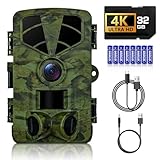
Overview: The Fargarloo Trail Camera 4K positions itself as a tech-forward mid-range option for wildlife enthusiasts and property owners. This camera combines wireless connectivity with high-resolution imaging, featuring a dedicated WiFi network that pairs with the “Trailcam Go” app for on-demand footage access. Its integrated 32GB storage eliminates the immediate need for SD cards, while the 120° wide-angle lens and 4K video capability promise comprehensive coverage of your target area.
What Makes It Stand Out: The WiFi and app control system is the star feature, allowing real-time viewing and settings adjustment from up to 60 feet away—ideal for checking footage without disturbing habitat. The built-in 32GB storage is a rare convenience, letting you preview footage instantly on the 2.0" LCD screen. The 48MP image sensor and 4K video recording deliver professional-grade clarity, while the low-glow IR LEDs provide discreet night vision without spooking wildlife.
Value for Money: Priced competitively against non-WiFi models, this camera justifies its cost through connectivity and built-in storage. While cheaper alternatives exist, the app-controlled functionality saves time and reduces physical disturbance. The inclusion of 8 AA batteries adds immediate value, though serious users may want rechargeable options. It strikes a balance between premium features and accessibility for hobbyists.
Strengths and Weaknesses: Pros: WiFi/app connectivity, built-in 32GB storage, 4K video resolution, 120° wide coverage, IP66 weatherproofing, included batteries. Cons: 0.2s trigger is slower than 0.1s competitors, WiFi range limited to 60ft, app dependency may not suit all users, low-glow IR may be slightly visible compared to no-glow alternatives.
Bottom Line: The Fargarloo excels for users wanting remote access without cellular fees. Its 4K video and built-in storage make it a strong choice for wildlife documentation and home security, though the slightly slower trigger speed means it may miss the absolute fastest animal movements. Recommended for tech-comfortable users prioritizing convenience over split-second capture.
2. KJK Trail Camera 36MP 2.7K, Mini Game Camera with Night Vision 0.1s Trigger Time Motion Activated 130°Wide-Angle, Waterproof Trail Cam with 2.0” HD TFT Screen, Hunting Camera for Wildlife Monitoring

Overview: The KJK Trail Camera emphasizes simplicity and speed in a compact package. This no-frills game camera delivers 36MP still images and 2.7K video without the complexity of wireless connectivity. Its mini exterior design makes it exceptionally discreet, while the 0.1s trigger speed and 130° detection angle ensure comprehensive wildlife capture. Designed for purists who prefer reliable performance over tech features, it operates with TV-remote style buttons and a 2.0" color screen for straightforward setup.
What Makes It Stand Out: The 130° wide-angle lens provides the broadest field of view in its class, capturing more habitat in each frame. The blistering 0.1s trigger speed guarantees you won’t miss fleeting wildlife moments, while the 22 low-glow 850nm IR LEDs illuminate up to 75 feet with minimal animal disturbance. The simplified operation—no apps, no WiFi, no SIM cards—appeals to users wanting immediate functionality without smartphone dependency.
Value for Money: This camera offers excellent value for traditionalists. By omitting wireless features, it delivers premium optics and speed at a budget-friendly price point. The claimed 17,000-image battery life reduces operating costs significantly. While it lacks 4K video, the 2.7K resolution with audio is more than adequate for most scouting needs, positioning it as a workhorse rather than a showpiece.
Strengths and Weaknesses: Pros: Ultra-fast 0.1s trigger, 130° widest detection angle, mini stealth design, exceptional battery life, simple interface, 75ft night vision range. Cons: No wireless connectivity, 2.7K video (not 4K), no included memory card or batteries, limited to 32GB SD capacity, low-glow IR may be detectable to some animals.
Bottom Line: The KJK is perfect for hunters and researchers needing reliable, fast capture without digital distractions. Its mini size and wide angle make it ideal for dense forests and public lands where theft is a concern. While it won’t stream footage to your phone, its speed and battery efficiency make it a top-tier choice for set-it-and-forget-it wildlife monitoring.
3. GardePro E5S Trail Camera (Non-Cellular, Non-WiFi), 64MP Photo & 1296P HD Video, 0.1s Trigger, 100ft No-Glow Night Vision, Motion Activated Wildlife Camera

Overview: The GardePro E5S takes a decidedly old-school approach, focusing purely on image quality and reliability without wireless features. This rugged trail camera boasts an impressive 64MP photo resolution and 1296P HD video, powered by three PIR sensors for lightning-fast detection. Its no-glow infrared technology provides true stealth operation up to 100 feet, making it ideal for capturing undisturbed nocturnal behavior. The IP66-rated housing and optional solar panel support emphasize endurance over convenience.
What Makes It Stand Out: The 64MP sensor delivers the highest still image resolution in this lineup, allowing for extreme cropping and detailed analysis. The no-glow 940nm IR LEDs provide superior stealth compared to low-glow alternatives, crucial for studying sensitive species. Three PIR sensors enable the fast 0.1s trigger while reducing false alarms. The 1/4"-20 mounting thread offers professional mounting flexibility, and compatibility with GardePro’s SP350 solar panel makes it viable for truly remote, long-term deployment.
Value for Money: While priced similarly to WiFi-enabled models, the E5S justifies its cost through superior optics and stealth. The absence of wireless components means lower power consumption and fewer failure points. For researchers needing maximum image detail and zero electromagnetic disturbance, this specialization adds value. However, casual users may find better feature-per-dollar elsewhere.
Strengths and Weaknesses: Pros: Highest 64MP resolution, true no-glow night vision, 100ft illumination range, 0.1s trigger speed, solar panel compatibility, rugged IP66 build, triple PIR sensors. Cons: No wireless connectivity, lower 1296P video resolution, no included batteries or memory, requires physical retrieval, less user-friendly for tech novices.
Bottom Line: The GardePro E5S serves serious wildlife researchers and hunters prioritizing image quality and stealth above all else. Its no-glow flash and 64MP sensor capture details other cameras miss, while the solar option enables months-long studies. If you don’t mind retrieving SD cards manually, this is the most capable non-wireless trail camera available for professional applications.
4. OUTDOOR EXPERT 20MP MINI Trail Camera,1080P Hunting Trail Camera with No Glow 940nm Night Vision Motion Activated IP66 Waterproof,80ft Illumination Range Hunting Game Cam for Wildlife Monitoring
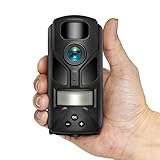
Overview: The OUTDOOR EXPERT Mini Trail Camera strips trail monitoring to its essentials in an ultra-compact form factor. This budget-conscious option delivers 20MP stills and 1080P video through a half-hand-sized body designed for maximum concealment. The 940nm no-glow infrared system provides true invisible night vision up to 80 feet, while ROHS certification ensures environmental safety. With no wireless features and straightforward controls, it targets entry-level users and those needing discreet, multiple-camera deployments.
What Makes It Stand Out: Its miniature size is the defining characteristic—easily hidden from theft and wildlife alike. The 940nm no-glow IR LEDs offer better stealth than many pricier low-glow cameras, making it excellent for sensitive species. ROHS certification demonstrates manufacturing quality often missing in budget options. The simple photo/video mode selection and date-time stamping provide core functionality without complexity, while the IP66 rating ensures reliability in harsh conditions.
Value for Money: This is the most affordable option in the lineup, perfect for buying multiple units to cover large areas. While resolution and features are basic, the no-glow night vision and ROHS certification punch above its weight class. The lack of included batteries or memory card is standard for this price tier. For users needing quantity over quality, it delivers essential functionality at minimal investment.
Strengths and Weaknesses: Pros: Ultra-compact stealth design, true no-glow 940nm IR, ROHS certified, IP66 waterproof, simple operation, affordable for multi-camera setups. Cons: Lowest 20MP resolution, basic 1080P video, no wireless, no included accessories, 60ft PIR range is shortest, limited customization options.
Bottom Line: This camera excels as a secondary unit or for budget-conscious buyers needing multiple coverage points. Its no-glow stealth and tiny size make it ideal for public land and security applications where theft risk is high. While not suitable for professional documentation, it’s a reliable workhorse for basic scouting and monitoring tasks where deployment quantity matters more than image finesse.
5. LANTOOCAM Trail Camera, 60MP Hunting Camera with WiFi, 32GB TF Card, Night Vision, Motion Activated, IP66 Waterproof, 120°Wide-Angle for Deer Scouting or Home Security, APP Control, H.264 MP4 Video

Overview: The LANTOOCAM Trail Camera bridges high-resolution imaging with modern connectivity at a competitive price point. Offering 60MP still photos and 1296P video, this WiFi-enabled camera shares many features with the Fargarloo but distinguishes itself through included accessories and camouflage aesthetics. The “TrailCam GO” app provides remote settings control and media downloads within WiFi range, while the 32GB TF card and 120° wide-angle lens ensure immediate, comprehensive coverage for both wildlife scouting and property surveillance.
What Makes It Stand Out: The combination of 60MP resolution and WiFi connectivity in a camouflage mini body offers excellent stealth with modern convenience. The included 32GB memory card provides out-of-box readiness uncommon in this segment. H.264 MP4 encoding ensures efficient storage and compatibility. The no-glow IR LEDs, while shorter-range, provide discreet night operation. Its compact design and included mounting hardware facilitate rapid deployment in various terrains.
Value for Money: This camera delivers strong value by bundling WiFi capability, high-resolution imaging, and a memory card at a mid-range price. The 60MP sensor rivals premium non-wireless models while adding app convenience. While night vision range is limited to 50 feet, the overall package—including accessories—makes it more cost-effective than buying components separately. It competes directly with the Fargarloo but offers higher megapixel count.
Strengths and Weaknesses: Pros: High 60MP resolution, WiFi/app control, included 32GB card, 120° wide angle, camouflage design, H.264 encoding, IP66 rating. Cons: Shorter 50ft night vision range, 1296P video (not 4K), WiFi range limitations similar to competitors, brand recognition lower than established names.
Bottom Line: The LANTOOCAM is an excellent all-in-one solution for users wanting wireless convenience without sacrificing image detail. Its included accessories and 60MP sensor make it immediately usable for serious scouting. While night vision distance is modest, the overall feature set and competitive pricing make it a smart choice for home security and moderate-range wildlife monitoring where high-resolution stills are prioritized.
6. MaskFold 4G LTE Cellular Trail Camera with Solar Panel, 1080p Full HD Game Cameras, Live View, Night Vision, Motion Detection, 2-Way Talk, IP65, Built-in SIM Card, Unlimited Plan (Sold Separately)

Overview: The MaskFold 4G LTE trail camera revolutionizes remote monitoring by combining cellular connectivity with solar power for truly autonomous operation. This 1080p Full HD game camera delivers real-time alerts directly to your mobile device, making it ideal for hunters, farmers, and property owners who need eyes on remote locations without physical visits.
What Makes It Stand Out: The built-in SIM card with multi-network compatibility (Verizon, AT&T, T-Mobile) and 3-day free trial eliminates the hassle of sourcing and installing your own card. The integrated solar panel paired with a robust 6000mAh battery ensures continuous operation without battery swaps. Unique 2-way talk functionality allows remote communication, while the 32-foot motion detection range provides reliable triggering for wildlife and security applications.
Value for Money: While cellular plans cost extra, the unlimited data option and included SIM make this competitive with higher-end brands like Reconyx and Spartan. The solar panel addition saves approximately $30-50 compared to buying separately, and the IP65 weatherproofing matches premium models. For those needing true remote access, this delivers pro-level features at a mid-tier price point.
Strengths and Weaknesses: Pros: True cellular connectivity out-of-box; solar power eliminates maintenance; 2-way audio unique in class; multi-network SIM flexibility; solid night vision performance. Cons: 1080p resolution lags behind 4K competitors; 32ft detection range is modest; requires ongoing data plan costs; IP65 rating good but not top-tier waterproofing.
Bottom Line: The MaskFold excels for users prioritizing connectivity and autonomy over raw resolution. It’s perfect for remote properties where access is difficult, though wildlife researchers wanting maximum image detail may prefer 4K alternatives.
7. WOSPORTS Mini Trail Camera,24MP 1080P HD Game Camera Motion Activated with IR Night Vision Waterproof Video Deer Cam for Outdoor Wildlife Monitoring

Overview: The WOSPORTS Mini Trail Camera delivers impressive 24MP image quality and 1080p video in a remarkably compact package. Designed for stealth and simplicity, this camera reduces bulk while maintaining essential features for wildlife monitoring, home security, and property surveillance.
What Makes It Stand Out: Its miniature footprint makes it exceptionally easy to conceal, giving it a significant advantage for sensitive wildlife observation where camera-shy animals might detect larger units. Requiring only four AA batteries while maintaining extended standby time addresses a common pain point of frequent battery changes. The automatic IR filter ensures quality day/night transitions without manual adjustment.
Value for Money: Priced competitively in the budget-midrange segment, this camera offers higher resolution (24MP) than many comparably priced 16-20MP models. The reduced battery requirement cuts long-term operating costs, and the included mounting accessories eliminate immediate additional purchases. While lacking wireless connectivity, it provides core functionality that rivals cameras costing significantly more.
Strengths and Weaknesses: Pros: Ultra-compact stealth design; 24MP resolution exceeds price-point expectations; minimal battery requirement; straightforward operation; versatile security applications. Cons: No wireless connectivity; limited advanced features; 4-battery dependency may reduce operating life vs. 8-battery models; brand recognition lower than established names.
Bottom Line: An excellent choice for beginners or those needing discreet, reliable monitoring without frills. The WOSPORTS Mini prioritizes core performance and portability over advanced features, making it ideal for multiple-camera setups on a budget.
8. MAXDONE Solar WiFi Trail Camera Bluetooth Game Camera, 4K 64MP Wildlife Cameras 2000mAh Built-in Battery Rechargeable Power Hunting Cameras with Night Vision Trail Cam Bluetooth Wi-Fi Deer Cams
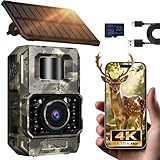
Overview: The MAXDONE trail camera merges cutting-edge connectivity with exceptional imaging, offering 4K video and 64MP photos via WiFi and Bluetooth control. Its integrated solar panel and rechargeable battery create an eco-friendly, maintenance-free monitoring solution for serious wildlife enthusiasts and researchers.
What Makes It Stand Out: Ultra-low power wireless technology preserves battery life while enabling convenient smartphone control through the TrailCam GO app. The detachable solar panel provides flexible positioning, and local data processing via WiFi6 ensures privacy without cloud dependency. Enhanced 850nm infrared LEDs deliver 65-foot night vision range while maintaining stealth.
Value for Money: This camera sits in the upper-midrange price tier but justifies cost with 4K/64MP specs matching premium brands like Browning and Stealth Cam. The included solar panel, SD card, and mounting kit represent significant value, eliminating $40-60 in additional accessories. Two-year warranty and dedicated support exceed industry standards, reducing long-term risk.
Strengths and Weaknesses: Pros: High-resolution 4K/64MP imaging; solar + rechargeable battery; strong 65ft night vision; privacy-focused local storage; comprehensive accessory bundle; excellent warranty. Cons: 55ft WiFi range limits placement options; Bluetooth connectivity can be finicky; solar panel adds bulk; app interface has learning curve; no cellular option for remote locations.
Bottom Line: Perfect for tech-savvy users wanting high-quality imaging with convenient wireless access. The MAXDONE excels near hiking trails or research plots where WiFi connectivity is feasible, though it lacks the remote accessibility of cellular models.
9. WOSODA Mini Trail Camera 4 Pack 24MP 1080P HD, Game Cam with SD Card, Waterproof Tiny Deer Camera Night Vision Motion Activated with Fast Trigger Time for Outdoor Wildlife Monitoring

Overview: The WOSODA Mini Trail Camera 4 Pack delivers exceptional value for large-scale monitoring projects, providing four compact 24MP cameras with identical feature sets. Each unit captures 1080p video with 0.3-second trigger speed, making this bundle ideal for comprehensive wildlife corridor studies or perimeter security.
What Makes It Stand Out: The four-camera bundle with included SD cards and batteries represents unmatched convenience for multi-location setups. The 0.3-second trigger speed is competitive even in higher-priced categories, while the mini form factor allows discreet placement across diverse environments. Having matching cameras simplifies maintenance and learning curves.
Value for Money: Purchased individually, comparable cameras would cost 30-40% more. The inclusion of four 32GB SD cards and 16 AA batteries eliminates immediate additional expenses valued at approximately $60-80. This bulk offering makes sophisticated multi-camera monitoring accessible to budget-conscious researchers and property owners who need broad coverage without compromising individual camera quality.
Strengths and Weaknesses: Pros: Exceptional bulk value; consistent performance across all units; included batteries and memory cards; fast 0.3s trigger; compact stealth design; low power consumption. Cons: No wireless features; 4-battery capacity limits longevity; 32GB cards may require upgrading for long-term studies; cameras lack individual identification features; basic warranty terms.
Bottom Line: The best value proposition for those needing multiple cameras immediately. The WOSODA 4 Pack sacrifices advanced connectivity for affordability and simplicity, excelling in applications requiring broad spatial coverage on limited budgets.
10. Zivolixd 4K 84MP WiFi Trail Camera, Wildlife Camera 0.1s Trigger, Game Camera with 130°Wide Angle, Trail Cameras with Night Vision Motion Activated Waterproof Suitable for Outdoor Wildlife Detection

Overview: The Zivolixd trail camera pushes imaging boundaries with an extraordinary 84MP photo resolution and 4K video, complemented by innovative features like customizable motion zones and location mapping. This represents the pinnacle of consumer trail camera technology for detail-obsessed wildlife photographers and security professionals.
What Makes It Stand Out: The 84MP resolution dwarfs most competitors, capturing microscopic details like fur patterns and antler points. Customizable motion detection zones prevent false triggers from swaying vegetation, a common frustration. The integrated map function tracks camera locations, invaluable for managing large deployments. Forty-five 850nm IR LEDs illuminate 25-meter range with zero visible glow.
Value for Money: Positioned in the premium tier, this camera competes with professional units from Reconyx and Bushnell. The 84MP sensor justifies the price premium for researchers requiring maximum detail, while zone customization and mapping features typically cost extra. However, budget buyers may find 30-40MP alternatives sufficient at half the price.
Strengths and Weaknesses: Pros: Industry-leading 84MP resolution; lightning-fast 0.1s trigger; intelligent motion zones; location tracking; powerful 45-LED night vision; 130° wide coverage. Cons: High price point; massive file sizes demand large SD cards; WiFi drains battery faster; setup complexity; overkill for casual users; requires frequent checks for optimal positioning.
Bottom Line: Ideal for professional wildlife biologists, trophy hunters, or security experts needing maximum image detail and intelligent features. The Zivolixd is over-engineered for casual use but unparalleled for specialized applications requiring forensic-level documentation.
Understanding Trail Camera Grids for Modern Hunting
What Is a Camera Grid and Why It Matters
A trail camera grid is a systematic network of cameras positioned across your hunting area to create overlapping coverage zones that eliminate blind spots in your scouting intelligence. Unlike random camera placement, a grid approach uses strategic spacing to monitor how animals enter, travel through, and exit your property. This method transforms isolated snapshots into a comprehensive understanding of daily and seasonal movement patterns, giving you the data needed to predict where that mature buck will appear during shooting hours.
How Many Cameras You Actually Need
The size of your first grid depends entirely on your hunting area’s acreage and terrain complexity. For beginners working with 40-80 acre parcels, starting with 4-6 cameras typically provides adequate coverage without overwhelming you with data management. Larger properties of 200+ acres might require 8-12 cameras to maintain proper spacing, while small woodlots under 20 acres can often be monitored effectively with just 2-3 strategically placed units. Remember that quality placement always trumps quantity—five perfectly positioned cameras will outperform ten haphazardly placed units every time.
Key Features Beginners Should Prioritize in 2026
Image Quality and Resolution Basics
While manufacturers love advertising 30+ megapixel cameras, the truth is that 12-16 megapixels delivers more than enough resolution for identifying individual animals and assessing trophy quality. Higher megapixel counts often create larger file sizes that fill SD cards faster and drain batteries quicker without providing meaningful scouting benefits. Focus instead on image clarity, color accuracy, and the camera’s ability to capture fine details like antler points or body characteristics in various lighting conditions.
Trigger Speed and Recovery Time Explained
Trigger speed—the time between detecting motion and capturing an image—can make or break your scouting success. For grid setups monitoring trails and pinch points, look for cameras offering 0.3-0.5 second trigger speeds to catch animals moving through frame quickly. Recovery time, which is how long the camera waits before taking another photo, matters just as much. A 1-second recovery time ensures you won’t miss the second or third animal in a group, crucial for monitoring family groups or trailing bucks during rut.
Detection Range and Zone Coverage
Detection range determines how far the camera’s passive infrared sensor can detect heat and movement, typically spanning 60-100 feet on quality units. For grid setups, cameras with 80+ foot detection ranges allow wider spacing between units while maintaining coverage overlap. Pay attention to detection zone width too—some cameras offer narrow 30-degree zones while others provide wide 50-degree coverage that captures more lateral movement, reducing the number of cameras needed for comprehensive monitoring.
Night Vision Technology Advances
Modern trail cameras offer three primary flash types: white flash, low-glow infrared, and no-glow black flash. For hunting applications, no-glow cameras have become the standard because they remain completely invisible to animals and other hunters, though they produce slightly grainier night images. Low-glow models offer a middle ground with marginally better night image quality while emitting a faint red glow that’s rarely spooks game. Consider your primary shooting distance when choosing—no-glow works fine within 50 feet, while low-glow might benefit long-range field edges.
Battery Life and Power Options
Battery life varies dramatically based on camera settings, temperature, and activity levels. Lithium batteries consistently outperform alkaline, lasting 8-12 months in moderate climates versus 2-4 months for standard alkalines. For grid setups where visiting each camera frequently becomes time-consuming, prioritize models known for exceptional battery efficiency. Some advanced cameras now accept external 12V battery packs or solar panels, offering virtually unlimited runtime for remote locations where annual visits are preferred.
Budget Planning for Your First Grid
Entry-Level vs. Premium Features
Entry-level trail cameras priced under $150 typically cover the basics: 12MP images, 720p video, acceptable trigger speeds, and standard infrared flash. These work perfectly for beginners learning grid setup fundamentals. Premium models exceeding $300 add cellular connectivity, faster triggers, superior image sensors, and advanced detection circuits. For your first grid, consider mixing 2-3 premium cellular cameras at key locations with 3-4 entry-level units filling secondary spots—this balances budget with critical data collection.
Hidden Costs Beyond the Camera Price
Your initial camera investment represents only 60-70% of your total grid cost. Factor in $15-25 per camera for quality SD cards, $20-40 for tree mounts or security boxes, and $30-60 for batteries per camera annually. Cellular models require monthly data plans ranging from $5-15 per camera depending on image transmission frequency. Don’t forget fuel costs for checking cameras, replacement parts, and potentially upgrading your computer or phone to handle thousands of scouting images efficiently.
When to Invest More vs. Save
Spend more on cameras positioned at high-value locations like primary scrapes, major trail intersections, or food plot edges where image quality directly influences hunting decisions. Save money on perimeter cameras monitoring property boundaries or access trails where simple detection matters more than image perfection. This tiered approach stretches your budget while ensuring critical intelligence comes from your best equipment.
Strategic Camera Placement Fundamentals
Understanding Deer Movement Patterns
Before placing a single camera, study topographical maps and aerial imagery to identify natural funnels, ridge lines, creek crossings, and bedding area transitions. Animals follow the path of least resistance, creating predictable travel corridors that should form the backbone of your grid. Place cameras perpendicular to these routes rather than head-on, increasing the time animals spend in frame and improving your chances of capturing identifying features.
Grid Spacing for Maximum Coverage
Effective grid spacing typically ranges from 100-150 yards between cameras in varied terrain, expanding to 200 yards in open agricultural areas where visibility is greater. The goal is creating overlapping detection zones that catch animals moving between cameras while eliminating large unmonitored gaps. Think of your grid as a net—tighter weaves catch more fish, but require more resources. For beginners, slightly wider spacing is better than over-investing in too many cameras before mastering data interpretation.
Elevation and Angle Considerations
Mount cameras 8-10 feet high angled slightly downward to maximize detection zone coverage and reduce false triggers from grass movement. This height keeps cameras above most theft visibility and animal damage while providing optimal angle for identifying deer characteristics. For monitoring specific trails, lower mounting at 6-7 feet works fine, but always angle the camera down 15-20 degrees to avoid sky shots that waste frame space and trigger on distant heat sources.
Avoiding Common Placement Mistakes
Never place cameras facing east or west where sunrise and sunset directly hit the lens, washing out images and creating false triggers. Avoid mounting on trees smaller than 6 inches diameter that sway in wind, causing motion triggers. Stay 15-20 feet away from trails rather than right on top of them—this provides wider angle views and reduces the chance of spooking animals with camera sounds or subtle flash glow.
Data Management and Image Retrieval
Cellular vs. Traditional SD Card Models
Cellular trail cameras transmit images directly to your phone via cellular networks, offering real-time scouting intelligence without disturbing your hunting area. For grid setups, this technology proves invaluable—imagine getting immediate notification when a target buck appears at any of your 8 grid locations. Traditional SD card cameras require physical visits to retrieve data, which disturbs the area but costs significantly less upfront. Many beginners start with SD models, then add cellular units at prime locations once they understand movement patterns.
Data Plans and Subscription Costs
Cellular camera data plans operate on tiered structures based on image count and video transmission. Most carriers offer $5-8 monthly plans for 500-1,000 images, sufficient for most grid locations. High-traffic food plots might need unlimited plans at $12-15 monthly. Some manufacturers require proprietary plans while others work with major carriers, allowing you to add cameras to existing family plans. Factor these ongoing costs into your annual hunting budget—$100-150 per cellular camera annually is typical.
Organizing Your Photo Database
A single camera can generate 500-2,000 images monthly during peak activity. Multiply by 6-8 cameras in your grid, and you’ll face 10,000+ photos per season. Create a folder system organized by location, date, and target species. Use software that allows bulk renaming and metadata tagging. Many hunters maintain spreadsheets logging each significant sighting with date, time, location, and animal characteristics. This systematic approach transforms random photos into searchable data that reveals movement patterns and helps predict future behavior.
Technical Specifications Demystified
Megapixels: What You Actually Need
Camera manufacturers often interpolate images to achieve higher megapixel counts, meaning a 30MP camera might use a 12MP sensor and digitally enlarge the image. Look for native resolution specifications rather than advertised maximums. For scouting purposes, 8-12MP native resolution provides perfect balance of detail and file size. Higher resolutions help with extreme digital zooming but slow down trigger recovery and consume storage rapidly.
Flash Types and Their Impact
White flash cameras capture full-color night images but absolutely terrify most game animals, making them unsuitable for hunting applications. Low-glow infrared produces decent grayscale night images with minimal visible light. No-glow black flash remains completely invisible but sacrifices some image clarity and range. For grid setups, standardize on one flash type across all cameras to avoid creating inconsistent pressure zones where some locations spook animals while others don’t.
Video Capabilities Worth Considering
Video mode reveals behaviors that single images miss—scraping sequences, interaction between animals, and direction of travel. Look for cameras offering 10-30 second video options with audio. However, video drains batteries 3-4 times faster than photos and consumes enormous storage space. For grid setups, consider enabling video only on 1-2 cameras positioned at signpost rubs or scrape lines where behavioral data proves most valuable.
Weather Resistance and Durability Ratings
Trail cameras face brutal conditions: sub-zero temperatures, torrential rain, and intense summer heat. Look for IP66 or IP67 weather resistance ratings ensuring protection against heavy rain and dust intrusion. Operating temperature ratings should cover -20°F to 120°F for reliable year-round performance. Check seal quality around battery compartments and card slots—these are common failure points where moisture enters and destroys electronics.
Grid Setup Best Practices
Timing Your Deployment
Place your grid cameras 2-3 weeks before you intend to start hunting the area, allowing animals to acclimate to their presence. For fall hunting, late July through early August provides ideal timing—capturing late summer patterns while giving you intelligence for early season sits. Avoid placing cameras during peak hunting pressure periods when human scent and disturbance will keep animals nocturnal for weeks afterward.
Security Measures to Prevent Theft
Camera theft devastates grid setups and hunting budgets. Use security boxes bolted to trees with tamper-proof bolts, adding python cables for extra deterrence. Mount cameras 10+ feet high in visible areas, using climbing sticks or screw-in steps for access—thieves rarely carry ladders. Consider placing dummy cameras in obvious spots while hiding real units nearby. Record GPS coordinates for each camera location to aid recovery if stolen and later found by law enforcement.
Creating a Documentation System
Maintain a master grid map showing camera locations, direction of aim, and any relevant notes about terrain features or animal sign. Number each camera location and mark corresponding SD cards or cellular camera names with matching numbers. This system allows you to quickly identify which camera captured specific images and helps identify patterns across your entire property rather than viewing locations in isolation.
Troubleshooting Common Beginner Issues
False Triggers and How to Eliminate Them
Grass, branches, and shadows moving in wind cause thousands of wasted images. Point cameras north when possible to avoid sun-trigger issues. Clear vegetation within the detection zone, especially during growing season. Reduce sensitivity settings during windy periods—many cameras offer adjustable PIR sensitivity. If problems persist, narrow the detection zone using electrical tape on part of the sensor (on older models) or via software settings on newer cameras.
Battery Drain Problems
Rapid battery drain usually stems from excessive false triggers, weak signal strength in cellular cameras constantly searching for towers, or using low-quality batteries. Switch to lithium batteries for immediate improvement. Reduce image resolution and limit video usage. Set cameras to take 1-2 photos per trigger rather than 3-5 shot bursts. For cellular models, update firmware and adjust signal check frequency—some cameras ping towers every 5 minutes, draining power unnecessarily.
Blurry or Poor Quality Images
Blurry images result from slow shutter speeds in low light, animals moving too close to the lens, or condensation on the camera window. Ensure cameras aren’t angled too sharply downward, which forces maximum focus distance away from the target zone. Clean the lens and sensor window with anti-fog cloths seasonally. In cold weather, place silica gel packets inside camera housings to absorb moisture. If night images remain consistently blurry, the infrared flash may be failing—common after 2-3 years of heavy use.
Legal and Ethical Considerations
Understanding Local Regulations
Many states prohibit placing cameras on public lands during certain seasons or require permits for commercial use. Some jurisdictions ban cellular cameras during hunting season, considering them “electronic aids.” Check your state’s hunting regulations annually, as trail camera laws evolve rapidly. Private land use generally faces fewer restrictions, but always obtain written permission from landowners before deploying cameras, specifying exact locations and retrieval schedules.
Respectful Placement on Public Lands
If regulations allow cameras on public property, practice extreme ethical placement. Never place cameras directly over water sources that all wildlife depends on. Position units back from heavily trafficked trails to avoid capturing images of other recreationists. Check cameras minimally—monthly visits prevent adding human pressure to already-stressed public land animals. Remove cameras immediately after hunting season to avoid conflicts with other user groups.
Data Privacy in the Digital Age
Cellular cameras transmitting images to cloud servers raise legitimate privacy concerns. Choose manufacturers with clear data policies that don’t claim ownership of your scouting images. Use strong passwords on camera apps and accounts. Be aware that some cellular providers store metadata that could theoretically be subpoenaed in legal cases. For sensitive locations or shared hunting partnerships, consider non-cellular cameras that keep all data physically under your control.
Frequently Asked Questions
How long should I leave cameras up before checking them?
For SD card cameras in stable weather, 3-4 weeks between checks balances data collection with minimal disturbance. During heavy rain or extreme cold, extend to 4-6 weeks since activity patterns remain consistent. Cellular cameras provide real-time data, but still visit monthly to check battery levels, clear vegetation, and ensure mounts remain secure.
Can I mix different camera brands in one grid?
Absolutely, though standardizing on one brand simplifies learning curves and ensures consistent image quality across locations. Mixing brands becomes problematic when using cellular cameras with different apps, but SD card cameras from various manufacturers work fine together. Focus on consistent flash type and trigger speed across all units to avoid creating pressure variances.
What’s the best height for mounting trail cameras?
Eight to ten feet high angled downward provides optimal detection coverage and security. Lower mounting at 6-7 feet works for specific trail monitoring but increases theft risk and reduces the effective detection zone width. Higher mounting at 12+ feet excels for security purposes but can miss smaller animals and creates steeper angles that reduce identification quality.
Do cellular cameras spook animals with transmission signals?
Extensive field testing shows no evidence that cellular transmission signals disturb wildlife. The brief signal bursts occur after the animal has left the area, and the radio frequencies differ dramatically from frequencies animals can perceive. However, some hunters report subtle clicks or beeps during transmission—test your specific model at home before deploying in sensitive locations.
How many photos should I set my camera to take per trigger?
Two photos per trigger with a 5-second delay offers the best balance for most situations. This captures the initial animal plus any followers without filling your card with dozens of images of the same feeding deer. For high-traffic food sources, reduce to single shots. For scrape lines and rubs, consider 3-shot bursts to capture full behavioral sequences.
Should I use video mode on all my grid cameras?
No—limit video to 1-2 strategic locations where behavioral observation outweighs battery and storage costs. Video excels at scrapes, rubs, and pinch points where direction of travel matters. Standard image bursts work better for food plots and field edges where you’re primarily counting numbers and identifying individuals rather than studying behavior.
What’s the realistic battery life I should expect?
Quality lithium batteries in moderate temperatures with moderate activity should last 8-10 months when set for 2 photos per trigger without video. Alkaline batteries typically last 2-3 months under the same conditions. Extreme cold reduces battery life by 30-50%, while high-traffic areas with 100+ triggers daily might require battery changes every 2-3 months regardless of battery type.
How do I protect my cameras from bears?
Bear-specific security boxes made from heavy-gauge steel provide the only reliable protection. Standard security boxes deter human theft but bears can still rip them off trees. Mount cameras 10+ feet high on large diameter trees, using multiple ratchet straps in addition to security boxes. Consider placing cameras away from obvious bear travel corridors and never place them near berry patches or other food sources that attract bears.
When should I take down my grid cameras each year?
Remove cameras after your hunting season ends to prevent theft and protect equipment from harsh winter conditions. In northern climates, take down by late December before heavy snow and extreme cold cause damage. In southern regions, cameras can operate year-round, but remove them during the off-season to prevent theft and allow for maintenance and firmware updates before the next season.
Can trail cameras help me pattern specific bucks?
Absolutely—this is their primary advantage over traditional scouting. By grid-mapping your property, you can identify individual bucks by unique characteristics and track their movement preferences across time. The key is maintaining consistent camera locations season to season, building historical data that reveals core areas, travel corridors, and shifts in behavior during different phases of the rut and hunting pressure.
Related Buying Guides
- 10 Best Hunting Trail Cameras for Beginners Setting Up Their First Stand in 2026
- 10 Best Budget Hunting Decoy Kits Under $200 for Beginners in 2026
- 10 Best Budget Hunting Knives Under $50 for Beginners in 2026
- 10 Best Hunting Decoy Kits for Beginners Starting Out in 2026
- Best Hunting Knives for Beginners: 10 Expert Picks for 2026