Table of Contents
Getting young hunters started with the right gear can make the difference between a lifelong passion and a miserable first experience. When temperatures drop and the action heats up, properly designed hunting gloves become one of the most critical pieces of equipment for youth hunters. The market in 2026 continues to evolve with advanced materials and youth-specific designs that address the unique challenges younger hunters face—from maintaining dexterity during archery practice to staying warm during those crucial dawn hours in the deer stand.
Choosing the perfect pair isn’t just about picking the smallest adult size or the cutest camo pattern. Youth hunters have different proportions, circulation patterns, and skill development needs than their adult mentors. Their gloves must balance warmth with the fine motor control needed for safe firearm or bow operation, all while accounting for rapid growth spurts that can make last season’s gear obsolete. This comprehensive guide walks you through everything you need to know about selecting hunting gloves that will keep young hands protected, functional, and comfortable throughout their outdoor adventures.
Top 10 Hunting Gloves for Youth
Detailed Product Reviews
1. Mossy Oak Lightweight Youth Hunting Gloves for Kids

Overview: The Mossy Oak Lightweight Youth Hunting Gloves deliver specialized warm-weather performance for young hunters. Constructed from a 90% polyester/10% spandex blend, these gloves prioritize dexterity and breathability over heavy insulation. The four-way stretch material creates a second-skin feel while the extended cuff ensures seamless integration with hunting jackets. Designed specifically for turkey, deer, and big game seasons in mild conditions, they feature ultra-tacky rubber palms for secure weapon grip and touchscreen-compatible fingertips for modern scouting apps.
What Makes It Stand Out: Hydroplex Technology sets these apart, providing moisture management rarely seen in youth hunting gear. The strategic mesh inner thumb panel enhances ventilation during active hunts, while the three authentic Mossy Oak camo patterns (Bottomland, Country DNA, Original Bottomland) offer genuine concealment. Unlike generic knit gloves, these maintain durability despite their thin profile, giving young archers the tactile feedback needed for accurate release.
Value for Money: Positioned in the mid-range youth category, these gloves outperform cheaper cotton alternatives that lack grip and breathability. They deliver 70% of the performance of premium adult technical gloves at approximately half the price, making them a smart investment for growing hunters who’ll outgrow them before wearing them out.
Strengths and Weaknesses: Pros include exceptional breathability, superior grip security, touchscreen functionality, and authentic camo patterns. Cons are limited protection against thorns/brush, no insulation for cold mornings, and sizing that may run small for older youth.
Bottom Line: Ideal for warm-weather youth hunting where dexterity trumps protection. Not suitable for cold conditions or dense brush work, but excellent for their intended purpose.
2. BOSS Youth Utility High Visibility Realtree Synthetic Leather Safety Gloves, Camouflage Design, Knuckle Padding, Hook and Loop Closure, Youth Size, (BRE52191-YL)

Overview: The BOSS Youth Utility Safety Gloves bridge the gap between protective workwear and outdoor aesthetics. Designed with a synthetic leather padded palm and strategic knuckle padding, these gloves prioritize injury prevention during yard work, DIY projects, and household chores. The unique camo design with high-visibility orange fourchettes ensures kids remain visible in low-light conditions while satisfying their desire for outdoor-styled gear. The spandex backing provides flexibility for handling tools and materials safely.
What Makes It Stand Out: The fusion of Realtree camo aesthetics with high-vis safety features is genuinely unique in the youth market. Reinforced fingertips and knuckle backing exceed standard youth glove durability, while the hook-and-loop closure creates a debris-blocking seal. This isn’t just a toy—it’s legitimate protective equipment scaled for children’s hands.
Value for Money: These gloves sit at a competitive price point for safety-rated youth gloves. The reinforced construction extends lifespan through multiple growth spurts, offering better long-term value than disposable cotton work gloves. Parents avoid medical bills from preventable scrapes and cuts.
Strengths and Weaknesses: Pros include excellent impact/abrasion protection, high-visibility safety features, secure adjustable fit, and multi-purpose utility. Cons involve reduced breathability compared to mesh gloves, bulkiness limiting fine motor tasks, and camo pattern that provides minimal hunting utility due to bright orange accents.
Bottom Line: Perfect for young helpers tackling chores and projects where protection matters more than camouflage. Choose dedicated hunting gloves for actual hunts, but trust these for everything else.
3. HOT SHOT Youth Boy’s Camo Defender Glove – Realtree Edge Outdoor Hunting Camouflage Gear
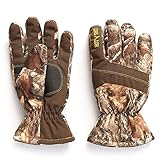
Overview: The HOT SHOT Camo Defender Glove positions itself as serious cold-weather hunting gear for young outdoorsmen. With 40 grams of 3M Thinsulate insulation sandwiched between 2mm foam backing and poly-fill, these gloves deliver warmth without the bulk that impedes youth weapon handling. The 100% polyester brushed tricot lining feels comfortable against skin while the waterproof insert blocks rain and snow. Designed for hunting and fishing in harsh conditions, the Realtree Edge camo provides effective concealment across seasons.
What Makes It Stand Out: The pre-curved finger design is a premium feature rarely found in youth gloves, reducing hand fatigue during all-day hunts. The double-row elasticized wrist creates a superior weather seal compared to single-cuff designs. Combined with the non-slip sure grip palm patch, these gloves enable functional weapon and gear control even when wet and cold.
Value for Money: These gloves punch above their weight class, offering adult-level features (Thinsulate, waterproofing, pre-curved design) at a youth price point. They cost 30-40% less than comparable adult hunting gloves while delivering 90% of the performance, making them an exceptional value for serious young hunters.
Strengths and Weaknesses: Pros include genuine waterproof protection, effective insulation without excessive bulk, smart pre-curved ergonomics, and reliable grip. Cons involve potential overheating in mild weather, limited size range (S/M or L/XL only), and insulation that may compress with heavy use.
Bottom Line: An excellent choice for youth hunters facing genuine winter conditions. The waterproofing and insulation combination makes these a reliable cold-weather companion.
4. Carhartt Mens Hunt Fleece Camo Flip Mitten Cold Weather Gloves, Xtra Brown, Large US

Overview: Carhartt’s Hunt Fleece Flip Mitten solves the classic hunter’s dilemma: warmth versus dexterity. The fleece shell provides core insulation while the magnetic flip closure converts the mitten into fingerless gloves in seconds. This design allows hunters to quickly free fingers for trigger control, GPS operation, or game calls without removing the entire glove. The synthetic palm maintains grip in cold conditions, and the reinforced thumb saddle addresses high-wear areas. Built for cold weather, these prioritize adaptability over absolute warmth.
What Makes It Stand Out: The magnetic flip mechanism is more secure and quieter than Velcro alternatives, crucial for close-range hunting. Carhartt’s reputation for durability ensures the flip design won’t fail mid-season. The Xtra Brown camo pattern integrates well with late-season woodland environments, while the wrist elastic maintains position during active hunts.
Value for Money: Carhartt commands a premium, but the two-in-one design eliminates purchasing separate gloves and mittens. The reinforced construction typically lasts multiple seasons, offsetting the initial investment. Compared to disposable hand warmers or cheap convertibles, these pay dividends through reliability.
Strengths and Weaknesses: Pros include versatile flip design, quiet magnetic closure, durable reinforcement, and trusted brand quality. Cons include non-waterproof fleece construction, bulkier profile than dedicated gloves, and synthetic palm that lacks tactile sensitivity for fine tasks.
Bottom Line: Ideal for hunters who frequently switch between warmth and finger access. Accept the fleece limitations and enjoy the unmatched convenience of the flip design.
5. Carhartt Big Boys’ Camo Glove, Multi, Large

Overview: Carhartt’s Big Boys’ Camo Glove brings premium adult features to the youth market. The Storm Defender insert delivers waterproof, windproof protection while maintaining breathability—rare in youth gloves. Ultra-soft insulation combines with a performance-wicking Fast Dry technology lining to manage moisture from both external and internal sources. The gauntlet-length cuff extends protection up the wrist, sealing out drafts and debris. A wrist strap closure ensures customization for growing hands.
What Makes It Stand Out: The Storm Defender technology represents Carhartt’s professional-grade barrier, typically reserved for adult workwear. The Fast Dry lining actively pushes sweat away from skin, preventing the clamminess that ruins youth hunting experiences. This is a complete weather system, not just a fabric shell.
Value for Money: These sit at the premium end of youth gloves, but deliver features found in $80+ adult hunting gloves. For serious young hunters who face real adverse conditions, the investment prevents miserable, shortened hunts. The durability ensures hand-me-down potential, stretching the value across siblings.
Strengths and Weaknesses: Pros include exceptional weather protection, superior moisture management, extended gauntlet cuff, and robust construction. Cons involve higher price point, potential over-insulation for mild climates, and bulk that may challenge smaller youth with fine motor control.
Bottom Line: The top-tier choice for committed young hunters in wet, cold environments. The waterproofing and moisture management justify every penny for serious outdoor families.
6. EAmber Camouflage Hunting Gloves Full Finger/Fingerless Gloves Pro Anti-Slip Camo Glove Archery Accessories Hunting Outdoors
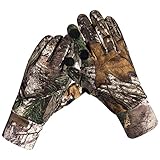
Overview: The EAmber Camouflage Hunting Gloves deliver a hybrid design that balances protection with precision. Constructed from soft polyester and thin fleece, these gloves provide moderate warmth while ensuring flexible hand movement for hunting, archery, and outdoor photography. The fingerless thumb and index finger configuration allows critical tactile sensitivity for trigger control and equipment handling without complete exposure.
What Makes It Stand Out: The selective fingerless design specifically serves hunters and archers who need instant dexterity for high-stakes moments. The mesh anti-slip silicone palm coating ensures superior grip on firearms, bows, and gear—even in damp conditions. Combined with an effective camouflage pattern, these gloves transition seamlessly between hunting, paintball, airsoft, and surveillance applications, making them a true multi-purpose outdoor tool.
Value for Money: Positioned as an affordable entry-level option, these gloves pack specialized features typically reserved for premium tactical gear. Their versatility across multiple activities eliminates the need for separate gloves, delivering strong ROI for budget-conscious enthusiasts. The durable construction withstands regular outdoor use while maintaining functionality that exceeds price expectations.
Strengths and Weaknesses: Strengths include excellent trigger finger dexterity, reliable anti-slip grip, breathable construction for active hunts, and adaptable camouflage utility. Weaknesses involve confusing sizing guidance (M described as “usually for man hands”), insufficient insulation for extreme cold, thin fleece that may wear with heavy brush contact, and exposed fingers vulnerable to elements and insect bites.
Bottom Line: These EAmber gloves excel for moderate-weather hunting and archery where finger sensitivity is paramount. While unsuitable for frigid conditions or heavy-duty abrasion resistance, they provide exceptional value for recreational hunters and photographers seeking affordable, dexterity-focused handwear that performs reliably in fair-weather pursuits.
7. EAmber Camouflage Hunting Gloves Full Finger/Fingerless Gloves Pro Anti-Slip Camo Glove Archery Accessories Hunting Outdoors (M) (L) (L)
Overview: This EAmber variant emphasizes sizing clarity for the same hybrid fingerless glove design. Featuring identical polyester and thin fleece construction, the product explicitly markets M and L sizes to help hunters achieve proper fit. The fingerless thumb and index finger configuration maintains core functionality for precise equipment manipulation while providing coverage for remaining digits during moderate outdoor activities.
What Makes It Stand Out: The explicit size designation (M: 3.54", L: 3.94" palm width) reduces ordering guesswork and improves dexterity through better fit. This attention to sizing ensures the anti-slip silicone palm functions optimally, as loose gloves compromise grip security. The clear size options help prevent returns and get hunters field-ready faster, addressing a common pain point with online glove purchases.
Value for Money: Offering identical features to the base model with enhanced sizing guidance, this listing adds value through informed purchasing decisions. The affordable price point, combined with multi-activity versatility across hunting, archery, paintball, and wildlife photography, delivers strong return on investment. Proper sizing maximizes glove lifespan by reducing stress on seams and material.
Strengths and Weaknesses: Strengths include size-specific purchasing guidance, enhanced grip from silicone palm coating, breathable material for active use, and versatile camouflage pattern. Weaknesses feature redundant title syntax causing confusion, still-limited warmth for winter applications, thin material prone to tearing in thick brush, and exposed fingers remain vulnerable to cold and abrasion.
Bottom Line: For hunters seeking properly fitted fingerless gloves without premium cost, this size-specific EAmber option delivers. Ideal for spring turkey season and moderate-weather archery, though insufficient for cold-weather pursuits. Carefully measure hand circumference below fingers but above thumb to ensure optimal dexterity and comfort before ordering.
8. Camo Fingerless Turkey Hunting Glove - Lightweight Anti-Slip Fishing Glove - Outdoor Camouflage Gear - Archery Accessories for Men & Women

Overview: Engineered for warm-weather pursuits, these lightweight fingerless gloves prioritize breathability and stealth. The ultra-lightweight polyester construction wicks moisture while keeping hands dry during active hunts. A three-finger design exposes thumb, index, and middle fingers—perfect for turkey calling, trigger control, and touchscreen operation—while protecting other digits from sun and brush.
What Makes It Stand Out: The photo-realistic camouflage pattern provides superior concealment across varied US woodland environments. The anti-slip sticky coating extends across the entire palm and finger surfaces, ensuring secure grip on firearms, fishing rods, or bows even when wet or muddy. This three-fingerless configuration specifically accommodates complex tasks requiring multiple digits while maintaining core hand coverage.
Value for Money: These gloves occupy a specialized niche for early-season hunters, eliminating unnecessary bulk and insulation to focus resources on breathability, grip, and camouflage effectiveness. Comparable lightweight hunting gloves often cost 30-50% more, making this an economical choice for turkey season and warm-weather bowhunting where heat management is critical.
Strengths and Weaknesses: Strengths include exceptional breathability preventing sweat buildup, realistic camo pattern, three-finger dexterity for calling devices, and moisture-wicking comfort. Weaknesses comprise minimal insulation unsuitable for temperatures below 50°F, thin material vulnerable to tearing in dense thickets, limited size guidance (M/L/XL without clear charts), and exposed fingers susceptible to sunburn and insect bites.
Bottom Line: Perfect for spring turkey season and summer bowhunting, these gloves deliver specialized performance where it matters. Hunters prioritizing stealth, grip, and heat dissipation over warmth will find excellent value. Avoid for late-season or cold-climate hunts; these are purpose-built for fair-weather pursuit and excel within that specific application, making them a smart seasonal addition to any hunter’s kit.
9. Janmercy 3 Pcs Camo Hunting Gloves Beanie Neck Gaiter Set for Men Women Gift Cold Weather Hunting Gear Accessories

Overview: This comprehensive three-piece system provides integrated cold-weather protection for dedicated hunters. The set includes touchscreen-compatible gloves, a brimmed camouflage beanie, and a versatile neck gaiter—creating unified concealment from head to hands. The fleece inner layer and cotton-polyester exterior deliver warmth while maintaining flexibility for active late-season hunts in harsh conditions.
What Makes It Stand Out: The coordinated design eliminates mismatched gear concerns while providing full coverage rarely found in bundled sets. Three-finger touchscreen compatibility (thumb, index, middle) enables trail camera updates and GPS operation without exposure. The brimmed beanie offers precipitation protection, while the neck gaiter converts to a face mask—effectively delivering four configurations for the price of one premium glove set.
Value for Money: As a bundled system, this offering undercuts separate component purchases by 40-60%. The cohesive camouflage pattern enhances stealth across all pieces, while the multi-functional gaiter adds layers of versatility. For hunters needing complete cold-weather protection, this represents exceptional economy compared to assembling individual high-quality pieces.
Strengths and Weaknesses: Strengths encompass complete cold-weather protection, touchscreen functionality, coordinated camouflage system, anti-slip grip, and versatile gaiter configurations. Weaknesses involve potential overheating during active stalks above 40°F, bulkier profile limiting fine dexterity, one-size-fits-most approach that may not suit extra-large or small users, and fleece interior prone to pilling with heavy field use.
Bottom Line: An exceptional value for hunters facing cold, windy conditions where full coverage is non-negotiable. The Janmercy set excels for late-season deer hunts and static tree stand sits. While too warm for early season, it’s an ideal all-in-one solution for frigid weather pursuits, making it a practical gift for dedicated outdoorsmen who prioritize warmth and stealth over minimalist design.
10. Favuit Camouflage Hunting Gloves Convertible Fingerless Mittens Pro Anti-Slip Windproof Camo Glove Archery Accessories for Hunting Camping Hiking Climbing Outdoors Gear

Overview: The Favuit Convertible Mittens solve cold-weather hunting’s fundamental dilemma through innovative flip-top engineering. The windproof polyester shell with water-repellent coating blocks elements while soft fleece lining retains heat. A unique pop-top design transforms mittens into fingerless gloves instantly, allowing hunters to maintain warmth while preserving critical trigger finger access without removing handwear.
What Makes It Stand Out: The dual-purpose configuration features a half-thumb slot and flip finger cot with hook-and-loop security, keeping the mitten top secured when open. Extended cuffs seal out snow and wind, while the anti-slip palm pattern maintains weapon control even when wet. This convertible system eliminates carrying separate glove sets, reducing pack weight and simplifying gear management during temperature swings.
Value for Money: These mid-priced gloves deliver premium convertible functionality typically found in alpine gear costing twice as much. By combining two glove types into one robust system, hunters save money and space. Weather-resistant features extend the usable season from early fall through late winter, maximizing investment across multiple hunting applications.
Strengths and Weaknesses: Strengths include exceptional versatility for variable conditions, superior wind and water resistance, secure convertible mechanism, extended cuff protection, and warm fleece lining. Weaknesses feature increased bulk compared to dedicated fingerless gloves, complex design adding potential failure points at seams, may be too warm for temperatures above 45°F, and camouflage pattern effectiveness varies by regional foliage.
Bottom Line: For hunters experiencing dramatic temperature swings or extended cold sits, these convertible mittens are invaluable. The ability to instantly expose fingers for shooting then re-cover for warmth is game-changing. While slightly bulkier than single-purpose gloves, the versatility justifies the trade-off for serious cold-weather sportsmen who demand adaptability without compromising protection.
Why Proper Gloves Matter for Young Hunters
Hand Protection in the Field
Youth hunters face the same environmental hazards as adults—thorny brush, splinters, cold metal, and harsh weather—but with less developed skin and circulation. Quality gloves prevent cuts and abrasions that can turn a promising hunt into a painful ordeal. More importantly, they shield developing hands from frostbite and windburn during long sits in harsh conditions. The psychological comfort of warm, protected hands helps young hunters maintain focus and patience, two essential qualities for successful and safe hunting experiences.
Impact on Hunting Success
Cold, numb fingers compromise both safety and performance. A hunter who can’t feel their trigger finger is a safety risk, while stiff hands make accurate shooting nearly impossible. For bow hunters, proper glove design affects release consistency and string control. Youth hunters are still developing muscle memory and technique, so equipment that interferes with natural movement creates bad habits that are hard to unlearn later. The right gloves disappear from consciousness, allowing young hunters to concentrate on shot placement, wildlife observation, and following safety protocols.
Building Good Habits Early
Introducing quality gear early teaches young hunters to respect their equipment and understand how proper preparation affects outcomes. When they learn to select gloves based on weather conditions, activity type, and duration, they’re developing critical thinking skills that transfer to all aspects of hunting. This foundation prevents the “tough it out” mentality that leads to discomfort, poor decisions, and potentially dangerous situations in the field.
Key Features to Evaluate
Insulation and Warmth Ratings
Understanding insulation types helps you match gloves to conditions. Synthetic insulations like Thinsulate offer excellent warmth-to-weight ratios and maintain insulating properties when damp. Down provides superior warmth but fails when wet. For youth hunters, who may not recognize early signs of cold stress, consistent performance matters more than maximum warmth ratings. Look for gloves rated by temperature range rather than generic “warm” labels, and consider that youth metabolism and circulation differ from adults—what keeps you warm might not suffice for a 12-year-old.
Waterproof vs Water-Resistant
Waterproof membranes block moisture completely but can reduce breathability, leading to clammy hands from sweat. Water-resistant treatments shed light precipitation while offering better breathability for active hunts. For sedentary activities like stand hunting, waterproofing takes priority. For spot-and-stalk or still hunting, water-resistant designs with better dexterity and moisture management often work better. Youth hunters who haven’t mastered layering may overheat easily, making breathability a crucial consideration.
Camouflage Patterns and Stealth
Modern camo patterns use photorealistic designs and micro textures that break up hand outlines effectively. For youth hunters, consider patterns that match your primary hunting environment—woodland, marsh, or open country. However, don’t sacrifice function for fashion. A solid earth-tone glove that fits perfectly outperforms a trendy camo pattern that’s too bulky. Some designs incorporate subtle camo with solid color palms to reduce visual movement when drawing a bow or shouldering a firearm.
Touchscreen Compatibility
In 2026, touchscreen-compatible fingertips are standard rather than luxury features. Youth hunters use smartphones for GPS mapping, weather apps, and emergency communication. Test touchscreen sensitivity with the specific devices they’ll use—some coatings work better with certain screen protectors. The best designs place conductive material only on index finger and thumb tips, preserving insulation and durability in other areas. Be wary of designs where the entire glove is conductive, as this often signals compromised insulation.
Scent Control Technology
Activated carbon liners and antimicrobial treatments help reduce human odor, but they’re not magic solutions. For youth hunters who may not practice perfect scent control, these features provide a helpful buffer. Look for treatments that remain effective through multiple washes, and understand that no glove eliminates the need for proper wind awareness and scent discipline. The most effective scent control comes from materials that don’t absorb odors in the first place, rather than those that try to contain them after absorption.
Types of Hunting Gloves for Youth
Full-Finger vs Fingerless Options
Full-finger gloves offer maximum protection and warmth but sacrifice dexterity. Fingerless designs excel for archery and fine tasks but leave fingertips exposed. For most youth hunters, a convertible system works best—full coverage for travel and waiting, with the ability to expose fingers for shooting. This hybrid approach teaches situational awareness and gear management. Some full-finger models include articulated fingers with minimal seams at the joints, improving feel without sacrificing coverage.
Convertible Mittens and Flip-Tops
Flip-top mittens combine the warmth of mittens with the dexterity of gloves. The best designs secure the flip-back portion with magnets or quiet snaps rather than noisy Velcro. For youth hunters, this style prevents the “glove juggling act” of removing and storing separate gloves. Look for models where the exposed finger liner is reinforced, as youth hunters tend to use their hands more roughly when excited. The transition mechanism should be operable with one hand, allowing the other hand to maintain weapon control.
Specialized Shooting Gloves
Shooting gloves prioritize trigger finger sensitivity and grip. They typically feature thinner material on the trigger finger, sometimes with a seamless design or cut-out pattern. For firearms, ensure the glove doesn’t interfere with safety manipulation or magazine release. For archery, look for reinforced fingertips and minimal material between fingers to prevent string interference. Youth-specific shooting gloves account for smaller hand proportions, avoiding the excess material that bunches and affects release consistency.
Latex and Rubber-Coated Variants
These gloves excel for waterfowl hunting, blood trailing, and field dressing. They provide waterproof protection and excellent grip when wet. For youth hunters, choose lined versions that add insulation without sacrificing the protective qualities. The coating should extend well up the wrist, and cuffs should fit snugly to prevent water entry. While not suitable for all-day warmth, they serve as essential secondary gloves for specific tasks that adult hunters might handle bare-handed.
Material Matters
Wool and Synthetic Blends
Wool remains the gold standard for insulation that works when wet, with merino wool offering softness that youth hunters tolerate better than traditional wool. Synthetic blends add durability and faster drying times. The best combinations place wool against the skin for comfort and moisture management, with tougher synthetics on the exterior. For youth hunters prone to losing gloves, brighter interior colors help locate dropped gloves in leaf litter.
Fleece and Softshell Fabrics
Fleece provides excellent warmth and breathability but offers minimal wind resistance. Softshell materials block wind better while maintaining stretch and comfort. Many hunting gloves combine these—softshell backs for weather protection with fleece palms for grip and feel. For youth hunters, the stretch in these materials accommodates growth better than rigid fabrics, potentially extending usable life by a season.
Leather and Synthetic Leather
Leather palms offer superior durability and grip, especially important for youth hunters who haven’t developed finesse in handling gear. Synthetic leather provides similar benefits with better wet-weather performance and easier care. Look for reinforced palms and fingers in high-wear areas. The break-in period matters—stiff gloves discourage use, so pre-softened leather or flexible synthetics work better for impatient young hunters.
Membrane Technologies
Waterproof-breathable membranes like Gore-Tex or proprietary alternatives block external moisture while allowing sweat vapor to escape. For youth hunters, breathability often matters more than absolute waterproofing, as they generate more heat per pound of body weight. However, membrane durability in youth gloves is critical—rough handling and improper care can compromise performance. Look for membranes bonded between fabric layers rather than loose liners that can pull out.
Fit and Sizing Considerations
Importance of Proper Sizing
Ill-fitting gloves cause more problems than no gloves at all. Too large, and they slip during critical moments, bunch at the palms, and reduce feel. Too small, and they restrict circulation, accelerate coldness, and tear at seams. Youth hand proportions differ from scaled-down adult hands—fingers are proportionally shorter, palms wider relative to length. Always measure both hands and consult youth-specific sizing charts rather than assuming a small adult size will work.
Growth Room Without Bulk
The perennial dilemma: buy for growth and deal with poor fit now, or buy for perfect fit and replace mid-season? The solution lies in adjustable features. Wrist cinches, elastic gathers, and adjustable gauntlets allow gloves to fit properly while accommodating some growth. Look for designs with slightly longer fingers that can be cuffed back initially. Avoid buying more than one size up—excess material at the fingertips creates dangerous situations around triggers and bowstrings.
Adjustable Wrist Closures
Proper wrist closure prevents snow and debris entry while keeping gloves secure during activity. Youth hunters benefit from easy-to-operate systems they can manage independently. Hook-and-loop closures should be large enough for gloved operation but not so aggressive they catch on everything. Elastic wrists work well for younger hunters but may cut circulation if too tight. Gauntlet-style cuffs that extend over jacket sleeves provide the best weather protection for stand hunting.
Dexterity vs Warmth Trade-off
This balance is personal and activity-dependent. A glove that keeps hands warm during a two-hour sit might be too bulky for climbing into a stand or adjusting gear. Teach youth hunters to assess their needs based on activity level, temperature, and duration. The best approach often involves a two-glove system: lightweight liners for dexterity, with insulated shells for warmth. This system also provides redundancy—lose one glove and the hunt isn’t over.
Seasonal Selection Strategies
Early Season Lightweight Options
Early season hunts demand maximum dexterity with minimal insulation. Look for thin, form-fitting gloves that protect from sun, insects, and light brush. These should offer excellent grip for sweaty hands and enough durability for setting up decoys or climbing stands. For youth hunters, early season is prime learning time, so gloves shouldn’t interfere with teaching moments about gear operation, animal sign, or safety protocols.
Mid-Layer Glove Systems
The versatile middle ground covers most hunting scenarios. These gloves provide moderate insulation while maintaining functional dexterity for shooting. For youth hunters, this category often serves as the primary glove for the entire season. Look for designs that work standalone in mild weather but accept liner gloves when temperatures drop. The ability to add or subtract layers teaches important thermoregulation lessons.
Late-Season Extreme Cold Solutions
When temperatures plummet, specialized cold-weather gloves become essential. Look for high-loft insulation, extended cuffs, and windproof exteriors. However, don’t sacrifice safety for warmth—the glove must still allow proper trigger control and bow release. For youth hunters, consider heated glove options with simple controls they can operate. Battery life should exceed the planned hunt duration, and backup power options provide peace of mind.
Wet Weather Specialties
Persistent rain or marsh hunting demands dedicated waterproof gloves. These should include fleece or synthetic insulation that retains warmth when wet. For youth waterfowl hunters, extended gauntlets that integrate with wader cuffs prevent water entry during decoy work. Quick-drying linings are essential, as youth hunters often don’t have multiple pairs to rotate between hunts.
Safety and Visibility Features
Blaze Orange Requirements
Many states require blaze orange during firearm seasons, and this applies to gloves. Look for gloves with integrated blaze orange panels that remain visible when shouldering a firearm. Some designs incorporate reversible blaze orange cuffs or removable orange covers. For youth hunters, compliance should be simple and automatic—complicated systems get ignored. Ensure the orange material meets state-specific requirements for square inch coverage and color standards.
Grip and Trigger Finger Design
The trigger finger area requires special attention. It should be thin enough to feel the trigger but not so thin it compromises safety. Look for reinforced fingertips that prevent wear-through while maintaining sensitivity. Silicone grip patterns on palms and fingers help secure the weapon, especially important for youth hunters still developing strength and coordination. Test grip with the actual firearms or bows they’ll use, as texture and tackiness vary significantly.
Anti-Slip Palm Technologies
Modern palm treatments go beyond simple rubber dots. Micro-textured silicone patterns, leather overlays, and synthetic suedes provide secure grip in wet, bloody, or icy conditions. For youth hunters, these features build confidence in weapon handling. The treatment should extend to the thumb and first two fingers for optimal control. Avoid overly aggressive textures that might snag on clothing or gear during critical moments.
Care and Maintenance
Cleaning Procedures
Youth gloves get dirty faster and require more frequent cleaning. Follow manufacturer instructions, but generally, gentle cycle washing preserves membranes and treatments. Avoid fabric softeners, which clog waterproof membranes and reduce insulation loft. For blood or gut exposure, enzyme-based cleaners remove organic material without damaging fabrics. Teach youth hunters to clean their own gloves—it’s part of responsible gear ownership and builds respect for equipment.
Drying and Storage
Never place hunting gloves directly on heat sources, which damages membranes and shrinks materials. Air dry with inserts to maintain shape, or use boot/glove dryers with gentle, ambient heat. Store gloves uncompressed in a cool, dry place. For seasonal storage, ensure they’re completely dry to prevent mildew and odor. Youth hunters often stuff gloves in pockets or packs—teach proper storage habits early to extend glove life and maintain performance.
Extending Lifespan
Rotate between two pairs when possible, allowing complete drying between hunts. Repair minor damage immediately—small tears become big problems quickly. Apply water-repellent treatments to the exterior periodically, especially after washing. For youth hunters, consider gloves with replaceable liners or removable components that can be swapped without replacing the entire glove. This modular approach accommodates growth and wear patterns.
Budget and Value Considerations
Price vs Performance Balance
The most expensive gloves aren’t always the best for youth hunters. Mid-range options often provide 90% of the performance at half the cost. Focus on essential features—proper fit, adequate insulation, and durability—over premium materials that youth hunters may outgrow before they wear out. However, don’t buy the cheapest option if it compromises safety or warmth. A failed glove mid-hunt ruins the experience and potentially creates dangerous situations.
When to Invest More
Spend more on gloves for dedicated, species-specific hunts where performance directly affects success and safety. Late-season big game or cold-weather waterfowl hunting demands premium insulation and waterproofing. For casual small game or early season hunts, budget-friendly options suffice. Consider the youth hunter’s commitment level—investing in quality makes sense for a dedicated teen hunter, while a trial-season youth might need economical options.
Growth Spurts and Replacement Cycles
Accept that youth hunters will outgrow gloves before wearing them out. Plan for replacement every 1-2 seasons during peak growth years. Some manufacturers offer trade-in programs or growth guarantees. Buying last year’s models at clearance prices provides excellent value, as hunting glove technology evolves slowly. Consider purchasing gloves at season’s end for the next year—sizing up slightly and storing them properly ensures readiness when seasons open.
Common Mistakes to Avoid
Buying Too Large “To Grow Into”
This well-intentioned mistake creates safety hazards and frustration. Excess material at fingertips interferes with trigger control and bow release. The glove slips during use, reducing grip security. Youth hunters compensate with awkward hand positions that become ingrained habits. Instead, buy proper fit with minimal growth room, and plan on mid-season replacements if necessary. The cost of an extra pair outweighs the cost of a missed opportunity or safety incident.
Overlooking Activity-Specific Needs
A glove perfect for treestand hunting fails miserably for waterfowl hunting. Consider the primary hunting style when selecting. Youth hunters often participate in multiple types of hunting, so a versatile system works better than a single specialized glove. Talk to them about their preferences and observations—they often notice details adults overlook. Their input ensures buy-in and proper use.
Ignoring Youth-Specific Design
Adult gloves scaled down miss critical design elements. Youth-specific models account for proportionally shorter fingers, different grip patterns, and smaller wrist circumferences. They often include features like ID tags (helpful at busy hunting camps) and brighter interior colors for finding dropped gloves. The psychological impact matters too—gloves that look and feel “like Dad’s” but fit properly build confidence and identity as a hunter.
Frequently Asked Questions
How do I measure my child’s hand for hunting gloves? Measure around the dominant hand at the knuckles, excluding the thumb, and from wrist tip to middle fingertip. Compare these measurements to youth-specific sizing charts, never adult charts. Have the child try on gloves with the liners they’ll wear and simulate shooting motions to check fit.
What insulation weight is best for most youth hunting situations? For temperatures between 30-50°F, 40-100g synthetic insulation works well. Below 30°F, look for 150g+ insulation or layered systems. Youth hunters run colder than adults, so err on the warmer side. Remember that activity level matters more than air temperature—a glove perfect for sitting may be too warm for stalking.
Should youth hunters wear the same gloves for archery and firearms? Ideally, no. Archery demands maximum finger dexterity and minimal string interference, while firearm hunting prioritizes trigger finger feel and warmth. However, a versatile mid-weight glove with a thin trigger finger can serve both purposes for beginners. As skills develop, specialized gloves improve performance and safety.
How often should hunting gloves be replaced for growing kids? Replace when fit becomes compromised—typically every 1-2 seasons during growth spurts. Don’t wait for wear-through. A glove that’s too small restricts circulation and reduces warmth. Check fit before each season, and mid-season if growth is rapid. Hand-me-downs work if properly fitted and functional.
Are heated gloves worth the investment for youth hunters? For dedicated late-season hunters in extreme cold, yes. The consistent warmth prevents cold stress and maintains dexterity. Choose models with simple controls, long battery life, and backup power options. For occasional or fair-weather hunters, quality insulated gloves provide better value. Consider the child’s maturity level—heated gloves require responsible battery management.
What’s the best way to waterproof hunting gloves? Start with gloves featuring waterproof membranes for serious wet conditions. For water-resistant gloves, apply DWR (durable water repellent) treatments periodically. Never use wax-based products on breathable membranes. Teach youth hunters to re-treat after washing and before long hunts. Remember that waterproofing fails if water enters through the cuff—proper sleeve integration matters as much as the glove material.
Can my child use my adult hunting gloves? Only if they fit perfectly, which is rare. Adult gloves have longer fingers and different palm proportions that compromise grip and control. The safety risks outweigh any cost savings. Youth-specific designs account for smaller, differently proportioned hands. If budget is tight, look for quality used youth gloves rather than compromising with ill-fitting adult sizes.
How do I clean blood from hunting gloves without damaging them? Rinse with cold water immediately to prevent setting. Use an enzyme-based cleaner designed for hunting gear, following product instructions. Avoid hot water and harsh detergents that damage waterproof membranes and insulation. Air dry completely before storage. For youth hunters, make this part of the post-hunt routine to build good habits.
What features help prevent lost gloves in the field? Look for gloves with clips or loops that attach to jacket sleeves or pack straps. Bright interior colors make dropped gloves easier to spot. Some designs include reflective strips for low-light recovery. For youth hunters, consider a glove leash system that keeps gloves attached even when removed. The best prevention is teaching proper gear management habits.
Are fingerless gloves safe for hunting? Fingerless gloves expose fingers to cold, cuts, and debris, making them unsuitable for most hunting scenarios. However, they work well for archery in mild weather where maximum finger dexterity is crucial. For youth hunters, convertible designs that expose fingers only when needed provide a safer compromise. Always prioritize protection and warmth over convenience.
Related Buying Guides
- The 10 Best Hunting Gloves for Youth Hunters Starting Out in 2026
- 10 Best Hunting Clothing Sets for Youth Hunters in 2026
- 10 Best Youth Hunting Boots for Growing Hunters in 2026
- 10 Affordable Youth Hunting Boots That Don’t Sacrifice Quality in 2026
- 10 Best Budget Hunting Gloves Under $40 for First-Time Hunters in 2026