Table of Contents
When you’re miles from civilization with a trophy buck in your sights or gathering firewood in sub-zero temperatures, your hands are your most valuable tools. In survival situations, compromised dexterity from cold, wet, or injured hands can quickly escalate from discomfort to life-threatening. Quality hunting gloves aren’t just another accessory—they’re critical survival equipment that protects your primary means of manipulating weapons, tools, and shelter materials while keeping you in the field longer and more effectively.
The modern survivalist faces a unique challenge: finding hand protection that balances warmth with weapon feel, durability with dexterity, and weather protection with breathability. This comprehensive guide cuts through the marketing noise to examine the essential features, materials, and design elements that separate truly functional hunting gloves from glorified mittens. Whether you’re building a bug-out bag, prepping for winter hunting season, or assembling your survival kit, understanding these key factors will ensure your hands remain capable when it matters most.
Top 10 Hunting Gloves for Survivalists
Detailed Product Reviews
1. Mossy Oak Lightweight Camo Hunting Gloves

Overview: The Mossy Oak Lightweight Camo Hunting Gloves deliver stealth and functionality for warm-weather pursuits. Constructed from a 90% polyester/10% spandex blend with 4-way stretch, these gloves prioritize dexterity while maintaining durability. The extended cuff design ensures seamless integration with hunting attire, while the rubber palm provides reliable grip on weapons and gear.
What Makes It Stand Out: Hydroplex Technology sets these apart, offering advanced moisture management crucial for active hunts. The ultra-tacky rubber palm delivers exceptional weapon control, a critical feature for archers and firearm hunters alike. Mesh inner thumb panels enhance ventilation where it’s needed most. With patterns ranging from Break-Up Country to vintage Original Treestand, hunters can match virtually any terrain or season.
Value for Money: Positioned as a mid-tier option, these gloves offer professional-grade features without premium pricing. Comparable gloves with similar stretch and grip technology often cost 30-40% more. Their versatility as both standalone warm-weather gear and cold-weather base layers extends their value across seasons, effectively giving hunters two products for one price.
Strengths and Weaknesses: Strengths include superior breathability, excellent tactility for equipment handling, durable construction that withstands repeated use, and extensive camo pattern selection. The 4-way stretch ensures a second-skin fit. Weaknesses involve limited insulation for temperatures below 50°F, potential sizing inconsistencies across different camo patterns, and the thin material may not protect against heavy brush or thorns.
Bottom Line: These gloves are essential for serious hunters in early-season conditions. They excel when stealth, grip, and dexterity matter more than warmth. Ideal for turkey, early deer, and big game hunts where equipment feel is paramount.
2. Mossy Oak Lightweight Camo Hunting Gloves

Overview: The Mossy Oak Lightweight Camo Hunting Gloves provide reliable performance for hunters prioritizing stealth and manual dexterity. Built from a 90% polyester/10% spandex ultralight blend, these gloves feature an extended cuff and tacky rubber palm for secure weapon handling. Designed specifically for men’s hands, they deliver a streamlined fit for precise equipment manipulation.
What Makes It Stand Out: The ultralight construction achieves an exceptional balance between protection and tactile feedback, making them ideal for archery where string feel matters. The extended cuff prevents skin exposure and scent dispersion while transitioning between movements. Anti-slip palm technology ensures confident grip on bows, firearms, and accessories even in humid conditions. The pattern selection includes Country Roots and Full Foliage, expanding options for agricultural and dense woodland environments.
Value for Money: These gloves represent solid entry-to-mid-level value. While lacking some premium technologies found in higher-priced alternatives, they deliver core functionality at an accessible price point. Their dual-purpose design as both primary warm-weather gloves and cold-weather liners maximizes seasonal utility, offering hunters extended use throughout the year without requiring separate purchases.
Strengths and Weaknesses: Strengths include lightweight breathability, versatile camo pattern selection, effective grip performance, and comfortable stretch fit. The mesh thumb panel prevents overheating during active spot-and-stalk hunts. Weaknesses include minimal thermal protection, thin material vulnerable to abrasion, and the absence of advanced moisture-wicking technology. Sizing may run small for hunters with larger hands.
Bottom Line: A practical choice for hunters seeking affordable, functional handwear for early-season pursuits. Best suited for archers and firearm hunters who value dexterity over insulation. Consider sizing up for optimal comfort.
3. Mossy Oak Lightweight Camo Hunting Gloves

Overview: The Mossy Oak Lightweight Camo Hunting Gloves are engineered for hunters who demand performance without bulk. Featuring a 90% polyester/10% spandex 4-way stretch fabric with Hydroplex Technology, these gloves maintain a barely-there feel while delivering serious functionality. The extended cuff and rubberized palm work together to provide seamless protection and weapon control in the field.
What Makes It Stand Out: The integration of Hydroplex Technology distinguishes these gloves from standard camouflage handwear, actively managing moisture during high-exertion hunts. The ultra-tacky palm compound offers superior grip security, critical for maintaining weapon control in wet or sweaty conditions. Strategic mesh ventilation at the inner thumb prevents overheating during early-season turkey or deer hunts. The extensive pattern library, including vintage options like Original Treestand, ensures optimal concealment across diverse habitats.
Value for Money: These gloves punch above their weight class in terms of features versus cost. While priced competitively with entry-level options, they incorporate premium moisture-management technology typically found in higher-tier gear. Their ability to function as both primary gloves in warm weather and base layers in cold conditions effectively doubles their utility, providing exceptional return on investment for budget-conscious hunters.
Strengths and Weaknesses: Key strengths include outstanding dexterity, advanced breathability, durable construction for repeated use, and versatile pattern selection. The 4-way stretch creates a custom-fit feel. Primary weaknesses are limited protection against cold temperatures and abrasive vegetation. The thin profile, while great for feel, compromises durability in harsh environments. Some users report variability in fit between patterns.
Bottom Line: Highly recommended for early to mid-season hunting where stealth and equipment control are priorities. Archers and spot-and-stalk hunters will appreciate the tactile sensitivity. Pair with heavier gloves for late-season applications.
4. EAmber Camouflage Hunting Gloves Full Finger/Fingerless Gloves Pro Anti-Slip Camo Glove Archery Accessories Hunting Outdoors
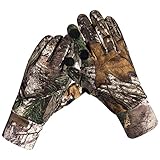
Overview: The EAmber Camouflage Hunting Gloves offer a hybrid solution for hunters needing both warmth and finger dexterity. Constructed from soft polyester and thin fleece, these gloves feature a unique fingerless design for thumb and index finger, allowing precise trigger control and touchscreen use without removal. The full-finger coverage on remaining digits provides essential warmth during cool morning sits.
What Makes It Stand Out: The partial fingerless configuration is the defining feature, enabling archers to feel bowstrings and hunters to operate triggers with maximum sensitivity while maintaining core hand warmth. Silicone mesh anti-slip coverage on palm and fingers delivers reliable grip on weapons and gear. The dual-size system simplifies selection, with medium fitting most men and large accommodating bigger hands. This design bridges the gap between full gloves and completely fingerless options.
Value for Money: These gloves occupy an attractive budget-friendly price point, making them accessible to casual and serious hunters alike. While they lack premium brand recognition, the practical fingerless design offers functionality that expensive full-featured gloves cannot match for specific applications. Hunters effectively receive a specialized tool for precision tasks without investing in multiple glove systems.
Strengths and Weaknesses: Strengths include exceptional finger dexterity for critical tasks, comfortable fleece warmth, effective silicone grip pattern, and versatile application across hunting, shooting, and outdoor photography. The fingerless design eliminates constant glove removal. Weaknesses include limited weather resistance, fleece material that absorbs moisture, minimal camouflage effectiveness on exposed fingers, and reduced protection from elements and vegetation.
Bottom Line: Perfect for hunters prioritizing trigger feel and equipment manipulation over full coverage. Ideal for cool, dry conditions and stationary hunting. Consider pairing with hand warmers for extended cold-weather use.
5. Hunters Specialties Field Dressing Gloves Combo Pack 6 Pairs Short Latex Gloves & 6 Pairs Shoulder-Length Poly Gloves for Deer Gutting

Overview: The Hunters Specialties Field Dressing Gloves Combo Pack provides essential protection for post-harvest game processing. This practical set includes six pairs of short latex gloves and six pairs of shoulder-length poly gloves, delivering comprehensive coverage for various field dressing scenarios. Packaged in a compact poly bag, the dozen gloves ensure hunters remain prepared for multiple animals or extended trips without cross-contamination concerns.
What Makes It Stand Out: The dual-length system addresses distinct processing phases—short latex gloves for detailed knife work and shoulder-length poly gloves for deep cavity access and messy initial cuts. This specialized approach prevents fluid exposure better than single-length alternatives. The shoulder-length design, reaching nearly to the armpit, provides exceptional protection when reaching into body cavities. Hunters Specialties’ reputation for hunting-specific accessories ensures these gloves meet real field demands rather than repurposed medical or kitchen products.
Value for Money: At roughly the cost of a single pair of premium hunting gloves, this 12-pair combo pack delivers outstanding utility. Disposable gloves are often overlooked until needed, making this bulk pack’s value immeasurable when facing field dressing tasks. The inclusion of both lengths eliminates improvisation with inadequate gloves, potentially saving expensive hunting clothing from ruin. For the price of a few coffee shop visits, hunters gain peace of mind and hygiene.
Strengths and Weaknesses: Strengths include comprehensive protection lengths, adequate quantity for multiple hunts, trusted brand reliability, compact storage, and effective barrier against blood and contaminants. The poly bag packaging keeps gloves clean and organized. Weaknesses include latex allergies requiring alternatives, single-use environmental impact, limited tactile sensitivity compared to bare hands, and poly gloves can tear on sharp bones or debris if not careful.
Bottom Line: An indispensable addition to every hunter’s pack that proves its worth immediately after a successful hunt. The minimal investment prevents major messes and health concerns. Always carry a pack—you’ll regret not having them when needed.
6. BASSDASH Camo Hunting Gloves Touchscreen Lightweight Glove for Warm Weather Turkey Fishing Outdoor Activities HG08
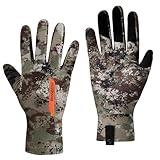
Overview: The BASSDASH HG08 gloves target warm-weather hunters seeking modern functionality without bulk. These full-finger gloves blend technical fabric with tactical features for turkey, deer, and fishing applications. Designed for temperatures where protection meets breathability, they address the critical need for digital device interaction while maintaining stealth and weapon control in the field.
What Makes It Stand Out: The 4-way stretch fabric delivers exceptional dexterity for complex tasks like knot tying or trigger feel. Conductive fingertips provide reliable touchscreen accuracy for GPS and mapping apps without exposing skin. Silicone palm prints create a non-slip interface with bows and firearms, while the extended cuff design with snap fastener offers wind protection and convenient storage. The proprietary Bassdash camo pattern completes the package with effective silhouette disruption across varied terrains.
Value for Money: Positioned in the mid-range category, these gloves justify their price through multi-functionality that eliminates the need for separate tech and hunting gloves. Comparable lightweight hunting gloves often lack touchscreen capability or feature inferior grip systems. The durable construction extends lifespan across multiple seasons, making them cost-effective for active hunters who prioritize gear integration and versatility.
Strengths and Weaknesses: Strengths: Superior flexibility and fit; excellent touchscreen responsiveness; reliable wet-weather grip; integrated storage solution; effective camo pattern for varied terrains. Weaknesses: Limited insulation restricts use to warm weather; sizing runs small for some users; camo pattern may not match all regional environments; snap fastener could catch on gear.
Bottom Line: Ideal for tech-savvy hunters in early season conditions who demand full-finger protection without sacrificing digital access or manual dexterity.
7. North Mountain Gear Camo Hunting Gloves - Fingerless - Mossy Oak Bottomland
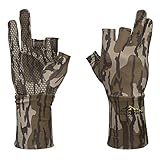
Overview: North Mountain Gear delivers a purpose-built fingerless glove for early-season hunters prioritizing cooling and tactile feedback. The Mossy Oak Bottomland pattern provides woodland concealment while the minimalist design keeps hands comfortable during warm weather pursuits. Engineered for archery and shooting, these gloves maintain direct contact for optimal equipment feel and control.
What Makes It Stand Out: The Sure Grip textured palms maintain weapon control even when wet or muddy—a crucial advantage during critical moments. The photo-realistic Mossy Oak Bottomland camo excels in North American woodlands across seasons. The one-size-fits-most approach simplifies ordering, while the polyester-spandex blend balances durability with stretch. The fingerless design maximizes ventilation and maintains direct string contact for archers needing maximum sensitivity.
Value for Money: As a budget-conscious option, these gloves offer professional-grade grip technology without premium pricing. They compete favorably against higher-priced fingerless models while delivering proven Mossy Oak camouflage. For hunters needing basic hand protection and concealment without frills, the value proposition is strong and accessible.
Strengths and Weaknesses: Strengths: Exceptional breathability for warm weather; superior tactile feedback for shooting; reliable wet-condition grip; authentic Mossy Oak pattern; affordable entry point. Weaknesses: One-size limitation excludes smaller hands; no touchscreen compatibility; minimal hand protection; fingerless design unsuitable for cold or brushy conditions; limited durability in high-wear areas.
Bottom Line: A solid choice for archers and warm-weather hunters who prioritize direct equipment feel and cooling over full coverage and tech features.
8. Nomad Mens Fingerless Turkey Glove | Camo Fingerless Hunting Glove, Mossy Oak Bottomland, Medium/Large

Overview: Nomad’s fingerless turkey glove addresses the specific demands of turkey hunters requiring maximum dexterity for calling and shooting. Built with moisture-wicking fabric and strategic finger exposure, this glove keeps hands dry during active hunts while maintaining the precise touch needed for box calls, slate calls, and trigger control. The Mossy Oak Bottomland pattern ensures effective woodland concealment.
What Makes It Stand Out: Hunter-driven design focuses on practical field needs rather than generic features. The hydrophobic material actively transports sweat away from skin, preventing the chilling effect that ruins hunts. Exposing only the pointer finger and thumb provides targeted dexterity for calling while protecting other digits. The gusseted finger grip enhances palm traction without adding bulk or reducing feel.
Value for Money: Moderately priced for a specialized hunting glove, the value lies in its purpose-built design for turkey enthusiasts. While more expensive than generic fingerless gloves, the moisture management and hunter-specific features justify the cost for serious turkey hunters. It eliminates the compromise between protection and calling precision that generic options force.
Strengths and Weaknesses: Strengths: Excellent moisture management; optimal calling dexterity; lightweight comfort; effective grip pattern; authentic Mossy Oak camo. Weaknesses: Very limited finger coverage; restricted to warm weather; single size option reduces fit precision; no touchscreen capability; minimal protection from brush and insects.
Bottom Line: Perfect for dedicated turkey hunters who need uncompromised calling dexterity and moisture control during active spring hunts.
9. Favuit Camouflage Hunting Gloves, Lightweight Anti-Slip Full Finger Fingerless Touchscreen Camo Gloves Outdoor Tactical Hunting Gear Archery Accessories for Turkey Fishing Airsoft (Camo L)
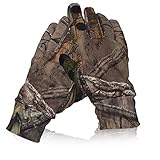
Overview: Favuit’s convertible hunting glove offers unique adaptability with its adjustable fingerless design, catering to hunters who transition between activities. The polyester construction provides breathability while the two-finger system allows hunters to cover or expose thumb and index finger as conditions dictate. Suitable for hunting, archery, fishing, and tactical applications, these gloves prioritize versatility above all else.
What Makes It Stand Out: The innovative adjustable design transforms from full-finger to fingerless without removing the glove, enabling instant adaptation for calling, touchscreen use, or knot tying. Silicone mesh palms deliver consistent grip across configurations. The size-specific approach (M for women/youth, L for men) improves fit accuracy compared to one-size products. Multi-sport functionality extends utility beyond hunting to fishing and airsoft.
Value for Money: Strong value for hunters participating in multiple outdoor activities. The convertible design effectively provides two gloves in one, saving money and pack space. While build quality may not match premium brands, the feature set exceeds price expectations. Comparable versatility typically costs significantly more from established hunting brands.
Strengths and Weaknesses: Strengths: Unmatched adaptability; multi-sport versatility; size options improve fit; touchscreen compatible; strong grip performance. Weaknesses: Adjustment mechanism may wear over time; durability concerns with frequent conversion; camo pattern less established; polyester may retain odor; sizing chart requires careful measurement.
Bottom Line: An excellent choice for outdoor enthusiasts needing adaptable hand protection across hunting, fishing, and tactical pursuits without buying multiple pairs.
10. Allen Company Vanish Camo Mesh Hunting Gloves by Allen - Mossy Oak Beak-Up Country

Overview: Allen Company’s Vanish Camo Mesh gloves target early-season hunters battling insects and heat. The fine mesh construction provides a barrier against mosquitos and biting flies while maintaining airflow. Featuring Mossy Oak Break-Up Country camo and touchscreen fingertips, these gloves balance concealment, technology access, and bug protection in a lightweight package from a trusted hunting brand.
What Makes It Stand Out: The insect-mesh design addresses a common early-season nuisance that most gloves ignore. Extra-long stretch cuffs seal out bugs and debris while allowing easy layering. Dot grip reinforced palms maintain weapon control despite the mesh construction. Touchscreen panels provide smartphone access without exposure. The established Allen brand ensures reliable field performance and customer support.
Value for Money: Positioned as an affordable specialty glove, the value proposition centers on bug protection—a feature rarely found in standard hunting gloves. Hunters in marshy or humid environments will find the modest investment worthwhile compared to insect repellent costs and discomfort. The gloves deliver brand reliability at a budget price point that undercuts premium competitors.
Strengths and Weaknesses: Strengths: Effective insect barrier; exceptional breathability; trusted brand heritage; touchscreen compatible; extra-long cuffs seal well. Weaknesses: Mesh vulnerable to snags and tears; minimal abrasion protection; one-size fit may be loose on smaller hands; limited durability; not suitable for cold weather.
Bottom Line: Essential gear for early-season hunters in buggy environments who prioritize insect protection and ventilation over rugged durability.
Why Hunting Gloves Are Essential Survival Gear
Your hands contain over 17,000 tactile receptors that feed critical information to your brain about temperature, texture, and pressure. In survival scenarios, this sensory input becomes invaluable for everything from feeling the direction of wind on your skin to detecting subtle vibrations while trapping. Hunting gloves designed for survivalists must preserve this tactile feedback while providing robust protection against environmental hazards.
Beyond simple warmth, these gloves serve as your first line of defense against cuts, abrasions, and puncture wounds that can lead to infection when medical help is hours or days away. They also prevent moisture loss through evaporation, which accelerates hypothermia, and shield against frostbite in extreme conditions. The right pair transforms from mere clothing into a multi-functional tool that extends your operational capabilities in the wilderness.
Core Materials and Their Performance Characteristics
Leather Varieties and Their Applications
Full-grain leather offers unmatched durability and natural water resistance, molding to your hand shape over time for a custom fit. It’s ideal for heavy-duty tasks like rope handling, firewood processing, and weapon manipulation. However, untreated leather performs poorly when wet, becoming stiff and heavy. Look for gloves combining leather palms with synthetic backs to balance protection with flexibility.
Top-grain and split leather provide more affordable alternatives, though they sacrifice some durability. For survivalists, leather’s primary advantage lies in its abrasion resistance and heat resistance when handling hot objects near a campfire—synthetic materials can melt or degrade under similar conditions.
Synthetic Fabrics and Technical Blacements
Modern synthetics like nylon, polyester, and proprietary blends excel in moisture management and quick-drying capabilities. These materials maintain insulation value even when damp and resist absorbing water weight. Many incorporate stretch panels that enhance finger mobility without binding, crucial for precise trigger control or knot tying.
Ripstop weaves prevent small tears from spreading, while four-way stretch fabrics conform to hand movements. For survival applications, synthetics with antimicrobial treatments help prevent odor buildup during extended wear and reduce bacterial growth that could cause skin issues in the field.
Waterproof and Breathable Membranes
Gore-Tex and similar proprietary membranes create a critical barrier between your hands and external moisture while allowing sweat vapor to escape. This technology prevents the clammy, damp feeling that leads to rapid heat loss. For survivalists, waterproof gloves mean you can cross streams, work in rain, or handle snow without compromising hand warmth.
The key is understanding membrane ratings—higher waterproof ratings indicate better resistance to water pressure, while higher breathability numbers (measured in MVTR) show how effectively moisture vapor escapes. In survival contexts, prioritize breathability to prevent internal moisture buildup from sweat, which can be just as dangerous as external wetness.
Weather Protection and Insulation Systems
Insulation Types and Temperature Ratings
Primaloft, Thinsulate, and similar synthetic insulations trap heat even when compressed or wet, making them superior to down for survival applications. These materials come in different weights (measured in grams per square meter), with 40-60g suitable for mild conditions and 200g+ for extreme cold. The survivalist’s strategy involves layering glove systems rather than relying on a single heavy glove.
Consider insulation placement—strategic mapping places more insulation on the back of the hand where heat loss is greatest, while keeping palms thinner for better grip. Some designs incorporate removable liners, allowing you to adapt to changing conditions without carrying multiple complete gloves.
Windproofing and Weather Resistance
Wind chill can strip heat from exposed hands at alarming rates, making windproof shells essential. Softshell fabrics with tight weaves or laminated membranes block wind while maintaining stretch and breathability. For survivalists, this means you can maintain weapon handling precision without the bulk of traditional insulation.
DWR (durable water repellent) coatings cause water to bead and roll off fabric surfaces, preventing saturation. However, these coatings wear off over time and require reapplication. In prolonged survival situations, understand that DWR is a temporary solution, not a substitute for a true waterproof membrane.
Dexterity and Tactical Functionality
Trigger Finger Design and Weapon Manipulation
The trigger finger is your most critical digit for hunting and defense. Articulated pre-curved fingers reduce fabric bunching and improve feel. Some designs feature thinner material on the trigger finger pad or removable fingertips that expose skin for maximum sensitivity when shooting. For bowhunters, look for smooth, non-snagging fingertips that won’t catch on bowstrings.
The best survival gloves allow you to load ammunition, operate safeties, and clear malfunctions without removal. Test any glove by manipulating your specific firearm or bow while wearing them—if you can’t perform basic operations, they’re useless in high-stress situations.
Touchscreen Compatibility and Modern Navigation
In today’s survival scenarios, GPS devices and smartphones remain valuable tools. Conductive thread woven into fingertips enables touchscreen use without exposing skin. However, not all touchscreen gloves are created equal—some require excessive pressure or only work with certain screen types. Test this feature before trusting it in the field.
Remember that batteries fail in extreme cold. Touchscreen capability is a convenience, not a replacement for traditional navigation skills or maps. The survivalist prioritizes gloves that work with compasses and analog tools over digital dependencies.
Camouflage and Concealment Features
Pattern Effectiveness and Terrain Matching
Effective camouflage breaks up your hand’s outline and blends with your environment. Realistic patterns with depth and shadowing perform better than simple blob patterns. For survivalists, consider reversible gloves with different patterns for versatile concealment across seasons.
Solid earth tones often outperform flashy camo patterns in diverse terrain. Olive drab, coyote brown, and flat dark earth work effectively across multiple environments without screaming “hunter.” In survival situations where you might need to avoid human detection as much as animal detection, subdued colors become even more critical.
Scent Control Technologies
Silver ion treatments and carbon-based scent adsorption technologies reduce human odor that spooks game. While no glove eliminates scent entirely, these treatments give you an edge. For survivalists, scent control extends beyond hunting—reducing your odor signature can be valuable when trying to remain undetected in various scenarios.
Understand that scent control requires proper maintenance. Washing with scent-free detergents and avoiding contamination from camp smells (smoke, food) preserves effectiveness. In long-term survival, these treatments degrade, so focus on wind direction and natural cover as primary concealment methods.
Durability and Construction Quality
Reinforcement Placement and Abrasion Resistance
High-wear areas—palms, fingertips, and between thumb and index finger—need reinforced layers or double stitching. Kevlar or other aramid fibers woven into critical zones provide cut resistance when processing game or building shelter. For survivalists, this protection prevents minor injuries that become major problems without medical care.
Examine how reinforcements are attached. Overlaid patches create potential failure points if not properly bonded. The best designs integrate reinforcement into the glove’s construction from the start, creating a seamless barrier against wear.
Stitching Quality and Seam Placement
Flatlock or rolled seams reduce pressure points and improve comfort during extended wear. Seams should be minimal on contact surfaces like palms and fingertips. Triple-stitched seams in stress areas prevent blowouts when you’re far from replacement options.
Inside seam finishing matters as much as external appearance. Rough internal seams cause blisters and hot spots that degrade performance. Turn gloves inside out during inspection—smooth, taped, or finished internal seams indicate quality construction that won’t fail you in the field.
Specialized Glove Types for Different Hunting Scenarios
Bow Hunting and String Interaction
Bowhunting gloves require smooth, low-friction fingertips that won’t snag or affect string release. Many feature a smooth leather or synthetic panel on the three drawing fingers. Some designs incorporate a built-in finger tab or release aid compatibility. The survivalist archer needs gloves that protect during stalking but can be quickly removed or adjusted for the shot.
Consider gloves with wrist straps or retention systems so you don’t lose them when adjusting for shooting. In survival situations, losing a glove means losing a tool—you can’t afford to misplace gear.
Late-Season and Extreme Cold Solutions
When temperatures plummet, mitten-glove hybrids (glommits) offer the best compromise. These feature a mitten shell that flips back to expose fingered gloves underneath, providing maximum warmth with necessary dexterity. Some designs include built-in hand warmer pockets over the wrists, targeting the radial artery to warm blood flowing to fingers.
For extreme cold, consider battery-heated gloves. While adding weight and requiring power management, they extend operational time in harsh conditions. Survivalists should view these as a supplement to, not replacement for, proper insulation and activity-based warmth generation.
Upland and Active Pursuits
Upland hunting involves high activity levels and brush-busting durability. Gloves for this scenario prioritize breathability and abrasion resistance over heavy insulation. They often feature reinforced palms for carrying birds and protection against thorns. For survivalists, these gloves excel in active scouting, foraging, and trail blazing where overheating is as dangerous as cold.
The best upland gloves balance protection with ventilation, using mesh panels or breathable fabrics on the backs while armoring the palms. This design philosophy translates well to survival tasks like gathering materials and building shelters.
Sizing, Fit, and Comfort Considerations
Proper Sizing for Layering and Circulation
Gloves that are too tight restrict blood flow, making hands colder. Too loose, and you lose dexterity while creating dead air spaces that don’t insulate effectively. Measure your dominant hand’s circumference at the knuckles and consult manufacturer sizing charts. For survivalists, consider buying a half-size larger to accommodate liner gloves or hand warmer inserts.
Try gloves on with the same layers you’ll wear in the field. Bulky base layers under jacket cuffs affect how gloves fit and seal. The ideal fit allows full finger extension without pulling material taut at the fingertips, while the wrist closure seals without cutting circulation.
Break-In Period and Long-Term Comfort
Quality leather gloves require a break-in period to achieve optimal flexibility. Synthetic gloves typically perform well out of the box but may develop pressure points during extended wear. Test gloves during pre-season scouting trips, not on opening day or during actual survival scenarios.
Pay attention to wrist closure systems. Gauntlet-style cuffs provide better weather sealing with jacket sleeves but can be bulky. Shorter cuffs offer more versatility but require careful layering to prevent gaps. For survivalists, adjustable closures that work with or without jacket cuffs provide the most adaptable solution.
Maintenance and Longevity
Cleaning and Waterproofing Renewal
Regular cleaning restores breathability and insulation performance. Follow manufacturer guidelines—leather requires different care than synthetics. Use specialized cleaners that don’t strip waterproof membranes or DWR coatings. Never use fabric softeners, which clog pores and reduce breathability.
Reapply waterproofing treatments periodically. Wax-based products work well for leather, while spray-on DWR renewers suit synthetic shells. Test treatments on small areas first to ensure they don’t affect grip or flexibility. In survival situations, improvised waterproofing using natural waxes or oils can extend glove life, though it may reduce breathability.
Storage and Off-Season Care
Store gloves uncompressed in a dry, ventilated area. Stuffing them in storage totes crushes insulation and creates permanent loft loss. For leather gloves, occasional conditioning during storage prevents cracking and stiffness. Use leather conditioners sparingly—over-conditioning saturates the material and reduces breathability.
Inspect gloves seasonally for wear points and seam integrity. Repair minor damage immediately before it spreads. Carry a small repair kit with needle, heavy thread, and adhesive patches in your survival pack. A glove failure in the field is gear failure, and survivalists can’t afford either.
Budget vs. Premium Investment Strategy
Cost-Per-Use Analysis for Survivalists
Premium gloves often cost 3-4 times budget options but can last 10 times longer with proper care. For survivalists who train regularly and depend on their gear, the initial investment pays dividends in reliability and performance. However, expensive doesn’t always mean better—some budget options excel in specific applications.
Consider your usage patterns. If you’re building a bug-out bag that might sit unused for years, moderately priced gloves with proven reliability make sense. For active hunters and survival practitioners who use gloves weekly, premium construction and materials justify the cost. The survivalist mindset values dependable performance over brand prestige.
Frequently Asked Questions
What temperature rating should I look for in survival hunting gloves?
Temperature ratings are often misleading as they don’t account for activity level, wind, or personal metabolism. Instead, focus on insulation weight (grams per square meter) and layerability. A system with 40g insulated gloves for active use and 200g+ overmitts for static situations provides more versatility than a single “rated” glove.
How many pairs of gloves should I carry in a survival kit?
Carry at least two complete pairs: one primary pair for active use and a backup stored dry in your pack. Include liner gloves that can be worn alone or layered. This redundancy ensures you have dry gloves if your primary pair gets soaked and allows you to rotate pairs to dry them while maintaining hand protection.
Are heated gloves worth the investment for survival scenarios?
Battery-heated gloves provide excellent supplemental warmth but shouldn’t be your primary defense. They add weight, require power management, and can fail. Use them as part of a comprehensive system, always pairing them with quality insulated gloves. For bug-out bags, skip the heated option in favor of more reliable, passive insulation.
Can I use work gloves instead of hunting gloves?
While some work gloves offer durability, they often lack critical features like scent control, camouflage, and weather-specific insulation. More importantly, work gloves may have poor trigger feel and can snag on equipment. Dedicated hunting gloves balance protection with the specific dexterity needs of weapon handling and fieldcraft.
How do I maintain dexterity with heavily insulated gloves?
Choose gloves with pre-curved fingers, articulated joints, and thinner insulation on palms and trigger fingers. Practice weapon manipulation and knot tying with your gloves before critical situations. Consider flip-back fingertip designs that expose skin for precise tasks while keeping hands mostly covered.
What’s the best glove material for wet conditions?
Synthetic insulations like Primaloft maintain warmth when wet, and waterproof membranes like Gore-Tex keep water out. Avoid cotton and down, which lose all insulating properties when damp. Leather can work if properly treated, but becomes heavy and slow-drying when saturated.
How long should quality hunting gloves last?
With proper care, premium gloves should last 3-5 seasons of heavy use. Budget options might last one season. For survival kits stored unused, expect 5-7 years before materials degrade. Rotate stored gloves annually and inspect for dry rot, stiffness, or seam failure.
Should gloves be tight or loose for maximum warmth?
Gloves should be snug but not constricting. Tight gloves restrict blood flow, making hands colder. Loose gloves create dead air spaces that don’t insulate and reduce dexterity. You should be able to make a fist without material pulling across knuckles or fingertips pressing against the ends.
Do I need different gloves for archery versus firearms?
Yes. Archery gloves require smooth, low-friction fingertips for string release and often feature reinforced drawing fingers. Firearm gloves prioritize trigger finger sensitivity and grip. While some hybrid designs work adequately for both, dedicated gloves for your primary hunting method perform better.
How do I prevent gloves from losing their waterproofing?
Clean gloves regularly with approved cleaners, reapply DWR treatments seasonally, and avoid contaminating them with DEET, sunscreen, or other chemicals that degrade waterproof membranes. Store them uncompressed and dry. Never machine dry waterproof gloves, as heat damages membranes.
Related Buying Guides
- Best Hunting Knives for Survivalists: 10 Expert Picks for 2026
- 10 Top-Rated Insulated Hunting Gloves According to Survival Experts in 2026
- Top 10 Best Hunting Boots for Cold Weather Survival in 2026
- Top 10 Best Hunting Jackets for Cold Weather Survival in 2026
- Top 10 Best Tactical Flashlights for Night Hunting in 2026