Table of Contents
Your fingers are the first point of contact with your weapon, your calls, and the wild terrain that defines true backcountry hunting. Yet too many adventurers treat gloves as an afterthought, grabbing whatever’s on sale and suffering through frozen fingertips, poor trigger control, or soaked hands miles from camp. The reality is that your gloves can make or break a hunt—transforming a miserable, numb-fingered ordeal into a comfortable, successful expedition where your hands remain functional from dawn’s first light until that final, critical moment.
Backcountry hunting demands more from your gear than any other outdoor pursuit. You’re not just battling cold; you’re managing sweat during steep climbs, maintaining fine motor control for gear adjustments, and ensuring your scent signature doesn’t betray your position. The right hunting gloves act as a sophisticated system, not just a simple barrier against elements. This guide breaks down everything you need to know about selecting hand protection that works as hard as you do, whether you’re glassing ridgelines in subzero temps or pushing through wet alder thickets in early season.
Top 10 Hunting Gloves for Backcountry
Detailed Product Reviews
1. Custom LeathercraftSportsman M125L Mossy Oak Backcountry Gloves - Size Large

Overview: These synthetic leather hunting gloves from Custom Leathercraft deliver traditional durability with modern materials. Featuring Clarino synthetic leather construction with stretch spandex panels, they offer a balance of toughness and flexibility. The Mossy Oak Backcountry camouflage pattern provides excellent woodland concealment, while the padded palm and elastic wrist cuff ensure comfort and secure fit during extended hunts.
What Makes It Stand Out: The Clarino synthetic leather sets these apart from standard fabric gloves, mimicking real leather’s durability without the maintenance issues. The padded palm is a standout feature for hunters who spend hours holding firearms or bows, reducing fatigue and vibration. Unlike many lightweight options, these provide substantial protection against brush and thorns. The specific Mossy Oak Backcountry pattern is optimized for late-season woodland environments where gray and brown tones dominate.
Value for Money: Priced in the mid-range for hunting gloves, they offer excellent value by bridging the gap between disposable fabric gloves and premium leather. The synthetic leather construction provides longevity that exceeds pure polyester alternatives, making them cost-effective over multiple seasons. They compete favorably against real leather options costing 30-50% more while requiring less break-in and care.
Strengths and Weaknesses: Pros: Durable Clarino leather withstands abrasion; padded palm reduces hand fatigue; secure elastic cuff keeps debris out; versatile for various hunting styles. Cons: Less breathable than mesh gloves for hot weather; limited sizing information (only large mentioned); spandex may stretch over time; not ideal for sub-freezing temperatures without liners.
Bottom Line: These gloves excel for mid-season hunters prioritizing durability and protection over maximum dexterity. They’re ideal for rifle hunters and treestand anglers who need reliable performance in rough terrain. For the price, they deliver professional-grade features that weekend warriors and serious sportsmen alike will appreciate.
2. Mossy Oak Lightweight Camo Hunting Gloves

Overview: Engineered for warm-weather pursuits, these lightweight gloves prioritize breathability and tactile sensitivity. The 90% polyester/10% spandex blend creates a second-skin feel while the extended cuff and rubber palm deliver functional performance. Powered by Hydroplex Technology, they maintain grip even in damp conditions, making them versatile for early-season turkey, deer, and big game hunts.
What Makes It Stand Out: The ultra-tacky rubber palm provides exceptional grip security on bows, firearms, and gear—a critical advantage when precision matters. The 4-way stretch material moves seamlessly with your hand, eliminating the binding common in cheaper gloves. The mesh inner thumb panel is a thoughtful touch for ventilation during active hunts. Available in multiple camo patterns including vintage options, they adapt to various environments and personal preferences.
Value for Money: These gloves punch above their weight class in the budget-friendly category. They deliver premium features like Hydroplex grip technology and extended cuffs typically found on higher-priced alternatives. Their durability exceeds expectations for lightweight gloves, and the versatility to function as a liner in cold weather extends their usable season, effectively giving you two gloves for the price of one.
Strengths and Weaknesses: Pros: Superior breathability for hot weather; exceptional non-slip grip; full dexterity for archery; multiple pattern options; extended cuff adds protection. Cons: Thin material offers minimal thorn/brush protection; not waterproof; durability concerns for heavy-duty use; may run small for some users.
Bottom Line: Perfect for spot-and-stalk bowhunters and early-season rifle hunters who demand maximum feel and ventilation. These are specialized tools for warm weather, not all-purpose workhorses. If you prioritize stealth, grip, and comfort over rugged protection, these deserve a spot in your gear bag.
3. EAmber Camouflage Hunting Gloves Full Finger/Fingerless Gloves Pro Anti-Slip Camo Glove Archery Accessories Hunting Outdoors (M) (L) (L)
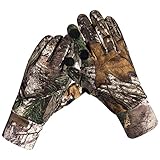
Overview: These hybrid gloves from EAmber offer unique versatility with their fingerless thumb and index finger design, allowing precise trigger and release control without full exposure. Constructed from soft polyester with thin fleece lining, they balance warmth with unrestricted movement. The full-finger coverage on remaining digits provides protection while the anti-slip silicone palm ensures secure equipment handling across various outdoor activities.
What Makes It Stand Out: The convertible fingerless design is the headline feature, solving the constant problem of removing gloves for fine motor tasks. This makes them exceptionally practical for archers and photographers who need tactile feedback. The anti-slip silicone mesh pattern offers superior grip compared to standard rubber dots. With two distinct sizes based on palm circumference measurements, they provide better fit customization than one-size-fits-most alternatives.
Value for Money: These are among the most affordable specialized hunting gloves available, making them accessible for beginners or as backup pairs. Their multi-use design eliminates the need to purchase separate full-finger and fingerless gloves. While not built for extreme conditions, the value proposition is strong for fair-weather hunters and outdoor enthusiasts who participate in varied activities beyond hunting.
Strengths and Weaknesses: Pros: Excellent dexterity for shooting/archery; comfortable fleece lining; secure silicone grip; affordable price point; versatile for non-hunting uses. Cons: Limited weather resistance; fleece may be too warm for hot days; sizing runs small (L fits like typical M); minimal hand protection from elements; durability concerns at seams.
Bottom Line: Ideal for hunters who prioritize trigger finger sensitivity above all else. These excel in cool to mild conditions for bowhunting and rifle hunting where quick, precise movements are critical. Consider them specialized tools rather than all-around hunting gloves, and size up for proper fit.
4. North Mountain Gear Camo Hunting Gloves - Fingerless - Mossy Oak Bottomland
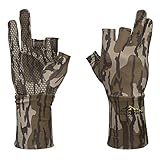
Overview: Designed specifically for early-season performance, these fingerless gloves from North Mountain Gear maximize ventilation and dexterity. The Sure Grip textured palms ensure confident weapon handling even when wet or muddy, while the Mossy Oak Bottomland pattern delivers photo-realistic camouflage. Constructed from 94% polyester and 6% spandex, they provide a comfortable, stretchy fit for hunters who need maximum tactile feedback during warm weather pursuits.
What Makes It Stand Out: The fingerless design combined with Sure Grip technology creates an optimal interface for archers requiring direct string contact and bowhunters needing enhanced feel. The photo-realistic Bottomland pattern is specifically engineered for early-season woodland environments where leaf litter and dark bark dominate. Unlike many competitors, these maintain a soft lining for comfort without sacrificing the direct feedback needed for precise shooting. The one-size approach simplifies purchasing decisions.
Value for Money: These occupy the sweet spot between budget and premium fingerless options. They deliver specialized early-season features without the price tag of high-end brands. The durability of the textured palm exceeds typical silicone-dot patterns, extending their usable life. For hunters who only need fingerless gloves for a few weeks each season, they represent smart, focused spending rather than investing in more expensive alternatives.
Strengths and Weaknesses: Pros: Maximum dexterity and ventilation; excellent grip texture; realistic camo pattern; soft interior lining; good for archery release. Cons: No finger protection from brush/insects; one-size may not fit smaller hands; limited warmth for temperature swings; palm texture may wear with heavy use; not suitable for late season.
Bottom Line: These are purpose-built tools for warm-weather bowhunters and gun hunters who refuse to compromise on feel. If you hunt early-season turkey or deer in mild climates, the combination of grip, camouflage, and ventilation is hard to beat. Just don’t expect them to perform beyond their designed temperature range.
5. Mossy Oak Lightweight Camo Hunting Gloves

Overview: These versatile lightweight gloves deliver four-season adaptability through smart material engineering. The 90% polyester/10% spandex construction creates a form-fitting base layer that excels alone in warm weather or as a liner when temperatures drop. Featuring an extended cuff for added protection and an ultra-tacky rubber palm powered by Hydroplex Technology, they ensure reliable grip on weapons and gear across diverse hunting scenarios from early turkey season to late big game pursuits.
What Makes It Stand Out: The true versatility shines in their dual-role capability—performing as standalone warm-weather gloves while seamlessly fitting under insulated mitts for cold-weather hunts. The extended cuff provides crucial wrist coverage that many lightweight gloves omit, sealing the gap between sleeve and hand. Hydroplex grip technology maintains performance in rain, sweat, or morning dew, a critical advantage during active spot-and-stalk hunts. The extensive pattern selection, including vintage options, allows hunters to match specific regional vegetation.
Value for Money: These gloves deliver exceptional utility per dollar by effectively replacing two separate purchases. Their construction quality rivals products at twice the price, particularly the reinforced palm and extended cuff durability. The ability to extend their use across seasons eliminates the need for multiple specialized gloves, making them one of the smartest gear investments for hunters building a versatile kit without breaking the bank.
Strengths and Weaknesses: Pros: Highly versatile for multi-season use; superior grip technology; extended cuff adds protection; excellent pattern selection; breathable mesh panels. Cons: Thin construction offers limited standalone protection in extreme cold; not puncture-resistant for heavy brush; may retain odors after extended use; sizing inconsistent across patterns.
Bottom Line: A must-have for hunters seeking maximum flexibility from a single glove purchase. They perform exceptionally well as intended—warm weather primary gloves and cold weather liners. If you value adaptability and want one glove to handle multiple roles competently, these represent the best all-around value in the lightweight hunting glove category.
6. EAmber Camouflage Hunting Gloves Full Finger/Fingerless Gloves Pro Anti-Slip Camo Glove Archery Accessories Hunting Outdoors
Overview: The EAmber Camouflage Hunting Gloves offer a hybrid design that balances protection with dexterity for hunters and outdoor enthusiasts. Constructed from soft polyester and thin fleece, these gloves prioritize breathability and flexibility across various activities. The fingerless thumb and index finger configuration allows for precise tasks like shooting or using devices without removal.
What Makes It Stand Out: The convertible fingerless design is the standout feature, providing exceptional tactile feedback for archery and firearm use. The mesh anti-slip silicone palm delivers reliable grip on weapons and gear, while the camouflage pattern offers decent concealment. These gloves transition seamlessly between hunting, paintball, photography, and even theatrical applications.
Value for Money: Positioned as a budget-friendly option, these gloves deliver remarkable versatility at a fraction of premium brand prices. While lacking advanced insulation or waterproofing, they outperform basic cotton gloves and serve multiple purposes, eliminating the need for separate activity-specific pairs. Ideal for cost-conscious buyers seeking functional adaptability.
Strengths and Weaknesses: Strengths include excellent dexterity from the fingerless design, breathable construction for active use, versatile application range, and secure silicone grip. Weaknesses involve minimal weather resistance, limited warmth for cold conditions, confusing sizing guidance (M for most men vs. L), and questionable long-term durability under heavy use.
Bottom Line: These gloves excel as a lightweight, adaptable solution for mild-weather pursuits. They’re perfect for beginners or occasional hunters wanting finger freedom without committing to expensive gear. For extreme conditions, consider insulated alternatives.
7. Carhartt Men’s Hunt Waterproof Insulated Camo Gauntlet Glove, Camo, X-Large

Overview: Carhartt’s Hunt Gauntlet Glove is built for hunters facing harsh weather conditions. These heavy-duty gloves feature a wind-resistant camo fleece shell with a synthetic palm and Dura-Dry waterproof insert. Polyfil insulation and microfiber lining provide substantial warmth, while the gauntlet cuff extends protection up the forearm for complete coverage.
What Makes It Stand Out: The Dura-Dry insert delivers true waterproof protection without sacrificing breathability—a critical feature for all-day sits in wet conditions. The gauntlet cuff with barrel lock closure seals out elements effectively, and Carhartt’s reputation for durability ensures these withstand rugged use. The adjustable wrist strap creates a customized, secure fit.
Value for Money: These sit in the mid-range price bracket, offering excellent value for serious hunters needing reliable weather protection. While pricier than basic insulated gloves, they outperform budget options in waterproofing and durability. Comparable performance would require spending significantly more on premium hunting brands.
Strengths and Weaknesses: Strengths include superior waterproofing, generous insulation for cold weather, robust construction, effective gauntlet design, and trusted brand reliability. Weaknesses involve reduced dexterity for precise tasks, bulkiness that impedes shooting feel, and potential over-insulation for milder hunts. Sizing runs large.
Bottom Line: These are ideal for late-season waterfowl or treestand hunting where warmth and dryness trump dexterity. For archery or early-season hunts, consider lighter alternatives. A solid investment for cold-weather hunters prioritizing protection over precision.
8. Carhartt Mens Hunt Fleece Camo Flip Mitten Cold Weather Gloves, Xtra Brown, Large US

Overview: The Carhartt Hunt Fleece Flip Mitten offers a clever convertible design for hunters facing fluctuating temperatures. These gloves feature a fleece shell with synthetic palm and a magnetic flip closure that instantly converts the mitten top to expose fingers. The reinforced thumb saddle adds durability in high-wear areas, while wrist elastic ensures a secure fit.
What Makes It Stand Out: The magnetic flip mechanism is smoother and quieter than Velcro alternatives, crucial for not spooking game. This hybrid approach provides mitten warmth when stationary and fingerless dexterity for shooting or gear manipulation. The reinforced thumb saddle demonstrates thoughtful design for bowhunters and rifle hunters alike.
Value for Money: These gloves offer solid value for hunters wanting two-in-one functionality without premium pricing. They bridge the gap between dedicated mittens and fingerless gloves, saving money on multiple pairs. While not cheap, the Carhartt durability justifies the investment over disposable alternatives.
Strengths and Weaknesses: Strengths include versatile flip design, quiet magnetic closure, quality fleece warmth, reinforced wear points, and brand reliability. Weaknesses involve limited weather resistance, reduced precision compared to full fingerless designs, potential magnetic failure over time, and insufficient insulation for extreme cold. The flip top can feel bulky when folded back.
Bottom Line: Perfect for mid-season hunts where temperatures vary throughout the day. The flip design excels for spot-and-stalk hunting or runs when you need quick warmth between active periods. Not suited for heavy rain or sub-zero conditions, but an excellent versatile choice for most fall hunts.
9. BASSDASH Camo Hunting Gloves Touchscreen Lightweight Glove for Warm Weather Turkey Fishing Outdoor Activities HG08
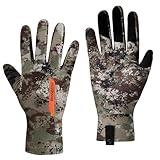
Overview: The BASSDASH HG08 gloves target tech-savvy hunters seeking lightweight performance. Constructed from 4-way stretch fabric, these gloves provide a second-skin fit ideal for warm-weather pursuits. Touchscreen-compatible fingertips allow smartphone use in the field, while silicone palm prints ensure weapon control. The extended cuff design prevents sleeve gaps and blocks wind entry.
What Makes It Stand Out: The ultra-responsive touchscreen capability sets these apart, enabling GPS checks and trail camera adjustments without exposure. The proprietary Bassdash camo pattern effectively disrupts silhouettes in spring and fall environments. The snap-fastener storage feature is a practical touch for keeping gloves paired between hunts.
Value for Money: These deliver exceptional value, packing premium features like conductive fingertips and patented camo into an affordable package. They compete with gloves costing twice as much from established brands. For early-season hunters, they provide specialized functionality without the premium tax, maximizing utility per dollar spent.
Strengths and Weaknesses: Strengths include superior dexterity and fit, excellent touchscreen accuracy, lightweight breathability, effective grip patterns, and smart cuff design. Weaknesses involve minimal insulation for cool mornings, potential durability issues in rough terrain, limited water resistance, and thin material offering less protection from thorns. Sizing runs small.
Bottom Line: These are top-tier warm-weather gloves for modern hunters who rely on digital tools. Perfect for spring turkey season or early bow hunts where concealment and connectivity matter. Pair with heavier gloves for temperature drops. An outstanding value for tech-integrated hunting.
10. SITKA Traverse Gloves – Lightweight Stretch Camo Hunting Gloves with Touchscreen Compatibility for Men, Optifade Subalpine, Medium

Overview: The SITKA Traverse Gloves represent premium lightweight performance for discerning hunters. Made from 98% recycled polyester fleece with 2% elastane, these gloves deliver exceptional dexterity and fit. A durable water repellent finish sheds light moisture, while touchscreen-compatible fingertips maintain device connectivity. The Optifade Subalpine pattern is scientifically engineered for close-range stealth.
What Makes It Stand Out: SITKA’s scientific approach to camouflage and ergonomics distinguishes these gloves. The recycled material construction balances environmental responsibility with performance. The textured silicone grip is precisely mapped for archery and shooting, while the DWR finish provides just enough weather resistance for unexpected drizzles without compromising breathability.
Value for Money: These command a premium price that reflects SITKA’s engineering and brand cachet. While significantly more expensive than mid-tier options, they outperform in fit, finish, and functional details. For serious hunters, the investment translates to better performance and longevity. Casual hunters may find better value elsewhere.
Strengths and Weaknesses: Strengths include superior fit and dexterity, premium recycled materials, effective DWR finish, scientifically designed camouflage, reliable touchscreen function, and excellent brand support. Weaknesses involve premium pricing that may deter budget-conscious buyers, insufficient insulation for cold weather, and limited durability compared to heavier SITKA models.
Bottom Line: These are the best lightweight hunting gloves money can buy, ideal for dedicated hunters who demand performance and appreciate sustainable design. Worth every penny for backcountry bowhunters and mobile hunters. For infrequent hunters, more affordable options suffice.
Understanding the Importance of Quality Hunting Gloves
Why Your Hands Are Your Most Valuable Tool
Your hands represent the primary interface between you and every piece of equipment in your pack. From adjusting scope turrets with precision to managing the delicate operation of release aids and game calls, fine motor control directly impacts hunting success. Backcountry conditions amplify this importance—when you’re ten miles from the trailhead and temperatures plummet, compromised hand function isn’t just uncomfortable, it’s potentially dangerous. Quality gloves preserve tactile sensitivity while protecting against environmental hazards like frostbite, cuts from brush, and blisters from carrying heavy packs.
The Hidden Costs of Inadequate Hand Protection
Skimping on glove quality creates a cascade of problems that extend far beyond simple discomfort. Cold, wet hands lose dexterity rapidly, leading to fumbled reloads, dropped gear, and dangerous weapon handling. Numb fingers can’t feel trigger pressure, destroying shot accuracy when it matters most. Beyond performance, inadequate protection risks genuine medical issues—frostbite can occur in under thirty minutes in extreme conditions, and chronic cold exposure may lead to long-term circulation problems. The financial cost of replacing cheap gloves every season quickly surpasses investing in durable, purpose-built options.
Key Features to Evaluate in Backcountry Hunting Gloves
Material Technology and Fabric Choices
Modern hunting gloves leverage advanced textiles that were unimaginable a decade ago. Four-way stretch woven fabrics provide unmatched dexterity while maintaining durability. Genuine leather, particularly goatskin, offers exceptional abrasion resistance and natural water resistance, though it requires more maintenance. Synthetic leathers deliver consistent performance when wet and dry faster but may sacrifice some durability. For extreme conditions, hybrid constructions combine materials strategically—placing tougher fabrics in high-wear areas like palms and fingers while using more breathable materials on the backs of hands.
Insulation Types for Extreme Conditions
Not all insulation is created equal, and understanding the differences prevents costly mistakes. Down insulation provides unmatched warmth-to-weight ratio but fails catastrophically when wet, making it suitable only for dry, frigid conditions. Synthetic insulations like PrimaLoft maintain loft when damp and dry quickly, crucial for active hunting where sweat is inevitable. Thinsulate offers varying gram weights—40g for mild conditions, 200g+ for extreme cold—allowing hunters to match insulation to activity level and climate. Newer aerogel insulations provide incredible warmth in thin layers but come with premium price tags.
Waterproofing vs. Water Resistance
This distinction determines glove performance in real-world conditions. Water-resistant treatments like DWR coatings bead light precipitation but saturate under pressure or extended exposure, suitable for morning dew or light mist. True waterproof gloves incorporate membranes like Gore-Tex or proprietary alternatives that block liquid water while allowing vapor to escape. However, waterproofing creates a trade-off—reduced breathability can lead to sweaty hands from within, which is why pit zips or venting systems in gloves matter for high-exertion hunts. Evaluate your typical hunting weather: water resistance suffices for arid regions, while Pacific Northwest hunters need robust waterproofing.
Breathability and Moisture Management
The most expensive gloves become worthless if your hands are swimming in sweat. Active hunting generates tremendous heat, and moisture management separates good gloves from great ones. Look for moisture-wicking linings that pull sweat away from skin, and breathable membranes that let vapor escape without letting water in. Some advanced designs incorporate laser-perforated ventilation in low-stress areas or use differential mapping—placing highly breathable fabrics where sweat accumulates most. Remember, damp insulation loses its effectiveness, so breathability directly impacts warmth.
Dexterity and Trigger Finger Design
The best hunting gloves disappear on your hands, allowing natural movement and precise control. Pre-curved finger patterns reduce fabric bunching when gripping bows or rifle stocks. Articulated trigger fingers—often with thinner material or separate index finger design—enable clean, consistent trigger pulls without removing gloves. Touchscreen-compatible fingertips have become essential for GPS and smartphone use in the field, but test them thoroughly; many work poorly when wet or cold. Consider gloves with removable index finger covers or flip-back mitten designs for tasks requiring maximum sensitivity.
Camouflage Patterns and Concealment
Effective camouflage extends beyond simple pattern matching. Modern sublimation printing creates patterns that won’t peel or fade after repeated use. Consider your primary hunting environment—open country patterns feature larger, contrasting shapes, while timber patterns use smaller, detailed elements. Solid earth tones often outperform camo in low-light conditions or when moving. Don’t overlook the importance of minimizing shine; matte finishes on fabrics and hardware prevent sunlight reflection that alerts game. Some premium gloves incorporate UV-reducing treatments that dampen the glow visible to many game animals.
Scent Control Technologies
Your hands touch everything—gear, snacks, treestand rails—spreading human odor that educates game. Silver ion treatments in glove fabrics actively combat bacterial growth that causes scent. Activated carbon linings absorb odors but require periodic reactivation through heat treatment. Less commonly, some gloves use zeolite minerals to trap odor molecules. While no technology eliminates scent completely, combining treated gloves with disciplined field hygiene (washing gloves regularly, avoiding contaminating touches) significantly reduces your olfactory footprint.
Durability and Reinforcement Zones
Backcountry hunting destroys gear. Look for double- or triple-stitched seams in high-stress areas, particularly around fingers and thumbs. Kevlar or similar reinforcements in palms and fingertips extend lifespan dramatically when handling rope, climbing treestands, or dragging game. Bar tacking at critical stress points prevents tear propagation. Consider the glove’s overall construction—bonded seams reduce bulk and improve waterproofing but may be harder to repair in the field compared to sewn seams you can re-stitch.
Adjustability and Fit Systems
One-size-fits-all fails in hunting gloves. Gauntlet-style cuffs with drawcord closures seal out snow and debris better than short cuffs but interfere with some jacket sleeves. Wrist straps with hook-and-loop closures provide secure fit and easy adjustment with one hand—crucial when your other hand is holding gear. Some designs incorporate stretch panels or elastic gathers that maintain fit without hardware. Test how easily you can operate closures while wearing the opposite glove; frustration in the store becomes cursing in the field.
Specialized Glove Categories for Different Hunting Scenarios
Early Season Lightweight Options
When temperatures hover above freezing and you’re covering serious miles, heavyweight gloves become sweat-soaked liabilities. Early season gloves prioritize breathability and sun protection over insulation. Look for thin, wicking fabrics with UPF ratings, minimal insulation (if any), and maximum dexterity. Fingerless designs or gloves with touch-screen compatible palms allow constant GPS and camera use. These should pack down small, dry quickly when washed in streams, and provide basic protection against thorns and insects without causing overheating during climbs.
Mid-Layer and Versatile Transition Gloves
The workhorse category covers the widest temperature range and sees the most use. These gloves balance warmth, dexterity, and weather resistance for those unpredictable fall days. Typically featuring light synthetic insulation (40-100g) and water-resistant shells, they handle everything from frosty mornings to sunny afternoons. Convertible designs that switch between fingerless gloves and mittens offer exceptional versatility. Look for models with removable liners, allowing you to adapt to changing conditions and dry components separately—a critical feature on multi-day backcountry trips.
Late-Season Extreme Cold Protection
When mercury drops below zero and wind chill becomes a serious factor, specialized extreme-cold gloves become survival gear. These feature heavy insulation (200g+), waterproof exteriors, and extended gauntlets to seal out drafts. However, the warmest glove is useless if you must remove it constantly, so look for designs with flip-open fingers or built-in hand warmer pockets that let you perform tasks without exposing skin. Some hunters prefer a two-glove system: heavily insulated mittens for glassing and moving, with thinner liner gloves for shooting. Always test these with your specific weapon system—bulk can interfere with bow releases and rifle triggers.
Waterproof Shell Gloves for Wet Environments
Dedicated waterproof shells serve as insurance policies for hunters in persistent rain or snow. These typically feature minimal insulation to avoid overheating and are designed to be worn over other gloves—think of them as rain gear for your hands. Fully taped seams, waterproof zippers, and adjustable cuffs are non-negotiable features. The best designs include removable liners and hang loops for drying. While they excel at keeping hands dry, remember that even the most breathable shell will feel clammy during high exertion; use them strategically during stationary periods or downpours.
Specialized Bowhunting Gloves
Archery demands unique glove features that rifle hunters can ignore. Release aid compatibility requires thin, consistent material on the index finger and smooth palms that won’t catch or drag. Many bowhunters prefer fingerless designs or half-finger gloves that maximize string feel while protecting palms. Silicone grip patterns on fingertips help control releases without death-gripping. For traditional archers, three-finger gloves or tabs remain essential, with leather construction providing the right mix of protection and sensitivity. Test any bowhunting glove with your specific release or shooting style—what works for a wrist strap release may fail with a handheld thumb release.
Upland Bird Hunting Gloves
Upland hunting combines high activity with sudden stationary periods, requiring unique glove characteristics. Durability takes priority—pushing through briars and thorny cover destroys lesser gloves. Long cuffs protect wrists and integrate with hunting coats. While warmth matters less due to constant movement, protection from brush and improved grip for shotgun control are paramount. Many upland hunters prefer uninsulated leather or waxed canvas gloves that develop character and improve with age. Blaze orange requirements in some areas mean gloves must incorporate safety colors without compromising performance.
Matching Gloves to Your Hunting Style
Spot-and-Stalk Considerations
Mountain hunters covering vertical terrain need gloves that breathe during climbs yet insulate during long glassing sessions. This often means carrying multiple pairs or using convertible systems. Touchscreen compatibility is critical for mapping apps and ballistics calculators. Reinforced palms protect against rock and talus when crawling into position. Consider gloves with attachment points so you can clip them to your pack during strenuous ascents without losing them—a common and expensive mistake in steep country.
Tree Stand and Blind Hunting Needs
Stationary hunting in cold weather demands maximum warmth since your body isn’t generating heat. Long gauntlets seal the gap between glove and jacket sleeve when drawing bows or shouldering rifles. Silent fabrics prevent the “swish” noise that alerts deer at close range. Hand warmer pockets built into gloves provide adjustable heat without bulk. Since you’ll wear these for hours without removal, comfort and fit become paramount—pressure points revealed in fifteen minutes of store testing become agony after four hours in a stand.
Mountain and Alpine Hunting Demands
High-altitude hunting combines extreme weather, intense physical exertion, and the need for precise shooting at long ranges. Gloves must handle temperature swings of 40+ degrees between valley and peak. Windproofing becomes as important as waterproofing at altitude. Many mountain hunters swear by a three-glove system: thin liners for climbing, insulated gloves for glassing, and waterproof shells for storms. Weight and packability matter when every ounce counts, so look for gloves that compress small without losing loft.
Waterfowl Hunting Specifics
Waterfowl hunting subjects gloves to the harshest wet conditions in hunting. Neoprene remains popular for its waterproof nature and warmth when wet, though it lacks breathability. Many waterfowlers prefer insulated, waterproof gloves with textured grips for handling decoys and calling in cold rain. Extended gauntlets are mandatory to prevent water entry when setting decoys or retrieving birds. Since shots often happen quickly in low light, maintaining trigger finger dexterity despite heavy insulation requires careful glove selection and practice.
Sizing, Fit, and Comfort Optimization
Measuring Your Hands Correctly
Ill-fitting gloves reduce dexterity and accelerate fatigue. Measure your dominant hand’s circumference at the knuckles (excluding thumb) and length from wrist to middle fingertip. Use the larger measurement when sizes differ. Try gloves on at day’s end when hands are slightly swollen, mimicking hunting conditions. Check finger length—excess material at fingertips destroys fine motor control, while short fingers create pressure points. Test range of motion by making a fist and simulating weapon handling motions. Remember that insulation compresses over time; a slightly snug fit initially often becomes perfect after a week of use.
The Break-In Period Myth
Unlike leather boots, most modern hunting gloves require minimal break-in. Synthetic gloves should feel comfortable immediately; if they don’t, they’re the wrong size or design. Leather gloves do soften and conform to your hands over time, but this should enhance comfort, not fundamentally change fit. Don’t accept painful pressure points hoping they’ll disappear—they won’t. Test gloves thoroughly at home before committing to a backcountry hunt. Wear them while setting up gear, handling your weapon, and performing camp chores to identify any issues while returns are still possible.
Layering Gloves Effectively
Smart layering extends temperature range and adapts to changing activity levels. Start with thin, wicking liner gloves that can be worn alone during high exertion. Add insulated mid-layer gloves for stationary periods. Top with waterproof shells when precipitation falls. This system lets you adjust without carrying multiple complete pairs. Ensure each layer fits properly together—too tight and you restrict circulation, too loose and you lose dexterity. Some manufacturers design integrated layering systems where components are sized to work together, eliminating guesswork.
Care and Maintenance for Longevity
Cleaning Protocols for Different Materials
Neglect destroys glove performance faster than field use. Synthetic gloves typically machine wash on gentle cycles with technical gear detergent; avoid fabric softeners that clog pores and reduce breathability. Leather requires specialized cleaners and conditioners to prevent drying and cracking—never machine wash leather. Waterproof membranes benefit from periodic DWR retreatment using wash-in or spray-on treatments. Always remove liners and wash separately to prevent moisture trapping. For scent control, occasional washing with scent-eliminating detergents helps, but over-washing wears fabrics faster.
Drying and Storage Best Practices
Never store damp gloves—mildew destroys materials and creates odor. Air dry at room temperature; direct heat from campfires or dryers damages waterproof membranes and shrinks leather. Stuff gloves with newspaper to absorb moisture and maintain shape during drying. For long-term storage between seasons, keep gloves in breathable cotton bags (not plastic) in a cool, dry place. Store leather gloves with leather conditioner applied to prevent cracking. Unpack and inspect gloves months before hunting season; discovering problems opening day is too late.
When to Retire Your Hunting Gloves
Even premium gloves have finite lifespans. Retire gloves when waterproofing fails despite retreatment, insulation compresses and loses loft, or seams begin separating. Leather gloves with cracks that penetrate through the material can’t be saved. Loss of scent control treatment isn’t necessarily a death sentence, but combined with other wear, it signals replacement time. Keep old gloves for dirty camp chores; their reduced performance matters less when splitting wood than when handling your weapon. A good rule: if you hesitate to trust them on a critical hunt, it’s time for new ones.
Frequently Asked Questions
How many pairs of gloves should I bring on a backcountry hunt?
Bring at least two complete pairs: your primary gloves and a backup system. Many experienced hunters carry three—a lightweight pair for hiking, insulated pair for glassing, and waterproof shells. This redundancy proves invaluable if gloves get lost, soaked, or damaged miles from civilization.
Should hunting gloves be tight or loose?
Gloves should fit snugly without restricting circulation or movement. Excess material reduces dexterity and can interfere with trigger control, while overly tight gloves cut off blood flow, making hands colder. You should be able to make a fist comfortably without fabric pulling or binding.
Can I waterproof non-waterproof gloves?
Wash-in DWR treatments improve water resistance but can’t create true waterproof gloves. For complete waterproofing, you need a membrane layer integrated during manufacturing. However, treating non-waterproof gloves does help them shed light precipitation and dry faster.
How do I maintain dexterity with heavily insulated gloves?
Look for articulated pre-curved fingers, thinner material on trigger fingers, and proper fit. Practice weapon handling with insulated gloves before hunting. Some hunters use a two-glove system: heavy mittens for warmth, removing them momentarily for the shot using thin liner gloves underneath.
Are expensive hunting gloves worth the investment?
Quality gloves lasting five-plus seasons provide better value than replacing cheap gloves annually. Premium materials, construction, and features directly impact comfort, safety, and hunting success. Consider cost-per-use over the glove’s lifetime rather than initial price.
What’s the best glove system for bowhunting?
Many bowhunters prefer fingerless or half-finger designs for string contact, combined with a release aid compatible index finger. For cold weather, thin liner gloves under convertible mittens allow quick finger exposure for shooting while maintaining hand warmth.
How do I prevent my gloves from smelling?
Wash gloves regularly with scent-control detergent, dry them completely between uses, and store them in scent-free containers. Some hunters add ozone treatment or store gloves with natural odor absorbers like cedar. Avoid touching your face or food while wearing hunting gloves.
Can I use work gloves for hunting?
While durable, work gloves typically lack insulation, scent control, camouflage, and weather protection needed for hunting. They also tend to be bulky and noisy. Dedicated hunting gloves are engineered for specific hunting demands that work gloves aren’t designed to meet.
How often should I replace hunting gloves?
With proper care, quality hunting gloves last 3-7 years depending on use frequency. Replace them when waterproofing fails, insulation compresses, seams separate, or they no longer keep hands warm. Don’t wait for complete failure—degraded performance ruins hunts.
What’s the best way to dry gloves in the backcountry?
Squeeze out excess moisture (don’t wring), then stuff with dry clothing or vegetation to absorb water. Place near body heat inside your sleeping bag overnight, or hang in dry, breezy areas. Avoid direct fire heat which damages materials. Carrying a spare pair ensures you always have dry gloves available.
Related Buying Guides
- 10 Best Value Waterproof Hunting Gloves for Multi-Day Backcountry Hunts
- 10 Affordable Hunting Gloves That Don’t Sacrifice Grip Quality in 2026
- 10 Affordable Hunting Gloves That Don’t Sacrifice Quality in 2026
- 10 Best Budget Hunting Gloves Under $40 for First-Time Hunters in 2026
- 10 Best Cold Weather Hunting Gloves for Alaskan Moose Hunts in 2026