Table of Contents
Hunting demands a delicate balance between protection and precision. Imagine crouched in a frigid stand at dawn, breath frosting the air, when the moment arrives: a buck steps into range. Your fingers, stiff and clumsy inside bulky gloves, fumble the safety switch. That critical second slips away. Conversely, overly thin gloves might leave you shivering through your setup, muscles tensing against the cold, ruining your focus long before game appears. Finding the right glove isn’t just about comfort; it’s about ensuring your hands function as a seamless extension of your intent when it matters most. The frustration of compromised dexterity or inadequate warmth can turn a promising hunt into a lesson in discomfort.
The landscape of hunting gear evolves constantly, and gloves are no exception. While the quest for the perfect blend of warmth and finger agility remains timeless, modern materials and designs offer solutions our predecessors could only dream of. However, navigating the plethora of options requires understanding core principles, not just chasing the latest buzzwords. This guide cuts through the noise, focusing on the essential features and considerations that truly impact performance in the field. Forget fleeting trends; we’re diving deep into the science and practical realities of keeping your hands capable and comfortable, whether you’re tracking through snow or braving an early-season chill. Let’s equip you with the knowledge to make a confident, informed choice for your next expedition.
Top 10 Hunting Gloves
Detailed Product Reviews
1. EAmber Camouflage Hunting Gloves Full Finger/Fingerless Gloves Pro Anti-Slip Camo Glove Archery Accessories Hunting Outdoors
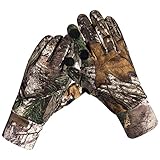
Overview: These versatile camouflage gloves blend fingerless flexibility with full-hand coverage, designed for hunters and outdoor enthusiasts requiring dexterity in cold conditions. Made from soft polyester and thin fleece, they prioritize comfort without sacrificing warmth during extended field use.
What Makes It Stand Out: The fingerless design for the thumb and index finger enables seamless transitions between tasks like handling bows or smartphones, while the mesh anti-slip silicone palm ensures secure grip on gear. Its multi-scenario utility—from paintball to wildlife photography—sets it apart as a true all-rounder.
Value for Money: Priced affordably, they outperform basic cotton gloves in grip and breathability but lack advanced insulation. Ideal for mild-to-cool weather, they offer solid value for casual hunters compared to premium insulated options costing twice as much.
Strengths and Weaknesses: Pros: Exceptional flexibility, reliable anti-slip palm, lightweight breathability, and broad sizing (M/L). Cons: Limited warmth below 40°F, fleece lining wears thin with heavy use, and sizing accuracy depends on precise hand measurements.
Bottom Line: A practical, budget-friendly choice for mild-weather hunters needing dexterity, though not suited for extreme cold; recommended for archers and tactical sports where finger access is critical.
2. Carhartt Mens Hunt Fleece Camo Flip Mitten Cold Weather Gloves, Xtra Brown, Large US

Overview: Carhartt’s flip-mitten design merges classic cold-weather protection with modern functionality, targeting serious hunters in freezing environments. The fleece shell and synthetic palm deliver rugged warmth, while the magnetic closure simplifies operation with one hand.
What Makes It Stand Out: The magnetic flip-top mechanism is revolutionary—quickly converting mittens to fingerless gloves without fumbling. Reinforced thumb saddles and wrist elastic prevent slippage during strenuous activity, outperforming standard pull-on mittens in dexterity.
Value for Money: Positioned at a mid-premium price, they justify cost with Carhartt’s durability and the unique magnetic system. Cheaper alternatives often sacrifice flip reliability, making these a worthwhile investment for frequent winter hunters.
Strengths and Weaknesses: Pros: Effortless magnetic conversion, exceptional cold retention, durable synthetic palm, and snug elastic fit. Cons: Bulky for fine tasks, fleece shell isn’t waterproof, and limited color options reduce camouflage versatility.
Bottom Line: Top-tier for sub-40°F hunting where warmth is paramount; the magnetic flip is a game-changer, though touchscreen users may prefer alternatives with exposed fingertips.
3. Carhartt Men’s A528 TS Guantlet Glove - Large - Mossy Oak

Overview: Engineered for wet, frigid conditions, these Realtree-camo gloves feature a waterproof insert and FastDry® lining, targeting hunters facing snow, rain, or ice. The guantlet-style cuff seals out elements while Polyfil insulation traps heat without bulk.
What Makes It Stand Out: The triple-threat defense—waterproof insert, moisture-wicking FastDry® lining, and wind-resistant fleece shell—makes these unmatched in damp cold. Realtree camo blends seamlessly into forests, and the synthetic palm ensures grip even when wet.
Value for Money: Premium-priced but justified for harsh climates; cheaper “water-resistant” gloves often leak after minimal exposure. Longevity and performance in sleet/snow offer superior ROI for dedicated waterfowl or mountain hunters.
Strengths and Weaknesses: Pros: Truly waterproof, excellent moisture management, durable construction, and articulate dexterity. Cons: Stiff initially (requires breaking in), limited breathability in mild weather, and higher cost than non-waterproof rivals.
Bottom Line: Essential for wet-weather hunting; the gold standard for duck hunters or alpine stalkers needing dry, warm hands, though overkill for dry, cold climates.
4. Favuit Camouflage Hunting Gloves, Lightweight Anti-Slip Full Finger Fingerless Touchscreen Camo Gloves Outdoor Tactical Hunting Gear Archery Accessories for Turkey Fishing Airsoft (Camo L)
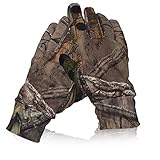
Overview: Favuit’s lightweight gloves balance breathability and grip for active hunters in transitional seasons. Polyester construction with anti-slip silicone palms targets archers and airsoft players needing precision without overheating.
What Makes It Stand Out: The adjustable fingerless design—exposing only thumb/index finger—allows instant touchscreen or trigger access. Reinforced cuff stitching and elastic wrist straps prevent slippage better than competitors, while realistic camo patterns enhance stealth.
Value for Money: Budget-friendly yet feature-rich, undercutting Carhartt on price while matching core functionality. Ideal for seasonal use; lacks heavy insulation but excels as a spring/fall glove where overheating is a concern.
Strengths and Weaknesses: Pros: Superb grip, cool breathability, versatile fingerless adjustability, and unisex sizing. Cons: Minimal insulation for winter, silicone grips peel after months of abrasive use, and camo may stand out in non-wooded terrain.
Bottom Line: A stellar warm-weather performer for turkey hunters or archers prioritizing dexterity; skip if facing freezing temps, but excellent value for mild-condition versatility.
5. Favuit Camouflage Hunting Gloves Convertible Fingerless Mittens Pro Anti-Slip Windproof Camo Glove Archery Accessories for Hunting Camping Hiking Climbing Outdoors Gear

Overview: These windproof mittens transform from full coverage to fingerless gloves via a flip-top design, catering to dynamic cold-weather activities like ice fishing or snowshoeing. A brushed fleece lining and water-repellent shell combat wind chill.
What Makes It Stand Out: The dual-layer windproof/water-repellent shell outperforms basic fleece, while the hook-and-loop convertible mitten-to-glove system offers faster access than magnetic rivals. Extended cuffs block snow ingress—critical for winter sports.
Value for Money: Mid-priced with standout versatility; cheaper mittens lack windproofing, while pricier options rarely include seamless conversion. A cost-effective all-season solution for campers and ice anglers needing adaptable warmth.
Strengths and Weaknesses: Pros: Excellent wind resistance, quick conversion, secure wrist fit, and multipurpose durability. Cons: Bulkier than glove-only designs, touchscreen compatibility is limited, and fleece lining absorbs odors over time.
Bottom Line: Highly recommended for variable winter conditions where hand exposure is frequent; the windproofing and conversion ease make it a campsite essential, though not ideal for precision tasks requiring bare fingers.
6. Mossy Oak Lightweight Camo Hunting Gloves

Overview: The Mossy Oak Lightweight Camo Hunting Gloves are designed specifically for warm-weather hunting scenarios, utilizing a 90% polyester/10% spandex blend for stretch and comfort. They feature Hydroplex Technology, an extended cuff, and a rubberized palm for grip. What Makes It Stand Out: Hydroplex Technology and the ultra-tacky rubber palm provide exceptional non-slip performance on bows and firearms, even when damp. The 4-way stretch material ensures full dexterity without sacrificing durability, and the variety of authentic Mossy Oak camo patterns (like Break-Up Country and Vintage Treestand) offers superior concealment. Value for Money: Priced competitively for dedicated hunters, these gloves justify their cost through specialized warm-weather functionality, Mossy Oak’s trusted camouflage, and dual-use versatility (layering in cooler temps). They outperform basic generic gloves but might be overkill for casual use. Strengths and Weaknesses: Strengths: Excellent breathability, superior grip, authentic Mossy Oak camo options, lightweight comfort, and good dexterity. Weaknesses: Thin material may lack durability for very rough use, limited warmth for cold conditions, and the rubber palm could potentially snag on coarse surfaces. Bottom Line: An excellent choice for hunters prioritizing warm-weather comfort, reliable grip, and authentic Mossy Oak concealment; highly recommended for turkey, deer, and early-season big game hunts where dexterity and staying cool are paramount.
7. Favuit Camouflage Hunting Gloves, Lightweight Anti-Slip Full Finger Fingerless Touchscreen Camo Gloves Outdoor Tactical Hunting Gear Archery Accessories for Turkey Fishing Airsoft (Black L)

Overview: Favuit’s gloves offer versatile, lightweight camouflage with a unique adjustable fingerless design. Made from breathable polyester, they feature anti-slip silicone palms, an adjustable wrist strap, and are marketed for diverse outdoor activities from hunting to airsoft. What Makes It Stand Out: The standout feature is the three-finger adjustable design (thumb, index, middle), allowing instant exposure for fine tasks like trigger control or touchscreen use without removing the glove. Combined with the non-slip palm and realistic camo, this provides exceptional adaptability across hunting, fishing, and tactical sports. Value for Money: Offering significant versatility at a budget-friendly price, these gloves deliver good value. The adjustable fingers eliminate the need for multiple glove types, and the durable construction for the price makes them a practical buy for multi-sport enthusiasts compared to single-purpose alternatives. Strengths and Weaknesses: Strengths: Highly versatile adjustable fingers, reliable silicone grip, breathable lightweight fabric, realistic camo, secure adjustable strap, and suitability for numerous activities. Weaknesses: Touchscreen functionality may be inconsistent, camo pattern (Black) is less effective for natural environments than true camo, and the thin material offers minimal warmth or abrasion resistance. Bottom Line: A top pick for hunters and outdoor enthusiasts needing adaptable hand protection across warm-weather activities; the innovative finger design and solid grip make them a worthwhile, cost-effective investment for versatility.
8. Mechanix Wear: The Original Coyote Tactical Work Gloves with Secure Fit, Flexible Grip for Multi-purpose Use, Durable Touchscreen Safety Gloves for Men (Large, Coyote Brown)

Overview: Mechanix Wear’s Original Coyote gloves are rugged, multi-purpose tactical/work gloves built for durability. Featuring synthetic leather, TrekDry backs, touchscreen capability, and a secure TPR wrist closure, they target professionals and tactical users needing reliable hand protection. What Makes It Stand Out: The combination of durable .8mm synthetic leather palms, TrekDry breathable backs for evaporative cooling, and guaranteed touchscreen compatibility sets them apart. The reinforced thumb/index stitching, tactical carrier loops, and secure TPR wrist closure enhance longevity and utility in demanding work or field environments. Value for Money: Positioned as a premium work/tactical glove, they offer strong value due to exceptional durability, versatile functionality (work, tactical, DIY), and long-term performance. While pricier than basic gloves, their resilience justifies the cost compared to cheaper alternatives that wear out quickly. Strengths and Weaknesses: Strengths: Outstanding durability, excellent breathable comfort, reliable touchscreen use, secure adjustable fit, versatile application (work/tactical), and added features like carrier loops. Weaknesses: Synthetic leather requires breaking in, less specialized grip for wet hunting conditions compared to rubberized palms, and the coyote color offers minimal camouflage for hunting. Bottom Line: Highly recommended for mechanics, construction workers, law enforcement, and tactical users seeking durable, breathable, multi-functional gloves; less ideal for hunters needing camouflage but excellent for general rugged use.
9. North Mountain Gear Camo Hunting Gloves - Fingerless - Mossy Oak Bottomland
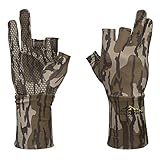
Overview: These fingerless Mossy Oak Bottomland camo gloves are engineered for early-season warmth, prioritizing trigger finger dexterity and a secure grip. Constructed with a polyester/spandex blend and featuring textured “Sure Grip” palms, they target deer and turkey hunters in mild conditions. What Makes It Stand Out: The dedicated fingerless design specifically optimizes bow and rifle handling by exposing critical fingers while protecting the rest of the hand. The photo-realistic Mossy Oak Bottomland camo provides effective woodland concealment, and the textured palm ensures grip reliability even when wet or muddy. Value for Money: Offering solid value for hunters focused on early-season use, their specialized fingerless design and authentic Mossy Oak pattern provide targeted functionality at a reasonable price point. They are a cost-effective solution compared to full-finger gloves for mild weather where dexterity is key. Strengths and Weaknesses: Strengths: Superior trigger/bow finger dexterity, effective Mossy Oak Bottomland camo, lightweight breathability for warm hunts, textured palm grip, and soft comfortable lining. Weaknesses: Fingerless design offers no protection for exposed fingers (cold, scratches), limited warmth for cooler early mornings, and no touchscreen capability on covered fingers. Bottom Line: An ideal, value-driven choice for hunters needing maximum dexterity and grip during early-season deer or turkey hunts in temperate weather; essential if finger exposure is critical for your shooting or archery style.
10. Carhartt Men’s Heavyweight Force Liner Glove, Burnt Olive Heather, L

Overview: The Carhartt Heavyweight Force Liner Glove is a dense, insulating knit glove designed for cold-weather work. Built with Force sweat-wicking technology, it features a silicone grip palm and touchscreen-compatible fingertips, prioritizing warmth and utility in harsh conditions. What Makes It Stand Out: Carhartt’s signature heavyweight knit construction combined with Force technology delivers exceptional warmth retention and rapid moisture management, keeping hands dry during strenuous labor. The silicone palm grip and functional touchscreen fingertips add significant practical utility missing from basic thermal liners. Value for Money: Excellent value for cold-weather work gloves. Carhartt’s renowned durability and the effective Force technology justify the price, outperforming cheaper thermal liners that lack grip, touchscreen function, or long-lasting wicking performance, especially for demanding jobs. Strengths and Weaknesses: Strengths: Superior warmth for cold conditions, highly effective sweat-wicking (Force tech), durable heavyweight knit, reliable silicone palm grip, functional touchscreen fingertips, and practical burnt olive color. Weaknesses: Bulky fit reduces fine dexterity, not suitable for warm weather or hunting requiring silence/camo, and the heavy knit can feel stiff initially. Bottom Line: A top recommendation for laborers, hunters in frigid conditions, or anyone needing a warm, durable, functional liner or standalone glove for cold-weather work; avoid for warm climates or activities requiring stealth and dexterity.
Understanding the Core Conflict: Warmth vs. Dexterity
The fundamental challenge in selecting hunting gloves lies in the inherent tension between two critical needs: maintaining sufficient warmth to prevent numbness and injury, and preserving the fine motor skills necessary for handling gear, adjusting optics, or executing a clean shot. Prioritizing one often comes at the expense of the other, making informed selection crucial.
Why Dexterity is Non-Negotiable in the Field
Dexterity isn’t a luxury; it’s a functional requirement. Slipping a cartridge into the chamber, adjusting a scope dial, tying a knot for field dressing, or even simply operating a rangefinder demands precise finger movement. Bulky gloves that restrict articulation can lead to dangerous delays, missed opportunities, or even safety hazards when handling firearms or sharp tools. Your gloves must allow natural finger bending and thumb opposition.
The Critical Role of Hand Warmth
Cold hands are more than just uncomfortable; they become ineffective tools. Numbness severely impairs grip strength, tactile feedback, and fine motor control. Prolonged exposure risks frostnip or frostbite, forcing an early end to your hunt. Effective warmth retention is about more than just initial comfort; it’s about sustaining hand function throughout your entire outing, especially during long sits or in extreme conditions.
The Performance Sweet Spot
The ideal glove exists at the intersection where warmth meets mobility. This isn’t a one-size-fits-all solution but depends heavily on your specific environment, activity level, and personal physiology. Recognizing that the “perfect” glove for sub-zero treestand hunting differs vastly from one needed for mild-weather stalking is the first step toward finding your personal sweet spot.
Material Science: The Foundation of Performance
The fabrics and technologies used in glove construction dictate their fundamental capabilities. Understanding these materials empowers you to evaluate claims and match glove properties to your hunting needs.
Insulating Materials and Their Properties
Synthetic insulations like PrimaLoft, Thinsulate, and proprietary blends offer excellent warmth-to-weight ratios, maintain insulating properties when damp, and are generally more compressible than down. Down provides superior warmth for its weight in dry conditions but loses almost all insulating ability when wet and takes longer to dry. Modern treatments are improving down’s water resistance, but synthetics often remain the safer bet for variable hunting weather.
Shell Fabrics: Balancing Protection and Feel
The outer shell must resist wind, water, and abrasion without sacrificing too much dexterity. Leather (goatskin, deerskin, cowhide) offers exceptional durability, natural water resistance, and a good tactile feel, especially when treated. High-denier nylon or polyester shells provide lightweight wind and water resistance, often with a softer hand feel than untreated leather. Look for shells treated with DWR (Durable Water Repellent) finishes to shed light precipitation.
Liner Technologies for Enhanced Comfort
Many gloves incorporate specialized liners. Moisture-wicking fabrics like merino wool or specific synthetics pull sweat away from the skin, keeping hands drier and warmer. Some liners feature conductive threads allowing touchscreen use without removing the glove – a surprisingly useful feature for quick map checks. Removable liners offer versatility, letting you adapt the glove’s warmth level to changing conditions.
The Paramount Importance of Proper Fit
No amount of advanced technology compensates for a poorly fitting glove. Fit directly impacts both warmth retention and dexterity, making it arguably the most critical factor in your selection process.
Measuring for Precision: Beyond Glove Sizes
Standard glove sizes (S, M, L) are notoriously inconsistent across brands. Always measure your hand: wrap a tape measure around the widest part (excluding the thumb) and note the circumference in inches. Also, measure from the base of your palm to the tip of your middle finger. Consult the specific brand’s sizing chart using these measurements for the most accurate fit. A glove that’s too large creates dead air space that your body heat must warm, leading to cold spots and reduced dexterity. Too small restricts blood flow, causing rapid cooling and numbness.
The Articulated Design Advantage
Look for gloves featuring pre-curved fingers and articulated knuckles. These designs mimic the natural resting position of the hand, reducing fatigue and significantly improving dexterity compared to stiff, straight-fingered gloves. This subtle engineering detail makes a substantial difference when holding a bow grip or rifle for extended periods.
Thumb Placement and Trigger Finger Considerations
The placement of the thumb relative to the fingers is crucial for grip. A glove where the thumb sits too high or too low creates unnatural strain. For rifle hunters, a dedicated trigger finger design – often with less insulation or a different material on the index finger pad – can enhance trigger feel without sacrificing overall warmth. Archers benefit from gloves designed specifically for bow release mechanics.
Weather-Specific Features for Real-World Conditions
Hunting environments are dynamic. Your gloves need features that address specific weather challenges you’re likely to encounter.
Windproofing: The Silent Heat Thief
Wind chill rapidly strips away body heat. Gloves with integrated windproof membranes (like Windstopper technology) or tightly woven shell fabrics are essential for exposed stands, open country, or windy mountain hunts. Even a light breeze can make moderately cold temperatures feel significantly colder without this barrier.
Water Resistance vs. Waterproofing
Distinguish between water-resistant (shedding light rain or snow for a short time) and fully waterproof (using membranes like Gore-Tex to prevent water ingress entirely). Waterproof gloves are vital for wet climates, heavy snow, or crossing streams but can be less breathable. Water-resistant gloves often offer better dexterity and breathability for dry cold but fail in sustained wet conditions. Consider your typical moisture exposure.
Breathability: Managing Internal Moisture
Sweat is your enemy in cold weather. Trapped moisture inside the glove cools rapidly, making hands feel colder. Gloves with breathable membranes or strategic ventilation (like mesh panels on the back of the hand) allow vapor to escape while keeping wind and water out. This is especially important during active phases like hiking to your stand.
Durability and Long-Term Value
Hunting gloves endure abrasion from branches, rough gear, and repeated use. Investing in durability pays off in longevity and consistent performance season after season.
Reinforcement Zones for High-Wear Areas
Look for strategic reinforcements on the palm, fingertips, and thumb crotch – areas most prone to wear and tear. Leather palms offer excellent abrasion resistance. Some gloves use synthetic overlays or double-layered fabric in these critical zones without adding excessive bulk.
Stitching Quality and Seam Construction
Flatlock stitching reduces bulk and chafing inside the glove. Lock stitching prevents seams from unraveling under stress. Inspect photos or, ideally, the glove itself for tight, even, and secure stitching throughout, especially around stress points like the cuff and fingers. Poor stitching is a common failure point.
Material Resilience and Longevity
Consider how the materials will hold up. High-quality leather softens with use but remains durable. Some synthetics can become stiff or brittle over time, especially with exposure to cold and moisture. Research the reputation of the materials used for their long-term resilience in harsh conditions.
Specialized Needs for Different Hunting Styles
Your specific hunting discipline heavily influences the ideal glove features. Tailoring your choice to your primary activity yields the best results.
Archery-Specific Design Nuances
Archery gloves prioritize minimal bulk on the finger tips that contact the string for consistent release. They often feature reinforced index and middle fingers (or a single reinforced finger tab) and a very flexible palm for smooth string grip and release. Dexterity for drawing, anchoring, and handling small accessories is paramount.
Rifle and Shotgun Hunter Requirements
Rifle hunters benefit from gloves that offer precise trigger control, often achieved through thinner material or specific padding on the trigger finger. A secure grip on the stock and forend is essential, so palm texture matters. Shotgun hunters might prioritize faster dexterity for reloading and handling the action.
Cold Weather and Extreme Condition Strategies
For prolonged exposure to severe cold, consider a mittens-over-gloves system. Liner gloves provide base warmth and moisture management, while insulated mittens (which keep fingers together, sharing heat) offer superior overall warmth for static periods. Easily removable mittens allow quick access to dexterity when needed. Heated glove options are also emerging, powered by small batteries.
Care and Maintenance for Optimal Performance
Even the best gloves degrade quickly without proper care. Maintaining your investment ensures consistent warmth, dexterity, and longevity.
Cleaning Methods for Different Materials
Always follow the manufacturer’s care instructions. Generally, hand washing with mild soap in cool water is safest for most hunting gloves. Avoid harsh detergents, bleach, and hot water, which can damage water repellent finishes and degrade insulation. Never machine dry; reshape and air dry slowly away from direct heat sources.
Reapplying Water Repellency
DWR finishes wear off over time and with washing. Periodically reapply a specialized DWR treatment (like Nikwax TX.Direct) to restore water shedding ability. This is crucial for maintaining the glove’s performance in damp conditions and preventing the shell from becoming saturated and cold.
Proper Storage Practices
Store gloves clean, completely dry, and loosely – avoid cramming them into tight spaces. Keep them in a cool, dry place away from direct sunlight, which can degrade materials. Storing them damp is a sure path to mildew and material breakdown.
Integrating Gloves into Your Layering System
Gloves are a critical component of your overall thermal regulation strategy, working in concert with the rest of your clothing.
Understanding Hand-Specific Layering
Unlike your core, your hands have limited ability to generate significant heat through movement alone while static. Layering typically means using thin, moisture-wicking liner gloves under insulated outer gloves. This system allows you to manage heat and moisture effectively by adding or removing the outer layer as conditions change.
Managing Heat Output During Activity
During strenuous hiking to your spot, you might only need liner gloves or even none at all to avoid overheating and sweating. Having the ability to easily stow outer gloves is key. Once you reach your stand or blind and activity level drops, quickly add the insulated layer to maintain warmth without compromising dexterity for setup.
Avoiding the Sweat Trap
Over-gloving during active phases leads to sweaty hands. As you transition to a static position, that moisture rapidly cools, making hands colder than if you’d started with slightly less insulation. Match your glove layer to your anticipated activity level and be prepared to adjust.
Making Your Final Selection: Key Decision Factors
Synthesizing all the information, focus on these critical elements before purchasing to ensure the glove meets your unique demands.
Prioritizing Your Primary Hunting Scenario
Be brutally honest: Do you hunt mostly in dry, near-freezing temperatures? Deep snow and sub-zero cold? Rainy, damp conditions? Or mild shoulder seasons? Your most common environment should dictate your primary feature priorities (e.g., extreme warmth vs. dexterity vs. waterproofing).
Budget Versus Long-Term Investment
While high-end gloves command premium prices, they often utilize superior materials and construction that last significantly longer and perform better in critical conditions. Consider the cost per hunt. A $100 glove that lasts five seasons is a better value than a $40 pair needing replacement annually. However, set a realistic budget based on your hunting frequency.
The Non-Negotiable: Trying Before You Buy
If at all possible, try gloves on before purchasing. Mimic hunting movements: make a fist, point, pretend to draw a bow or work a bolt action. Feel the palm texture. Check for any pressure points. Ensure you can comfortably operate a small object like a carabiner or zipper pull. Online specs are helpful, but the fit and feel test is irreplaceable.
Frequently Asked Questions
Frequently Asked Questions
How do I know if my gloves are too tight? If you experience tingling, numbness, or a noticeable loss of color in your fingers within 10-15 minutes of putting them on (especially when stationary), they are likely too tight, restricting blood flow. Properly fitted gloves should feel snug but not constricting.
Can I improve dexterity in warm gloves? Yes, focus on articulated designs, thinner materials on the fingers (like leather palms with synthetic backs), and ensuring the perfect fit. Avoid excessive bulk. Some gloves offer removable finger caps for ultimate dexterity when brief warmth loss is acceptable.
Why do my hands sweat inside waterproof gloves? Even waterproof gloves need breathability. If the membrane isn’t breathable (or is clogged), sweat vapor gets trapped. Ensure you’re using gloves with a breathable waterproof membrane (like Gore-Tex) and consider removing the glove briefly during high-exertion phases to vent moisture.
How often should I wash hunting gloves? Only when necessary, as washing degrades treatments. Spot clean minor dirt. Full wash only when heavily soiled or if they develop odor, using gentle methods. Over-washing significantly reduces water repellency and insulation life.
Are touchscreen-compatible gloves worth it? For quick, occasional use (checking a phone map, camera), yes. However, the conductive material can slightly reduce grip and dexterity. Don’t rely on them for prolonged device use in very cold conditions, as the screen itself may not function well.
Do expensive gloves always perform better? Not always, but they often use higher-grade materials and construction that deliver superior durability, consistent performance, and better fit. Research specific features rather than just price. Sometimes a mid-range glove excels in your specific need.
How can I extend the warmth of my gloves in extreme cold? Use chemical hand warmers inside the glove cuff (not directly against skin), ensure your core is warm (cold core redirects blood from extremities), stay hydrated, and consider a mitten-over-glove system for static periods.
Is leather or synthetic better for hunting gloves? Leather generally offers superior durability, natural water resistance, and a better “feel” for gear but can be stiffer initially and heavier when wet. Synthetics often provide better dexterity, faster drying, and consistent insulation when wet. Many high-performance gloves combine both.
What’s the biggest mistake hunters make with gloves? Choosing based solely on warmth for static sitting, then being unable to operate gear during setup or when game appears. Sacrificing essential dexterity for maximum warmth is a common error that compromises the entire hunt.
How do I prevent cold fingers from the start of the hunt? Warm your hands before putting gloves on (rub them, use warmers briefly). Ensure gloves are completely dry. Avoid caffeine/alcohol before heading out (they constrict blood vessels). Start with liner gloves if hiking in, adding outer gloves only when activity level drops.
Related Buying Guides
- How to Choose the Right Hunting Gloves Without Sacrificing Dexterity or Warmth
- 10 Must-Have Hunting Gloves for Maximum Dexterity and Warmth in 2026
- 10 Best Value Hunting Mitten Gloves for Maximum Warmth in 2026
- 10 Hunting Gloves That Solve Poor Dexterity in Thick Mittens in 2026
- 10 Must-Have Hunting Gloves for Extreme Grip and Warmth in 2026