Table of Contents
Bowhunting in frigid conditions presents a unique set of challenges that can test even the most seasoned hunter’s resolve. When temperatures plummet and frost clings to every surface, your hands become your most vulnerable asset and your most critical tool. The bitter cold doesn’t just threaten comfort—it compromises dexterity, reduces reaction time, and can turn a perfect shot opportunity into a missed moment because your fingers simply couldn’t feel the release. Choosing the right hand protection becomes a delicate balancing act between maintaining warmth and preserving the tactile sensitivity needed to draw, anchor, and release your bowstring with precision.
The evolution of hunting glove technology has transformed what was once a simple leather mitt into a sophisticated piece of performance gear. Modern cold weather bowhunting gloves incorporate advanced materials, ergonomic designs, and specialized features that address the specific demands of archery in winter conditions. Whether you’re perched in a treestand during a late-season rut hunt or still-hunting through snow-covered timber, understanding what makes a glove truly effective for bowhunting will elevate your entire cold weather system. This comprehensive guide explores the essential features, materials, and design considerations that define exceptional cold weather bowhunting gloves for the 2026 season and beyond.
Top 10 Hunting Gloves for Cold Weather
Detailed Product Reviews
1. Carhartt Men’s Hunt Waterproof Insulated Camo Gauntlet Glove, Camo, X-Large

Overview: The Carhartt Hunt Gauntlet Glove is built for serious hunters facing brutal weather. Combining a wind-resistant camo fleece shell with a Dura-Dry waterproof insert, these gloves prioritize protection from the elements. The gauntlet-style cuff extends coverage past your wrist, while polyfil insulation and microfiber lining deliver substantial warmth for extended sits in cold conditions.
What Makes It Stand Out: The Dura-Dry insert sets this glove apart, offering true waterproofing without sacrificing breathability—critical for all-day comfort. The gauntlet cuff with barrel lock closure creates a superior seal against snow and wind, while the adjustable wrist strap ensures a customized fit. Carhartt’s reputation for durability shines through in the reinforced synthetic palm, designed to withstand rope pulls, gear handling, and rugged use.
Value for Money: Priced in the mid-to-high range for hunting gloves, you’re paying for proven Carhartt craftsmanship and reliable weatherproofing. Comparable waterproof hunting gloves often cost $10-20 more, making this a solid investment for hunters who need guaranteed performance. The durability means you won’t replace them annually.
Strengths and Weaknesses: Strengths include exceptional waterproofing, generous insulation, robust construction, and effective cuff sealing system. Weaknesses are reduced dexterity for fine trigger control, bulkiness that complicates precision tasks, and limited camouflage pattern options. The XL sizing runs true but may feel roomy for slimmer hands.
Bottom Line: Ideal for stationary hunting in wet, frigid conditions—think waterfowl blinds or late-season tree stands. Not suited for archery or situations requiring maximum finger sensitivity. A reliable workhorse glove that delivers on its weatherproof promises.
2. Carhartt Mens Hunt Fleece Camo Flip Mitten Cold Weather Gloves, Xtra Brown, Large US

Overview: Carhartt’s Flip Mitten offers a clever hybrid solution for hunters who need both warmth and finger access. The fleece shell provides comfortable insulation while the magnetic flip closure allows quick conversion from mitten to fingerless glove. This design lets you warm your hands during inactive periods while maintaining the dexterity needed for shooting or gear adjustments.
What Makes It Stand Out: The magnetic flip closure is the star feature—quieter and more convenient than Velcro, it secures the mitten top out of the way when open. The reinforced thumb saddle adds durability where gloves typically wear first, and the wrist elastic ensures a snug fit without bulk. The Xtra Brown camo pattern blends effectively in late-season woodland environments.
Value for Money: These mid-priced gloves deliver excellent versatility for the cost. You’re essentially getting two glove styles in one, from a trusted brand known for longevity. Similar convertible designs from premium brands run $5-15 higher, making these a smart value for hunters who prioritize adaptability.
Strengths and Weaknesses: Strengths include quick conversion, quiet magnetic closure, solid brand reliability, and good warmth-to-weight ratio. Weaknesses include lack of waterproofing (fleece absorbs moisture), potential for magnets to lose strength over time, and less insulation than dedicated mittens. The flip top can catch on brush if not secured properly.
Bottom Line: Perfect for active hunters moving between periods of stillness and action—spot-and-stalk hunters or those using electronic calls. Avoid for wet conditions. The convenience factor outweighs minor durability concerns, making these a practical addition to any hunter’s kit.
3. Manzella Mens Ranger Lightweight Fleece Cold Weather Form-fitting Hunting Gloves, Break-up Country, Medium-Large US

Overview: Manzella’s Ranger glove targets the early-season hunter who values dexterity above all else. This lightweight, form-fitting glove uses 4-way stretch fleece to deliver a second-skin feel while providing essential wind protection. Designed specifically for hunting, it balances warmth with the mobility needed for accurate shooting and equipment handling.
What Makes It Stand Out: The exclusive MOC Trigger Finger design is a game-changer, allowing precise trigger control without removing the glove. The Control Trax grip pattern covers the entire palm and thumb, offering superior weapon and equipment control even in damp conditions. After three decades of glove specialization, Manzella understands that hunters need gear, not accessories.
Value for Money: Positioned in the mid-range, these gloves offer specialized features that justify the price tag. The trigger finger design and comprehensive grip pattern add value you won’t find in generic fleece gloves. While not cheap, they cost less than premium technical gloves while delivering targeted hunting functionality.
Strengths and Weaknesses: Strengths include exceptional dexterity, innovative trigger finger, excellent grip coverage, comfortable stretch fit, and wind resistance. Weaknesses are minimal insulation (not for extreme cold), no waterproof membrane, and limited durability in heavy brush. The medium-large sizing may feel tight for those between sizes.
Bottom Line: Best suited for early to mid-season hunting where temperatures stay above freezing. Archers and rifle hunters needing maximum finger sensitivity will appreciate the design. Pair with hand warmers for colder days. These are specialized tools, not all-purpose winter gloves.
4. Carhartt Men’s W.B. Waterproof Windproof Insulated Work Glove, Black Brown, L

Overview: While marketed as a work glove, the W.B. model translates excellently to hunting applications where durability and weather protection trump camouflage. The polytex shell with leather trim handles abuse, while the Storm Defender technology blocks moisture and wind. This is a glove built for harsh conditions, whether you’re building blinds or sitting through sleet.
What Makes It Stand Out: The combination of digital grip palm reinforcement with goatskin fingers and thumb creates exceptional durability without sacrificing necessary dexterity. FastDry technology actively wicks sweat—crucial during active hunts or when using hand warmers. The gauntlet cuff with barrel lock seals out elements effectively, and the black-brown color scheme is surprisingly versatile for ground blind hunting.
Value for Money: These gloves punch above their price point, offering work-grade durability at hunting glove prices. The leather reinforcements typically appear in gloves costing $20-30 more. For hunters who treat gear hard, the longevity provides excellent return on investment.
Strengths and Weaknesses: Strengths include superior waterproofing, robust construction, effective sweat management, versatile design, and excellent durability. Weaknesses include lack of camouflage patterns, bulkier feel than dedicated hunting gloves, and reduced trigger sensitivity compared to thinner options. The work glove aesthetic may not appeal to all hunters.
Bottom Line: Ideal for harsh weather hunting, especially from blinds or stands where camouflage is less critical. Waterfowl hunters and those in wet climates will appreciate the protection. Consider these if you need gloves that double for outdoor work. Not for archery or precision shooting.
5. Favuit Camouflage Hunting Gloves Convertible Fingerless Mittens Pro Anti-Slip Windproof Camo Glove Archery Accessories for Hunting Camping Hiking Climbing Outdoors Gear

Overview: Favuit’s convertible mitten delivers versatility on a budget, targeting hunters who need quick finger access without breaking the bank. The windproof polyester shell with fleece lining provides adequate insulation for moderate cold, while the flip-finger design allows instant conversion to fingerless mode. This is a functional, no-frills option for the cost-conscious outdoorsman.
What Makes It Stand Out: The dual-purpose design covers both thumb and fingers independently, offering more flexibility than standard flip-mittens. The water-repellent coating handles light moisture, while the anti-slip palm pattern provides decent grip. Extended cuffs with elastic wristbands create a secure seal, and the hook-and-loop closure keeps the mittens paired when stored.
Value for Money: These are among the most affordable convertible hunting gloves available, costing roughly half what name-brand versions demand. While materials and construction reflect the price point, the feature set is surprisingly complete. For occasional hunters or those wanting backup gloves, the value is undeniable.
Strengths and Weaknesses: Strengths include affordable price, versatile convertible design, wind resistance, extended cuffs, and included storage features. Weaknesses include unknown brand longevity, questionable durability in heavy use, limited insulation for extreme cold, and potential sizing inconsistencies. The generic camo pattern is less refined than premium options.
Bottom Line: A solid choice for casual hunters, hikers, or as a secondary pair in your pack. The low risk makes them worth trying for mild to moderate conditions. Don’t expect them to last decades, but they’ll serve adequately for seasonal use. Consider sizing up if between sizes.
6. HANDLANDY Winter Gloves for Men & Women, Insulated Waterproof for Cold Weather, Thermal Glove for Cycling, Ski, Riding, Driving, Biking, Running (Camo, Large)
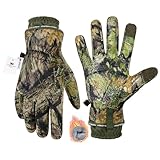
Overview: These HANDLANDY winter gloves deliver reliable protection against harsh conditions with a waterproof shell and wool lining. Designed for versatility across cycling, skiing, driving, and running, they balance warmth with practical functionality for daily commuters and outdoor enthusiasts alike.
What Makes It Stand Out: The combination of waterproofing and wool insulation sets these apart from standard knit gloves. Touchscreen-compatible fingertips allow smartphone use without exposure, while reflective details enhance visibility during low-light activities. The non-slip PU leather palm provides secure grip for steering or tool handling, and the camo pattern adds stylistic appeal.
Value for Money: Positioned in the mid-range category, these gloves offer features typically found in premium options. The waterproof capability and wool lining justify the price point compared to basic thermal gloves, making them a solid investment for multi-season use.
Strengths and Weaknesses: Strengths include excellent water resistance, effective insulation, touchscreen functionality, and safety-enhancing reflectivity. The snug cuffs prevent cold air infiltration. Weaknesses involve limited dexterity for precision tasks and the camo design may not suit urban commuters preferring neutral colors. Bulkiness might affect handlebar feel for some cyclists.
Bottom Line: Ideal for those seeking reliable, warm, and waterproof gloves for varied cold-weather activities. The HANDLANDY gloves perform admirably for commuting and general outdoor use, though serious winter athletes might want activity-specific alternatives. A dependable choice for most users facing freezing temperatures.
7. SUJAYU Fishing Gloves Men & Women, Ice Fishing Gear Hunting Gloves for Men Cold Weather, Kayak Gloves Fly Fishing Gear Cold Weather Hunting Gear (Camo Grey, Medium)

Overview: The SUJAYU gloves feature a practical 3-fingertip open design that prioritizes dexterity for fishing tasks. Built for cold weather angling, kayaking, and hunting, these gloves balance warmth with the critical ability to manipulate hooks, baits, and touchscreen devices without full removal.
What Makes It Stand Out: The exposed fingertip design on thumb, index, and middle fingers is the key differentiator, allowing precise movements while keeping most of your hand protected. The silicone palm delivers exceptional grip on wet fishing rods, while the multilayer softshell fabric provides water resistance and breathability.
Value for Money: These gloves offer specialized functionality at an accessible price point. For anglers and hunters requiring finger dexterity, they eliminate the need to constantly remove gloves, potentially saving money on replacements from lost pairs.
Strengths and Weaknesses: Strengths include superior dexterity for knot-tying and baiting, excellent grip, wind resistance, and touchscreen compatibility. The snug elastic cuffs seal out drafts. Weaknesses are significant: exposed fingertips remain vulnerable to extreme cold and moisture, water resistance isn’t full waterproofing, and they lack insulation for sub-zero temperatures.
Bottom Line: Perfect for active anglers, kayakers, and hunters who prioritize finger access over maximum warmth. These gloves excel in cool, damp conditions but aren’t suitable for extreme cold. Choose them as a specialized tool for fair-weather winter fishing rather than a primary cold-weather glove.
8. KastKing Mountain Mist Cold Winter Weather Fishing Gloves for Men and Women - Ideal for Ice Fishing, Photography, or Hunting
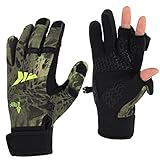
Overview: KastKing’s Mountain Mist gloves target serious outdoor enthusiasts with an innovative fold-back finger slot design. Engineered for ice fishing, photography, and hunting, these technical gloves provide warmth while granting instant access to fingertips for precise tasks without full removal.
What Makes It Stand Out: Eight finger slots with hook-and-loop retention is a standout feature, allowing you to expose fingertips individually. The fleece-lined back and neoprene/microfiber palm create a durable, warm structure. Partnering with Prym1 Camo adds authentic concealment aesthetics, while smartphone-friendly fingertips enable device interaction.
Value for Money: Offering premium technical features at a competitive mid-range price, these gloves deliver professional-grade functionality. The durable construction and versatile design make them a worthwhile investment for dedicated anglers and hunters.
Strengths and Weaknesses: Strengths include exceptional dexterity when needed, warm fleece lining, secure grip from printed polymer palm pattern, and stylish camo. The hook-and-loop system keeps folded tips neatly stowed. Weaknesses involve potential cold air entry through slot seams, slightly bulky feel, and the specialized design may be overkill for casual users.
Bottom Line: Highly recommended for ice fishermen, wildlife photographers, and hunters requiring on-demand finger access. The Mountain Mist gloves successfully balance warmth with functionality, outperforming traditional gloves for task-intensive cold-weather activities. A top-tier choice for serious outdoor enthusiasts.
9. KastKing Mountain Mist Cold Weather Gloves - Ideal for Ice Fishing, Photography, or Hunting (Blackout, Large)

Overview: This blackout variant of KastKing’s Mountain Mist gloves offers identical technical performance to the camo version but in a stealthy, urban-friendly aesthetic. Designed for ice fishing, photography, and hunting, they feature the same fold-back finger slot system for task-specific dexterity.
What Makes It Stand Out: The subdued blackout colorway broadens appeal beyond hunting applications to urban commuters and photographers preferring low-profile gear. The three finger slots (thumb, index, middle) provide targeted access while maintaining warmth. Smartphone-compatible fingertips and anti-slip palm remain standard features.
Value for Money: Matching the camo version’s mid-range pricing, the blackout option offers better versatility for users wanting one glove for multiple contexts. The neutral color increases everyday usability without sacrificing technical performance.
Strengths and Weaknesses: Strengths include the versatile blackout design, warm fleece lining, secure grip, and practical finger slot system. The stealth appearance works for both field and city use. Weaknesses mirror the camo version: potential draft through seams, and product descriptions inconsistently mention 3 vs. 8 finger slots. The limited slot count may restrict some users.
Bottom Line: Choose the blackout version for identical functionality with broader aesthetic appeal. Ideal for photographers, commuters, and hunters needing stealth. While the finger slot count discrepancy is concerning, the core performance remains solid. A smart choice for those prioritizing versatility and subdued styling in technical cold-weather gloves.
10. BEAUTI4U Hunting Equipment Hunting Gloves Camo Hunting Gear Men’s Camo Hunting Gloves for Outdoor Activities

Overview: BEAUTI4U delivers an ultra-affordable camo glove targeting budget-conscious hunters and outdoor enthusiasts. Featuring a split finger design for improved trigger finger mobility, these lightweight gloves prioritize concealment and basic protection over heavy-duty insulation for mild cool-weather activities.
What Makes It Stand Out: The aggressive price point is the main differentiator, making these accessible as backup pairs or for casual users. The camouflage pattern provides decent environmental blending for hunting applications, while the dividing finger design allows better dexterity than mittens for tasks like shooting or gear handling.
Value for Money: Among the cheapest hunting gloves available, they offer entry-level functionality. However, questionable durability and unspecified insulation mean long-term value is limited. They serve best as disposable emergency gear or for infrequent use rather than primary equipment.
Strengths and Weaknesses: Strengths include extremely low cost, lightweight packability, and finger mobility for trigger control. The camo pattern works for concealment. Weaknesses are substantial: vague warmth claims, no water resistance mentioned, lack of touchscreen compatibility, unprofessional product description with emojis, and uncertain build quality. Unsuitable for serious cold exposure.
Bottom Line: Purchase only for light-duty use in mild conditions or as emergency backup gear. These cannot compete with technical gloves for warmth or durability. Serious hunters and anglers should invest in higher-quality options. If budget is absolutely constrained, they provide minimal functionality, but expect limited performance and lifespan.
Understanding the Unique Demands of Cold Weather Bowhunting
The Bowhunter’s Dilemma
Unlike rifle hunters who can often keep hands protected until the moment of truth, bowhunters require constant hand-to-equipment contact. Drawing a bow demands finger dexterity, consistent anchor points, and precise release execution. Bulky gloves that work perfectly for firearm hunting often render a bow unusable. The challenge intensifies in cold weather when your body naturally reduces blood flow to extremities, making your fingers stiff and unresponsive. Effective cold weather bowhunting gloves must provide substantial insulation without creating a barrier between you and your equipment.
Temperature Extremes and Performance Windows
Cold weather isn’t a single condition—it spans a spectrum from crisp autumn mornings at 30°F to brutal late-season sits in sub-zero temperatures. A glove system that excels at 25°F might cause overheating and sweat at 40°F, while proving completely inadequate when the mercury drops below zero. Understanding your typical hunting environment’s temperature ranges helps identify the insulation level and design features that will perform optimally. Bowhunters often need multiple glove options or a versatile layering system to adapt across the entire season.
Weather Conditions Beyond Just Cold
Wind, moisture, and precipitation compound cold’s effects dramatically. A 20°F day with calm sunshine feels vastly different from the same temperature with 20 mph winds and sleet. Wind chill can strip heat from exposed surfaces in minutes, while moisture—whether from precipitation, snow contact, or perspiration—conducts heat away from skin 25 times faster than air. Effective cold weather gloves must address this trinity of threats: insulation against cold, barriers against wind, and protection from moisture.
Key Features to Look for in Cold Weather Bowhunting Gloves
Insulation Types and Warmth-to-Weight Ratio
The insulation layer determines a glove’s thermal efficiency. Synthetic options like continuous filament fibers or microfiber down alternatives offer excellent warmth-to-weight ratios while maintaining performance when damp. Natural down provides superior compressibility and warmth but fails catastrophically when wet. For bowhunting, where dexterity matters as much as warmth, insulation must be strategically mapped—thicker on the back of the hand where warmth is needed, thinner on the palm and fingers where you need feel and control.
Waterproofing vs Water Resistance
Waterproof membranes create an impenetrable barrier against external moisture but can trap perspiration inside, leading to damp, cold hands. Water-resistant treatments repel light precipitation while allowing breathability, making them ideal for active hunting or milder conditions. For stationary treestand hunting in heavy snow or rain, true waterproofing becomes non-negotiable. The best designs incorporate waterproof inserts that remain breathable, managing both external moisture and internal vapor buildup.
Dexterity and Trigger Finger Design
The index finger and thumb require special consideration for bowhunting. Some designs feature pre-curved fingers that mirror your hand’s natural position at full draw. Others incorporate thinner material layers on critical contact points or use articulated joints that bend with your fingers rather than resisting movement. Release aid compatibility demands that the glove’s finger construction doesn’t interfere with mechanical releases or finger tabs, while traditional archers need bare-finger sensitivity or specialized fingertips.
Scent Control Technology
Modern gloves increasingly integrate antimicrobial treatments and scent-absorbing carbon layers that help minimize human odor. In cold weather, when animals can easily detect warmth and scent plumes, this feature becomes crucial. Silver ion technology, activated carbon linings, and zeolite-based odor absorbers work continuously to neutralize the bacteria and compounds that alert game to your presence. These treatments must be durable enough to withstand multiple seasons of use and washing.
Noise Reduction and Stealth Factors
Every material choice affects stealth. Fleece and wool remain nearly silent when brushing against bow components or adjusting gear. Synthetic shells can be treated to reduce crinkling and rustling sounds. Seams should be minimized and strategically placed away from high-friction areas. The sound of Velcro can be mitigated with quiet-snap or magnetic closures. Even the glove’s interior construction matters—loose linings can create subtle friction noises that spook animals at close range.
Grip and Traction Enhancements
Cold conditions often mean wet, icy, or snow-covered equipment. Silicone grip patterns, textured leather palms, and rubberized fingertips provide secure contact with your bow grip, release aid, and other gear. These enhancements must be applied judiciously—too much grip material can reduce flexibility, while too little leaves you fumbling with cold-numbed fingers. The best designs place high-traction materials only where needed, maintaining flexibility elsewhere.
Durability and Abrasion Resistance
Bowhunting puts unique stresses on gloves. Constant contact with bowstrings, arrow fletching, and rough tree bark creates abrasion points. Reinforced fingertips, double-layered palms, and rugged outer shells extend glove life significantly. However, durability mustn’t come at the expense of dexterity. Premium gloves use materials like reinforced synthetic leather or laminated fabrics that resist wear while remaining pliable in extreme cold.
Fit and Sizing Considerations
A proper fit is arguably more critical for bowhunting gloves than any other hunting apparel. Gloves that are too large create clumsy, imprecise movements and reduce feel. Too small, and they restrict blood flow, actually making your hands colder. The ideal fit allows a thin base layer underneath while maintaining direct contact with your equipment. Pre-curved designs should match your hand’s natural drawing position, and fingers should extend to the tips without excess material bunching.
Camouflage and Concealment Patterns
While not as critical as function, effective camouflage helps break up your hand’s outline against your face and bow. Patterns should match your primary hunting environment—open country, timber, or late-season snow. Solid earth tones often work better than high-contrast patterns for bowhunting, where animals approach within yards. Some hunters prefer solid colors for their release hand to maintain consistent visual reference points during anchor.
Material Matters: What Your Gloves Are Made Of
Outer Shell Materials
The exterior fabric determines weather protection, durability, and noise level. Brushed polyester fleece offers quiet performance and decent water resistance but lacks windproofing. Nylon and polyester ripstop provide excellent durability and can be treated with DWR (durable water repellent) coatings. Softshell fabrics balance stretch, breathability, and weather resistance, making them versatile for active hunting. For extreme conditions, laminated shells with built-in membranes offer maximum protection.
Insulation Materials Explained
Primaloft and similar synthetic microfiber insulations trap heat effectively while allowing moisture vapor to escape. Thinsulate provides excellent compressibility and maintains warmth when damp. Aerogel-based insulations, emerging in premium options, offer space-age thermal protection with minimal bulk. Natural wool insulation provides warmth even when wet and has natural odor-resistant properties. The insulation’s loft and density directly impact both warmth and bulk—critical considerations for maintaining bow control.
Lining Fabrics for Comfort and Function
The interior lining affects next-to-skin comfort and moisture management. Brushed tricot feels soft against cold hands and wicks perspiration effectively. Merino wool linings provide natural temperature regulation and odor control. Some designs feature silver-ion embedded linings for antimicrobial performance. The lining-to-insulation interface matters too—loose linings can pull out when removing gloves, while bonded constructions maintain their relationship through repeated use.
Palm and Finger Materials
This is where bowhunting gloves differentiate themselves. Pittards leather or similar high-performance leathers offer exceptional grip and feel while remaining pliable in cold. Synthetic suede provides durability and grip when wet. Some designs incorporate bare-finger slots or flip-back fingertips that expose skin for critical moments. The palm material must balance tackiness for grip with smoothness for clean release, especially for finger shooters.
Specialized Designs for Bowhunting
Convertible Mittens vs Full Gloves
Convertible mittens (glomitts) offer the warmth of a mitten with the dexterity of a glove when needed. The mitten flap secures back with magnets or quiet snaps, exposing fingered gloves underneath. This design excels for long sits where warmth is paramount but you need occasional finger access. Full gloves provide more consistent dexterity but may sacrifice ultimate warmth. The choice depends on your hunting style—active stalkers often prefer full gloves, while stationary hunters benefit from convertible designs.
Fingerless Options and Hybrid Designs
Fingerless gloves with attached mitten covers represent the ultimate compromise for traditional archers or those using mechanical releases. The exposed fingers provide direct contact with string or release, while the mitten portion offers rapid warmth during downtime. Some hybrid designs feature removable finger covers that attach with quiet fasteners. These work exceptionally well for hunters who prioritize shot execution above all else but need protection between opportunities.
Release Aid Compatibility Considerations
Mechanical release users need gloves that don’t interfere with wrist strap placement or trigger access. The glove cuff must be low-profile enough to avoid bulk under the release strap. Some designs incorporate a smooth, low-friction panel on the index finger for cleaner trigger feel. For handheld releases, the glove must allow the release head to sit naturally in your hand without catching on seams or insulation. Back-tension release users need exceptional finger sensitivity that most insulated gloves compromise.
Extended Cuffs and Gauntlet Styles
Long cuffs seal out drafts and prevent snow from entering between glove and jacket sleeve. Gauntlet-style gloves that extend well up the forearm provide superior protection but can interfere with some release setups. Shorter, under-cuff designs integrate better with layered clothing systems but may leave gaps. The cuff closure system—whether elastic, drawcord, or hook-and-loop—must be secure yet quiet and easy to operate with one hand.
Layering Strategies for Extreme Conditions
Base Layer Glove Functions
A thin, moisture-wicking base layer glove serves as your last line of defense and primary contact surface. These should be form-fitting, highly breathable, and quick-drying. Silk-weight synthetic liners or lightweight merino wool provide warmth without bulk. Many bowhunters keep these on full-time, adding outer layers only during extreme cold or downtime. The base layer must be compatible with your release aid and provide adequate feel for string contact.
Mid-Layer Insulation Options
Mid-layer gloves add substantial warmth while maintaining reasonable dexterity. Fleece gloves or lightly insulated softshell designs work well as secondary layers. These should fit over your base layer without compressing it, as compression reduces insulation effectiveness. Look for mid-layers with reinforced palms and fingers since they’ll see direct use when outer layers are removed for shooting. Some hunters prefer a single, highly versatile mid-layer that can function alone in moderate conditions.
Outer Shell Protection Layers
The outer layer serves as your shield against wind, precipitation, and extreme cold. These gloves are typically worn during travel to stands, long sits, and downtime between active hunting periods. They should be easy to remove quickly and store silently. Many hunters choose oversized outer mittens that accommodate both base and mid-layers underneath. The outer shell’s packability matters—you’ll often carry them in a pocket when not needed.
The Layering System in Practice
Effective layering means each component works independently and as part of the system. Practice donning and doffing layers quietly and efficiently. Your base layer should never leave your hands during the hunt. Mid-layers come on and off as activity levels change. Outer layers protect during extreme exposure. This modular approach allows you to adapt to changing conditions, activity levels, and shot opportunities without compromising warmth or function.
Care and Maintenance for Longevity
Cleaning Guidelines for Performance Retention
Dirt, oils, and perspiration degrade insulation and water-repellent treatments over time. Follow manufacturer instructions, but generally, use mild detergents without fabric softeners or bleach. Wash in cold water on gentle cycles. For heavily soiled gloves, pre-treat high-wear areas with a soft brush. Never use high heat when drying, as this can damage waterproof membranes and cause leather to crack. Some high-performance gloves require specialized cleaners to maintain their technical properties.
Drying and Storage Best Practices
Proper drying prevents odor buildup and maintains insulation loft. Air dry gloves at room temperature, stuffing them with newspaper to absorb moisture from the inside. Never place gloves directly on heat sources like radiators or campfires. For quick field drying, place them inside your jacket where body heat provides gentle warmth. Store gloves fully dry, loosely packed rather than compressed, in a cool, dry place. Avoid storing in plastic bags that trap moisture and promote mildew.
Re-waterproofing Treatments
DWR coatings wear off with use and washing. Restore water repellency with spray-on or wash-in treatments designed for technical fabrics. For leather palms, apply leather conditioners and waterproofing waxes that maintain suppleness. Test any treatment on a small area first to ensure it doesn’t affect grip or color. Re-waterproof before each season and after every few washes. Pay special attention to high-wear areas like palms and fingertips where water first penetrates.
When to Replace Your Hunting Gloves
Even premium gloves have a finite lifespan. Replace gloves when insulation becomes compressed and no longer lofts, when waterproof membranes leak consistently, or when seams fail beyond repair. Loss of dexterity due to material stiffness, permanent odors that resist cleaning, or compromised grip surfaces also signal replacement time. Most serious bowhunters replace their primary gloves every 2-3 seasons depending on use frequency and care quality.
Common Mistakes to Avoid When Choosing Bowhunting Gloves
Overlooking Dexterity Needs for Your Setup
Many hunters choose gloves based solely on warmth ratings, only to discover they can’t properly operate their specific release aid or feel their anchor point. Traditional archers need maximum finger sensitivity, while mechanical release users need cuff clearance and trigger access. Test gloves with your actual bow setup before committing. Practice drawing, anchoring, and releasing in cold conditions to identify any interference or loss of precision.
Choosing Insulation Weight Incorrectly
Over-insulating leads to sweaty hands that become clammy and cold. Under-insulating leaves you unable to function. Match insulation to your activity level and typical conditions. Active spot-and-stalk hunters need less insulation than stationary treestand hunters. Consider that you’ll generate heat while walking to your stand but cool rapidly during long sits. A versatile system with adjustable insulation beats a single heavy glove that only works in extreme cold.
Ignoring Fit and Sizing Issues
Gloves that fit poorly compromise both warmth and function. Too tight restricts circulation and reduces insulation effectiveness. Too loose reduces dexterity and creates clumsy movements. Try gloves on with any base layers you plan to wear. Check finger length, palm width, and cuff integration with your jacket. Remember that hands may swell slightly during long sits. Some hunters size up slightly for outer layers to accommodate inner gloves without compression.
Neglecting Weather Specificity
A glove perfect for dry, cold conditions fails miserably in wet snow or freezing rain. Conversely, highly waterproof gloves may be overkill and uncomfortably warm in dry climates. Assess your primary hunting environment’s typical weather patterns. Hunters in the Pacific Northwest need different features than those in the Rockies or Midwest. Consider the full spectrum of conditions you’ll encounter, not just the average day.
Budget Considerations and Value
Entry-Level Options and Their Limitations
Budget-friendly gloves ($20-40) typically use basic fleece or polyester insulation with simple water-resistant treatments. They work adequately for moderate conditions and occasional hunters but lack durability and specialized features. Seams may be less refined, creating pressure points during long wears. Insulation often compresses quickly, reducing long-term warmth. These can serve as backup or outer layers but rarely perform as a primary cold weather bowhunting glove.
Mid-Range Investments
Gloves in the $50-80 range offer significant improvements in materials, construction, and features. You’ll find better insulation technologies, more durable outer shells, and thoughtful design elements like pre-curved fingers and reinforced palms. These gloves often provide the best value for serious hunters, balancing performance, durability, and cost. Many mid-range options include waterproof inserts, scent control treatments, and specialized bowhunting features that justify the investment.
Premium Features Worth Considering
High-end gloves ($90+) incorporate cutting-edge materials, meticulous construction, and specialized features for dedicated bowhunters. Aerogel insulation, advanced waterproof-breathable membranes, and precision-engineered fits define this category. While expensive, these gloves often last multiple seasons with proper care, potentially offering better long-term value. Premium options excel in extreme conditions where performance directly impacts success and safety. Consider these if you hunt frequently in severe weather or prioritize maximum dexterity in cold conditions.
Emerging Technologies for 2026
Smart Textiles and Adaptive Insulation
The next generation of hunting gloves incorporates phase-change materials that actively respond to temperature fluctuations, storing heat when you’re active and releasing it during stationary periods. Some emerging designs feature conductive threads woven into fingertips, allowing touchscreen use without removing gloves. While still developing, these technologies promise gloves that adapt to your activity level and environmental conditions automatically, reducing the need for constant layering adjustments.
Sustainable and Eco-Friendly Materials
Driven by conservation-minded hunters, manufacturers increasingly use recycled synthetic insulations, responsibly sourced natural materials, and biodegradable water repellents. Plant-based waterproof membranes and recycled polyester shells reduce environmental impact without sacrificing performance. These materials often match or exceed traditional options in durability and function, appealing to hunters who prioritize sustainability alongside performance.
Advanced Manufacturing Techniques
3D-knitting technology creates seamless glove constructions that eliminate pressure points and improve fit precision. Body-mapped insulation placement, guided by thermal imaging studies of hunters’ hands, puts warmth exactly where needed while minimizing bulk elsewhere. Laser-cut patterns and ultrasonic welding reduce seams and weight while improving durability. These manufacturing advances translate directly to better dexterity, comfort, and performance in the field.
Frequently Asked Questions
How do I maintain dexterity with heavily insulated gloves?
Focus on gloves with pre-curved fingers, articulated joints, and strategically thinner insulation on palms and fingertips. Practice drawing your bow with gloves before hunting. Consider a layering system where you shoot with a thin base layer and add insulation only during downtime. Some hunters use fingerless gloves with flip-back mitten covers for the ultimate compromise between warmth and feel.
Can I use the same gloves for rifle and bowhunting?
While possible, it’s rarely ideal. Rifle hunting gloves prioritize warmth and trigger finger access, often at the expense of the broader dexterity bowhunting demands. Bowhunting-specific designs accommodate string contact, release aids, and anchor points that rifles don’t require. If you must choose one, select a bowhunting-optimized glove with moderate insulation that won’t severely compromise rifle trigger feel.
How do I prevent my hands from sweating inside waterproof gloves?
Use a moisture-wicking base layer glove to move sweat away from skin. Adjust insulation based on activity level—remove layers before you start sweating. Look for gloves with breathable waterproof membranes rather than non-breathable barriers. During transport to your hunting location, wear minimal gloves to prevent overheating, then add insulation once stationary. Some hunters use talcum powder or antiperspirant on hands pre-hunt to reduce sweating.
What’s the best way to warm cold hands without removing gloves?
Place hands inside your jacket against your core, where body heat is highest. Use hand warmer packets in jacket pockets, not inside gloves where they can cause sweating. Swing your arms in windmill motions to force blood into fingertips. Clench and unclench fists repeatedly to generate muscle heat. Some hunters keep a spare set of base layer gloves in a warm pocket to swap out damp ones mid-hunt.
Are mittens or gloves better for extreme cold bowhunting?
Convertible mittens (glomitts) offer the best of both worlds—mitten warmth with glove dexterity when needed. For pure stationary hunting in extreme cold, mittens with exposed finger slots for shooting provide maximum warmth. However, full gloves maintain more consistent readiness for shot opportunities. Your choice depends on hunting style: active hunters need gloves, while stationary hunters can benefit from mittens’ superior warmth.
How often should I replace my hunting gloves?
With proper care, quality hunting gloves should last 2-4 seasons of regular use. Replace them when insulation compresses and loses loft, waterproofing fails consistently, seams come apart, or grip surfaces wear smooth. Loss of dexterity due to material stiffening or persistent odors that won’t wash out also indicate replacement time. Many hunters rotate multiple pairs to extend overall lifespan.
Do I need different gloves for different phases of the season?
Ideally, yes. Early season (30-50°F) requires light insulation and maximum dexterity. Mid-season (15-30°F) demands moderate insulation with good wind protection. Late season (below 15°F) calls for heavy insulation and possibly a layering system. Having two or three specialized pairs allows you to match gloves to conditions rather than compromising with one mediocre option. A versatile mid-weight glove with layering options covers most situations.
How do I test glove compatibility with my release aid?
Visit a pro shop and test gloves with your actual release. Check that the cuff doesn’t interfere with wrist strap placement. Ensure you can access and operate the trigger naturally. For handheld releases, verify the glove allows the release to sit properly in your palm without catching on seams. Practice drawing, anchoring, and releasing multiple times. If possible, test in cold conditions to evaluate real-world performance.
What’s the quietest material for bowhunting gloves?
Brushed polyester fleece and wool remain the quietest materials, producing minimal noise when contacting equipment or brush. High-quality softshell fabrics with brushed interiors also perform quietly. Avoid stiff, crinkly nylon shells or gloves with excessive Velcro. Seamless or minimally seamed constructions reduce noise further. Test gloves by rubbing them against your bow and face at close range to assess stealth.
Are heated gloves worth the investment for bowhunting?
Battery-heated gloves provide exceptional warmth for extreme conditions but present challenges for bowhunting. Battery packs can interfere with release straps, and wiring may affect dexterity. They excel for long, stationary sits in sub-zero temperatures where maintaining hand warmth is nearly impossible otherwise. However, the technology adds bulk and potential failure points. Many hunters prefer traditional insulation for reliability, using heated options only as a last resort for extreme conditions.
Related Buying Guides
- 10 Best Hunting Gloves for Bowhunting Accuracy and Grip in 2026
- We Tested 50 Hunting Gloves - Here are the 10 Best for Bowhunting Precision
- 10 Best Hunting Gloves for Bow Hunters in 2026
- 10 Essential Bowhunting Gloves Every Archery Hunter Needs in 2026
- 10 Essential Bowhunting Gloves That Solve Trigger Sensitivity Issues in 2026