Table of Contents
Finding the right hunting boots when you have wider feet can feel like searching for a mythical creature in the backcountry – frustrating, elusive, and often ending in disappointment. Many outdoors enthusiasts with broader feet know the all-too-familiar cycle: spotting a promising pair online, getting excited about the features, placing the order, only to experience pinching toes, uncomfortable pressure points, or blisters that cut a crucial hunt short. Standard boot sizing simply doesn’t accommodate the natural variation in human foot shape, leaving hunters with wider feet sidelined by discomfort when they should be focused on the pursuit. This isn’t just about minor annoyance; it’s about performance, endurance, and the very foundation of your stability and safety traversing rugged terrain.
The stakes are significantly higher in hunting than in casual wear. Imagine glassing for hours on a rocky ridge, stalking silently through dense brush, or standing motionless in a cold blind – all while your boots constrict your feet, restricting circulation and causing distracting pain. Poorly fitting footwear leads to fatigue, reduced agility, and even compromised balance on uneven ground, directly impacting your effectiveness and enjoyment in the field. Unlike everyday shoes, hunting boots face extreme conditions: freezing temperatures that cause feet to swell, prolonged wetness that softens materials, and the constant strain of carrying gear over miles of wilderness. For wide-footed hunters, the challenge isn’t just finding a boot; it’s finding one engineered from the ground up to provide genuine width without sacrificing the critical support, protection, and performance demanded by serious hunting scenarios. Let’s explore how to navigate this challenge effectively.
Top 10 Hunting Boots for Wide Feet
Detailed Product Reviews
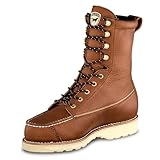
1. Irish Setter, Wingshooter, Men’s, 9", Waterproof, Hunting Boot, Amber, 11 EE (Wide)
Overview:
The Irish Setter Wingshooter is a premium 9-inch hunting boot designed for rugged all-day wear in wet conditions. Built with full-grain leather and UltraDry waterproofing, it targets serious hunters needing durability and dry comfort across diverse terrains, particularly in wide widths.
What Makes It Stand Out:
Goodyear Welt construction is its standout feature, enabling resoling to extend lifespan—a rarity in modern hunting boots. The Prairie outsole sheds debris effectively, while the steel shank enhances stability on uneven ground. Combined with a removable polyurethane footbed and moisture-wicking lining, it delivers exceptional structural integrity without sacrificing agility.
Value for Money:
Priced higher than entry-level rubber boots, it justifies cost through longevity and repairability. Competitors often lack resole capability, meaning this boot offers superior long-term value for hunters investing in multi-season gear, despite the initial premium.
Strengths and Weaknesses:
Strengths: Unmatched durability via Goodyear Welt; excellent traction on mud/rocks; wide width support; lightweight for leather; resoleable. Weaknesses: Break-in period required; less insulation for extreme cold; higher price point; heavier than neoprene alternatives.
Bottom Line:
Ideal for hunters prioritizing longevity and terrain stability over extreme cold ratings. Its resoleability and wide-width comfort make it a smart investment for frequent users, though budget buyers may prefer rubber alternatives for casual use.
2. TIDEWE Rubber Neoprene Boots Men And Women, Waterproof Sturdy 6mm Neoprene Boot, Rain Boot Hunting Boot Arctic Outdoor Boot Men Size 8 Black

Overview:
TIDEWE’s 6mm neoprene boot offers affordable, lightweight protection for wet and cold environments. Targeting hunters, anglers, and outdoor workers, it emphasizes warmth retention and quick-drying comfort in temperatures down to -4°F, using CR Flex-Foam construction.
What Makes It Stand Out:
Its heat-recycling insulation—returning 90% of body warmth—is exceptional for the price. The 4-way stretch nylon collar enhances mobility, while the heel protrusion aids easy removal. CR Flex-Foam provides impact absorption without bulk, distinguishing it from stiffer rubber boots.
Value for Money:
An outstanding budget option. It undercuts premium brands significantly while matching critical features like waterproofing and sub-zero warmth. For seasonal hunters or occasional use, it delivers near-specialized performance at an entry-level cost.
Strengths and Weaknesses:
Strengths: Excellent warmth-to-weight ratio; intuitive heel pull tab; flexible yet sturdy; quick-drying; unisex sizing. Weaknesses: Sizing inconsistencies require careful chart reference; minimal arch support; less durable than leather for sharp terrain; basic tread limits extreme traction.
Bottom Line:
A top choice for cost-conscious users needing reliable cold/wet protection. While not built for decade-long use, its warmth, flexibility, and price make it perfect for casual hunting or farm work—just verify sizing first.
3. Showave Men’s Rubber Boots Durable Waterproof Insulated Rain Boot Neoprene Heavy-duty Mud Outdoor Garden Working Hunting Boots(Camo 11)

Overview:
Showave’s camo boot combines heavy-duty neoprene insulation with rugged rubber construction for year-round outdoor work. Engineered for temperatures from -15°C to 35°C, it caters to hunters, farmers, and landscapers facing wet or muddy conditions daily.
What Makes It Stand Out:
The 5mm neoprene insulation and steel shank create a unique balance of warmth, support, and stability. Deep-lugged outsoles shed mud aggressively, while scratch-resistant uppers and a breathable liner prevent overheating—addressing common pain points in extended wear.
Value for Money:
Competitively priced against mid-tier brands, its versatility justifies cost. The steel shank (rare in rubber boots) reduces fatigue during long hours, outperforming cheaper models that skimp on structural support despite similar insulation specs.
Strengths and Weaknesses:
Strengths: Wide temperature range; excellent arch support via steel shank; superior mud-shedding tread; breathable lining prevents sweat buildup; reinforced durability. Weaknesses: Camo pattern may wear; slightly stiff out-of-box; sizing runs narrow; not ideal for deep snow.
Bottom Line:
Highly recommended for professionals needing all-season reliability. Its support and temperature flexibility outclass most rain boots, making it a worthy buy for demanding agricultural or hunting roles—check sizing carefully.
4. TIDEWE Rubber Hunting Boots, Waterproof Insulated Next Camo G2 Warm Rubber Boots with 7mm Neoprene, Sturdy Outdoor Hunting Boots for Men (Size 10)

Overview:
TIDEWE’s G2 boot features 7mm neoprene insulation for extreme cold, targeting hunters in frigid, wet environments. With a focus on breathability and secure fit, it promises dry comfort down to -4°F, using a blend of rubber, neoprene, and air-mesh technology.
What Makes It Stand Out:
The 7mm neoprene offers thicker insulation than most competitors, while the air-mesh lining actively circulates air to combat moisture buildup—a critical upgrade over standard rubber boots that trap sweat during activity.
Value for Money:
Priced mid-range, it delivers specialized cold-weather performance often found in costlier models. The breathability feature alone adds significant value for active hunters, avoiding the “sweaty foot” issue common in insulated alternatives.
Strengths and Weaknesses:
Strengths: Exceptional cold retention; innovative breathable lining; cinch buckles for customized fit; reinforced toe/heel protection; easy heel removal tab. Weaknesses: Camo pattern inconsistency; EVA sole lacks long-term arch support; sizing quirks require chart check; limited ankle flexibility.
Bottom Line:
A strong pick for cold-climate hunters prioritizing dry warmth over agility. The breathability sets it apart, though those needing all-day arch support might pair it with custom insoles.
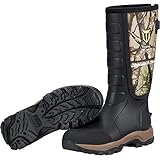
5. TIDEWE Hunting Boots Snake Proof for Men, Waterproof Insulated Warm Rubber With Steel Shank, 5mm Neoprene Lightweight Outdoor, Sturdy Work for Farming Gardening
Overview:
TIDEWE’s snake-proof boot integrates 5mm neoprene insulation with reinforced anti-bite material for hazardous terrain. Designed for hunters in snake-prone areas, it balances waterproof protection, warmth down to -4°F, and critical calf defense without excessive weight.
What Makes It Stand Out:
The snake-resistant shaft is its defining feature, using tightly woven fabric to protect vulnerable calf areas—a lifesaving upgrade absent in standard hunting boots. Combined with a steel shank for support and EVA cushioning, it merges safety with all-day comfort.
Value for Money:
Priced higher than non-specialized boots, it’s justified for users in high-risk zones. Snake protection typically commands a steep premium, but TIDEWE offers it at a reasonable markup over their standard models, delivering niche safety affordably.
Strengths and Weaknesses:
Strengths: Reliable snake protection; lightweight EVA comfort; steel shank stability; easy removal kick plate; versatile for multiple outdoor tasks. Weaknesses: Bulkier than non-snake boots; limited color options; breathability lags behind air-mesh competitors; calf protection may reduce flexibility.
Bottom Line:
Essential for hunters in snake habitats seeking peace of mind. While heavier than standard boots, the safety features and solid insulation make it indispensable where snakes are a threat—prioritize fit verification.
6. Irish Setter, Terrain, Men’s, 10", Waterproof, Hunting Boot, Brown/Black, 13 EE (Wide)

Overview:
The Irish Setter Terrain 10" boot targets hunters needing wide-fit, durable footwear for demanding wet environments. Built with PU-coated leather and nylon, it prioritizes waterproofing, comfort, and stability across rugged landscapes.
What Makes It Stand Out:
UltraDry waterproofing ensures dry feet without sacrificing breathability, while exclusive ScentBan technology combats odor in linings and footbeds. The CuShin comfort tongue reduces shin pressure, and the high-rebound EnerG midsole minimizes fatigue. A TPU shank enhances stability on uneven ground, and the aggressive lug outsole delivers reliable traction.
Value for Money:
Priced competitively for premium hunting boots, it justifies cost through longevity (cement construction) and specialized features like odor control and wide-width support. Alternatives often lack ScentBan or comparable cushioning, making this a strong investment for serious hunters.
Strengths and Weaknesses:
Strengths: Exceptional waterproofing, superior odor resistance, outstanding all-day comfort with EnerG midsole, stable TPU shank, and generous wide fit. Weaknesses: Cement construction, while flexible, may not last as long as Goodyear Welt boots; heavy for extended walking on flat terrain.
Bottom Line:
Ideal for hunters prioritizing odor control, wide-fit comfort, and wet-weather reliability. Despite minor durability trade-offs, its feature set offers excellent value for demanding field use.
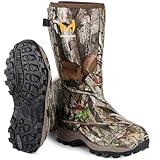
7. Hunthor Rubber Hunting Boots for Men with 800g Insulation, Waterproof Insulated 6mm Neoprene Shoes for Outdoor Hunting (Next Camo, Size 11)
Overview:
Hunthor’s insulated rubber boots deliver serious cold-weather protection for marsh and forest hunting. Featuring 800g Thinsulate and 6mm neoprene, they target sub-zero conditions while emphasizing waterproofing and ease of use.
What Makes It Stand Out:
The combination of full rubber shell, sealed seams, and 800g Thinsulate insulation provides exceptional warmth without excessive bulk. Reinforced heel/toe protection and an adjustable calf gusset accommodate varying leg sizes. The easy kick-off design and steel hook core enhance practicality and stability.
Value for Money:
A budget-friendly insulated option, it outperforms many cheaper alternatives in warmth retention and waterproofing. While not as refined as premium brands, the robust insulation and thoughtful features (like the gusset) offer solid performance for the price, especially in extreme cold.
Strengths and Weaknesses:
Strengths: Outstanding sub-zero warmth, excellent waterproofing, reinforced critical zones, calf adjustability, and user-friendly removal. Weaknesses: Insulation reduces interior space—sizing up may be necessary; neoprene can feel stiff initially; lacks advanced odor control.
Bottom Line:
A top pick for hunters facing frigid, wet conditions on a budget. Prioritize accurate sizing due to insulation, but expect reliable warmth, dryness, and durability for intense cold-weather pursuits.
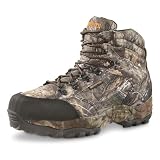
8. HUNTRITE Guidelight 6" Waterproof Hunting Boots for Men, Hiking, Climbing, Trekking Lace-Up Shoes with Thick Rubber Sole Mossy Oak Country Roots 13 2E (Wide)
Overview:
The HUNTRITE Guidelight 6" boot merges hunting functionality with hiking agility. Designed for mobility in varied terrain, it emphasizes lightweight comfort, aggressive traction, and reliable waterproofing for active hunters and trekkers.
What Makes It Stand Out:
The Mossy Oak Country Roots camouflage pattern provides effective concealment, while the thick rubber lug outsole ensures superior grip on slippery or uneven surfaces. An EVA midsole and cushioned insole deliver lightweight, all-day comfort rare in hunting boots, and the padded collar/tongue enhance support.
Value for Money:
Positioned as a mid-range option, it excels in versatility—suitable for both hunting and hiking. Competitors often sacrifice cushioning for ruggedness, but the Guidelight balances both effectively, offering noticeable comfort advantages without a steep price premium.
Strengths and Weaknesses:
Strengths: Lightweight yet supportive, exceptional multi-terrain traction, effective waterproofing, comfortable for extended wear, and practical wide fit. Weaknesses: Durability of the upper may not match full-leather boots; minimal insulation limits cold-weather use.
Bottom Line:
Highly recommended for hunters who hike extensively or prioritize comfort and mobility. Its lightweight design and sure-footed traction make it a versatile, value-driven choice for temperate conditions.
9. cungel Men’s Hunting Boot 8-INCH Camouflage Timber Waterproof Hunter Shoes Forest Boots Jungle Anti-Slip Lightweight Breathable Durable Fishing Hiking Working Field Hunting

Overview:
Cungel’s 8-inch camouflage boot is a versatile, budget-oriented option for hunters and outdoor workers. Focused on durability and basic functionality, it tackles wet, rugged environments with a lightweight design and aggressive tread.
What Makes It Stand Out:
The all-over woodland camouflage pattern effectively breaks up the wearer’s silhouette. A lightweight EVA midsole reduces fatigue, while the debris-shedding outsole provides reliable grip in mud or jungle terrain. The waterproof upper and removable insole add practical comfort for extended wear.
Value for Money:
An exceptional value at its price point, offering solid waterproofing, decent traction, and camouflage utility. It undercuts premium brands significantly while covering essential hunting boot needs—ideal for occasional users or those needing a secondary pair.
Strengths and Weaknesses:
Strengths: Very affordable, effective camouflage, lightweight construction, good grip, and breathable removable insole. Weaknesses: Build quality and materials feel less durable than premium options; sizing inconsistencies require careful chart checking; minimal ankle support.
Bottom Line:
A smart buy for budget-conscious hunters or casual outdoor enthusiasts needing basic, camo-ready footwear. Manage expectations on longevity, but appreciate its practical features and low cost for intermittent use.
10. Irish Setter, Wingshooter, Men’s, 7", Waterproof, Hunting Boot, Amber, 10.5 D (Medium)

Overview:
The Irish Setter Wingshooter 7" blends classic craftsmanship with modern hunting performance. Targeting upland hunters, it offers a medium-width fit, lightweight agility, and reliable waterproofing for fast-paced field work.
What Makes It Stand Out:
Goodyear Welt construction is a rarity at this tier, enabling resoling for exceptional longevity. The Prairie outsole sheds debris effortlessly, while full-grain leather and UltraDry technology ensure dry, durable performance. A steel shank provides lightweight stability without bulk.
Value for Money:
Justifies a higher price tag through resole capability and premium materials. While competitors may offer similar features, the Goodyear Welt construction significantly extends the boot’s lifespan, making it more economical long-term than cemented alternatives.
Strengths and Weaknesses:
Strengths: Resoleable Goodyear Welt build, lightweight yet supportive steel shank, effective debris-shedding outsole, comfortable for extended walking. Weaknesses: Less ankle support than 10" models; medium width may not suit all foot types; limited insulation for cold weather.
Bottom Line:
A top recommendation for upland hunters seeking a durable, repairable boot for active pursuits. Its longevity and field-tested design deliver outstanding long-term value despite the initial investment.
Understanding Your Foot and Sizing Nuances
The Anatomy of a Wide Foot in Hunting Context
It’s crucial to recognize that “wide” isn’t a monolithic category. Feet vary significantly in how width distributes – is the ball of your foot the widest point? Are your toes naturally splayed? Do your arches contribute to a broader feel? Understanding your specific foot shape is the first step beyond simply grabbing a “wide” labeled box. Hunting demands boots that accommodate this unique topography under pressure, not just at rest. A boot that’s merely longer or has a generic “wide” last might solve one problem but create pressure elsewhere during strenuous activity.
Why Standard Sizing Fails Hunters with Wider Feet
Most off-the-shelf boots, even those offering “wide” widths, are often based on lasts (the molds boots are built around) designed for average foot proportions. These frequently add width only in the forefoot or midfoot, neglecting the heel or instep, or worse, they simply scale up a standard last, resulting in excessive volume elsewhere. For hunters, this mismatch is amplified by the need for precise heel lock during descents, adequate toe room for swelling on long treks, and consistent support that doesn’t shift when navigating slippery logs or icy slopes. A boot that’s “wide” but poorly shaped for your foot anatomy is no better than a standard narrow boot.
Measuring Beyond the Shoe Size Chart
Relying solely on your standard shoe size is a recipe for disappointment. Proper measurement requires both length and width, ideally done later in the day when feet are naturally slightly swollen – mimicking hunting conditions. Use a Brannock device if possible, measuring both feet (as one is often larger) and noting the specific width designation (B, D, E, EE, EEE). However, don’t stop there. Pay attention to the fit of the boot on your foot: is there space for your toes to wiggle slightly without hitting the end? Is the widest part of your foot aligned with the boot’s widest point? Does the heel lift more than a quarter-inch when walking? These real-world checks matter far more than the label inside the shoe.
Critical Boot Features for Wide Feet Performance
The Non-Negotiable: A True Wide Last Design
The foundation of comfort for wider feet is a dedicated last specifically sculpted for broader proportions. Look for manufacturers who explicitly design distinct lasts for different widths (D, E, EE, etc.), not just add width to a standard last. A true wide last should provide balanced volume throughout the boot – adequate space across the ball, sufficient room in the toe box for natural splay, and a heel cup that matches the width without feeling sloppy. This engineered shape is what prevents the dreaded “hot spots” and ensures even pressure distribution during demanding hunts.
Toe Box Geometry: Space and Shape Matter
Ample toe room is vital for all hunters due to foot swelling, but it’s especially critical for wider feet. However, it’s not just about depth; the shape of the toe box is paramount. A boxy or rounded toe profile generally accommodates wider, splayed toes far better than a narrow, pointed, or overly tapered design. You need enough horizontal space for your toes to sit naturally without being compressed against each other or the sides of the boot, particularly when descending steep terrain where feet slide forward. Ensure the toe box doesn’t feel cavernous, which can lead to instability, but provides genuine, usable width.
Heel Counter and Midfoot Support Integration
A common pitfall with ill-fitting wide boots is heel slippage, even if the width feels okay elsewhere. A robust, well-structured heel counter is essential to lock your heel securely in place, preventing blisters and ensuring power transfer when climbing. Crucially, this counter must integrate seamlessly with the midfoot support. Boots designed for wider feet need a supportive midfoot structure that cradles the arch without constricting the natural width of the foot. This balance prevents the “merry-go-round” effect where your foot slides excessively inside a wide boot, causing friction and instability on uneven ground.
Material Selection Impact on Fit and Comfort
Leather Types and Their Stretch Characteristics
Leather is the gold standard for hunting boots, but not all leathers behave the same. Full-grain leather, while incredibly durable and supportive, offers minimal natural stretch. If you have very wide feet, a stiff full-grain boot might never conform comfortably without significant break-in (or potential damage). Consider boots incorporating softer leathers like oil-tanned or certain nubucks in strategic areas, which offer more immediate conformability. Be aware that all leather will stretch slightly over time, primarily in width, but rely on initial fit rather than expecting major expansion. Waterproof membranes like Gore-Tex can slightly restrict this natural leather stretch.
The Role of Flexible Uppers and Gussets
Rigid uppers exacerbate pressure points on wider feet. Look for boots utilizing strategic flex points in the leather or incorporating flexible synthetic panels in the forefoot or ankle area. These allow the boot to move with your foot as it naturally widens and splays during activity, rather than fighting against it. Gussets (the fabric panels connecting the tongue to the boot upper) also play a role. A well-designed gusset that isn’t overly tight prevents the tongue from migrating and creating pressure across the top of a wider foot, a common complaint.
Insole Design: The Hidden Width Factor
Don’t underestimate the impact of the insole (footbed). A standard insole might be cut too narrow, effectively reducing the usable interior width of the boot. Boots designed for wider feet often feature insoles that mirror the wider last shape, providing a better foundation from the start. Furthermore, consider the potential for aftermarket orthotics if you use them – ensure the boot has enough depth and a removable insole to accommodate them without crowding your foot. A flat or poorly contoured insole can also force your foot into an unnatural position, making width issues feel worse.
The Sizing Process: Beyond the Store Shelf
When and Where to Try Boots On
Timing and environment are critical for an accurate fit. Always try on hunting boots in the afternoon or evening, when your feet are at their largest. Wear the exact type of hunting socks you plan to use – thick, moisture-wicking sock liners make a significant difference in volume. If possible, try them on a slight incline or decline surface to mimic terrain, as feet swell and shift position during actual use. Bring any orthotics you intend to use. Don’t rely solely on store lighting; if feasible, step outside onto a sidewalk or gravel patch to test initial stability.
The Break-In Reality Check for Wide Feet
While some modern boots require minimal break-in, most quality leather hunting boots do need a period of adjustment. However, a boot that feels uncomfortably tight or pinches anywhere on your wide foot during the initial try-on will not magically become comfortable. Significant pressure points won’t stretch out favorably; they often lead to permanent damage to the boot or, worse, chronic blisters for you. A properly sized wide boot should feel snug but never painful initially. Allow for expected swelling by ensuring adequate toe room (about a thumb’s width), understanding that the boot will mold slightly to your foot’s width over time, but not drastically change its fundamental shape.
Understanding Brand-Specific Width Variations
Width designations (D, E, EE) are not standardized across the industry. A “Wide” (E) in one brand might be equivalent to an “Extra Wide” (EE) in another, or conversely, feel narrow. Never assume consistency. Research brand-specific sizing guides, read reviews from other hunters with wide feet (focusing on fit comments, not product names), and be prepared to try multiple brands and specific models. Pay attention to whether a brand is known for running narrow or having particularly roomy toe boxes, as this knowledge is invaluable when navigating width options.
Maximizing Long-Term Comfort and Performance
Lacing Techniques for Customized Fit
Mastering lacing can significantly improve comfort in a well-fitting wide boot. Techniques like “heel locking” secure the heel without overly tightening the midfoot. Skipping eyelets over the ball of the foot or using a “window lacing” method can relieve pressure points common with wider forefeet. Experiment with different lacing patterns before heading into the field to find the configuration that evenly distributes pressure and eliminates slippage without constricting width where you need it most.
Managing Moisture and Swelling Proactively
Wet feet swell, and swelling is the enemy of comfortable boot fit, especially for wider feet where excess volume can lead to sliding. Invest in high-quality, moisture-wicking hunting socks (merino wool blends are excellent) and consider moisture-control foot powders. Change socks during long hunts if conditions allow. Understand that feet naturally swell after miles of walking; ensure your initial fit accounts for this by prioritizing that essential toe room. Avoid boots that become excessively stiff when wet, as this can exacerbate pressure on wider areas.
When Width Meets Insulation: A Special Consideration
Insulated hunting boots add another layer of complexity. The insulation itself takes up interior space, and cold temperatures cause feet to swell more. If you need significant insulation (e.g., 1000g or more), consider sizing up half a size from your standard non-insulated wide boot size, or look for models specifically designed with extra volume to accommodate both width and insulation without feeling cramped. Never sacrifice width for insulation; a cold, numb foot due to constriction is far more dangerous than slightly less insulation in a properly fitting wide boot.
Frequently Asked Questions
Frequently Asked Questions
How do I accurately measure my foot width at home? Use a Brannock device if available. Otherwise, trace your foot on paper while standing, wear your typical hunting socks. Measure the widest part (usually the ball) across both feet. Compare this measurement to standard width charts (D=Medium, E=Wide, EE=Extra Wide), but remember brand variations are significant – this is just a starting point.
Can I stretch hunting boots to make them wider? Limited stretching is possible, primarily in leather boots. However, stretching risks damaging the boot’s structure, waterproofing, and support. It’s unreliable for significant width increases and won’t fix poor last shape. Buying the correct width initially is always preferable and more reliable for performance.
Will my feet swell inside the boots during a long hunt? Absolutely. Feet naturally swell due to activity, heat, and gravity, especially over miles of terrain. This is why adequate initial toe room (about 1/2 inch of space at the end) and a secure heel lock are non-negotiable in a properly fitted hunting boot for wide feet.
Are there specific width designations I should look for? Yes, but be cautious. Common designations are B (Narrow), D (Medium/Standard), E (Wide), EE (Extra Wide), EEE (Triple Wide). However, these are not standardized. Focus on trying boots labeled for your width and pay attention to how the width is distributed (toe box, ball, heel) rather than just the letter.
Can I use orthotics in wide hunting boots? Most quality hunting boots designed for wider feet have removable insoles and sufficient depth to accommodate custom orthotics. Always bring your orthotics when trying on boots to ensure the combined volume fits comfortably without crowding your foot or compromising the boot’s intended support.
How important is the arch profile for wide feet? Crucial. A mismatched arch profile (too high or too low) can cause your foot to splay unnaturally within the boot, making width issues feel worse and leading to pain. Look for boots offering different arch support levels or ensure the insole matches your foot’s natural arch to maintain proper alignment within the wider last.
Should I size up in length to gain width? Generally, no. Sizing up in length for width often creates excessive space in the heel and midfoot, leading to slippage, blisters, and instability. Seek a boot with the correct width designation for your foot first. If you need more length and width, look for brands offering true wide sizes in longer lengths, not just standard sizes in wider widths.
What’s the biggest fit mistake wide-footed hunters make? Choosing a boot that’s merely labeled “wide” without considering the specific shape of the last (especially the toe box) or the distribution of width. A boot can be wide but still pinch the ball or instep if the last isn’t designed for broader proportions. Focus on the feel of the fit across the entire foot.
How does terrain affect boot width needs? Rugged, uneven terrain amplifies fit issues. On descents, feet slide forward, making adequate toe box width essential to prevent bruised toenails. On ascents, a secure heel lock prevents slippage. Loose, sandy terrain requires stability that a poorly fitting wide boot (sloppy heel) can’t provide. Fit must account for dynamic movement.
Can waterproof membranes affect fit for wide feet? Yes. Membranes like Gore-Tex add a layer that can slightly reduce interior volume and potentially restrict the natural stretching of leather, especially in the width. Ensure the boot has ample room from the start to accommodate both your foot and the membrane, particularly in critical width zones like the ball.
Related Buying Guides
- 10 Best Hunting Boots for Wide Feet: Comfort Without Compromise in 2026
- 10 Best Hunting Boots for Flat Feet: Support & Stability in 2026
- 10 Best Hunting Boots for Flat Feet After 6 Months of Testing in 2026
- How to Solve Soggy Feet with the 10 Best Waterproof Hunting Boots in 2026
- How to Solve Wet Feet with the 10 Best Waterproof Hunting Boots in 2026