Table of Contents
Hunting is more than a sport; it’s a deep connection with the wilderness, demanding resilience, focus, and the right gear to support every step. For women venturing into the backcountry, the quest for reliable equipment often hits a familiar snag: gear built primarily for male physiology. Standard hunting backpacks, designed around broader shoulders, longer torsos, and narrower hips, can turn a rewarding trek into a painful ordeal. Ill-fitting packs dig into hip bones, slip off narrow shoulders, and distribute weight poorly, leading to fatigue, discomfort, and even injury – distractions no hunter can afford when tracking game or navigating rugged terrain. The frustration of compromising performance due to overlooked ergonomic needs is real, but the landscape is shifting. Understanding why fit matters specifically for women is the crucial first step toward finding a pack that disappears on your back, letting you focus entirely on the hunt.
The good news? The outdoor industry is increasingly recognizing the unique biomechanics of female hunters. No longer relegated to downsized men’s models or ill-conceived “pink it and shrink it” approaches, purpose-built hunting backpacks for women are emerging with thoughtful engineering. This guide dives deep into the essential considerations that transform a backpack from a mere burden carrier into a seamless extension of your body in the field. Forget fleeting trends or brand names; we’re focusing on the fundamental features, ergonomic principles, and practical functionalities that truly matter when choosing a pack designed to support your anatomy and enhance your hunting experience. It’s about empowering you with knowledge to make an informed decision that prioritizes comfort, efficiency, and safety on every expedition.
Top 10 Hunting Backpacks for Women
Detailed Product Reviews
1. Fieldline Treeline Womens Hunting Backpack PRO Series | Tactical Backpack for Women and Men | Camo Backpack for Hunting | Heavy Duty Army Backpack | 19.3L | Mossy Oak Breakup Country

Overview: The Fieldline Treeline PRO Series is a specialized 19.3L hunting backpack designed for stealth and functionality, featuring Mossy Oak Breakup Country camo and subtle pink accents. Built for women but unisex-friendly, it targets hunters needing a compact, quiet pack for day trips pursuing game like elk or waterfowl.
What Makes It Stand Out: Its standout features include ultra-quiet zippers, MOLLE webbing for modular gear attachment, and a yoked shoulder strap system with a padded back and waist belt for exceptional comfort. The dual compartments—featuring an organizer pocket and Gear Lock points—ensure efficient storage, while hydration compatibility adds versatility.
Value for Money: Priced competitively for its niche, it offers robust durability and thoughtful hunting-specific details (like paracord pulls) often found in costlier packs. The lifetime warranty underscores its value, making it a reliable investment over basic alternatives lacking MOLLE or ergonomic support.
Strengths and Weaknesses: Strengths: Excellent stealth features (quiet fabric/zippers), comfortable load distribution, versatile MOLLE system, and lifetime warranty. Weaknesses: Limited 19.3L capacity may suit only day hunts, and the pink accents might not appeal to all users. Hydration bladder sold separately.
Bottom Line: Ideal for hunters prioritizing stealth and comfort in a compact, women-inclusive design. Its specialized features and warranty justify the price for dedicated hunters, though larger-capacity seekers should look elsewhere.
2. Allen Company Camo Medium Pack - Realtree Edge Camouflage Backpack, 22.1L
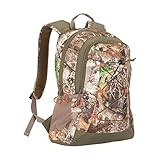
Overview: The Allen Company Camo Medium Pack is a straightforward 22.1L hunting backpack built for durability and simplicity. Featuring Realtree Edge camo, it targets hunters seeking a no-frills, weather-resistant solution for day trips requiring reliable gear storage without complex add-ons.
What Makes It Stand Out: Its simplicity is key: dual large zipper compartments, internal organizers, dual water bottle pockets, and an elastic cord for bulky items provide intuitive storage. The padded shoulder straps and sturdy carry handle prioritize all-day comfort and easy transport in rugged conditions.
Value for Money: Offering solid construction at a budget-friendly price, it outperforms cheaper packs in weather resistance and organization. While lacking MOLLE or hydration ports, it delivers essential functionality better than similarly priced alternatives, making it ideal for cost-conscious hunters.
Strengths and Weaknesses: Strengths: Durable weather-resistant fabric, user-friendly compartment layout, comfortable padded straps, and affordable pricing. Weaknesses: No hydration system compatibility, minimal ergonomic support (e.g., no waist belt), and basic organization compared to premium models.
Bottom Line: A dependable, economical choice for hunters needing a simple, rugged daypack. Its practicality and durability offer strong value, though those requiring advanced features like stealth tech or load stabilization should consider upgrades.
3. TIDEWE Hunting Backpack, Waterproof Camo Hunting Pack with Rain Cover, Long-Lasting Large Capacity Hunting Day Pack for Rifle Bow Gun (Next Camo G2)
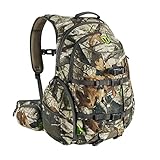
Overview: The TIDEWE Hunting Backpack (35L) is a lightweight, waterproof daypack designed for spot-and-stalk hunters. Weighing just 3.7lbs, it features Next Camo G2 patterning, a built-in rain cover, and specialized storage for rifles/bows, targeting hunters needing mobility and weather protection.
What Makes It Stand Out: The integrated rain cover—a rarity in this class—ensures gear stays dry instantly. Its channeled back panel enhances breathability, while the unique bow/rifle carry system and hydration port prioritize field usability. The 35L capacity balances space without bulk.
Value for Money: At mid-range pricing, it excels with included rain cover and thoughtful organization (multi-pocket design). It surpasses competitors lacking weatherproofing, though premium models offer superior load transfer. Justifies cost for hunters facing unpredictable conditions.
Strengths and Weaknesses: Strengths: Excellent weather readiness (rain cover + waterproof fabric), lightweight build, ergonomic breathable back panel, and versatile weapon carry. Weaknesses: Limited padding on waist belt, minimal load-transfer tech for heavy loads, and basic fabric durability vs. 600D nylon rivals.
Bottom Line: Highly recommended for hunters in wet climates needing a lightweight, organized daypack. Its rain cover and camo effectiveness offer standout value, though extended heavy-load use may demand more support.
4. PLUSINNO Hunting Backpack for Hunting Essentials, 45L Waterproof Hunting Gear with Rain Cover, & Padded Scabbard Carry System For Deer Hunt Accessories, Hunt Gift For Men

Overview: The PLUSINNO 45L Hunting Backpack is a premium, field-validated pack engineered for multi-day hunts. It combines advanced stealth technology, a 45L capacity, and an integrated rain cover, targeting serious hunters demanding all-day comfort and absolute silence in the field.
What Makes It Stand Out: Its acoustic stealth construction (noise-free zippers, quiet fabric) and foliage-mimicking camo ensure near-invisibility. The Advanced Load-Transfer Frame shifts 60%+ weight to hips, while the suspended cradle system stabilizes heavy gear. Top-lid organizers enable instant accessory access.
Value for Money: Positioned at a higher price point, it delivers exceptional value through military-grade durability (600D nylon), seamless weatherproofing, and ergonomic innovation. Outperforms similarly priced packs in load management and stealth, justifying cost for dedicated hunters.
Strengths and Weaknesses: Strengths: Unmatched stealth features, superior weight distribution, rugged weather resistance, and intuitive organization. Weaknesses: Heavier than ultralight options, complex features may overwhelm casual users, and premium price may deter budget hunters.
Bottom Line: A top-tier investment for professional or avid hunters prioritizing silence, comfort, and reliability. Its field-validated design justifies the cost for those needing a do-it-all pack for extended expeditions.
5. TIDEWE Hunting Backpack with Waterproof Rain Cover, 25L Hunting Pack, Durable Hunting Day Pack for Bow Rifle Gun (Next Camo G2)
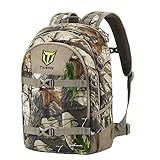
Overview: This compact 25L TIDEWE pack merges durability with stealth for bow or rifle hunters. Weighing 1.65lbs, it features Next Camo G2, a built-in rain cover, and padded scabbard system, targeting hunters needing a lightweight, organized solution for day hunts in variable weather.
What Makes It Stand Out: The 600D reinforced bottom fabric resists punctures, while buckles and straps ensure gear security. Three large front pockets and internal organizers maximize accessibility, and the ergonomic padded back/waist belt distributes weight efficiently during long treks.
Value for Money: Exceptionally priced for its feature set—rain cover, weapon carry straps, and hydration port included. It undercuts premium brands while matching their weatherproofing and organization, offering tremendous bang-for-buck for entry-to-mid-tier hunters.
Strengths and Weaknesses: Strengths: Ultra-lightweight yet tough, excellent weather protection, intuitive multi-pocket layout, and versatile weapon carry. Weaknesses: Limited capacity for multi-day trips, minimal waist support for heavy loads, and no sternum strap for stability.
Bottom Line: A superb budget-friendly choice for hunters seeking a reliable, weather-ready daypack. Its balance of features, weight, and price makes it easy to recommend, especially for bow hunters or casual adventurers.
6. AUSCAMOTEK Camo Backpacks for Hunting Accessories Fishing Hiking Camping Camouflage Bag Small Day Pack for Men - Woodland Camo
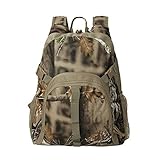
Overview: This compact 19x12x8-inch woodland camo backpack targets hunters and hikers needing lightweight, discreet gear storage. Crafted from brushed polyester with PVC water-repellent coating, it balances durability and portability for day trips.
What Makes It Stand Out: Its natural tree-leaf camouflage excels in concealment during deer or turkey hunts, while the efficient layout—featuring a large front pocket and dual water bottle sleeves—streamlines access to essentials like ghillie suits or camo netting. The woodland pattern blends seamlessly across terrains.
Value for Money: Priced affordably for its niche, it outperforms generic daypacks in hunting-specific design. Though smaller than premium alternatives, it justifies cost for casual hunters prioritizing stealth over heavy storage.
Strengths and Weaknesses:
Pros: Excellent camouflage, water-resistant fabric, comfortable padded straps with chest belt, intuitive organization.
Cons: Limited capacity for extended trips, no MOLLE compatibility, PVC coating may stiffen over time.
Bottom Line: An ideal entry-level pack for hunters needing reliable concealment and comfort on short excursions, though serious adventurers may require more storage.
7. BLISSWILL Large Hunting Backpack with padded weapon for Bow Rifle Hunting Gear Accessories 40L(New leaf camouflage)

Overview: A 40L tactical backpack engineered for hunters carrying bows, rifles, or survival gear. Its noise-cancelling polyester fabric and specialized coating offer water/scratch resistance, supporting multi-day expeditions.
What Makes It Stand Out: Unique weapon storage (bow/rifle scabbards), integrated survival kit (compass, whistle), and included rain cover/blaze flag set it apart. MOLLE loops, bullet bags, and hydration compatibility create a mission-ready system.
Value for Money: Competitive for a feature-rich 40L pack—surpassing budget models with weapon-specific design. While pricier than basic daypacks, the survival extras and durability justify investment for dedicated hunters.
Strengths and Weaknesses:
Pros: Spacious 40L capacity, ergonomic load distribution, weapon-focused compartments, survival accessories included.
Cons: Bulky for solo day hikes, no laptop sleeve, “water-resistant” claim lacks rigorous testing details.
Bottom Line: Highly recommended for hunters needing weapon integration and emergency readiness, though overbuilt for casual use.
8. TIANHAOPIJU Tactical Camo Backpack for Men Women Waterproof Durable MOLLE Backpack Camping Hunting Emergency Preparedness
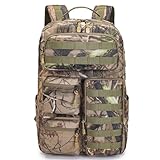
Overview: A rugged 30L (21x14x6.5-inch) tactical pack built for hunters, preppers, and military enthusiasts. Its 600D PVC construction and MOLLE webbing prioritize durability in harsh environments.
What Makes It Stand Out: Military-grade PVC resists tears and light rain, while the full MOLLE system enables customizable gear attachment. Organization shines with a 16-inch laptop sleeve, 4 front zippered pockets, and breathable mesh padding for all-day comfort.
Value for Money: Premium pricing reflects exceptional longevity—outlasting nylon alternatives in wet/abrasive conditions. The 1-year warranty and prepper-focused design deliver strong ROI for tactical users.
Strengths and Weaknesses:
Pros: Superior durability, versatile MOLLE integration, ergonomic waist belt, multi-scenario adaptability (hunting/camping/emergencies).
Cons: PVC feels less flexible than nylon, water resistance limited to showers, slightly heavier at 3.3 lbs.
Bottom Line: A top-tier choice for preppers and tactical operators demanding bombproof reliability, despite minor weight trade-offs.
9. Yaemikoo Hunting Camouflage Camo Forest Sling Backpack Crossbody Sling Bag Casual Chest Bags Travel Hiking Daypack Shoulder Bag for Women Men

Overview: A minimalist 15.3x7.2x3.5-inch sling bag merging camouflage aesthetics with urban functionality. Designed for unisex casual use, it holds daily essentials via crossbody or shoulder carry.
What Makes It Stand Out: Reversible adjustable strap (18–36 inches) and breathable mesh backing enable theft-resistant comfort. Its forest camo pattern doubles as a fashion accessory, while side mesh pockets fit water bottles up to 2.5" diameter.
Value for Money: Budget-friendly for a versatile sling—ideal for replacing purses or fanny packs. Though not a hunting-focused pack, its style-to-function ratio excels for light urban/outdoor crossover needs.
Strengths and Weaknesses:
Pros: Ultra-lightweight, stylish unisex design, theft-deterrent crossbody wear, multiple pocket types.
Cons: Extremely limited capacity (no room for hunting gear), only light rain resistance, mesh pockets lack security.
Bottom Line: Best for city commutes or short hikes—not hunting—but a stellar value for fashion-conscious minimalists.
10. Maelstrom Hunting Backpack for Men Women, Waterproof Hunting Pack with Rain Cover, Long-Lasting 35L Camo Tactical Day Pack for Rifle Bow Gun

Overview: A 35L camo daypack blending tactical utility with hunting-specific features. Reinforced 900D polyester ensures weather resilience, while hidden weapon storage caters to firearm carriers.
What Makes It Stand Out: The concealed gun scabbard and MOLLE-compatible front panel enable secure weapon transport. Included rain cover, hydration port, and ergonomic 1cm-thick mesh padding make it a weather-ready hunting companion.
Value for Money: Mid-range pricing delivers exceptional features—outclassing competitors with weapon integration at this size. The rain cover inclusion adds tangible value for all-season reliability.
Strengths and Weaknesses:
Pros: Excellent weapon storage, all-weather protection, smart 2-compartment layout, comfortable weight distribution.
Cons: Gun scabbard may not fit all rifle models, side pockets lack zippers, laptop sleeve is basic.
Bottom Line: A standout for hunters needing discreet firearm carry and storm readiness—highly recommended for serious field use.
Understanding the Unique Needs of Female Hunters
Why Standard Packs Often Fall Short
Generic hunting backpacks frequently fail women due to inherent physiological differences. The average female torso is shorter relative to overall height compared to males, meaning a pack designed for a longer torso sits too high, placing excessive pressure on the shoulders instead of the hips. Women also typically have proportionally wider hips and narrower shoulders, causing standard hip belts to ride uncomfortably high on the waist and shoulder straps to slip inward. This misalignment leads to inefficient weight transfer, significant fatigue, and potential strain on the lower back and shoulders during long hikes with heavy loads.
The Critical Role of Proper Weight Distribution
Effective weight distribution is non-negotiable for enduring comfort and stability, especially when carrying game meat or extended supplies. A properly fitted women’s pack ensures the majority of the load (70-80%) rests securely on the hips via a contoured hip belt, not the shoulders. This alignment leverages the body’s strongest skeletal structure. When a pack is designed for a female frame, the harness system – hip belt, shoulder straps, and load lifters – works synergistically to keep the load stable and close to the body’s center of gravity. This minimizes sway, reduces fatigue, and maintains balance on uneven terrain, crucial when navigating steep slopes or moving quietly through dense cover.
Beyond Size: Addressing Female Physiology
Designing for women goes far beyond simply scaling down dimensions. It requires understanding the distinct curvature of the female spine, the position of the iliac crest (hip bones), and the shape of the ribcage. Packs engineered with these factors in mind feature hip belts that wrap lower and contour more closely around the natural flare of the pelvis, shoulder straps that angle inward to accommodate narrower shoulder width and breast tissue without pressure points, and a shorter overall torso length that positions the load correctly. Ignoring these nuances results in constant adjustment, chafing, and compromised performance.
Key Features to Prioritize in a Women’s Hunting Backpack
Torso Length Measurement Essentials
Accurately measuring your torso length is the absolute foundation for finding the right fit. This isn’t your height; it’s the distance from the prominent C7 vertebra at the base of your neck (tilt your head down to find the bump) down to the top of your iliac crest (your hip bones). Use a flexible tape measure along your spine. Most manufacturers provide specific size charts based on this measurement. Selecting a pack based solely on gender labels or unisex sizing without this critical measurement is a recipe for discomfort. Always refer to the brand’s women-specific sizing chart using your actual torso length.
Hip Belt Design: The Load-Bearing Foundation
The hip belt is arguably the most critical component for women. Look for belts specifically molded or padded to cradle the wider, more curved female pelvis, sitting securely on the iliac crest without riding up onto the waist. Adequate padding (not excessive bulk) and a contoured shape that follows the hip line are essential. The belt should have a wide, stable platform that distributes weight evenly across the hip bones. Ensure the buckle placement allows for easy adjustment while wearing heavy layers, and that the belt wraps sufficiently around the front without gaping or causing pressure points. This is where the pack lives – it must feel like a natural extension of your body.
Shoulder Strap Configuration for Narrower Frames
Shoulder straps on women’s packs should feature a narrower top width and a distinct inward angle to match the natural slope and convergence of female shoulders. They should sit comfortably across the top of the shoulders without digging into the neck or slipping off. Look for plush, breathable padding that contours without excessive bulk. Adjustable load lifters (the straps connecting the top of the shoulder straps to the pack frame) are vital for fine-tuning the angle of the shoulder straps and pulling the top of the load closer to the body, optimizing stability and preventing shoulder strain. The sternum strap should also be adjustable vertically to sit comfortably across the chest.
Material and Construction Considerations
Weather Resistance and Durability Balance
Hunting exposes gear to relentless elements – driving rain, abrasive brush, and sharp branches. Prioritize packs constructed from high-denier, abrasion-resistant fabrics (like 500D or higher polyester or nylon) with robust water-resistant coatings or laminates. Fully taped seams significantly enhance weatherproofing for the main compartment and critical areas like the rain cover storage pocket. However, avoid overly heavy materials that add unnecessary bulk; modern lightweight, high-tenacity fabrics offer excellent durability without the weight penalty. Consider if a dedicated, integrated rain cover is included – a valuable feature often overlooked.
Ventilation Systems for Extended Wear
Carrying heavy loads generates significant heat and sweat, especially during strenuous climbs. Look for backpacks featuring a suspended back panel system. This creates an air channel between the pack and your back, promoting airflow and dramatically reducing moisture buildup and heat retention. Mesh panels alone aren’t sufficient; the key is the structured gap created by tensioned mesh or spacer fabric attached to a frame sheet. Effective ventilation is crucial for maintaining core temperature and comfort during long days in varying conditions, preventing the clammy, uncomfortable feeling that plagues many hunters.
Frame Type: Internal vs. External for Stability
Most modern hunting packs utilize internal frames, which provide excellent load stability, a lower profile for maneuvering through tight spaces, and keep the load close to the body for better balance. High-quality internal frames often incorporate aluminum stays or composite rods within a padded harness for structure and weight transfer. While less common now, some hunters prefer the simplicity and maximum ventilation of minimalist external frames, though these can be less stable with heavy, irregular loads like game meat. For most women hunters prioritizing stability and close load carry, a well-designed internal frame system integrated into a women’s-specific harness is generally the superior choice.
Organization and Functional Design Elements
Essential Compartment Layout and Accessibility
Thoughtful organization prevents frustration in the field. A main compartment with a large U-shaped or clamshell opening allows easy access to the entire contents, crucial when packing out game meat. Look for a dedicated, easily accessible hydration sleeve (top or side-loading) that doesn’t require unpacking everything. Critical small items like calls, knives, or first-aid supplies should have secure, intuitive pockets – think fleece-lined sunglass pockets, stretch mesh side pockets for water bottles, and multiple secure zippered pockets on the hip belt and shoulder straps. Avoid overly complex internal organization that hinders quick access to bulky items.
Game hauling systems: Integrated and Secure
The ability to efficiently carry game meat is non-negotiable. Seek packs with robust, integrated meat hauling systems. This typically means reinforced external compression straps (often with daisy chains or haul loops) designed to secure a game bag or cape directly to the pack frame, keeping the load stable and off your back. Some models feature dedicated external meat pockets or framesheets with specific tie-out points. Ensure the system allows the meat load to be positioned low and centered for optimal balance, maintaining the pack’s stability even when fully loaded with game.
Tool Attachment Points and Security
Hunters carry more than just meat. Reliable attachment points for essential tools are vital. Look for multiple reinforced gear loops, daisy chains, or MOLLE/PALS webbing on the front, sides, and bottom of the pack. These allow secure attachment of items like trekking poles, ice axes, tree stands, or additional gear canisters without them swinging or snagging. Ensure buckles and webbing are high-strength and designed for the stresses of hunting. Straps should be long enough to accommodate bulky items but feature secure closures (like Hypalon-reinforced buckles) to prevent accidental release.
Safety and Stealth Features
Blaze Orange Integration for Visibility
Hunter orange is a critical safety requirement in many regions. While some prefer separate vests, integrated blaze orange features offer convenience and ensure visibility. Look for packs with removable blaze orange rain covers, or panels that can be flipped out or attached quickly. Some models incorporate blaze orange into the hip belt webbing or shoulder strap accents. Ensure any integrated solution meets your local regulatory requirements for square inches of visible orange and is easily deployable when needed, without compromising the pack’s primary function.
Silent Materials and Construction
Noise is the enemy of the hunt. Pay close attention to the materials used for zippers, buckles, and fabric. Opt for packs utilizing silent, matte-finish fabrics that minimize rustling sounds against brush or clothing. Look for zippers with fabric garages or silent pulls, and buckles designed to click softly or silently. Avoid packs with excessive loose webbing, noisy plastic components, or stiff fabrics that crackle. Every zipper pull and strap adjustment should be as quiet as possible to avoid spooking game at critical moments.
Emergency Preparedness Storage
Safety in the backcountry means being prepared. Ensure your pack has dedicated, easily accessible storage for essential emergency items. This includes a secure pocket for a whistle, a readily available first-aid kit compartment (not buried in the main pack), and space for emergency shelter (like a bivy sack) that can be accessed quickly without unpacking everything. Reflective accents on straps or the pack body can also enhance visibility in low-light situations if you need assistance.
Making the Right Choice for Your Hunting Style
Matching Pack Capacity to Your Typical Hunts
Capacity is dictated by your hunt duration and objectives. Day hunts might only require 1500-2500 cubic inches for essentials and a small game load. Overnighters need 2500-3500+ cubic inches to accommodate sleep systems and extra food. Multi-day expeditions or big game hunts where you’ll pack out significant meat demand 3500-5000+ cubic inches. Crucially, choose a capacity that fits your most common hunt; a pack that’s too large is cumbersome when lightly loaded, while one too small forces dangerous overstuffing. Consider if the pack has compression straps to manage volume when not fully loaded.
Considering Seasonal and Environmental Demands
Your hunting environment heavily influences pack needs. Wet climates demand exceptional weatherproofing and ventilation. Cold weather hunts might require easier access to layers without removing the pack, favoring top or front-loading designs. Dense timber necessitates a lower profile pack with secure, snag-free attachment points. High-altitude or steep terrain demands exceptional stability and weight distribution. Think about the specific challenges of your hunting grounds – will you face heavy brush, deep snow, or scorching heat? Prioritize features that directly address those conditions.
The Non-Negotiable: Trying It On Fully Loaded
Never buy a hunting backpack based solely on specs or online reviews, especially for women-specific fit. Visit a retailer with a wide selection. Load the pack with 20-30 pounds of weight (use sandbags or water bottles) to simulate a hunting load. Adjust the hip belt first – it must sit squarely on your iliac crest. Then adjust the shoulder straps and load lifters. Walk around, bend, squat, and mimic shooting positions. Does the weight feel centered on your hips? Do the shoulder straps pull inward without digging? Does the pack stay stable? Pay attention to any pressure points. Comfort when loaded is paramount; an empty pack tells you nothing about real-world performance.
Frequently Asked Questions
Frequently Asked Questions
How do I accurately measure my torso length for a hunting backpack? To measure your torso length, locate the C7 vertebra (the prominent bump at the base of your neck when you tilt your head down) and the top of your iliac crest (your hip bones). Using a flexible tape measure, follow the natural curve of your spine between these two points. This measurement, not your height, is key for selecting the correct pack size using the manufacturer’s women-specific sizing chart.
Why is a women’s-specific hip belt so important compared to a unisex one? Women’s hip belts are contoured to fit the wider, more curved shape of the female pelvis, sitting securely on the iliac crest rather than riding up onto the narrower waist. A properly fitted women’s hip belt distributes the pack’s weight efficiently onto the strongest part of your body, preventing discomfort, slippage, and lower back strain that occurs when a unisex belt is too narrow or incorrectly shaped.
Can I use a men’s backpack if I adjust the straps tightly? While possible in some cases, it’s generally not advisable. Men’s packs are built for longer torsos, narrower hips, and broader shoulders. Tightening straps on a mis-sized pack often creates pressure points, poor weight distribution (shifting load to shoulders), and instability, leading to significant fatigue and discomfort on long hunts. A women’s-specific design addresses the root anatomical differences.
What capacity backpack do I need for a typical 3-day elk hunt? For a 3-day elk hunt where you’ll pack out significant meat, a capacity of 3500 to 4500 cubic inches is typically necessary. This provides enough space for your basecamp gear, food, and the substantial volume required for meat packing, especially when combined with an effective external hauling system. Always prioritize fit over maximum capacity.
How critical is ventilation in a hunting backpack? Ventilation is extremely critical for comfort and endurance. A suspended back panel system that creates an air channel between the pack and your back significantly reduces heat buildup and sweat accumulation, especially during strenuous activity or in warm conditions. This prevents the clammy, uncomfortable feeling that can distract you and sap energy on long hikes.
Should I prioritize a top-loading or panel-loading main compartment? Panel-loading (clamshell) designs offer vastly superior organization and access to the entire main compartment, making it much easier to pack efficiently and retrieve items buried at the bottom – crucial when dealing with game meat or repacking daily. While top-loaders can be slightly lighter, the organizational benefits of a good panel-loader usually outweigh this for most hunting scenarios.
What makes a good game hauling system on a hunting backpack? A good system features robust, reinforced attachment points (like haul loops, daisy chains, or dedicated meat pockets) integrated directly with the pack’s frame. It should allow the meat load to be secured low and centered for optimal balance, keeping it stable and off your back. Look for easily adjustable straps designed to handle heavy, irregular loads without compromising the pack’s overall stability.
How do I know if the shoulder straps fit correctly? Properly fitted women’s shoulder straps should sit flat across the top of your shoulders without slipping off or digging into your neck. They should angle inward to match your shoulder slope, with the top of the strap ending near the outside of your shoulder joint. When loaded, minimal weight should rest on your shoulders; the hip belt should bear the primary load, with straps mainly stabilizing the top of the pack.
Is a built-in rain cover worth the extra weight? For most hunters, yes. A dedicated, integrated rain cover stored in its own pocket provides immediate, reliable protection for your gear during unexpected downpours, far superior to makeshift solutions. The minimal weight penalty (usually 8-12 oz) is a small price to pay for keeping critical items like clothing, food, and electronics dry in wet conditions.
Can I adjust a women’s-specific pack if my torso length is between sizes? While minor adjustments are possible via load lifters and shoulder straps, the fundamental torso length of the pack frame is fixed. If you’re truly between sizes, it’s generally better to size down for a women’s pack, as a slightly short torso can often be managed better than a pack that’s too long, which will ride too high and prevent proper hip belt loading. Always try both sizes if possible when loaded.
Related Buying Guides
- 10 Affordable Hunting Backpacks That Don’t Sacrifice Durability in 2026
- 10 Affordable Hunting Backpacks That Don’t Sacrifice Quality in 2026
- The 10 Best Bow Hunting Backpacks for Archery Hunters in 2026
- 10 Best Budget Hunting Backpacks Under $100 for Beginners in 2026
- 10 Best Budget Hunting Backpacks Under $100 for First-Time Hunters in 2026