Table of Contents
There’s something uniquely challenging about hunting geese in agricultural fields. Unlike water setups where birds naturally congregate, field hunting requires you to recreate a convincing scene that suggests safety, food, and social acceptance. The right spread can pull distant flocks from their high-altitude travel corridors down to your location, while the wrong setup sends them flaring before they’re even in range. As we look toward 2026, decoy technology continues evolving with better materials, more realistic paint applications, and designs that account for how geese actually behave in feeding environments.
Choosing decoys for agricultural applications isn’t just about picking what looks good in a product photo—it’s about understanding how these tools function in real-world scenarios involving mud, frost, wind, and the discerning eyes of mature birds. Your spread needs to withstand being transported across rough farm roads, set up in pre-dawn darkness, and endure whatever weather conditions the season throws at you. This comprehensive guide breaks down everything you need to evaluate when building or upgrading your agricultural field decoy spread for the upcoming season.
Top 10 Goose Decoys
Detailed Product Reviews
1. Final Approach Last Pass Canada Goose Floater Decoys, 6 Pack

Overview: The Final Approach Last Pass floater decoys bring championship-level artistry to your water spread. Designed by world champion carver Wayne Simkin, these one-piece decoys prioritize durability and proven performance. The six-pack provides a solid foundation for hunters targeting Canada geese on ponds, lakes, and rivers where floating decoys are essential.
What Makes It Stand Out: Wayne Simkin’s carving expertise gives these decoys authentic profiles that catch birds’ eyes from above. The one-piece construction eliminates weak connection points that plague two-piece designs, while the weighted keel with cord lock ensures stability in choppy conditions. This is workhorse gear built for hunters who value reliability over gimmicks.
Value for Money: Priced in the mid-range for floater decoys, you’re paying for professional design without premium brand markup. Comparable to basic floaters in cost but superior in durability and pedigree. The FA construction means fewer replacements, saving money long-term. Six decoys offer enough for a starter spread or to supplement existing sets.
Strengths and Weaknesses: Strengths include championship-grade carving, bombproof one-piece design, excellent water stability, and simple maintenance. Weaknesses are limited motion capabilities, minimal posture variety within the pack, and paint detail that lags behind ultra-premium brands. The cord lock system can freeze in extreme cold, requiring occasional de-icing.
Bottom Line: Ideal for water hunters wanting proven durability and professional design without premium pricing. These decoys won’t dazzle with hyper-realism but will reliably fill your spread season after season, making them a smart investment for serious hunters.
2. Avery GHG Hunter Series Canada Harvester Goose Full Body Pack Decoys | Bodies with Flocked Heads, RealMotion Stakes (71597)

Overview: The Avery GHG Hunter Series Harvester Pack delivers serious realism for field hunters targeting Canada geese. This six-pack includes four feeders, one rester, and one active decoy, each featuring flocked heads and anatomically precise bodies. Designed for hunters who demand detail and durability in their spread.
What Makes It Stand Out: Avery’s PermaLoc threaded stud system virtually eliminates head breakage, a common frustration with full-body decoys. The RealMotion stakes create subtle, lifelike movement in light winds, adding authenticity without requiring wind socks. High-resolution feather detailing provides true-to-life appearance from both aerial and ground perspectives.
Value for Money: Positioned in the premium tier, these decoys justify their price through innovative engineering and durability. The flocked heads and motion stakes alone add significant value compared to static decoys. While pricier than entry-level options, the season-after-season reliability makes this a worthwhile investment for dedicated hunters.
Strengths and Weaknesses: Strengths include exceptional realism, secure head attachment, natural motion system, and durable paint adhesion. The variety of postures creates a convincing spread. Weaknesses include premium pricing that may deter casual hunters, stakes that can bend in frozen ground, and the need for careful transport despite PermaLoc. Only six decoys limits spread size.
Bottom Line: Perfect for serious waterfowl hunters prioritizing realism and durability. The Harvester Pack excels in creating lifelike spreads that fool educated birds. The investment pays dividends in reduced replacement costs and increased hunting success.
3. VEVOR Canada Goose Decoys, Outdoors Goose Decoy for Waterfowl Hunting, Durable Plastic Floaters with Ultra Realistic Paint, for Pool, Pond, Lake, Garden Yard Decoration, Easy to Carry and Use, 6-Pack

Overview: VEVOR’s six-pack decoys target budget-conscious hunters and decorators alike. These XPE foam decoys feature bionic painting technology and compress for transport. The set includes three standing alert and three resting geese, designed for both waterfowl hunting and ornamental pond use, weighing just 3.53 pounds total.
What Makes It Stand Out: The compression storage capability is revolutionary—fold these decoys flat and pack them in a backpack. The high-density XPE material remains pliable to -40°C, eliminating cracking issues of traditional plastics. At under four pounds for six decoys, carrying a dozen into remote spots becomes effortless.
Value for Money: Exceptional value for beginners or those needing supplemental decoys without major investment. Priced significantly below traditional floaters, they double as yard decorations, increasing utility. While not professional-grade, they cost a fraction of premium brands, making experimentation affordable.
Strengths and Weaknesses: Strengths include extreme portability, lightweight design, cold-weather durability, and dual-purpose functionality. The bionic paint offers surprising detail for the price. Weaknesses include less durability than hard plastic, potential paint fading, and foam construction that may not fool wary birds. Longevity in heavy use remains unproven.
Bottom Line: Best for budget hunters, beginners, or those wanting pond decorations that can occasionally hunt. Don’t expect to fool heavily pressured birds, but for casual hunting or training, these offer unbeatable portability and value.
4. Avian X AXP Honkers Fusion Pack Full Body Canada Goose Decoys with Ultra Realistic Paint, Flocked Heads, 1 Sentry, 2 Walkers, and 3 Feeders, Set of 12
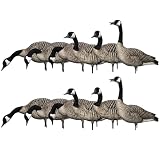
Overview: The Avian X AXP Honkers Fusion Pack represents the pinnacle of full-body decoy technology. This twelve-pack includes varied postures—sentry, walkers, and feeders—with factory-attached flocked heads. Designed for hunters demanding maximum realism and convenience, these decoys create dynamic, convincing spreads that fool even the wariest Canada geese in high-pressure areas.
What Makes It Stand Out: Factory-attached flocked heads eliminate setup time and lost hardware completely. The heavy-duty motion bases collapse into the bodies for compact storage despite being full-body decoys. The variety of six unique postures, including stretch-neck and juvenile poses, creates unmatched spread diversity right out of the box, mimicking natural flock behavior.
Value for Money: Premium pricing is offset by twelve decoys and significant time-saving features. The convenience factor—no bagging/unbagging—saves precious hunting time during critical dawn hours. While expensive, the durability and realism rival hand-carved decoys at a fraction of the cost, offering solid long-term value for serious hunters who hunt frequently.
Strengths and Weaknesses: Strengths include exceptional realism, posture variety, convenient collapsing bases, ready-to-use design, and superior paint adhesion. Weaknesses include high upfront cost, significant weight for transport, and substantial storage space requirements. The motion bases, while innovative, can collect mud and debris in wet conditions.
Bottom Line: The ultimate choice for dedicated hunters seeking premium realism and convenience. If budget allows, the AXP Honkers deliver unmatched authenticity and time-saving design that translates to more successful hunts and less pre-dawn frustration.
5. Final Approach HD Full Body Lesser Canada Goose Decoys, 12 Pack

Overview: Final Approach’s HD Full Body Lesser Canada decoys deliver bulk quantity with upgraded features for serious hunters. This twelve-pack utilizes rugged HDPE plastic and an improved paint scheme for enhanced realism. The Zero Gravity Motion System and dual-locking head connections address common failure points, creating workhorse decoys for hunters needing large, reliable spreads in field settings.
What Makes It Stand Out: The Zero Gravity Motion System provides subtle, realistic movement without complex mechanical parts that can fail. Dual-locking head connections virtually eliminate head loss—a frequent frustration with full-body decoys. Using HDPE plastic ensures exceptional impact resistance and longevity. The twelve-pack size lets hunters build substantial spreads economically without piecing together multiple sets.
Value for Money: Excellent value for hunters needing quantity without sacrificing core quality. Mid-premium pricing for twelve full bodies beats buying multiple six-packs from competitors. The durable construction reduces long-term replacement costs. While paint detail isn’t ultra-premium, the motion system and head security add value comparable to higher-priced competitors.
Strengths and Weaknesses: Strengths include bulk quantity, durable HDPE construction, secure head attachment, effective motion system, and good stability in wind. Weaknesses include limited posture variety within the set, paint that may chip with heavy use, considerable weight for transport, and substantial storage space requirements. The “lesser” sizing may not suit all hunting situations or regional goose subspecies.
Bottom Line: A smart choice for hunters building large spreads on moderate budgets. These decoys prioritize durability and quantity over hyper-realism. Perfect for outfitters or hunters needing reliable performance across extensive spreads without paying premium prices for each dozen.
6. Higdon Outdoors Full-Size Half Shell Canada Goose Decoys for Waterfowl Hunting | 6pk

Overview: The Higdon Outdoors Half Shell Canada Goose Decoys offer a pragmatic balance between realism and portability that serious waterfowl hunters will appreciate. This six-pack features a clever half-shell design that reduces weight and bulk while maintaining impressive visual authenticity from above. Each decoy measures 21 inches breast-to-tail, making them full-size where it counts for attracting wary birds. The removable head system provides four distinct postures across the set, allowing you to create dynamic, natural-looking spreads that adapt to different hunting scenarios and wind conditions.
What Makes It Stand Out: The standout feature is the removable head system with its variety: one Tru Sentry, one Rester, two Tru Walkers, and two Feeders. This versatility lets you reconfigure your spread without buying additional decoys. The award-winning wildlife carver’s feather detailing combined with Higdon’s proprietary UV painting process creates exceptional realism that minimizes glare and highlights individual feathers. Stackability is another major advantage—these lightweight decoys (21-24 ounces each) nest together efficiently, making it feasible to transport several dozen in a single trip.
Value for Money: Priced in the mid-range for quality decoys, these half-shells deliver 80% of the realism of full-body decoys at roughly half the weight and bulk. For hunters who walk long distances or hunt public land where mobility is key, the transport savings alone justify the investment. Compared to economy decoys, the superior paint adhesion and carving detail ensure these last multiple seasons without significant fading.
Strengths and Weaknesses: Strengths: Excellent feather detail and UV paint finish; versatile removable heads; lightweight and highly portable; stable in wind; stackable design saves space. Weaknesses: Half-shell design less effective in low-angle light; removable heads can be lost in thick mud or tall grass; slightly less imposing profile than full-bodied decoys at long distances.
Bottom Line: These decoys are ideal for mobile hunters prioritizing portability without sacrificing realism. If you hunt varying terrain and need to adapt your spread quickly, the Higdon Half Shells deserve a spot in your decoy bag.
7. Flambeau Outdoors Storm Front 2 Canada Goose Decoy, 8091SHU Classic Floaters (4-Pack)
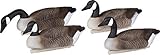
Overview: The Storm Front 2 series represents Flambeau’s commitment to merging scientific realism with bulletproof durability. This four-pack of oversized 24-inch floating Canada Goose decoys is purpose-built for water hunts where authentic on-the-water posture is critical. Each decoy features a proprietary keel design with four tie-off points, enabling versatile rigging configurations that create natural motion in wind or current. The high-definition paint scheme, developed with UVision technology, replicates the exact ultraviolet reflectance of real goose plumage.
What Makes It Stand Out: The patented UVision paint technology is the game-changer here—it’s not just visually accurate to human eyes, but scientifically calibrated to match how geese actually see UV light, making these decoys exceptionally convincing. The master-carver pedigree (Christie, Van Lanen, Smoker) ensures anatomical precision. The keel system is brilliantly engineered: four anchor points plus a depth-adjusting eyelet let you fine-tune presentation for anything from shallow marshes to deep water, while preventing line twist.
Value for Money: While a four-pack may seem limited, these are premium floaters built to withstand seasons of abuse. The durability means fewer replacements, and the oversized profile increases visibility for distant birds. Compared to budget floaters that fade and crack, the UVision paint retains its properties longer, making this a smarter long-term investment for dedicated water hunters.
Strengths and Weaknesses: Strengths: Scientifically advanced UVision paint technology; excellent keel design with multiple rigging options; oversized for maximum visibility; rotatable flocked heads add realism; rugged construction withstands ice and debris. Weaknesses: Only four decoys per package—building a large spread gets expensive; floating design limits use to water; flocked heads require careful handling to prevent wear.
Bottom Line: For waterfowlers who hunt primarily over water, these are among the most technologically advanced floaters available. The UVision technology and superior motion capabilities justify the premium price for serious hunters.
8. Avery GHG Pro-Grade Silhouette Goose Decoys – Realistic, Stackable Decoys with Steel Stakes (Dozen, 6 Poses), Canada Goose w/Flocked Heads

Overview: Avery’s GHG Pro-Grade Silhouettes redefine what’s possible from a flat decoy. This dozen-pack delivers photographic-level realism through high-definition image printing on durable, flexible material. Each decoy features a matte, glare-free finish that prevents flaring on bright days—a common silhouette weakness. The set includes six distinct poses, creating natural flock dynamics. The integrated flocked heads add critical three-dimensional detail where it matters most, while the one-piece steel stakes with double-pronged feet enable rapid deployment in any ground condition.
What Makes It Stand Out: The photographic printing process captures subtle feather details and natural color variations that hand-painting simply cannot replicate. Combined with the matte finish, these decoys eliminate the “shiny cardboard” effect that ruins lesser silhouettes. The steel stakes are a revelation: ergonomic grab handles and aggressive double-prongs let you push them into frozen ground without tools, while remaining rock-solid in high winds. The stackable design is space-efficient—this entire dozen packs flatter than two full-body decoys.
Value for Money: A dozen decoys at this price point offers exceptional value, costing significantly less than six full-body decoys while providing twice the numbers. For hunters needing large spreads on a budget, silhouettes are the only practical choice, and these are the premium option in their class. The durable construction ensures multiple seasons of use, maximizing ROI.
Strengths and Weaknesses: Strengths: Unmatched photographic realism; effective matte finish eliminates glare; flocked heads enhance realism; incredibly portable and stackable; robust steel stakes work in any terrain; six realistic poses. Weaknesses: Silhouettes inherently lack 3D depth at close range; flocked heads can wear with rough handling; less effective in extremely flat, open terrain without elevation changes.
Bottom Line: These are the best silhouettes money can buy. If you need to build a large, realistic spread without breaking your back or budget, the Avery GHG Pro-Grade with flocked heads is the clear winner.
9. Avery GHG Pro-Grade Silhouette Goose Decoys – Realistic, Stackable Decoys with Steel Stakes (Dozen, 6 Poses), Canada Goose

Overview: This version of Avery’s GHG Pro-Grade Silhouettes delivers the same exceptional photographic realism and field-proven performance as its flocked-head sibling but at a more accessible price point. The dozen-pack features identical high-definition Canada goose imagery printed on durable, flexible material with a glare-reducing matte finish. Six distinct poses create convincing flock movement, while the signature one-piece steel stakes with double-pronged feet ensure quick, secure placement in diverse ground conditions from soft mud to frozen earth.
What Makes It Stand Out: The core innovation remains the photographic printing technology that captures intricate feather detail and natural color gradients impossible to achieve with traditional paint. The matte finish is critical—it eliminates the reflective glare that makes birds flare from conventional silhouettes. The steel stake system is genuinely best-in-class, allowing hunters to deploy an entire dozen in minutes without carrying a mallet. The stackable design is a game-changer for mobile hunters, letting you transport 48+ decoys in the space of four full-bodies.
Value for Money: This non-flocked version offers nearly identical performance at a lower cost, making it the smart choice for hunters building large spreads on tight budgets. You sacrifice a small amount of head realism but maintain all the advantages of photographic bodies and superior stakes. Compared to economy silhouettes, these last longer and look dramatically more realistic, making the modest up-front premium worthwhile.
Strengths and Weaknesses: Strengths: Exceptional photographic body detail; effective non-glare matte finish; same robust steel stakes as premium version; highly portable and stackable; rapid deployment; six natural poses included. Weaknesses: Printed heads lack the 3D realism of flocked versions; silhouette limitations remain (reduced depth perception); matte finish may scuff if dragged on pavement.
Bottom Line: If the flocked-head version stretches your budget, this model delivers 90% of the performance for significantly less. Perfect for hunters who prioritize quantity and portability without sacrificing core realism.
10. Heerweiyi Realistic Specklebelly Goose Decoys - Durable and Detailed Hunting Decoy Set with Lifelike Feather Patterns - 6-Pack Floating Water for Outdoor Sports and Waterfowl Hunting

Overview: Heerweiyi’s Specklebelly Goose Decoys fill a niche for hunters targeting this specific species or seeking affordable, multi-purpose waterfowl representations. This six-pack of floating decoys is constructed from lightweight EVA foam, making them exceptionally buoyant and easy to transport. Each decoy features printed feather patterns and natural coloring based on actual specklebelly geese, with dimensions of 53x23x28 cm (approximately 21x9x11 inches). While marketed for hunting, their versatility extends to wildlife photography, education, and pond decoration.
What Makes It Stand Out: The EVA foam construction is the defining characteristic—it’s nearly unsinkable, highly resistant to waterlogging, and won’t crack in freezing temperatures like rigid plastics might. The specklebelly-specific design distinguishes these from generic goose decoys, offering species-specific targeting for hunters in the Pacific and Central Flyways. Their multi-use functionality makes them attractive for casual users who want decoys that double as attractive pond ornaments during the off-season.
Value for Money: These are budget-friendly decoys that cost a fraction of premium brands. For new hunters testing the sport or those needing filler decoys to supplement a primary spread, the price is compelling. However, the lower cost reflects simpler manufacturing—printed patterns rather than hand-painted detail, and EVA foam instead of high-density polyethylene. They deliver adequate performance for the money but don’t expect the longevity of premium options.
Strengths and Weaknesses: Strengths: Extremely affordable; lightweight and easy to carry; unsinkable EVA foam construction; species-specific specklebelly design; versatile for hunting or decoration; waterproof and weather-resistant. Weaknesses: Printed details lack depth and realism of carved decoys; EVA foam prone to punctures and UV degradation over time; not suitable for dry field hunting; limited pose variety; paint may fade faster than premium UV-resistant finishes.
Bottom Line: These are entry-level decoys best suited for beginners, casual hunters, or as supplemental floaters. Serious waterfowlers will want to invest in more realistic options, but for the price, they provide acceptable water performance.
Understanding Agricultural Field Hunting Dynamics
Agricultural fields present a completely different hunting environment than traditional water setups. The open terrain, varying crop stubble, and constant wind exposure create unique challenges that directly impact decoy performance. Geese feeding in fields are hyper-aware of their surroundings, scanning for threats from ground level and above. Your spread must account for this heightened vigilance while appearing natural enough to convince wary birds to commit.
The psychology of field-hunting success revolves around three key elements: visibility from altitude, realism at close range, and natural spacing that mimics actual feeding behavior. Agricultural settings typically offer longer sight lines, meaning your decoys need to be convincing from hundreds of yards away while maintaining detail when birds circle for a closer look. Understanding these dynamics helps you prioritize features that matter most in farm field applications.
Visibility and Contrast in Open Terrain
Open fields lack the visual breaks that water or timber provide, making silhouette and color contrast critical factors. Decoys must stand out against varying backgrounds—from cut corn stubble to wheat fields to bare dirt—without appearing unnatural. The best field setups use this visibility to their advantage, creating patterns that catch light and movement in ways that signal “geese” to passing flocks from extreme distances.
Feeding Behavior Replication
Geese in agricultural fields exhibit specific behaviors that your spread should replicate. They feed in family groups, with sentries watching while others eat. They land into the wind but will face multiple directions once on the ground. They create loose, irregular patterns rather than rigid formations. Your decoy selection should allow you to recreate these natural behaviors convincingly.
Key Decoy Features for Farm Field Success
When evaluating decoys specifically for agricultural use, certain features move to the top of your priority list. These characteristics directly impact how effective your spread will be in the unique conditions that field hunting presents. Focus on attributes that enhance realism, durability, and practical deployment in farm environments.
Realism in Body Postures
Modern decoys offer increasingly sophisticated body positions that capture the nuanced behaviors of feeding geese. Look for variations that include head-down feeding positions, upright sentry postures, and relaxed resting stances. The diversity of postures within your spread creates visual authenticity that flat, uniform decoys simply cannot match. In agricultural settings where birds have extended viewing time, these details become magnified in importance.
Paint Durability and UV Resistance
Field decoys face brutal conditions—scorching sun, freezing temperatures, abrasive crop stubble, and constant handling. Paint that chips or fades after one season destroys the realism you’ve invested in. UV-resistant coatings prevent colors from washing out under intense sunlight, maintaining the proper contrast ratios that make decoys visible from distance. Evaluate paint thickness, adhesion quality, and whether the manufacturer specifically addresses UV protection in their specifications.
Base Design and Stability
Nothing looks more unnatural than a decoy that won’t stay upright in wind or tips over in soft ground. Agricultural fields often have uneven terrain, muddy conditions, and persistent winds. Decoy bases should provide stable platforms without being so heavy they become transportation nightmares. Ground stakes need to penetrate firm soil and hold securely, while the overall design should prevent tipping even when geese land nearby and create wing-wash turbulence.
Decoy Types and Configurations for Fields
The type of decoy you choose fundamentally shapes how you can deploy your spread. Each category offers distinct advantages and trade-offs for agricultural applications. Understanding these differences helps you build a versatile system that adapts to various field conditions and hunting scenarios.
Full Body Decoys
Full body decoys provide unmatched realism, especially for finishing birds at close range. Their three-dimensional presence creates convincing shadows and profiles from any angle, crucial when geese circle multiple times. For agricultural fields, look for models with detachable heads and bodies that simplify transport. The weight and bulk of full bodies require more effort to deploy, but the visual payoff often justifies the extra work, particularly for targeting educated birds late in the season.
Shell Decoys
Shell decoys offer an excellent compromise between realism and portability. These half-body designs sit directly on the ground, creating natural-looking profiles while reducing weight and storage space. In fields with short stubble or bare ground, shells can be positioned to appear as resting or feeding birds. Their lower profile makes them less visible from extreme distance, so they’re often best used as filler decoys within a larger spread anchored by full bodies.
Silhouette Options
Silhouette decoys provide maximum numbers with minimum weight and storage requirements. Modern silhouettes feature double-sided printing with different images on each side, reducing the “spinning billboard” effect of older designs. While they lack three-dimensional realism up close, their profile visibility from distance makes them excellent for creating large spreads that attract attention. In agricultural fields, silhouettes work well as outer ring decoys to create the illusion of a large flock.
Material and Construction Considerations
The materials used in decoy manufacturing directly impact longevity, realism, and performance in field conditions. As we move into 2026, advances in polymer chemistry and molding techniques continue pushing the boundaries of what’s possible in decoy construction.
Advanced Plastic Compounds
High-density polyethylene and specialized ABS plastics dominate premium decoy construction. These materials resist cracking in extreme cold and won’t warp in summer heat. Thicker wall construction adds durability but also weight, creating a trade-off you’ll need to evaluate based on your physical capabilities and hunting style. Some manufacturers now use multi-density plastics, with thicker sections in high-stress areas and thinner walls in body panels to optimize the strength-to-weight ratio.
Foam Core Technologies
Emerging foam core construction methods sandwich rigid foam between plastic shells, creating decoys that are incredibly lightweight yet structurally sound. This technology proves especially valuable for hunters who need to hike long distances or deploy large spreads solo. The foam core also provides insulation, preventing condensation buildup inside the decoy that can lead to paint degradation and mold growth during storage.
Size and Realism Factors
The physical dimensions of your decoys and the level of detail they exhibit play crucial roles in agricultural field success. Geese have excellent vision and can spot inconsistencies from surprising distances. Understanding how size and realism work together helps you make informed decisions.
Proportional Sizing and Flock Variation
Using decoys of slightly varied sizes mimics the natural size differences between juvenile and adult birds. Some manufacturers offer “jumbo” or “magnum” sizes that increase visibility for distant birds, while standard sizes provide realism for close-in work. A mixed-size spread creates depth and visual interest that uniform sizing cannot replicate. Consider how different sizes will work together in your specific field conditions.
Feather Detail and Texture
Modern molding techniques can replicate individual feather groups, creating texture that catches light naturally. This detail matters most for birds circling at moderate distances, where smooth, featureless decoys can appear unnatural. Look for decoys with defined primary feathers, tail fan details, and head texture that breaks up artificial shine. In agricultural fields where sunlight is unobstructed, this texture helps decoys absorb and reflect light more naturally.
Portability and Setup Efficiency
Agricultural field hunting often involves long walks across soft ground, navigating fences, and setting up in pre-dawn darkness. Your decoy system’s portability directly impacts how many you can deploy and how quickly you can get ready. Efficiency becomes especially critical during short morning flights when every minute of legal shooting time counts.
Weight Reduction Features
Every ounce matters when you’re carrying dozens of decoys across a quarter-mile of plowed field. Look for hollow construction, removable components, and materials that shed water weight. Some designs incorporate carrying handles or strap attachment points that make them easier to transport in bulk. Consider the total weight of a dozen decoys plus bases and stakes when evaluating your physical limits.
Stackable and Nestable Designs
Decoys that stack together reduce storage volume and prevent shifting during transport. Interlocking designs keep stacks stable in your trailer or truck bed. For full body decoys, removable heads allow bodies to nest inside each other, dramatically reducing the space needed for storage. This feature becomes invaluable when you’re running large spreads or need to keep your decoys organized between hunts.
Weather Resistance and Durability
Agricultural fields expose decoys to some of the harshest conditions they’ll face. From early season heat and dust to late season ice and snow, your spread needs to perform reliably regardless of weather. Durability directly correlates to long-term value and consistent performance.
Cold Weather Performance
Late season hunting often means temperatures well below freezing. Plastics become brittle in extreme cold, leading to cracks and breaks from minor impacts. Premium decoys use cold-impact-resistant formulations that maintain flexibility even in sub-zero conditions. Test flexibility by gently flexing the decoy body—quality models should have some give without feeling brittle. Paint adhesion also suffers in temperature extremes, so look for models specifically tested in cold conditions.
Moisture and Mold Prevention
Dew, rain, and melting snow create moisture problems that lead to paint bubbling and mold growth. Decoys should drain completely when stored upright, with no water-trapping cavities. Ventilation holes in the body allow air circulation during storage, preventing the musty smell that can spook geese. Some designs incorporate antimicrobial treatments in the plastic that inhibit mold and mildew growth, extending the usable life of your spread.
Flock Behavior and Spacing Strategies
How you arrange your decoys matters as much as which decoys you choose. Understanding goose behavior in feeding situations helps you create spreads that look natural and inviting. The right spacing and positioning can make even modest decoy investments highly effective.
Feeder vs. Sentry Position Ratios
A natural feeding flock maintains a specific balance between birds actively eating and those watching for danger. Your spread should reflect this reality, with approximately 70-80% feeder postures and 20-30% sentry positions. Sentry decoys should face outward from the main group, positioned where approaching birds would naturally expect to see watchful individuals. This ratio creates the appearance of a relaxed, secure flock that other geese want to join.
Family Group Clustering
Geese travel and feed in family units, creating small clusters within the larger flock. Replicate this by grouping decoys in bunches of 4-6 birds rather than spacing them uniformly. Leave slightly larger gaps between these clusters, mimicking how families maintain some separation while feeding together. This irregular spacing pattern appears more natural than rigid, evenly spaced grids and can trigger landing responses from passing flocks.
Coloration and Finish Quality
The color accuracy and finish of your decoys directly impact their effectiveness, especially in the bright, direct sunlight common in agricultural fields. Geese see color differently than humans, with heightened sensitivity to certain wavelengths. Modern decoys account for these differences in their paint schemes.
UV Spectrum Considerations
Geese can see into the ultraviolet spectrum, making UV-reflective paints a liability in decoy design. Quality manufacturers use UV-inhibiting paints that appear natural to goose vision. While you can’t see this difference with your naked eye, it’s a critical factor that separates premium decoys from bargain options. Over time, standard paints can develop UV reflectivity as they degrade, making older decoys less effective even if they look fine to human eyes.
Matte vs. Gloss Finishes
Agricultural fields bathe decoys in harsh, direct light that creates unnatural shine on glossy surfaces. Premium decoys use matte or semi-matte finishes that diffuse light more naturally. Some manufacturers apply separate finishes to different body parts—matte on body feathers, slightly glossier on head details—to replicate how real plumage reflects light. Avoid decoys with uniform, shiny finishes that flash unnaturally in sunlight.
Motion and Active Realism Options
Static decoys can be effective, but adding controlled motion takes your spread to another level of realism. In agricultural fields where wind is constant, motion decoys can either enhance or destroy your setup depending on their design and deployment. Understanding the options helps you use motion strategically.
Wind-Activated Motion Systems
Simple wind-activated decoys use rotating wings or bobbing heads to create movement without batteries. These systems work well in consistent winds but can become overactive in gusty conditions, making decoys look unnatural. Look for designs with adjustable tension or speed controls that let you dial in realistic movement. In agricultural fields, ground-level motion often works better than elevated wing-spinners, which can appear unnatural in feeding scenarios.
Electronic Motion Options
Battery-powered motion systems offer precise control over timing and movement patterns. Programmable units can create intermittent feeding motions, head movements, or subtle body shifts that mimic real goose behavior. For agricultural fields, low-profile motion decoys that sit among your spread often outperform obvious spinning-wing decoys. Consider battery life, remote control range, and weatherproofing when evaluating electronic options.
Storage and Transportation Solutions
Your decoy investment needs protection between hunts. Proper storage extends life, maintains paint quality, and makes transportation more efficient. Agricultural field hunting often involves rough terrain and long hauls, making robust storage solutions essential.
Decoy Bags and Cases
Specialized decoy bags distribute weight evenly and protect paint from abrasion during transport. Look for bags with individual compartments or sleeves that prevent decoys from rubbing against each other. Heavy-duty zippers, reinforced stitching, and weather-resistant bottoms add durability for field conditions. Some bags incorporate backpack straps or wheels to ease transport across long distances.
Organization Systems
Keeping decoys organized by type, posture, or head position speeds up setup and prevents damage. Color-coded tags, separate bags for different postures, or custom foam inserts help you quickly locate specific decoys in pre-dawn darkness. Organization systems also make it easier to inventory your spread and identify any decoys needing repair before they become problems in the field.
Budget Considerations and Value
Decoy prices range from budget-friendly to investment-level, with quality and features scaling accordingly. Understanding where to save and where to splurge helps you maximize your budget while building an effective spread. The most expensive option isn’t always the best for your specific situation.
Entry-Level vs. Premium Decoys
Entry-level decoys often sacrifice paint durability and material quality to hit lower price points. While they can be effective, especially for hunters just starting out, they typically require more frequent replacement. Premium decoys justify their higher cost through extended lifespan, better realism, and features that improve hunting success. Consider a hybrid approach: premium decoys for key positions like sentries and landing zones, with budget options filling out the main body of your spread.
Long-Term Value Calculation
Calculate cost per hunt by dividing the purchase price by the expected number of seasons the decoys will remain effective. A $50 decoy that lasts 5 seasons costs $10 per season, while a $20 decoy that needs replacement after one season actually costs more long-term. Factor in your hunting frequency, storage conditions, and how carefully you handle gear when determining which price tier offers the best value for your situation.
Maintenance and Longevity
Proper care dramatically extends decoy life and maintains their effectiveness. Agricultural fields expose decoys to mud, crop residue, and abrasive materials that accelerate wear. Implementing a consistent maintenance routine protects your investment and ensures your spread looks its best when it matters.
Cleaning and Touch-Up Procedures
After each hunt, wipe down decoys to remove mud and debris that can scratch paint during storage. Use mild soap and water for thorough cleaning, avoiding harsh chemicals that can damage finishes. Keep touch-up paint specifically formulated for decoys to repair chips and scratches before they worsen. Store decoys dry and out of direct sunlight when possible to prevent premature fading and material degradation.
Off-Season Storage Best Practices
Store decoys in a cool, dry location away from UV exposure. Loosely stacking them prevents permanent deformation that can occur when they’re compressed for months. Remove batteries from motion decoys to prevent corrosion. Periodically inspect stored decoys for signs of pest damage, especially from rodents that may chew on plastic or foam. Proper off-season care ensures your spread is ready to perform when the next season opens.
Legal and Ethical Considerations
Regulations governing decoy use vary by location and can change from season to season. Staying informed ensures you remain compliant while hunting ethically. Some areas have restrictions on certain types of motion decoys or limitations on total spread size.
Motion Decoy Regulations
Some jurisdictions restrict or prohibit electronic motion decoys, especially during certain parts of the season. Check current regulations before investing in battery-powered systems. Even where legal, consider the ethical implications of using technology that may provide an unfair advantage. Many hunters find that skillful use of static decoys and calling produces more rewarding experiences than relying on electronic gimmicks.
Spread Size and Placement Ethics
Massive decoy spreads can concentrate birds unnaturally, potentially disrupting local feeding patterns and making hunting too easy. Consider limiting your spread size to what’s effective rather than maximum legal limits. Avoid setting up directly on roost sites or in ways that prevent birds from accessing essential food sources. Ethical hunting ensures sustainable goose populations for future generations.
Future Trends in 2026
The decoy industry continues innovating with new materials, manufacturing techniques, and designs that promise better performance. Understanding emerging trends helps you make forward-thinking purchasing decisions that won’t become obsolete quickly.
Smart Technology Integration
Some manufacturers are experimenting with app-controlled decoys that allow remote adjustment of positions, motion patterns, and even sound integration. While still in early stages, this technology could revolutionize how we adapt spreads in real-time based on bird behavior. Consider whether you want to invest in “smart” decoys or prefer traditional simplicity that won’t fail due to dead batteries or connectivity issues.
Sustainable Materials
Environmental consciousness is driving development of recycled and biodegradable decoy materials. These options reduce the environmental impact of manufacturing and eventual disposal. While currently limited in availability, expect more eco-friendly options in 2026 that don’t sacrifice performance. Hunters who prioritize sustainability may want to watch for these emerging alternatives.
Frequently Asked Questions
How many decoys do I need for an effective agricultural field spread?
The ideal number depends on the time of season, local bird populations, and hunting pressure. Early season often requires fewer decoys—30-50 can be effective when birds are less wary. Late season, especially with educated birds, may demand 100+ decoys to create a convincing scene. Start with what you can transport and set up efficiently, then expand as needed. Quality often trumps quantity; a well-placed spread of 40 realistic decoys frequently outperforms a haphazard arrangement of 100 mediocre ones.
What’s the best decoy material for extreme cold?
Look for decoys specifically rated for cold-impact resistance, typically made from high-density polyethylene with added flex agents. These materials remain pliable in sub-zero temperatures and resist cracking if bumped or dropped. Avoid thin-walled decoys that become brittle in cold weather. Foam-filled decoys offer excellent cold weather performance since the foam core provides insulation and structural support even if the outer shell cracks.
Should I mix different brands or styles in my spread?
Mixing can work if done thoughtfully. The key is ensuring all decoys share similar color tones and sizing to avoid obvious inconsistencies. Using one brand for feeders and another for sentries is acceptable if the paint schemes match closely. However, avoid mixing dramatically different styles—like ultra-realistic full bodies with crude silhouettes—in the same visible group. Birds may notice the quality disparity and become suspicious.
How often should I replace my field decoys?
With proper care, premium decoys can last 5-10 seasons. Replace decoys when paint deterioration becomes obvious, when cracks affect stability, or when UV damage makes colors appear unnatural to goose vision. Rotate your spread so the same decoys aren’t always in the most visible positions, distributing wear evenly. Many hunters replace 10-20% of their spread annually, retiring the worst performers and adding new decoys to keep the overall appearance fresh.
Are motion decoys necessary in agricultural fields?
Motion decoys aren’t strictly necessary but can significantly improve results, especially on calm days or with pressured birds. In fields, subtle ground-level motion often works better than obvious spinning-wing decoys. Wind-activated feeders or subtle head movements create realistic activity that static spreads lack. If regulations allow, start with one or two motion decoys placed in your landing zone rather than blanketing the entire spread with movement.
What’s the most important feature for beginner field hunters?
Focus on decoys that are easy to transport and set up. As a beginner, you’ll likely hunt alone or with one partner, so weight and simplicity matter more than having the most realistic paint scheme. Choose decoys with durable one-piece construction and simple stake systems. You can always upgrade individual decoys as you gain experience and identify specific needs. A manageable spread you can deploy correctly beats an overwhelming spread you struggle to set up properly.
How do I protect decoys from farm equipment damage?
Communicate with landowners about your decoy placement and mark locations clearly. Use brightly colored flags or stakes to make decoy positions visible to tractor operators. Set up away from areas that will be tilled, planted, or harvested during hunting season. Consider using silhouettes or shells in high-traffic areas since they’re less likely to be damaged if equipment passes nearby. Always remove decoys promptly after hunting to maintain good landowner relationships.
Can I leave decoys out overnight in agricultural fields?
While possible, leaving decoys out overnight presents several problems. Dew and frost create moisture issues that accelerate paint degradation. Nocturnal animals may damage or move decoys. Most importantly, geese may learn to avoid fields with permanent decoy setups, reducing effectiveness. If you must leave decoys out, use silhouette or shell styles that are less valuable and check them daily for damage or disturbance.
What’s the best way to transport decoys across muddy fields?
Use decoy sleds or carts with wide tires that distribute weight and prevent sinking. Backpack-style decoy bags free your hands for carrying other gear and provide better weight distribution. For extreme distances, consider caching decoys near your hunting location using waterproof containers, reducing the distance you carry them each hunt. Some hunters use ATV or UTV transport where landowner permission allows, significantly expanding the spread size they can realistically deploy.
How do I keep my spread looking fresh season after season?
Implement a rotation system where decoys are cycled between primary and secondary positions, distributing wear evenly. Perform touch-up paint repairs before storing decoys for the off-season. Clean decoys thoroughly after each hunt to prevent abrasive debris from scratching paint during storage. Store decoys in a climate-controlled space if possible, or at minimum, out of direct sunlight and extreme temperatures. Consider applying a UV-protective spray annually to extend paint life and maintain color accuracy.