Table of Contents
The crack of dawn over a thousand acres of cut corn presents a unique challenge that separates casual weekend hunters from dedicated waterfowlers. In these wide-open spaces, your goose call isn’t just another piece of gear—it’s your primary tool for turning distant specks on the horizon into committed birds cupped over your decoys. The year 2026 has brought remarkable refinements to call technology, but the fundamentals remain unchanged: you need a tool that can project authentic sound across vast distances while maintaining the finesse to finish birds at 20 yards.
Choosing the right instrument for open-field scenarios requires understanding how sound behaves differently over agricultural land versus marshes or timber. Wind becomes your constant companion and adversary, carrying your calls farther on some days while stealing them completely on others. Your call must work with you through hours of constant use, dusty conditions, and the adrenaline-soaked moments when a full flock responds to your seductive moans. This guide walks you through every consideration that matters when selecting a goose call built for the expansive environments where today’s most successful hunts unfold.
Top 10 Goose Calls
Detailed Product Reviews
1. Zink Calls ZNK859 Pc-1 Goose Call Poly Single Smoke

Overview: The Zink PC-1 Polycarbonate Goose Call represents the entry point into Zink’s renowned line of waterfowl calls. Molded after their premium acrylic models, this call delivers authentic Canada goose vocalizations through precision engineering. The short reed design combined with a unique straight bore mouthpiece and worn-in tone channel creates a versatile tool that handles everything from subtle clucks to aggressive double clucks. Hand-tuned by waterfowl experts, the PC-1 offers performance that exceeds typical beginner-grade calls while maintaining user-friendly operation.
What Makes It Stand Out: The PC-1’s straight bore mouthpiece distinguishes it from tapered designs, requiring less air pressure while delivering crisp, clean notes. Zink’s meticulous manufacturing process uses advanced software to machine every millimeter of the mouthpiece and bell, ensuring consistency across production runs. The hand-tuning process means each call is individually tested and adjusted before reaching consumers—a rarity in this price category. The worn-in tone channel eliminates the break-in period common to many calls, producing super-realistic sounds immediately out of the box.
Value for Money: Priced in the mid-range for polycarbonate calls, the PC-1 offers exceptional value through its hand-tuned quality and premium materials. While acrylic calls can cost twice as much, this model delivers 90% of the performance at half the price. For hunters seeking professional-grade sound without the investment in custom calls, the PC-1 hits the sweet spot between affordability and performance.
Strengths and Weaknesses: Strengths include immediate playability with no learning curve, durable polycarbonate construction that withstands field abuse, and versatile sound range suitable for various hunting scenarios. The easy-blow system truly benefits beginners. Weaknesses include slightly less volume than acrylic models, and experienced callers may find the tone less rich than premium options. The polycarbonate material, while durable, doesn’t resonate quite like acrylic.
Bottom Line: The Zink PC-1 is an ideal choice for novice to intermediate hunters wanting professional features without professional prices. Its hand-tuned quality and immediate usability make it a standout in the crowded polycarbonate market.
2. Zink Call of Death (COD) Polycarbonate Hand-Tuned Short Reed Waterfowl Canada Goose Hunting Game Call - Power, Gun Smoke

Overview: The Zink Call of Death (COD) Polycarbonate Goose Call positions itself as a contest-quality instrument for serious waterfowl hunters. Building on Zink’s reputation for precision engineering, this aggressive-sounding short reed call is designed to cut through wind and reach distant flocks. The COD delivers the same hand-tuned quality as Zink’s premium line but in a rugged polycarbonate package built for daily field use. Its worn-in tone channel and optimized guts system produce the powerful, raspy tones that mature geese find irresistible during high-pressure situations.
What Makes It Stand Out: The COD’s primary distinction is its aggressive sound profile tailored for finishing birds when standard calls fail. Unlike mellower calls, the COD excels at loud comeback calls and excited clucks that trigger responses from wary late-season geese. The short reed design combined with Zink’s proprietary worn-in tone channel creates immediate responsiveness without a break-in period. Each call is individually hand-tuned by waterfowl experts, ensuring contest-level consistency. The “Call of Death” branding reflects its purpose: bringing down the final birds in challenging conditions.
Value for Money: Positioned slightly above entry-level calls, the COD offers professional performance at a fraction of custom call prices. While more expensive than generic polycarbonate calls, the hand-tuning and quality control justify the premium. Hunters get near-acrylic performance in a material that survives drops and temperature extremes. For those needing one call that performs in both early and late seasons, the COD’s versatility provides excellent return on investment.
Strengths and Weaknesses: Strengths include powerful volume, sharp attack on notes, hand-tuned reliability, and polycarbonate durability. The easy-blow system makes it accessible despite its aggressive nature. Weaknesses include potential over-calling temptation for novices, and its raspy tone may not suit subtle early-season hunting. Some hunters prefer mellower calls for close-working birds.
Bottom Line: The Zink COD is perfect for experienced hunters needing maximum reach and aggression. Its contest-quality sound and rugged build make it a reliable weapon in challenging hunting conditions.
3. Primos Hunting 866 Goose Call, Honky Tonk
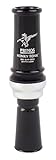
Overview: The Primos Honky Tonk Goose Call addresses the most frustrating problem in waterfowl hunting: calls that stick or fail in critical moments. This short reed call features Primos’ patented ditch system that prevents reeds from freezing or sticking due to moisture. Built for reliability in harsh conditions, the Honky Tonk delivers consistent Canada goose sounds from early season greetings to aggressive comeback calls. The tool-less disassembly system allows for quick field cleaning without losing tune, making it a practical choice for hunters who demand dependability above all else.
What Makes It Stand Out: The patented ditch system represents genuine innovation, creating channels that prevent saliva and condensation from locking the reed. This feature alone sets it apart in a market where sticking calls have cost hunters countless opportunities. The patented reed system enables perfect reassembly after cleaning—something virtually impossible with traditional calls. The easy-to-blow design requires minimal air pressure, reducing fatigue during long sessions. Primos has essentially engineered out the two biggest pain points of short reed calls: maintenance and reliability.
Value for Money: As one of the most budget-friendly options from a major brand, the Honky Tonk delivers unique patented technology at an entry-level price point. While it lacks the hand-tuned pedigree of premium calls, its reliability features provide value that transcends price. For hunters in extreme conditions or those tired of call failures, the Honky Tonk’s consistent performance represents money well spent. The robust warranty backing further enhances its value proposition.
Strengths and Weaknesses: Strengths include unmatched reliability in wet/cold conditions, foolproof cleaning system, and forgiving operation for beginners. The patented features work exactly as advertised. Weaknesses include a somewhat generic tone compared to hand-tuned calls, and experienced callers may find its sound profile less nuanced. The plastic construction feels less premium than polycarbonate alternatives.
Bottom Line: Choose the Primos Honky Tonk if reliability and low maintenance are your priorities. Its innovative anti-stick design makes it the most dependable call in adverse conditions.
4. Zink Calls ZNK2006 Pc-1 Goose Poly Shadow Grass Blade, Multi

Overview: The Zink PC-1 Shadow Grass Blade edition delivers identical performance to the standard PC-1 but features a camouflage pattern that appeals to hunters focused on concealment. This polycarbonate Canada goose call inherits all the technical merits of its namesake: the straight bore mouthpiece, worn-in tone channel, and hand-tuned guts system. Engineered using the same advanced machining software as Zink’s premium acrylic calls, this version produces powerful clucks, realistic moans, and sharp double clucks while blending seamlessly into waterfowl hunting environments.
What Makes It Stand Out: The Shadow Grass Blade camo pattern provides functional aesthetics that help the call disappear in layout blinds and boat interiors. Beyond looks, this model retains the PC-1’s signature straight bore design that reduces air pressure requirements while maintaining crisp note definition. The hand-tuning process ensures each call meets Zink’s strict quality standards, while the worn-in tone channel eliminates the frustrating break-in period. For hunters who value gear that matches their camouflage scheme, this edition offers performance without visual compromise.
Value for Money: Typically retailing slightly above the standard PC-1, the camo version charges a modest premium for aesthetics rather than performance. Since the internals mirror the base model exactly, value assessment depends on how much you prioritize concealment. For hunters who photograph their setups or simply prefer matching gear, the small upcharge is justified. However, budget-conscious buyers get the same sound from the standard version at a lower price point.
Strengths and Weaknesses: Strengths include identical performance to the proven PC-1 design, effective camouflage integration, durable polycarbonate construction, and immediate playability. The hand-tuned quality remains consistent. Weaknesses include higher cost for purely cosmetic differences, and the camo pattern may make the call harder to locate if dropped in vegetation. Some purists prefer plain calls for visibility.
Bottom Line: The Zink PC-1 Shadow Grass Blade is functionally identical to the standard PC-1—choose it based on whether camouflage aesthetics justify the modest price increase.
5. Buck Gardner Calls BGC Canada Hammer Goose Call - Clear/Bourbon - Polycarbonate
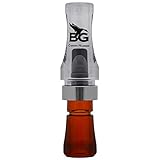
Overview: The Buck Gardner Canada Hammer Goose Call offers a compelling alternative to Zink’s dominance in the polycarbonate market. This call emphasizes user-serviceability through its Quick-Tune guts system, allowing hunters to adjust tone and reed placement without specialized tools. The double O-ring design creates an airtight seal that prevents pressure loss, resulting in consistent sound production across varying temperatures and humidity levels. Built with a gunmetal band for added durability, the Canada Hammer targets hunters who appreciate hands-on control over their calling instrument’s performance characteristics.
What Makes It Stand Out: The Quick-Tune system represents a practical innovation, enabling field adjustments when conditions change or after cleaning. Unlike fixed systems requiring factory service, hunters can fine-tune raspiness and reed breakover to match their style. The double O-ring seal addresses a common failure point in polycarbonate calls where inserts loosen over time, causing air leaks and inconsistent sound. Buck Gardner’s approach prioritizes mechanical reliability and user customization over pure brand prestige, appealing to tinkerers and self-sufficient hunters who maintain their own equipment.
Value for Money: Positioned competitively against Zink’s offerings, the Canada Hammer provides unique value through its serviceable design. While lacking the hand-tuned marketing of some competitors, its tunable guts system potentially offers longer-term value as hunters can maintain optimal performance themselves. The robust construction and sealing system suggest good durability, though the brand carries less cachet than Zink in the waterfowl community. For technically-minded hunters, the ability to self-service justifies the price.
Strengths and Weaknesses: Strengths include user-adjustable tuning, excellent air seal preventing leaks, responsive reed pick-up, and solid build quality. The gunmetal band adds a premium touch. Weaknesses include a steeper learning curve for optimal tuning, less established brand reputation, and factory sound may be less refined than hand-tuned competitors. Documentation on tuning could be better.
Bottom Line: The Buck Gardner Canada Hammer suits hands-on hunters who want control over their call’s performance. Its serviceable design and airtight seal make it a practical, reliable choice for those who maintain their own gear.
6. Duck Commander Goose Call | Must Have Hunting Accessory | Goose Hunting Realistic Sound Mouth Call

Overview: The Duck Commander Goose Call is a short reed snow goose call engineered for hunters seeking authentic, deep raspy tones without the typical break-in period. Its worn-in guts style and ergonomic finger groove design cater to both novice and experienced waterfowl enthusiasts. Built to endure harsh hunting conditions, this call promises reliability across diverse environments from marshes to agricultural fields, making it a practical addition to any goose hunter’s gear collection.
What Makes It Stand Out: The finger groove design delivers exceptional control during quiet calling sequences, preventing slippage in wet or cold conditions. The pre-worn guts eliminate the lengthy break-in period typical of new calls, delivering realistic sounds straight out of the packaging. This immediate field-readiness provides a significant advantage over competitors requiring months of use to achieve optimal tone. The short reed design enhances realism while remaining accessible to beginners developing their technique.
Value for Money: Positioned in the mid-tier range, this call offers professional-grade features at an accessible price point. Hunters avoid purchasing separate tuning kits or sacrificing months to break-in time, making it cost-effective for serious enthusiasts who value immediate performance. The durable construction ensures multiple seasons of reliable service, protecting your investment through heavy field use. Comparable calls with similar immediate usability typically command premium prices.
Strengths and Weaknesses: Pros:
- Pre-worn guts deliver immediate realistic tones
- Ergonomic finger groove enhances grip security
- Versatile for both beginners and experts
- Robust construction withstands field abuse Cons:
- Limited to snow goose-specific applications
- May lack nuanced control of premium custom calls
- Short reed design requires practice for optimal technique
Bottom Line: An excellent all-purpose snow goose call balancing authenticity, durability, and user-friendliness. Ideal for hunters wanting reliable performance without premium pricing or break-in frustration.
7. Duck Commander Specialty Series Realistic Sounding Duck Call, Duck Dynasty Easy to Use Waterfowl Duck Call, Canada Goose Call

Overview: The Duck Commander Specialty Series call is engineered specifically for Canada geese, producing deep, raspy tones that cut through wind and distance. Its short reed construction and worn-in guts style cater to hunters at any skill level. The finger groove design ensures steady handling during critical calling moments, making it a versatile addition to any waterfowl arsenal. Despite the confusing title, this is definitively a goose call optimized for Canadian subspecies.
What Makes It Stand Out: This call’s versatility across experience levels is remarkable. Beginners appreciate the forgiving short reed design, while veterans value the authentic tone profile that mimics mature geese. The worn-in guts provide instant field-readiness, a significant advantage over calls requiring extensive break-in periods. Its ability to produce both subtle clucks and aggressive comeback calls makes it exceptionally adaptable for various hunting scenarios and goose behaviors throughout the season.
Value for Money: Offering professional sound quality at a competitive mid-range price, this call represents strong value. Hunters avoid the premium cost of custom acrylics while gaining performance that rivals higher-priced options. The durable polycarbonate construction ensures longevity, protecting your investment through multiple seasons of heavy use in harsh conditions. The time saved with pre-worn guts translates directly to more effective hunting opportunities.
Strengths and Weaknesses: Pros:
- Immediate usability with pre-worn guts
- Secure finger groove grip design
- Wide tonal range for various situations
- Durable build for harsh environments Cons:
- Title confusion may mislead buyers
- Lacks refinement of premium custom calls
- Short reed may challenge absolute beginners initially
Bottom Line: A reliable, versatile Canada goose call delivering authentic performance without premium pricing. Perfect for hunters seeking immediate field-ready capability and durable construction.
8. Primos Hunting 828 Goose Call, Shaved Reed Snow, White

Overview: The Primos 828 Shaved Reed Snow goose call revolutionizes volume efficiency, producing tremendous sound with minimal air pressure. Its unique missile-shaped reed, shaved from 9/1000 to 14/1000-inch thickness, enables hunters to replicate entire flock sounds solo. This technical innovation makes it ideal for snow goose hunting where volume and versatility determine success. The white color provides visibility in blind bags while maintaining a clean, professional appearance.
What Makes It Stand Out: The shaved reed technology is genuinely innovative, requiring significantly less air than traditional calls while delivering superior volume. This allows longer calling sessions without fatigue and enables rapid sound transitions that mimic multiple birds. The ability to reproduce the full spectrum of snow goose vocalizations—from feeding murmurs to urgent comeback calls—gives hunters unmatched aural flexibility in the field, crucial when working large decoy spreads or distant flocks.
Value for Money: As a specialized tool for serious snow goose hunters, this call punches above its weight class. The energy-saving design translates to more effective hunting time, a value proposition beyond its modest price tag. While premium calls may offer subtle refinements, few match this model’s volume-to-effort ratio, making it a smart investment for dedicated waterfowl hunters seeking maximum performance per dollar spent.
Strengths and Weaknesses: Pros:
- Exceptional volume with minimal air required
- Versatile sound reproduction capabilities
- Reduces caller fatigue significantly
- Innovative shaved reed design Cons:
- Steeper learning curve for beginners
- Snow goose-specific limits versatility
- Requires precise air control for best results
Bottom Line: A powerhouse snow goose call for serious hunters prioritizing volume and efficiency. Best suited for experienced callers seeking maximum flock-attracting capability.
9. Buck Gardner Calls Canada Hammer Goose Call - Camo Green - Polycarbonate
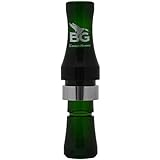
Overview: The Buck Gardner Canada Hammer is a full-range Canada goose call built for reliability and ease of use. Constructed from durable polycarbonate in camo green, it features the Quick-Tune guts system for field adjustments and a double O-ring insert for airtight sound quality. The gunmetal band adds durability while maintaining a classic aesthetic. This call is designed for hunters who demand consistent performance in unpredictable field conditions.
What Makes It Stand Out: The Quick-Tune guts system is a standout feature, allowing hunters to make rapid adjustments without disassembling the entire call—a critical advantage when conditions change mid-hunt. The double O-ring design ensures consistent, crisp sound by preventing air leakage, while the fast reed response enables quick, staccato calling sequences that aggressive geese find irresistible. This combination of field-serviceability and performance is rare in its price class.
Value for Money: This call delivers premium features—field-tuneable guts, double O-ring seal, and polycarbonate durability—at a competitive mid-range price. Hunters get near-custom performance without the custom price tag. The robust construction ensures multiple seasons of reliable service, while the Quick-Tune system saves time and frustration, translating to better hunting opportunities and excellent long-term value.
Strengths and Weaknesses: Pros:
- Quick-Tune guts for easy field maintenance
- Double O-ring ensures consistent sound quality
- Fast reed response for aggressive calling
- Durable polycarbonate construction Cons:
- Polycarbonate lacks premium feel of acrylic
- Camo finish may wear over time with heavy use
- Requires some tuning knowledge to optimize performance
Bottom Line: An excellent workhorse call combining field-serviceability with reliable performance. Ideal for hunters who value practicality and consistent results in challenging conditions.
10. Zink Call of Death (COD) Polycarbonate Hand-Tuned Short Reed Waterfowl Canada Goose Hunting Game Call - Power, Volume & Speed in One Call, Custom Hunter

Overview: The Zink Call of Death (COD) Polycarbonate represents premium engineering in an accessible format. Hand-tuned by waterfowl experts, this short reed Canada goose call delivers contest-quality sounds through precision-machined components. The easy-blow system makes it approachable for novices while satisfying demanding veterans. Its polycarbonate construction balances durability with performance, embodying Zink’s commitment to excellence in waterfowl calling technology.
What Makes It Stand Out: Every COD call is individually hand-tuned, ensuring consistent quality control that mass-produced calls cannot match. The precision machining of mouthpieces and bells—guided by specialized software—creates exacting tolerances that translate to superior sound control. The worn-in tone channel produces authentic goose vocalizations with minimal effort, while the short reed design offers the responsiveness needed for nuanced calling sequences in high-pressure hunting situations.
Value for Money: While priced higher than entry-level polycarbonate calls, the hand-tuning and quality control justify the premium. Hunters receive near-custom acrylic performance at a fraction of the cost. The durability ensures longevity, while the easy-blow system reduces learning curve frustration. For serious hunters seeking professional results without custom-call investment, this represents outstanding value and a smart intermediate step before upgrading to high-end acrylic.
Strengths and Weaknesses: Pros:
- Hand-tuned for guaranteed quality
- Precision-engineered components
- Easy-blow system aids beginners
- Contest-level sound reproduction Cons:
- Premium pricing for polycarbonate material
- May be more call than casual hunters need
- Requires proper technique to maximize potential
Bottom Line: A top-tier polycarbonate call delivering hand-tuned precision and professional performance. Perfect for serious hunters seeking premium sound quality without acrylic pricing.
Understanding Open-Field Goose Calling Dynamics
The Physics of Sound in Open Terrain
Open fields create an acoustic environment unlike any other hunting scenario. Without trees, hills, or water surfaces to reflect and concentrate sound waves, your calls dissipate more quickly and travel farther before losing definition. The flat, often featureless landscape means geese hear your calls from greater distances but with less clarity. A call designed for timber holes might produce beautiful, rich tones up close, but those nuances get lost in the wind-swept expanse of a wheat stubble field. You need an instrument that maintains tonal integrity even as sound waves spread and weaken across hundreds of yards.
Reading Goose Behavior in Agricultural Settings
Geese feeding in open fields exhibit different vocalization patterns than their roosting or loafing counterparts. The constant low-level feeding murmurs, aggressive territorial honks between family groups, and high-pitched excitement calls all create a soundscape you must authentically replicate. Field birds are often more vocal but also more discerning—they’ve heard every call maker’s product from neighboring properties. Your instrument must deliver the subtle feeding chuckles just as convincingly as the loud, confident greeting calls that pull flocks from extreme distances.
Wind: Your Best Friend or Worst Enemy
In open fields, wind direction and speed dictate everything about your calling strategy. A 15 mph crosswind can render even the best calls ineffective if you’re not positioned correctly. Calls designed for 2026 field hunting incorporate features that help you work with wind rather than against it—flared barrels that reduce back-pressure, reed systems that maintain stability in gusts, and tone boards engineered to cut through crosswinds. Understanding how your call performs in various wind conditions becomes as important as the notes you blow.
Core Features That Define Field-Effective Calls
Volume-to-Realism Ratio
The most critical metric for any open-field call is its ability to produce high volume without sacrificing authentic tone. Cheap calls often achieve loudness through harsh, high-pitched distortion that sounds nothing like a real goose. Premium field calls use precision-machined tone boards and carefully selected reed materials to create deep, resonant honks that carry across half-mile distances while maintaining the natural harmonic overtones that fool educated birds. When testing calls, listen for the “body” in the sound—does it have the chesty, full-throated quality of a live goose, or does it sound thin and artificial when you push the volume?
Reed Responsiveness for Quick Transitions
Field hunting demands rapid-fire calling sequences. You might start with loud, aggressive comeback calls at 400 yards, transition to feeding murmurs as birds approach, then switch to sharp clucks and moans for the final 50 yards. Your call’s reed system must respond instantly to changes in air pressure and tongue placement without sticking, squealing, or requiring a “reset” breath. Modern reed materials like synthetic polymers and precision-ground brass wedges have revolutionized how quickly calls can transition between notes, giving you the vocal agility to match live geese note-for-note.
Weather and Dust Protection
Agricultural fields are brutal on equipment. Dust from harvested crops infiltrates every crevice, while morning dew, rain squalls, and freezing temperatures test every seal and connection. Calls built for 2026 field use feature integrated O-ring seals at all connection points, coated reed surfaces that resist moisture absorption, and barrel interiors with smooth, non-porous finishes that won’t trap debris. Some designs incorporate removable mouthpieces that allow quick field-cleaning without tools—a lifesaver when dust chokes your call mid-hunt.
Tone Authenticity Across All Registers
The best field calls produce convincing sounds from whisper-quiet feeding calls to sky-piercing hail calls without changing instruments. This versatility requires exceptional engineering in the tone board—the curved surface the reed vibrates against. Look for calls with graduated tone board angles that allow the reed to flex naturally across different air pressures. The difference becomes apparent when you move from soft clucks to full-throated honks; the tone quality should remain consistent, just louder, rather than shifting to a different pitch character entirely.
Call Types and Their Specific Applications
Short-Reed Calls: The Field Standard
Short-reed goose calls have become the default choice for serious field hunters because they offer unmatched versatility and volume potential. These calls typically measure 2-3 inches in reed length and require precise tongue control, but reward practice with incredible realism. The learning curve is steep—expect weeks of practice before producing consistent notes—but mastery gives you a tool that can replicate everything from a lone goose’s greeting to an entire flock’s excited feeding frenzy. For open fields, look for short-reed calls with slightly wider bore diameters that help project sound without requiring excessive air pressure.
Long-Reed Options for Extended Range
Long-reed calls, sometimes called “honker” calls, sacrifice some top-end speed for enhanced low-end range and volume. These instruments excel at those critical first calls that reach out to birds just appearing on the horizon. The longer reed vibrates more slowly, creating deeper fundamental tones that travel farther and cut through wind more effectively. While they can be slightly slower for rapid clucking sequences, many hunters carry a long-reed call specifically for opening conversations with distant flocks, then switch to a short-reed for the final approach.
Flute Calls: When Simplicity Wins
Flute-style goose calls operate differently than reed calls, using a fixed whistle mechanism that’s extremely forgiving for beginners. While traditional flute calls lacked the volume for serious field work, 2026 designs have incorporated tuned chambers and optimized mouthpieces that project surprisingly well. They shine in situations where you’re hunting alone or with inexperienced partners who need a functional call without months of practice. The trade-off is limited tonal variation—you won’t produce the nuanced feeding murmurs of a short-reed, but you’ll deliver clean, consistent honks and clucks that work effectively at moderate ranges.
Electronic Calls in Modern Field Hunting
The technology integration into waterfowl hunting continues to evolve, and electronic goose calls have become more sophisticated and accepted in many jurisdictions. Modern units feature directional speakers that focus sound toward approaching flocks, programmable sequences that eliminate human error during critical moments, and remote controls that let you call while keeping hands on your shotgun. However, regulations vary significantly—some states prohibit electronic calls entirely, while others allow them only during certain seasons. Always verify local laws before investing in this technology.
Material Considerations for 2026
Acrylic: The Premium Choice
Acrylic calls have dominated the high-end market for years, and material science advances have only improved their performance. The dense, non-porous structure creates crisp, sharp tones with excellent high-frequency overtones that cut through wind. Acrylic’s hardness provides consistent internal dimensions that don’t change with temperature or humidity, ensuring your call sounds the same on a 20-degree morning as it does during early teal season. The material polishes to a mirror finish inside the barrel, reducing turbulence and allowing smoother airflow. For open fields where every decibel of clarity matters, acrylic remains the top-tier option.
Polycarbonate: Durability Meets Value
Polycarbonate calls offer perhaps the best performance-to-cost ratio for field hunters. Modern polycarbonate formulations are significantly more impact-resistant than acrylic, surviving drops on frozen ground and rough rides in ATV compartments. While slightly less dense than acrylic, quality polycarbonate calls produce remarkably similar tones, especially in the critical mid-range frequencies geese use most. The material’s slight flexibility can even be an advantage in extreme cold, where acrylic might become more brittle. For hunters who prioritize rugged reliability without breaking the bank, polycarbonate calls represent the sweet spot.
Wood: Traditional Warmth with Modern Treatments
Wooden goose calls have seen a renaissance as makers have developed advanced sealing techniques that protect against moisture while preserving wood’s natural acoustic properties. The organic material creates warmer, slightly mellower tones that some hunters swear by for finishing educated birds in heavily pressured areas. Modern stabilized woods and polymer impregnation processes have eliminated the warping and cracking issues that plagued earlier wooden calls. The result is an instrument with soulful tone character that still withstands field abuse. However, wood requires more diligent maintenance and may not project quite as aggressively as synthetic materials.
Emerging Composite Technologies
The most exciting developments in 2026 involve hybrid materials that combine the best properties of multiple substances. Some manufacturers are using carbon fiber reinforced polymers that are lighter than acrylic but denser than polycarbonate, creating unique tonal signatures. Others experiment with ceramic-infused resins that produce exceptional harmonic overtones. These cutting-edge materials often come at premium prices but offer performance characteristics that didn’t exist just a few years ago. For the tech-savvy hunter wanting the latest advantages, these composites warrant serious consideration.
Sound Production Essentials
The Honk: Foundation of Communication
Every goose call conversation starts with the basic honk—a two-syllable “her-ronk” that serves as greeting, locator, and confidence call. In open fields, your honk must carry authority without sounding forced or artificial. The best calls produce a natural “break” between syllables, created when the reed momentarily slaps against the tone board. This break gives the honk its characteristic two-part sound. Practice pushing from your diaphragm rather than just your mouth, and listen for that crisp separation between notes. A muddy, run-together honk screams “human” to educated geese.
Clucks, Moans, and Feeding Calls
Once you’ve mastered the honk, the real artistry begins. Clucks are short, sharp notes used to maintain flock cohesion and express contentment. Moans are longer, lower-pitched calls that signal reassurance and feeding satisfaction. The feeding chuckle is a rapid series of clucks and murmurs that mimics the sound of a happy flock on the ground. Your call must transition between these sounds seamlessly, often within the same breath. The ability to drop from a loud hail call directly into soft feeding chuckles without changing calls or taking a reset breath separates good calls from great ones.
The Breakover: Critical for Finishing
The “breakover” is that magic moment when approaching geese commit to landing, and it’s controlled by subtle changes in your calling cadence and tone. As birds circle and drop elevation, you transition from aggressive comeback calls to softer, more rhythmic feeding sounds. The breakover happens when you add just enough urgency back into your sequence to convince them they’ve found the “X.” A quality field call allows you to control this transition with minute changes in air pressure and tongue placement, giving you the finesse to seal the deal on wary birds.
Volume Dynamics for Distance Control
Open-field hunting requires mastering the entire volume spectrum. You need ear-splitting hail calls for birds at half-mile distances, moderate greeting calls for flocks at 200 yards, and whisper-quiet finishing murmurs for birds hovering over your decoys. The best calls maintain tone quality across this entire range rather than just getting louder or softer. Test potential calls by starting with the softest feeding murmur you can produce, then gradually increasing pressure to maximum volume. The tone should remain consistent—just bigger or smaller—not shift to a different harmonic structure.
Ergonomics and Hunt-Ready Design
Barrel Shape and Hand Comfort
You’ll hold your call for hours, often in freezing temperatures with gloved hands. Barrel design dramatically affects fatigue and control. Wider barrels (1.25-1.5 inches diameter) fill your hand better and provide stable grip, especially with numb fingers. Tapered designs that narrow toward the mouthpiece help direct airflow efficiently. Some 2026 models feature subtle texturing or rubberized inserts that improve grip without adding bulk. Consider how the call feels after 30 minutes of continuous use, not just the first impression in the store.
Cold-Weather Grip Solutions
January goose hunts often mean sub-zero temperatures and bulky gloves. Calls with oversized barrels or integrated grip rings help maintain control when your fingers are frozen. Some designs feature mouthpieces that angle slightly downward, reducing neck strain during long calling sessions. The best cold-weather calls can be operated effectively even when you can barely feel your hands, with positive tactile feedback that lets you know your grip is correct without needing to look.
Lanyard Systems for Quick Access
In open fields, you need your call instantly accessible but secure enough for running to the next setup or climbing over fences. Modern lanyard systems have evolved beyond simple string loops. Quick-detach clips let you remove the call for cleaning without unthreading the entire lanyard. Some systems incorporate call holders that protect the mouthpiece from dust while walking. Consider how the call hangs when not in use—does it bang against your shotgun stock, or does it tuck neatly out of the way? The best setups keep your call ready but unobtrusive.
Maintenance in Harsh Field Conditions
Daily Cleaning in Dusty Environments
Corn dust, wheat chaff, and soil particles are the mortal enemies of goose calls. A single grain of debris under the reed can destroy tone quality. Field-cleaning should take 30 seconds: remove the mouthpiece, blow through the barrel in reverse, wipe the reed with a clean cloth, and reassemble. Calls designed for easy disassembly without tools save precious time when birds are working. Some hunters carry a small spray bottle with distilled water to rinse out stubborn dust without leaving residue that affects reed vibration.
Reed Care and Replacement
The reed is the heart of your call, and it will eventually fatigue, chip, or warp. Quality calls use reeds that last multiple seasons with proper care, but field conditions accelerate wear. Always carry spare reeds that match your call’s exact specifications—thickness, length, and material all affect performance. Learn to replace a reed in under a minute, blindfolded. The process should require no special tools beyond a small screwdriver or coin slot. Store spare reeds in a protective case, not loose in your pocket where they can bend or collect debris.
Proper Storage Protocols
Between hunts, store calls disassembled in a cool, dry place. Moisture trapped inside assembled calls breeds mold and warps reeds. Use the protective case that came with your call, or invest in a hard-sided case that prevents crushing in your gear bag. Never leave calls in direct sunlight in a vehicle—heat can permanently deform polycarbonate and loosen adhesive bonds in wooden calls. For long-term storage between seasons, place a silica gel packet in the case to absorb residual moisture.
Practice Strategies for Open-Field Success
Building Muscle Memory
The complex tongue movements required for realistic goose sounds must become automatic. Practice daily in 15-minute sessions, focusing on one sound at a time. Use a metronome app to develop consistent rhythm for feeding chuckles. Record yourself and compare to recordings of live geese—not other callers, who may have bad habits. The goal is unconscious competence, where your mouth produces the right sound without conscious thought, freeing your brain to watch bird behavior and adjust strategy.
Recording and Self-Analysis
Your smartphone is your best practice tool. Record your calling from different distances—10 feet, 50 feet, across a parking lot—to understand how your call projects. Listen for consistency: do your honks sound the same each time? Is your feeding chuckle rhythmic or rushed? Many 2026 calls come with QR codes linking to tutorial videos and sound libraries. Use these resources, but also record live geese whenever possible. The subtle variations in pitch and cadence from real birds are what you must ultimately replicate.
Simulating Field Conditions
Practice doesn’t end in your garage. Take your call to actual fields on non-hunt days. Call across valleys and listen to the echo return. Practice in wind—learn how to shield the call with your body and adjust air pressure to compensate. Call while sitting, kneeling, and standing, as you’ll do in blinds. The familiar surroundings of your practice space create false confidence; only field practice prepares you for the variables of real hunts.
Tactical Integration with Decoy Spreads
Matching Call Intensity to Spread Size
A dozen decoys can’t justify the same calling volume as 100 full-bodies. Scale your call intensity to your spread’s visual impact. With small spreads, use more subtle, content feeding sounds that suggest a small, relaxed family group. Large spreads allow aggressive, loud calling that mimics major concentrations. Your call must have the dynamic range to match both scenarios. Many hunters maintain two calls: a loud “traffic call” for big spreads and a softer “finishing call” for small mobile setups.
Timing Calls with Goose Approaches
The sequence matters as much as the sound quality. Start with loud, spaced hail calls when birds first appear. As they turn toward you, switch to faster greeting calls. When they commit and drop elevation, transition to feeding chuckles with occasional moans. The final 50 yards require soft, rapid clucks that scream “safe landing zone.” Your call must allow these transitions without fumbling or losing rhythm. Practice the entire sequence as a single, flowing performance rather than individual sounds.
Adjusting for Flock Size and Distance
A pair of geese requires different calling than a flock of 50. Small groups need softer, more intimate sounds that don’t overwhelm them. Large flocks demand loud, confident calling that cuts through their own noise. Distance dictates volume but also tone selection—distant birds need hail calls and greeting sequences, while close birds respond to feeding sounds and moans. The best field calls give you the control to whisper or shout as the situation demands, all while maintaining authentic tone quality.
Seasonal and Environmental Factors
Early Season Aggression vs. Late Season Finesse
September geese are young, vocal, and respond to aggressive, loud calling. January birds have heard it all and require subtle, realistic feeding sounds and soft moans. Your call must deliver both extremes. Early season, you want maximum volume and sharp note definition. Late season, you need whisper-quiet control and the ability to produce subtle variations in pitch that suggest content, unpressured birds. A call that excels at only one end of this spectrum limits your season-long effectiveness.
Adapting to Weather Fronts
Incoming cold fronts make geese hungry and aggressive—they’ll respond to loud, enthusiastic calling. High-pressure bluebird days make them wary and selective, requiring soft, realistic sounds. Your call’s performance shouldn’t change with weather, but your approach must. Calls with stable reed systems maintain consistent tone regardless of temperature and humidity, while cheaper calls may get squeaky in cold or breathy in heat. Test potential calls in the freezer and in a steamy bathroom to simulate extreme conditions.
Time of Day Considerations
Morning hunts often feature calm winds and sound carries farther. Midday hunts usually bring stronger winds requiring more aggressive calling. Evening flights often involve tired birds looking for easy meals, responding better to soft feeding sounds. Your call must handle these transitions within the same hunt. The ability to start loud, moderate through midday, and finish soft is a hallmark of a versatile field instrument.
Investment and Value Planning
Understanding Price Tiers
Goose calls generally fall into three price categories: entry-level ($30-60), mid-range ($60-120), and premium ($120+). Entry-level calls use basic materials and simple tone boards—they work but lack refinement. Mid-range calls offer the best value, using quality polycarbonates and precision-engineered tone boards that deliver 90% of premium performance. Premium calls justify their cost through exotic materials, hand-tuned reeds, and subtle tonal characteristics that experienced hunters appreciate. For open-field hunting where performance matters, plan to invest in at least mid-range quality.
Features Worth Premium Pricing
What justifies a $150 call over a $75 one? Often it’s the details: hand-tuned reeds tested for specific tonal qualities, tone boards polished to optical clarity for smooth airflow, and barrels bored with tolerances measured in thousandths of an inch. Premium calls often include lifetime warranties and free retuning services. For hunters who spend 30+ days in the field each season, these features pay for themselves in reliability and performance. The ability to call confidently without wondering if your instrument will fail is worth the investment.
Longevity and Cost Per Hunt
A quality goose call should last a decade or more with proper care. Calculate cost per hunt: a $120 call used 20 times per year for 10 years costs $0.60 per hunt. A $40 call that needs replacement every two years costs $1 per hunt. The more expensive option is actually cheaper long-term while performing better throughout its life. Consider calls as lifetime investments rather than disposable accessories. The best calls appreciate with age as you break them in and learn their nuances.
Technology in 2026 Goose Calls
Digital Tuning and Customization
The biggest revolution in 2026 is the integration of smart technology. Some premium calls now feature interchangeable tone boards with micro-adjustable components controlled via smartphone apps. You can fine-tune reed tension, tone board angle, and even barrel resonance to match specific conditions or goose subspecies. While purists argue this complicates a simple tool, the ability to adapt your call’s personality without buying multiple instruments appeals to serious hunters who face varied scenarios.
Sound Library Integration
Many manufacturers now provide extensive digital sound libraries accessible through QR codes or apps. These libraries contain high-fidelity recordings of live geese in field situations, broken down by note type, flock size, and behavior. You can listen, practice along, and even record yourself for comparison. Some advanced systems use AI to analyze your calling and suggest improvements, acting as a virtual calling coach. This technology accelerates the learning curve dramatically compared to traditional trial-and-error methods.
Community-Driven Improvements
Online communities of serious hunters now share calling techniques, tone board modifications, and even 3D-printable accessories for customizing calls. This crowdsourced knowledge base helps you optimize your call beyond factory specifications. However, be cautious—modifications void warranties and can ruin a good call if done incorrectly. Use community knowledge to inform your purchasing decisions and practice techniques, but leave physical modifications to professionals unless you’re willing to experiment on expendable equipment.
Mistakes That Cost You Shots
The Overcalling Trap
Open fields tempt hunters to call constantly, believing more sound equals more attraction. The opposite is often true. Geese hear calls from dozens of properties daily and become conditioned to constant, unrealistic noise. Learn to read bird reactions—if they turn toward you and start descending, shut up or switch to very soft feeding sounds. Overcalling during the final approach is the most common reason geese flare at 80 yards. Your call’s quality matters less than your restraint in using it.
Ignoring Wind Direction
Calling crosswind or downwind wastes effort and sounds unnatural. Geese approach into the wind, so position yourself accordingly. Your call must project into the wind so sound travels back to approaching birds. In strong winds, reduce call volume—gusts carry sound farther, and excessive volume sounds unnatural. The best call in the world can’t overcome poor wind positioning. Always set up with wind at your back or quartering over your shoulder, never in your face.
Call Selection Errors
Bringing a timber call to a field hunt is like bringing a knife to a gunfight. The tonal qualities that work in enclosed spaces get lost in open terrain. Similarly, using an ultra-loud competition call for close-finished birds will flare them every time. Match your call to your primary hunting scenario. If you hunt exclusively large agricultural fields, prioritize volume and projection. If you hunt mixed scenarios, choose a versatile mid-range call that handles both situations adequately.
Care for Long-Term Performance
Deep Cleaning and Conditioning
At season’s end, disassemble your call completely. Soak components in warm, soapy water, using a soft brush to remove built-up residue. Rinse thoroughly with distilled water and let air dry completely. Apply a light coat of reed conditioner (available from call makers) to prevent drying and cracking. Polish acrylic barrels with plastic polish to restore clarity. This annual ritual extends call life indefinitely and ensures peak performance when next season opens.
Reed Preservation
Never leave reeds under tension when storing calls long-term. Loosen or remove reeds during off-season storage to prevent permanent deformation. Store reeds flat in a protective sleeve, not bent or twisted. Inspect reeds under magnification for tiny cracks or chips that affect performance. Replace reeds preventively before they fail mid-hunt. Keep a log of reed changes to track lifespan—most quality reeds last 2-3 seasons of heavy use but can fail unexpectedly if damaged.
Warranty Considerations
Premium calls often include lifetime warranties against manufacturing defects and free retuning services. Understand what’s covered—most warranties exclude damage from improper care, modifications, and normal wear items like reeds. Register your call with the manufacturer to activate warranty coverage. Keep purchase receipts and document any issues with photos. A good warranty provides peace of mind, but proper care eliminates most issues before they require warranty service.
Making Your Final Decision
Choosing a goose call for open-field decoy setups ultimately comes down to matching the instrument to your hunting style, experience level, and typical scenarios. Beginners should start with forgiving, versatile calls that build confidence while learning. Experienced callers can justify premium instruments that respond to subtle inputs and reward advanced techniques. The “best” call is the one that feels like an extension of your voice, produces authentic sounds consistently, and holds up to the abuse of real field conditions.
Test multiple calls before buying, preferably outdoors where you can hear true projection. Ask experienced hunters to let you try their calls—most are happy to share knowledge. Attend calling clinics where you can sample various models under expert guidance. Remember that the call is only a tool; practice and understanding goose behavior ultimately determine success. Invest in quality, commit to practice, and your call will serve you well across countless sunrises in the fields.
Frequently Asked Questions
How do I know if a goose call is loud enough for open-field hunting?
Test the call outdoors, not in a store. Have a friend listen from 100+ yards away while you blow hail calls. The sound should remain clear and full-bodied, not thin or distorted. Quality calls project authority without requiring excessive air pressure that causes fatigue.
Can one call do everything, or do I need multiple calls for different situations?
A versatile mid-range short-reed call can handle 90% of field hunting scenarios. However, serious hunters often carry a loud “traffic call” for big spreads and distant birds, plus a softer “finishing call” for small setups and late-season birds. Start with one quality call and add specialized instruments as your experience grows.
How long does it take to become proficient with a short-reed goose call?
Expect 4-6 weeks of daily 15-minute practice sessions to produce consistent basic sounds. Mastering advanced techniques like feeding chuckles and breakover control takes a full season or more. Recording yourself and comparing to live geese accelerates learning significantly.
What’s the best material for a field goose call: acrylic, polycarbonate, or wood?
Acrylic offers the best tonal clarity and projection for pure open-field performance. Polycarbonate provides 90% of acrylic’s performance at lower cost with superior impact resistance. Wood creates warmer tones that excel for finishing pressured birds but requires more maintenance. Choose based on your priorities: performance (acrylic), value/durability (polycarbonate), or traditional tone (wood).
How often should I replace the reed in my goose call?
Quality reeds last 2-3 seasons of heavy use, but inspect them before each hunt. Replace immediately if you see chips, cracks, or permanent bends that affect tone. Carry spares in your blind bag. Many hunters replace reeds preventively at the start of each season to ensure peak performance.
Do expensive calls really make a difference compared to budget options?
In open fields, yes. Premium calls project clearer sound farther, maintain tone quality across volume ranges, and offer refined control that budget calls lack. The difference becomes apparent when hunting educated birds or competing with other callers in the area. However, a budget call in practiced hands outperforms a premium call in novice hands.
How do I clean my call in the field when it gets choked with dust?
Disassemble the mouthpiece, blow forcefully through the barrel in reverse, wipe the reed with a clean cloth, and reassemble. This 30-second process clears most debris. Carry a small spray bottle with distilled water for stubborn obstructions. Never use saliva or blow into a clogged call, as this packs debris tighter.
Should I use different calls for Canada geese versus snow geese in fields?
Yes. Canada goose calls are typically larger with deeper tones, while snow goose calls are higher-pitched and faster. Using the wrong call type produces unrealistic sounds that educate birds. Some manufacturers offer hybrid calls designed for both species, but dedicated calls for each species perform better.
What’s the biggest mistake hunters make when calling in open fields?
Overcalling, especially during the final approach. Geese respond to initial calling but need quiet confidence sounds to finish. Constant loud calling sounds unnatural and creates suspicion. Learn to read bird reactions and adjust accordingly—when geese commit, shut up or switch to very soft feeding murmurs.
How has goose call technology changed for 2026?
The biggest advances involve smart tuning apps, improved reed materials that resist moisture and temperature changes, and community-driven sound libraries. Some premium calls feature micro-adjustable components controlled via smartphone, allowing customization without physical modifications. However, the fundamental mechanics remain unchanged—air across a reed creates sound, and practice creates proficiency.