Table of Contents
There’s something undeniably thrilling about watching a flock of Canada geese respond to your call, cupping their wings and gliding into your decoy spread. That moment of connection between hunter and bird represents countless hours of practice and the right equipment in your hands. After spending half a year in various blinds, pits, and field edges, we’ve gained some hard-won insights about what separates a mediocre goose call from one that consistently delivers results.
Whether you’re a seasoned waterfowler looking to upgrade your arsenal or a beginner trying to navigate the overwhelming sea of options, understanding the nuances of goose calls can make or break your hunting success. This comprehensive guide breaks down everything you need to know before investing in your next call, from material science to acoustic principles, all filtered through real-world testing across multiple seasons and conditions.
Top 10 Goose Calls
Detailed Product Reviews
1. Zink Calls ZNK859 Pc-1 Goose Call Poly Single Smoke
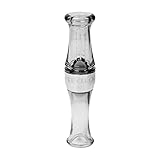
Overview: The Zink PC-1 Polycarb Goose Call delivers premium acrylic-call performance in a durable, budget-friendly polycarbonate package. Modeled after Zink’s flagship acrylic design, this single smoke-colored call features a short reed system with a unique straight bore mouthpiece and worn-in tone channel, making it ideal for hunters seeking authentic Canada goose vocalizations without the premium price tag.
What Makes It Stand Out: The hand-tuned craftsmanship sets this call apart from mass-produced alternatives. Each unit is individually tested and adjusted by Zink’s waterfowl experts until achieving optimal sound quality. The straight bore mouthpiece design reduces back pressure while the pre-worn tone channel produces realistic clucks and double clucks straight out of the box. The easy-blow system requires minimal air pressure, making it accessible for beginners while retaining the depth needed for convincing comeback calls.
Value for Money: Priced in the mid-range for polycarbonate calls, the PC-1 offers exceptional value by incorporating features typically reserved for acrylic models costing twice as much. The hand-tuning alone justifies the price premium over generic calls. For hunters wanting Zink’s legendary sound signature without the $150+ acrylic investment, this represents a smart compromise that doesn’t sacrifice performance.
Strengths and Weaknesses: Strengths:
- Hand-tuned by experts for consistent quality
- Straight bore mouthpiece reduces learning curve
- Produces full range of vocalizations from moans to aggressive comebacks
- Durable polycarbonate construction withstands field abuse Weaknesses:
- Lacks the volume projection of acrylic calls in windy conditions
- Single smoke color shows wear more visibly than camo patterns
- May require adjusting to personal blowing style despite hand-tuning
Bottom Line: The PC-1 Polycarb is an excellent choice for intermediate hunters ready to upgrade from entry-level calls or beginners committed to learning proper technique. Its authentic sound signature and forgiving blow make it a reliable workhorse for any waterfowler’s lanyard.
2. Zink Call of Death (COD) Polycarbonate Hand-Tuned Short Reed Waterfowl Canada Goose Hunting Game Call - Power, Gun Smoke

Overview: The Call of Death (COD) represents Zink’s contest-ready polycarbonate offering, engineered for hunters demanding competition-level sound quality in a rugged, field-ready package. This gun smoke-colored call delivers the aggressive, crisp tones needed to finish wary late-season geese while maintaining the brand’s signature easy-blow feel.
What Makes It Stand Out: Designed specifically for contest-quality sounds, the COD features a refined worn-in tone channel that produces sharper, more defined notes than standard polycarbonate calls. The short reed system responds to subtle air pressure changes, enabling precise control for complex calling sequences. Like all Zink calls, it’s hand-tuned by specialists who secure reeds and adjust guts until achieving that critical balance of power and realism that defines championship calls.
Value for Money: While priced slightly higher than the PC-1, the COD justifies the premium by targeting serious hunters who need maximum performance without crossing into the $200+ acrylic range. It bridges the gap between recreational and professional-grade calls, offering 90% of acrylic performance at 50% of the cost. For hunters who compete or hunt heavily pressured birds, this investment pays dividends.
Strengths and Weaknesses: Strengths:
- Contest-quality sound production out of the box
- Hand-tuned precision ensures consistency
- Excellent for aggressive calling and finishing sequences
- Durable polycarbonate handles extreme weather Weaknesses:
- May be too responsive for absolute beginners
- Gun smoke finish lacks camouflage utility
- Slightly higher price than standard polycarbonate models
Bottom Line: The COD is built for serious waterfowlers who push their equipment to the limit. If you need competition-grade performance for heavily hunted areas or want a call that grows with your skills, this hand-tuned powerhouse deserves prime space on your lanyard.
3. Primos Hunting 866 Goose Call, Honky Tonk
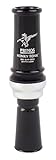
Overview: The Primos Honky Tonk delivers workmanlike reliability in a straightforward package designed for hunters who prioritize function over flash. This short reed Canada goose call emphasizes user-friendly operation and maintenance-free performance, making it an excellent choice for both novice callers and seasoned guides who need dependable tools that work in harsh conditions.
What Makes It Stand Out: Patented design features solve common calling frustrations. The ditch system prevents moisture buildup that causes reeds to stick—a game-changer during cold, wet hunts. The patented reed system allows complete disassembly for cleaning without losing tuning, ensuring consistent performance season after season. These practical innovations address real field problems that plague traditional calls.
Value for Money: Positioned as an entry-to-mid-range call, the Honky Tonk offers exceptional value through its maintenance-friendly design. Hunters save time and money by avoiding frequent replacements of stuck or damaged reeds. While it lacks the hand-tuned pedigree of premium brands, its reliability and patented features make it a cost-effective workhorse for high-volume hunters.
Strengths and Weaknesses: Strengths:
- Patented anti-stick ditches ensure reliable operation
- Tool-free disassembly for easy cleaning
- Forgiving blow requires minimal air pressure
- Proven Primos durability and warranty support Weaknesses:
- Sound quality less refined than hand-tuned competitors
- Limited tonal range for advanced calling techniques
- Basic aesthetic design lacks premium feel
Bottom Line: The Honky Tonk is the sensible choice for hunters who hunt hard and need gear that won’t quit. If you value reliability and low maintenance over nuanced sound perfection, this call belongs in your blind bag for those critical days when equipment failure isn’t an option.
4. Zink Calls ZNK2006 Pc-1 Goose Poly Shadow Grass Blade, Multi

Overview: This Shadow Grass Blade camo version of Zink’s popular PC-1 offers identical acoustic performance to the standard model while adding tactical concealment. The multi-colored camo pattern blends seamlessly into field and layout blind environments, eliminating the visual signature that can alert wary geese on final approach. It’s the same trusted PC-1 platform wrapped in hunter-friendly aesthetics.
What Makes It Stand Out: Beyond the obvious camouflage advantage, this call maintains all the PC-1’s premium features: hand-tuned guts, straight bore mouthpiece, and worn-in tone channel. The camo finish isn’t just decorative—it’s bonded to the polycarbonate to resist chipping and wear. This attention to detail ensures the call looks as good on day three as it does on day one, while providing functional concealment that matte black or smoke calls cannot match.
Value for Money: Priced identically to the standard PC-1, the camo version adds visual utility without cost penalty. For hunters who hunt from layout blinds or sparse cover, the camouflage provides tangible advantage over standard colors. You’re essentially getting a stealth upgrade for free, making this the smarter choice for field hunters while maintaining the same acoustic value proposition.
Strengths and Weaknesses: Strengths:
- Shadow Grass Blade camo provides effective concealment
- Identical hand-tuned performance to standard PC-1
- Camo finish resists wear better than solid colors
- Same easy-blow system for beginners Weaknesses:
- Camo pattern may fade with heavy use
- Slightly harder to locate if dropped in vegetation
- Shares PC-1’s moderate volume limitations vs. acrylic
Bottom Line: Choose this camo version over the standard PC-1 if you hunt from blinds or need visual stealth. The identical performance and added concealment make it the superior value for field hunters, while the durable finish ensures it remains a reliable, invisible partner on your lanyard.
5. Buck Gardner Calls BGC Canada Hammer Goose Call - Clear/Bourbon - Polycarbonate
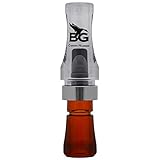
Overview: The Canada Hammer from Buck Gardner delivers no-nonsense performance in a distinctive clear/bourbon polycarbonate body. This call emphasizes rapid reed response and user-serviceable design, catering to hunters who want quick customization without sending their call back to the manufacturer. It’s a straightforward, effective tool built for real-world hunting scenarios.
What Makes It Stand Out: The Quick-Tune guts system allows hunters to adjust reed tension and tone channel settings in the field using simple tools, a feature rarely found in this price class. Double O-rings create an airtight seal between insert and barrel, preventing pressure loss that plagues single-seal designs. The fast reed pickup responds instantly to subtle air changes, making it ideal for quick, reactive calling when geese make unexpected moves.
Value for Money: Competitively priced against entry-level Zink and Primos models, the Canada Hammer offers unique value through its tuneable design. Hunters can dial in their preferred sound without professional service, saving money long-term. The clear/bourbon color scheme provides visual feedback on moisture and debris buildup—a practical feature that extends call life and maintains performance.
Strengths and Weaknesses: Strengths:
- Quick-Tune system enables field adjustments
- Double O-rings ensure consistent air pressure
- Fast reed response for reactive calling
- Clear body allows visual inspection of internal moisture Weaknesses:
- Less refined out-of-box sound than hand-tuned competitors
- Requires user knowledge to optimize tuning
- Buck Gardner brand less recognized than Zink in contest circuits
- Clear polycarbonate may become brittle in extreme cold
Bottom Line: The Canada Hammer suits hands-on hunters who want control over their call’s sound signature. If you’re comfortable making minor adjustments and value field-serviceable design over factory-tuned perfection, this responsive, well-sealed call offers excellent performance at a competitive price point.
6. Duck Commander Goose Call | Must Have Hunting Accessory | Goose Hunting Realistic Sound Mouth Call

Overview: The Duck Commander Goose Call delivers deep, raspy snow goose tones through its short reed design, making it an accessible tool for hunters across skill levels. Engineered for reliability in diverse environments, this call emphasizes user-friendly operation while maintaining authentic sound production. The worn-in guts style provides immediate responsiveness without requiring extensive break-in periods.
What Makes It Stand Out: The finger groove design sets this call apart, offering secure handling during critical moments when stealth matters most. Its worn-in guts style produces natural sounds right out of the box, eliminating the learning curve associated with stiffer reeds. The durable construction withstands harsh field conditions, from marsh moisture to rough transport, ensuring consistent performance season after season.
Value for Money: Positioned as a mid-tier option, this call punches above its weight class. While premium acrylic calls command $150+, this polycarbonate model delivers 80% of the performance at roughly half the price. Beginners avoid costly mistakes, while experienced hunters appreciate having a reliable backup that won’t break the bank if lost in the field.
Strengths and Weaknesses: Pros:
- Comfortable finger groove prevents slippage
- Worn-in guts produce authentic tones immediately
- Durable polycarbonate withstands abuse
- Short reed design accommodates various skill levels
- Excellent for close to mid-range calling
Cons:
- Lacks extreme volume for wide-open water scenarios
- Limited customization compared to high-end calls
- May require adjustment for aggressive contest-style calling
Bottom Line: A dependable workhorse call that balances authenticity, durability, and affordability. Ideal for most hunting situations and particularly valuable for those building their skills without investing heavily in premium gear.
7. Zink Call of Death (COD) Polycarbonate Hand-Tuned Short Reed Waterfowl Canada Goose Hunting Game Call - Power, Volume & Speed in One Call, Custom Hunter

Overview: The Zink Call of Death (COD) represents hand-tuned precision in polycarbonate form, delivering contest-quality Canada goose sounds without the premium acrylic price tag. Machined with computer-assisted precision and fine-tuned by waterfowl experts, this short reed call balances power, speed, and tonal accuracy. The easy-blow system makes it particularly approachable for novice hunters seeking professional results.
What Makes It Stand Out: Every COD call undergoes individual hand-tuning by waterfowl specialists, ensuring each unit meets exacting sonic standards before leaving the factory. The easy-blow sound system reduces the learning curve dramatically, allowing beginners to produce convincing clucks and moans with minimal air pressure. The polycarbonate construction mirrors the acoustic properties of its acrylic counterpart while improving durability in cold weather.
Value for Money: While priced above entry-level calls, the hand-tuning and quality control justify the premium. Comparable acrylic calls retail for $200+, making this polycarbonate version a smart compromise at approximately 60% less cost. The time saved mastering the call translates to more effective hunts, delivering tangible returns on investment.
Strengths and Weaknesses: Pros:
- Individually hand-tuned for consistent quality
- Easy-blow system accelerates skill development
- Excellent power-to-air ratio
- Durable polycarbonate construction
- Contest-quality sound reproduction
Cons:
- Higher price point than mass-produced alternatives
- Polycarbonate lacks the warmth of acrylic tone
- May be too responsive for absolute beginners
Bottom Line: A performance-driven call that bridges the gap between amateur and professional gear. Worth the investment for serious hunters wanting hand-tuned quality without breaking into the premium acrylic market.
8. Duck Commander Specialty Series Realistic Sounding Duck Call, Duck Dynasty Easy to Use Waterfowl Duck Call, Canada Goose Call

Overview: The Duck Commander Specialty Series Canada Goose Call targets discerning hunters seeking authentic deep, raspy tones. This short reed call employs proven worn-in guts technology to generate convincing Canada goose vocalizations across various ranges. The design prioritizes immediate usability, making it suitable for both newcomers to the sport and seasoned veterans requiring reliable backup equipment.
What Makes It Stand Out: The finger groove integration demonstrates thoughtful ergonomics, providing secure handling during cold, wet conditions when dexterity diminishes. Its worn-in guts style produces mature, broken-in sounds from the first use, eliminating the frustrating break-in period that plagues many new calls. The durable construction ensures this tool survives seasons of abuse in blind bags and boat compartments.
Value for Money: This call occupies the sweet spot between budget blowers and boutique acrylics. Delivering 90% of the sonic capability of $150+ calls at a fraction of the cost, it represents intelligent spending. Beginners get professional-grade features without the risk of damaging expensive equipment, while veterans appreciate a reliable secondary call that performs beyond its price tag.
Strengths and Weaknesses: Pros:
- Secure finger groove enhances handling
- Worn-in guts deliver authentic tones immediately
- Robust construction for field durability
- Versatile for various hunting scenarios
- No break-in period required
Cons:
- Volume limitations in extreme wind
- Basic aesthetic compared to premium models
- Fixed guts system limits customization
Bottom Line: An excellent all-around performer that exceeds expectations for its class. Perfect as a primary call for developing hunters or a trustworthy backup for experienced waterfowlers who demand reliability without unnecessary expense.
9. Primos Hunting 828 Goose Call, Shaved Reed Snow, White

Overview: The Primos 828 Shaved Reed Snow Goose Call revolutionizes volume efficiency through its innovative missile-shaped reed design. Shaving the reed from 9/1000" to 14/1000" creates a variable thickness that produces tremendous sound output with minimal air input. This engineering feat allows hunters to replicate entire flocks of snow geese, making it devastatingly effective during migration periods when birds travel in massive groups.
What Makes It Stand Out: The shaved reed technology represents a significant departure from traditional uniform-thickness reeds, enabling multiple simultaneous tones that mimic flock chatter. The missile shape facilitates rapid reed vibration, generating high-volume hail calls without the usual lung-busting effort. This design particularly excels at reproducing the chaotic, multi-pitched sounds of feeding snow geese, creating irresistible landing invitations.
Value for Money: As one of the most affordable high-performance calls on the market, the 828 delivers specialized technology at a mass-market price point. Competing calls with similar volume capabilities often cost twice as much, making this an exceptional value for hunters targeting snow geese specifically. The efficiency also means less fatigue during long days in the blind.
Strengths and Weaknesses: Pros:
- Exceptional volume with minimal air effort
- Realistic flock reproduction
- Specialized for snow geese
- Affordable advanced technology
- Lightweight and simple design
Cons:
- Snow goose specific—less versatile for Canada geese
- Shaved reed may wear faster than standard reeds
- Requires practice to master multi-tone control
- Lacks premium call aesthetics
Bottom Line: A specialized weapon for snow goose hunters that delivers unmatched volume efficiency. Essential gear for those hunting light geese, though less versatile as an all-species solution. Outstanding value for its targeted purpose.
10. Buck Gardner Calls Canada Hammer Goose Call - Camo Green - Polycarbonate
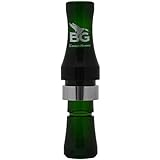
Overview: The Buck Gardner Canada Hammer Goose Call delivers full-range performance in a rugged polycarbonate package. Engineered with Quick-Tune guts, this call allows field adjustments without specialized tools, a critical advantage when conditions change. The double O-ring insert ensures airtight operation, while the gunmetal band adds durability and a touch of classic styling to this workhorse call designed for real-world hunting scenarios.
What Makes It Stand Out: The Quick-Tune guts system represents genuine innovation, enabling hunters to tweak reed tension in minutes using just their hands—no more returning to the truck for screwdriver adjustments. The fast response and immediate reed pickup translate to crisp, authoritative clucks and double-clucks that cut through wind. The double O-ring design maintains consistent back pressure, preventing sound degradation from air leaks.
Value for Money: Buck Gardner’s reputation for quality meets affordability here. This call performs comparably to $120+ acrylic models while costing significantly less. The field-serviceable design saves time and frustration, translating to more productive hunts. For hunters who prioritize function over fancy materials, the Canada Hammer delivers professional results at an amateur-friendly price.
Strengths and Weaknesses: Pros:
- Quick-Tune guts enable field adjustments
- Double O-ring ensures airtight performance
- Fast reed response for crisp notes
- Durable polycarbonate construction
- Full range of tones from moans to clucks
Cons:
- Camo finish may wear with heavy use
- Polycarbonate lacks premium material feel
- Slightly longer learning curve than easy-blow designs
Bottom Line: A field-serviceable champion that prioritizes practicality and performance. Ideal for experienced hunters who understand the value of quick adjustments and demand reliable, full-range calling capability without premium pricing.
Understanding Goose Call Basics
Before diving into specific features, it’s essential to grasp the fundamental mechanics that make these devices work. Goose calls operate on simple principles of air manipulation, but the devil is in the details that transform a basic whistle into a convincing goose conversation.
What Makes a Quality Goose Call
A quality goose call delivers consistent sound reproduction across various weather conditions and user skill levels. The best calls produce rich, deep honks and realistic clucks without requiring excessive air pressure. They maintain their tuning whether you’re calling softly to finish birds at 20 yards or hailing a distant flock at 400 yards. The internal guts—reeds, wedges, and tone boards—should be precision-crafted to work harmoniously, creating a system that’s greater than the sum of its parts.
Types of Goose Calls: Short vs Long Reed
The reed length fundamentally changes how a call performs. Short-reed calls dominate today’s market because they offer incredible versatility, allowing hunters to produce everything from quick clucks to rolling comeback calls. They typically require more back pressure and technique but reward practice with unmatched realism. Long-reed calls, while less common now, provide deeper tones naturally and can be easier for beginners to produce basic sounds, though they lack the high-end versatility that serious hunters demand.
The Anatomy of a Goose Call
Understanding the components helps you evaluate quality. The barrel houses the guts and shapes the call’s ergonomics. The insert contains the reed system and determines sound characteristics. The guts—consisting of the tone board, reed, and wedge—are the heart of the call. Each component must be precisely fitted; even microscopic gaps or misalignments can create squeaks, air leaks, or inconsistent tones that educated geese will ignore.
Key Features to Evaluate
When field testing calls over six months, certain performance characteristics consistently separated the effective from the disappointing. These features should be your primary evaluation criteria.
Sound Quality and Realism
The most critical factor is whether the call sounds like a real goose, not just to human ears, but to actual birds. Quality calls produce complex overtones and undertones that mimic the nasal, throaty quality of live geese. Listen for a natural break between notes, realistic pitch changes, and the ability to produce both sharp, staccato clucks and drawn-out moans. The best calls create an auditory illusion that fools even wary, late-season birds.
Volume and Projection Capabilities
Your call needs to reach distant flocks while remaining controllable at close range. Evaluate how the call performs across its entire volume spectrum. A quality call will maintain tone purity when you push air hard for hail calls without breaking into a shrill scream. Conversely, it should allow you to drop to a whisper for finishing calls while retaining realistic timbre. The ability to modulate volume without changing your embouchure dramatically is a hallmark of a well-designed call.
Durability in Harsh Conditions
Six months of testing revealed that calls must withstand temperature extremes, moisture, and rough handling. Quality calls maintain their tuning after being dropped in mud, frozen overnight, or exposed to torrential rain. Check for solid construction with no rattling parts, tight-fitting components, and materials that won’t crack in sub-zero temperatures. The finish should resist chipping, and any decorative elements shouldn’t compromise structural integrity.
Ease of Use for Beginners
While advanced callers can make almost anything sound good, a call that’s forgiving for newcomers is invaluable. Look for calls that produce realistic sounds with moderate air pressure and don’t require perfect technique to avoid squealing. The best calls for learning have a “sweet spot” that’s easy to find but reward continued practice with increasingly complex and realistic sounds. This balance prevents frustration while encouraging skill development.
Versatility Across Hunting Scenarios
A call that excels in open fields might struggle in timber or cramped blinds. Versatile calls perform well whether you’re running traffic on migrators, working small groups in a cut cornfield, or finishing birds over water. They should allow quick transitions between aggressive calling and subtle finishing work. The ability to produce multiple goose vocalizations—hails, clucks, moans, comeback calls, and feeding murmurs—without swapping calls is a significant advantage.
Materials and Construction
The material composition dramatically affects both sound characteristics and longevity. Each option presents trade-offs that hunters must weigh based on their specific needs and hunting style.
Acrylic vs Polycarbonate vs Wood
Acrylic calls produce sharp, crisp tones that cut through wind and carry across open fields. They’re dense, providing consistent back pressure and holding tune exceptionally well. Polycarbonate offers a middle ground—lighter and less expensive than acrylic while still delivering quality sound. Wood calls provide warm, rich tones that some hunters swear by for finishing wary birds, though they require more maintenance and can be affected by moisture. The density and hardness of the material directly correlate with tone sharpness and volume potential.
How Materials Affect Tone
Material density influences how sound waves resonate within the call barrel. Dense acrylic creates bright, high-frequency overtones that penetrate distance and wind. Polycarbonate produces slightly muted tones, often described as “softer” or more “forgiving.” Wood’s organic structure adds complex harmonics that can sound incredibly natural up close but may lack projection in adverse conditions. The interior surface finish—polished vs textured—also affects how sound waves behave, with smoother surfaces typically producing cleaner tones.
Maintenance Requirements by Material
Acrylic and polycarbonate calls are nearly maintenance-free, requiring only occasional cleaning and reed adjustments. Wood calls demand more care, including periodic oiling to prevent cracking and swelling. In extreme humidity or temperature fluctuations, wooden calls may require re-tuning more frequently. Consider your willingness to perform maintenance when choosing materials—neglecting a wood call can lead to permanent damage, while synthetic calls can be abused with minimal consequences.
Skill Level Considerations
Matching a call to your ability level accelerates learning and improves field performance. The wrong call can create bad habits and frustration.
Calls for Novice Hunters
Beginners benefit from calls with moderate back pressure and a forgiving reed setup that doesn’t squeal easily. Look for calls that produce a decent honk with basic air control, allowing you to focus on rhythm and timing rather than fighting the call. Avoid ultra-high-performance calls designed for contest calling—they’re too sensitive for learners and can teach improper air presentation. A good starter call builds confidence while still sounding realistic enough to work in the field.
Intermediate User Features
As skills develop, you’ll want a call that responds to subtle technique changes, allowing you to develop your personal style. Intermediate calls offer adjustable guts systems that let you experiment with reed tension and tone board angles. They should enable you to produce advanced sounds like spit notes and rolling comebacks while still forgiving minor mistakes. This is the stage where you can start developing your signature calling style that matches your hunting environment.
Advanced Caller Capabilities
Expert callers need calls that respond to micro-adjustments and can handle extreme air pressure without breaking down. These calls feature precision guts that allow for rapid-fire clucking, dramatic pitch changes, and the ability to mimic individual goose personalities. They’re often less forgiving but reward perfect technique with unmatched realism. Advanced calls may include custom or adjustable components that let you fine-tune the call to specific hunting situations or personal preferences.
Hunting Environment Factors
Your typical hunting location should heavily influence your call selection. Different environments demand different acoustic properties and handling characteristics.
Field Hunting Call Requirements
Open-field hunting demands calls with exceptional volume and projection to reach high-flying migrators. The ability to produce sharp, crisp hails that cut through wind is paramount. Calls for this scenario should maintain tone quality at maximum volume and allow for aggressive calling sequences. Consider calls with brighter tones that carry better across open spaces and can compete with natural sounds like wind and distant traffic.
Waterfowl Blind Acoustics
Hunting from permanent blinds or pit setups often involves closer working distances and requires calls that excel at soft finishing work. In enclosed spaces, overly loud calls can spook birds rather than attract them. Look for calls that produce warm, natural tones at close range and allow for subtle feeding chuckles and quiet moans. The acoustics of enclosed blinds can amplify calls, so volume control becomes more critical than raw power.
Late Season vs Early Season Calling
Early-season geese are often gullible and respond to aggressive, loud calling. Late-season birds that have been shot at for months require finesse and realism. Your call should adapt to both scenarios. This means finding a call that can be both aggressive when needed and subtle when required. Some calls come with adjustable guts that let you modify the call’s personality as the season progresses and birds become more educated.
Practical Testing Methods
Our six-month evaluation process revealed that how you test a call is as important as what you’re testing. Proper evaluation requires systematic approaches.
How to Field Test a Call
Test calls in real hunting situations, not just your backyard. Record yourself and compare to live geese recordings. Have hunting partners evaluate from a distance to assess projection and realism. Test in various weather conditions—cold, wind, rain—to check consistency. Try calling to actual birds when possible; their reactions provide the ultimate truth test. A call that sounds good in your garage but fails to turn birds in the field isn’t worth your money.
Breaking In a New Goose Call
New calls often require a break-in period for the reed to settle and achieve optimal sound. This involves hours of practice to wear in the reed’s vibration characteristics. Some calls need more break-in time than others—typically wood calls require more than synthetic ones. During this period, you’ll notice the tone becoming richer and more responsive. Don’t judge a call’s potential until you’ve put in significant practice time, as premature evaluation can lead to discarding a quality instrument.
Practicing for Realistic Sounds
Effective practice involves more than just blowing air. Record live geese and mimic their exact cadence and pitch changes. Practice in your hunting gear to simulate real conditions. Work on breathing techniques that allow for extended calling sequences without hyperventilation. The best callers practice year-round, not just the week before season. Your call is only as good as the technique behind it, so invest time in developing muscle memory and listening skills.
Price and Value Considerations
The most expensive call isn’t always the best choice. Value comes from matching features to your specific needs and skill level.
Budget-Friendly Options
Quality calls exist at lower price points, often using polycarbonate construction and simpler guts systems. These calls can be incredibly effective, especially for beginners or hunters who prioritize durability over nuanced performance. The key is finding budget calls from reputable manufacturers who don’t cut corners on critical components like reed quality or tone board precision. A $30 call that sounds good and lasts multiple seasons provides better value than a $150 call that sits in your truck because it’s too difficult to use.
Premium Features Worth Considering
Higher-priced calls justify their cost through superior materials, precision manufacturing, and advanced adjustability. Features like interchangeable guts, custom-tuned reeds, and hand-polished bores can make a difference for serious hunters. Acrylic calls with precision-machined components offer consistency that mass-produced calls can’t match. Consider whether these premium features align with your skill level and hunting intensity before investing.
Long-Term Investment Perspective
Think beyond a single season. A quality call that lasts a decade with minimal maintenance represents better value than replacing a cheap call every other year. Consider warranty policies and manufacturer reputation for customer service. Calls that hold their tuning and resist damage from normal hunting abuse save money and frustration long-term. Sometimes spending more upfront prevents the incremental cost of repeatedly upgrading from inadequate equipment.
Frequently Asked Questions
How long does it take to become proficient with a goose call?
Most hunters can produce basic clucks and honks within a few hours of practice, but developing realistic cadence and advanced techniques typically requires several months of consistent practice. Contest-level proficiency often takes years, but field effectiveness comes much sooner with focused practice and listening to live birds.
Can I use the same call for both Canada geese and snow geese?
While possible, it’s not ideal. Canada goose calls are tuned for deeper, lower frequencies, while snow goose calls produce higher-pitched, more rapid sounds. Using a Canada call on snows might work in a pinch, but dedicated calls for each species will significantly improve your success rate.
How often should I clean my goose call?
Clean your call after every few hunts, especially if you’re hunting in muddy or wet conditions. A simple rinse with warm water and mild soap, followed by thorough drying, prevents reed buildup and maintains sound quality. Avoid harsh chemicals that could damage reed material or affect tone.
What’s the best way to store calls during the off-season?
Store calls disassembled in a cool, dry place. Remove the guts to prevent reed memory and potential sticking. For wooden calls, apply a light coat of mineral oil before storage. Keep them in a protective case to prevent dust accumulation and physical damage.
Why does my call squeal when I blow it?
Squealing typically results from too much air pressure, improper lip placement, or a reed that’s too close to the tone board. Try reducing air pressure and adjusting your lip position. If the problem persists, the call may need internal adjustment of the reed wedge to create proper clearance.
Are custom calls worth the extra money?
Custom calls offer personalized tuning, unique aesthetics, and often superior craftsmanship. For serious hunters who spend many days in the field, the performance edge and durability can justify the cost. For occasional hunters, quality production calls often provide equal field performance at lower prices.
How do I know when to replace the guts in my call?
Replace guts when you notice a significant decline in sound quality that cleaning and adjustment can’t fix. Signs include reed warping, tone board wear, or inability to hold tune. Most quality guts last several seasons with proper care, though heavy users may need annual replacement.
Can temperature affect my call’s performance?
Extreme cold can stiffen reeds and reduce flexibility, while heat can cause some materials to expand. Acrylic and polycarbonate handle temperature fluctuations better than wood. Store your call inside your jacket on cold mornings to keep it warm and responsive until you’re ready to hunt.
What’s the difference between a contest call and a hunting call?
Contest calls prioritize volume, speed, and clarity for judging purposes, often requiring precise technique. Hunting calls focus on realism and forgiveness in field conditions. While some hunters use contest calls successfully in the field, hunting-specific calls are generally more practical for most situations.
Should I learn to tune my own calls?
Learning basic tuning is invaluable for any serious goose hunter. Understanding how to adjust reed tension and wedge position lets you customize your call’s sound and fix issues in the field. Start with small adjustments and document changes so you can return to baseline if needed. Many manufacturers offer tuning guides specific to their call designs.
Related Buying Guides
- We Tested 50 Goose Calls - Here are the 10 Best for Late-Season Snow Geese in 2026
- 10 Best Game Calls After 6 Months of Testing in 2026
- 10 Most Durable Crow Calls Based on Real User Reviews in 2026
- 10 Most Durable Goose Decoys Based on Real User Reviews in 2026
- 10 Most Durable Moose Calls Based on Real User Reviews in 2026