Table of Contents
There’s nothing more frustrating than raising your binoculars for a breathtaking wildlife moment or a critical detail on the horizon, only to have the lenses instantly cloud over with fog. In humid environments—whether you’re navigating misty coastal trails, exploring tropical rainforests, or simply enduring a dew-soaked morning—condensation isn’t just an annoyance; it can completely derail your experience. Fogged optics mean missed opportunities, blurred perspectives, and the constant hassle of wiping lenses, which risks scratching delicate coatings. This isn’t merely about comfort; it’s about reliability when your view of the world depends on crystal-clear vision, no matter how thick the moisture hangs in the air.
Understanding why fog happens inside binoculars is the first step toward solving it. It’s not just about external moisture settling on the glass—it’s the invisible water vapor trapped inside the optical tubes that cools and condenses when temperatures shift. Humid environments accelerate this process dramatically, turning otherwise high-quality optics into useless, steamed-up tubes. The good news? Modern engineering has cracked the code on truly fog-proof performance, but not all solutions are created equal. Choosing the right pair requires knowing exactly what makes binoculars resilient against humidity’s relentless assault, ensuring you invest in optics that won’t fail when the air feels heavy and wet.
Top 10 Fog Proof Binoculars
Detailed Product Reviews
1. Vortex Optics Crossfire HD 10x42 Binoculars - HD Optical System, Tripod Adaptable, Rubber Armor, Waterproof, Fogproof, Shockproof, Included GlassPak - Unlimited, Unconditional Warranty

Overview: The Vortex Crossfire HD 10x42 is a premium mid-tier binocular designed for serious outdoor enthusiasts. Featuring a 10x magnification and 42mm objectives, it leverages high-density (HD) optical elements to deliver exceptional clarity and color accuracy across varied lighting conditions, backed by Vortex’s renowned unconditional lifetime warranty.
What Makes It Stand Out: Its standout feature is the HD optical system, which minimizes chromatic aberration and ensures edge-to-edge sharpness often found in higher-priced models. Fully multi-coated lenses maximize light transmission (over 90%), while nitrogen purging guarantees reliable waterproof and fogproof performance. The included GlassPak harness enhances field usability, and the robust rubber armor provides superior shock resistance without compromising ergonomics.
Value for Money: Priced competitively against similar optics from Celestron or Nikon, the Crossfire HD offers unmatched value due to Vortex’s warranty and optical quality. It outperforms many entry-level “HD” binoculars in low-light clarity and durability, making it a smart investment for hunters or birders seeking reliability without breaking the bank.
Strengths and Weaknesses: Strengths: Outstanding color fidelity, excellent ergonomics with twist-up eyecups, tripod adaptable, and industry-leading warranty. Weaknesses: Slightly heavier than some rivals (24.7 oz), and the field of view (341 ft/1000yds) is narrower than ultra-wide alternatives. Low-light performance, while good, doesn’t quite match top-tier 50mm models.
Bottom Line: An exceptional all-rounder for demanding outdoor use. The Crossfire HD’s optical quality, ruggedness, and warranty make it a top recommendation for serious enthusiasts seeking dependable performance at a reasonable price.
2. 20x60 Binoculars for Adults High Powered, Waterproof & Fog Proof Compact Binoculars for Bird Watching with Low Light Vision, Hunting,Travel,Includes Carrying Bag

Overview: These 20x60 binoculars promise extreme magnification for long-range observation, targeting birders, hunters, and travelers. Marketed as “compact” despite their large 60mm objectives, they emphasize low-light clarity and eco-friendly construction (Amazon Climate Pledge Friendly certified), though practical usability raises questions.
What Makes It Stand Out: The 20x magnification is their headline feature, theoretically enabling extreme detail at distance. Multilayer-coated BAK4 prisms claim 99.8% light transmission for bright, color-accurate images in dawn/dusk conditions. The eco-certification and included carrying bag add perceived value for environmentally conscious buyers.
Value for Money: While inexpensive compared to premium brands, the value is questionable. High magnification (20x) without image stabilization makes handheld use shaky and fatiguing, and the actual field of view (advertised as 48yds/1000yds) is implausibly wide for 20x power—indicating potential spec inflation. Better spent on stabilized 10x-15x models for real-world usability.
Strengths and Weaknesses: Strengths: Bright images in low light due to large objectives, decent waterproofing for rain/spray, and comfortable twist-up eyecups. Weaknesses: Unstable handheld at 20x, narrow true field of view, heavy (over 30 oz), and “compact” claim is misleading. Build quality feels budget-grade, with rubber armor prone to peeling.
Bottom Line: Avoid for handheld use—20x magnification demands a tripod, which isn’t included. Only consider if mounted permanently; otherwise, opt for stabilized 12x-15x alternatives offering better usability and reliability.
3. Kylietech 12X42 Binoculars for Adults with Universal Phone Adapter, HD Waterproof Fogproof Compact Binoculars for Bird Watching, Hunting, Hiking, Sports, and Concerts with BAK4 Prism FMC Lens

Overview: The Kylietech 12x42 is a versatile, mid-range binocular kit targeting casual and mobile-savvy users. It combines 12x magnification with a smartphone adapter, BAK4 prisms, and waterproofing, aiming to serve birders, concertgoers, and travelers seeking photo capabilities.
What Makes It Stand Out: The included universal phone adapter (fits most smartphones) is its unique selling point, enabling basic digiscoping without extra cost. Fully multi-coated (FMC) optics on BAK4 prisms deliver solid clarity and color fidelity for the price, while the 330ft/1000yds field of view balances magnification with usability.
Value for Money: Excellent value under $100. It outperforms similarly priced no-name brands in optical coherence and build, and the phone adapter adds functionality competitors often charge $20+ for. However, low-light performance lags behind pricier 42mm models due to modest lens coatings.
Strengths and Weaknesses: Strengths: Phone adapter works reliably, lightweight (19.8 oz), comfortable twist-up eyecups, and effective waterproofing. Weaknesses: Plastic housing feels less durable than rubber-armored rivals, central focus wheel is stiff initially, and eye relief (14mm) is tight for glasses wearers. Night vision claims are overstated (requires ambient light).
Bottom Line: A smart buy for tech-integrated outdoor hobbies. Despite minor build quirks, its photo capability and solid optics make it ideal for casual users prioritizing versatility over pro-grade performance.
4. 15x55 UHD Binoculars for Adults High Powered with Phone Adapter - Large View, BAK4 Prism, Waterproof, Lightweight for Bird Watching, Hunting, Cruise, Travel, Sports (Blue)

Overview: This 15x55 model prioritizes high magnification and brightness for marine, birding, and sports use. Featuring UHD labeling, BAK4 prisms, and an IPX7 waterproof rating, it targets travelers and cruisers needing rugged, long-range clarity, with a phone adapter included for documentation.
What Makes It Stand Out: The large 55mm objectives paired with argon purging deliver exceptional brightness and low-light performance—unusual in this price bracket. The IPX7 waterproof rating (submersible to 1m) exceeds typical “waterproof” claims, and the 8° wide-angle field compensates for high magnification, reducing hand-shake perception.
Value for Money: Strong value for marine or astronomy use, where 55mm objectives are rare under $150. Beats smaller 42mm binoculars in light gathering but is heavier (28.2 oz). The phone adapter is functional but less stable than Kylietech’s; still, the all-weather durability justifies the cost for coastal/hiking adventures.
Strengths and Weaknesses: Strengths: Outstanding low-light clarity, superb waterproofing, wide field of view (367ft/1000yds), and comfortable eye relief (13.6–19.6mm). Weaknesses: Heavy for extended handheld use, fixed 15x magnification (no zoom), and blue chassis shows scratches easily. Tripod adapter not included.
Bottom Line: A specialized tool for low-light or marine environments. Choose it for unmatched brightness in its class, but pair with a tripod for steady viewing—ideal for cruisers or dawn/dusk wildlife watchers.
5. Vortex Optics Triumph HD 10x42 Binoculars - HD Optical System, Fully Multi-Coated Lenses, Rubber Armor, Tripod Adaptable, Waterproof, Fogproof, Shockproof - Unlimited, Unconditional Warranty

Overview: Vortex’s Triumph HD 10x42 is a lightweight, full-featured binocular positioned as an accessible entry into HD optics. Sharing DNA with the pricier Crossfire HD (Product 1), it offers 10x magnification and 42mm objectives with Vortex’s optical pedigree, targeting hikers and hunters needing portability.
What Makes It Stand Out: Its featherweight chassis (19.8 oz) sets it apart—30% lighter than the Crossfire—without sacrificing nitrogen-purged waterproofing or the unconditional warranty. The HD optical system ensures vibrant colors and sharpness, while the included GlassPak harness enables rapid shoulder access, perfect for fast-paced hunting.
Value for Money: Slightly more affordable than the Crossfire HD, the Triumph delivers 90% of the optical performance at a lower weight, making it exceptional value. It undercuts comparable Zeiss or Swarovski compacts by hundreds while retaining Vortex’s reliability, ideal for weight-conscious adventurers.
Strengths and Weaknesses: Strengths: Ultra-portable, superb ergonomics, harness-friendly design, and lifetime warranty. Weaknesses: Smaller eyebox than Crossfire reduces viewing comfort during prolonged use, and low-light performance is marginally dimmer. Rubber armor feels less substantial.
Bottom Line: The best choice for minimalist travelers or hunters prioritizing weight savings. Nearly matches the Crossfire’s optics in a sleeker package, earning a strong recommendation for mobile users.
6. Bushnell H2O Xtreme 10x42 Compact Waterproof Binoculars - Fully Multi-Coated Lenses, Anti-Fog, High-Performance Optics for Hunting, Birdwatching, Fishing, Boating, and Travel
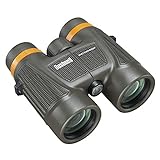
Overview: The Bushnell H2O Xtreme 10x42 delivers rugged, high-performance optics tailored for demanding outdoor use. Building on Bushnell’s 70-year legacy, these binoculars prioritize clarity, durability, and all-weather reliability for hunters, boaters, and adventurers.
What Makes It Stand Out: Its fully multi-coated BaK-4 prisms maximize light transmission for bright, vivid images even in low light. The IPX7 waterproof rating and nitrogen purging ensure survival during submersion and prevent internal fogging—critical for marine or rainy environments. The compact design with rubber armor offers a secure grip when wet.
Value for Money: Priced mid-to-high range, it justifies cost through Bushnell’s trusted engineering and IPX7 certification, outperforming cheaper “water-resistant” alternatives. The included case, strap, and lens covers add practical value for frequent travelers.
Strengths and Weaknesses: Strengths: Exceptional optical clarity, true submersible waterproofing, ergonomic non-slip grip, and versatile 10x42 configuration. Weaknesses: Slightly heavier than ultra-compact rivals; 10x magnification may require stabilization for extended use.
Bottom Line: A top-tier choice for serious outdoor enthusiasts needing bombproof reliability and premium optics. Ideal for boating or hunting where weather resistance is non-negotiable, though casual users might prefer lighter options.
7. 25X60 Binoculars for Adults High Power Binoculars with Large View Clear Low Light Vision Waterproof and Fog-Proof Binocular for Bird Watching Travel Hiking Sports Outdoor Hunting

Overview: These high-magnification 25x60 binoculars promise extreme long-range viewing for birding, hunting, and sports. Marketed for clarity in low light, they emphasize large lenses and coatings but face inherent challenges with handheld stability at 25x power.
What Makes It Stand Out: The 60mm objective lenses gather significant light, potentially enhancing low-light performance. Fully multi-coated (FMC) optics with BAK4 prisms aim for sharp, color-accurate images. The waterproof/fog-proof construction and single-handed usability are notable for portability.
Value for Money: Positioned affordably, they offer high specs on paper but suffer from impractical magnification. Serious birders or hunters will find the shaky 25x view inferior to stabilized 8x-12x models, making this better suited for tripod-mounted stationary use.
Strengths and Weaknesses: Strengths: Large aperture for light gathering, comfortable ergonomics, and weather resistance. Weaknesses: 25x magnification is nearly unusable handheld (causing image shake), bulky for travel, and optical quality may not match premium brands despite coatings.
Bottom Line: Avoid for handheld adventures; consider only if mounting on a tripod. Better value exists in 10x42 or 8x42 models for dynamic outdoor activities where stability matters most.
8. Bushnell H2O 8x42mm Binoculars, Waterproof and Fogproof Binoculars for Boating, Hiking, and Camping, Multi Blue

Overview: Bushnell’s H2O 8x42 balances portability and performance for hikers, campers, and boaters. Leveraging the brand’s optical expertise, it features an 8x magnification ideal for steadier handheld use and a durable, weatherproof design.
What Makes It Stand Out: The IPX7 waterproof rating and nitrogen-filled housing guarantee fog-proof operation during submersion. Fully multi-coated optics with BAK-4 prisms deliver bright, high-contrast images, while the lightweight aluminum chassis reduces fatigue during all-day use. Soft-touch rubber grips enhance security in wet conditions.
Value for Money: Competitively priced for a trusted brand, it outperforms budget binoculars in optical consistency and durability. The 8x magnification offers a wider field of view than 10x models, improving usability for tracking moving subjects like birds or boats.
Strengths and Weaknesses: Strengths: Reliable waterproofing, comfortable ergonomics, excellent low-light clarity, and reduced hand-shake vs. higher-magnification models. Weaknesses: 8x power sacrifices some long-range detail; blue finish may not appeal to all users.
Bottom Line: An excellent all-rounder for active outdoor use, especially near water. The ideal pick for hikers or boaters prioritizing comfort, durability, and consistent optical performance over maximum magnification.
9. Occer 12x25 Compact Binoculars for Adults and Kids, Large Eyepiece Waterproof Binocular with Low Light Vision,High Powered Easy Focus Binoculars for Bird Watching,Outdoor Hunting,Travel,Sightseeing

Overview: The Occer 12x25 targets travelers and families with a pocket-sized, kid-friendly design. Its 12x magnification and compact form prioritize portability, though the small 25mm lenses limit low-light capability despite marketing claims.
What Makes It Stand Out: Twist-up eyecups accommodate glasses wearers, and the large 15mm eyepieces improve comfort. The ABS plastic build keeps weight minimal, while FMC coatings and BAK4 prisms aim for decent clarity in daylight. Its true standout is versatility for casual use across ages.
Value for Money: Budget-friendly and lightweight, it’s ideal for occasional travelers or children. However, optical performance in dim conditions falls short of larger 42mm models, making it less suitable for serious birding or dawn/dusk hunting.
Strengths and Weaknesses: Strengths: Ultra-portable, glasses-friendly, affordable, and easy for kids to handle. Weaknesses: Limited low-light performance due to small objective lenses; plastic construction feels less durable; 12x magnification is shaky handheld.
Bottom Line: A practical, entry-level option for daytime sightseeing or family outings. Not recommended for dedicated wildlife observation but perfect as a lightweight backup or gift for young enthusiasts.
10. 10X42 Compact Binoculars for Adults - Long Distance, High Powered Binoculars with Travel Case - Extra Bright Light & Large Field of View - Lightweight, Water & Fog Proof, Hunting, Bird Watching

Overview: This 10x42 model positions itself as an affordable, versatile binocular for adults and kids. It emphasizes portability, weather resistance, and a bright image, targeting casual users for events, travel, and outdoor hobbies.
What Makes It Stand Out: The 10x42 configuration balances magnification and light-gathering, while FMC coatings and BAK4 prisms promise edge-to-edge clarity. Rubber armor ensures a slip-resistant grip, and included accessories (case, strap, cloth) enhance usability. Adjustable eyecups cater to glasses wearers.
Value for Money: Excellent bang for buck at an entry-mid price point. It rivals pricier brands in daylight clarity and durability but may lack the refined optics of premium models. The comprehensive package justifies the cost for budget-conscious beginners.
Strengths and Weaknesses: Strengths: Bright images in daylight, comfortable ergonomics, solid weather resistance, and great accessory bundle. Weaknesses: “Water-resistant” (not IPX7-rated) limits submersion safety; low-light performance lags behind Bushnell equivalents.
Bottom Line: A highly capable starter binocular for concerts, hiking, or birding. Best for fair-weather use where absolute optical perfection isn’t critical—ideal for families or infrequent adventurers seeking reliability under $100.
Understanding Fogging: Why Humidity Wreaks Havoc on Optics
The Science Behind Internal Condensation
Internal fogging occurs when moisture-laden air trapped inside the binocular housing cools rapidly, causing water vapor to condense onto the cooler internal lens surfaces. This is especially problematic in humid climates where the air naturally holds more moisture. Temperature fluctuations—like moving from an air-conditioned vehicle into a steamy jungle—are the usual trigger, turning your expensive optics into a blurry mess within seconds.
External vs. Internal Fogging: Knowing the Difference
While external fog (water droplets on the outer lens) can often be wiped away or prevented with hydrophobic coatings, internal fogging is far more serious. It happens between the lenses, deep within the optical path, making it impossible to clean without disassembling the binoculars—which typically voids the warranty. True fog-proofing addresses this internal threat at its source.
The Core Technology: How Fog-Proofing Actually Works
Nitrogen Purging: The Industry Standard
The most common and effective method involves completely evacuating the air from the binocular housing and replacing it with dry, inert nitrogen gas. Nitrogen is non-reactive, contains zero moisture, and won’t support internal corrosion. This process, done under controlled conditions, eliminates the water vapor that causes condensation during temperature changes.
Argon Gas: A Step Further for Extreme Conditions
Some high-end models utilize argon gas instead of nitrogen. Argon molecules are significantly larger than nitrogen molecules, making them even less likely to seep through microscopic seals over time, especially in consistently humid or high-temperature environments. This offers potentially longer-lasting protection against moisture ingress.
Sealing Integrity: The O-Ring’s Critical Role
Gas purging is only as good as the seals containing it. High-quality, durable O-rings made from specialized rubber compounds (like butyl or nitrile) create airtight barriers at every joint—around eyecups, focus mechanisms, and objective lens housings. The precision of these seals is paramount; a single weak point compromises the entire system.
Evaluating Build Quality for Humidity Resistance
Housing Materials: Beyond Just Waterproof Claims
While waterproof ratings (like IPX7) indicate submersion capability, they don’t guarantee long-term fog resistance in humid air. Look for housings made from robust, non-corrosive materials like magnesium alloy. These are lighter than aluminum yet offer superior strength and better thermal stability, minimizing rapid temperature shifts that trigger fogging.
Prism Type and Its Impact on Moisture Trapping
Roof prism binoculars generally have a simpler, straighter internal path with fewer potential gaps for moisture compared to Porro prism designs. However, modern Porro models achieve excellent fog-proofing through meticulous sealing. The key isn’t the prism type itself, but the quality of the sealing applied to any design.
Lens Coatings: The First Line of Defense
Multi-layer anti-reflective coatings aren’t just for light transmission; some specialized hydrophobic top coatings actively repel water and oil on the external lenses. While this doesn’t prevent internal fogging, it minimizes external droplets that can obscure your view in drizzle or high humidity, complementing the internal fog-proofing.
Key Features to Prioritize for Humid Environments
Temperature Range Specifications
Check the manufacturer’s stated operating temperature range. Binoculars designed for true fog-proofing in humidity will specify a wide range (e.g., -20°F to +140°F / -29°C to +60°C). A broader range indicates the seals and gas fill can handle significant thermal stress without failing.
Pressure Testing Standards
Reputable fog-proof binoculars undergo rigorous pressure testing beyond simple waterproofing. Look for mentions of “pressure tested to X PSI” or compliance with military standards (like MIL-STD-810). This simulates the pressure changes that occur during altitude shifts or extreme weather, ensuring seals hold.
Long-Term Seal Durability Considerations
Consider the expected lifespan of the seals. High-quality O-rings resist drying out, cracking, or becoming brittle due to UV exposure or constant humidity. Some manufacturers use proprietary sealant compounds specifically formulated for tropical or marine environments.
Practical Usage Tips to Maximize Fog Resistance
Acclimatization: Your Best Immediate Defense
When moving between drastically different temperatures (e.g., air-conditioned room to hot jungle), place your binoculars in a sealed plastic bag before the temperature change. Let them slowly acclimate inside the bag to the new environment. The condensation will form on the outside of the bag, not the lenses.
Proper Storage Practices in Humid Climates
Always store binoculars in a cool, dry place. Include silica gel desiccant packs in your storage case to absorb ambient moisture. Avoid leaving them in hot cars or damp sheds. For long-term storage in humid areas, consider a dedicated dry cabinet with humidity control.
Avoiding Common Mistakes That Compromise Seals
Never force the focus wheel if it feels stiff, as this can distort housings and break seals. Don’t use compressed air to clean internal mechanisms—this can force moisture past seals. Always wipe the exterior dry after use in wet conditions, especially around the eyecups and objective rings.
Maintenance Essentials for Longevity in Moisture-Rich Settings
Regular Seal Inspection Routine
Periodically examine all O-ring areas (eyecups, focus mechanism, lens rings) for cracks, grit, or deformation. Gently clean debris with a soft, dry cloth. If you spot any damage, seek professional servicing immediately—do not attempt DIY seal replacement.
Cleaning Techniques Safe for Fog-Proof Optics
Use only lens-specific cleaning tools: a soft camel-hair brush for dust, followed by microfiber cloths and lens cleaning fluid applied to the cloth, not directly to the lens. Avoid household cleaners or paper towels, which can damage coatings and leave residues that attract moisture.
When to Seek Professional Servicing
If you notice persistent internal fogging, even after acclimatization, it indicates a seal failure. Similarly, if the binoculars lose buoyancy (a sign gas has leaked), professional re-pressurization and resealing are required. Attempting this yourself will almost certainly destroy the optics.
Cost vs. Value: Investing Wisely for Humid Conditions
Why Cutting Corners on Fog-Proofing Fails
Opting for cheaper “water-resistant” or poorly sealed binoculars in humid environments is a false economy. Internal fogging often leads to permanent fungus growth on lenses, irreparable damage, and the need for premature replacement—costing more long-term than a quality fog-proof pair.
Evaluating Warranty Coverage for Humidity-Related Issues
A strong warranty (5+ years) that explicitly covers fogging due to seal failure is a hallmark of confidence. Read the fine print: does it cover “O-ring replacement” or “re-pressurization”? Avoid warranties that exclude “normal wear” on seals if you live in high humidity.
Future-Proofing Your Purchase for Changing Climates
As global humidity patterns shift, investing in binoculars with superior, proven fog-proofing technology ensures they remain reliable across more locations and conditions for years. Prioritize robust sealing and inert gas filling over marginal gains in magnification or weight savings.
Frequently Asked Questions
How can I tell if my binoculars are truly fog-proof?
True fog-proof binoculars will be explicitly labeled as such and specify nitrogen or argon purging. Check for O-rings visible around critical joints and a stated waterproof rating (like IPX7). Internal fogging should never occur under normal temperature shifts if the seals are intact.
Does “waterproof” automatically mean “fog-proof”?
Not always. Waterproofing (resisting external water ingress) is necessary but not sufficient for fog-proofing. Fog-proofing specifically requires the internal air to be replaced with dry gas and sealed to prevent moisture re-entry. Always confirm both features are present.
Can fog-proof binoculars still fog on the outside?
Yes. External fogging (water droplets on the outer lens) is different from internal fogging. Hydrophobic lens coatings help shed external moisture, but wiping with a microfiber cloth is usually needed. Internal fog-proofing doesn’t prevent this external issue.
How long does the fog-proofing last?
With quality construction and proper care, fog-proofing should last the lifetime of the binoculars (10-20+ years). Seal degradation is the main failure point, accelerated by UV exposure, extreme temperatures, or physical damage. Regular inspection is key.
Is argon gas significantly better than nitrogen for fog-proofing?
Argon offers a marginal advantage due to its larger molecule size, potentially slowing leakage over decades in extreme environments. For most users in humid conditions, high-quality nitrogen-purged binoculars with excellent seals perform identically to argon models.
Can I fix fogged binoculars myself if the seal fails?
No. Attempting DIY repair almost always causes permanent damage. Professional servicing requires specialized vacuum chambers to purge moisture and refill with inert gas under controlled conditions. It’s a precise process best left to manufacturers or certified technicians.
Do I need fog-proof binoculars for coastal birdwatching?
Absolutely. Coastal environments combine high humidity, salt spray, and temperature shifts—perfect conditions for internal fogging. Standard binoculars will likely fog internally and risk salt corrosion. Fog-proofing is essential for reliable coastal use.
Are roof prism binoculars inherently more fog-proof than Porro prism?
Not inherently. While roof prism designs have fewer internal air gaps, both types can achieve excellent fog-proofing through meticulous sealing. The critical factor is the quality and integrity of the O-rings and housing construction, not the prism style.
Will fog-proof binoculars prevent lens fungus?
Indirectly, yes. By eliminating internal moisture, fog-proofing creates an environment where fungus cannot grow. Fungus thrives in dark, damp optical tubes—dry nitrogen or argon filling starves it of the moisture it needs to take hold.
How does altitude affect fog-proof binoculars in humid areas?
Rapid altitude changes cause pressure fluctuations. Quality fog-proof binoculars are pressure-tested to handle these shifts without seal failure. Poorly sealed units might “burp” (let air/moisture in) during ascent/descent, leading to eventual fogging, especially in humid high-altitude locations.
Related Buying Guides
- The Science Behind Fog-Proof Binoculars: How They Work and Why You Need One
- How to Solve Blurry Imaging with the 10 Best Fog Proof Binoculars in 2026
- Stop Fogging Lenses with the 10 Best Fog Proof Binoculars This Year
- We Tested 50 Fog Proof Binoculars - Here are the 10 Best for Humid Environments in 2026
- The 10 Best Binoculars Every Bird Watcher Needs This Year