Table of Contents
Ever been caught in a sudden downpour during a critical hunting moment, only to watch your scope fog up and fail when you need it most? Or felt that sinking dread as freezing temperatures turn your expensive optics into a blurry, unusable mess? For serious shooters and hunters who operate in demanding environments, the reliability of your scope isn’t just convenient—it’s fundamental to success and safety. Fixed power scopes, often overshadowed by their variable counterparts, offer a compelling blend of rugged simplicity and unwavering performance precisely when conditions turn harsh. They eliminate the mechanical complexity that can falter under stress, providing a rock-solid sighting solution you can truly depend on when the weather turns against you.
In an era where optics technology constantly evolves, the enduring appeal of the fixed power scope lies in its no-nonsense, field-tested durability. Unlike variable scopes with intricate internal mechanisms, fixed power models boast fewer moving parts, translating directly to enhanced resilience against shock, moisture, and temperature extremes. This inherent robustness makes them a top choice for hunters trekking through torrential rain, military personnel operating in desert dust storms, or any shooter who prioritizes absolute reliability over magnification flexibility. Understanding what truly makes a fixed power scope stand up to nature’s worst isn’t just about marketing buzzwords; it’s about knowing the specific engineering and material choices that separate a scope that merely survives from one that consistently delivers crisp, clear sight pictures when it counts the most. Let’s dive deep into the essential features that define truly weatherproof, durable fixed power optics.
Top 10 Fixed Power Scopes
Detailed Product Reviews
1. Triton Ronin Series 4x30 Field-Ready Fixed Power Scope - M2 Reticle
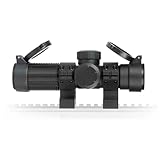
Overview: The Triton Ronin Series 4x30 is a fixed-power riflescope engineered for tactical reliability in demanding environments. Built for law enforcement, military, and serious recreational use, it prioritizes speed, durability, and optical consistency over variable magnification.
What Makes It Stand Out: Its fixed 4x magnification eliminates mechanical complexity, ensuring instant target acquisition and repeatable zero under stress. UltraClear multi-coated optics deliver exceptional clarity in low light, while the illuminated M2 reticle remains usable without power. The compact 30mm objective and shockproof aircraft-grade aluminum housing withstand recoil and harsh conditions without sacrificing field of view.
Value for Money: Priced mid-range, it outperforms cheaper optics in optical quality and ruggedness while avoiding the premium cost of high-end variable scopes. For users needing dependable close-to-mid-range performance, it’s a cost-effective investment over alternatives requiring frequent recalibration.
Strengths and Weaknesses: Strengths: Unmatched mechanical reliability; excellent low-light clarity; snag-resistant profile; consistent illuminated reticle. Weaknesses: Fixed magnification limits versatility beyond 300 yards; no parallax adjustment for precision shooting; minimal eye relief for some platforms.
Bottom Line: An ideal choice for duty or defensive rifles where speed and ruggedness are critical. Highly recommended for tactical applications but less suited for long-range varmint hunting.
2. BURRIS 2x20 Handgun Scope, Plex Reticle, Matte Black (200218)

Overview: Burris designed this 2x20 scope specifically for handgun hunters facing punishing recoil from powerful calibers like .44 Magnum. Its long eye relief and robust construction address unique challenges of handgun optics, balancing usability with durability.
What Makes It Stand Out: The extended eye relief (critical for recoil management) prevents scope bite during rapid firing, while high-grade optical glass ensures bright, clear images despite the compact 20mm objective. Larger lenses than competing models enhance light transmission, and the plex reticle offers intuitive holdovers for medium-range shots.
Value for Money: Competitively priced for its niche, it justifies cost through specialized durability and optical performance. Cheaper handgun scopes often fog or lose zero; this delivers consistent reliability, making it a smart buy for serious handgun hunters.
Strengths and Weaknesses: Strengths: Exceptional recoil resistance; bright, clear optics for size; long eye relief; simple plex reticle. Weaknesses: Limited 2x magnification restricts long-range use; narrow field of view; no illumination for low light.
Bottom Line: The top choice for hunters using magnum revolvers or large-frame pistols. Avoid if shooting beyond 150 yards, but indispensable for ethical handgun hunting in dense cover.
3. Vector Optics Veyron 10x44mm Fixed Magnification, Ultra Short, 30mm Tube Riflescope Second Focal Plane Compact Tactical Rifle Scope Sharp Clear m.p.h Wind Corrections

Overview: The Vector Optics Veyron 10x44 is a compact, fixed-magnification tactical scope optimized for precision at 200–300 meters. Its ultra-short 9.6-inch profile and specialized reticle cater to shooters needing speed and windage compensation in dynamic scenarios.
What Makes It Stand Out: The fixed 10x design maximizes optical clarity and eliminates moving parts, while the MRP-V5 reticle enables instant mph wind corrections and mil-based ranging. Turret lock prevents accidental adjustments, and the honeycomb sunshade combats glare. The rugged 6061-T6 chassis handles 750G shock—ideal for AR platforms.
Value for Money: Offers premium features (turret lock, mil reticle, shock resistance) at a mid-tier price. Outperforms similarly priced variable scopes in optical integrity for fixed-range applications, though less versatile for close quarters.
Strengths and Weaknesses: Strengths: Outstanding windage compensation; shockproof/IPX4 durability; crisp reticle; compact size. Weaknesses: Fixed 10x limits close-range usability; no illumination; eye relief may be tight for some shooters.
Bottom Line: A superb value for precision carbine shooters focused on medium-range engagements. Highly recommended for competition or tactical use but less practical for hunting in thick brush.
4. Edenberg 1.5-5x20 1-inch Tube Rifle Scope for Hunting and Tactical Shooting 100% Waterproof Fogproof Shockproof Construction with Wide Filed of View
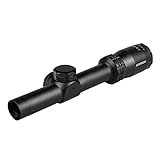
Overview: This versatile 1.5-5x20 scope bridges hunting and tactical needs with a wide field of view and low-light capability. Its compact 1-inch tube and variable magnification suit lightweight rifles, from deer stalkers to home-defense carbines.
What Makes It Stand Out: The 1.5x lowest magnification provides an expansive view for close encounters, while 5x enables mid-range precision. Fully multi-coated HD optics ensure brightness in dawn/dusk conditions, and the duplex reticle balances simplicity with holdover points. Waterproof/fogproof construction adds reliability in all weather.
Value for Money: An entry-level scope with mid-range features, it offers excellent bang-for-buck for casual hunters. Cheaper than premium brands but outperforms budget optics in clarity and durability, though adjustments lack finesse for precision work.
Strengths and Weaknesses: Strengths: Wide field of view at 1.5x; effective low-light performance; rugged waterproof build; affordable. Weaknesses: Limited throw lever speed; 20mm objective restricts extreme low-light use; turret clicks feel imprecise.
Bottom Line: Perfect for hunters needing a lightweight, affordable scope for woods or predator control. Skip if you require sub-MOA adjustments, but ideal for general-purpose use under $200.
5. Monstrum Stealth 4x30 Fixed Magnification Scope | Black | BDC Reticle

Overview: Monstrum’s Stealth 4x30 is a budget-friendly fixed-power scope targeting hunters and tactical shooters needing simplicity and illumination. Its BDC reticle and long eye relief cater to rapid engagement at typical field distances.
What Makes It Stand Out: The fully illuminated BDC reticle (with inline brightness control) excels in low light, while the extended 6+ inch eye relief prevents injury on hard-recoiling rifles. Aircraft-grade aluminum and nitrogen purging ensure fog/water resistance, and the included offset mount simplifies co-witnessing with iron sights.
Value for Money: Exceptional for under $150. Illuminated reticles at this price are rare, and the included mount adds value. It trades some optical refinement for affordability but outshines similarly priced non-illuminated scopes.
Strengths and Weaknesses: Strengths: Bright, adjustable illumination; generous eye relief; included offset mount; solid waterproofing. Weaknesses: Optical clarity lags behind premium brands in low light; BDC holds only approximate beyond 300 yards; plasticky turret caps.
Bottom Line: A standout budget scope for hunters using lever-actions or tactical rifles. Highly recommended for the price, but prioritize optics upgrades if shooting in very low light frequently.
6. Talos BTR 10X42 Gen2 Scope Direct Dial, Side Focus 30Mm Tube Sfp, Aagr1-Moa

Overview: The Talos BTR 10x42 Gen2 is a high-magnification tactical rifle scope designed for precision shooting at medium to long ranges, featuring a 30mm tube, second focal plane reticle, and direct dial elevation turret. Built for rugged field use, it targets hunters and competitive shooters needing reliable performance in variable conditions. What Makes It Stand Out: Its Gen2 fully multi-coated optics significantly boost light transmission for brighter images in low light, while the aircraft-grade aluminum tube ensures exceptional durability. The nitrogen-purged, waterproof, and fog-proof construction guarantees function in heavy rain or submersion, and the side focus minimizes parallax error down to 30 yards. Value for Money: Priced mid-to-high range, it justifies cost through professional-grade sealing, optical clarity rivaling more expensive brands, and robust shock resistance. While cheaper scopes exist, few match its all-weather reliability and coating quality at this tier. Strengths and Weaknesses: Strengths include superior light transmission, excellent waterproofing, and a sturdy aluminum chassis. Weaknesses are the heavier weight from the aluminum tube and a slightly narrow field of view at 10x magnification, which can hinder target acquisition speed. Bottom Line: A dependable, high-performance scope for serious shooters prioritizing optical quality and weatherproofing; ideal for hunting or tactical use where reliability is non-negotiable, despite minor ergonomic trade-offs.
7. PRO RIMFIRE 4X32MM RIFLESCOPE

Overview: The PRO RIMFIRE 4x32mm is an entry-level riflescope tailored for rimfire rifles and beginner shooters, offering fixed 4x magnification and a simple Simmons Truplex reticle. It emphasizes ease of use and essential functionality for plinking, small-game hunting, or introductory marksmanship training. What Makes It Stand Out: Its inclusion of complete mounting hardware—1-inch aluminum dovetail rings with stop pins and bikini lens covers—provides exceptional out-of-the-box readiness. The IPX7 waterproof/fogproof rating and fully coated glass ensure basic durability and decent low-light performance at an accessible price point. Value for Money: Outstanding value for beginners, as the bundled accessories eliminate extra costs for rings and covers. While optical clarity lags behind premium multi-coated scopes, it delivers reliable rimfire performance where extreme magnification or edge-to-edge sharpness isn’t critical. Strengths and Weaknesses: Strengths are the included mounting kit, simple Truplex reticle, and solid weather resistance. Weaknesses include limited magnification range, basic lens coatings causing glare in bright light, and capped turrets that slow adjustments during use. Bottom Line: Highly recommended for new shooters or rimfire applications due to its affordability, ready-to-use package, and adequate ruggedness; skip if you need variable zoom or top-tier optics for centerfire rifles.
8. Monstrum Panzer 3-9x40 Rifle Scope with AO Adjustable Objective and Offset Scope Mount | BD1 Reticle

Overview: The Monstrum Panzer 3-9x40 is a versatile mid-power variable optic (MPVO) with a 40mm objective lens, targeting hunters and tactical users needing adaptable magnification for varied distances. It includes a unique offset cantilever mount and features an adjustable objective (AO) for parallax correction. What Makes It Stand Out: The AO lens enables precise parallax elimination and range estimation, while the fully illuminated BD1 reticle (with inline brightness dial) enhances target acquisition in low light. The included offset mount simplifies co-witnessing with iron sights, and the 40mm lens boosts light transmission over smaller objectives. Value for Money: Excellent value given the included mount, illumination, and AO functionality at a budget price. Competitors often charge extra for similar features, making this a cost-effective choice for hunters seeking illumination and parallax adjustment without premium costs. Strengths and Weaknesses: Strengths include versatile magnification, bright illuminated reticle, and practical AO adjustment. Weaknesses are potential battery dependency for illumination and a tube diameter (1-inch) less robust than 30mm alternatives under heavy recoil. Bottom Line: A smart buy for hunters needing illumination and parallax control; the bundled mount and solid optics justify the price, though prioritize durability if using high-recoil firearms.
9. Monstrum S330P 3X Prism Scope | DX1 Reticle

Overview: The Monstrum S330P is a fixed 3x prism scope utilizing etched glass reticle technology, designed for rapid target engagement in close-to-mid range scenarios. It replaces traditional red dots with a prism-based system, featuring motion-activated illumination and astigmatism-friendly clarity. What Makes It Stand Out: Shake Awake technology automatically powers the illuminated DX1 reticle on with movement and off after 10 minutes of inactivity, conserving battery life. The etched glass reticle eliminates distortion common in red dots—crucial for shooters with astigmatism—and provides consistent visibility without parallax error. Value for Money: Offers red-dot-like speed with superior optical reliability at a competitive price. The lifetime warranty adds significant long-term value, especially compared to red dots where reticle burnout is a common failure point. Strengths and Weaknesses: Strengths are astigmatism compatibility, Shake Awake efficiency, and etched reticle durability. Weaknesses include fixed 3x magnification (less ideal for ultra-close quarters than true red dots) and limited eye relief requiring precise head placement. Bottom Line: Highly recommended for shooters with astigmatism or those wanting red-dot speed with prism reliability; the Shake Awake feature and warranty make it a standout budget prism scope despite fixed magnification constraints.
10. Triton Ronin Series 4x30 Field-Ready Fixed Power Scope - M1 Reticle
Overview: The Triton Ronin 4x30 is a fixed-power scope engineered for military, law enforcement, and hunting applications where speed and reliability are paramount. Its compact 30mm objective, etched reticle, and aircraft-grade aluminum housing emphasize rugged simplicity for fast target acquisition. What Makes It Stand Out: The fixed 4x magnification eliminates mechanical failure points from zoom mechanisms, ensuring repeatable zero and instant target focus. UltraClear multi-coated optics deliver bright, high-contrast images, while the etched M1 reticle remains visible without batteries—even in total darkness. Value for Money: Excels as a “set-and-forget” optic; its mechanical simplicity and shockproof design justify the price for professionals needing fail-safe performance. Cheaper scopes often compromise sealing or reticle reliability, making this a cost-effective investment for critical use. Strengths and Weaknesses: Strengths include unmatched reliability, excellent low-glare optics, and snag-resistant compactness. Weaknesses are the fixed magnification (less flexible than variables) and smaller 30mm objective limiting low-light capability versus larger scopes. Bottom Line: A top recommendation for patrol, training, or hunting where absolute reliability trumps variable zoom; ideal for users prioritizing speed, durability, and consistent reticle visibility in all conditions.
Why Fixed Power Scopes Excel in Tough Conditions
The Simplicity Advantage for Reliability
The core strength of fixed power scopes lies in their mechanical simplicity. With only one magnification setting, they eliminate the complex erector tube assemblies and associated springs, levers, and seals required in variable power models. Fewer internal components mean fewer potential points of failure when subjected to severe shock from recoil, hard impacts, or constant vibration. This streamlined design inherently makes them less susceptible to internal misalignment or breakage, ensuring the reticle stays precisely where it needs to be, shot after shot, even after enduring punishing conditions.
Reduced Seal Points Enhance Weatherproofing
Every additional moving part in an optic requires a seal to maintain waterproof integrity. Variable scopes need multiple high-precision seals around the magnification ring and associated mechanisms. Fixed power scopes, lacking this variability, drastically reduce the number of critical seal points. This significantly lowers the risk of moisture ingress during submersion or prolonged exposure to heavy rain, sleet, or high humidity. Fewer seals also mean less potential for seal degradation over time due to temperature cycling or exposure to harsh elements, contributing to longer-lasting waterproof performance.
Consistent Optical Performance Under Stress
Fixed power scopes deliver optical consistency that variables sometimes struggle with, especially under thermal stress. As temperatures plummet or soar, the different materials within a complex variable scope can expand or contract at slightly different rates. This micro-movement can occasionally cause minor shifts in point of impact (POI) or introduce slight optical distortions. The simpler tube construction and stable optical path of a fixed power scope minimize these thermal effects, providing more predictable and reliable performance across extreme temperature ranges, from freezing alpine mornings to scorching desert afternoons.
Decoding Weatherproofing: Beyond Just Waterproof Claims
Nitrogen Purging vs. Argon: What Actually Matters
Most quality scopes claim to be “nitrogen purged” to prevent internal fogging. While nitrogen is common and effective, the critical factor is the thoroughness of the purging process and the quality of the seals, not solely the gas used. High-end optics might utilize argon gas, which has larger molecules than nitrogen, theoretically offering even better resistance to slow leakage over decades. However, for most practical hunting and shooting applications in harsh weather, a properly executed nitrogen purge with robust sealing is entirely sufficient. Focus less on the gas type and more on verified manufacturer testing standards for fog resistance.
The Critical Role of O-Ring Quality and Placement
O-rings are the unsung heroes of weatherproofing. High-quality scopes use multiple, precisely sized Viton or similar synthetic rubber O-rings at all critical junctions: objective bell, eyepiece, and any adjustment turrets. Viton offers superior resistance to ozone, UV degradation, extreme temperatures (from -40°F to over 400°F), and common solvents compared to cheaper nitrile rubber. The placement and number of O-rings are crucial; scopes designed for extreme conditions often feature redundant O-rings in key areas. Look for manufacturers that specify O-ring material and detail their sealing protocols.
Pressure Testing: Understanding ATM and IP Ratings
Don’t just trust “waterproof” labels. Reputable manufacturers subject scopes to rigorous pressure testing. Look for specifications like “10 ATM” (atmospheres) or “100m water resistance,” indicating the scope can withstand significant pressure, equivalent to deep submersion. While IP (Ingress Protection) ratings are more common for electronics, some optics reference them (e.g., IPX7 for immersion up to 1m). Real-world durability often exceeds these ratings, but verified high-pressure testing (e.g., 300+ PSI) is a strong indicator of true resilience against driving rain, snow melt, and accidental submersion in streams or puddles.
Construction Materials: Building a Fortress for Your Optics
Aircraft-Grade Aluminum: The Standard Bearer
The vast majority of durable fixed power scopes utilize aircraft-grade (typically 6061-T6 or 7075-T6) aluminum alloy for the main tube. This material offers an exceptional strength-to-weight ratio, excellent machinability for precise tolerances, and inherent corrosion resistance. The “T6” temper designation indicates heat treatment and aging, maximizing strength. Ensure the tube is a single, seamless piece (“monotube” construction) for optimal structural integrity and waterproofing, as opposed to multi-piece designs which introduce more potential leak points.
Magnesium Alloy: Lightweight Without Sacrificing Strength
For shooters demanding the absolute lightest possible setup without compromising durability, high-end scopes increasingly use magnesium alloy tubes. Magnesium is significantly lighter than aluminum (about 33% less dense) while offering comparable strength-to-weight ratio. Modern anodizing and sealing processes effectively mitigate magnesium’s historical susceptibility to corrosion, making it a viable, premium option for harsh environments where every ounce matters, like long-range backpacking hunts.
Reinforced Mounting Surfaces and Impact Resistance
Durability isn’t just about weather; it’s about surviving the knocks of field use. Look for scopes with beefed-up mounting surfaces – often indicated by wider tube diameters (30mm or 34mm are common standards) or specific reinforcement rings near the rings. These areas should be machined from the same solid billet as the tube. Additionally, consider scopes advertised with specific shockproof ratings (e.g., “withstands 1000G shock”), which speaks to the internal mounting of lenses and robustness against recoil impulse and accidental drops onto hard surfaces.
Optical Performance: Clarity That Cuts Through the Elements
Fully Multi-Coated Lenses: Non-Negotiable for Low Light
In harsh weather, light transmission is paramount. Rain, fog, snow, and overcast skies drastically reduce available light. Fully multi-coated (FMC) lenses – meaning all air-to-glass surfaces have multiple layers of anti-reflective coating – are essential. This minimizes light loss (reflection) and glare at each surface, maximizing the amount of usable light reaching your eye. Avoid scopes with only single coatings or partial multi-coating; the difference in brightness and clarity during dawn, dusk, or stormy conditions is significant and directly impacts target acquisition and shot confidence.
Lens Glass Quality: ED/HD Elements for True Color Fidelity
Standard optical glass can suffer from chromatic aberration (color fringing), especially in low-contrast, wet conditions. Scopes featuring Extra-Low Dispersion (ED) or High-Definition (HD) glass elements dramatically reduce this color fringing. This results in sharper, higher-contrast images with truer color representation, critical for discerning details through rain, mist, or heat haze. While adding to cost, ED/HD glass is a worthwhile investment for maintaining image quality when atmospheric conditions degrade.
Exit Pupil Size and Eye Relief Considerations
Fixed power magnification directly determines exit pupil size (objective lens diameter divided by magnification). For harsh weather use, especially in low light, a larger exit pupil (e.g., 5mm or more) is beneficial as it’s more forgiving of eye placement and gathers more light. However, balance this with objective size and overall scope bulk. Adequate, consistent eye relief is equally vital; scopes designed for heavy recoil rifles need generous, unchanging eye relief to prevent “scope bite” and ensure a full field of view even when shouldered firmly in adverse conditions.
Turrets and Adjustments: Precision That Endures
Target-Style Turrets vs. Capped Turrets: Functionality Trade-offs
Target-style turrets (exposed, finger-adjustable) offer quick, precise, and tactile adjustments, often with audible/ tactile clicks. However, they present more potential ingress points for moisture and debris. Capped turrets protect the adjustment mechanism but require removing a cap for changes, which is slower and fiddlier, especially with gloves in freezing rain. For pure harsh-weather durability where frequent adjustments aren’t needed (e.g., hunting), capped turrets often provide a slight edge in long-term weatherproofing. For precision shooting requiring frequent changes, high-quality target turrets with excellent sealing are viable.
Zero-Stop and Zero-Reset Mechanisms for Reliability
A reliable zero-stop or zero-reset mechanism is crucial for confidence after tracking or environmental shifts. This feature allows you to quickly return to your primary zero setting after dialing for elevation or windage. In harsh conditions, knowing your scope will reliably return to zero without tedious counting of clicks is invaluable. Ensure the mechanism is robust and functions smoothly even when the scope is cold or slightly dirty, indicating high-quality internal machining and materials.
Adjustment Precision and Tactile Feedback
The quality of the adjustment mechanism impacts long-term durability and usability. Smooth, consistent, and distinct tactile clicks (audible and felt) are essential for precise adjustments, especially when wearing gloves. Cheap mechanisms can feel mushy, sticky, or inconsistent, leading to adjustment errors. High-quality scopes use hardened steel components and precision machining for adjustments that remain crisp and reliable for thousands of clicks, resisting wear and tear from dust, moisture, and temperature extremes.
Reticle Choices: Visibility in Adverse Conditions
Illuminated Reticles: A Game-Changer in Low Light
An illuminated reticle, particularly with adjustable brightness, is arguably the single most valuable feature for harsh weather and low-light shooting. When rain, fog, or twilight drastically reduces target contrast, a bright reticle dot or crosshair provides a critical aiming reference against a dark or obscured background. Look for scopes offering a wide range of brightness settings, including very low intensities for night vision compatibility and ultra-high settings for bright overcast days. Fiber optic or tritium illumination are alternatives, but LED systems with battery power generally offer the most versatile and brightest illumination.
Reticle Thickness and Design for Target Acquisition
In poor visibility, a reticle that’s too thin can vanish into the background, while one that’s too thick obscures the target. Opt for a reticle design with a balance – a moderately thick main post or dot that remains visible in low contrast, potentially tapering to finer lines for precise aiming. Duplex reticles are popular for their simplicity and visibility, while more complex BDC (Bullet Drop Compensator) reticles need clear, well-illuminated holdover points. The reticle should be etched onto the glass (not wire) for maximum durability and consistent illumination.
First vs. Second Focal Plane Considerations
Fixed power scopes are always Second Focal Plane (SFP), meaning the reticle size remains constant regardless of magnification (though magnification is fixed, so this is less critical than in variables). The key point is that any subtensions in the reticle (like in a BDC) are only accurate at the scope’s single magnification. For harsh weather use, SFP is perfectly adequate and avoids the complexity of First Focal Plane (FFP) found in some variables. Focus on the clarity and illumination of the reticle itself rather than focal plane concerns for fixed power.
Mounting and Integration: The Foundation of Stability
Tube Diameter Standards: 1 Inch, 30mm, 34mm
The tube diameter impacts mounting rigidity and internal adjustment travel potential. While 1-inch (25.4mm) is traditional, 30mm and 34mm have become standards for more demanding applications. Larger diameters generally allow for wider internal adjustment ranges and potentially stronger mounting surfaces. For maximum durability and stability, especially on heavier recoiling rifles or in rough terrain, 30mm or 34mm scopes paired with high-quality mounts offer superior resistance to shift under stress. Ensure your rings are specifically designed for the tube diameter you choose.
Mounting Surface Finish and Ring Compatibility
The finish on the scope tube where rings clamp down is critical for preventing slippage. Look for tubes with a fine, precise knurling or a smooth anodized finish specifically designed for high clamping force without marring. Avoid tubes with overly coarse knurling that can damage rings or create uneven pressure points. High-quality rings with proper torque specs and recoil lugs are essential partners to the scope; even the toughest scope can shift if mounted poorly. Consider scopes with fluted tubes only if the fluting doesn’t compromise the clamping surface integrity.
Recoil Management Features
Heavy recoil is a common harsh condition. Scopes designed for magnum calibers often incorporate specific internal recoil management: stronger spring systems for the erector (though simpler in fixed power), reinforced lens mounts within the tube, and potentially specialized internal baffling. Look for explicit manufacturer statements about recoil tolerance (e.g., “tested on .375 H&H”). Proper mounting technique (correct torque, anti-seize compound on screws, proper ring alignment) is equally vital to prevent scope shift under repeated heavy recoil.
Real-World Usage Scenarios and Environmental Challenges
Extreme Cold: Condensation and Lubrication Issues
In sub-zero temperatures, the primary threats are external lens fogging from breath/moisture and potential internal fogging if seals fail. More critically, internal lubricants can thicken or solidify, causing stiff adjustments or even temporary failure. High-quality scopes use specialized, low-temperature synthetic lubricants that remain fluid far below freezing. Scopes built for arctic conditions often undergo specific cold-testing protocols. Always allow a cold scope to acclimate slowly in an unheated vehicle or pack before exposing it to warmer, humid air to minimize external fogging.
Torrential Rain and Submersion: Sealing is Paramount
Driving rain isn’t just about getting wet; it’s about sustained high-pressure water exposure. True waterproofing means the scope functions perfectly after being submerged (check manufacturer depth/duration specs). High-quality O-rings and rigorous pressure testing are non-negotiable. After heavy rain, gently wipe the exterior dry but avoid aggressive rubbing; allow it to air dry completely before storage. Never store a wet scope in a sealed case, as trapped moisture can lead to internal issues over time.
Desert Heat, Dust, and Sand: Abrasion and Thermal Shock
Scorching temperatures combined with fine, abrasive dust and sand test a scope’s limits. Heat can cause internal air expansion, stressing seals if not properly compensated (vented scopes are rare and generally not recommended for harsh weather). Dust can infiltrate turrets and erode adjustments. Look for scopes with sealed turrets (dust covers or robust O-rings) and smooth, non-abrasive external finishes that resist scratching. Avoid rapid temperature changes (e.g., moving from air conditioning to desert heat) which can cause temporary internal fogging even in good scopes; allow gradual acclimation.
Investment and Longevity: Getting Value from Your Optic
Price vs. Durability: Is Premium Worth It?
There’s a strong correlation between price and true harsh-weather durability, but it’s not always linear. Entry-level scopes might claim weatherproofing but often use inferior O-rings, lighter sealing, and less rigorous testing. Mid-range scopes offer the best balance for most hunters, featuring solid aircraft aluminum, good multi-coatings, and reliable nitrogen purging with decent pressure testing. High-end scopes justify their cost with premium materials (magnesium, ED glass), superior sealing (argon, redundant O-rings), extreme pressure testing, and exceptional optical clarity that holds up in marginal light. Consider the scope’s intended use intensity – a once-a-year deer hunter has different needs than a professional guide in Alaska.
Warranty and Manufacturer Support: Your Safety Net
A comprehensive, no-questions-asked warranty is a powerful indicator of a manufacturer’s confidence in their product’s durability. Look for lifetime warranties that cover fogging, water ingress, and mechanical failure. Understand the process – is it handled by the manufacturer directly, or through dealers? Reputable companies stand firmly behind their warranties, providing quick replacements or repairs. This support is invaluable if, despite best efforts, an optic succumbs to truly extreme conditions.
Proper Maintenance for Maximizing Lifespan
Even the toughest scope requires basic care. After exposure to saltwater, sand, or mud, gently rinse with fresh water and dry thoroughly. Use lens caps religiously when not in use. Clean lenses only when necessary, using proper lens cleaning tools (blower brush first, then microfiber cloth with minimal solvent). Store the scope in a cool, dry place, preferably in a padded case, with lens caps on. Avoid storing it mounted on a rifle for extended periods in humid environments. Simple, consistent care dramatically extends the life and performance of any quality optic.
Frequently Asked Questions
Can a fixed power scope really handle going underwater?
Yes, a genuinely waterproof fixed power scope built for harsh conditions can withstand submersion. Look for specifications like “10 ATM” or “100m water resistance,” indicating it’s been pressure tested well beyond typical rain or accidental drops in a stream. Proper nitrogen/argon purging and high-quality O-rings are essential for this level of protection.
How do I prevent my scope from fogging up in cold weather?
External fogging (on the lenses) happens when the cold scope meets warm, humid air. Prevent it by storing the scope in an unheated area (like your vehicle trunk) before heading out, allowing it to acclimate slowly. Never breathe on the lenses. Internal fogging indicates a seal failure; a properly purged scope should never fog internally, regardless of temperature changes.
Are illuminated reticles worth the potential battery drain in harsh weather?
Absolutely. In low-contrast conditions like heavy rain, fog, or twilight, an illuminated reticle is often the only thing you can clearly see to aim accurately. Modern scopes use efficient LEDs with long battery life, and many have auto-off features. The massive gain in target acquisition speed and precision far outweighs the minor inconvenience of occasional battery replacement.
Do I need a larger objective lens for better performance in bad weather?
A larger objective lens gathers more light, which can help in low-light stormy conditions. However, the critical factor is the quality of the lens coatings (fully multi-coated). A smaller objective with excellent FMC coatings will often outperform a larger, poorly coated one. Balance objective size with the scope’s overall weight and your need for a larger exit pupil.
Can dust and sand permanently damage a fixed power scope?
Fine grit can infiltrate poorly sealed turrets, causing stiff adjustments or wear over time. High-quality scopes feature sealed turrets with robust O-rings to prevent this. While dust on the exterior is easily cleaned, internal dust intrusion usually indicates a seal compromise. Choosing a scope designed for harsh environments with sealed adjustments is key for dusty/sandy conditions.
Is argon gas filling significantly better than nitrogen for weatherproofing?
Argon’s larger molecules theoretically leak slower than nitrogen over decades, but for practical hunting and shooting lifespans (10-20 years), a properly executed nitrogen purge with high-quality seals is just as effective. Don’t pay a large premium solely for argon; focus on the manufacturer’s overall sealing process and pressure testing standards instead.
How does extreme heat affect a fixed power scope’s durability?
Prolonged extreme heat can cause internal air expansion, stressing seals if not designed for it. High-quality scopes account for this with robust sealing. More commonly, heat degrades cheaper lubricants inside adjustment mechanisms, causing stiffness. Premium scopes use specialized high-temperature lubricants. Avoid leaving scopes on dashboards in direct sun for extended periods.
Are magnesium alloy scopes truly as durable as aluminum in the field?
Yes, modern aerospace-grade magnesium alloys, when properly anodized and sealed, offer strength-to-weight ratios comparable to aluminum and excellent corrosion resistance. They are widely used in military and professional optics designed for extreme conditions. The main advantage is significant weight savings without sacrificing ruggedness, crucial for long hikes in tough terrain.
What’s the most common reason for a “waterproof” scope to fail in harsh weather?
The most frequent cause is O-ring failure or degradation. This can happen due to using cheap nitrile rubber instead of Viton, improper installation during manufacturing, damage during handling (nicks, scratches), or exposure to solvents/ozone over time. High-quality scopes use Viton O-rings and rigorous quality control to prevent this.
How can I test if my scope is still properly sealed after years of use?
The most reliable test is observing it in high-humidity or rapid temperature change conditions. If you see internal fogging, the seal is compromised. While not foolproof, placing it in a freezer for 30+ minutes then moving it to a warm, humid room (like a bathroom after a shower) can sometimes reveal failures if internal fog appears. Prevention through buying quality and proper care is better than testing.
Related Buying Guides
- 10 Most Durable Thermal Scopes Based on Real User Reviews in 2026
- 10 Most Durable Night Vision Scopes Based on Real User Reviews in 2026
- 10 Best Fixed Power Scopes for Simplicity and Reliability in 2026
- 10 Premium Fixed Power Scopes (Worth the Investment) for Minimalist Hunters in 2026
- How to Solve Image Distortion with the 10 Best Fixed Power Scopes in 2026