Table of Contents
Stepping into archery as a beginner feels like learning a new language—every piece of equipment has its own purpose, terminology, and subtle nuances that affect your performance. Among these tools, the bow sight stands as one of the most critical components for developing consistent accuracy. For newcomers, the fixed pin sight offers a perfect balance of simplicity and effectiveness, eliminating the complexity of adjustable single-pin systems while providing reliable reference points for various distances.
Understanding what separates an excellent fixed pin sight from a mediocre one can save you frustration, money, and missed opportunities in the field. This comprehensive guide walks you through everything you need to know about selecting your first fixed pin bow sight, focusing on the features that matter most for developing archers. We’ll explore construction quality, visibility factors, adjustment mechanisms, and practical setup strategies that will help you make an informed decision without getting overwhelmed by technical jargon or marketing hype.
Top 10 Fixed Pin Bow Sights
Detailed Product Reviews
1. Trophy Ridge Hotwire Archery Bow Sight - 2 Fixed Pins, 1 Adjustable Pin, On Board Allen Key, 2nd Axis Leveling, Right Hand, 0.019 Pin

Overview: The Trophy Ridge Hotwire bridges the gap between fixed-pin simplicity and slider-sight versatility, offering right-handed archers a clever hybrid design. With two fixed pins and a third tool-less adjustable pin, this sight adapts to varying distances without requiring full slider mechanics. The 0.019-inch fiber optic pins provide a precise aiming point, while the integrated rheostat light extends hunting opportunities during dawn and dusk. Built for the practical bowhunter, it includes an on-board Allen key and second-axis leveling for enhanced long-distance accuracy.
What Makes It Stand Out: The standout feature is the hybrid pin configuration—two fixed pins for common distances plus a tool-less adjustable third pin for opportunistic shots. The on-board adjustment tool eliminates fumbling in the field, while second-axis leveling ensures your pins remain true on steep terrain. The micro-adjustable windage and elevation further enhance precision, making this a surprisingly adaptable system for a non-slider sight.
Value for Money: Priced in the mid-range category, the Hotwire delivers exceptional value by combining two sight styles into one unit. You’d typically need separate fixed and slider sights to achieve this flexibility, costing significantly more. The included rheostat light and on-board tools eliminate additional purchases, making it a cost-effective solution for hunters wanting adaptability without premium slider pricing.
Strengths and Weaknesses: Pros: Hybrid design offers flexibility; tool-less third pin adjustment; integrated tools prevent loss; excellent low-light visibility; second-axis leveling improves angled shots. Cons: Right-hand only limits audience; only three pins may be insufficient for some hunters; learning curve for adjusting third pin under pressure; .019 pins can be difficult for aging eyes.
Bottom Line: The Hotwire is ideal for bowhunters seeking a middle ground between fixed-pin reliability and slider versatility. Its thoughtful design and field-ready features make it a smart investment for those wanting adaptability without the complexity of full slider systems.
2. Trophy Ridge Fix Bow Sight, 5 Ultra-Bright 0.019" Horizontal Fiber Optic Pins, Includes Everything You Would Need, Micro-Adjustable Pins, Increased Accuracy, Innovative Design
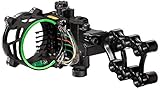
Overview: The Trophy Ridge Fix is a comprehensive fixed-pin sight system designed for archers who demand precision without complexity. Featuring five ultra-bright 0.019-inch horizontal fiber optic pins, this right-handed sight delivers exceptional visibility across multiple yardages. The package includes all necessary components—on-board adjustment tool, mounting hardware, and pre-charged rheostat light battery—ensuring you’re range-ready immediately. Second-axis adjustment capability and micro-adjustable pins provide tournament-level accuracy in a hunting-ready platform.
What Makes It Stand Out: The Fix distinguishes itself with horizontal pin orientation, reducing target obstruction compared to vertical arrangements. The micro-adjustment system allows fine-tuning without slop, while the second-axis adjustment ensures accuracy on uneven terrain. The true “everything included” approach means zero additional purchases, and the pre-charged battery demonstrates attention to detail that competitors often miss.
Value for Money: This sight punches above its weight class, offering features typically found in premium models at a mid-tier price point. Five-pin sights with micro-adjustment and second-axis leveling often cost 30-40% more. Since it includes the rheostat light and adjustment tools, you’re saving an additional $20-30 in accessories. For archers wanting a complete, high-performance fixed-pin solution, the Fix eliminates hidden costs.
Strengths and Weaknesses: Pros: Five pins cover extensive yardage; micro-adjustments enable precision tuning; horizontal pins provide clear sight picture; complete package with light and tools; second-axis leveling enhances long-range accuracy. Cons: Fixed pins lack slider versatility; horizontal orientation may feel unnatural to some; .019 pins can fade in bright sunlight; right-hand only configuration; battery replacement requires disassembly.
Bottom Line: The Trophy Ridge Fix is a top-tier choice for archers committed to fixed-pin shooting. Its precision features, comprehensive packaging, and thoughtful design make it an excellent value for both dedicated hunters and target shooters seeking reliable multi-pin performance.
3. Trophy Ridge Drive Slider Bow Sight , Black
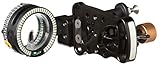
Overview: The Trophy Ridge Drive Slider caters to archers who prioritize precision over pin clutter, featuring a single ultra-bright 0.029-inch vertical fiber optic pin in a smooth-adjusting slider system. Designed for right-handed shooters, this sight eliminates yardage gaps by allowing infinite adjustment across the entire shooting range. Nylon bushings ensure silent, fluid movement without metal-on-metal contact, while the integrated bubble level maintains proper form. The included sight light extends usability during low-light conditions, making it a complete single-pin solution.
What Makes It Stand Out: The Drive Slider’s standout characteristic is its buttery-smooth adjustment mechanism, courtesy of premium nylon bushings that outperform metal bushings in both silence and longevity. The larger 0.029-inch pin captures more light for superior visibility, while the vertical orientation provides an unobstructed view of the target. The precision-installed bubble level is perfectly calibrated from the factory—a detail often overlooked in budget sliders.
Value for Money: Single-pin slider sights typically command premium prices, but the Drive Slider delivers professional features at an accessible mid-range cost. The included sight light (often a $15-20 add-on) and robust construction rival sights costing significantly more. For archers transitioning from fixed pins to slider systems, it offers exceptional performance without the steep learning curve or investment of high-end target sights.
Strengths and Weaknesses: Pros: Infinite yardage adjustment eliminates pin gaps; ultra-smooth and silent operation; large pin enhances visibility; integrated level improves consistency; complete package with light. Cons: Single pin requires dialing for each shot; not ideal for quick follow-up shots in hunting; right-hand only; vertical pin may obscure small targets; learning curve for yardage tape setup.
Bottom Line: The Drive Slider is perfect for experienced hunters and 3D archers who demand pinpoint accuracy and a clean sight picture. Its smooth operation and thoughtful design make it an excellent entry into premium slider performance without breaking the bank.
4. JolliLudo 5 Pin Compound Bow Sight with 0.019" Micro Fiber Optic Pins Tool Less Micro Adjust for Precision, Ambidextrous with High Visibility Level for Hunting and Shooting

Overview: The JolliLudo 5-Pin Sight democratizes precision archery with an ambidextrous design that serves both right and left-handed shooters at an entry-level price point. Five 0.019-inch micro fiber optic pins provide bright aiming points across multiple distances, while tool-less micro-adjustment allows quick field corrections. The built-in bubble level promotes consistent form, and multiple mounting holes ensure compatibility with most compound bows. This sight targets budget-conscious archers who refuse to compromise on adjustability or versatility.
What Makes It Stand Out: True ambidextrous capability sets this sight apart in a market dominated by hand-specific models. The tool-less micro-adjustment system is rare at this price tier, typically requiring Allen wrenches on competitor sights. Adjustable pin spacing lets users customize their sight picture, while the high-visibility level aids in reducing left-right errors. The universal mounting system accommodates various bow configurations without additional hardware.
Value for Money: This sight offers remarkable value, priced significantly below name-brand alternatives while delivering comparable features. Five-pin sights with micro-adjustment typically start at double the price. The ambidextrous design effectively provides two sights in one, making it ideal for families, clubs, or archers testing handedness. While build quality may not match premium brands, the feature-to-price ratio is exceptional for beginners and intermediate shooters.
Strengths and Weaknesses: Pros: Ambidextrous design offers universal fit; tool-less adjustment enables quick tuning; adjustable pin spacing customizes sight picture; easy installation without specialized tools; budget-friendly price point. Cons: Unknown brand longevity and warranty support; .019 pins may lack brightness of premium fiber optics; no included sight light; basic materials may not withstand heavy field use; finish may wear faster than anodized aluminum.
Bottom Line: The JolliLudo 5-Pin is an outstanding choice for new archers, youth programs, or anyone needing an affordable, versatile sight. Its ambidextrous design and tool-less adjustments make it particularly valuable for families or clubs sharing equipment.
5. TRUGLO Storm G2 Lightweight Compact Durable Highly-Visible Left-Hand Convertible Archery Bow Sight - 3 Pin

Overview: The TRUGLO Storm G2 addresses a critical market gap with its convertible left/right-hand design, making it uniquely versatile for youth archers, families, or anyone uncertain of their dominant eye. This ultra-lightweight 3-pin sight features aircraft-grade aluminum construction with vibration-dampening inserts, ensuring durability without added weight. The proprietary PRO BRITE pin technology enhances durability and brightness, while the enlarged circular aperture and glow-in-the-dark shooter ring improve target acquisition. At just 2-inch aperture diameter, it maintains a compact profile ideal for hunting blinds or tight spaces.
What Makes It Stand Out: The Storm G2’s primary distinction is its true ambidextrous conversion capability, achieved through a reversible mounting bracket—a feature virtually nonexistent in this price category. The glow-in-the-dark shooter ring provides reference points in twilight conditions, while the vibration-dampening insert reduces noise and pin movement. The compact, lightweight design makes it perfect for youth bows or backcountry hunts where every ounce matters.
Value for Money: As an entry-level sight, the Storm G2 delivers exceptional versatility at a budget-friendly price. The convertible design eliminates the need to purchase separate left and right-handed sights for growing archers or clubs. However, the separate light purchase adds $10-15 to the total cost. Compared to fixed-hand sights at similar prices, the ambidextrous feature and quality materials provide superior long-term value, especially for youth who may switch handedness as they develop.
Strengths and Weaknesses: Pros: Convertible left/right-hand design; ultra-lightweight and compact; PRO BRITE pins offer good visibility; vibration-dampening construction; enlarged field of view; glow-in-the-dark reference ring. Cons: Only three pins limit yardage options; sight light sold separately; basic windage/elevation adjustments lack micro-tuning; composite components may not match all-metal durability; 2-inch aperture may feel restrictive to some shooters.
Bottom Line: The TRUGLO Storm G2 is the ideal starter sight for youth archers, families, or anyone needing hand-switching capability. Its lightweight design and convertible feature make it a smart, economical choice for entry-level and intermediate shooters prioritizing versatility over pin count.
6. TRUGLO Pendulum Series Ultimate Treestand Bow Sight, Fixed Bracket

Overview: The TRUGLO Pendulum Series Ultimate Treestand Bow Sight addresses a specific challenge that elevated hunters face: extreme shot angles. This CNC-machined aluminum sight employs a unique pendulum system that automatically compensates for gravity when shooting from treestands, eliminating complex mental calculations during critical moments. Designed for distances up to 35 yards, it features a single .029" fiber-optic pin and includes a removable LED light for low-light conditions.
What Makes It Stand Out: The gravity-compensating pendulum mechanism is the star feature, automatically adjusting pin position based on angle. Unlike standard sights that require manual holdover estimation, this system provides instant compensation. The dual-mode capability to lock the pendulum for ground-level shooting adds remarkable versatility, essentially giving you two sights in one. The included LED light and glow-in-the-dark shooter’s ring enhance visibility during dawn and dusk when deer are most active.
Value for Money: Positioned at a premium price point, this sight justifies its cost for dedicated treestand hunters who understand the value of angle compensation. Standard multi-pin sights require extensive practice to master elevated shots, while this automates the process. The robust aluminum construction ensures season-after-season durability, making it a worthwhile investment compared to cheaper sights that lack this specialized functionality.
Strengths and Weaknesses: Strengths include automatic angle compensation, quiet operation, lightweight design, ambidextrous adjustability, and included LED light. Weaknesses are the thicker .029" pin that may obscure small targets, single-pin limitation for varying yardages, and the 35-yard maximum compensation range which may restrict some hunting scenarios.
Bottom Line: This is the definitive choice for serious treestand hunters who prioritize shot angle compensation. If you hunt primarily from elevated positions, the pendulum system will improve your accuracy and confidence significantly.
7. TRUGLO Range Rover Single-Pin .019" Dia Right-Handed Archery Hunting Moving Black Bow Sight with Standard Adjustment - Light Not Included

Overview: The TRUGLO Range Rover represents the gold standard in single-pin hunting sights, engineered for archers who demand precision and smooth adjustability. This CNC-machined sight features a ultra-thin .019" diameter pin that provides a precise aiming point without obscuring the target. With its large 1.8" aperture and toolless yardage lock, it balances rapid target acquisition with micro-adjustable accuracy for ethical hunting shots.
What Makes It Stand Out: The silky-smooth single-hand adjustment mechanism sets this sight apart, allowing hunters to quickly dial yardage without tools or excessive noise. The adjustable end-of-travel stop prevents overshooting your maximum distance setting, while laser-engraved windage and elevation markings ensure repeatable precision. The sight housing accepts aftermarket magnifying lenses, offering customization for those wanting enhanced target identification at longer ranges.
Value for Money: While priced in the mid-to-high range, the Range Rover delivers exceptional value through its refined mechanics and durability. Comparable single-pin sights often lack the toolless lock feature or smooth adjustment action. The all-metal pin and robust construction mean this sight will outlast cheaper alternatives, making it a smart long-term investment for serious hunters who appreciate reliability.
Strengths and Weaknesses: Strengths include the ultra-fine .019" pin, smooth toolless adjustment, laser-marked adjustments, quiver mount compatibility, and premium build quality. Weaknesses include the lack of included light (sold separately), additional cost for magnifying lenses, and the right-handed orientation which limits left-handed archers.
Bottom Line: For hunters seeking a premium single-pin experience with flawless adjustment mechanics, the Range Rover is an outstanding choice that will enhance your accuracy and hunting success.
8. Archery Compound Bow Sight Aluminum Alloy 0.019" Fiber Optic 1/2 Pin Bow Sight Micro-Adjustable Aim Sight Toolless Quickset with Sight Light Compound Bow Accessory (Bow Sight/1 pin)

Overview: This aluminum alloy bow sight offers solid performance for budget-conscious archers seeking toolless adjustability without sacrificing functionality. Featuring a bright .019" fiber-optic pin and micro-adjustable windage and elevation, it provides essential features for accurate shooting. The built-in level helps maintain proper bow alignment, while the quick-adjust mechanism allows for fast changes in the field without reaching for wrenches.
What Makes It Stand Out: The combination of toolless vertical adjustment and precise horizontal micro-adjustment with a wrench gives users both speed and precision. Pressing the lever allows rapid coarse adjustments, while twisting provides fine-tuned control. This hybrid approach is rare in this price category, where most sights offer only basic adjustments. The fully contained pins and fibers protect against damage during transport and field use.
Value for Money: This sight positions itself as an exceptional value proposition, delivering features typically found on more expensive models at an entry-level price point. For beginners or those needing a reliable backup sight, it offers professional-grade adjustability without the premium cost. While brand recognition may be lower than established names, the functional design and aluminum construction provide durability that surpasses plastic alternatives.
Strengths and Weaknesses: Strengths include affordable pricing, toolless quick adjustment, micro-adjust capability, built-in level, and protective pin housing. Weaknesses include vague brand identity, potentially less refined machining than premium brands, and limited long-term durability data compared to established manufacturers.
Bottom Line: An excellent entry-level option for archers wanting adjustable features without breaking the bank. Ideal for newcomers or as a dependable backup sight.
9. Trophy Ridge Gem 3-Pin Bow Sight – .019” Fiber Optic Pins for Low-Light Accuracy, Reversible Design for Left or Right-Handed Shooters, Removable Level, Yellow Hood Accent for Quick Target Acquisition

Overview: The Trophy Ridge Gem 3-Pin Bow Sight delivers reliable performance in a versatile, user-friendly package designed for hunters of all experience levels. Featuring three .019" fiber-optic pins, this sight excels in low-light conditions when game animals are most active. Its reversible bracket accommodates both left and right-handed shooters, making it one of the most adaptable sights in its class without requiring separate models.
What Makes It Stand Out: Trophy Ridge’s reputation for durability shines through in the Gem’s robust construction built to withstand harsh hunting conditions. The removable level offers customization for archers who prefer a cleaner sight picture, while the yellow hood accent aids rapid target acquisition by drawing your eye to the pins. The three-pin configuration provides practical yardage options without cluttering the field of view.
Value for Money: Positioned as a mid-range sight, the Gem offers excellent value through its ambidextrous design and brand reliability. Many competitors charge premium prices for left-hand compatibility or omit it entirely. For hunters needing a straightforward, dependable sight that works in any lighting, this represents smart spending compared to budget sights that lack fiber-optic brightness or durability.
Strengths and Weaknesses: Strengths include reversible design for any shooter, bright .019" pins, removable level, brand reputation, and effective low-light performance. Weaknesses include only three pins limiting yardage options, no included light accessory, and basic features lacking micro-adjustment precision found on premium models.
Bottom Line: A solid, versatile choice for hunters wanting a reliable, ambidextrous sight that performs consistently across various hunting scenarios and lighting conditions.
10. Single Pin Bow Sight for Compound Bow 0.019" Fiber 4X 6X 8X Lens Carbon Fiber Long Bar Micro Adjustable Sight Right-Hand (Only Bow Sight)

Overview: This premium single-pin sight targets serious archers and competitive shooters who demand maximum stability and micro-adjustability. The 6-inch carbon fiber extension bar dramatically increases sight radius, enhancing precision while the aluminum alloy construction keeps weight manageable. Featuring a .019" green fiber-optic pin and toolless micro-adjustment in all directions, it offers tournament-grade features for hunting applications.
What Makes It Stand Out: The carbon fiber extension bar is the defining feature, providing superior rigidity and vibration damping compared to aluminum bars. This stability translates to tighter groups and more consistent accuracy. The six-direction adjustment system with locking functions allows precise tuning without tools, while the standard 3/8-32 thread accepts optional 4X, 6X, or 8X magnifying lenses for enhanced target identification at long range.
Value for Money: While commanding a premium price, this sight justifies the cost for advanced archers who benefit from extended sight radius and lens compatibility. The carbon fiber construction and comprehensive adjustment features rival sights costing significantly more. However, the necessity of purchasing lenses separately increases total investment, making it best suited for those committed to long-range precision.
Strengths and Weaknesses: Strengths include carbon fiber stability, extensive micro-adjustability, long sight radius, lens compatibility, and locking functions. Weaknesses include right-hand-only configuration, lenses not included, potentially excessive features for beginners, and higher price point.
Bottom Line: Ideal for experienced hunters and target archers seeking extended sight radius and precision adjustment capabilities. Not recommended for beginners due to complexity and cost.
Understanding Fixed Pin Bow Sights
What Makes a Sight “Fixed Pin”?
Fixed pin sights feature multiple horizontal pins that you set at predetermined distances and lock into place. Unlike movable single-pin sights that require constant adjustment, these pins remain stationary once configured. Most beginner-friendly models come with three to five pins, typically set at intervals like 20, 30, 40, 50, and 60 yards. This design allows you to quickly acquire your target without fiddling with adjustments during critical moments.
Why Fixed Pins Excel for Beginners
The primary advantage for newcomers lies in the simplicity of operation. When a deer steps into your shooting lane or you’re focusing on a 3D target, you won’t need to estimate distance, then stop to adjust your sight. You simply select the appropriate pin and release. This muscle memory development is invaluable during your first seasons of hunting or target shooting. Fixed pins also tend to be more budget-friendly and mechanically straightforward, meaning fewer components that could fail when you’re counting on them most.
Common Pin Configurations Explained
Three-pin setups work beautifully for tree stand hunters shooting at typical woodland distances of 20-40 yards. Four-pin configurations add versatility for field archery and variable terrain. Five-pin arrangements provide maximum flexibility but can clutter your sight picture if not designed well. For beginners, starting with three pins and expanding your comfort zone before adding more complexity often proves the wisest approach. Consider your primary shooting environment when deciding how many pins you’ll realistically need.
Key Features to Evaluate
Pin Size and Visibility Factors
Pin diameter dramatically affects your sight picture and accuracy. Larger pins (.029" to .039") gather more light and appear brighter in low conditions but can obscure small targets at longer distances. Smaller pins (.019") offer precise aiming points but may be difficult to see in dawn or dusk situations. Many manufacturers offer interchangeable pins, allowing you to customize as your skills progress. Fiber optic wrapping around pins increases brightness without adding bulk, a feature worth prioritizing.
Material Construction and Durability
Entry-level sights typically use aluminum or polymer construction. Machined aluminum provides superior strength and vibration resistance while adding minimal weight. Polymer sights reduce cost significantly but may flex under stress or crack in extreme cold. Look for anodized finishes that resist corrosion and wear. The sight’s overall heft matters too—excessive weight on your bow’s riser can affect balance and shooting fatigue during long practice sessions.
Adjustment Mechanisms and Micro-Adjustability
While pins stay fixed during shooting, you’ll need precise adjustments during initial setup. Tool-less micro-adjustment knobs allow fine-tuning without carrying Allen wrenches into the field. Look for audible or tactile clicks that help you track minute changes. Windage (left-right) and elevation (up-down) adjustments should move smoothly without slop or backlash. Some budget models require loosening screws and tapping the sight housing, which works but demands more patience and skill.
Mounting Systems and Compatibility
Most modern compounds accept standard 10-32 threaded sights, but recurve bows and older compounds may need adapters. Check your bow’s riser for pre-tapped holes and measure the distance from the riser to your arrow rest to ensure proper sight window alignment. Some sights offer extended mounting brackets that bring the pins closer to your eye, creating a larger sight picture and improving accuracy potential. These extended mounts prove especially beneficial for shooters with longer draw lengths.
Fiber Optic Technology and Brightness
The length and quality of fiber optic strands determine how much ambient light reaches your pins. Longer strands wrapped multiple times around the pin gather more light. Some designs incorporate battery-powered LED lights that illuminate the fibers from within—helpful for low-light hunting but requiring extra batteries and adding complexity. For beginners, prioritizing natural fiber optic brightness typically serves better than electronic enhancements.
Bubble Level Importance
A built-in bubble level helps ensure your bow isn’t canted (tilted left or right) at full draw. Even slight canting introduces left-right impact errors that become more pronounced at longer distances. Look for levels that are easily visible without shifting your focus from the target. Some sights position the level within the sight housing, while others mount it on the side. The level should be adjustable so you can calibrate it against a known vertical reference.
Setting Up Your First Fixed Pin Sight
Initial Installation Steps
Begin by mounting the sight bracket to your bow’s riser using the appropriate screws, applying thread locker to prevent loosening from vibration. Position the sight housing so pins align vertically with your arrow rest when viewed from behind. Ensure adequate clearance between the sight and your arrow fletching at full draw. Tighten all bolts to manufacturer specifications—over-tightening can strip threads or crack components. Finally, attach any fiber optic light modules or accessories.
Sighting-In Process for Beginners
Start at 10 yards to get on paper quickly. Shoot a three-arrow group, then adjust your top pin to center that group. Move to 20 yards and repeat the process, using the same pin. Once satisfied, move back to 30 yards and adjust your second pin using the same method. Always chase your arrow impacts—if arrows hit left, move the sight left. If they hit high, move the sight up. This counterintuitive adjustment confuses many beginners but becomes second nature with practice.
Common Setup Mistakes to Avoid
Never set your pins based on a single arrow—always use three-arrow groups to establish true center. Avoid cranking adjustments too aggressively; small moves often correct larger errors than expected. Don’t ignore your bubble level during sight-in, as canting introduces horizontal drift. Many beginners set pins too far apart vertically, leaving gaps where no pin perfectly matches common hunting distances. Finally, ensure your peep sight aligns naturally with your sight housing to avoid torque and inconsistent anchor points.
Performance Considerations
Accuracy Fundamentals with Fixed Pins
Fixed pin accuracy depends on consistent anchor points, proper peep sight alignment, and understanding pin gaps. The space between your pins represents distance increments—learning to hold slightly high or low within these gaps helps you shoot distances between your set yardages. Practice judging distances accurately, as being off by just five yards can cause a miss at 40 yards. Your pins should appear crisp and in focus while the target stays slightly blurry—this is normal and correct.
Low Light Performance Factors
Dawn and dusk often provide prime hunting opportunities but challenge sight visibility. Maximize fiber optic brightness by keeping strands clean and free of debris. Some archers add a small battery-powered light, but practice with it extensively first as it can create harsh shadows or overpower the sight picture. Consider pins with larger diameters for low-light situations, or models with photochromatic technology that adjusts brightness based on ambient conditions. Your sight’s contrast against the target background matters as much as pin brightness.
Weather Resistance Features
Quality sights use stainless steel hardware and sealed adjustment mechanisms to prevent moisture intrusion. Rubber gaskets around light modules protect electronics. In cold weather, aluminum sights conduct heat away from your hands, while polymer models stay warmer to the touch. Fogging rarely affects the sight itself but can obscure your scope lens if you use one. Some hunters apply anti-fog treatments to the sight housing interior, though this proves more critical for magnified scopes than basic pin sights.
Budget and Value Factors
Price Range Expectations
Entry-level fixed pin sights start around $30-50, offering basic functionality with polymer construction and standard fiber optics. Mid-range options from $75-150 provide aluminum builds, tool-less adjustments, and enhanced fiber optic systems. Premium sights exceeding $200 add features like micro-adjustable pins, extended mounts, and superior materials. For most beginners, the $75-100 range offers the best balance of durability, features, and performance without unnecessary complexity.
Warranty and Support Considerations
Reputable manufacturers back their sights with lifetime warranties against defects, though damage from impact or improper installation typically isn’t covered. Read warranty terms carefully—some require registration within a specific timeframe. Customer support quality matters when you need replacement parts like fiber optic strands or mounting screws. Established brands maintain inventories of spare components for older models, while budget imports may offer no support whatsoever.
When to Upgrade Your Sight
You’ll know it’s time to upgrade when your current sight limits your accuracy potential rather than your skill level. If pins won’t hold adjustment, fiber optics have broken, or the housing bends, replacement becomes necessary. As you develop consistency and start shooting beyond 50 yards regularly, you might desire finer pins or more precise adjustments. However, many archers shoot entry-level sights successfully for years—the equipment rarely outpaces the archer’s ability in the first few seasons.
Maintenance and Care
Routine Cleaning Practices
Clean your sight monthly during heavy use periods. Remove dust and debris with compressed air or a soft brush. Wipe the sight housing with a damp cloth, avoiding harsh chemicals that could damage finishes. Check all mounting screws for proper torque, as vibration loosens them over time. Inspect fiber optic strands for cracks or breaks, which reduce brightness. A quick wipe with a microfiber cloth before each shooting session ensures optimal visibility.
Pin and Fiber Optic Care
Fiber optic strands are delicate—avoid touching them with fingers as oils reduce light transmission. If strands become dirty, clean gently with isopropyl alcohol and a cotton swab. Bent or kinked fibers won’t transmit light effectively; replace damaged sections rather than trying to straighten them. Some sights allow individual pin replacement, while others require replacing the entire pin stack. Store your bow with a cover that protects the sight from impacts and UV exposure, which can degrade fiber optics over time.
Storage and Transportation Tips
Always use a padded bow case that accommodates your sight without forcing contact. Remove battery-powered lights during long-term storage to prevent corrosion. If you travel by air, consider removing the sight entirely and packing it separately to avoid damage from baggage handling. In vehicles, avoid leaving your bow in extreme temperatures, which can affect sight materials and cause expansion or contraction that throws off your settings. A quick visual inspection before each use catches potential issues before they affect your shooting.
Frequently Asked Questions
How many pins should a beginner’s fixed pin sight have?
Three pins offer the perfect starting point for most beginners, providing coverage for 20, 30, and 40 yards without cluttering your sight picture. This configuration simplifies the learning curve while handling the majority of hunting and target shooting scenarios you’ll encounter in your first seasons.
What’s the difference between .019" and .029" pins?
The numbers represent pin diameter in inches. .019" pins provide a precise aiming point that obscures less of the target, ideal for longer distances and smaller targets. .029" pins appear brighter and are easier to see in low light but cover more of your target. Many beginners start with .029" pins for visibility, then transition to smaller diameters as their skills develop.
Can I install a fixed pin sight myself?
Absolutely. Most fixed pin sights install with just a few Allen wrenches. The process involves attaching the mounting bracket to your bow’s riser, positioning the sight housing, and securing everything to proper torque specifications. However, if you’re uncomfortable with the process, any archery shop can complete the installation for a small fee.
How long does it take to sight in a fixed pin sight?
With proper technique, you can achieve a basic 20-yard zero in 30 minutes. Fully sighting in three pins out to 40 yards typically requires 2-3 hours of focused shooting. Take breaks to avoid fatigue, which introduces inconsistency. Many archers spread the process over several days to ensure adjustments reflect true performance rather than tired shooting.
Why are my arrows hitting left/right even after adjusting my sight?
Horizontal impact issues often stem from bow torque, inconsistent anchor points, or a canted bow rather than sight misalignment. Check that your bubble level is calibrated and visible. Ensure your grip remains relaxed and consistent. Verify that your peep sight rotates to the same position at full draw each time. These form issues commonly masquerade as equipment problems.
Should I use a sight light for hunting?
Sight lights help in low-light conditions but require practice to use effectively. They can create harsh shadows or make pins appear too bright, washing out your target. Many states prohibit electronic devices during archery season, so check regulations first. For beginners, maximizing natural fiber optic brightness usually proves more beneficial than adding complexity.
How often should I check my sight’s mounting screws?
Check screw tightness before every hunting trip and after every 10-15 practice sessions. Vibration from shooting gradually loosens hardware. Apply a small amount of thread locker to critical screws during installation, but avoid over-tightening, which can damage components. A quick wiggle test before shooting reveals most loosening issues.
Can I use a fixed pin sight for competitive target archery?
While fixed pin sights work for 3D archery and some field courses, they’re less common in target disciplines where precise yardage markings are known. Competitive target archers often prefer movable single-pin sights for their infinite adjustability. However, many beginners start with fixed pins in competition to build fundamental skills before transitioning to more complex systems.
What’s the maximum effective range for a fixed pin sight?
Most hunters ethically limit shots to 40 yards with three-pin setups. Skilled archers using five-pin configurations may extend to 60 yards, but this requires extensive practice and confidence. Your effective range depends more on your shooting consistency and distance-judging ability than the sight itself. Never let pins tempt you into shots beyond your practiced comfort zone.
How do I know if my sight is compatible with my bow?
Check your bow’s riser for pre-drilled sight mounting holes, typically located above the grip. Most modern compounds use a 10-32 threaded pattern. Measure the distance from the riser to your arrow rest to ensure the sight housing will align properly. When in doubt, consult your bow’s manual or contact the manufacturer with your specific model information.