Table of Contents
Getting ready for hunting season means more than just sighting in your crossbow—it requires realistic practice that mimics actual field conditions. The right field points can make the difference between inconsistent grouping and confidence-building accuracy that translates directly to better performance when it matters most. As crossbow technology continues advancing into 2026, practice point designs have evolved to match the increasing speeds and power of modern equipment.
Selecting appropriate field points isn’t simply about grabbing whatever fits your arrow shafts. The weight, profile, and construction quality significantly impact how your bolts fly, penetrate targets, and hold up to repeated use. Understanding these nuances helps you build muscle memory and shooting consistency while protecting your investment in both arrows and targets. This comprehensive guide walks you through everything you need to know about choosing field points that deliver realistic practice experiences without the pitfalls of mismatched equipment.
Top 10 Field Points for Crossbows
Detailed Product Reviews
1. TenPoint Crossbow Arrow Field Practice Point - 100-Grains, Pack of 6 - Compatible with All TenPoint & Wicked Ridge Arrows

Overview: TenPoint delivers a specialized practice point designed exclusively for their crossbow ecosystem. This six-pack of 100-grain field points threads directly into TenPoint and Wicked Ridge arrow inserts, ensuring perfect compatibility with your hunting setup. Engineered for serious crossbow enthusiasts who demand consistency between practice and hunting scenarios.
What Makes It Stand Out: The TenPoint name carries significant weight in the crossbow community, representing a complete hunting system approach. These points are precision-matched to their arrow shafts, eliminating variables that can affect accuracy. The company’s reputation for quality control means each point maintains consistent weight and construction, critical for maintaining tight groups at crossbow velocities.
Value for Money: At a premium price point for only six pieces, these points target brand-loyal customers. While more expensive per unit than generic alternatives, the guaranteed compatibility and system integration justify the cost for TenPoint owners. You’re paying for peace of mind and brand-specific engineering rather than bulk quantity.
Strengths and Weaknesses: Pros include flawless compatibility with TenPoint/Wicked Ridge arrows, consistent manufacturing standards, and brand reliability. Cons are the higher cost per point, limited quantity (six versus competitors’ twelve), and requirement for arrow inserts (not included). The narrow compatibility may also limit versatility if you shoot multiple brands.
Bottom Line: Ideal for dedicated TenPoint and Wicked Ridge users who prioritize system integration over economy. If you shoot these specific arrows and want guaranteed performance, the premium is worthwhile. For shooters using multiple brands or on a budget, generic options offer better value.
2. 12pcs Archery Arrow Tips 100/125/150/200 Grain Field Tips 5/16 Inch Screw in Bullet Points, Archery Target Crossbow Practice Tip for Arrow Recurve Bow Compound Bow, Hunting Bow Arrow Target Practice

Overview: This versatile twelve-pack offers archers exceptional flexibility with multiple weight options ranging from 100 to 200 grains. The 5/16-inch diameter points feature standard 8-32 threading, making them universally compatible with most modern arrows for crossbows, compound bows, and recurve setups. A comprehensive solution for shooters who like to experiment with arrow dynamics.
What Makes It Stand Out: The standout feature is the variety pack configuration, allowing archers to test different weights without buying multiple sets. CNC machining delivers impressive ±0.5 grain weight tolerance for consistent accuracy. The inclusion of silicone rings prevents loosening during repeated shots, while the black zinc finish provides corrosion resistance for extended outdoor use.
Value for Money: Exceptional value proposition—twelve precision points at a competitive price point, especially considering the weight variety. Comparable brand-name points cost significantly more for similar quality. The ability to fine-tune arrow weight without additional purchases makes this economically smart for serious archers.
Strengths and Weaknesses: Pros include weight variety, CNC precision, anti-loosening rings, generous quantity, and universal compatibility. The black zinc finish offers decent durability. Cons involve the generic brand status, which may raise longevity questions, and potential quality control inconsistencies across different weight options. Some users may not need all weight variations.
Bottom Line: Perfect for archers wanting to experiment with arrow weight or those building an arrow arsenal on a budget. The precision and variety outweigh the generic branding concerns. If you value customization and quantity over brand prestige, this pack delivers outstanding performance per dollar.
3. New Archery Products NAP Bullet Field Point 11/32" 125gr

Overview: New Archery Products (NAP) brings decades of broadhead expertise to these practice points. This twelve-pack of 125-grain bullet points features 11/32-inch diameter shafts, targeting archers who prefer slightly heavier points for increased momentum. NAP’s reputation for precision-machined accessories makes these a trusted choice for serious practitioners.
What Makes It Stand Out: NAP’s legacy in archery innovation lends credibility that generic brands lack. The precision-machined steel construction ensures consistent weight distribution and true flight characteristics. These points are specifically designed for easy extraction from foam and cardboard targets, reducing target damage and extending equipment life. The brand offers multiple diameter and weight options across their line.
Value for Money: Mid-range pricing reflects brand reputation without reaching premium levels. Twelve points from an established manufacturer at this price point represents solid value. While slightly more expensive than no-name alternatives, the NAP brand assures quality control and customer support that budget options can’t match. You’re investing in reliability.
Strengths and Weaknesses: Pros include trusted brand name, precision machining, durable steel construction, easy target removal, and consistent performance. The variety in NAP’s overall product line allows for future customization. Cons are the specific 11/32" diameter may not fit all arrows, limited weight options in this particular SKU, and slightly higher cost than generic competitors. The 125-grain weight may be heavy for some setups.
Bottom Line: A smart choice for archers who trust established brands and shoot arrows compatible with 11/32" diameter. The quality and brand backing make these worth the modest premium over generic options. Ideal for hunters wanting practice points that mirror their broadhead weight for realistic preparation.
4. 12pcs Archery Arrow Tips 100 Grain Field Tips 5/16 Inch Screw in Bullet Points, Archery Target Crossbow Practice Tips for Arrows Recurve Bow Compound Bow, Hunting Bow and Arrow Target Practice

Overview: This twelve-pack delivers precision-engineered 100-grain field points for archers seeking consistency without brand-name premiums. Featuring 5/16-inch diameter and standard 8-32 threading, these points fit virtually any modern arrow shaft. The bullet-point profile ensures smooth target entry and extraction, making them practical for high-volume practice sessions across all bow types.
What Makes It Stand Out: The CNC machining process achieves an impressive ±0.5 grain weight tolerance, rivaling premium brands at a fraction of the cost. The black zinc finish provides corrosion resistance for outdoor use, while the bullet shape minimizes target damage. A risk-free purchase guarantee demonstrates manufacturer confidence. These points bridge the gap between budget and precision equipment.
Value for Money: Excellent value for twelve precision-machined points. The combination of CNC accuracy, anti-rust treatment, and universal compatibility at this price point challenges established brands. For archers needing reliable practice points without paying for brand prestige, this pack maximizes quantity and quality per dollar spent.
Strengths and Weaknesses: Pros include CNC precision, generous twelve-pack quantity, universal 8-32 threading, corrosion-resistant finish, and money-back guarantee. The bullet design protects targets and arrows. Cons center on the unbranded nature, potentially inconsistent long-term durability compared to premium manufacturers, and lack of weight options in this specific SKU. Some users report occasional threading inconsistencies.
Bottom Line: An outstanding budget-conscious choice for archers prioritizing precision over branding. The CNC tolerance and guarantee mitigate quality concerns. Perfect for high-volume shooters, clubs, or anyone wanting reliable practice points without the premium tax. Delivers 90% of premium performance at 50% of the cost.
5. JJZS 12pcs 100 Grain Field Points 5/16 inch Target Practice Crossbow Points Screw in Arrow Tips for Compound Bow and Recurve Bow Hunting Shooting

Overview: JJZS offers a budget-friendly twelve-pack of 100-grain field points designed for cost-conscious archers. These 5/16-inch stainless steel points feature standard 8-32 threading for broad compatibility with compound, recurve, and crossbow arrows. With a shorter 35mm profile and super-sharp points, they prioritize penetration and easy installation for entry-level to intermediate shooters.
What Makes It Stand Out: The stainless steel construction distinguishes these from zinc-coated alternatives, potentially offering better durability and corrosion resistance. The manufacturer explicitly acknowledges the budget positioning while maintaining essential functionality. Super-sharp tips aid penetration in tougher targets, and the universal design fits arrows with 7.6-8mm shaft diameters, covering most standard carbon arrows.
Value for Money: Among the most affordable options per point, these maximize quantity for minimal investment. The 1-2 grain weight tolerance is reasonable for practice shooting where absolute precision is less critical. For beginners, high-volume shooters, or those equipping youth archers, the cost savings enable more arrows per dollar, which translates to more practice.
Strengths and Weaknesses: Pros include unbeatable price, stainless steel material, universal compatibility, super-sharp tips, and twelve-point quantity. The straightforward design works reliably. Cons are lower weight precision (1-2 grains vs ±0.5), shorter length may affect arrow dynamics, generic brand with limited support, and potentially inconsistent quality control. Not ideal for competition shooting requiring exact tolerances.
Bottom Line: Best suited for beginners, youth programs, or shooters burning through points quickly. The stainless steel and sharp tips provide decent performance for the price. Accept the weight variance as a trade-off for affordability. If you’re developing fundamentals or need bulk practice points, these deliver essential functionality without financial strain.
6. SOPOGER 12pcs Archery Bullet Points 100/125 Grain Field Points Arrow Screw-in Field Tips for Recurve Compound Bow Crossbow Hunting Shooting Practice (100 Grain)

Overview: The SOPOGER 12-pack delivers precision-engineered bullet points for serious archers. Available in 100 or 125 grain variants with 5/16" and 21/64" diameters respectively, these tips feature CNC machining with an impressive ±0.5 grain weight tolerance. The standard 8-32UNF threading ensures compatibility across recurve, compound, and crossbow arrows. Measuring 1.3-1.4 inches, they provide consistent profiles for accurate target practice.
What Makes It Stand Out: Integrated rubber O-rings prevent tips from loosening during repeated shots—a critical feature solving a common frustration. SOPOGER’s professional manufacturing expertise ensures high concentricity for straighter flight paths. The company backs this with exceptional after-sales service, promising one-day response times for any issues, providing rare peace of mind.
Value for Money: Mid-priced points justify their cost through precision engineering and durability. The robust metal construction withstands extensive foam and cardboard target practice without deformation, reducing replacement frequency. While not the cheapest option, the consistency translates to tighter groups and more productive training sessions that benefit serious practitioners.
Strengths and Weaknesses: Strengths include outstanding weight consistency, anti-loosening O-rings, durable construction, universal compatibility, and responsive customer support. The 12-count provides adequate spares. Weaknesses include limited weight options versus multi-grain competitors and fewer pieces per dollar than economy packs. The shorter 1.3" profile may not suit all preferences.
Bottom Line: Ideal for archers prioritizing precision and reliability. The O-ring feature alone solves major headaches, making these worth the modest premium for frustration-free, consistent performance.
7. PTOUGE 24 Pcs Steel 100 Grain Archery Arrow Field Points Field Tips - Practice Target & Hunting Arrows Heads for Recurve, Compound Bow & Crossbow Bolts Screw-in
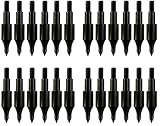
Overview: PTOUGE’s 24-pack provides straightforward, no-frills field points for high-volume shooters. These 100-grain tips feature tough steel construction with a protective black zinc finish that resists rust and corrosion. The standard screw-in design works with most arrows for recurve, compound, and crossbow applications. This bulk option suits clubs, coaches, or dedicated archers running intensive practice sessions without breaking the bank.
What Makes It Stand Out: The exceptional quantity-to-price ratio distinguishes this offering—24 points provide extensive spares that eliminate frequent reordering. The rust-resistant finish extends lifespan in humid conditions better than raw steel alternatives. Their simple, proven design prioritizes function over features, delivering reliable performance without complexity that could fail.
Value for Money: Outstanding value defines this package. Cost per point rivals budget imports while offering better durability through zinc coating. For archers shooting hundreds of arrows weekly, the bulk quantity represents significant long-term savings. The steel construction survives countless foam target impacts, maximizing your training budget’s effectiveness.
Strengths and Weaknesses: Strengths include excellent quantity, rust-resistant finish, durable steel construction, and universal compatibility. The bulk packaging suits high-volume shooters perfectly. Weaknesses include no O-rings (tips may loosen), single weight option limits tuning flexibility, unspecified weight tolerance, and basic packaging. The generic design lacks premium precision features.
Bottom Line: Perfect for budget-conscious archers, clubs, or anyone prioritizing quantity over specialized features. These workhorse points deliver reliable practice performance, though threadlocker is recommended to prevent loosening.
8. JGSDD 12pcs Archery Field Points, 100/125/150/300 Grain Field Points, Screw-in Archery Field Broadheads for Recurve, Compound Bow Crossbow, Archery Target Crossbow Practice Tip (5/16-100grain)

Overview: JGSDD’s premium 12-pack offers unmatched weight versatility spanning 100 to 300 grains, accommodating virtually any bow setup and tuning requirement. These 5/16" stainless steel points measure 1.57 inches with standard 8-32 threading. CNC-machined construction maintains ±0.5 grain tolerance, while integrated O-rings prevent loosening during repetitive shooting into foam or cardboard targets.
What Makes It Stand Out: The comprehensive weight range eliminates need for multiple purchases, making this ideal for archers experimenting with front-of-center balance across different bows. The conical bullet shape facilitates easy target extraction, reducing wear on both points and targets. The included O-ring system and attractive storage box add premium touches rarely found together.
Value for Money: Higher initial cost proves economical for archers needing varied weights. Purchasing four separate 12-packs would cost significantly more. The stainless steel construction ensures longevity, while the versatile weight selection supports everything from light recurve setups to heavy crossbow bolts, maximizing utility across your equipment arsenal.
Strengths and Weaknesses: Strengths include exceptional weight variety, O-ring retention, stainless steel durability, easy-extraction design, and premium packaging. The 1.57" length provides good thread engagement. Weaknesses include premium pricing that may exceed casual shooter needs, and fewer total pieces than bulk options. The weight range might be excessive for single-bow owners.
Bottom Line: The ultimate choice for serious tuners and multi-bow archers. If you need varied weights for different setups, this single purchase replaces multiple products while maintaining top-tier quality and convenience.
9. Field Points arrowheads 100 Grains Archery Field Points, 5/16" Stainless Steel Screw in Archery Field Tips and Broadheads (1 Dozen 12 PCS)

Overview: This straightforward 12-pack delivers CNC-lathed 100-grain field points with precise ±0.5 grain weight tolerance. The 5/16" diameter solid stainless steel construction provides standard dimensions for universal compatibility with most screw-in arrow shafts. These points target archers seeking consistent performance without unnecessary frills for regular target practice and broadhead tuning preparation.
What Makes It Stand Out: The attractive metal storage box adds unexpected value, providing durable organization that outlasts plastic bags. The CNC machining ensures weight consistency typically found in premium brands. Solid stainless steel construction eliminates corrosion concerns while maintaining structural integrity through repeated impacts into dense foam targets without deformation.
Value for Money: Mid-range pricing offers fair value for precision-machined stainless steel points. While lacking O-rings or multiple weight options, the quality materials and tight tolerances justify the cost over bargain alternatives. The reusable metal box provides ongoing storage value, protecting your investment between practice sessions and preventing loss.
Strengths and Weaknesses: Strengths include excellent weight consistency, solid stainless steel durability, easy screw-in installation, and premium metal packaging. The simple design works reliably across bow types. Weaknesses include no O-ring retention system, single weight option limits versatility, generic branding offers minimal support, and basic bullet profile without specialized extraction features.
Bottom Line: A solid, no-nonsense choice for archers wanting precision without premium pricing. Best for those who don’t mind adding threadlocker and only need standard 100-grain weight for consistent practice sessions.
10. 12pcs Archery Arrow Tips 100/125/150/200 Grain Field Tips 5/16 Inch Screw in Bullet Points, Archery Target Crossbow Practice Tip for Arrow Recurve Bow Compound Bow, Hunting Bow Arrow Target Practice

Overview: This versatile 12-pack offers four weight options from 100 to 200 grains, providing tuning flexibility for various bow setups. The 5/16" diameter tips measure 39mm (1.54") with standard 8-32 threading. CNC machining ensures ±0.5 grain precision, while the steel construction with black zinc finish delivers corrosion resistance. The bullet-point profile aids target extraction and reduces target wear.
What Makes It Stand Out: The expanded weight range suits intermediate tuners without overwhelming choice. The bullet shape design specifically eases removal from foam and cardboard targets, reducing fatigue during long practice sessions. The anti-rust treatment extends lifespan in variable weather conditions, while the risk-free purchase guarantee demonstrates manufacturer confidence in product quality.
Value for Money: Competitive pricing matches mid-tier offerings while providing more weight options than standard 100-grain-only packs. The zinc finish adds durability value compared to untreated steel. For archers wanting some tuning flexibility without buying multiple sets, this strikes an excellent balance between cost and versatility that serves most recreational needs.
Strengths and Weaknesses: Strengths include good weight variety, protective zinc finish, bullet shape for easy extraction, universal compatibility, and satisfaction guarantee. The CNC precision maintains consistency across all weights. Weaknesses include no O-ring system mentioned, only 12 pieces versus bulk options, and weight range still limited compared to 300-grain competitors. Packaging appears basic.
Bottom Line: An excellent middle-ground option for archers wanting more than single-weight points without premium cost. The guarantee and easy-extraction design make this a smart, low-risk purchase for developing shooters.
Understanding Field Points vs Broadheads
Field points are practice tips designed to simulate the weight and flight characteristics of broadheads without the cutting edges. Unlike target points, which are often lighter and designed purely for target shooting, field points bridge the gap between practice and hunting preparation. They typically feature tapered or bullet-shaped profiles that closely mimic the aerodynamic properties of modern mechanical or fixed-blade broadheads.
The key distinction lies in their purpose. While broadheads are engineered for maximum tissue damage and blood trails, field points prioritize durability and consistent flight patterns. This allows you to practice extensively without dulling expensive hunting broadheads or destroying foam targets prematurely. The best field points for crossbows maintain structural integrity even when shot into tough bag targets at speeds exceeding 400 feet per second.
Why Choosing the Right Practice Points Matters
Impact on Arrow Flight Dynamics
Your crossbow generates tremendous energy, and that energy transfers differently depending on your point weight and design. Practice points that don’t match your broadhead weight will create different arrow spine reactions, resulting in point-of-impact shifts that can be frustrating and misleading. When you switch to broadheads for hunting, you might discover your perfectly tuned practice setup suddenly shoots several inches off-target.
Target Longevity and Cost Savings
Premium crossbow targets represent a significant investment, and using the wrong points accelerates wear dramatically. Points that are too sharp or have aggressive shoulders can tear foam blocks apart from the inside, creating voids that cause pass-throughs and inconsistent stopping power. Conversely, properly designed field points distribute energy efficiently, extending target life by hundreds of shots while maintaining consistent penetration depth.
Key Weight Considerations for Crossbow Field Points
Matching Broadhead Weights Precisely
The golden rule is simple: your practice points should match your hunting broadheads to the grain. Most crossbow hunters use 100-grain, 125-grain, or 150-grain broadheads, and your field points must be identical. Even a 25-grain difference alters front-of-center (FOC) balance, affecting arrow stability and trajectory. This becomes increasingly critical with longer shots beyond 40 yards where small variations magnify significantly.
Understanding Front-of-Center Balance
FOC represents the percentage of arrow weight concentrated in the front half of the shaft. Crossbows perform optimally with FOC values between 12-18 percent. When you switch between different point weights, you fundamentally change this balance, potentially destabilizing arrow flight. Consistent practice with the correct weight builds intuitive shooting form that carries over directly to broadhead performance.
Material Construction and Durability
Steel Hardness and Tempering Processes
Quality field points start with proper steel selection. Look for points made from hardened carbon steel or stainless steel with proper tempering. These resist bending and mushrooming when shot into dense targets at high velocities. Softer steel points might seem adequate initially but will deform after just a few shots, creating wobbles and unpredictable flight patterns that defeat the purpose of practice.
Corrosion Resistance for Longevity
Crossbow hunters often practice in various weather conditions, and moisture leads to rust on unprotected steel points. Quality manufacturers apply protective coatings like zinc plating or black oxide finishes that prevent corrosion without affecting weight. Some premium options use solid stainless steel construction, eliminating rust concerns entirely while maintaining consistent performance through thousands of shots.
Thread Compatibility and Insert Systems
Standard Thread Patterns Explained
Most crossbow bolts use 8-32 or 22/64 thread patterns, but variations exist. Before purchasing field points, verify your arrow manufacturer’s specifications. Forcing mismatched threads damages inserts and ruins arrows. Some modern bolts feature proprietary insert systems that require specific point designs, so checking compatibility prevents costly mistakes.
Insert Depth and Point Seating
Proper point installation means threading the point until it seats firmly against the insert face without bottoming out. Points that don’t seat correctly create alignment issues, causing arrows to wobble in flight. Quality field points feature precisely machined threads and shoulders that ensure consistent seating depth across multiple points, giving you uniform performance from arrow to arrow.
Aerodynamic Design Features
Bullet Point Profiles for Stability
The most common and versatile field point profile resembles a bullet, with a smooth taper from the threaded shank to the tip. This design minimizes wind resistance and stabilizes arrow flight, particularly important for crossbows shooting over 350 fps. The gradual taper helps the point steer the arrow, correcting minor release inconsistencies and delivering tighter groups at all ranges.
Hybrid Designs for Realistic Practice
Some field points incorporate small shoulders or steps in the profile to more closely mimic specific broadhead designs. These hybrid points offer the durability of traditional field points while providing flight characteristics that better match your hunting setup. For shooters using mechanical broadheads with distinctive ferrule shapes, these practice points reduce the learning curve when transitioning from practice to hunting.
Point Profile Options and Their Benefits
Conical Points for Deep Penetration
Conical field points feature a steeper taper angle that concentrates impact force into a smaller area. This design excels for practicing on dense foam targets or bag targets with high-density cores. The focused energy transfer drives the point deeper with less resistance, creating realistic penetration feedback similar to broadhead entry into game animals.
Blunt Bullet Points for Target Preservation
Bullet points with more rounded profiles distribute impact energy over a broader area, reducing target wear. These are ideal for high-volume practice sessions where target longevity is paramount. While they may not penetrate as deeply as conical designs, they provide excellent flight consistency and are gentler on expensive 3D targets, preserving their structural integrity season after season.
Penetration Characteristics for Various Targets
Foam Block Targets and Point Selection
High-density foam targets require points that can penetrate without excessive resistance. Points that are too blunt create large entry holes and tear foam chunks loose, degrading the target quickly. Conversely, overly sharp points can slice through foam without stopping, causing pass-throughs. The sweet spot lies in moderately tapered points with hardened tips that push foam aside while creating enough friction to stop the arrow reliably.
Bag Targets and Energy Distribution
Bag targets filled with synthetic fibers or fabric scraps perform best with field points that have smooth profiles without aggressive shoulders. The point needs to separate fibers cleanly rather than catching and bunching them. Points designed with slightly rounded tips and polished surfaces slide through bag material more smoothly, providing consistent stopping power and easier arrow removal.
Cost-Effectiveness and Value
Price vs Performance Trade-offs
Budget field points might save money initially but often cost more long-term due to bending, breaking, or wearing out quickly. Mid-range options typically offer the best balance of durability and affordability for most shooters. Premium points justify their higher price through extended lifespan, especially for high-volume shooters who practice several times weekly throughout the year.
Bulk Purchasing Strategies
Many manufacturers offer field points in packs of 12, 50, or even 100, with per-point costs dropping significantly at higher quantities. If you shoot regularly, buying in bulk makes financial sense. Consider splitting a large pack with hunting buddies to get bulk pricing without overstocking. Just ensure everyone verifies weight and thread compatibility before committing to a group purchase.
Safety Considerations for Practice Sessions
Point Sharpness and Hand Protection
Even practice points can cause injuries. Points with overly sharp tips penetrate skin easily and can create deep puncture wounds. Quality field points feature slightly rounded or blunted tips that penetrate targets effectively while reducing injury risk during handling. Always use finger protection when pulling arrows, and never pull arrows by the point itself.
Backstop Requirements for High-Speed Crossbows
Modern crossbows generate enough energy to send arrows completely through many standard targets. Always position a solid backstop behind your target—thick plywood, rubber matting, or specialized arrow nets work well. This prevents lost arrows and eliminates the danger of stray bolts traveling beyond your practice area. Check your backstop regularly for wear and replace it before failures occur.
Matching Practice Points to Hunting Broadheads
Weight Matching Protocols
The absolute non-negotiable rule: practice points must match broadhead weight exactly. If you hunt with 125-grain broadheads, use 125-grain field points exclusively. Some shooters even practice with slightly heavier points (5-10 grains) to account for the slight additional weight of broadhead ferrules and blades, ensuring perfect point-of-impact alignment when hunting season arrives.
Profile Similarity for Realistic Feedback
Beyond weight, consider your broadhead’s physical profile. Fixed-blade broadheads create more drag than mechanicals, so practicing with low-profile field points won’t fully prepare you for hunting conditions. Choose field points with profiles that approximate your broadheads—some manufacturers offer practice points specifically designed to mimic their broadhead aerodynamics, providing the most realistic practice experience possible.
Maintenance and Care Tips
Cleaning and Inspection Routines
After each practice session, wipe down your field points with a clean cloth to remove target residue and moisture. Inspect each point for bending, mushrooming, or thread damage. Even slight deformations affect accuracy, so replace compromised points immediately. This quick routine takes minutes but ensures consistent performance and prevents damage to arrow inserts.
Proper Storage to Prevent Damage
Store field points in a dedicated container—pill bottles, small tackle boxes, or specialized point holders work perfectly. This prevents points from banging against each other, which can create micro-burrs affecting flight. Keep them in a dry environment to prevent rust, and organize them by weight if you use multiple setups for different crossbows or broadhead configurations.
Common Mistakes to Avoid
Using Damaged or Bent Points
A bent point creates an unbalanced arrow that wobbles in flight, destroying accuracy and potentially damaging your crossbow’s rail or string stop. Many shooters continue using slightly bent points to save money, but this practice costs more in missed opportunities and equipment wear. Replace any point that shows deformation, no matter how minor it appears.
Mixing Weights Within Practice Sessions
Switching between different point weights during the same practice session confuses muscle memory and makes it impossible to evaluate your true shooting consistency. Dedicate entire practice sessions to one weight, and if you must change weights, re-sight your crossbow and start fresh. This discipline pays dividends when your broadheads hit exactly where your practice points did.
Storage and Organization Solutions
Portable Point Carriers for Field Practice
When practicing at remote locations or 3D courses, organize your points in compact, labeled containers. Small plastic divider boxes used for fishing tackle work exceptionally well, keeping different weights separated and easily accessible. Some archery-specific carriers feature foam inserts that hold points securely while protecting their threads and profiles from damage during transport.
Inventory Management for Serious Shooters
Serious crossbow hunters often maintain hundreds of practice points. Creating a simple inventory system—whether a spreadsheet or handwritten log—helps track usage, identify when bulk purchases are needed, and monitor which weights and styles you use most frequently. This prevents last-minute rushes to replace points before important practice sessions or hunting trips.
Future Trends in Crossbow Practice Points
Advanced Materials on the Horizon
Manufacturers are experimenting with tungsten and titanium alloys for field points, offering extreme durability in smaller packages. These materials allow for more compact designs without sacrificing weight, potentially improving aerodynamics while maintaining the durability crossbows demand. While currently premium-priced, these advanced materials may become mainstream as manufacturing processes improve.
Smart Technology Integration
Emerging concepts include field points with embedded micro-sensors that track impact force, penetration depth, and arrow deceleration. While still in development, this technology could revolutionize practice by providing data-driven feedback on arrow performance. Imagine knowing exactly how your practice point performance correlates to broadhead penetration—this data would help hunters make more ethical shot choices in the field.
Frequently Asked Questions
What weight field point should I use for crossbow practice?
Your field points must match your hunting broadhead weight exactly. If you use 125-grain broadheads, practice with 125-grain field points. This ensures identical front-of-center balance and point-of-impact between practice and hunting setups.
Can I use regular target points instead of field points for crossbow practice?
Regular target points are typically lighter and not designed for crossbow speeds. They may bend, break, or fly inconsistently at velocities over 300 fps. Field points are specifically engineered to withstand crossbow energy while mimicking broadhead flight characteristics.
How do I know if my field points are compatible with my bolts?
Check your bolt manufacturer’s specifications for thread size—most use 8-32 or 22/64 threads. Verify the point weight matches your broadheads, and ensure the point shoulder seats properly against the insert without bottoming out.
Why do my field points keep bending?
Bending indicates either low-quality steel or shooting into overly hard targets. Upgrade to hardened steel points and ensure your target is rated for crossbow speeds. Also check that your bolts are properly spined for your crossbow’s draw weight.
Should I practice with the same brand field points as my broadheads?
While not mandatory, using the same brand can provide more consistent flight characteristics since manufacturers design their practice points to mimic their broadhead profiles. Weight matching is more critical than brand matching, however.
How often should I replace my field points?
Replace points immediately if you notice bending, mushrooming, or thread damage. With proper care, quality field points can last thousands of shots. Replace them when accuracy degrades or when you notice visible damage during inspection.
Can I sharpen my field points?
Field points shouldn’t be sharpened like broadheads. They’re designed with slightly blunt tips for safety and target preservation. Sharpening creates excessive target wear and increases injury risk without improving performance.
What’s the difference between 100-grain and 125-grain points for crossbows?
The weight difference affects arrow FOC, trajectory, and point-of-impact. Heavier points create more forward weight, potentially improving penetration but dropping faster downrange. Choose based on your broadhead weight and crossbow tuning requirements.
Why do my arrows fly differently with field points vs broadheads?
Even with matching weights, broadheads create more wind resistance and steering effect. Practice with field points that closely match your broadhead profile, and always shoot a few broadheads before hunting to verify point-of-impact.
Are expensive field points worth the investment?
For high-volume shooters, premium field points offer better long-term value through extended durability. Casual shooters may find mid-range options perfectly adequate. Consider your practice frequency and target types when deciding where to invest.
Related Buying Guides
- The 10 Ultimate Best Field Points for Crossbows for Practice Precision in 2026
- 10 Top-Rated Field Points for Crossbows According to Experts in 2026
- The 10 Best Crossbows for Left-Handed Shooters in 2026
- 10 Best Compound Crossbows for Accuracy and Power in 2026
- 10 Best Compound Crossbows for Accuracy and Speed in 2026