Table of Contents
Early season bow hunting presents a unique window of opportunity when deer patterns are still predictable and bachelor groups haven’t fully dispersed. As the first hints of autumn color the landscape, savvy hunters know that adding a visual cue to their setup can be the difference between watching empty trails and drawing that mature buck into range. Deer decoys have evolved from simple silhouette cutouts to sophisticated tools that can trigger curiosity, dominance responses, or social investigation—if you understand how to use them effectively during these critical early weeks.
Choosing the right decoy for early season success requires more than picking the most realistic-looking option on the shelf. You need to consider deer behavior before the rut kicks in, the specific challenges of close-range archery encounters, and how factors like portability, setup speed, and local regulations impact your hunting strategy. This comprehensive guide breaks down everything you should evaluate when selecting a deer decoy for early season bow hunting, helping you make an informed decision that matches your hunting style, terrain, and budget without getting lost in marketing hype.
Top 10 Deer Decoys for Bow Hunting
Detailed Product Reviews
1. Flambeau Outdoors 5965MS Boss Buck - Masters Series Deer Decoy
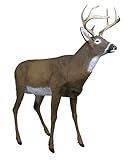
Overview: The Flambeau Outdoors 5965MS Boss Buck stands as a heavyweight contender in the deer decoy market, engineered for hunters who demand maximum realism during the rut. This 3D blow-molded HDPE plastic decoy replicates a mature 8-point buck with anatomically correct proportions measuring 60 inches nose-to-tail. The decoy’s true-to-life size and posture trigger territorial responses from whitetail bucks across the age spectrum, from young basket racks to trophy-class Booners.
What Makes It Stand Out: The Boss Buck’s ultra-realistic detailing extends beyond surface aesthetics. The collapsible leg system features heavy-duty threaded posts with locking lugs, allowing the legs to store inside the body cavity for transport. This field-proven design includes a blaze orange carry sling and a full set of plastic antlers that complete the imposing silhouette. Unlike flat-profile decoys, the three-dimensional construction creates convincing depth from multiple angles.
Value for Money: Positioned in the premium tier of deer decoys, the Boss Buck justifies its price through durability and effectiveness. The HDPE construction withstands harsh field conditions and repeated setups season after season, outlasting cheaper fabric alternatives that fade and tear. For dedicated hunters who hunt multiple properties or make frequent relocations during peak rut, this represents a long-term investment rather than a disposable tool.
Strengths and Weaknesses: Strengths include exceptional realism, rugged durability, and collapsible portability despite its size. The 3D design performs exceptionally well in open fields where visibility is paramount. Weaknesses center on weight and bulk compared to foldable photo decoys, requiring more effort to transport deep into hunting locations. Setup takes longer than instant-deploy options, and the price point may deter casual hunters.
Bottom Line: The Flambeau Boss Buck delivers unmatched realism for serious whitetail hunters targeting mature bucks during the rut. Its durable construction and collapsible design make it worth the investment if you prioritize effectiveness over ultra-portability.
2. Shooter Buck

Overview: The Shooter Buck serves a singular purpose: stopping crossbow bolts with absolute reliability. This specialized target is engineered to handle both field tips and broadheads, making it a versatile practice tool for crossbow enthusiasts. While the manufacturer details remain sparse, the core promise revolves around durability and bolt-stopping power, complete with a replaceable core system that extends the target’s functional lifespan.
What Makes It Stand Out: The ability to stop any crossbow bolt regardless of tip type sets this target apart from foam-only alternatives that struggle with fixed-blade broadheads. The replaceable core represents a cost-saving feature, allowing archers to refresh the most heavily shot area without replacing the entire target. This design acknowledges the extreme kinetic energy modern crossbows generate.
Value for Money: Without specific pricing, evaluating value requires comparison to standard foam targets that require frequent replacement. The replaceable core system likely provides better long-term economics for high-volume shooters. For crossbow hunters who practice regularly, particularly with broadheads, this target potentially saves money over disposable options while providing consistent stopping power.
Strengths and Weaknesses: Strengths include universal bolt compatibility, replaceable core, and presumably robust construction for high-energy impacts. The target appears purpose-built for crossbows, suggesting adequate density and depth. Weaknesses stem from minimal product information—unknown dimensions, weight, material composition, and brand transparency. Without specs, hunters cannot assess portability or confirm compatibility with their specific crossbow’s FPS rating.
Bottom Line: The Shooter Buck appears ideal for crossbow hunters seeking a dedicated, long-lasting practice target. However, the lack of detailed specifications warrants caution. Verify dimensions and FPS ratings before purchasing to ensure it meets your specific crossbow’s requirements.
3. Flambeau Outdoors 5965MD Boss Babe - Masters Series Deer Decoy

Overview: The Flambeau Outdoors 5965MD Boss Babe complements its buck counterpart as a masters-series doe decoy designed to exploit buck behavior during the rut. Constructed from the same durable 3D blow-molded HDPE plastic, this decoy replicates a 1.5-year-old doe with anatomical precision. Measuring 41 inches nose-to-tail, it presents a convincing, approachable target that draws territorial and breeding-driven bucks into shooting range.
What Makes It Stand Out: Beyond standard realism, the Boss Babe includes two interchangeable ear sets—submissive and alert—allowing hunters to customize body language based on hunting phase and wind conditions. The integrated scent pad peg on the rear leg enables olfactory attraction strategies, creating a multi-sensory deception system. Like the buck model, the collapsible leg design stores within the body cavity for transport.
Value for Money: Sharing the premium pricing tier with the Boss Buck, this decoy justifies cost through versatility and durability. The ability to switch ear positions effectively provides two decoys in one, adapting to early-season caution versus rut-phase aggression. For hunters who already own the buck decoy, pairing creates a dynamic, realistic scenario that can outproduce single-decoy setups.
Strengths and Weaknesses: Strengths include realistic sizing for a young doe, dual-ear versatility, scent integration, and rugged HDPE longevity. The collapsible design aids transport despite solid construction. Weaknesses include reduced visibility compared to larger buck decoys in open terrain and the same weight considerations as its stablemate. The smaller profile may not attract distant bucks as effectively as a mature buck silhouette.
Bottom Line: The Boss Babe excels as a versatile, realistic doe decoy for rut-focused hunters. Its adaptability through interchangeable ears and scent capability makes it a smart investment, particularly when paired with the Boss Buck for maximum effect.
4. MONTANA DECOY 23 Dreamy Doe Whitetail Decoy, Brown

Overview: The Montana Decoy Dreamy Doe revolutionizes portability in the deer decoy category through its patented folding design and photo-realistic print technology. Unlike bulky 3D plastic decoys, this model uses actual whitetail photographs printed on lightweight fabric, creating a two-dimensional silhouette that deploys in seconds. Weighing mere ounces, it transforms how mobile hunters approach decoy strategies, particularly for spot-and-stalk or public land scenarios where stealth and minimal gear are paramount.
What Makes It Stand Out: The combination of genuine photography and innovative folding mechanics creates unmatched packability. The decoy collapses into a compact size that fits inside a daypack, eliminating the need for dedicated carrying straps or external gear bulk. Setup requires simply unfolding and staking, taking less than a minute—critical when capitalizing on fleeting rut opportunities.
Value for Money: Positioned as a budget-friendly alternative to 3D decoys, the Dreamy Doe delivers exceptional value for hunters prioritizing mobility over absolute realism. The lower price point allows purchase of multiple decoys for creating small herds or maintaining backups. While fabric construction sacrifices some durability, the cost-to-weight ratio is unbeatable for hunters covering extensive terrain.
Strengths and Weaknesses: Strengths center on extreme portability, rapid deployment, photographic realism from frontal angles, and affordability. It’s ideal for public land where heavy gear is impractical. Weaknesses include vulnerability to wind, limited 3D effect from side angles, and fabric durability concerns in harsh weather or brushy environments. The 2D design may not fool wary mature bucks at close range.
Bottom Line: The Montana Dreamy Doe is the ultimate mobile hunter’s decoy. Choose it when portability and speed outweigh the need for three-dimensional realism, particularly for mid-range encounters in varied terrain.
5. Delta McKenzie Challenger Deer 3D Archery Target - 41" Self-Healing Foam Construction - IBO Scoring Rings - for Broadhead & Field Points - 300-350 FPS Bow Compatible - Lifelike Hunting Practice

Overview: The Delta McKenzie Challenger Deer 3D Archery Target bridges practice and realism for serious bowhunters. Constructed from premium self-healing flex foam, this 41-inch target replicates a deer’s vital anatomy with IBO scoring rings, enabling precise shot placement training. Compatible with broadheads, expandable tips, and field points from 300-350 FPS bows, it serves as a comprehensive practice solution that mimics real hunting scenarios without damaging arrows or the target itself.
What Makes It Stand Out: The replaceable vital section distinguishes this target from disposable foam blocks, dramatically extending lifespan and maintaining consistent performance. The self-healing foam technology allows arrows to penetrate while closing entry holes, preserving structural integrity through thousands of shots. Anatomically correct vitals paired with scoring rings provide immediate feedback, building the muscle memory essential for ethical hunting shots.
Value for Money: While commanding a premium price, the Challenger offers superior long-term value. The replaceable core system reduces replacement costs by approximately 60% compared to buying new targets. For archers shooting high-performance bows or practicing extensively with broadheads, the durability translates to significant savings over two seasons of use, justifying the initial investment.
Strengths and Weaknesses: Strengths include exceptional durability, easy arrow removal, realistic anatomy, broadhead compatibility, and cost-saving replaceable vitals. The Made-in-USA quality ensures consistent manufacturing standards. Weaknesses include the premium price point, substantial weight for transport, and eventual foam degradation after prolonged UV exposure. It’s practice equipment, not a hunting decoy, limiting dual-purpose use.
Bottom Line: The Delta McKenzie Challenger is the premier choice for dedicated bowhunters seeking realistic, long-lasting practice. Invest in this target if you shoot frequently with broadheads and value shot placement precision over budget alternatives.
6. Big Shooter Buck

Overview: The Big Shooter Buck is a heavy-duty archery target engineered to withstand repeated impacts from both field points and broadheads. Designed for serious bowhunters and target shooters, this target features a replaceable insert system that extends its lifespan significantly. The core design focuses on stopping power and durability, making it suitable for high-poundage compounds and crossbows. Its construction appears robust enough for year-round practice sessions in various weather conditions.
What Makes It Stand Out: The standout feature is the replaceable insert system, which addresses the primary pain point of foam targets—rapid wear in the bullseye area. Unlike disposable targets, you can swap out worn sections rather than replacing the entire unit. The target’s ability to stop all arrow types, including fixed-blade broadheads, without pass-throughs sets it apart from lighter-duty bag targets. This versatility eliminates the need for separate practice targets during pre-season tuning.
Value for Money: While the initial investment exceeds basic bag targets, the replaceable insert design delivers superior long-term value. A standard foam target might last one season of broadhead practice, whereas this system’s modular approach could provide several years of service. When you factor in the cost of replacing entire targets annually, the Big Shooter Buck proves economical for dedicated archers who shoot frequently.
Strengths and Weaknesses: Strengths include exceptional stopping power, broadhead-friendly design, weather resistance, and cost-effective longevity through replaceable components. Weaknesses may include substantial weight limiting portability, and the initial price point could deter casual shooters. The target’s size isn’t specified, potentially affecting its suitability for all practice scenarios.
Bottom Line: For committed bowhunters seeking a durable, versatile practice solution, the Big Shooter Buck justifies its premium price through exceptional durability and the money-saving insert system. Casual shooters may find it overkill, but serious archers will appreciate its robust construction and long-term economy.
7. TCDesignerProducts Whitetail Buck Flat Silhouette Decoy, Realistic Deer Hunting Decoy, Lightweight Weatherproof Design, Motion-Activated for Rut Season, Scouting, Land Management & Education

Overview: This 2D silhouette decoy offers a practical alternative to bulky 3D decoys, featuring a photo-quality whitetail buck image printed on weatherproof corrugated plastic. Measuring 40"x46", it provides substantial visual impact while remaining exceptionally portable. The double-sided UV-coated design reduces glare and enhances visibility from multiple angles, making it suitable for rut season hunting, scouting, and educational purposes. Its slim profile solves transportation headaches associated with traditional decoys.
What Makes It Stand Out: The decoy’s primary advantage is its space-saving flat design combined with surprising realism. The UV coating is a thoughtful touch that minimizes unnatural shine, a common issue with printed decoys. The single-stake mounting system creates natural movement in light winds, adding lifelike motion without complex mechanics. This motion-activated feature triggers curiosity in mature bucks during the rut, potentially drawing them into range.
Value for Money: At a fraction of 3D decoy costs, this silhouette delivers compelling value for hunters wanting to experiment with decoying without significant investment. While it won’t replace high-end full-body decoys for dedicated users, it provides an accessible entry point and serves as an excellent backup or secondary decoy. The durable construction ensures multiple seasons of use, maximizing your return on investment.
Strengths and Weaknesses: Strengths include exceptional portability, weather resistance, affordable pricing, and realistic motion capability. The double-sided print increases setup flexibility. Weaknesses involve inherent 2D limitations—profile visibility issues from acute angles and potentially less convincing realism compared to 3D alternatives. The single-stake design may struggle in high winds without additional anchoring.
Bottom Line: This silhouette decoy excels for mobile hunters prioritizing convenience and affordability. While not matching 3D realism, its practical design, weatherproof build, and effective motion feature make it a smart addition to any deer hunter’s toolkit, especially for those new to decoying or with limited transport space.
8. Flambeau Outdoors 5965SB Scrapper Buck - Masters Series Deer Decoy

Overview: The Scrapper Buck represents Flambeau’s Masters Series approach to 3D decoy realism, sculpted by award-winning artist Chris Schiller. Designed to portray a subordinate 2.5-year-old buck, it specifically triggers dominant buck aggression during rut rather than intimidation. The decoy’s innovative nesting design allows all components—head, ears, antlers, and legs—to store inside the body cavity, significantly improving portability over traditional one-piece models. A blaze orange carry bag facilitates discreet transport to and from your hunting location.
What Makes It Stand Out: The nesting storage system solves the primary drawback of 3D decoys: transportation logistics. This feature alone makes it practical for public land hunters or those with limited vehicle space. The aggressive yet non-intimidating posture is strategically calculated to provoke territorial responses from mature bucks, potentially pulling them into shooting lanes. Threaded leg posts and improved locking lugs ensure stable assembly even in windy conditions, addressing common durability complaints with modular decoys.
Value for Money: Positioned in the mid-range price bracket, the Scrapper Buck offers excellent value for hunters seeking 3D realism without premium-tier costs. The transport convenience adds significant practical value, while the robust construction promises multiple seasons of reliable service. Compared to expensive full-body decoys, it delivers comparable effectiveness at a more accessible price point.
Strengths and Weaknesses: Strengths include realistic sculpting, clever nesting design for portability, stable assembly system, and effective aggressive posture. The included carry bag is a thoughtful addition. Weaknesses include longer setup time versus 2D alternatives, potential for lost small parts, and still being bulkier than flat decoys when assembled. Some hunters may prefer more mature buck characteristics.
Bottom Line: The Scrapper Buck brilliantly balances realism with portability, making 3D decoying accessible for mobile hunters. Its thoughtful engineering and proven aggressive posture make it a worthwhile investment for rut hunters wanting to elevate their game without wrestling with traditional bulky decoys.
9. TCDesignerProducts Whitetail Doe Flat Silhouette Decoy, Realistic Deer Hunting Decoy with Motion, Photo Finish & Easy Setup for Rut Season, Landowners, Educators, Youth Programs & Wildlife Events

Overview: This doe silhouette decoy provides a complete, ready-to-deploy solution for hunters seeking to attract bucks during rut season. The kit includes the 34"x45" corrugated plastic decoy, two 45-inch support wires, and pushnut bolt retainers—everything needed for immediate field setup. The life-size dimensions and double-sided, UV-coated photo finish create convincing visual authenticity from any approach angle. Designed for simplicity, it serves hunters, landowners, educators, and youth program coordinators effectively.
What Makes It Stand Out: The comprehensive kit eliminates separate hardware purchases, a common frustration with decoy setups. The motion-activated single-stake design generates subtle, lifelike movement in wind, crucial for convincing wary deer. Its doe posture specifically appeals to rutting bucks seeking companionship, making it particularly effective during peak breeding periods. The UV coating reduces glare, preventing unnatural shine that could spook game.
Value for Money: Exceptional value for budget-conscious hunters wanting reliable decoy performance without 3D prices. Including mounting hardware enhances its out-of-the-box readiness, saving additional expense and shopping time. The durable construction ensures longevity across multiple seasons, while the affordable price point allows purchasing multiple units for creating decoy spreads—a tactic impossible with expensive 3D options.
Strengths and Weaknesses: Strengths include complete hardware inclusion, superior portability, weather-resistant durability, realistic photo finish, and effective motion design. The double-sided print maximizes setup versatility. Weaknesses involve the inherent limitations of 2D silhouettes, potential stake instability in high winds, and less realism compared to full-body decoys at close range. The wire system may require periodic adjustment.
Bottom Line: This doe decoy kit delivers outstanding practicality and value for mobile hunters and those new to decoying. While not replacing premium 3D models, its complete package, reliable performance, and motion capability make it an intelligent, cost-effective choice for enhancing rut season success.
10. NiceTargets Broadside Right Deer 28" x 40" Recyclable Plastic Weather Resistant Target TNTDeer1BR-L
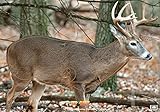
Overview: NiceTargets offers an economical, environmentally conscious archery solution with this 28"x40" plastic target featuring a photorealistic deer image. Designed for field-point practice and sighting-in sessions, the target boasts weather-resistant construction suitable for outdoor ranges. The “vanishing kill zones” provide visual feedback on shot placement without permanent marking, allowing repeated use. Its recyclable material appeals to eco-minded shooters seeking sustainable alternatives to foam targets.
What Makes It Stand Out: The vanishing kill zone technology is genuinely innovative, disappearing after arrow removal to provide a clean surface for each shot. This extends the target’s usable life compared to traditional paper targets. The recyclable plastic construction addresses environmental concerns while maintaining durability against elements. The photorealistic print helps hunters practice realistic shot placement scenarios beyond simple bullseyes.
Value for Money: Outstanding affordability makes this target accessible for high-volume shooters. While not a replacement for broadhead-tolerant targets, its low cost-per-shot ratio excels for field-point practice. The weather resistance eliminates frequent replacements due to rain damage, and recyclability adds value for environmentally conscious consumers. It’s an excellent supplement to more expensive targets, preserving them for broadhead tuning only.
Strengths and Weaknesses: Strengths include exceptional affordability, weather resistance, innovative vanishing zones, realistic imaging, and eco-friendly materials. It’s lightweight and easy to transport. Weaknesses involve limited stopping power—unsuitable for broadheads or high-poundage bows—and potential for pass-throughs with fast arrows. The plastic construction may produce noise upon impact and lacks the self-healing properties of foam.
Bottom Line: This target excels as a secondary practice tool for field-point shooting and form work. While not suitable as a primary broadhead target, its affordability, weather resistance, and innovative design make it a smart addition to any archer’s training arsenal, particularly for high-volume shooters on a budget.
Understanding Early Season Deer Behavior
The Psychology of Early Season Bucks
During early season, bucks operate with a completely different mindset than they will during the rut. They’re primarily focused on feeding, establishing early dominance hierarchies, and feeling secure in their summer patterns. Your decoy strategy must align with this psychology rather than the aggressive breeding behaviors you’ll see later. Early season bucks are curious but cautious, often approaching unfamiliar deer with investigative postures rather than immediate aggression. Understanding this subtle behavioral shift helps you select decoys that trigger social curiosity rather than territorial challenges that might spook younger animals.
Feeding Patterns and Decoy Placement
Early season deer are slaves to their stomachs, moving between bedding areas and high-quality food sources with almost mechanical precision. Your decoy placement should mirror natural feeding behavior, positioning your fake deer where real deer expect to see others. Consider placing decoys near agricultural edges, food plots, or natural browse lines rather than deep in bedding areas. The key is creating a scenario that looks like a relaxed deer already comfortable in the space, which encourages approaching deer to lower their guard and commit to entering the area.
Social Dynamics Before the Rut
Bachelor groups are still common in early season, meaning deer are accustomed to seeing multiple animals together. This social tolerance gives you options for using multiple decoys or selecting poses that suggest comfortable group feeding. However, as the season progresses and testosterone levels slowly rise, you’ll notice increased sparring and posturing. Your decoy selection should account for this transition period, offering versatility to shift from passive feeding poses to more interactive setups as the season moves toward October.
Why Use Decoys During Early Season Bow Hunts?
Advantages Over Other Attraction Methods
Unlike calls or scents that work across distances, decoys provide a visual confirmation that can overcome a deer’s skepticism. Early season deer haven’t been pressured by weeks of hunting activity, making them more receptive to visual deception. A well-placed decoy gives approaching deer a focal point, often causing them to pause in a shooting lane, look away from your stand, and commit to a specific path. This visual distraction is invaluable for archers who need precise shot placement and minimal movement from the animal.
When Decoys Are Most Effective
The first two hours of morning and the last two hours of evening remain prime times, but decoys truly shine during midday movement periods when deer investigate new food sources. Early season’s predictable patterns mean you can set up with confidence that deer will eventually pass through. Decoys work exceptionally well on trails leading to primary food sources, near water holes, and along travel corridors between bedding and feeding areas where deer naturally expect to encounter other deer.
Realistic Expectations for Success Rates
No decoy guarantees success, and early season conditions can be challenging with thick foliage limiting visibility. However, properly implemented decoy strategies can increase your encounter rates by 30-50% according to field observations. The key is patience and recognizing that decoys often work slowly, with deer circling downwind, approaching cautiously, and sometimes requiring multiple visits before committing. Your success depends more on realistic expectations and proper setup than on owning the most expensive decoy available.
Types of Deer Decoys for Bow Hunting
Full-Body Standing Decoys
Full-body standing decoys represent the most complete visual representation, offering three-dimensional realism that works from multiple angles. These models typically feature detailed anatomy, realistic paint schemes, and stable bases that withstand wind. For bow hunting, standing decoys create excellent shot opportunities because they present a broadside or quartering-away view that encourages approaching deer to align similarly. The downside is weight and packability, which becomes significant when hunting remote locations requiring long hikes.
Bedded Deer Decoys
Bedded decoys simulate a resting deer and excel at creating a sense of security in feeding areas. Early season deer are highly food-motivated but remain cautious, and seeing a “relaxed” deer already bedded nearby can convince them the area is safe. These decoys are typically lighter than full-body standing models and pack flatter, making them easier to transport. They work best when positioned near food sources or water holes where deer might naturally pause to rest and ruminate after feeding.
Head-Only or Partial Decoys
Minimalist hunters sometimes prefer head-and-neck sections or half-body decoys that reduce weight while maintaining critical visual cues. These designs focus on the most recognizable deer features—the head, ears, and antlers—while eliminating bulk. For early season bow hunting, these can be surprisingly effective when placed strategically in heavy cover where full-body decoys would be impractical. They also setup and take down silently, a significant advantage when hunting pressured areas.
Motion Decoys and Accessories
Adding subtle movement can transform a static decoy into a lifelike presence. Motion systems range from simple tail-waggers powered by breeze to battery-operated head-turning mechanisms. Early season’s typically calm mornings make subtle motion particularly convincing. However, avoid excessive movement that might appear unnatural or spook deer. The best motion accessories create intermittent, subtle actions that mimic a deer flicking its tail or turning its head to browse.
Key Features to Evaluate in Quality Decoys
Visual Realism and Paint Quality
The paint scheme determines how convincing your decoy appears, especially at the 20-30 yard distances typical of bow hunting. Look for multiple color tones that mimic the subtle gradients of real deer hair, with darker dorsal lines and lighter underbellies. Early season deer sport their summer coats, which appear richer and less gray than winter pelage. Quality decoys reflect this with warmer brown tones and reddish highlights. Avoid glossy finishes that reflect sunlight unnaturally; matte or textured surfaces break up light more realistically.
Stability and Staking Systems
Nothing ruins a hunt faster than a decoy that spins in the wind or topples over. Evaluate the staking system carefully, considering your typical hunting terrain. Hard ground requires sharp, durable stakes, while soft soil needs wider bases to prevent sinking. Some systems offer adjustable legs for uneven terrain, which proves invaluable in real-world hunting situations. The best designs keep the decoy stable in 15-20 mph winds while allowing quick, silent setup and removal.
Quiet Setup and Transport
Early season success often depends on getting in and out without alerting deer. Decoys that clank, rustle, or require noisy assembly undermine your stealth. Look for designs with padded contact points, fabric-wrapped support poles, and components that fit together silently. Packability matters too—decoys that fold flat or disassemble into compact bundles are easier to carry through brush without snagging and announcing your presence.
Versatility in Poses
The ability to adjust your decoy’s head position, ear orientation, or body angle adds tremendous value. Early season might call for a feeding pose with head down, but as the season progresses, an alert or scanning pose becomes more appropriate. Some advanced designs allow you to switch between buck and doe configurations by swapping antlers or head sections, giving you flexibility without buying multiple complete decoys.
Material Considerations for Durability and Realism
Foam Construction Benefits
High-density foam decoys offer excellent detail molding capabilities, allowing for realistic muscle definition and hair texture. Foam absorbs light rather than reflecting it, creating natural-looking shadows and depth. These decoys are typically lightweight yet durable enough to withstand field use. However, foam can be vulnerable to punctures from sharp branches or rodent damage during storage, so consider the foam density and whether the manufacturer offers repair kits.
Plastic and Rubber Options
Hard plastic decoys provide maximum durability and weather resistance, shrugging off rain, snow, and rough handling. Modern rotational molding techniques create seamless, hollow bodies that are surprisingly lightweight. Rubber components, particularly in ears and tails, add realistic flexibility and movement. The trade-off is that hard plastics can develop shiny spots over time and may become brittle in extreme cold, though this is less concerning during early season’s milder temperatures.
Fabric and Inflatable Designs
For hunters prioritizing portability above all else, fabric-covered frames or inflatable decoys offer extreme packability. These designs weigh mere pounds and pack into stuff sacks small enough for backpack hunts. The fabric surfaces accept detailed printing, creating surprisingly realistic appearances from a distance. Durability is the primary concern—sharp sticks, barbed wire, and even aggressive squirrels can puncture them, so carry repair patches and understand these are fair-weather options.
Weather Resistance Factors
Early season brings dew, occasional rain, and humid conditions that can affect decoy performance. Quality decoys feature UV-resistant paints that won’t fade quickly and waterproof construction that prevents waterlogging. Drainage holes in hollow decoys prevent them from becoming water-laden and heavy. Consider how quickly a decoy dries after a wet morning—models that trap moisture can develop mildew smells that deer might detect.
Size and Portability Factors
Life-Size vs. Slightly Subdued Sizing
While life-size decoys offer maximum realism, some hunters prefer models that are 10-15% smaller than actual deer. These slightly subdued sizes reduce weight and bulk while remaining convincing to approaching deer, particularly younger bucks. For early season when you’re targeting specific mature deer, true-to-size decoys might be preferable, but don’t dismiss the portability advantages of compact models, especially for mobile hunting strategies.
Packability for Remote Locations
Bow hunting often takes you deep into cover where mature bucks feel secure. If your setup requires hiking more than a mile, decoy packability becomes a primary concern. Consider how the decoy attaches to your pack, whether it snags on branches, and if you can carry it hands-free while navigating difficult terrain. Some designs feature backpack straps or integrate with standard pack frames, allowing you to carry your bow and decoy simultaneously without excessive noise.
Weight Considerations for Solo Hunters
A decoy you can’t comfortably carry isn’t worth owning. Early season solo hunters should target decoys under 10 pounds for standing models and under 5 pounds for bedded or partial decoys. Remember that you’ll also be carrying your bow, stand, and other gear. Weight savings often come from simplified designs or lighter materials, but ensure you’re not sacrificing critical stability or durability just to shave off a few ounces.
Realistic Details That Make a Difference
Antler Size and Configuration
Early season bucks are just beginning to establish dominance, so monstrous antlers can actually intimidate younger deer and prevent them from approaching. Consider decoys with modest, realistic antlers that suggest a respectable but not overwhelming buck. Some systems offer interchangeable antlers, allowing you to start with smaller racks and upgrade as the season progresses and testosterone levels rise. The antler texture and color should match the deer’s coat—early season antlers are still dark and polished, not yet bleached by winter sun.
Ear Position and Movement
A deer’s ears convey constant information about its mood and alertness. Forward-facing ears suggest interest and curiosity, while laid-back ears indicate aggression or dominance. Early season calls for neutral to forward ear positions that appear non-threatening. Some premium decoys feature posable ears or even slight movement capabilities powered by wind or battery, adding a layer of realism that static decoys can’t match. The ear size and shape should be proportional and properly positioned—poorly placed ears are a dead giveaway to wary deer.
Tail Position and Realism
The tail is one of a deer’s most expressive features. Early season decoys should have tails in a natural, slightly raised position that suggests a relaxed but alert animal. White tail patches should be bright but not artificially so—avoid decoys with tail patches that look painted on rather than integrated into the three-dimensional form. Some motion systems allow the tail to flick periodically, mimicking the constant swishing that helps deer communicate and dislodge insects.
Scent Control Features
While primarily visual tools, decoys can accumulate human scent during transport and setup. Some manufacturers incorporate scent-absorbing materials or design surfaces that accept scent-eliminating sprays without degrading. Consider how you’ll store your decoy between hunts—models that come with scent-proof bags or that can be easily wiped down give you an edge. Always handle your decoy with gloves and store it outside or in a sealed container with earth scents to maintain its deception value.
Setup Strategies for Early Season Success
Wind Direction and Decoy Placement
Decoy placement must account for both the approaching deer’s likely path and your need to remain downwind. Position the decoy 15-25 yards from your stand, quartering into the wind so approaching deer circle downwind of the decoy but not directly into your scent stream. Early season thermals can be unpredictable, so have multiple stand locations prepared for different wind directions. The goal is creating a scenario where deer focus on the decoy while presenting you with a broadside shot before they detect your presence.
Distance from Your Stand
Bow hunting requires close encounters, but placing a decoy too close can spook deer before they reach shooting lanes. The sweet spot is typically 20 yards from your position—close enough for detailed observation but far enough that approaching deer commit before detecting you. Consider your maximum effective shooting range and place the decoy so deer pause naturally just beyond it, giving you time to draw and aim while their attention is diverted.
Using Multiple Decoy Setups
Early season’s social tolerance means you can sometimes use two decoys effectively. A common strategy pairs a feeding doe decoy with a smaller buck decoy, suggesting a safe feeding scenario. Position the buck decoy slightly upwind of the doe to create a natural travel path between them. This setup can be particularly effective near food plots where multiple deer would naturally congregate. However, avoid overcomplicating your spread—two decoys is usually the maximum for early season before things become suspicious.
Timing Your Decoy Deployment
Leave your decoy in place for the entire hunt rather than trying to deploy it after deer are already moving. Early morning setup in darkness is ideal, as deer returning from nighttime feeding won’t detect your activity. If you must setup during daylight, do so quickly and quietly, minimizing noise that could alert bedded deer nearby. Some hunters prefer to place decoys the evening before a morning hunt, though this risks theft or disturbance by other animals.
Safety Considerations When Using Decoys
Hunter Orange Requirements
Many states have specific regulations about decoy use during seasons requiring hunter orange. Some jurisdictions prohibit decoy use entirely during firearm seasons, while others require attaching hunter orange bands when transporting them. Familiarize yourself with local laws before heading afield. Even where not required, consider attaching a small piece of hunter orange to your decoy during transport to prevent alarming other hunters who might mistake it for a real deer.
Avoiding Negative Animal Interactions
Deer aren’t the only animals that respond to decoys. Coyotes, domestic dogs, and even other hunters have been known to approach deer decoys. Never place decoys near roads or property boundaries where they might cause issues. If you notice aggressive behavior from other wildlife toward your decoy, remove it immediately. Some hunters have reported coyotes attacking decoys, which while confirming realism, creates dangerous situations if you’re nearby.
Transporting Decoys Safely
Secure your decoy properly when moving between locations. A decoy falling from a vehicle or catching wind while on a roof rack creates road hazards. Inside your vehicle, ensure the decoy won’t become a projectile during sudden stops. Many hunters transport decoys in dedicated bags that both protect the decoy and prevent it from being visible to other drivers—a realistic deer strapped to your pack can cause traffic issues if spotted from the road.
Maintenance and Storage Best Practices
Cleaning After Each Use
Early season means exposure to dew, mud, and vegetation stains that can degrade your decoy’s appearance. Wipe down surfaces with unscented wipes after each hunt, paying attention to areas that accumulate dirt. Avoid harsh chemicals that might leave residue or damage paint. For fabric decoys, a gentle spray with scent-free water and air drying prevents mildew. Regular cleaning also gives you the chance to inspect for damage before it becomes a major issue.
Repairing Minor Damage
Field repairs are inevitable. Carry a small repair kit including touch-up paint matched to your decoy’s color scheme, adhesive patches for punctures, and replacement stakes. Foam decoys can be repaired with specific fillers that maintain the structure. Address small cracks or chips immediately—water infiltration can cause significant damage if left unchecked. Some hunters keep a “practice decoy” for testing repairs before applying them to their primary hunting decoy.
Off-Season Storage Solutions
Store decoys in a cool, dry place away from direct sunlight to prevent UV damage and material degradation. Hang them rather than stacking to avoid pressure points that can cause permanent deformation. Remove batteries from motion systems to prevent corrosion. Consider storing decoys in large, sealed containers with cedar chips or other natural scents to absorb any residual odors. Proper storage extends your decoy’s lifespan by years, protecting your investment.
Budget Considerations and Value
Entry-Level vs. Premium Options
Price doesn’t always correlate with effectiveness. Entry-level decoys around $50-100 can be highly effective in early season when deer haven’t become decoy-shy. These models often sacrifice some detail and durability but remain functional. Premium decoys costing $200-400 offer superior realism, materials, and features like motion systems or interchangeable parts. For most hunters, a mid-range option provides the best balance of quality and cost, especially for early season use where conditions are relatively mild.
Long-Term Investment Perspective
Consider how many seasons you expect to use the decoy. A $300 decoy used for 10 seasons costs $30 per season—potentially less than replacing cheaper models every couple of years. Premium materials like UV-stabilized plastics and automotive-grade paints maintain their appearance longer. Evaluate warranty coverage and manufacturer reputation for standing behind their products. Sometimes spending more upfront saves money and frustration over time.
DIY Enhancements and Modifications
Many hunters customize store-bought decoys to improve performance. Adding real deer tails, attaching natural vegetation to break up outlines, or applying additional paint details can enhance realism. Some create motion systems using fishing line and pulleys to move heads or tails remotely. While modifications void warranties, they allow you to tailor a decoy to your specific hunting conditions. Just ensure any additions don’t create unnatural sounds or movements that spook deer.
Frequently Asked Questions
How far should I place my decoy from my tree stand?
Position your decoy 15-25 yards from your stand location, with 20 yards being ideal for most bow hunting situations. This distance keeps the decoy within your effective shooting range while giving approaching deer enough space to feel comfortable. Place it slightly quartering toward or away from your position to encourage broadside shot opportunities as deer circle to investigate.
Will a decoy spook deer during early season?
When used correctly, decoys rarely spook early season deer. The key is selecting non-aggressive poses and placing decoys in locations where deer naturally expect to see other deer. Avoid direct trails between bedding and feeding areas where surprise encounters might startle deer. Instead, position decoys slightly off main travel corridors where curious deer can investigate without feeling threatened.
What’s better for early season: buck or doe decoys?
Both can be effective, but doe decoys generally work better early season because they represent food and security rather than competition. A feeding doe pose suggests the area is safe and contains resources. Buck decoys can work but should feature modest antlers—giant racks may intimidate younger bucks that haven’t yet established their confidence. Some hunters use both to create a social scene.
How do I keep my decoy from spinning in the wind?
Use stakes designed for your soil type—sharp stakes for hard ground, wide-flange stakes for soft soil. Some hunters add sandbags or weights to the base, while others tie the decoy to surrounding vegetation with dark fishing line. Positioning the decoy in slightly sheltered locations behind natural windbreaks also helps. The most stable designs feature multiple stake points and low centers of gravity.
Can I leave my decoy out overnight?
While possible, leaving decoys overnight isn’t recommended. Dew and overnight moisture can damage materials, and nocturnal animals may chew on or disturb your setup. More importantly, deer may encounter the decoy at night and become familiar with it, reducing its effectiveness during daylight hours. Setup in pre-dawn darkness and remove after your evening hunt for best results.
How do I transport a decoy quietly through the woods?
Use a dedicated decoy bag that prevents parts from rattling. Pre-assemble as much as possible at home, then carry the decoy in one piece rather than assembling in the field. Wrap metal stakes in cloth tape to prevent clanking. Move slowly and deliberately, treating your decoy as extension of your hunting stealth system. Some hunters even spray decoy bags with scent elimination products.
Do I need to use deer scent with my decoy?
Visual decoys work without scent, but adding deer urine or gland scents can enhance realism. Apply scents to the ground around the decoy rather than directly on it to avoid contaminating the decoy with human odor. Early season, simple doe urine or curiosity scents work best. Avoid strong buck scents until later in the season when territorial behavior increases.
What’s the most important feature in an early season decoy?
Portability combined with realistic paint schemes tops the list for early season. You need a decoy you can carry quietly to remote locations where mature bucks feel secure. The paint must match early season coat colors—rich browns with reddish tones rather than winter gray. After that, stability in light winds and quiet setup are crucial for not alerting deer during placement.
How many decoys should I use at once?
One decoy is sufficient for most early season situations. If you use two, position them as a small group—perhaps a feeding doe with a smaller buck nearby. More than two becomes unnatural for early season bachelor groups and may appear as an artificial setup. Focus on quality placement of one good decoy rather than managing multiple units that could create complications.
Can decoys work on pressured public land?
Yes, but with modifications. Use more subdued poses and consider partial decoys that are less obvious to other hunters. Setup in locations with thick cover where the decoy is only visible to deer approaching from specific directions. On public land, stealth in setup and takedown becomes even more critical to avoid educating deer and revealing your tactics to other hunters who might copy your approach.