Table of Contents
The pre-dawn woods hold a special kind of magic that only deer hunters truly understand. As the first hints of light begin to paint the horizon, the forest transitions from nocturnal silence to the awakening chorus of nature’s morning shift. This is your window of opportunity—those precious minutes when mature bucks are still on their feet, wrapping up their nightly routines before bedding down for the day. Mastering the art of deer calling during this critical timeframe can mean the difference between watching an empty meadow and hearing the thunderous approach of a heavy-racked buck.
But early morning hunting presents unique challenges that midday or evening sits simply don’t offer. The cool, dense air carries sound differently. Your hands are stiff with cold. Every movement seems amplified in the stillness. Your equipment choices become paramount, and understanding which vocalizations work best when the world is still cloaked in darkness requires more than just basic calling knowledge. This comprehensive guide walks you through everything you need to evaluate when selecting deer calls specifically for those first-light encounters, focusing on the features, techniques, and strategic considerations that separate successful dawn hunters from those who merely occupy a tree stand.
Top 10 Deer Calls
Detailed Product Reviews
1. Extinguisher Deer Call by Illusion | Grunt Tube | Buck, Doe, Fawn | Adjustable 10-in-1 Call | Color (MossyOak/Gray) | Freeze Resistant

Overview: The Extinguisher Deer Call represents a significant evolution in deer communication technology, combining versatility with weather-resistant design. This improved version offers hunters a comprehensive solution for replicating the entire deer vocal spectrum, from fawn bleats to dominant buck roars, all in a single compact unit designed for year-round reliability.
What Makes It Stand Out: The patented ModiSlide adjustable reed system delivers instant tonal changes across ten distinct deer sounds, while the freeze-resistant slide mechanism actively prevents reed lock-up in harsh conditions. Its hand-tuned construction earned a record-breaking 99.6% NAHC approval rating, and the flexible rubber throat tube enables directional calling with unprecedented realism. The Mossy Oak camouflage pattern ensures visual stealth in the field.
Value for Money: Positioned at the premium end of the market, this call justifies its price through exceptional versatility that eliminates the need for multiple specialized calls. The freeze-free design extends hunting opportunities into late-season conditions where competitors fail, making it a cost-effective long-term investment for serious hunters who demand reliability.
Strengths and Weaknesses: Strengths include unmatched sound authenticity, weatherproof operation, and comprehensive vocal range. The instructional video library adds tremendous user support. Weaknesses involve a steeper learning curve for beginners and a higher price point than basic calls. Some users may find the multiple adjustment options overwhelming initially.
Bottom Line: For dedicated deer hunters seeking a single, do-everything call that performs flawlessly in any weather, the Extinguisher delivers professional-grade results. Its proven track record and innovative features make it worth every penny for those serious about maximizing their calling success.
2. Extinguisher 2.0 Deer Call by Illusion | Grunt Tube | Buck, Doe, Fawn | Adjustable 10-in-1 Call | Color (MossyOak/Gray) | Freeze Resistant
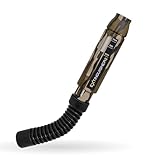
Overview: Building on its predecessor’s legendary reputation, the Extinguisher 2.0 refines an already excellent design with domestic manufacturing and enhanced quality control. This flagship call maintains the revolutionary 10-in-1 versatility while ensuring each unit meets rigorous American craftsmanship standards for hunters who prioritize both performance and patriotism.
What Makes It Stand Out: The “Made in USA” assembly guarantees meticulous hand-tuning and testing before shipment, elevating consistency across every unit. The patented ModiSlide system and freeze-resistant design remain industry-leading features, allowing seamless transitions between buck, doe, and fawn vocalizations even in sub-zero temperatures. The comprehensive sound library includes breeding grunts, estrus bleats, and aggressive roars.
Value for Money: While commanding a premium over imported alternatives, the domestic production ensures superior quality assurance and supports American jobs. The call’s multi-season versatility effectively replaces several single-purpose calls, offsetting its initial cost. For hunters valuing American-made gear, the slight price increase represents a worthwhile investment in craftsmanship.
Strengths and Weaknesses: Strengths include exceptional build quality, freeze-proof reliability, and unlimited access to Illusion’s instructional video library. The hand-tuned reed system produces remarkably lifelike tones. Weaknesses are minimal but include marginal improvements over the original version and a price premium that budget-conscious hunters might question.
Bottom Line: The Extinguisher 2.0 stands as the top-tier choice for hunters demanding American-made excellence without compromising innovation. If domestic manufacturing matters to you, this call offers the perfect blend of proven technology and patriotic purchasing power.
3. Primos Hunting unisex adult The Original CAN Deer Estrus Bleat Call from Primos, Green, One Size US

Overview: The Primos Original CAN revolutionized deer calling with its foolproof design focused exclusively on estrus bleats. This iconic green cylinder has become synonymous with simplicity and effectiveness, offering hunters a dedicated tool for attracting mature bucks during the rut. Its single-purpose design eliminates guesswork when timing is critical.
What Makes It Stand Out: The raised thumb hole locator ensures an airtight seal and consistent sound every time, making it virtually impossible to produce an unrealistic bleat. This patented design feature sets it apart from generic can calls. Its compact size and one-handed operation allow for quick, discreet use from any position. The proven track record as the “#1 Deer call of all time” speaks to its reliability.
Value for Money: As one of the most affordable effective calls on the market, it delivers exceptional ROI during the peak rut. No other call offers this level of simplicity at such a low price point. While limited to estrus bleats, it performs this single function flawlessly, making it an essential backup or primary call for rut-focused hunters.
Strengths and Weaknesses: Strengths include extreme ease of use, consistent sound quality, and rock-bottom pricing. The thumb hole design prevents user error, and its durability is legendary. Weaknesses are its single-sound limitation and lack of versatility outside the rut. It cannot replicate buck vocalizations or fawn sounds.
Bottom Line: Every deer hunter should own a Primos Original CAN as a reliable, no-fail option for the rut. Its simplicity and proven effectiveness make it perfect for beginners and veterans alike, though it works best as part of a broader calling arsenal.
4. Flextone Hunting Outdoor Realistic Sounds Tone Variety All-N-One Boned Up Deer Game Call With Antlerization

Overview: The Flextone All-N-One Boned Up call bridges the gap between simplicity and versatility through its innovative button-activated design. This compact unit targets hunters who want multiple vocalization options without mastering complex reed manipulation. Its flexible construction mimics deer physiology for natural sound inflection.
What Makes It Stand Out: Dedicated buttons for fawn bawls, doe bleats, and young buck grunts eliminate learning curves associated with traditional grunt tubes. The flexible body can be squeezed to modulate tone and volume, replicating the soft tissue vibrations of actual deer. This “Antlerization” feature allows for realistic nasal tones and variable pitch control that static calls cannot match.
Value for Money: Positioned in the mid-range price bracket, it offers impressive versatility for the cost. While not as comprehensive as premium 10-in-1 calls, it covers essential vocalizations for most hunting scenarios. The user-friendly design reduces practice time, delivering value through accessibility rather than extreme sound variety.
Strengths and Weaknesses: Strengths include intuitive button operation, realistic flexible-tone production, and compact portability. Amateurs can produce convincing calls immediately. Weaknesses involve potential durability concerns with the flexible body and fewer sound options than high-end competitors. The plastic construction may not withstand extreme cold as well as rubber alternatives.
Bottom Line: Ideal for novice to intermediate hunters seeking versatility without complexity, the Flextone Boned Up delivers reliable performance. Its innovative design makes it a smart choice for those prioritizing ease-of-use over absolute sound library depth.
5. Primos Hunting Primos Trophy Grunter Call

Overview: The Primos Trophy Grunter focuses on delivering authoritative buck vocalizations in a straightforward, no-frills package. This 6-in-1 call emphasizes volume and simplicity, making it an excellent choice for hunters seeking loud, aggressive grunts to challenge territorial bucks during the pre-rut and rut phases.
What Makes It Stand Out: The expandable hose design provides variable tones through simple length adjustment, while the adjustable reed assembly reproduces grunts, bleats, and other sounds without complex mechanisms. Its compact size belies its ability to generate loud, throaty buck sounds that carry across open terrain. The design prioritizes field-proven functionality over fancy features.
Value for Money: As a budget-friendly option from a trusted brand, it offers solid performance for hunters who primarily need buck vocalizations. While lacking the sophistication of premium calls, its affordability and reliability make it accessible to beginners or as a secondary call. The expandable hose adds versatility uncommon at this price point.
Strengths and Weaknesses: Strengths include loud output, simple operation, and lightweight portability. The adjustable reed and hose provide decent tonal variety for the price. Weaknesses include limited sound authenticity compared to hand-tuned calls and a narrower vocal range than 10-in-1 models. The plastic construction may produce slightly mechanical tones.
Bottom Line: The Trophy Grunter is a workhorse call for hunters focused on buck vocalizations without breaking the bank. It won’t match premium call realism, but its loud, aggressive grunts effectively trigger responses from dominant bucks, making it a reliable addition to any hunting pack.
6. Woodhaven The Intimidator

Overview:
The Woodhaven Intimidator is a robust grunt call designed for serious deer hunters who demand reliability and versatility in the field. Measuring 12.2" x 6.3" x 1.1", this handheld call produces an impressive range of authentic buck grunts, from subtle contact grunts to aggressive challenge calls that can provoke dominant bucks into responding during peak rut activity.
What Makes It Stand Out:
Unlike single-tone grunt calls, the Intimidator’s design allows for exceptional tonal variation through simple manipulation, giving hunters the ability to customize their calling sequence. The “durable” construction lives up to its name, withstanding harsh weather conditions and the inevitable drops that occur during intense hunts without compromising sound quality.
Value for Money:
Positioned in the premium grunt call category, this single tool eliminates the need for multiple specialized grunt tubes. Its longevity and multi-season effectiveness make it a smart investment compared to cheaper plastic alternatives that often crack or lose tone consistency mid-season, ultimately saving money over time.
Strengths and Weaknesses:
Strengths include its wide tonal range, durable build quality, intuitive operation, and consistent performance across temperature extremes. Weaknesses are its slightly larger profile that may require dedicated pocket space, and the lack of integrated bleat or fawn sounds, requiring a separate purchase for complete vocalization coverage.
Bottom Line:
The Woodhaven Intimidator is an excellent choice for hunters focused on buck vocalizations who prioritize durability and realism. While not an all-in-one solution, its grunt-calling capabilities are top-tier and worth the investment for dedicated whitetail enthusiasts.
7. Primos Hunting The Great Big Can Doe Bleat, Extra-Large Volume for Extended Range Deer Attraction

Overview:
The Primos Great Big Can Doe Bleat is an oversized bleat call engineered for maximum volume and extended-range deer attraction. Designed to replicate the estrus bleats of a receptive doe, this call excels when hunting expansive terrain where sound projection is critical for drawing in bucks from long distances during the critical phases of the rut.
What Makes It Stand Out:
The enlarged canister design generates significantly louder and more resonant bleats than standard models, making it particularly effective on windy days when lesser calls get lost in the breeze. Its performance in wide-open fields and rolling terrain gives hunters a distinct advantage during pre-rut, rut, and post-rut periods when bucks are actively seeking does.
Value for Money:
While priced higher than compact bleat cans, the extended range capability effectively increases your hunting area coverage, potentially reducing the need for multiple setup locations. This efficiency, combined with rugged construction that’s 100 percent designed for tough environments, justifies the premium for serious hunters.
Strengths and Weaknesses:
Strengths include exceptional volume, wind-penetrating power, freeze-proof reliability, and effectiveness across all rut phases. Weaknesses include its larger size requiring more pack space, and the potential for being excessively loud in close-quarters woodland hunting where subtlety is preferred over long-distance broadcasting.
Bottom Line:
For hunters pursuing deer in agricultural fields, meadows, or mountainous terrain, the Great Big Can is an indispensable tool. Its superior range and volume make it worth every penny, though woodland hunters may prefer a more compact option for tighter environments.
8. Hunters Specialties Hunting Ruttin’ Buck Rattling Bag Deer Call - One-Hand Operation Realistic Buck Vocalizations for Pre-Rut/Rut Periods

Overview:
The Hunters Specialties Ruttin’ Buck Rattling Bag delivers authentic antler-clashing sounds in a highly portable, user-friendly package. Designed specifically for pre-rut and rut periods, this call effectively simulates two bucks sparring or fighting, triggering the competitive instincts of dominant deer in your hunting area and drawing them in for investigation.
What Makes It Stand Out:
The one-hand operation design is a game-changer, allowing hunters to maintain weapon readiness while creating realistic fight sequences. Select hardwood rods produce remarkably authentic tones that closely mimic real antler impacts, while the rubberized grip ensures consistent performance even in wet or cold conditions that would compromise other calls.
Value for Money:
Compared to carrying actual antlers or bulkier rattling systems, this compact bag offers exceptional versatility at a modest price point. The durability and quiet transport features mean it will last multiple seasons without spooking deer during approach, representing excellent long-term value.
Strengths and Weaknesses:
Strengths include authentic sound reproduction, single-handed usability, secure rubberized grip, and thoughtful quiet-carry features like the silencer strap and adjustable lanyard. Weaknesses include a moderate learning curve to master realistic cadences, and potentially lower volume compared to actual antlers when hunting very large, open properties where maximum sound projection is needed.
Bottom Line:
The Ruttin’ Buck Rattling Bag is an excellent choice for mobile hunters who need realistic buck fight sounds without the bulk. Its innovative one-hand design and authentic tones make it a must-have for rut hunting, particularly in dense cover where close encounters are likely.
9. Primos The Can Family Pack Compact Design for Authentic Doe and Fawn Vocalizations

Overview:
The Primos Can Family Pack provides hunters with two distinct bleat calls in one convenient package, covering multiple scenarios throughout deer season. This combination includes the Original Can for producing pleading estrus bleats during peak rut and the Lil’ Can for replicating higher-pitched young doe vocalizations effective during early and late-season hunts when mature does are less vocal.
What Makes It Stand Out:
The freeze-proof construction ensures reliable performance in the coldest late-season conditions when other calls might fail due to ice buildup. The simple operation—just invert and right the can—creates consistent bleats every time, eliminating the learning curve associated with mouth-blown calls and allowing hunters to focus entirely on their setup and shot opportunity.
Value for Money:
Purchasing these calls as a pack offers significant savings over buying them individually, while providing year-round versatility across all hunting phases. The quality materials and robust construction ensure these calls will perform reliably for multiple seasons, making them a highly cost-effective addition to any hunter’s toolkit.
Strengths and Weaknesses:
Strengths include foolproof operation, freeze-proof reliability, season-long versatility, and authentic Primos sound quality trusted by hunters nationwide. Weaknesses include the limitation to bleat vocalizations only, requiring separate purchases for grunt or fawn sounds, and the larger combined pack size compared to single-call alternatives that take up less space in a hunting vest.
Bottom Line:
For hunters wanting simple, effective bleat calls that work flawlessly in any weather, the Can Family Pack is an outstanding value. It covers the full spectrum of doe vocalizations needed throughout the season with proven reliability that Primos is known for.
10. Flextone Outdoor Hunting Realistic Mature & Young Buck Sounds Freeze-Proof Headhunter’s Extractor Deer Game Call, Antler Color, 2.00 x 6.00 x 12.00
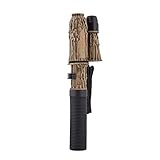
Overview:
The Flextone Headhunter’s Extractor is a revolutionary all-in-one deer call that masters every vocalization in the whitetail repertoire. This versatile tool produces mature and young buck grunts, doe grunts and bleats, fawn bawls, and even the challenging snort-wheeze challenge call that can pull dominant bucks from extreme distances during the peak rut when territorial disputes are common.
What Makes It Stand Out:
The innovative X-Glide button slide system allows instant sound switching without fumbling between multiple calls, while simultaneously preventing reed freeze-up by clearing ice with each adjustment. Flextone Technology’s flexible throat tube adds unprecedented realism through inflection control—simply squeeze the corrugated hose to modify tone and pitch like a real deer, creating subtle vocal nuances that fool pressured deer.
Value for Money:
While priced higher than single-sound calls, the Extractor replaces at least four separate calls, offering exceptional value and reducing gear clutter. The soft construction prevents noise when contacting gear, a crucial feature often overlooked but critical for maintaining stealth during the approach when every sound matters.
Strengths and Weaknesses:
Strengths include unparalleled versatility, freeze-proof operation, realistic inflection control, and silent handling. The primary weakness is the steeper learning curve to master all vocalizations effectively, and the soft body may wear faster than rigid alternatives with heavy use across multiple seasons.
Bottom Line:
The Headhunter’s Extractor is the ultimate call for serious hunters wanting one tool that does everything. The investment pays dividends in both pack space saved and hunting opportunities created, making it the most versatile deer call available today.
Understanding Deer Vocalizations for Early Morning Success
The Science Behind Dawn Communication
Deer communication patterns shift dramatically during early morning hours, driven by biological rhythms and behavioral priorities. As bucks conclude their nighttime activities, they’re actively seeking last-minute breeding opportunities, reinforcing social hierarchies, and investigating potential threats before settling into their secure daytime bedding areas. This creates a narrow but intense period where specific vocalizations trigger immediate, often aggressive responses. Understanding the acoustic properties of dawn communication helps you select calls that replicate the nuanced sounds traveling through cool, heavy air. The physics of sound transmission at lower temperatures means frequencies carry further but can also sound muffled or distorted, requiring calls that produce crisp, clear tones that cut through the morning atmosphere without alarming nearby deer.
Grunt Calls: The Foundation of Deer Communication
Grunt calls represent the most versatile tool in your early morning arsenal, mimicking the contact grunts of does, the tending grunts of bucks, and the aggressive vocalizations of dominant males. For pre-dawn application, you need calls that offer exceptional tone control across a spectrum from subtle, barely-audible social grunts to full-throated challenge calls. The best designs feature adjustable O-rings or sliding mechanisms that modify internal reed tension, allowing you to seamlessly transition between vocalizations as the hunting situation evolves. When evaluating grunt calls for morning hunts, prioritize models with freeze-resistant reeds that maintain flexibility in sub-freezing temperatures, ensuring consistent performance when your hands are cold and fine motor control is compromised.
Bleat Calls: Mimicking Does and Fawns
Doe bleats and fawn bawls carry extraordinary power during early morning hours when family groups are reuniting after a night of scattered feeding. Quality bleat calls produce authentic, high-pitched tones that simulate receptive does advertising their status or lost fawns seeking maternal contact. The most effective designs for dawn hunting feature dual-reed systems or adjustable tone boards that let you manipulate pitch and duration. Since early morning often involves calling to deer you can’t yet see, bleat calls with exceptional volume control become critical—you need the ability to produce soft, location-specific calls that won’t spook deer in close proximity while still having enough projection to reach animals working distant fence lines or field edges.
Rattling Antlers: Simulating Dominance Battles
Nothing ignites a mature buck’s competitive fire quite like the sound of two rivals clashing in his domain. During early morning, when testosterone-fueled dominance is fresh on a buck’s mind after a night of patrolling, well-executed rattling sequences can pull deer from surprising distances. Synthetic antlers offer consistency and durability in damp morning conditions, while real antlers provide unmatched authenticity. The key evaluation criteria include weight (lighter options reduce arm fatigue during extended sequences), grip texture (critical when hands are cold or wet), and sound complexity (quality sets produce both sharp cracking sounds and deep, resonant grinding tones). For pre-dawn applications, consider models with sound dampening features that let you transport them silently to your stand.
Snort-Wheeze Calls: The Aggressive Challenge
The snort-wheeze represents the ultimate insult in deer language—a direct, aggressive challenge that dominant bucks find nearly impossible to ignore. During early morning when territorial boundaries are being reinforced, this call can provoke immediate confrontation responses from mature animals. However, its power demands judicious application. Evaluate snort-wheeze calls based on their ability to produce the signature “snort-snort-wheeze” cadence with realistic aspiration and timing. The best designs for morning use feature moisture-resistant construction, as the aspirated nature of the call makes it particularly vulnerable to condensation buildup in cool air. Look for models with ergonomic mouthpieces that seal effectively even when you’re breathing heavily from the climb to your stand.
Key Features to Evaluate in Deer Calls
Sound Authenticity and Tone Control
The difference between a call that merely makes noise and one that convinces a mature buck lies in tonal authenticity. Premium calls incorporate multiple reed materials—mylar for durability, latex for flexibility, and specialized composites for unique tonal qualities. For early morning hunting, evaluate how easily you can manipulate tone without visual feedback. The best designs allow subtle pressure adjustments to produce realistic inflections that mimic natural deer speech patterns. Test calls in various temperature ranges, as reed stiffness changes with cold. Quality models maintain consistent tone from the first frosty morning to late-season thaws, ensuring the subtle social grunt you blow at 6 AM sounds identical to the aggressive challenge you might need at 7 AM.
Volume Adjustment Capabilities
Dawn hunting demands extraordinary volume control versatility. You need whisper-soft grunts for deer spotted at 50 yards in the gray light, but also the ability to project calls across valleys when you hear rustling in distant thickets. Evaluate calls based on their dynamic range—the decibel spread between their quietest and loudest realistic sounds. The most versatile designs feature adjustable exhaust ports, interchangeable reeds, or variable air channel geometries that let you modulate output without changing your embouchure or blowing pressure. This becomes particularly important during the low-light period when you can’t visually confirm a deer’s exact location and need to start soft, progressively increasing volume until you trigger a response.
Durability in Pre-Dawn Conditions
Early morning hunts expose equipment to unique environmental stresses: rapid temperature changes, heavy dew, frost formation, and potential precipitation. Quality calls feature robust construction that prevents reed warping, tone board cracking, or adhesive failure when cycling between warm vehicle interiors and sub-freezing tree stands. Examine material choices—polycarbonate bodies resist impact and temperature changes, while acrylic offers superior acoustic properties but requires more careful handling. For mouth-blown calls, evaluate lanyard attachment points and overall weight distribution. The best designs include protective cases or sleeves that prevent accidental activation during pre-dawn hikes while keeping the call instantly accessible when that first legal-light buck appears unexpectedly.
Ergonomic Design for Stealthy Handling
When your fingers are numb with cold and you’re wearing thick gloves, fumbling with a complicated call can ruin a hunt. Ideal early-morning calls feature oversized grip surfaces, tactile texture patterns, and intuitive operation that doesn’t require visual confirmation. Evaluate how easily you can operate the call by feel alone—can you adjust tone, modify volume, or switch between call types without looking? The most user-friendly designs incorporate slip-resistant materials that work equally well with bare hands or gloved fingers. Consider calls with integrated lanyard systems that keep them silent during movement but allow quick deployment. Some advanced designs feature glow-in-the-dark or low-reflectivity markings that help you locate the call in your pack without compromising concealment.
Versatility Across Hunting Phases
While focused on early morning applications, the reality is you’ll likely carry the same calls through entire seasons. Evaluate whether a call can transition from soft pre-dawn social grunts to mid-morning aggressive challenges to late-season estrous bleats. Modular designs with interchangeable reeds or adjustable internal components offer the greatest flexibility. Consider whether the call can produce both buck and doe vocalizations convincingly—some advanced grunt calls achieve this through clever reed geometry that responds to different air pressures. This versatility reduces the number of calls you need to carry, simplifying your setup and ensuring you always have the right sound available as morning conditions and deer behaviors evolve.
Early Morning-Specific Considerations
Sound Travel in Cool, Dense Air
Physics works in your favor during early morning hunts. Cool air is denser, allowing sound waves to travel farther with less energy dissipation. However, this same density can muffle higher frequencies and create unexpected echoes across valleys and draws. Calls designed for morning use account for these acoustic properties by emphasizing mid-range frequencies (around 1-3 kHz) where most deer vocalizations naturally occur. When evaluating calls, consider how they perform in actual outdoor conditions rather than just indoor testing. The most effective designs produce sounds that carry distinctly across 100-300 yards—the typical engagement range during first light—without scattering or becoming indistinct due to atmospheric interference from ground fog or temperature inversions common at dawn.
Managing Moisture and Condensation
Your warm breath meeting cold call components creates instant condensation—a primary cause of reed freeze-up and inconsistent performance. Quality morning-specific calls incorporate moisture management features like hydrophobic reed coatings, internal drainage channels, and materials that resist water absorption. Evaluate whether a call can be quickly cleared between sequences—a sharp exhale should expel accumulated moisture without requiring disassembly. Some innovative designs feature thermal breaks that minimize temperature differential between your mouth and the call body, reducing condensation formation. For rattling antlers, consider synthetic materials that don’t absorb moisture and become heavy or change tone when wet from dew or frost.
Low-Light Handling Features
Operating equipment in near-darkness demands thoughtful design. Calls with high-contrast, low-glow markings allow you to distinguish between multiple calls in your pack without pulling out a flashlight. Evaluate the tactile feedback—can you identify which call you’re grabbing by feel alone? The best designs incorporate unique texture patterns, shape profiles, or attachment point configurations that serve as Braille-like identifiers. Consider calls with integrated storage solutions that keep them warm against your body until needed, preventing the shock of a frozen call against your lips at first legal light. Some hunters prefer calls with minimal reflective surfaces that won’t catch stray light from a rising moon or distant headlights while walking to the stand.
Sound Suppression Before First Light
The hike to your stand in darkness requires absolute silence. Evaluate how quietly calls can be stowed and transported. Quality designs include soft cases, rubberized coatings, or internal silencing features that prevent accidental activation when brushing against branches or gear. For rattling systems, consider models with magnetic or friction-based silencers that keep antlers from clinking together during movement. The attachment method matters—metal clips can jingle, while silent paracord loops or rubberized lanyards maintain stealth. Test how quietly you can deploy the call from storage to your mouth; the best designs allow smooth, silent transitions that don’t alert bedded deer near your stand location.
Timing Your Calls with Sunrise Patterns
Early morning deer movement follows predictable patterns relative to sunrise, and your calling cadence should mirror these rhythms. During the 30 minutes before legal shooting light, focus on soft, infrequent contact grunts that simulate deer naturally waking and locating herd members. As the first rays illuminate the landscape, shift to more aggressive tending grunts or light rattling sequences that suggest active breeding behavior. The most effective callers understand that early morning is about building curiosity, not necessarily immediate confrontation. Evaluate calls based on how quickly you can shift between these different vocalization types without fumbling—a call that requires complex adjustments between sequences may cause you to miss critical windows when a buck is within range but moving away.
Mastering Calling Techniques at Dawn
The Soft Grunt Sequence
The foundation of early morning success lies in the subtle contact grunt—a sound that says “I’m here, where are you?” without challenging territory or dominance. Master the three-note sequence: a soft introductory grunt, slightly louder second grunt, and a trailing grunt that fades naturally. This pattern mimics how deer actually communicate at dawn when visibility is limited. Practice maintaining consistent tone while varying timing—sometimes 5 seconds between grunts, sometimes 10—to create realism. The key is creating a conversation, not a monologue. Quality calls allow you to produce these sequences with minimal air pressure, preventing the sharp intake of breath that can spook close-range deer in the quiet morning air.
Realistic Bleat Pacing
Doe bleats during early morning should sound relaxed and content, not panicked or urgent. The most convincing bleats follow a natural rhythm: a series of 3-4 soft bleats over 15-20 seconds, followed by a minute of silence. This simulates a doe casually communicating with fawns or nearby herd members. For estrous bleats, lengthen the duration and add a slight quaver to the final note, suggesting breeding readiness. The call’s design should allow you to produce these variations through simple pressure changes rather than repositioning your hands. Practice the “inhale-exhale” technique where you draw air across the reed during both inhalation and exhalation, creating continuous, natural-sounding vocalizations without the pauses that telegraph human presence.
Rattling Cadence for Morning Aggression
Early morning rattling differs from mid-day or evening sequences. Start with light tickling sounds—barely audible antler clicks that suggest deer are posturing rather than fully engaged. Progress to short, 10-second clashing bursts with 30-second pauses, always ending with a definitive “winner” sound: one antler dragged away through leaves. This creates a realistic scenario that a dominant buck can’t ignore. The weight and balance of your rattling system affect how long you can maintain these sequences; overly heavy antlers cause arm fatigue that shortens sessions and reduces realism. Consider calls with textured striking surfaces that produce authentic grinding sounds without requiring perfect technique, allowing you to focus on cadence rather than mechanics.
Reading Deer Responses in Low Light
During early morning, you’ll often hear responses before seeing the deer. Learn to interpret the subtle audio cues: a faint footstep breaking a twig, the soft rustle of leaves, or an actual return grunt. Your call selection should allow for immediate reaction to these stimuli. If you hear a distant grunt response, you need a call that can immediately match that tone and volume without adjustment. This is where modular call systems shine—being able to switch from a soft contact grunt to a matching response call in seconds. Develop a mental catalog of likely response scenarios and practice the transitions until they become muscle memory, because at first light, you won’t have time to think through mechanics.
When to Stay Silent
The most important call in early morning hunting is often the one you don’t make. Over-calling is the number one mistake dawn hunters make. After an initial sequence, wait a full 15-20 minutes before calling again, giving deer time to investigate without feeling pressured. Evaluate your calls based on how quietly they store away—can you pocket the call silently after that first sequence? The best designs include soft cases or rubberized coatings that prevent accidental activation during long, silent waits. Remember that as legal shooting light fully establishes, deer become increasingly wary of vocalizations. Have a plan to transition from active calling to passive observation, and choose calls that integrate seamlessly into your gear system when not in use.
Maintenance and Preparation Strategies
Pre-Season Call Conditioning
Your deer calls require conditioning just like your hunting muscles. Two weeks before season, begin daily practice sessions that progressively match early morning temperature conditions. Store calls overnight in your freezer, then practice with them cold. This reveals any tendency toward reed freeze-up or tone changes in low temperatures. For mouth-blown calls, “break in” new reeds by soaking them in warm water for 10 minutes, then blowing them dry—this softens the material and improves responsiveness. Document which calls maintain consistent tone when cold versus those that become flat or unresponsive. The most reliable early morning performers are those that sound identical whether blown with warm breath on a 70-degree practice day or frigid air on a 20-degree hunt.
Weatherproofing Your Equipment
Morning hunts expose calls to moisture, temperature extremes, and potential precipitation. Apply a light coat of silicone spray to non-mouthpiece surfaces of rattling antlers and external call bodies—this prevents ice buildup and sheds dew. For mouth-blown calls, avoid petroleum-based products that could be ingested. Instead, store them with desiccant packets in your pack to absorb ambient moisture. Inspect O-rings and seals monthly; cold makes rubber brittle, and a failed seal can change a call’s tone dramatically. Carry backup reeds sealed in waterproof containers, and practice changing them with cold hands. The best-prepared hunters can swap a frozen reed in under 60 seconds while still in the stand, ensuring one mishap doesn’t end their calling capability for the morning.
Practicing in Darkness
Realistic practice means replicating actual hunting conditions. Conduct calling sessions in your backyard during pre-dawn hours, wearing your full hunting kit including gloves and face mask. This reveals how your gear interferes with call operation and builds muscle memory for blind deployment. Record your practice sessions and listen for unnatural pauses, breathing sounds, or mechanical clicks that telegraph human presence. The highest-quality calls will perform consistently even when you’re wearing thick gloves and can’t see your hands. Practice the full sequence: removing the call from storage, blowing a realistic series, and silently re-stowing it. Time yourself—if it takes more than 10 seconds, simplify your system or choose a more ergonomic design.
Transporting Calls to Your Stand
How you carry calls matters as much as which calls you choose. A jangling mess of metal and plastic strapped to your chest will spook more deer than your calls attract. Evaluate silent carry systems: neoprene sleeves, fleece-lined pouches, or specialized call lanyards with rubberized attachments. Organize calls by frequency of use—your primary grunt call should be most accessible, while rattling antlers can be stored deeper in your pack since they’re used less frequently. Consider a modular system where your most-used calls attach via silent QD (quick-detach) systems to your binocular harness or pack strap, allowing instant access without digging. The goal is zero noise from gear interaction from vehicle to stand, ensuring the first sound you make is the one that brings a buck running.
Frequently Asked Questions
How early should I start calling before legal shooting light begins?
Start with ultra-soft contact grunts 15-20 minutes before legal light. These subtle sounds simulate deer naturally waking and won’t spook nearby animals. Focus on 2-3 grunt sequences spaced 5 minutes apart. The goal is establishing presence, not aggressive calling. Save louder vocalizations for when you can actually see your target and assess reactions.
What’s the best call type for frosty mornings when reeds might freeze?
Rattling antlers or can-style bleat calls are most reliable in freezing conditions since they don’t rely on reeds. If you prefer mouth-blown calls, choose those with synthetic reeds treated with hydrophobic coatings. Carry the call inside your jacket against your body until needed, and clear it with a sharp exhale before each sequence to prevent ice buildup.
How do I know if I’m calling too much at dawn?
If you haven’t seen or heard a response after 3 calling sequences spaced 15 minutes apart, stop calling for at least 45 minutes. Over-calling is more likely to educate deer than attract them. Watch for subtle signs like squirrels suddenly going silent or birds alarm-calling—these often indicate a deer is approaching silently, and additional calls would be counterproductive.
Should I use different calls during the pre-rut versus peak rut in early morning?
Absolutely. Pre-rut mornings favor social grunts and light rattling that establishes dominance without full aggression. Peak rut mornings allow for more intense estrous bleats and aggressive snort-wheeze challenges. The key is matching your call intensity to the observed behavior phase—start subtle and escalate only if you spot active chasing or fighting signs.
How far can deer hear my calls in the cool morning air?
Under ideal calm, cool conditions, deer can hear aggressive calls like rattling up to 1,000 yards, while social grunts carry 300-500 yards effectively. However, terrain and vegetation dramatically affect this range. In heavy timber, cut your effective range in half. Always start with softer calls than you think necessary—you can always get louder, but you can’t un-spook an alarmed deer.
Is it worth investing in expensive calls for early morning hunting?
Quality directly correlates with consistency, especially in challenging dawn conditions. Premium calls maintain tone in temperature extremes, offer better volume control, and produce more authentic sounds. However, a moderately-priced call you practice with extensively will outperform an expensive call you rarely use. Invest in the best quality you can afford, then dedicate time to mastering it.
What’s the biggest mistake hunters make with morning rattling sequences?
Starting too aggressively. Hunters often begin with loud, sustained clashing that sounds nothing like real deer sparring at dawn. Realistic morning rattling starts with subtle tickling sounds, progresses through short bursts, and always includes natural pauses. The entire sequence should last no more than 30-45 seconds, followed by several minutes of silence to listen for approaching hooves.
Can I use the same call for both whitetail and mule deer in early morning?
While some vocalizations overlap, mule deer generally respond better to less aggressive calling. Whitetail calls often work on muleys if toned down significantly. The fundamental call designs are similar, but mule deer hunting typically requires softer grunts and bleats with longer pauses. If you hunt both species, choose calls with exceptional low-volume performance and practice more subtle sequences.
How do I practice calls without disturbing deer near my hunting property?
Practice indoors using recordings to perfect tone and cadence, focusing on breath control and hand positioning. Save outdoor practice for public land or non-hunting areas. Many experienced hunters practice in their vehicle while commuting, using the enclosed space to hear their actual sound output clearly. Just ensure you’re not creating distracted driving hazards.
What should I do if a deer responds vocally but doesn’t approach?
This is common during early morning when deer are hesitant to move before full light. Mark the response location mentally, then stay completely silent for 20-30 minutes. The deer knows where you are and is likely circling downwind to scent-check. Resist the urge to call again—your silence creates uncertainty that often pulls them in for visual confirmation, especially as shooting light improves.
Related Buying Guides
- Top 10 Best Deer Decoys for Early Season Bow Hunting in 2026
- 10 Best Turkey Calls for Early Morning Hunts This Year
- 10 Game Calls Mistakes to Avoid This Hunting Season for Better Success
- 10 Affordable Deer Calls That Don’t Sacrifice Quality in 2026
- 10 Best Budget Deer Calls Under $40 for Beginner Hunters in 2026