Table of Contents
Crossbow hunting and target shooting have exploded in popularity among outdoor enthusiasts of all backgrounds, and manufacturers have responded by engineering models that prioritize adaptability, reduced physical strain, and precision fit. The year 2026 brings exciting advancements in crossbow technology, with features that make the sport more approachable without compromising performance. Whether you’re drawn to the quiet thrill of a morning hunt or the satisfaction of hitting bullseyes at the range, understanding what makes a crossbow comfortable and effective for your specific frame is the key to success.
Finding the right crossbow isn’t about choosing a model labeled for a specific gender—it’s about identifying the ergonomic and mechanical features that match your strength, reach, and intended use. Women often benefit from certain design elements not because of capability, but because these features accommodate smaller frames, shorter wingspans, and preference for reduced recoil and vibration. This comprehensive guide walks you through everything you need to evaluate, from draw weight technologies to stock customization, ensuring you make an informed decision that builds confidence and enhances your shooting experience.
Top 10 Crossbows for Women
Detailed Product Reviews
1. Bear X Desire XL Pistol Hunting Crossbow, Self-Cocking, Adjustable Stock up to 2.5", Compact Design, Includes 3 Premium Bolts, Dependable Accuracy
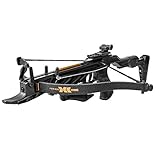
Overview: The Bear X Desire XL bridges the gap between toy and tool, offering a compact pistol crossbow platform with surprising adjustability. This self-cocking crossbow generates arrow speeds up to 175 FPS, making it suitable for small game hunting and target practice. The adjustable stock extends up to 2.5 inches, a rare feature in pistol crossbows that enhances shoulder stability during aiming. At just a few pounds, it packs easily for backcountry excursions or backyard sessions.
What Makes It Stand Out: The adjustable stock sets the Desire XL apart from typical fixed-frame pistol crossbows, allowing shooters to customize length-of-pull for better control. The self-cocking mechanism reduces draw weight effort significantly, while the integrated forearm grip improves handling. Bear Archery’s reputation for dependable accuracy translates into a pistol platform engineered for consistent performance rather than novelty.
Value for Money: Positioned in the mid-range for pistol crossbows, the Desire XL includes three premium bolts and requires no additional purchases to start shooting. While full-size crossbows offer more power, this specialized tool costs significantly less and serves a different purpose. For pest control or recreational shooting, it delivers adequate performance without the investment of a hunting-grade compound crossbow.
Strengths and Weaknesses: Strengths include the unique adjustable stock, easy self-cocking mechanism, and compact portability. The 175 FPS velocity, while respectable for its class, limits effective range and hunting applications to small game only. The pistol grip design inherently provides less stability than shoulder-fired crossbows, and the short power stroke reduces energy transfer compared to full-size models.
Bottom Line: The Bear X Desire XL excels as a specialized tool for hunters seeking ultra-portable pest control or archers wanting compact plinking fun. It’s not a primary hunting weapon, but its adjustability and self-cocking convenience make it the most user-friendly pistol crossbow in its price range.
2. Barnett Whitetail Hunter II Crossbow, with 4x32 Multi-Reticle Scope, 2 Headhunter Arrows, Lightweight Quiver

Overview: The Barnett Whitetail Hunter II represents a complete hunting solution in a lightweight, manageable package. This compound crossbow delivers 350 FPS from a 6.4-pound platform with a compact 16.125-inch axle-to-axle width. The Ready to Hunt package includes a 4x32 multi-reticle scope, two Headhunter arrows, rope cocking device, quiver, and lubrication wax. Designed specifically for whitetail deer hunting, it ships mostly assembled for immediate field use.
What Makes It Stand Out: Barnett integrates premium safety features rarely found at this price point: the Soft Lok Floating Bristle Arrow Retainer, Anti-Dry Fire (ADF) trigger system, and TriggerTech’s 3-pound zero-creep frictionless release. These technologies prevent accidental discharge and ensure consistent trigger performance. The RealTree Extra camouflage pattern provides excellent concealment, while the ultra-compact dimensions make it ideal for ground blinds and tree stands.
Value for Money: As a turnkey hunting package from a brand trusted since 1962, this crossbow delivers exceptional value. The included accessories alone would cost over $150 separately. While 350 FPS isn’t class-leading, it’s more than adequate for ethical whitetail harvests out to 40-50 yards. Competing packages with similar features typically cost $100-200 more.
Strengths and Weaknesses: Strengths include comprehensive safety systems, lightweight maneuverability, trusted brand heritage, and complete accessory package. The 350 FPS velocity, while sufficient, lags behind modern speed-demon crossbows pushing 400+ FPS. The included arrow count is minimal (only two), requiring immediate additional purchases. The rope cocking device, while functional, is less convenient than integrated crank systems.
Bottom Line: Perfect for new and intermediate hunters, the Whitetail Hunter II prioritizes safety, reliability, and value over raw speed. It’s a trustworthy, field-ready package that performs reliably in real hunting scenarios without breaking the bank.
3. BALLISTA BAT Compound Mini Crossbow - Small Crossbow for Hunting, Fishing and Target - 300 FPS, 130 Lbs, 2.46 lbs

Overview: The BALLISTA BAT redefines portability in the crossbow market, delivering 300 FPS from a platform that weighs just 2.46 pounds and fits in a small backpack. This mini compound crossbow features a 130-pound draw weight yet loads in three seconds through an innovative silent cocking system. Measuring only 16"x5", it serves multiple purposes: small game hunting, bowfishing, and target practice. Despite its diminutive size, it handles heavy bolts with broadheads effectively.
What Makes It Stand Out: The BAT’s extreme weight-to-power ratio is unprecedented—most crossbows this light are toys, not serious tools. The proprietary silent loading mechanism eliminates the noise typically associated with cocking, while the compact dimensions allow for carry in situations where traditional crossbows are impractical. Its versatility across hunting, fishing, and recreational shooting makes it a true multi-tool.
Value for Money: Occupying a unique niche, the BAT commands a premium over pistol crossbows but costs far less than full-size hunting compounds. For backcountry hunters or survivalists prioritizing pack weight, the investment is justified. However, traditional hunters will find better value in standard crossbows offering more stability and power for the same price.
Strengths and Weaknesses: Strengths include unmatched portability, impressive speed for size, silent operation, and multi-purpose functionality. The 130-pound draw weight may challenge smaller-framed shooters despite the assisted cocking mechanism. The mini format sacrifices accuracy at longer ranges and provides minimal forearm support. Power stroke limitations reduce kinetic energy compared to standard crossbows.
Bottom Line: The BALLISTA BAT serves a specific audience: those needing maximum portability without sacrificing usable power. It’s ideal for survival kits, backcountry trappers, or anyone needing a packable hunting tool, but not a primary weapon for dedicated deer hunters.
4. Xpedition Archery Scrapeline 390X Crossbow, 6.7LB 390 Feet Per Second Compound Crossbow Package with 4X32 Scope

Overview: The Scrapeline 390X targets budget-conscious hunters seeking maximum velocity without the premium price tag. This compound crossbow fires at 390 FPS while maintaining a reasonable 6.7-pound weight. The complete package includes an illuminated 4x32 scope, five-bolt quiver, rope cocker, and three Xit-20 carbon bolts (380 grain). Designed as an entry-level option, it provides high-end speed at an affordable cost, though with some important operational restrictions.
What Makes It Stand Out: The 390 FPS speed at a budget price point is the primary differentiator—most crossbows under $500 struggle to reach 350 FPS. The illuminated scope enhances low-light shooting, while the five-bolt quiver provides adequate capacity. The package includes everything needed to hunt except broadheads.
Value for Money: Exceptional speed-per-dollar ratio makes this compelling for beginners wanting modern performance. However, the requirement to use only XIT-20 bolts limits flexibility and increases long-term costs. While the initial purchase price is attractive, the proprietary bolt restriction may frustrate hunters who prefer customizing their arrow setup.
Strengths and Weaknesses: Strengths include impressive velocity, illuminated optics, complete accessory package, and lightweight design. Major weaknesses center on the bolt compatibility requirement, which could leave hunters stranded if replacements are unavailable. The brand lacks Barnett’s established service network, and the warning about safety hazards suggests potential durability concerns. Only three arrows are included, requiring immediate additional purchases.
Bottom Line: The Scrapeline 390X delivers raw speed and features that outpace its price class, making it attractive for budget hunters. However, the bolt restriction and lesser-known brand name mean buyers should prioritize purchasing spare bolts immediately and follow maintenance instructions meticulously.
5. Cypress Outdoors Pistol Crossbow with Double Safety System 80 Pounds Self-Cocking with Red Dot with 3 Premium Bolts with Vertical Grip_Vampire

Overview: The Cypress Outdoors Vampire pistol crossbow prioritizes safe operation in an 80-pound draw platform designed for close-range shooting. This self-cocking crossbow includes a red dot sight, vertical foregrip, and three premium bolts. The double safety system prevents accidental discharge, making it suitable for younger shooters or those new to crossbows. Compact and lightweight, it serves recreational target shooting and small pest control within 20 yards.
What Makes It Stand Out: The double safety mechanism is rare in pistol crossbows, providing peace of mind for families or training environments. The included red dot sight eliminates guesswork in aiming, while the vertical grip enhances stability beyond typical pistol designs. These features elevate it from a novelty item to a serious training tool.
Value for Money: Positioned as an entry-level option, this package includes quality accessories that would cost $50+ separately. While 80 pounds limits hunting applications to very small game, the safety features and optics make it an excellent value for target shooting and education. Comparable pistol crossbows often lack the vertical grip and red dot, requiring additional investment.
Strengths and Weaknesses: Strengths include superior safety systems, included red dot sight, stable vertical grip, and easy self-cocking mechanism. The 80-pound draw weight produces limited velocity and kinetic energy, restricting effective range and ethical hunting capabilities. The plastic construction may not withstand heavy use, and the short barrel reduces accuracy compared to rifle-style crossbows.
Bottom Line: Ideal for beginners, youth shooters, or as a training tool, the Cypress Outdoors Vampire emphasizes safety and ease of use over power. It’s perfect for backyard target practice and pest control but unsuitable for serious hunting applications. The safety features alone make it worth considering for family environments.
6. Killer Instinct Boss 405 FPS Crossbow Package with Backpack Case and Broadheads Bundle (3 Items)

Overview: The Killer Instinct Boss 405 FPS Crossbow Package delivers elite-level performance in a highly adaptable platform. This three-item bundle includes the high-velocity Boss 405 crossbow, protective backpack case, and hunting broadheads, creating a turnkey solution for serious hunters. The compact frame and extensive adjustability options accommodate various body types and shooting styles, making it a versatile choice for both mobile spot-and-stalk hunts and stationary blind setups.
What Makes It Stand Out: The 405 feet-per-second velocity places this crossbow in the top tier for kinetic energy and downrange power. The six-position buttstock and X-Lok adjustable foregrip provide customization typically found only in premium models, ensuring optimal ergonomics for any shooter. The enhanced Micro-Lite aluminum barrel and crisp 3.5-pound KillerTech trigger deliver repeatable accuracy, while the narrow frame improves maneuverability in tight quarters without sacrificing stability.
Value for Money: This bundle eliminates significant additional expenses by including essential accessories. Comparable crossbows often require separate purchases of cases and broadheads, adding $100-150 to the initial investment. The Boss 405 undercuts flagship models by hundreds of dollars while delivering similar speeds, representing exceptional value for performance-focused hunters who prioritize velocity over brand prestige.
Strengths and Weaknesses: Strengths include exceptional speed, highly adjustable ergonomics, comprehensive bundle value, and a lightweight, compact design perfect for mobile hunting. The Micro-Lite barrel enhances accuracy. Weaknesses include a louder shot report compared to premium dampening systems, and the rope cocking device demands more physical effort than integrated crank systems. Beginners may find the power initially overwhelming.
Bottom Line: Ideal for intermediate to experienced hunters seeking maximum velocity without premium pricing. The adjustability makes it perfect for families sharing equipment or shooters refining their preferred fit. If raw speed and customization trump whisper-quiet operation in your priorities, the Boss 405 delivers exceptional hunting capability.
7. Barnett Whitetail Hunter Crossbow, with 4x32mm Multi-Reticle Scope, 2 Arrows, Lightweight Quiver, STR without Crank Device

Overview: The Barnett Whitetail Hunter STR Crossbow leverages decades of manufacturing expertise to deliver a reliable, user-friendly hunting platform. Shooting 375 feet per second, this ultra-compact compound crossbow includes essential accessories and features the innovative Step-Through Riser design. The Mossy Oak Bottomland camouflage provides versatile concealment, while the manageable 6.6-pound weight ensures all-day carry comfort for hunters of any stature.
What Makes It Stand Out: Barnett’s STR technology reduces overall length while maintaining structural integrity, creating an exceptionally controllable profile. The comprehensive safety suite—including Soft Lok Floating Bristle Arrow Retainer, Anti-Dry Fire Trigger System, and TriggerTech Frictionless Release—protects both shooter and equipment. Finger safety reminders provide visual reinforcement for proper hand placement, making this an excellent teaching tool for new hunters.
Value for Money: This mid-range package includes a quality 4x32mm multi-reticle scope, two Headhunter arrows, lightweight quiver, rope cocker, and lubrication wax. Barnett’s reputation for durability ensures seasons of reliable service, representing solid long-term value. While 375 FPS trails modern speed demons, the feature set and included accessories justify the investment for hunters prioritizing safety and reliability over maximum velocity.
Strengths and Weaknesses: Strengths include lightweight maneuverability, excellent safety features, brand reliability, and ready-to-hunt packaging. The STR design improves balance and reduces fatigue. Weaknesses include velocity lagging behind high-performance models, and the rope cocking device lacks the convenience of integrated cranks. The two-arrow quiver feels minimal for extended hunts.
Bottom Line: Perfect for beginners to intermediate hunters who prioritize safety and handling over raw speed. The Whitetail Hunter excels in tree stands and ground blinds where maneuverability determines success. If you value established brand reliability and proven performance without premium pricing, this crossbow deserves serious consideration.
8. Bear X Desire RD Self-Cocking Crossbow with Red Dot Sight 3 Premium Bolts, Black, One Size
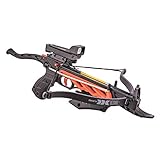
Overview: The Bear X Desire RD Self-Cocking Crossbow redefines portability with its pistol-style design and integrated cocking mechanism. This ultra-compact crossbow prioritizes simplicity and accessibility over raw power, making it suitable for small game hunting, pest control, or recreational target shooting. The self-contained system includes a red dot sight and three premium bolts, storing easily in vehicles, packs, or even large cargo pockets for immediate deployment.
What Makes It Stand Out: The self-cocking arm eliminates the strenuous pulling motion required by traditional crossbows, making it accessible to youth shooters or those with limited upper body strength. Its pistol-grip configuration allows true one-handed carrying and rapid aiming in confined spaces where full-sized crossbows prove unwieldy. The included red dot sight enables quick target acquisition at close ranges typical of small game encounters.
Value for Money: Positioned as the most affordable option in this lineup, the Desire RD delivers acceptable value for highly specific applications. However, its limited power restricts ethical hunting to very small game, and recreational shooters gain more versatility from entry-level vertical bows. The three included bolts complete the minimal package, but plan on purchasing replacements due to the short, specialized design.
Strengths and Weaknesses: Strengths include extreme portability, simple operation, minimal maintenance requirements, and genuine innovation in the self-cocking mechanism. The compact size excels in survival kits or as a backup weapon. Weaknesses are significant: low velocity severely limits effective range and stopping power, accuracy degrades beyond 20 yards, and the short power stroke generates insufficient kinetic energy for deer-sized game.
Bottom Line: Only consider this for specific close-range applications like pest control or youth introduction to crossbows. It fails as a primary hunting weapon for medium to large game due to inadequate power. As a compact survival tool or recreational plinker, its convenience holds limited appeal, but ethical hunters should look elsewhere for their main weapon.
9. Barnett Wildcat CRX Crossbow Bundle – Includes Bonus Arrow & Broadheads + Scope, Rope Cocking Device, Quiver, 3 Arrows & Neoprene Cover – Tactical 280 FPS Lightweight Hunting Crossbow

Overview: The Barnett Wildcat CRX Crossbow Bundle serves as an entry-level gateway to crossbow hunting, delivering a complete package at an accessible price point. Shooting 280 feet per second, this lightweight crossbow includes all necessary accessories: red dot scope, three Headhunter arrows, broadheads, quiver, rope cocking device, and protective neoprene cover. The smoke gray stock features soft-touch grips and cheek pieces for steady, comfortable shooting during extended sessions.
What Makes It Stand Out: Barnett’s Rope-Hold Technology ensures consistent cocking for repeatable accuracy, crucial for building confidence in new hunters. The integrated safety features—including Anti-Dry Fire system, finger safety reminders, and pass-through foregrip—provide multiple layers of protection for novices. At just 6.1 pounds, it’s among the lightest hunting crossbows available, reducing fatigue during long days in the field.
Value for Money: This bundle eliminates guesswork for first-time buyers by including all necessary components plus thoughtful extras like the neoprene cover. While 280 FPS limits effective range compared to faster models, the complete kit represents strong value for beginners not ready to invest in premium gear. You’re acquiring a functional hunting tool with essential accessories for roughly half the cost of mid-tier crossbows, making financial risk minimal.
Strengths and Weaknesses: Strengths include comprehensive accessory package, exceptional lightweight maneuverability, built-in safety features, and budget-friendly pricing. The textured stock provides secure grip in wet conditions. Weaknesses center on the modest 280 FPS velocity, which restricts ethical shots to closer distances and produces a more pronounced trajectory arc. The basic red dot scope lacks magnification for precise longer-range shooting.
Bottom Line: Ideal for new hunters or those pursuing small to medium game at moderate ranges. The Wildcat CRX prioritizes accessibility and safety over blistering performance. If you’re testing crossbow hunting without major financial commitment, this bundle provides everything needed to ethically harvest game within its clear limitations.
10. TenPoint Titan 400 Crossbow, Vektra - 400 FPS - Includes Pro-View 400 Scope, ACUdraw Silent Cocking Device & Three Pro Elite 400 Carbon Arrows

Overview: The TenPoint Titan 400 Vektra elevates America’s best-selling crossbow line with enhanced speed and premium features. Now delivering 400 feet per second, this flagship-level package includes the revolutionary ACUdraw Silent cocking system, Pro-View 400 scope, and three Pro Elite 400 carbon arrows. Arriving fully assembled and pre-sighted, it’s ready to hunt within minutes of unboxing, representing TenPoint’s commitment to out-of-the-box performance.
What Makes It Stand Out: The integrated ACUdraw Silent system reduces draw weight to just five pounds while operating completely silently, eliminating separate cocking devices and preventing game-spooking noise. The Pro-View 400 scope features illuminated reticles with aim points out to 70 yards, significantly extending effective range. At 6 pounds and a narrow 9.75-inch axle-to-axle width when cocked, this crossbow combines speed with exceptional maneuverability in tight stands and blinds.
Value for Money: While commanding a premium price, the Titan 400 includes features costing extra on competitor bows. The silent crank system alone represents a $200+ value, and the fully assembled, pre-sighted delivery saves time and potential tuning costs. When compared to TenPoint’s flagship models offering only marginal performance gains, this mid-premium option delivers exceptional value for serious hunters wanting professional features without top-tier pricing.
Strengths and Weaknesses: Strengths include blazing 400 FPS speed, whisper-quiet cocking, compact dimensions, ready-to-hunt convenience, and TenPoint’s renowned quality. The illuminated scope excels in low-light conditions. Weaknesses include the premium price stretching beginner budgets, and proprietary arrow requirements increasing ongoing ammunition costs. Some traditionalists may prefer simpler, non-crank systems for reliability.
Bottom Line: Serious hunters seeking top-tier performance without flagship pricing will find the Titan 400 irresistible. The silent cocking system alone justifies the upgrade for stalk hunting or multiple-shot scenarios. If your budget allows, this crossbow delivers professional-grade features that translate directly to more successful, ethical hunts in real-world conditions.
Understanding Crossbow Design Considerations for Women
The Myth of “Women’s Specific” Crossbows
The marketing term “women’s crossbow” often creates more confusion than clarity. Most manufacturers don’t produce separate product lines based on gender; instead, they offer adjustable models that accommodate a wide spectrum of shooters. Physical differences like wingspan, shoulder width, and hand size exist across all demographics, making fit a universal concern. Focus on specifications rather than gendered labels, as the best crossbow for you depends on measurable factors like draw length, mass weight, and cocking force requirements.
Physical Fit Over Gender Labels
A properly fitted crossbow should feel like a natural extension of your body. When you shoulder the weapon, your dominant eye should align effortlessly with the scope, your foregrip hand should maintain a comfortable 90-degree elbow bend, and the buttstock should nestle firmly into your shoulder pocket without strain. These fundamentals matter more than any marketing designation. Shooters under 5'5" typically benefit from shorter axle-to-axle measurements and reduced length of pull, while those with smaller hands may prefer slimmer grip profiles and closer trigger reach.
Why Proper Sizing Matters for Accuracy and Comfort
An ill-fitting crossbow creates a cascade of problems: inconsistent cheek weld leads to poor scope alignment, excessive weight causes fatigue and shaky aim, and overstretched reach results in awkward trigger pull angles. When your equipment fits correctly, you’ll experience reduced felt recoil, faster target acquisition, and the ability to hold steady for longer periods. This translates to tighter groupings, more ethical hunting shots, and extended practice sessions that build skill without causing physical discomfort or injury.
Key Features to Evaluate
Draw Weight and Cocking Assistance
Draw weight directly impacts how much force you need to cock the crossbow. Traditional models requiring 150-200 pounds of pull strength can be challenging to manage without assistance. Modern crank cocking devices reduce this effort to 5-10 pounds of crank handle pressure, making them game-changers for shooters concerned about shoulder strain or back issues. Rope cocking devices cut the effort roughly in half but still demand significant upper body strength. Evaluate your ability to cock a crossbow consistently and safely before considering any model.
Overall Weight and Maneuverability
A crossbow’s mass weight affects everything from steady aiming to all-day carry in the field. Lighter models around 6-7 pounds excel for spot-and-stalk hunting or long treks to your stand, while heavier 8-9 pound crossbows often provide better stability for bench shooting. Consider your primary use case: backcountry hunters should prioritize lightweight carbon fiber components, whereas stand hunters might appreciate the dampening effects of a heavier front end. Remember that adding a quiver, bolts, and optics increases total carrying weight by 1-2 pounds.
Axle-to-Axle Length and Compactness
This measurement determines how easily you can navigate tight spaces like ground blinds and tree stands. Compact models under 12 inches cocked offer superior maneuverability without sacrificing much performance. However, longer axle-to-axle lengths typically provide a more forgiving power stroke and slightly reduced string angle, which some shooters find more comfortable at full draw. If you hunt from enclosed blinds or frequently move through dense brush, prioritize compactness. For open country or range shooting, the added stability of a longer platform may serve you better.
Stock Adjustability and Customization
Adjustable buttstocks represent one of the most important innovations for personalized fit. Look for models offering 2-4 inches of length-of-pull adjustment through spacer systems or telescoping designs. Some stocks also feature adjustable cheek pieces that raise or lower to align perfectly with your scope height. This customization ensures proper eye relief and a consistent anchor point regardless of your facial structure or layers of hunting clothing. Fixed stocks may work if their dimensions happen to match your frame, but adjustable options provide room for growth and seasonal clothing changes.
Power Stroke and Kinetic Energy
Power stroke—the distance the string travels from rest to full draw—directly influences arrow velocity and kinetic energy. Longer power strokes generally produce faster speeds with less draw weight, creating a smoother shooting experience. For hunting medium-sized game like whitetail deer, aim for crossbows generating at least 70-80 foot-pounds of kinetic energy. Target shooters can prioritize accuracy over raw power, often finding success with lower-poundage models that produce less vibration and noise. Understanding this balance helps you select appropriate power without over-bowing yourself.
Speed vs. Forgiveness
Today’s crossbows advertise speeds exceeding 400 feet per second, but faster isn’t always better for every shooter. High-speed models demand perfect form and torque-free shooting, as any inconsistency gets magnified downrange. Moderate speeds in the 350-380 fps range often provide the sweet spot—plenty of power for hunting while remaining forgiving of slight grip variations. Consider your experience level: beginners typically progress faster with moderately-paced crossbows that emphasize shootability over raw speed numbers.
Cocking Mechanisms Simplified
Rope Cocking Devices
These simple pulley systems hook onto the string and reduce cocking effort by approximately 50% through mechanical advantage. They cost less than crank systems and add minimal weight to your kit. However, they require you to stand and pull simultaneously, which can challenge balance and coordination. Practice the technique thoroughly, ensuring the string seats evenly on both sides of the rail to prevent accuracy issues and premature wear. Rope cockers work best for shooters comfortable with moderate physical exertion and good core stability.
Crank Cocking Systems
Integrated crank systems represent the pinnacle of ease and consistency. A few turns of a handle or built-in winch draws the string back with minimal effort, often featuring automatic engagement that prevents slippage. This technology opens crossbow hunting to virtually anyone regardless of physical limitations. Look for models with silent cranking options for hunting situations and detachable handles that store conveniently. The trade-off includes added weight, cost, and slightly slower reloading, but most users find these compromises well worth the accessibility benefits.
Integrated vs. Aftermarket Solutions
Some crossbows come with cocking devices built into the stock, offering seamless integration and optimized performance. Aftermarket options provide flexibility if you want to upgrade later or use a rope cocker occasionally. Integrated systems typically feature better balance and don’t require separate storage, while detachable options let you share one device between multiple crossbows. Consider whether you prefer the simplicity of an all-in-one package or the versatility of mix-and-match components.
Safety Features to Prioritize
Auto-Engaging Safety Mechanisms
The best crossbows automatically engage the safety when cocked, preventing accidental discharge during loading. This feature proves especially valuable when you’re focused on maintaining control of the string and may forget to manually flip the safety. Test the safety’s location and operation—can you disengage it quietly and smoothly without altering your grip? Ambidextrous safeties benefit left-handed shooters or those who share equipment with family members.
Finger Guards and Foregrip Design
Modern crossbows generate tremendous power, and keeping fingers below the string path is non-negotiable. Look for extended finger guards that physically prevent your digits from creeping into danger zones. Flared foregrips with textured surfaces help maintain consistent hand placement shot after shot. Some designs incorporate wings or shelves that make it nearly impossible to hold incorrectly, providing peace of mind especially during rushed hunting situations or when mentoring new shooters.
Anti-Dry Fire Technology
Dry firing—releasing the string without a bolt—can destroy a crossbow and cause serious injury. Quality models include anti-dry fire mechanisms that block the trigger unless a bolt is properly seated. This failsafe protects your investment and your wellbeing. Verify the system works by attempting to trigger the crossbow without a bolt during your initial inspection (always point in a safe direction). The mechanism should physically prevent firing until you override it intentionally for maintenance.
Performance Factors
Kinetic Energy for Hunting Applications
Kinetic energy determines your effective hunting range and the size of game you can ethically harvest. Calculate it using your bolt weight and crossbow speed—most manufacturers provide this data. For deer-sized game, 70 foot-pounds provides reliable penetration through vital organs. Larger game like elk or bear requires 90+ foot-pounds. Remember that kinetic energy decreases with distance, so choose a crossbow that delivers ample power at your maximum comfortable shooting range, not just at close range.
Noise and Vibration Dampening
Crossbows produce significant sound and vibration upon firing, which can spook game and cause shooter fatigue. Look for models with string suppressors, limb dampeners, and vibration-reducing stirrups. Some incorporate air brakes or heavy-duty dampening systems that significantly reduce decibel levels. While no crossbow is silent, reducing noise by even 10-15 decibels can make the difference between a successful follow-up shot and a jumped animal. This feature also improves shooting comfort during extended practice sessions.
Scope and Optic Considerations
Most crossbows ship with optics, but quality varies dramatically. Multi-reticle scopes with speed compensation allow you to calibrate holdover points for different distances. illuminated reticles aid low-light hunting conditions. Consider eye relief—longer distances (3.5+ inches) prevent scope bite and accommodate glasses wearers. Some shooters prefer red dot sights for simplicity and quick target acquisition. Whatever you choose, ensure the mounting system is robust and maintains zero through repeated shots and transport vibrations.
Fit and Ergonomics
Length of Pull Adjustments
Length of pull—the distance from trigger to butt pad—directly affects shooting form and recoil management. Too long, and you’ll stretch uncomfortably to reach the trigger, reducing control. Too short, and recoil impacts your shoulder awkwardly. Measure your ideal length by bending your shooting arm 90 degrees and measuring from elbow to crooked trigger finger. Most women find 13-14 inches optimal, compared to standard 14-15 inch stocks. Adjustable systems let you fine-tune this critical dimension.
Grip Size and Angle
Slimmer grip profiles accommodate smaller hands, allowing full-finger contact without stretching. Grip angle influences wrist position—more vertical grips reduce joint strain during extended aiming. Textured rubber surfaces prevent slippage in wet or cold conditions without feeling abrasive. Some models offer interchangeable grip panels to customize circumference. When evaluating, hold the crossbow at full draw for 30 seconds; any discomfort or cramping indicates poor ergonomic fit that will worsen during actual use.
Cheek Weld and Comb Height
Consistent cheek weld—how your face contacts the stock—ensures proper scope alignment and repeatable accuracy. Adjustable combs that raise or lower let you achieve perfect alignment regardless of scope rings or facial structure. Some stocks include removable cheek pads or spacer systems. Without proper alignment, you’ll find yourself “chin welding” or straining your neck, both of which destroy consistency. This adjustment proves particularly important when switching between summer practice and winter hunting with bulky clothing.
Use Case Considerations
Target Shooting and Recreational Use
If your primary goal is punching holes in foam or competing in target leagues, prioritize accuracy and shootability over raw power. Lower draw weights (125-150 pounds) with crank systems allow longer practice sessions without fatigue. Target-specific models often feature wider forends for benchrest stability and heavier overall weight to absorb vibration. Speed matters less than consistent arrow flight and gentle recoil. Budget accordingly—target shooting demands less expensive bolts and broadheads, letting you invest more in the crossbow itself.
Big Game Hunting Requirements
Hunting crossbows must deliver sufficient kinetic energy for quick, ethical kills while remaining portable enough for real-world conditions. Prioritize compactness for blind and tree stand use, and ensure your setup generates adequate power for your target species. Consider camouflage patterns that match your hunting environment. Balance weight distribution for carrying during spot-and-stalk hunts. Remember that hunting bolts and broadheads add $15-30 per shot to your practice costs, so factor this into your total budget.
Backyard Practice vs. Backcountry Hunts
Your practice environment influences crossbow choice. Backyard shooters can manage heavier, bulkier models since transport involves minimal effort. Backcountry hunters must count every ounce, prioritizing carbon fiber construction and minimalist designs. Consider disassembly features—some crossbows break down for pack-in hunts, while others remain rigid. Noise becomes more critical for backyard practice to maintain neighborly relations, making integrated dampening systems valuable for suburban shooters.
Budget and Value
Entry-Level Price Points
Quality crossbows start around $400-600, offering reliable performance for beginners. These models typically include basic optics and rope cocking devices. Expect polymer stocks, standard limb materials, and simpler trigger mechanisms. While lacking premium features, modern entry-level crossbows still deliver accuracy sufficient for hunting within 40 yards. Invest in a decent crank cocking device if the included rope cocker proves challenging—this single upgrade often provides the best performance-per-dollar improvement.
Mid-Range Investments
The $700-1,200 range offers significant upgrades: integrated crank systems, adjustable stocks, better scopes, and improved vibration dampening. Construction materials upgrade to aluminum or magnesium alloys, reducing weight while increasing durability. Triggers become crisper and more predictable. This sweet spot balances performance, features, and longevity, serving most hunters and serious target shooters excellently for years. Models in this range often include lifetime warranties and robust customer support.
Premium Features Worth Considering
High-end crossbows exceeding $1,500 showcase carbon fiber construction, sub-7-pound weights, and speeds over 400 fps. They include top-tier optics, silent crank systems, and extensive adjustability. While impressive, ask whether these features justify the cost for your needs. A $1,000 crossbow you can shoot confidently outperforms a $2,000 model that feels awkward. Premium pricing often reflects marginal performance gains—valuable for competitive shooters but potentially unnecessary for recreational hunters. Consider investing premium dollars in practice bolts, a quality target, and hunting accessories instead.
Legal and Ethical Aspects
Minimum Draw Weight Regulations
Most states mandate minimum draw weights for hunting—typically 75-125 pounds for big game. These laws ensure sufficient power for ethical harvests. Check your state’s wildlife agency website for specific requirements, as they vary by species and season. Some states also regulate broadhead types and minimum bolt weights. Purchasing a crossbow that exceeds these minimums provides a safety margin and expands your hunting opportunities across state lines. Keep documentation of your crossbow’s specifications in your hunting pack.
Season Dates and Permit Requirements
Crossbow hunting seasons vary dramatically, with some states offering archery-season access while others restrict crossbows to firearms seasons or require special disability permits. Research regulations in your hunting area before investing in equipment. Some states mandate hunter education courses specific to crossbows. Understanding these rules prevents legal issues and ensures you can actually use your new crossbow when and where you plan to hunt. Regulations evolve, so verify annually before applying for tags.
Ethical Shot Placement and Practice Standards
Ethical hunting demands proficiency within your effective range—typically the distance where you can consistently hit a 6-inch circle. This range often proves shorter than your crossbow’s maximum capability. Commit to practicing from field positions (kneeling, sitting, using shooting sticks) rather than just benchrest. Understand arrow trajectory and kinetic energy drop-off at distance. A responsible hunter knows their limitations and passes on marginal shots, regardless of equipment capability.
Testing and Shopping Advice
Where to Shoulder and Test Fire
Never purchase a crossbow without shouldering it first. Visit archery pro shops that let you handle multiple models and preferably shoot them on their range. Pay attention to how naturally the scope aligns with your eye, the smoothness of the cocking process, and the feel of the trigger. Some retailers offer demo days or rental programs—take advantage of these opportunities. Online reviews provide useful data, but personal fit trumps specifications every time. Bring a knowledgeable friend or mentor for a second opinion.
Questions to Ask Retailers
Ask about warranty coverage, especially for strings, cables, and limbs—these wear items can be expensive to replace. Inquire about the availability of replacement parts and the manufacturer’s reputation for customer service. Request clarification on what accessories are included versus required purchases. Discuss return policies, as some retailers allow test periods. Ask whether the shop offers setup services, sighting-in, and maintenance clinics. These value-adds often justify slightly higher prices compared to big-box stores.
Online vs. In-Store Purchases
Online retailers frequently offer competitive pricing and wider selection, but you sacrifice the ability to test fit. If buying online, ensure the seller has a generous return policy and that you’re familiar with the brand’s sizing. Many online sellers provide detailed measurement guides and video reviews. Local pro shops charge premium prices but deliver expertise, setup services, and immediate support. Consider buying from a local shop for your first crossbow, then using that knowledge for future online purchases.
Maintenance and Upkeep
String and Cable Care
Crossbow strings and cables endure extreme stress and require regular maintenance. Apply rail lube every 5-10 shots and wax the string every 20-30 shots. Inspect for fraying, serving separation, or broken strands before each shooting session. Replace strings annually with heavy use or every two years for occasional shooters. A broken string at full draw can cause catastrophic damage and injury. Learn to inspect your own equipment and establish a relationship with a qualified bow technician for professional servicing.
Lubrication Points
Beyond the rail, lubricate trigger mechanisms, crank systems, and any metal-on-metal contact points per manufacturer specifications. Use only approved lubricants—petroleum products can damage synthetic components. After hunting in wet conditions, disassemble and dry all parts thoroughly before lubricating. Proper maintenance prevents rust, ensures smooth operation, and extends the life of your investment. Create a maintenance log to track service intervals and identify patterns of wear.
Storage Between Seasons
Store your crossbow uncocked in a climate-controlled environment. Remove the bolt and engage the safety. Consider using a storage case that supports the limbs without compressing them. Apply a light coat of wax to the string and store with moisture-absorbing packets. Never leave a crossbow cocked overnight or for extended periods, as this stresses limbs and reduces performance. Proper storage preserves string life and ensures your crossbow performs reliably when next season arrives.
Accessorizing Your Setup
Quiver Types and Placement
Detachable quivers mount to the crossbow or your pack. Bow-mounted quivers offer convenience but affect balance and add noise. Hip quivers or pack-mounted options keep the crossbow lighter and quieter but require separate access. For hunting, consider quick-detach systems that let you remove the quiver before climbing into your stand. Target shooters often prefer ground quivers placed beside their shooting station. Evaluate capacity—most hold 3-6 bolts, but backcountry hunters might want extras.
Sling Options for Carrying
A quality sling transforms crossbow transport from awkward to comfortable. Single-point slings allow quick shouldering but let the crossbow swing freely. Two-point slings distribute weight better and stabilize the crossbow against your back while hiking. Look for padded, adjustable slings with quick-detach swivels. Some crossbows include integrated sling mounts; others require aftermarket adapters. Test sling fit with your hunting pack to ensure compatibility and quiet operation.
Bolt Selection and Weight
Bolt weight significantly affects performance and penetration. Lighter bolts (350-400 grains) achieve higher speeds but retain less energy downrange. Heavier bolts (425-500 grains) fly slower but hit harder and resist wind drift better. Match bolt weight to your crossbow’s recommended range—using bolts that are too light can damage the crossbow and void warranties. Consider bolt material: carbon offers durability and consistency, while aluminum provides budget-friendly practice options. Always use bolts with proper nocks designed for your specific crossbow model.
Building Confidence and Skill
Foundational Shooting Form
Develop a consistent shooting sequence: stance, shoulder, cheek weld, breathe, aim, squeeze, follow-through. Practice this routine until it becomes muscle memory. Start close—10 yards—to build confidence and diagnose form issues. Use a benchrest to isolate variables, then progress to field positions. Record yourself shooting to identify inconsistencies in posture or release. Good form matters more than equipment quality; a $500 crossbow shot with perfect form outperforms a $2,000 model shot with poor technique.
Practice Drills for Proficiency
Implement structured practice: spend sessions focusing on specific skills like trigger control or off-hand shooting. Use 3D targets to simulate hunting scenarios and build mental toughness. Practice in low-light conditions you’ll encounter during dawn and dusk hunts. Time yourself to simulate hunting pressure—can you cock, load, aim, and shoot accurately within 30 seconds? Vary distances and angles to understand trajectory. Quality practice trumps quantity; 30 focused shots beat 100 mindless repetitions.
Joining Archery Communities
Local archery clubs and leagues provide mentorship, structured practice opportunities, and equipment advice. Many clubs host women’s-specific events or beginner clinics that accelerate learning in supportive environments. Online forums and social media groups offer 24/7 access to experienced shooters who can troubleshoot issues and share tips. Participating in 3D archery tournaments builds confidence under pressure and exposes you to different crossbow setups. The archery community is remarkably welcoming and represents an invaluable resource for growth.
Frequently Asked Questions
What draw weight should I look for in a crossbow?
For hunting medium game like deer, most states require 75-125 pounds minimum, but modern crank systems make 150-175 pound models manageable for nearly anyone. Focus on what you can cock consistently rather than maximum weight; a 150-pound crossbow you can cock reliably beats a 200-pound model you struggle with.
Are crossbows with crank systems less reliable?
Quality integrated crank systems are extremely reliable and often come with lifetime warranties. They undergo extensive testing and typically outlast rope cocking devices in terms of consistent performance. The key is purchasing from reputable manufacturers and performing basic maintenance like lubrication.
How much should I expect to spend on my first crossbow?
Plan on $500-800 for a complete entry-level setup including crossbow, bolts, and basic accessories. This range provides reliable performance and safety features without unnecessary frugality. Remember to budget an additional $100-200 for a target, crank cocker (if not included), and broadheads if hunting.
Can I use the same crossbow for target shooting and hunting?
Absolutely. Many hunters practice year-round with their hunting setup to maintain familiarity. The key is using practice bolts and field points for targets to save wear on expensive broadheads. Some shooters prefer lighter bolts for practice and heavier ones for hunting to match trajectories.
How often do I need to replace crossbow strings?
With regular use, replace strings and cables annually or every 200-300 shots. Occasional shooters can extend this to two years. Inspect before each use for fraying or serving separation. Professional archery shops can assess wear and perform replacements, typically costing $50-100 including labor.
What’s the effective hunting range for most crossbows?
While modern crossbows shoot accurately beyond 100 yards, ethical hunting range depends on your proficiency. Most hunters limit themselves to 40-50 yards where they can consistently hit a 6-inch target. Practice extensively at your maximum intended range and never shoot farther in hunting situations.
Do I need a special target for crossbow practice?
Yes. Crossbows generate significantly more energy than vertical bows and will destroy standard archery targets quickly. Invest in a crossbow-specific target rated for your speed and bolt weight. These targets stop bolts reliably and allow for hundreds of shots before replacement. They also prevent dangerous pass-throughs in backyard setups.
Are lighter crossbows less accurate?
Not necessarily. While heavier crossbows can be more stable, modern design and dampening technology allow lightweight models to shoot extremely accurately. Accuracy depends more on consistent shooting form, quality components, and proper setup than raw weight. Many hunters prefer lighter crossbows for their maneuverability advantage.
Can I adjust the trigger pull on my crossbow?
Most crossbow triggers are not user-adjustable and should only be modified by qualified technicians. Factory triggers typically break at 3-4 pounds, which is safe for hunting. If you find a trigger unsatisfactory, consult the manufacturer or a pro shop rather than attempting DIY adjustments that could create safety hazards.
What safety course should I take before hunting with a crossbow?
Complete your state’s hunter education requirements, which often include crossbow-specific modules. Many states mandate bowhunter education courses that cover tree stand safety, blood trailing, and ethical shot placement. The National Bowhunter Education Foundation offers comprehensive online and in-person courses that transfer across state lines and provide excellent preparation for responsible crossbow hunting.