Table of Contents
Crossbow shooting has exploded in popularity among female archers, and for good reason. Modern engineering has transformed these powerful tools into precision instruments that reward technique over brute strength, making them incredibly accessible regardless of physical stature. Whether you’re drawn to the quiet focus of target shooting or the primal challenge of hunting, finding equipment that fits your body and shooting style matters far more than chasing brand names or trending models.
The landscape of crossbow design has evolved dramatically, with manufacturers finally recognizing that one size never fits all. What makes a crossbow “perfect” isn’t about pink camouflage or marketing labels—it’s about balance points that align with your center of gravity, draw mechanisms that work with your natural strength, and stocks that adjust to your unique frame. This guide cuts through the hype to examine the real features that affect performance, comfort, and confidence on the range or in the field.
Top 10 Crossbows for Women
Detailed Product Reviews
1. Bear X Desire XL Pistol Hunting Crossbow, Self-Cocking, Adjustable Stock up to 2.5", Compact Design, Includes 3 Premium Bolts, Dependable Accuracy
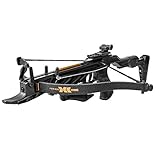
Overview: The Bear X Desire XL bridges the gap between toy and tool, offering a compact pistol crossbow platform serious enough for small game hunting. With its 175 FPS velocity and self-cocking mechanism, this crossbow prioritizes maneuverability over raw power. The adjustable stock extending 2.5 inches provides surprising stability for a pistol-style design, while the forearm grip enhances control during aiming. Weighing significantly less than full-sized compound crossbows, it excels in tight quarters where traditional bows prove unwieldy.
What Makes It Stand Out: The adjustable stock sets this pistol crossbow apart from fixed-frame competitors, allowing shooters to customize length-of-pull for better accuracy. Its self-cocking arm reduces draw weight effort substantially, enabling quicker follow-up shots without separate cocking devices. The inclusion of three premium bolts means it’s range-ready immediately. Engineered specifically for dependable accuracy rather than maximum speed, it fills a niche for hunters needing discretion and portability over long-range performance.
Value for Money: Positioned in the mid-range for pistol crossbows, the Desire XL justifies its price through build quality and the adjustable stock feature—a rarity in this category. While full-sized hunting crossbows deliver more power, they cost 2-3 times more and require additional accessories. For small game hunters or those seeking a backup weapon, this represents solid value compared to cheaper alternatives that lack adjustability and reliability.
Strengths and Weaknesses: Pros: Ultra-compact design, adjustable stock enhances stability, self-cocking mechanism saves time, lightweight and highly portable, includes premium bolts. Cons: Limited 175 FPS restricts effective range and game size, pistol format inherently less accurate than rifle-style crossbows, requires close-range shot placement.
Bottom Line: Ideal for pest control, small game hunting, or as a compact backup in your kit. The Bear X Desire XL delivers surprising accuracy for its size, but understand its limitations—this is a specialized tool, not a do-it-all hunting solution. Choose it for maneuverability, not maximum power.
2. Barnett Whitetail Hunter II Crossbow, with 4x32 Multi-Reticle Scope, 2 Headhunter Arrows, Lightweight Quiver

Overview: The Barnett Whitetail Hunter II represents a complete hunting solution for the serious crossbow hunter. This compound crossbow delivers 350 FPS from a manageable 6.4-pound platform, making it accessible to hunters of varying sizes and experience levels. The 16.125-inch axle-to-axle width strikes a balance between stability and maneuverability in tree stands or blinds. Arriving mostly assembled with a comprehensive accessory package, it eliminates the guesswork of piecing together a hunting rig.
What Makes It Stand Out: Barnett’s legacy since 1962 shows in the safety engineering. The Anti-Dry Fire (ADF) system and TriggerTech’s 3-pound zero-creep release provide confidence-inspiring control. The Soft Lok Floating Bristle Arrow Retainer protects bolts and ensures consistent seating. Unlike bare-bones packages, this includes a 4x32 multi-reticle scope, rope cocker, quiver, and two Headhunter arrows—everything needed for opening day.
Value for Money: While priced higher than entry-level models, the Whitetail Hunter II justifies cost through integrated safety systems and included accessories. Purchasing a comparable scope, arrows, and cocking device separately would add $150-200 to a budget crossbow. Barnett’s reputation for durability means fewer replacement costs long-term. For hunters seeking a one-and-done solution, this package eliminates hidden expenses.
Strengths and Weaknesses: Pros: Comprehensive ready-to-hunt package, industry-leading safety features, manageable weight and size, trusted brand reputation, smooth trigger system. Cons: Premium price over lesser-known brands, 350 FPS lags behind speed-focused competitors, RealTree finish may not suit all environments.
Bottom Line: Perfect for hunters wanting a turnkey, trustworthy crossbow without assembly headaches. The Whitetail Hunter II prioritizes safety and reliability over pure speed, making it an excellent choice for both newcomers and experienced hunters seeking a dependable secondary bow. The brand premium buys peace of mind.
3. BALLISTA BAT Compound Mini Crossbow - Small Crossbow for Hunting, Fishing and Target - 300 FPS, 130 Lbs, 2.46 lbs

Overview: The BALLISTA BAT redefines portability in the crossbow market, packing genuine 300 FPS performance into a palm-sized 16"x5" frame weighing just 2.46 pounds. This mini compound crossbow challenges conventional wisdom that power requires bulk. With a 130-pound draw weight, it handles full-weight bolts and broadheads for legitimate hunting applications beyond mere plinking. The three-second silent loading cycle makes it practical for scenarios requiring discretion and speed.
What Makes It Stand Out: No other crossbow achieves this power-to-weight ratio. Weighing as much as binoculars, it fits in small backpacks for backcountry hunts where every ounce matters. The quick, silent loading mechanism uses proprietary engineering to reduce noise signature dramatically—critical for hunting jumpy game. Its versatility spans hunting, fishing (with appropriate bolts), and target practice, eliminating need for multiple platforms.
Value for Money: While priced above toy crossbows, it’s a fraction of full-sized hunting crossbows while delivering 85% of the performance. For hunters prioritizing mobility over maximum range, this represents exceptional value. The ability to use standard bolts avoids proprietary ammunition costs. Compared to carrying a secondary firearm, its lightweight versatility justifies the investment for specific backcountry scenarios.
Strengths and Weaknesses: Pros: Unmatched portability and weight, impressive 300 FPS speed, silent and rapid reloading, multi-purpose functionality, uses standard bolts. Cons: 130-pound draw requires strength despite assist, short power stroke limits energy retention, compact size reduces stability, not legal for all game species.
Bottom Line: A specialized tool for mobile hunters, survivalists, or those needing ultra-compact power. The BALLISTA BAT excels when weight and space are paramount, but accept trade-offs in stability and draw effort. Verify local hunting regulations before purchase—its classification varies by jurisdiction. For its niche, it’s revolutionary.
4. Xpedition Archery Scrapeline 390X Crossbow, 6.7LB 390 Feet Per Second Compound Crossbow Package with 4X32 Scope

Overview: The Scrapeline 390X targets value-conscious hunters unwilling to sacrifice speed, delivering 390 FPS performance in a complete package under 7 pounds. This compound crossbow bundles an illuminated 4x32 scope, five-bolt quiver, rope cocker, and three carbon XIT-20 bolts—everything a beginner needs. At 34.25 inches long, it handles like a full-sized hunting weapon while remaining manageable. The manufacturer explicitly states compatibility restrictions, emphasizing safety through design specificity.
What Makes It Stand Out: The 390 FPS speed competes with crossbows costing hundreds more, making this a performance bargain. The illuminated scope extends legal hunting hours into dawn and dusk—prime time for trophy movement. Including five-bolt capacity quiver versus typical three-bolt versions provides flexibility for extended sits. The package approach eliminates component-matching guesswork that frustrates new crossbow hunters.
Value for Money: Exceptional speed-per-dollar ratio makes this arguably the best beginner value available. Comparable speed from established brands typically exceeds this price by 30-50%. The illuminated scope alone represents a $75-100 value. While the XIT-20 bolt requirement seems restrictive, three premium carbon bolts included offset potential inconvenience. For hunters wanting maximum velocity without premium pricing, this delivers.
Strengths and Weaknesses: Pros: Outstanding 390 FPS speed for price, illuminated scope included, comprehensive accessory package, lightweight design, beginner-friendly. Cons: Brand lacks Barnett’s long-term reputation, mandatory XIT-20 bolt usage limits flexibility, instructions require careful adherence, resale value uncertain.
Bottom Line: The Scrapeline 390X offers unmatched velocity at this price point, making it perfect for first-time crossbow hunters seeking maximum performance. Follow setup instructions meticulously. If you prioritize speed over brand name and accept the bolt restriction, this package delivers professional-grade specs without the typical cost. An excellent entry to serious crossbow hunting.
5. Cypress Outdoors Pistol Crossbow with Double Safety System 80 Pounds Self-Cocking with Red Dot with 3 Premium Bolts with Vertical Grip_Vampire

Overview: The Cypress Outdoors Vampire pistol crossbow prioritizes safety without sacrificing functionality, featuring an 80-pound self-cocking design with a unique double safety system. This crossbow targets beginners and recreational shooters who value security alongside performance. The included red dot sight and vertical grip address common pistol crossbow stability issues, while the three premium bolts provide immediate range capability. Its compact form factor suits backyard practice and small game opportunities.
What Makes It Stand Out: The double safety system distinguishes this from competitors, preventing accidental discharge during cocking and loading—a common concern with pistol crossbows. The vertical foregrip, unusual for this category, significantly improves accuracy by providing two-handed control. Including a red dot sight rather than basic iron sights demonstrates commitment to usability. The self-cocking mechanism simplifies operation for younger or less experienced archers.
Value for Money: Positioned as an affordable entry point, it delivers safety features typically absent at this price. Comparable pistol crossbows with red dot sights cost 20-30% more. While 80 pounds limits big game capability, it’s sufficient for pests and small game where legal. For families introducing youth to archery or homeowners needing pest control, the safety premium justifies cost over bare-bones alternatives.
Strengths and Weaknesses: Pros: Double safety system prevents accidents, vertical grip improves stability, includes red dot sight, self-cocking ease, affordable entry price. Cons: 80-pound draw limits power and range, pistol design restricts accuracy potential, not suitable for medium or large game, durability concerns with heavy use.
Bottom Line: Perfect for beginners, youth hunters, or pest control where safety is paramount. The Cypress Outdoors Vampire won’t replace a full-sized hunting crossbow, but it wasn’t designed to. Its safety features and stability enhancements make it the smartest choice for recreational shooting and introducing newcomers to crossbow fundamentals. For its intended purpose, it’s an excellent value.
6. Killer Instinct Boss 405 FPS Crossbow Package with Backpack Case and Broadheads Bundle (3 Items)

Overview: The Killer Instinct Boss 405 delivers serious speed in a manageable package, launching bolts at 405 FPS. This three-item bundle includes the crossbow, a backpack case, and three broadheads, providing everything needed for your first hunt. The compact frame and adjustable components make it accessible for various shooter sizes.
What Makes It Stand Out: The 6-position buttstock and adjustable X-Lok foregrip offer rare customization at this price point, ensuring a personalized fit. The enhanced Micro-Lite aluminum barrel and 3.5-pound KillerTech trigger promote consistent accuracy. The narrow frame creates excellent balance while maintaining high performance, making it ideal for tight hunting blinds.
Value for Money: Positioned in the mid-range market, this bundle punches above its weight with premium features typically found on more expensive models. The included backpack case and broadheads add approximately $100 in value compared to buying separately. You’re getting near-flagship speeds without the flagship price tag.
Strengths and Weaknesses: Strengths: Impressive 405 FPS velocity; highly adjustable ergonomics; excellent trigger; complete starter package; compact maneuverability.
Weaknesses: No integrated cocking device included; brand lacks the long-term reputation of legacy manufacturers; may produce more noise than premium models; limited to three arrows in bundle.
Bottom Line: The Boss 405 is an excellent choice for intermediate hunters seeking speed and adjustability. It offers exceptional performance per dollar, though you’ll want to add a rope cocking device and additional bolts for serious hunting.
7. Barnett Whitetail Hunter Crossbow, with 4x32mm Multi-Reticle Scope, 2 Arrows, Lightweight Quiver, STR without Crank Device

Overview: Barnett’s Whitetail Hunter STR combines decades of crossbow expertise with modern innovations, delivering 375 FPS in an ultra-compact 6.6-pound package. The Step-Through Riser design reduces length while maintaining power, making it approachable for hunters of all sizes and skill levels.
What Makes It Stand Out: The STR technology creates a remarkably short axle-to-axle length without sacrificing performance. Safety features include the Anti-Dry Fire trigger system, Soft Lok Floating Bristle Arrow Retainer, and TriggerTech Frictionless Release Technology. These innovations prevent accidents while delivering a crisp, consistent trigger pull.
Value for Money: As a mid-range offering from the industry’s most trusted name, this package delivers reliability and safety at a fair price. While it only includes two arrows, the quality scope and rope cocking device compensate. The brand’s 60-year legacy provides confidence that budget brands cannot match.
Strengths and Weaknesses: Strengths: Excellent safety systems; compact and lightweight; trusted brand reputation; smooth TriggerTech release; manageable for smaller-framed hunters.
Weaknesses: Crank cocking device not included; only two arrows provided; 375 FPS lags behind some competitors at this price; rope coking requires more effort.
Bottom Line: The Whitetail Hunter STR prioritizes safety and reliability over raw speed. It’s perfect for hunters who value brand trustworthiness and compact design, though serious shooters may want to invest in a crank cocking aid.
8. Bear X Desire RD Self-Cocking Crossbow with Red Dot Sight 3 Premium Bolts, Black, One Size
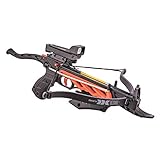
Overview: The Bear X Desire RD is a compact pistol-style crossbow designed for close-range shooting and small game hunting. Its self-cocking mechanism eliminates the struggle of traditional crossbow draw weights, making it accessible for youth shooters and those with limited strength. The one-size design simplifies operation.
What Makes It Stand Out: The self-cocking arm design is the star feature, allowing quick reloading without additional tools or rope cokers. This pistol crossbow format offers unprecedented portability and maneuverability in tight spaces like backyards or small blinds. The included red dot sight provides fast target acquisition for close-quarters scenarios.
Value for Money: As one of the most affordable functional crossbows available, it delivers decent value for recreational shooters. However, the unspecified FPS rating and basic construction limit its hunting applications. It’s best viewed as a plinking tool or youth trainer rather than a serious hunting weapon, making the low price appropriate.
Strengths and Weaknesses: Strengths: Extremely compact and lightweight; effortless self-cocking; simple operation; very affordable; good for beginners or small game; requires minimal maintenance.
Weaknesses: Low power unsuitable for deer-sized game; limited effective range; basic red dot sight; durability concerns with heavy use; no cocking safety mechanisms mentioned; single-size limits customization.
Bottom Line: The Desire RD serves a niche as a backyard plinker or small-game tool. It’s not appropriate for serious hunters, but provides affordable fun and introduces new shooters to crossbow mechanics safely and affordably.
9. Barnett Wildcat CRX Crossbow Bundle – Includes Bonus Arrow & Broadheads + Scope, Rope Cocking Device, Quiver, 3 Arrows & Neoprene Cover – Tactical 280 FPS Lightweight Hunting Crossbow

Overview: The Barnett Wildcat CRX positions itself as the ultimate entry-level hunting crossbow, delivering 280 FPS in a lightweight 6.1-pound frame. This comprehensive bundle includes everything needed to start hunting immediately, from broadheads to a protective neoprene cover, making it ideal for beginners.
What Makes It Stand Out: Rope-Hold Technology ensures consistent cocking for repeatable accuracy, while the built-in safety suite rivals premium models. The smoke gray stock features soft-touch grips and cheek pieces for steady shooting. Including broadheads and a neoprene cover at this price point is unusual and welcome.
Value for Money: Exceptional value for first-time crossbow buyers. You’re getting a name-brand crossbow with essential accessories for less than the cost of many bare-bones models. The 280 FPS limits its use to small and medium game, but for target practice and entry-level hunting, it’s hard to beat the price-to-inclusion ratio.
Strengths and Weaknesses: Strengths: Very affordable; complete accessory package; lightweight and maneuverable; good safety features; includes broadheads and cover; trusted Barnett brand.
Weaknesses: Lower 280 FPS velocity limits hunting applications; basic red dot scope; less power for larger game; rope cocking requires physical effort; not suitable for long-range shots.
Bottom Line: The Wildcat CRX is perfect for new hunters testing the waters or those pursuing small to medium game. It sacrifices speed for affordability but maintains essential safety and quality standards. An excellent starter package that leaves money for additional bolts and practice.
10. TenPoint Titan 400 Crossbow, Vektra - 400 FPS - Includes Pro-View 400 Scope, ACUdraw Silent Cocking Device & Three Pro Elite 400 Carbon Arrows

Overview: TenPoint’s Titan 400 represents the pinnacle of user-friendly performance, delivering 400 FPS in a whisper-quiet package. The fully integrated ACUdraw Silent cocking system reduces draw weight to just 5 pounds, while the 6-pound frame and 9.75-inch width make it ideal for tight tree stands and ground blinds.
What Makes It Stand Out: The ACUdraw Silent system is revolutionary, allowing effortless cocking without the noise of traditional crank systems. The Pro-View 400 scope features illuminated aimpoints out to 70 yards, providing exceptional down-range precision. Shipping fully assembled and pre-sighted eliminates setup headaches and gets you hunting faster.
Value for Money: While priced at the higher end, the Titan 400 justifies every penny with premium features that actually matter in the field. The integrated silent cocking system alone adds significant value, and the quality carbon arrows and advanced scope complete a professional-grade package. You’re paying for performance and convenience, not just a name.
Strengths and Weaknesses: Strengths: Silent cocking system; high 400 FPS velocity; lightweight and ultra-narrow; ships fully assembled; excellent 70-yard scope; reduced draw weight; premium arrows included.
Weaknesses: Premium price point; only three arrows included; may be more crossbow than beginners need; proprietary accessories can be expensive to replace.
Bottom Line: The Titan 400 is for serious hunters who demand the best in performance and convenience. If silent operation and effortless cocking matter to your hunting success, this crossbow is worth the investment. It’s a premium tool that delivers premium results.
Understanding Crossbow Design for Female Archers
Physical Considerations and Ergonomics
The relationship between your body and your crossbow determines everything from accuracy to enjoyment. Women typically have different center-of-gravity points, shoulder widths, and arm lengths compared to men, which affects how a crossbow feels during aiming and shooting. A properly fitted crossbow becomes an extension of your body rather than a cumbersome tool you fight against. Pay attention to how the weight distributes across your forearms and shoulders during extended shooting sessions, not just how it feels for the first few minutes.
Draw Weight vs. Kinetic Energy
Many assume lower draw weight means less power, but modern cam systems and longer power strokes have flipped this equation. A 150-pound draw weight crossbow can outperform older 200-pound models thanks to efficient energy transfer. For most female shooters, focusing on kinetic energy output—measured in foot-pounds—provides a clearer picture of actual performance than raw draw weight. This distinction matters because kinetic energy determines penetration for hunting and target impact, while draw weight primarily affects how difficult the crossbow is to cock.
The Importance of Adjustable Stocks
Fixed-length stocks force you to adapt your shooting form to the equipment, which creates bad habits and inconsistency. Adjustable buttstocks allow you to fine-tune length of pull—the distance between trigger and butt pad—to match your arm length and chest depth. This customization ensures proper cheek weld and eye alignment with the scope, reducing neck strain and improving accuracy. Look for tool-less adjustment systems that let you modify fit in the field as you layer clothing for different seasons.
Key Features to Evaluate
Overall Weight and Balance
A crossbow’s total weight tells only part of the story. The real question is where that weight concentrates. Front-heavy designs fatigue your support arm quickly, while rear-biased balance can feel unstable during aiming. The sweet spot positions the center of mass just forward of the trigger assembly, creating a natural pivot point that feels steady without straining your muscles. During evaluation, hold the uncocked crossbow at arm’s length for 30 seconds—your shaking muscles will reveal more than any spec sheet.
Cocking Mechanism Options
Rope cocking devices reduce draw weight by roughly 50% and provide consistent string alignment, making them essential for most shooters. Crank systems take this further, reducing effort to a few pounds of force while ensuring perfect string placement every time. Consider crank mechanisms with ambidextrous handles and removable cranks that won’t snag on brush. For those who prefer manual cocking, ensure the string handles sit at a comfortable height and the foot stirrup accommodates your boot size securely.
Grip Design and Comfort
Narrow pistol grips work well for smaller hands but can torque during the shot if not held consistently. Vertical foregrips distribute pressure across your palm, reducing fatigue during long practice sessions. Textured rubber overmolding prevents slippage in wet conditions without abrading your skin. Test how naturally your trigger finger falls on the trigger blade—overreaching or underreaching indicates a poor grip-to-trigger relationship that will affect shot execution.
Axle-to-Axle Length
Narrow crossbows excel in ground blinds and tight tree stands, but ultra-compact designs sometimes sacrifice stability. Wider limb configurations often provide smoother draws and less vibration. For most female shooters, a mid-range axle-to-axle measurement offers the best compromise—maneuverable enough for hunting scenarios while maintaining the forgiving feel of a wider platform. Consider your primary use case: ground blind hunters should prioritize narrowness, while target shooters benefit from added width.
Noise and Vibration Dampening
Every crossbow produces significant energy upon firing, and what isn’t transferred to the arrow becomes vibration and noise. Integrated dampening systems in the riser, limb pockets, and string stops dramatically reduce hand shock and sound signature. This matters for hunting—where noise can spook game—but also for shooting comfort. Excessive vibration causes flinching and reduces practice enjoyment. Look for multiple dampening points rather than a single string stop.
Safety Features and Auto-Engaging Mechanisms
Modern crossbows include automatic safety engagement, anti-dry fire systems, and finger guards below the flight deck. These features should work intuitively without requiring conscious thought during the excitement of hunting. Test how easily you can disengage the safety with your thumb without breaking your shooting position. Some designs position safeties awkwardly for smaller hands, forcing you to shift your grip and compromise form.
Scope and Optics Considerations
Multi-reticle scopes with speed calibration allow you to match the reticle marks to your crossbow’s velocity, providing accurate holdover points at various distances. For target shooting, consider scopes with finer crosshair thickness that don’t obscure bullseyes. Eye relief becomes critical—insufficient distance forces you to crowd the scope, increasing risk of scope bite during recoil. Variable magnification offers versatility, but fixed-power optics often provide brighter images in low light.
Arrow Speed and Kinetic Energy
Speeds above 350 feet per second deliver flat trajectories that forgive slight range estimation errors, but they also increase noise and vibration. For deer-sized game, 40-50 foot-pounds of kinetic energy proves sufficient when combined with proper shot placement. Target shooters can prioritize comfort over raw speed since punching paper requires less energy. Consider your physical tolerance for recoil—faster crossbows generally produce more shot shock that can become unpleasant during extended sessions.
Customization and Accessory Options
Picatinny rails along the forend and stock allow you to add bipods, quivers, or foregrips exactly where you need them. Standardized scope mounting systems let you upgrade optics as your skills progress. Some crossbows limit accessory placement to predetermined points, restricting personalization. Think about your future needs: a crossbow that grows with you through adjustable components and accessory options represents a better investment than a static package.
Sizing and Fit Fundamentals
Measuring Your Draw Length
Unlike vertical bows, crossbows have fixed power strokes, but your physical dimensions still affect comfort and safety. Measure your draw length by extending your arms horizontally and measuring fingertip to fingertip, then divide by 2.5. Compare this to the crossbow’s power stroke plus trigger reach to ensure you can cock and handle it comfortably. If you must overextend to reach the string during cocking, the crossbow is too large for safe, consistent operation.
Finding Your Optimal Power Stroke
Longer power strokes generate more energy with less draw weight, creating smoother shooting characteristics. However, they also increase overall length and can make the crossbow unwieldy for shorter arms. The ideal power stroke positions the string at a comfortable reaching distance when your foot is secured in the stirrup—neither so close that you’re hunched over nor so far that you’re straining. This balance point varies significantly with height and arm length.
Performance Factors
Understanding FPS Ratings
Manufacturers advertise speeds using lightweight test arrows that don’t reflect real-world hunting or target setups. Your actual velocity with properly weighted arrows will be 20-30 FPS slower. When evaluating crossbows, subtract 25 FPS from advertised speeds to estimate real-world performance. This adjustment prevents disappointment and ensures you select a crossbow that truly meets your needs rather than one with inflated numbers.
Kinetic Energy for Hunting vs. Target Shooting
Hunting requires sufficient energy for ethical harvests—generally 40 foot-pounds minimum for deer, 50+ for larger game like elk. Target shooting demands less raw power but benefits from consistent velocity and minimal vibration. Some crossbows excel at one discipline while compromising the other. Define your primary purpose before shopping, as hunting-optimized crossbows often feel harsh for casual target practice, while target models may lack the punch needed for hunting.
Maintenance and Care
String and Cable Maintenance
Crossbow strings and cables endure tremendous stress and require regular inspection. Wax the serving (the wrapped portion contacting the rail) every 5-10 shots, and the exposed fibers every 20-30 shots. Look for fraying, broken strands, or separation where the string loops around the cam. Replace strings annually with heavy use or every two years with occasional shooting. A broken string at full draw can damage the crossbow and potentially cause injury.
Limb and Cam Inspection
Visually inspect limbs before each shooting session for cracks, splinters, or delamination. Tap carbon limbs lightly with a coin—solid limbs ring clearly while damaged ones sound dull. Check cam rotation for symmetry and ensure axles remain tight. These inspections take seconds but prevent catastrophic failures. Store your crossbow uncocked and away from temperature extremes, which degrades limb materials over time.
Budget Considerations
Entry-Level Investment
Quality crossbows start around $400-600, offering reliable performance without premium features. These models often weigh slightly more and produce more vibration but shoot accurately and safely. Budget packages frequently include adequate scopes and basic accessories, providing everything needed to start. The trade-off comes in refinement—heavier triggers, noisier shots, and less adjustability. For beginners, these limitations matter less than developing fundamental skills.
Premium Features Worth the Cost
Once you exceed $800, you gain significant reductions in weight and vibration, plus smoother triggers and better ergonomics. High-end crossbows often include integrated crank systems, premium scopes, and extensive adjustability. The investment pays dividends in shooting comfort and accuracy, particularly for those who shoot regularly. However, a $1,200 crossbow won’t make you a better shooter—practice does. Spend according to your commitment level and frequency of use.
Legal and Safety Considerations
Local Regulations and Licensing
Crossbow regulations vary dramatically by state and even county. Some jurisdictions treat crossbows like firearms, requiring permits and background checks. Others restrict them during certain hunting seasons or prohibit them entirely. Check your local wildlife agency’s current regulations before purchasing. Additionally, some ranges don’t allow crossbows or require specific safety certifications. Understanding these rules prevents legal issues and ensures you can actually use your new equipment.
Essential Safety Gear
Never shoot without a quality pair of safety glasses—carbon fiber splinters and string fragments can cause serious eye injuries. Finger guards or full gloves protect your forward hand from the string’s path, which sits closer to your hand than you might expect. A cocking aid isn’t just convenient; it prevents back strain and ensures consistent string placement. Finally, use a proper crossbow target rated for your arrow speed—regular bag targets allow bolts to pass through, damaging arrows and creating safety hazards.
Getting Started
Practice Tips for New Shooters
Start at 10 yards to develop confidence and perfect your form before worrying about distance. Focus on consistent shoulder placement, cheek weld, and trigger squeeze. Dry fire practice (using a training aid, never without an arrow) builds muscle memory for safety manipulation and sight alignment. Shoot 3-5 arrow groups, then stop to analyze rather than flinging dozens of arrows while fatigued. Quality practice beats quantity every time.
Building Confidence and Skill
Confidence comes from predictable performance. Shoot from a bench rest initially to eliminate variables and understand your crossbow’s true accuracy potential. Gradually introduce shooting positions—kneeling, sitting, standing—as your fundamentals solidify. Keep a shooting log noting group sizes, weather conditions, and how you felt during the session. This data reveals patterns and progress that casual observation misses. Celebrate small improvements; mastery comes through incremental gains, not dramatic breakthroughs.
Frequently Asked Questions
What draw weight should a woman start with?
Most female shooters find 125-150 pounds manageable with a rope cocker, producing ample power for target shooting and deer hunting. Focus on kinetic energy output rather than draw weight numbers, as modern designs generate impressive power from moderate draw weights.
Are crossbows with pink camo worth considering?
Color has zero impact on performance. Choose equipment based on fit, features, and quality. If you prefer pink or purple finishes and find a well-designed crossbow in those colors, great—but never compromise on ergonomics or safety for aesthetics.
How much should I expect to spend on my first crossbow?
Plan on $500-700 for a complete quality package including scope, cocking aid, and a few arrows. This price point offers reliable performance without frustrating limitations. Add $100-150 for a proper target and essential safety gear.
Can I use a crossbow for competitive target shooting?
Absolutely. Many target leagues include crossbow divisions, and some designs excel specifically at target work with lighter triggers, reduced vibration, and adjustable stocks. Check your local club’s rules, as some restrict draw weight or speed for indoor shooting.
What’s more important: speed or accuracy?
Accuracy trumps speed in every scenario. A slower, quieter crossbow that hits exactly where you aim proves far more effective than a speed demon that groups poorly. Focus on consistent 2-inch groups at your maximum hunting distance before worrying about velocity.
How often should I replace crossbow strings?
With regular use, replace strings annually. Inspect them before each shooting session and wax frequently. A fresh string maintains consistent velocity and prevents dangerous failures. Budget $50-100 for professional string replacement and tuning.
Can I adjust a crossbow’s draw weight?
Most crossbows have fixed draw weights determined by limb design. Some models offer modular limb systems allowing weight changes, but these require professional installation. It’s generally better to select the appropriate draw weight initially rather than plan on modifications.
What’s the effective hunting range for most female shooters?
Ethical hunting range depends on your consistent accuracy, not gender. Most hunters limit shots to 40 yards, though experienced shooters may extend to 50-60 yards with proper practice. Practice extensively at your maximum intended range until groups tighten to vital zone size.
Do I need a special target for crossbow practice?
Yes. Crossbows generate tremendous energy that passes through standard bag targets, destroying arrows and creating safety hazards. Invest in a crossbow-rated target designed to stop high-energy bolts. This protects your equipment and prevents dangerous ricochets.
How do I know if a crossbow fits me properly?
You should comfortably reach the string with your foot securely in the stirrup while maintaining balance. The buttstock should position your eye naturally behind the scope without neck strain, and your trigger finger should contact the trigger blade at its center when gripping naturally. If you must stretch, shift, or strain, the crossbow doesn’t fit.