Table of Contents
The crossbow landscape continues to evolve at breakneck speed, and 2026 promises to be a landmark year for enthusiasts seeking the perfect blend of pinpoint accuracy and raw stopping power. Whether you’re a seasoned hunter tracking mature whitetails or a target shooter pushing the boundaries of long-range precision, understanding what separates exceptional compound crossbows from mediocre ones has never been more critical. Today’s market offers unprecedented technological innovations—from advanced cam systems that deliver smoother draws to materials that shave pounds while adding durability—making the selection process both exciting and overwhelming.
What truly defines “the best” in compound crossbows isn’t just flashy marketing or marginal velocity gains. It’s about finding that sweet spot where engineering meets practical application, where every component works in harmony to deliver consistent performance shot after shot. This comprehensive guide cuts through the noise to examine the essential features, performance metrics, and design elements that define top-tier accuracy and power in 2026’s crop of compound crossbows. We’ll explore everything from draw weight dynamics to the latest dampening technologies, empowering you to make an informed decision based on your specific needs rather than brand hype.
Top 10 Compound Crossbows
Detailed Product Reviews
1. Barnett Whitetail Hunter II Crossbow, with 4x32 Multi-Reticle Scope, 2 Headhunter Arrows, Lightweight Quiver

Overview: The Barnett Whitetail Hunter II represents decades of crossbow evolution from the industry’s most trusted name since 1962. This 6.4-pound compound crossbow delivers 350 feet per second performance in a compact 16.125-inch axle-to-axle platform. The RealTree Extra crossbow arrives mostly assembled with a 4x32 multi-reticle scope, two 20-inch Headhunter arrows, rope cocker, quiver, and wax—everything needed for immediate field deployment.
What Makes It Stand Out: Barnett’s patented TriggerTech 3lb zero-creep Frictionless Release Technology provides a crisp, rifle-like trigger break that enhances accuracy. The Soft Lok Floating Bristle Arrow Retainer and Anti-Dry Fire (ADF) Trigger System demonstrate Barnett’s commitment to safety, preventing costly damage and injury. At 34.25 inches long, the compact design excels in tree stands and ground blinds where space is premium.
Value for Money: Positioned in the mid-range market, this package eliminates hidden costs by including essential accessories. While 350 FPS lags behind newer models, it’s more than adequate for whitetail deer within ethical ranges. TriggerTech technology at this price point, typically found on premium crossbows, represents exceptional value.
Strengths and Weaknesses: Strengths include legendary brand reliability, comprehensive safety systems, lightweight maneuverability, and true ready-to-hunt packaging. The mostly assembled shipment reduces setup frustration. Weaknesses encompass modest 350 FPS speed compared to modern 400+ FPS options, inclusion of only two arrows requiring immediate additional investment, and the RealTree Extra pattern limiting versatility for non-wooded environments.
Bottom Line: Ideal for entry-level to intermediate hunters prioritizing reliability and safety over raw speed, the Whitetail Hunter II delivers ethical killing power in a user-friendly package backed by Barnett’s storied heritage. It’s a smart investment for those entering the sport or seeking a dependable backup crossbow.
2. Xpedition Archery Scrapeline 390X Crossbow, 6.7LB 390 Feet Per Second Compound Crossbow Package with 4X32 Scope

Overview: The Scrapeline 390X targets budget-conscious newcomers, delivering impressive 390 FPS performance at an accessible price point. Weighing 6.7 pounds, this compound crossbow includes a comprehensive starter package: illuminated 4x32 scope, five-bolt quiver, rope cocker, and three Xit-20 carbon bolts. The 380-grain bolts optimize energy delivery for effective hunting applications.
What Makes It Stand Out: This crossbow democratizes high-speed performance, offering 390 FPS velocity typically reserved for mid-tier models. The illuminated scope enhances low-light shooting during dawn and dusk. The generous five-bolt quiver capacity exceeds standard three-bolt configurations, providing extra backup shots—a practical advantage for beginners developing tracking skills.
Value for Money: Exceptional value defines the Scrapeline 390X, undercutting competitors while delivering superior speed and a more complete accessory package. The inclusion of three carbon bolts and illuminated optics makes this a budget champion. However, the brand lacks Barnett’s long-term reputation, representing a trade-off between cost savings and proven reliability.
Strengths and Weaknesses: Strengths include best-in-class speed for the price, illuminated scope, carbon bolt inclusion, and five-bolt quiver capacity. The 6.7-pound weight remains manageable. Weaknesses involve mandatory use of proprietary XIT-20 bolts only, limiting aftermarket options; prominent safety warnings suggest potential durability concerns; and Xpedition’s shorter market track record compared to legacy brands.
Bottom Line: Perfect for beginners testing crossbow hunting without major financial risk, the Scrapeline 390X delivers legitimate hunting performance. Strictly follow assembly instructions to ensure longevity and safety. It’s a capable starter crossbow that punches above its price class.
3. Xpedition Archery Xpedite 420 Crossbow with Rope and Crank Cocking Device, Compound Crossbow Package with Illuminated 4X32 Scope, 420 Feet Per Second

Overview: The Xpedite 420 bridges performance and portability, launching bolts at 420 FPS from an incredibly compact 8-inch cocked axle-to-axle width. Weighing 7.7 pounds, this high-performance compound crossbow comes field-ready with an illuminated 4x32 scope, five-bolt quiver, rope cocker with sled, three Xit-20 bolts, and assembly tools. The slim profile enables hunting in dense brush and tight ground blinds where traditional crossbows prove cumbersome.
What Makes It Stand Out: The 8-inch width when cocked rivals the industry’s most compact designs, facilitating unprecedented mobility without sacrificing speed. The inclusion of both rope and crank cocking options accommodates different user preferences and physical capabilities. Anti-dry fire technology and a crisp 3-pound trigger provide safety and precision typically found on premium-tier crossbows.
Value for Money: Competitively priced against other 420 FPS crossbows, the Xpedite 420 offers comparable performance at a slight discount to big-name brands. The compact design justifies the premium over slower models for hunters prioritizing maneuverability. However, the package includes only three bolts and lacks the brand heritage of competitors, requiring buyers to trust Xpedition’s engineering.
Strengths and Weaknesses: Strengths include exceptional speed-to-size ratio, dual cocking methods, illuminated optics, and true tree-stand-friendly dimensions. The anti-dry fire system adds confidence. Weaknesses comprise the 7.7-pound weight (heavier than some full-size competitors), limited bolt selection requiring proprietary shafts, and Xpedition’s less-established dealer network for service. The finish durability remains unproven long-term.
Bottom Line: Hunters demanding maximum velocity in minimal space will appreciate the Xpedite 420’s performance. It’s ideal for mobile hunting styles and confined shooting positions. While brand recognition lags behind legacy manufacturers, the specifications and features compete directly with crossbows costing significantly more.
4. CenterPoint Wrath 430X 430 FPS Compound Crossbow - 9 Inch Axle-to-Axle with Silent Crank and Illuminated Scope
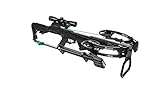
Overview: The Wrath 430X represents CenterPoint’s flagship offering, delivering bone-crushing 430 FPS velocity with 164 foot-pounds of kinetic energy. Measuring just 9 inches axle-to-axle when cocked, this ultra-compound crossbow features an inverted cam design that maximizes power stroke while minimizing width. The package includes a silent crank cocking system, illuminated 4x32 scope, three 20-inch arrows, and rail lube—everything needed for serious hunting applications.
What Makes It Stand Out: The integrated silent crank system eliminates the distinctive clicking noise of traditional cocking mechanisms, providing a crucial stealth advantage when hunting pressured game. The inverted cam configuration and full bearing system create an exceptionally smooth draw cycle while the folding stock and stirrup enhance portability. Dry fire prevention technology protects your investment from accidental damage.
Value for Money: Though positioned at the premium end, the Wrath 430X includes the silent crank system—a $100-150 value—making the actual crossbow cost competitive with other 430 FPS models. The CNC-machined aluminum construction ensures durability that justifies the investment for dedicated hunters. You’re paying for top-tier performance and specialized features unavailable in budget tiers.
Strengths and Weaknesses: Strengths include class-leading velocity, whisper-quiet cocking, ultra-narrow profile, robust safety systems, and professional-grade construction. The folding stock is genuinely innovative. Weaknesses involve premium pricing that may exceed casual hunter budgets, increased complexity requiring more maintenance, and substantial recoil from the high energy output. The weight isn’t specified but likely exceeds 7.5 pounds.
Bottom Line: For serious hunters pursuing mature bucks in pressured areas, the Wrath 430X’s silent operation and devastating power justify the cost. It’s a specialized tool for hunters who prioritize stealth and performance above all else. Casual users may find the power and price excessive for their needs.
5. Bear X Desire XL Pistol Hunting Crossbow, Self-Cocking, Adjustable Stock up to 2.5", Compact Design, Includes 3 Premium Bolts, Dependable Accuracy
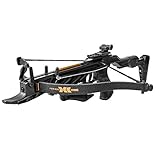
Overview: The Bear X Desire XL redefines pistol crossbow capabilities with its innovative adjustable stock extending up to 2.5 inches for enhanced stability. This self-cocking crossbow delivers 175 FPS velocities in an ultra-compact package perfect for small game hunting, pest control, and recreational shooting. The user-friendly design includes three premium bolts and requires minimal strength to operate, making it accessible to shooters of all ages and physical abilities.
What Makes It Stand Out: The adjustable stock feature distinguishes the Desire XL from traditional fixed-frame pistol crossbows, providing customizable length-of-pull that significantly improves accuracy and comfort. The self-cocking arm mechanism eliminates the need for separate cocking devices, enabling rapid follow-up shots. Bear Archery’s engineering ensures dependable accuracy despite the compact form factor.
Value for Money: Positioned as an affordable specialty tool, the Desire XL offers pistol crossbow convenience without premium pricing. It’s ideal for specific applications where full-size crossbows prove impractical. However, hunters must recognize this is not a replacement for standard crossbows in big game applications, limiting its overall value for serious hunters seeking a primary weapon.
Strengths and Weaknesses: Strengths include extreme portability, effortless cocking, adjustable ergonomics, and Bear Archery’s reputable backing. The crossbow excels in close-range pest control and training scenarios. Weaknesses center on the 175 FPS velocity restricting effective range and limiting hunting to small game only, the proprietary bolt requirement, and inherent accuracy limitations of short power strokes compared to full-size crossbows.
Bottom Line: Purchase the Desire XL as a specialized secondary tool for specific tasks, not as a primary hunting crossbow. It’s perfect for backyard practice, pest management, and introducing youth to archery concepts. For deer-sized game, invest in a full-size compound crossbow instead.
6. BALLISTA BAT Compound Mini Crossbow - Small Crossbow for Hunting, Fishing and Target - 300 FPS, 130 Lbs, 2.46 lbs

Overview: The BALLISTA BAT Compound Mini Crossbow packs serious performance into a remarkably compact frame. Measuring just 16"x5" and weighing only 2.46 pounds, this mini crossbow delivers speeds up to 300 fps with a 130-pound draw weight. Designed for hunting, fishing, and target shooting, it features innovative silent and quick loading technology that allows you to cock and load in approximately three seconds. The lightweight construction ensures your hands won’t fatigue during extended shooting sessions, making it an ideal backup weapon or primary tool for small game hunting and recreational archery.
What Makes It Stand Out: Its ultra-portable design is the defining characteristic—this crossbow fits in a small backpack yet delivers legitimate hunting capability. The three-second silent loading system is genuinely impressive, eliminating the noise that typically compromises hunting positions. Unlike toy mini crossbows, the 130-pound draw weight and 300 fps velocity provide enough kinetic energy for ethical hunting of small to medium game when using appropriate broadheads. The versatility across hunting, fishing, and target applications makes it a unique multi-purpose tool rather than a single-use device.
Value for Money: Positioned as an entry-level to mid-range option, this mini crossbow offers exceptional value for those prioritizing portability. While full-size crossbows deliver more power, they cost significantly more and lack this level of concealability. You’re trading raw power for convenience, but at this price point, it’s a fair exchange for hunters needing a lightweight backup or anglers wanting a compact fishing tool.
Strengths and Weaknesses: Strengths include extreme portability, rapid silent loading, lightweight design, and legitimate hunting capability. Weaknesses involve limited power compared to full-size crossbows, restricted effective range, and potential legal restrictions on mini crossbows for hunting in some jurisdictions. The smaller size may also challenge users with larger hands.
Bottom Line: This mini crossbow excels as a specialized tool for specific scenarios. It’s perfect for hunters needing an ultra-lightweight backup, survivalists prioritizing packability, or archers wanting recreational fun. While it won’t replace a full-size crossbow for serious big game hunting, its portability and quick-loading design make it a valuable addition to any outdoorsman’s kit.
7. Barnett Whitetail Pro STR Crossbow, with 4x32mm Illuminated Scope, 2 Arrows, Lightweight Quiver, without Crank Device

Overview: The Barnett Whitetail Pro STR represents a solid mid-range hunting crossbow package from one of the industry’s most established manufacturers. This compound crossbow shoots 400 feet per second with a 187-pound draw weight, generating 140 foot-pounds of kinetic energy—sufficient for ethically harvesting whitetail deer and similar-sized game. The package includes a 4x32mm illuminated scope, two 22-inch arrows, a lightweight quiver, rope cocking device, and lubrication wax. Weighing 6.9 pounds with a 36.5-inch length, it balances manageable dimensions with full-size hunting performance.
What Makes It Stand Out: Barnett’s comprehensive safety features set this crossbow apart. The Nock Sensor and Anti-Dry Fire Trigger System prevent dangerous misfires, while integrated finger guards and safety reminders protect shooters from serious injury. The brand’s six-decade legacy provides confidence in quality and warranty support. The TruBark camo finish offers effective concealment, and the crossbow ships mostly assembled, reducing setup frustration for new users.
Value for Money: For a complete hunting package under the Barnett name, this crossbow delivers strong value. The included illuminated scope alone would cost $100+ separately, and the safety systems are worth the premium. While pricier than entry-level models, it avoids the $1,000+ territory of premium crossbows while providing reliable performance and essential accessories.
Strengths and Weaknesses: Strengths include robust safety features, reputable brand backing, complete accessory package, excellent speed, and ready-to-hunt configuration. Weaknesses include considerable weight for stalking, mandatory string waxing every 10 shots (maintenance burden), no included crank cocking device for the high draw weight, and a relatively wide axle-to-axle width for tight spaces.
Bottom Line: The Whitetail Pro STR is an excellent choice for hunters seeking a trustworthy, safety-conscious crossbow without breaking the bank. It’s particularly suited for tree stand or blind hunting where its weight is less problematic. The safety features make it ideal for newer crossbow hunters, while the performance satisfies experienced archers. Just purchase a crank device separately if you struggle with the draw weight.
8. BALLISTA BAT Reverse Draw Compound Mini Crossbow - Crossbow for Hunting, Fishing and Target - Fast 340 fps, Powerful 150lbs, Lightweight 3lbs
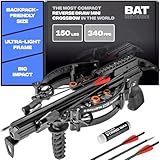
Overview: The BALLISTA BAT Reverse Draw Compound Mini Crossbow elevates the mini crossbow concept with advanced reverse-draw technology. Maintaining the same compact 16"x5" footprint as its standard counterpart, this upgraded model delivers 340 fps velocity from a 150-pound draw weight while weighing just 3 pounds. The reverse-draw configuration positions the limbs opposite traditional designs, creating a more efficient power stroke and smoother shot sequence. Like other BALLISTA models, it features the signature three-second silent loading system, making it suitable for hunting, fishing, and target practice where stealth is paramount.
What Makes It Stand Out: Reverse-draw technology in a mini crossbow format is genuinely innovative, typically reserved for full-size premium models. This design reduces vibration and noise while increasing power and accuracy. The 40 fps speed boost over the standard model significantly extends effective range and kinetic energy, broadening hunting applications. Despite the power increase, it remains backpack-friendly and remarkably lightweight, filling a unique niche for mobile hunters.
Value for Money: This model commands a premium over standard mini crossbows but justifies the cost with measurable performance gains. You’re getting reverse-draw smoothness and 13% more speed in the same portable package. For hunters who found the 300 fps model borderline, this upgrade provides necessary extra margin for ethical shots without jumping to full-size crossbow prices.
Strengths and Weaknesses: Strengths include reverse-draw advantages (smoothness, reduced recoil), increased power and speed, exceptional portability, silent operation, and quick loading. Weaknesses include higher price point, still limited compared to full-size crossbows, and potential regulatory restrictions on mini crossbows. The added power may also increase wear on components.
Bottom Line: This reverse-draw mini crossbow hits a sweet spot for hunters demanding more performance without sacrificing portability. It’s ideal for mobile hunters, backpackers, and those needing a compact secondary weapon. While it won’t match full-size crossbows for long-range power, its combination of stealth, speed, and packability makes it a compelling choice for specific hunting scenarios where traditional crossbows prove too cumbersome.
9. Wicked Ridge by TenPoint RDX 410, Peak XT - 410 FPS - Shorter, Faster & Includes Silent Cocking - with ACUdraw Silent, Pro-View 400 Scope & Three Match 400 Carbon Arrows

Overview: The Wicked Ridge RDX 410 represents the pinnacle of compact crossbow engineering, delivering flagship performance in an ultra-short package. Measuring just 29 inches long and 9 inches narrow, this reverse-draw crossbow generates an impressive 410 fps while maintaining a manageable draw weight through its integrated ACUdraw Silent cocking system. The system reduces draw weight to a mere 5 pounds, making it accessible to hunters of all strengths. Weighing approximately 7 pounds, it balances portability with stability. The package includes the Pro-View 400 scope with illuminated reticle, three Match 400 carbon arrows, and the ACUdraw Silent system pre-installed.
What Makes It Stand Out: The ACUdraw Silent system is a game-changer, offering completely silent cocking with minimal effort while remaining permanently integrated—no forgetting your cocking aid. The reverse-draw design provides inherent accuracy and power advantages, while the 29-inch length makes it ideal for ground blinds, tree stands, and spot-and-stalk hunting. Being pre-sighted at 20 yards from the factory demonstrates exceptional quality control and user consideration.
Value for Money: Positioned in the premium category, this American-made crossbow justifies its price through innovation and performance. The integrated cocking system alone adds significant value, and the reverse-draw technology typically commands higher prices. While expensive, it competes with crossbows costing hundreds more, offering professional-grade features without the top-tier price tag.
Strengths and Weaknesses: Strengths include effortless silent cocking, blazing 410 fps speed, ultra-compact dimensions, factory pre-sighting, excellent scope, and American manufacturing. Weaknesses include premium pricing, complexity requiring more maintenance, and weight that’s substantial for its size. The advanced features may overwhelm absolute beginners.
Bottom Line: The RDX 410 is an outstanding choice for serious hunters wanting premium performance without full-size bulk. It’s particularly valuable for hunters with physical limitations who appreciate the 5-pound draw weight. The silent cocking and compact dimensions excel in close-quarters hunting. If budget allows and you prioritize maneuverability with top-tier speed, this crossbow delivers exceptional capability that justifies its premium status.
10. BALLISTA BAT Reverse L-Stock Draw Compound Crossbow for Hunting, Fishing and Target - Fast 340 fps, Powerful 150 lbs, Lightweight 4 lbs

Overview: The BALLISTA BAT Reverse L-Stock Draw Compound Crossbow adapts the mini crossbow platform with an L-Stock design for enhanced ergonomics and stability. Delivering 340 fps from a 150-pound draw weight, this 4-pound crossbow bridges the gap between pistol-style mini crossbows and full-size rifles. The L-Stock configuration provides a more traditional shoulder-mount shooting experience while maintaining a compact footprint. Included three 13-inch practice bolts get you started immediately, with compatibility with Ballista Sting Bolts for hunting applications. The signature three-second silent loading system remains, ensuring quick and stealthy operation.
What Makes It Stand Out: The L-Stock design uniquely positions this crossbow as a hybrid solution, offering rifle-like stability without rifle-like bulk. This ergonomic improvement significantly enhances accuracy and comfort during extended shooting sessions. The included practice bolts demonstrate thoughtful packaging, and the compatibility with dedicated hunting bolts simplifies upgrading for serious use. It retains the rapid silent loading that makes BALLISTA products distinctive while providing a more secure shoulder-mount platform.
Value for Money: This model sits at the upper end of the mini crossbow price range but adds meaningful ergonomic value. The L-Stock design justifies the weight and cost increase over standard mini models for shooters prioritizing stability. Compared to full-size crossbows, it offers substantial savings while delivering adequate power for small game and recreational shooting.
Strengths and Weaknesses: Strengths include improved ergonomics and stability, rifle-like handling, silent quick loading, included practice bolts, and reverse-draw smoothness. Weaknesses include increased weight over other mini crossbows, L-Stock may prove bulky for some pack configurations, and it’s still less powerful than full-size alternatives. The design may not suit users preferring pistol-style mini crossbows.
Bottom Line: This L-Stock variant excels for shooters wanting mini crossbow portability with improved handling characteristics. It’s ideal for target shooting, small game hunting, and as a compact survival tool. The ergonomic benefits meaningfully improve accuracy without sacrificing the quick-loading stealth that defines the BALLISTA line. Choose this model if you value stability and rifle-like feel over absolute minimal weight.
Understanding Compound Crossbow Mechanics
Before diving into specific features, it’s crucial to grasp how compound crossbows generate their impressive power and maintain accuracy. Unlike recurve models, compound systems use a sophisticated network of cams, cables, and limbs to store and release energy more efficiently.
How Compound Systems Generate Power
The magic begins with the cam assembly, which acts as a lever system to multiply your input force. As you draw the string back, the cams rotate and the limbs compress, storing potential energy. What makes compound systems special is the let-off—the point where the cams transition and holding weight drops dramatically, sometimes by 70-80%. This allows you to cock the crossbow and hold it ready without exhausting your muscles, leading to steadier aim and more accurate shots. The stored energy releases in a controlled burst when you pull the trigger, transferring through the string and into the arrow with remarkable efficiency.
The Role of Cams in Accuracy
Cams don’t just generate power; they’re fundamental to shot consistency. Modern cam designs incorporate dual or hybrid systems that synchronize limb movement, reducing torque and vibration. The shape of the cam tracks determines the draw force curve and how smoothly energy transfers to the arrow. Poorly designed cams create harsh transitions and timing issues that throw off accuracy. In 2026, look for CNC-machined cams with sealed bearings and precise string tracks—these details might seem minor but translate to tighter groups downrange.
Key Performance Metrics That Matter
Manufacturers love to advertise big numbers, but not all specifications carry equal weight for real-world performance. Understanding which metrics genuinely impact your shooting experience helps you separate marketing fluff from meaningful innovation.
Speed Ratings: What Those Numbers Really Mean
That 450+ FPS figure looks impressive on the box, but it’s typically measured using the lightest possible arrow under ideal conditions. While velocity matters for flat trajectory and kinetic energy, a crossbow that shoots 380 FPS with a properly spined hunting arrow often outperforms a faster model that’s finicky with arrow weights. Pay attention to the speed range—the window of arrow weights that maintain efficiency. A versatile crossbow performs consistently across various arrow weights, giving you flexibility for different applications without sacrificing accuracy.
Kinetic Energy and Penetration Power
Kinetic energy (KE), measured in foot-pounds, tells you how much punch your arrow delivers downrange. Calculate it using arrow weight and velocity, but remember that heavier arrows retain energy better over distance. For large game, you want 80+ ft-lbs at the target, which might mean starting with 100+ ft-lbs at the muzzle. Don’t get so obsessed with speed that you sacrifice arrow mass—momentum often matters more than raw energy for penetration, especially on angled shots or through bone.
Physical Weight and Balance
A 7-pound crossbow might not sound heavy until you’re holding it at full draw for minutes during a hunt. Balance matters as much as total weight—models with rearward center of gravity feel lighter and track better when shouldered. Carbon fiber components and skeletonized risers reduce weight without compromising strength, but be wary of crossbows that feel too light; some mass helps absorb vibration and steady your aim.
Draw Weight and Power Stroke Dynamics
These two factors work together to determine your crossbow’s personality. Getting them right for your physical capabilities and hunting style prevents frustration and ensures ethical shots.
Finding Your Optimal Draw Weight
While 200+ pound draw weights generate impressive power, they require cocking aids and can be dangerous if handled improperly. For most adult hunters, 150-175 pounds offers the best compromise—enough power for any North American game while remaining manageable with a rope cocker. Consider your body size and any physical limitations; a crossbow you can cock consistently and safely will always outperform one that’s too powerful to handle reliably.
Power Stroke Length Explained
Power stroke—the distance the string travels from rest to full draw—directly impacts arrow velocity. Longer power strokes generate more speed without increasing draw weight, but they require longer rail systems and can affect maneuverability in blinds or tree stands. Modern designs achieve 14-16 inch power strokes while maintaining compact profiles through reverse-draw configurations, where the limbs face forward and the cams sit closer to the shooter.
Cam System Designs for Optimal Performance
The cam assembly represents the heart of your crossbow’s performance characteristics. Different designs offer distinct advantages depending on your priorities.
Dual Cam vs. Single Cam Systems
Dual cam systems synchronize two separate cams for maximum power and speed potential. When properly tuned, they deliver exceptional performance, but they require precise timing—if one cam rotates slightly differently than the other, accuracy suffers. Single cam systems eliminate timing issues and offer smoother draws with less maintenance, though they typically sacrifice some top-end speed. For hunters prioritizing reliability in harsh conditions, single cams provide peace of mind.
Hybrid Cam Technology
Hybrid cams attempt to capture the best of both worlds, using a control cam on one limb and a power cam on the other. This design reduces timing sensitivity while maintaining impressive speed. In 2026, we’re seeing advanced hybrid systems with built-in adjustment features that let you fine-tune the draw cycle without a bow press—an invaluable feature for shooters who want to customize performance without frequent pro shop visits.
Riser and Limb Materials
The materials used in critical stress components directly impact durability, vibration, and overall shootability. Understanding the trade-offs helps you choose a crossbow built to last.
Aluminum vs. Carbon Fiber Construction
Machined aluminum risers dominate the market for good reason—they’re strong, relatively affordable, and excellent at dissipating heat. Premium crossbows now feature carbon fiber risers that shave significant weight while actually increasing rigidity. Carbon also dampens vibration better than metal, resulting in quieter shots. However, carbon components cost substantially more and can be vulnerable to impact damage in ways aluminum isn’t.
Limb Configurations and Durability
Split limbs have largely replaced solid limbs in high-end models because they distribute stress more evenly and are less prone to failure. Look for laminated limb construction with compression-resistant materials. Some manufacturers now offer lifetime limb warranties, which speaks to their confidence in materials and design. Consider limb width too—narrower limbs (sub-12 inches axle-to-axle when cocked) excel in tight spaces but may produce more hand shock.
Stock Design and Ergonomics
The stock connects you to the crossbow, making its design crucial for comfort, control, and consistent accuracy. A poorly designed stock causes fatigue and inconsistent cheek weld, opening up your groups.
Adjustable Stocks for Custom Fit
Modern stocks offer length-of-pull adjustments, comb height modifications, and even grip angle changes. This customization ensures proper eye alignment with your scope regardless of body type or clothing layers. For hunters who shoot in both summer and heavy winter gear, adjustable length-of-pull prevents the awkward stretching or compression that destroys accuracy. Some designs now include tool-less adjustment mechanisms you can modify in the field.
Grip Design and Control
The grip should position your hand naturally, with the trigger finger aligning perfectly with the trigger blade. Over-molded rubber grips with texture patterns provide security in wet conditions without being abrasive. Pay attention to grip angle—steeper angles promote wrist alignment that reduces torque during the shot. Some 2026 models feature interchangeable grip modules to accommodate different hand sizes and shooting styles.
Arrow Velocity and Kinetic Energy
The relationship between speed and energy defines your crossbow’s effectiveness on game and its trajectory curve. Balancing these factors for your intended use prevents disappointment.
The Speed vs. Accuracy Balance
Extremely fast crossbows (430+ FPS) demand perfect form and top-tier arrows; any inconsistency gets magnified. For most hunters, the 380-410 FPS sweet spot delivers flat enough trajectory out to 50 yards while remaining forgiving of minor imperfections. Remember that speed without control is useless—consistency matters more than peak velocity. A crossbow that shoots 395 FPS with 2-inch groups at 50 yards serves you better than one hitting 440 FPS with 6-inch groups.
Understanding Arrow Spine Matching
Your arrow’s spine (stiffness) must match your crossbow’s draw weight and power stroke. Too weak, and arrows flex excessively, flying erratically. Too stiff, and they don’t absorb energy efficiently, hurting accuracy and increasing noise. Most manufacturers provide spine charts, but as a rule, faster crossbows require stiffer spines. In 2026, we’re seeing more crossbows with adjustable draw features that accommodate a wider range of arrow spines, giving you flexibility to fine-tune your setup.
Noise and Vibration Dampening Systems
A loud crossbow spooks game and causes shooter fatigue. Modern suppression technology has evolved far beyond basic string stops, creating whisper-quiet platforms that maintain power.
Integrated Suppression Technology
Top-tier models now incorporate multiple dampening systems working in concert. Limb dampeners absorb vibration at the source, while string suppressors stop string oscillation immediately after release. Some designs use parallel limb configurations that naturally cancel out opposing forces. The best systems reduce noise to under 90 decibels while actually improving accuracy by eliminating the harmonic vibrations that affect arrow flight.
String Stop Systems
String stops do more than quiet your shot—they prevent the string from over-traveling, which can affect consistency. Look for adjustable stops that let you fine-tune contact point. Material matters too; polymer stops offer durability while specialized rubber compounds provide maximum vibration absorption without creating a “slap” sound. Some 2026 models feature micro-adjustable stops you can tweak in 1/16-inch increments for perfect tuning.
Scope and Sight Systems
Your scope is the interface between you and your target, making its quality just as important as the crossbow itself. A premium crossbow deserves optics that match its capabilities.
Magnification Levels for Different Applications
For hunting in dense woods, a fixed 4x scope provides a wide field of view and bright sight picture. Open-country hunters benefit from variable 3-9x magnification for precise shot placement at extended ranges. Target shooters might prefer higher magnification, but remember that mirage and heartbeat become more pronounced above 9x. Many 2026 scopes offer first focal plane reticles that maintain subtension at any magnification, crucial for using holdover marks correctly.
Illuminated Reticles and Low-Light Performance
Legal hunting hours often extend into dawn and dusk when game is most active. Quality illuminated reticles offer multiple brightness settings and color options (red and green) to match conditions. The best systems use fiber optic illumination that doesn’t require batteries for daytime brightness, with LED boost for low light. Look for reticles with calibrated holdover points matched to common crossbow velocities—these eliminate guesswork on longer shots.
Cocking Mechanisms and Safety Features
Safe, consistent cocking is non-negotiable. Modern mechanisms reduce draw weight by 50% or more while ensuring perfect string alignment every time.
Rope Cockers vs. Crank Systems
Rope cockers are lightweight, simple, and effective, typically reducing draw weight by about 50%. They require good technique to ensure the string seats evenly on both sides. Integrated crank systems (often called ACUdraw or similar) reduce draw weight to under 10 pounds and guarantee perfect alignment through mechanical stops. While heavier and adding bulk, cranks are invaluable for hunters with shoulder issues or those using maximum draw weights. Some 2026 models feature detachable crank systems you can leave in the truck when weight matters most.
Anti-Dry Fire Mechanisms
Dry firing (releasing without an arrow) can destroy a crossbow and injure the shooter. Modern anti-dry fire (ADF) systems prevent the trigger from engaging unless an arrow is properly seated. Look for automatic engagement that resets with each shot—manual systems get forgotten in the field. The best designs incorporate a visual indicator showing the safety status, visible from both sides of the crossbow. Some advanced systems even prevent partial dry fires where the arrow isn’t fully engaged.
Maintenance and Durability Considerations
A crossbow is an investment that should last decades. Understanding maintenance requirements and durability features ensures your purchase stands the test of time and field conditions.
String and Cable Care
Strings and cables are wear items that need regular inspection and replacement every 1-2 years or 200-300 shots. Premium crossbows use pre-stretched, served strings that resist creep and peep rotation. Look for models with easily accessible string grooves and clear servicing instructions. Some manufacturers now offer tool-less string changes using specialized limb compressors built into the stock—game-changing for hunters far from a pro shop.
Weather Resistance Features
Hunting means exposure to rain, snow, and temperature extremes. Hard-anodized finishes protect aluminum components from corrosion, while sealed bearings in cams prevent water intrusion. Synthetic stocks won’t warp or swell like wood, and stainless steel hardware resists rust. Consider models with drain holes in the rail and stock that prevent water from pooling. For extreme conditions, some 2026 crossbows feature hydrophobic coatings that shed water and prevent ice buildup.
Budget vs. Performance Trade-offs
Not everyone needs or can afford a flagship model. Understanding where to save and where to splurge gets you the best value without compromising critical performance.
Entry-Level Features Worth Considering
Budget-friendly crossbows now include features that were premium just five years ago. You can find reliable models with adjustable stocks, decent scopes, and anti-dry fire systems under $600. These crossbows typically use simpler cam designs and aluminum construction but still deliver 350+ FPS and acceptable accuracy. The trade-offs usually involve more noise, slightly heavier weight, and less adjustability. For beginners or occasional hunters, these represent excellent value.
Premium Upgrades That Matter
High-end crossbows justify their price through refinement, not just raw power. Carbon fiber components, premium optics, whisper-quiet operation, and sub-MOA accuracy out of the box define this category. The diminishing returns become apparent above $1,500—you’re paying for marginal gains. However, serious hunters who spend 30+ days a year in the field appreciate the reliability, reduced weight, and confidence that come with top-tier engineering.
Legal Considerations for 2026
Crossbow regulations vary dramatically by state and continue evolving. Staying informed prevents legal headaches and ensures ethical hunting practices.
Minimum Requirements by Region
Most states specify minimum draw weights (typically 125-150 pounds) for hunting big game. Some mandate maximum speeds or kinetic energy levels. A few jurisdictions still restrict crossbows to disabled hunters during archery seasons, while others have opened them to all hunters. Check your specific state’s 2026 regulations before purchasing, as rules can change annually. Also note that some states require crossbow-specific safety courses.
Transportation and Storage Laws
Transporting a cocked crossbow in a vehicle is illegal in many areas, even with the safety engaged. Uncocked transport is universally required, and some states mandate crossbows be stored in locked cases separate from arrows. Broadhead regulations also apply—mechanical broadheads might be restricted in certain zones. Understanding these nuances keeps you compliant and prevents equipment confiscation.
Accessorizing Your Setup
The right accessories transform a good crossbow into a perfect hunting system. Choose components that complement your crossbow’s strengths rather than adding unnecessary weight.
Stabilizers and Their Impact
While crossbows don’t require stabilizers like vertical bows, a short front stabilizer (4-6 inches) can improve balance and reduce forward jump upon release. This keeps your scope on target for faster follow-up shots and better observation of arrow impact. Look for models with integrated mounting systems that don’t require rail modifications. Carbon fiber stabilizers add minimal weight while effectively dampening vibration.
Quiver Types and Placement
Detachable quivers that mount to the rail keep arrows accessible but add weight and can affect balance. Offset quiver brackets position arrows to the side, improving clearance in blinds. Some hunters prefer hip quivers or backpack systems that keep the crossbow streamlined. If you use a mounted quiver, ensure it detaches silently—velcro straps are quieter than snap closures, and magnetic systems offer the best of both worlds.
Making Your Final Decision
With all the technical knowledge in hand, translating it into the right purchase requires honest self-assessment about your needs, skills, and hunting style.
Testing Before Buying
Whenever possible, shoulder several models at a pro shop. Pay attention to how naturally the scope aligns with your eye, the smoothness of the cocking mechanism, and the trigger’s break. Many shops now have indoor ranges where you can shoot different models. Notice how much vibration you feel and how loud each shot is. A crossbow that feels good in the store but beats you up after 20 shots isn’t the right choice.
Warranty and Customer Support
A solid warranty indicates manufacturer confidence. Look for lifetime coverage on limbs and risers, 5+ years on cams, and at least 1 year on strings and cables. Read the fine print—some warranties void if you use non-factory arrows or modify the crossbow. Research customer service reputation through forums and reviews; a company that stands behind its product when issues arise is worth paying extra for.
Frequently Asked Questions
What draw weight should a beginner choose for their first compound crossbow?
Most adult beginners should start with 150-175 pounds of draw weight. This range provides enough power for deer-sized game while remaining manageable with a rope cocker. If you have shoulder issues or limited upper body strength, consider models with integrated crank systems that reduce cocking effort to under 10 pounds regardless of draw weight.
How much does arrow speed really matter for hunting accuracy?
Speed matters for flattening trajectory and reducing wind drift, but the law of diminishing returns kicks in around 380-400 FPS. Beyond that, you gain minimal practical benefit while sacrificing forgiveness and increasing noise. Focus on consistent accuracy at your maximum effective range rather than chasing the highest FPS number on the spec sheet.
Can I use any arrow with my compound crossbow?
Absolutely not. Using arrows that are too light can cause dry-fire damage, while incorrect spine leads to poor accuracy and potentially dangerous arrow flight. Always use arrows within the manufacturer’s recommended weight range (typically 400-450 grains total weight) and spine rating. Most crossbows perform best with arrows specifically designed for their power stroke and cam system.
What’s the maximum effective range for a modern compound crossbow?
While crossbows can shoot arrows over 100 yards, ethical hunting ranges typically max out at 50-60 yards for skilled shooters. Beyond that, arrow drop becomes extreme and wind drift unpredictable. Target shooters can achieve accuracy at 80-100 yards, but this requires premium equipment, perfect conditions, and extensive practice. Your effective range is determined by your ability to consistently hit a 6-inch circle from field positions.
How often should I replace my crossbow strings and cables?
Replace them every 1-2 years or after 200-300 shots, whichever comes first. Heavy shooters or those hunting in extreme weather should inspect strings monthly and replace annually. Look for fraying, serving separation, or stretched strands. Using a string wax after every 10-15 shots extends life, but no string lasts forever—preventive replacement is far cheaper than repairing damage from a broken string.
Are crank cocking devices worth the extra weight and cost?
For hunters using 185+ pound draw weights or anyone with physical limitations, crank systems are invaluable. They ensure perfectly centered string alignment and reduce cocking effort by 90%. The weight penalty (typically 1-1.5 pounds) matters for mountain hunters but is negligible for stand hunters. Many newer models feature detachable cranks, letting you leave them behind when weight is critical.
What’s the difference between kinetic energy and momentum, and which matters more?
Kinetic energy measures force at impact, while momentum measures the arrow’s ability to maintain velocity and penetrate. For hunting, momentum often matters more—heavy arrows with moderate speed penetrate better than light, super-fast arrows with similar kinetic energy. Choose arrow weight that delivers at least 0.45 slug-feet/second of momentum for large game, which typically means prioritizing weight over maximum speed.
How can I improve my long-range accuracy with a compound crossbow?
Start by verifying your crossbow is perfectly tuned and shooting the correct arrow spine. Use a solid rest or shooting sticks to eliminate human error. Practice at distances 20 yards beyond your intended hunting range to make actual shots feel easier. Focus on consistent trigger control—crossbow triggers often have long, heavy pulls that cause anticipation. Finally, invest in a quality scope with holdover marks calibrated to your exact velocity.
Are compound crossbows legal for all hunters in every state?
No, regulations vary significantly. While most states now allow crossbows during general firearms seasons, archery season restrictions still exist in some areas. A few states require disability permits for crossbow use during archery-only periods. Always check current regulations for your specific hunting zone, as rules change frequently and can differ between public and private land.
What should I expect to spend for a quality compound crossbow setup?
A reliable entry-level package including crossbow, scope, and quiver starts around $500-600. Mid-range models offering better balance, quieter operation, and improved triggers run $800-1,200. Premium setups with carbon fiber construction, top-tier optics, and sub-MOA accuracy typically cost $1,500-2,500. Remember to budget $100-200 for arrows and broadheads, plus $50-150 for a quality cocking device if not included.
Related Buying Guides
- 10 Best Compound Crossbows for Accuracy and Speed in 2026
- 10 Best Compound Bows with Sights for Pinpoint Accuracy in 2026
- How to Solve Accuracy Issues with the 10 Best Target Compound Bows in 2026
- The 10 Ultimate Best Compound Bows for Long-Range Accuracy in 2026
- The 10 Ultimate Best High-Draw-Weight Compound Bows for Power in 2026