Table of Contents
There’s a unique magic to hunting alone in the woods—a deep connection with nature that only silence and solitude can bring. For the solo hunter, every decision carries more weight because there’s no one else to share the burden or catch a mistake. Your tree stand isn’t just gear; it’s your lifeline, your command center, and your only refuge when the forest comes alive around you. Choosing the wrong one can turn a dream hunt into a dangerous ordeal, leaving you exhausted, exposed, or worse, stranded high above the forest floor with no help in sight.
This is why understanding what truly matters in a climbing tree stand for solo hunting isn’t optional—it’s essential survival knowledge. Forget flashy marketing or viral videos; what you need is rock-solid reliability that matches your body, your hunting style, and your safety. We’ll cut through the noise to focus on the non-negotiable features that keep you secure, comfortable, and ready for the moment of truth, whether you’re perched for deer at dawn or turkey at dusk. Let’s build your confidence from the ground up.
Top 10 Climbing Tree Stands
Detailed Product Reviews
1. Summit Treestands 81120 Viper SD Climbing Treestand, Mossy Oak
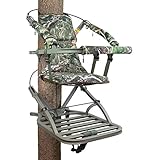
Overview: The Summit Viper SD is a premium climbing treestand designed for hunters prioritizing comfort and portability during extended sits. Built with lightweight aluminum, it targets serious hunters seeking reliability in the field. What Makes It Stand Out: Its standout feature is the suspended, foam-padded seat with a cushioned backrest and armrests, enabling all-day comfort without fatigue. The strong yet lightweight aluminum construction significantly eases transport and climbing compared to bulkier steel models, while the Mossy Oak finish enhances concealment. Value for Money: Priced higher than basic steel stands, the Viper SD justifies its cost through superior comfort, reduced fatigue on long hunts, and exceptional durability. The included 5-year warranty adds significant long-term value, outpacing competitors with shorter coverage. Strengths and Weaknesses: Strengths: Exceptional comfort for long durations; very lightweight for easy climbing; robust aluminum construction; industry-leading 5-year warranty. Weaknesses: Higher initial cost than steel alternatives; aluminum, while strong, may feel less substantial to some hunters than steel. Bottom Line: An excellent investment for hunters valuing comfort and mobility; the premium price delivers tangible benefits in endurance and ease of use, making it highly recommended despite the cost.
2. Summit Treestands Viper Steel Climbing Treestand
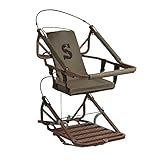
Overview: This model revives the classic Viper design using steel construction, offering hunters a durable, traditional climbing stand focused on stability and proven performance in the woods. What Makes It Stand Out: It retains the beloved Viper ergonomics but features a powder-coated steel finish for enhanced rust resistance and better concealment in natural settings. Key innovations include the Quick Draw cable retention system for secure positioning and RapidClimb Stirrups for smoother, faster ascent/descent. Value for Money: Positioned as a mid-range steel stand, it offers solid value. The powder coating and modern climbing features (Quick Draw, RapidClimb) provide noticeable improvements over budget steel stands, though the 2-year warranty is shorter than Summit’s aluminum counterparts. Strengths and Weaknesses: Strengths: Durable steel construction; effective rust-resistant powder coating; excellent concealment; user-friendly Quick Draw system and RapidClimb Stirrups. Weaknesses: Heavier than aluminum stands, increasing carry fatigue; 2-year warranty lags behind Summit’s 5-year coverage on aluminum models. Bottom Line: A reliable, improved version of a classic steel stand; ideal for hunters wanting traditional steel durability with modern conveniences, though the warranty period is a notable drawback.
3. OL’MAN Stealth Mode Steel Climbing Tree Stand
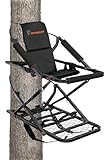
Overview: The OL’MAN Stealth Mode is a lightweight, mobility-focused steel climbing stand emphasizing all-day comfort and portability for hunters who frequently change locations in dense terrain. What Makes It Stand Out: Its standout feature is the tri-fold seat cushion combined with padded armrests and a shooting rail, specifically engineered for extended comfort. The remarkably low 32-pound carry weight, aided by included backpack straps, makes it exceptionally easy to maneuver through thick cover. Value for Money: Offers strong value for hunters prioritizing mobility. While not the cheapest steel stand, the comfort features and lightweight design (32 lbs) provide a noticeable advantage over heavier competitors at a similar price point, justifying the cost for active hunters. Strengths and Weaknesses: Strengths: Excellent all-day comfort with tri-fold seat; very lightweight (32 lbs) with backpack straps; secure safety-lock cinch straps; durable steel build. Weaknesses: Foam padding may not match the plushness of premium suspended seats; limited warranty details provided. Bottom Line: Highly recommended for hunters needing maximum mobility without sacrificing comfort; its lightweight design and thoughtful padding make it a top choice for covering ground.
4. Guide Gear Extreme Deluxe Climbing Tree Stand for Hunting with Seat and Foot Platform, Deer Hunting Accessories RT APX

Overview: The Guide Gear Extreme Deluxe is a feature-rich, steel climbing stand designed to deliver maximum comfort and convenience for hunters seeking an all-in-one, portable solution for deer hunting. What Makes It Stand Out: It boasts comprehensive comfort features: a 1-inch thick padded seat, backrest, and armrests, plus a dedicated climbing seat bar. The nesting design allows it to fold compactly for transport, and it includes all necessary straps (nylon foot, cam-buckle platform) right out of the box. Value for Money: Represents good value for the features included. The complete package (stand + all straps) at a competitive price undercuts pricier branded stands, while the 300 lb capacity and durable steel construction ensure reliability for most hunters. Strengths and Weaknesses: Strengths: Very comfortable with ample padding; fully inclusive kit (no extra strap purchases); excellent portability due to nesting design; high 300 lb capacity. Weaknesses: Foam padding may compress over time; steel construction makes it heavier than aluminum options; brand lacks Summit’s reputation. Bottom Line: A practical, comfortable, and portable choice, especially for budget-conscious hunters; its complete package and ease of transport make it an easy recommendation for value seekers.
5. Summit Treestands Goliath SD Climbing Treestand, Mossy Oak

Overview: The Summit Goliath SD is a comfort-engineered climbing treestand specifically designed for larger-framed hunters or those needing extra space, building upon the popular Viper SD platform with enhanced capacity. What Makes It Stand Out: It directly addresses a key limitation of standard stands with a significantly higher 350-pound weight capacity while retaining the Viper SD’s core strengths: the suspended foam-padded seat, cushioned backrest, and padded armrests for superior comfort during long sits. Value for Money: Commands a premium price, but offers exceptional value for hunters exceeding standard weight limits. The cost is justified by the unique high-capacity design using Summit’s proven, comfortable SD platform and backed by the same robust 5-year warranty. Strengths and Weaknesses: Strengths: Unmatched 350 lb capacity; inherits Viper SD’s excellent comfort features; durable aluminum construction; 5-year warranty; Mossy Oak camo. Weaknesses: Higher price point; increased size/weight (compared to standard Viper SD) may slightly impact portability. Bottom Line: The definitive choice for larger hunters; it delivers essential comfort and Summit’s reliability without compromise, making the premium price well worth the investment for its target audience.
6. Guide Gear Extreme Deluxe Climbing Tree Stand for Hunting with Seat and Foot Platform, Deer Hunting Accessories Mossy Oak Country Roots
Overview: The Guide Gear Extreme Deluxe Climbing Tree Stand is a padded steel platform designed for extended deer hunting comfort. It includes integrated seat cushioning, backrest, armrests, and essential straps for setup, targeting hunters seeking stability and ease during long sits in the field. Mossy Oak Country Roots camo aids concealment. What Makes It Stand Out: Its standout feature is the comprehensive comfort system—a 1” thick foam-padded seat, backrest, and armrests—uncommon in budget-friendly stands. The nesting design enhances portability, while the included cam-buckle straps simplify secure installation on diverse tree sizes without extra purchases. Value for Money: Priced accessibly, it offers exceptional value for entry-to-mid-level hunters. The included straps and robust steel construction (300 lb capacity) eliminate hidden costs, outperforming cheaper models lacking padding or durability, though premium stands may offer higher weight limits. Strengths and Weaknesses: Strengths: Excellent comfort for long hunts; intuitive folding design; full strap kit included; reliable steel build. Weaknesses: 300 lb limit lags behind competitors; Mossy Oak finish may chip; foam padding could compress over years. Bottom Line: Ideal for budget-conscious hunters prioritizing comfort and simplicity. Its padded ergonomics and complete setup make it a reliable choice for casual to regular use, despite a lower weight capacity than high-end alternatives.
7. Summit Treestands Titan SD Climbing Treestand
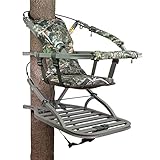
Overview: Summit’s Titan SD is a roomy climbing treestand engineered for larger-framed hunters, featuring an expanded top seat frame and extended foot platform. Built for stability and endurance, it supports up to 350 lbs and carries Summit’s reputable 5-year warranty, targeting serious hunters needing ample space. What Makes It Stand Out: It distinguishes itself with superior interior dimensions—wider than predecessors like the Goliath SD—providing unmatched legroom and ease of movement. The 350 lb capacity caters to bigger hunters, while Summit’s proven steel durability ensures long-term reliability in rugged terrain. Value for Money: Justifies its premium price through enhanced comfort and capacity. Though costlier than entry models, the Titan SD’s spacious design and Summit’s warranty offer better longevity than budget stands, making it a smart investment for frequent hunters prioritizing fit and security. Strengths and Weaknesses: Strengths: Exceptional space for larger users; industry-leading 350 lb limit; Summit’s durable steel construction; comprehensive warranty. Weaknesses: Heavier than compact models; higher price point; minimal padding compared to ultra-luxury stands. Bottom Line: A top recommendation for larger hunters seeking comfort without compromising durability. Its spacious layout and robust build deliver outstanding performance, easily warranting the investment for dedicated users.
8. Summit Treestands Dual Threat PRO SD Climbing Treestand
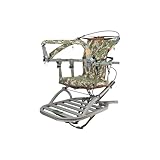
Overview: The Summit Dual Threat PRO SD is a highly adaptable climbing treestand featuring innovative adjustability for bow and rifle hunters. It includes a Dual Position Seat for height customization, a 350 lb capacity, and camo-enhancing foot platform channels, designed for hunters requiring versatile, season-long setups. What Makes It Stand Out: Its revolutionary Dual Threat adjustable front bar allows seamless switching between bow and rifle shooting positions—a rarity among climbers. The dual-height seat configuration and camo-broken foot platform lines further enhance usability and concealment across diverse hunting scenarios. Value for Money: Commands a premium but excels in versatility. The ability to serve as both a bow and rifle platform eliminates needing multiple stands, offering long-term savings. Summit’s 5-year warranty and 350 lb capacity solidify its worth against single-purpose competitors. Strengths and Weaknesses: Strengths: Unmatched adaptability for bow/rifle use; dual-height seating; effective camouflage; high weight tolerance; strong warranty. Weaknesses: Complex adjustments may slow setup; premium cost; seat padding less plush than dedicated comfort models. Bottom Line: Essential for hunters using both bow and rifle. Its innovative design justifies the price, providing unmatched flexibility and performance for serious, multi-season hunters seeking a single, reliable solution.
9. Millennium Outdoors Ol’Man TREESTANDS Multi-Vision Climbing Stand, Steel Construction with 21" Wide Net Seat, Gray, One Size (COM-04)
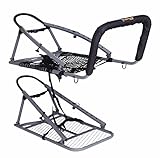
Overview: Millennium’s Ol’Man Multi-Vision is a versatile, best-selling climbing stand celebrated for its quiet operation and triple-configuration capability. Featuring a 21" net seat, steel build, and 300 lb capacity, it caters to bow and gun hunters needing adaptable, stealthy tree access. What Makes It Stand Out: It uniquely functions as “3 stands in 1” via its reversible Gun Rest/Foot Rest bar, allowing rapid reconfiguration for bow or rifle use. Marketed as the quietest climber available, its noise-reducing design and legendary reliability drive its consistent top-seller status. Value for Money: Offers strong mid-range value through exceptional versatility and durability. The included reversible bar negates extra accessory costs, while its quiet performance surpasses cheaper stands. Though weight capacity trails some competitors, its adaptability provides broad utility. Strengths and Weaknesses: Strengths: Unrivaled configurability; industry-leading quiet operation; lightweight yet rugged; net seat promotes breathability; trusted brand reputation. Weaknesses: 300 lb limit below premium models; minimal padding; net seat less comfortable in cold weather. Bottom Line: Highly recommended for hunters valuing stealth and adaptability. Its proven quietness and three-in-one design deliver exceptional utility, making it a versatile workhorse despite minor comfort compromises.
10. Summit Treestands 180 Max SD Climbing Treestand

Overview: Summit’s 180 Max SD is their most spacious climbing treestand, featuring a rounded top seat frame, extended foot platform, and a fully rotatable seat. Engineered for maximum comfort and movement, it supports 350 lbs and includes Summit’s 5-year warranty, targeting hunters needing premium mobility aloft. What Makes It Stand Out: The standout innovation is the 180-degree rotatable seat, enabling effortless direction changes without repositioning the entire stand. Combined with the roomiest footprint in Summit’s lineup, it provides unprecedented freedom for scanning terrain or tracking game in any direction. Value for Money: Positioned at a premium, it justifies cost through unmatched maneuverability and space. Hunters gain significant functional advantages over fixed-seat stands, and the 350 lb capacity plus warranty ensure longevity, offering better ROI than less flexible high-capacity models. Strengths and Weaknesses: Strengths: Revolutionary 180° seat rotation; largest platform dimensions; high 350 lb weight limit; Summit’s durable build; strong warranty. Weaknesses: Heaviest Summit climber; rotation mechanism adds complexity; higher price than standard models. Bottom Line: A must-consider for hunters prioritizing agility and space. The rotating seat transforms the hunting experience, making the 180 Max SD a top-tier choice despite its weight and cost, ideal for those seeking maximum versatility in the tree.
Safety: The Non-Negotiable Foundation
Rigging Systems That Prevent Catastrophic Falls
Your climbing system must feature redundant safety points that work flawlessly while you’re moving. Look for stands with integrated full-body harness attachment loops positioned directly in front of your center of gravity, not off to the side. The system should allow you to remain tethered to the tree at all times during ascent, descent, and while seated—no “free climbing” moments where you’re unsecured. Automatic climbing devices that lock as you ascend add critical layers of protection when you’re working alone.
Platform Stability and Kick-Off Mechanics
A wobbly platform isn’t just uncomfortable; it’s a silent invitation for disaster when you’re focused on an approaching animal. Prioritize stands with wide, rigid platforms that minimize lateral sway. Crucially, the kick-off bar (the part you push against to climb) must lock securely before you transfer your weight. Test if the mechanism engages audibly and tactilely—silent engagement is risky when gloves are on or wind is howling.
Weight Capacity Realities Beyond the Label
Manufacturers often list optimistic weight limits. For solo hunters, your actual capacity needs to cover your body weight plus full hunting gear (bow/rifle, pack, extra layers)—easily adding 30-50+ pounds. Never operate near the stated max limit; aim for a stand rated at least 25% above your total loaded weight. Aluminum stands generally offer higher strength-to-weight ratios than steel, critical for minimizing the load you haul up the tree.
Weight and Portability Considerations
Balancing Durability Against Pack-In Fatigue
Climbing stands inherently add significant weight to your haul, but skimping on material thickness for lightness risks structural failure. Focus on stands using aircraft-grade aluminum alloys—they shed pounds without sacrificing strength. Every ounce saved in the stand itself multiplies in value during that pre-dawn climb when your arms are already trembling. Consider how the stand breaks down; units with fewer, larger pieces often feel lighter to carry than fussy multi-part systems.
Ergonomic Carrying Solutions for Ascent
How you transport the stand up the tree matters as much as its raw weight. Integrated padded shoulder straps that stay clear of climbing mechanisms are essential. Avoid designs where you must awkwardly hoist the stand above your head during ascent—this strains your core and risks dropping it. Some stands feature clever harness attachment points that let you “wear” the stand like a backpack while climbing, freeing both hands for the tree.
Noise Reduction for Stealthy Hunting
Silent Metal-to-Metal Contact Points
The telltale “clink” of metal parts shifting can blow your hunt before an animal even enters bow range. Premium stands address this with rubberized bushings, nylon washers, or textured powder coatings at pivot points and locking mechanisms. Pay special attention to the climbing jaws—these should engage the tree bark without scraping or vibrating against the stand frame during wind.
Vibration Dampening in Platform Design
Wind or sudden movements can make cheap platforms hum like a tuning fork. Look for platforms with built-in cross-bracing or ribbed designs that disrupt resonance. Some advanced models incorporate rubberized feet or isolation pads between the platform and support arms to absorb subtle tremors from your movements or the tree itself.
Platform Ergonomics and Comfort
Leg Room and Shooting Clearance
A cramped platform forces awkward shooting positions that ruin accuracy. Measure your seated width with hunting boots and gear—then demand a platform 4-6 inches wider. Shooting windows (open areas for drawing bows or shouldering rifles) must align with your dominant side without requiring you to twist your torso. Test if you can comfortably rest your weapon’s buttstock against the platform edge.
Contoured Seating for All-Day Hunts
Flat, hard seats cause numbness and fatigue within hours. Opt for stands with molded, slightly contoured seats that distribute weight evenly across your hips. Padded seat covers are a temporary fix, but integrated ergonomic shaping lasts longer. Bonus points for seats that angle slightly forward to relieve pressure on your tailbone during long sits.
Footrest Positioning and Adjustability
Your feet need solid, stable support that keeps your knees slightly higher than your hips for circulation. Fixed footrests often don’t suit all leg lengths—look for stands with multiple adjustment holes or sliding rails. The rest should position your feet flat without forcing you to point your toes, reducing leg cramps during stationary waits.
Climbing System Mechanics
Smooth Ascent/Descent Without Hand Fatigue
Climbing shouldn’t leave your forearms burning before you even reach hunting height. Systems with large, textured kick bars that leverage your leg strength (not just arms) make repeated climbs sustainable. Check if the climbing arms glide smoothly on guide rods—gritty or sticky action wastes energy and increases fall risk. Some designs use roller bearings for near-frictionless movement.
One-Handed Operation for Critical Moments
When you’re 20 feet up with gloves on and wind gusting, fumbling with complex latches is dangerous. The best systems allow you to lock/unlock climbing mechanisms with a single gloved hand while maintaining your grip on the tree. Positive “click” feedback is non-negotiable—you must know it’s secure without looking.
Seasonal and Environmental Adaptability
Cold-Weather Glove Compatibility
Thick winter gloves must still operate every latch, lever, and strap. Test if mechanisms work with bulky mittens—small trigger-style releases often fail here. Textured rubber grips on handles prevent slippage when wet or icy. Avoid stands with tiny adjustment screws or fiddly parts that require bare fingers to manipulate.
Rain and Mud Resilience
Wet conditions turn cheap stands into safety hazards. Look for climbing jaws with aggressive, self-cleaning teeth that bite into bark even when slick. Sealed bearings in moving parts prevent grit and moisture ingress. Platforms with drainage holes stop water pooling, while textured non-slip surfaces (not just paint) keep your boots planted during downpours.
Storage and Accessory Integration
Secure Gear Attachment Points
Solo hunters carry everything themselves, so integrated storage is vital. Built-in quiver holders, bow/rifle hooks, and D-rings for gear loops must be positioned within arm’s reach without requiring you to stand or lean precariously. Avoid flimsy plastic clips—metal-reinforced points that won’t snap under weight are essential for items like rangefinders or thermoses.
Modular Design for Future Upgrades
Your needs might change—adding a blind, lighting, or extra padding. Stands with universal mounting channels (like Picatinny rails or M-LOK slots) let you adapt without drilling holes or compromising structural integrity. Consider if critical components (like seat pads) are replaceable if worn, rather than forcing a full stand replacement.
Maintenance and Longevity
Corrosion Resistance for Harsh Conditions
Hunting exposes gear to sweat, rain, and mud. Stands with military-grade anodized aluminum or powder-coated steel resist rust far longer than basic finishes. Pay attention to how joints and bolts are treated—stainless steel hardware prevents seized mechanisms. Avoid stands where dissimilar metals touch (like aluminum on steel), which accelerates galvanic corrosion.
Frequently Asked Questions
How much total weight should my climbing stand safely support?
Always choose a stand rated for at least 25% more than your body weight plus all hunting gear (weapon, pack, clothing). Never operate near the manufacturer’s stated maximum limit.
Can I use a climbing stand on very smooth-barked trees?
Yes, but select stands with extra-wide, aggressively toothed climbing jaws designed for slippery bark. Pre-hunt scouting to find suitable trees with some texture is still critical.
How do I prevent my stand from making noise in high winds?
Look for stands with rubberized bushings at pivot points, vibration-dampening platform designs, and climbing jaws that grip without rattling. Tighten all hardware before each hunt.
What’s the safest height for solo hunting from a climbing stand?
Most experts recommend 18-22 feet for optimal safety and shot angles. Higher increases fall risk without significant advantages, especially when alone.
How often should I inspect my climbing stand for wear?
Check every component before and after each hunt. Pay special attention to welds, lock mechanisms, and harness attachment points. Replace any part showing cracks, bends, or excessive wear immediately.
Are lighter aluminum stands as strong as heavier steel models?
High-grade aircraft aluminum often provides better strength-to-weight ratios than steel. Prioritize material quality and engineering over raw weight alone.
What’s the most common safety mistake solo hunters make with climbing stands?
Temporarily unhooking the safety harness during ascent/descent is deadly. Always use systems allowing 100% continuous tethering to the tree.
How can I make long sits more comfortable in cold weather?
Choose stands with contoured seats, adequate leg room, and footrest adjustability. Wear proper layered clothing—don’t rely on the stand itself to insulate you.
Do I need special tools to maintain my climbing stand?
Most require only basic hex keys for adjustments. Keep spare bolts/lubricant on hand, but avoid over-tightening which can strip threads.
How do I know if a stand’s climbing system works with my body mechanics?
Test the kick-and-climb motion on the ground: it should feel smooth, leverage leg strength, and allow secure locking without overreaching. Your arms shouldn’t bear the primary climbing load.
Related Buying Guides
- 10 Must-Have Climbing Tree Stands for Solo Hunters in 2026
- The 10 Best Climbing Tree Stands Every DIY Hunter Needs This Year
- 10 Best Budget Tree Stands Under $200 for First-Time Hunters in 2026
- 10 Best Budget Tree Stands Under $200 for New Hunters in 2026
- 10 Best Tree Stands for Hunters with Limited Mobility in 2026