Table of Contents
There’s something undeniably thrilling about receiving a real-time alert on your phone showing a majestic buck stepping through your monitoring zone or a rare predator passing under cover of darkness. Cellular trail cameras have revolutionized wildlife observation, transforming what was once a waiting game into an instant connection with the natural world. Whether you’re a hunter scouting game patterns, a researcher tracking animal behavior, or simply a nature enthusiast who wants to witness wildlife drama as it unfolds, these smart devices deliver images and videos directly to your device within seconds of capture.
As we look toward 2026, the technology continues to evolve at a rapid pace, with improved connectivity options, smarter power management, and enhanced image quality becoming standard features. But with so many technical specifications and subscription models to navigate, choosing the right cellular trail camera for your specific needs can feel overwhelming. This comprehensive guide breaks down everything you need to know about selecting a cellular trail camera that delivers reliable real-time wildlife alerts without getting bogged down in brand-specific marketing claims.
Top 10 Cellular Trail Cameras
Detailed Product Reviews
1. SPYPOINT Flex-M Twin Pack Cellular Trail Cameras - Best Hunting Accessories, No WiFi Needed, GPS, Night Vision, Dual-Sim LTE, IP65 Water-Resistant Game Camera, 28MP Photos, 720p Videos + Sound (2)

Overview: The SPYPOINT Flex-M Twin Pack delivers cellular trail camera technology at an accessible price point, making it ideal for hunters and wildlife watchers who want remote monitoring without complexity. These cameras transmit 28MP photos and 720p videos directly to your phone via LTE, eliminating the need for WiFi or manual SD card retrieval.
What Makes It Stand Out: The free transmission plan for 100 photos monthly is genuinely unique in the market, allowing budget-conscious users to get started with zero ongoing costs. Cross-carrier connectivity automatically selects the strongest signal without SIM swapping, ensuring reliable performance in remote locations. The IP65 water resistance and GPS functionality provide durability and precise camera placement tracking.
Value for Money: At twin-pack pricing, this offers exceptional value for multi-location monitoring. The entry point is lower than most cellular cameras, and the free plan means you can operate indefinitely without subscription fees. Paid plans starting at $5/month are competitively priced against alternatives that charge $10+ monthly.
Strengths and Weaknesses: Pros: Free monthly photo plan; automatic cross-carrier connectivity; user-friendly app with AI species filtering; multiple capture modes including Time-Lapse+; easy mobile activation. Cons: 720p video resolution lags behind competitors; microSD card not included; solar panel sold separately; free plan limits may require upgrades for heavy users.
Bottom Line: The Flex-M Twin Pack is perfect for those entering the cellular trail camera market. While video quality could be improved, the free plan and reliable connectivity make it a smart, economical choice for most scouting needs.
2. SPYPOINT Flex G-36 Twin Pack Cellular Trail Camera, 36MP Photos and 1080p Videos with Sound, GPS Enabled, Dual-Sim LTE Connectivity, 100’ Flash & Detection Range, Responsive Trigger up to .3S

Overview: Building on the Flex-M foundation, the SPYPOINT Flex G-36 Twin Pack upgrades image quality and performance for serious hunters demanding crisper scouting intelligence. These cameras deliver 36MP photos and 1080p videos with sound directly to your device, combining high-resolution capture with reliable cellular connectivity.
What Makes It Stand Out: The 36MP image resolution captures exceptional detail for identifying specific animals, antler points, and behavioral patterns. Video with audio adds immersive context that photos alone cannot provide. The 0.3-second trigger speed and 100-foot detection range ensure you rarely miss activity, while improved battery life reduces maintenance visits.
Value for Money: As a twin pack, it provides cost savings for monitoring multiple locations. The enhanced resolution justifies the premium over the Flex-M, particularly for trophy hunters needing detailed imagery. Cross-carrier connectivity eliminates the cost and hassle of carrier-specific models, and competitive data plans keep operating expenses reasonable.
Strengths and Weaknesses: Pros: Superior 36MP photo resolution; 1080p video with sound; excellent detection range and speed; cross-carrier auto-connect; improved battery longevity; GPS enabled. Cons: No free photo plan included; higher upfront cost than entry-level models; solar panel not included; 0.3s trigger slightly slower than some competitors.
Bottom Line: The Flex G-36 Twin Pack excels for hunters prioritizing image quality and reliability. The resolution upgrade and audio-enabled video provide superior scouting intelligence, making it worth the investment for dedicated sportsmen.
3. SEHMUA 4G LTE Cellular Trail Cameras 3rd Gen with Live Streaming, Game Camera Built-in SIM Card with Motion Activated 0.2s Trigger Time Solar Trail Camera IP66 Waterproof

Overview: The SEHMUA 3rd Gen cellular trail camera distinguishes itself with live streaming capabilities and integrated solar power, catering to tech-savvy users wanting real-time wildlife observation. This camera transmits 2K footage over 4G LTE with a built-in SIM card, offering immediate remote access through the Ucon app.
What Makes It Stand Out: Live streaming transforms traditional trail camera scouting into an interactive experience, allowing real-time sharing and observation. The included 4W solar panel and 7800mAh rechargeable battery promise uninterrupted year-round operation without manual charging. A blazing 0.2-second trigger speed and 120-degree wide-angle lens maximize capture efficiency.
Value for Money: While the $19.90 monthly plan is pricier than some competitors, the included solar panel offsets long-term battery costs. The 7-day unlimited trial allows thorough testing before commitment. For users wanting live viewing capabilities, the premium is justified, though casual users may find traditional cameras more economical.
Strengths and Weaknesses: Pros: 2K live streaming; integrated solar panel; extremely fast 0.2s trigger; 120° wide-angle view; IP66 waterproof rating; low-glow night vision to 82ft; built-in SIM convenience. Cons: Proprietary SIM card cannot be swapped; monthly subscription required after trial; no free ongoing plan; cloud storage requires separate subscription; higher operational costs.
Bottom Line: Ideal for wildlife enthusiasts craving live interaction, the SEHMUA 3rd Gen excels in connectivity and power autonomy. The streaming feature justifies its premium pricing for serious observers, though budget hunters may prefer alternatives.
4. TACTACAM Reveal X Gen 3.0 Cellular Trail Camera: Auto Connect 4G LTE, 4K Photo, 1080p Video, Low-Glow IR Flash, No SD Card Needed, Long Battery Life – Best Hunting, Game & Property Monitoring Camera

Overview: Positioned as an entry-level workhorse, the TACTACAM Reveal X Gen 3.0 prioritizes reliability and simplicity for hunters who need dependable performance without unnecessary complexity. This camera automatically connects to 4G LTE networks, delivering 4K photos and 1080p videos directly to the TACTACAM app.
What Makes It Stand Out: The no-SD-card-required design simplifies operation by storing media internally, reducing component failure points. Long battery life minimizes field visits, crucial for maintaining low disturbance in hunting areas. The powerful app includes deer analytics and mapping features typically found in premium models, providing actionable scouting intelligence that helps pattern game effectively.
Value for Money: As an entry-level offering, it delivers premium features like 4K resolution and internal storage at a competitive price point. Eliminating SD card purchases and reducing battery replacement frequency creates long-term savings. The straightforward setup appeals to users frustrated with overly complex cellular cameras that require extensive configuration.
Strengths and Weaknesses: Pros: 4K photo resolution; internal storage eliminates SD cards; excellent battery life; user-friendly setup; powerful app with analytics; low-glow IR flash; auto-connect LTE. Cons: Single camera purchase (not twin pack); limited details on data plan pricing; entry-level positioning may lack advanced features; internal storage limits may require more frequent data management.
Bottom Line: The Reveal X Gen 3.0 is a reliable, no-fuss option for hunters wanting quality imaging without maintenance headaches. Its internal storage and battery efficiency make it a practical choice for remote deployments where accessibility is limited.
5. Moultrie Edge 3 Cellular Trail Camera - 2 Pack - 40MP HD Photo Capture - 1080p Low-Glow Flash - GPS - Multi-Carrier Auto-Connect - Built-in Memory - 0.5s Trigger Speed - AI Buck Detection
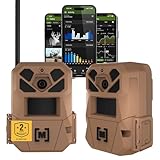
Overview: The Moultrie Edge 3 two-pack delivers high-resolution scouting capability with intelligent features designed for serious hunters managing multiple properties. These cameras capture 40MP photos and 1080p videos while automatically connecting to the strongest of four major carriers, ensuring reliable transmission without manual network selection.
What Makes It Stand Out: The onX Hunt integration with three free months of Elite membership provides exceptional value for property mapping and strategic camera placement. AI Buck Detection automatically filters deer images, saving time during analysis. Unique remote feeder control capability through the Moultrie Connect app allows users to manage feeding schedules and monitor levels alongside camera activity.
Value for Money: The twin-pack configuration offers savings for multi-camera setups. While data plans start at $9.99/month, the included onX membership (valued at ~$30) offsets initial costs. Built-in memory eliminates SD card purchases, and the four-carrier auto-connect prevents carrier-specific compatibility issues that plague other brands.
Strengths and Weaknesses: Pros: 40MP highest resolution in group; four-carrier auto-connect; onX Hunt Elite inclusion; AI buck detection; remote feeder control; built-in memory; GPS enabled. Cons: 0.5s trigger speed slower than competitors; low-glow flash less discreet than no-glow options; no free data plan; requires Moultrie ecosystem for full features.
Bottom Line: The Edge 3 two-pack excels for hunters wanting maximum resolution and ecosystem integration. The onX partnership and feeder control make it ideal for managing comprehensive hunting properties, though trigger speed could be improved for fast-moving game.
6. SEHMUA Trail Camera 2 Packs, Cellular Trail Cameras 4G LTE Live View with Built-in SIM Card 0.2s Trigger Speed Game Camera with Night Vision Motion Activated Waterproof Trail Cam

Overview: The SEHMUA cellular trail camera 2-pack delivers reliable off-grid monitoring for remote locations lacking WiFi and electricity. Designed for farms, ranches, construction sites, and wildlife observation, these cameras operate on 4G LTE networks with a built-in SIM card. The integrated 4W solar panel and 7800mAh rechargeable battery provide continuous power, eliminating the need for frequent maintenance.
What Makes It Stand Out: This system’s 0.2-second trigger speed captures fast-moving subjects with precision, while the 850nm low-glow infrared system offers 82-foot night vision range and a wide 120° field of view. The IP66 waterproof rating ensures durability in harsh weather. Images and videos store locally on memory cards (up to 128GB) or via cloud storage with a 30-day trial.
Value for Money: At approximately $85-100 per camera, this 2-pack offers solid value compared to purchasing individual units. The 7-day unlimited data trial allows testing before committing to plans starting at $19.90/month or $169/year per camera. While data costs add up for multiple cameras, the solar power feature saves significantly on battery expenses long-term.
Strengths and Weaknesses: Strengths include rapid trigger speed, reliable solar charging, excellent night vision range, and flexible storage options. The dual-camera package provides immediate coverage for multiple angles. Weaknesses include per-camera data plan requirements that cannot be shared, no included memory card, and cloud storage requiring subscription after trial. The low-glow flash may be visible to some animals.
Bottom Line: Ideal for users needing multi-angle coverage in remote locations, this SEHMUA 2-pack balances performance and convenience. Choose it for off-grid security or wildlife monitoring where solar power and cellular connectivity are essential.
7. Moultrie Edge 2 Cellular Trail Camera - Auto Connect Nationwide 4G LTE - On Demand 36MP Photo - 1080P Video with HD Audio - 100 Ft Detection Range - Low Glow Flash

Overview: The Moultrie Edge 2 represents a premium cellular trail camera solution with nationwide 4G LTE coverage and USA-based customer support. Designed for serious hunters and property managers, it captures stunning 36MP photos and 1080p HD video with audio. The Auto Connect technology seamlessly switches between major carriers without requiring SIM card swaps or third-party data plans.
What Makes It Stand Out: This camera’s 36MP resolution delivers exceptional detail for game identification and security purposes. The 100-foot detection range and low-glow infrared flash provide extensive coverage without spooking wildlife. Moultrie’s data plans start at an aggressive $9.99/month with no annual contract, offering unmatched flexibility. The simple activation through the Moultrie Mobile app enables remote management, battery monitoring, and instant alerts.
Value for Money: While the upfront cost is higher than budget alternatives, the combination of ultra-high resolution, affordable data plans, and domestic support creates strong long-term value. The $9.99 entry-level plan undercuts most competitors by 50%, making it economical for users running multiple cameras. No contract requirements eliminate seasonal usage penalties.
Strengths and Weaknesses: Strengths include best-in-class image resolution, competitive data pricing, 100-foot detection range, and reliable US-based technical support. The low-glow flash balances visibility and discretion. Weaknesses include lack of integrated solar power (requires external purchase), potentially shorter battery life at maximum resolution, and limited cloud storage details in marketing materials.
Bottom Line: Perfect for dedicated hunters and security professionals prioritizing image quality and reliable connectivity. The Moultrie Edge 2 justifies its premium price through superior resolution and cost-effective data plans.
8. SEHMUA Cellular Trail Camera 2 Pack, 2K Solar Powered Game Cameras with Unlimited Data Plan, 4G LTE Built-in SIM Card PIR Motion Detection 360° Rotating Viewing for Outdoor Security

Overview: This advanced SEHMUA 2-pack introduces 360° surveillance capabilities to cellular trail cameras, combining 2K resolution with pan-tilt functionality for comprehensive coverage. Designed for security and wildlife monitoring, each camera features a built-in 4G LTE SIM, 6W solar panel, and 7800mAh battery for true off-grid operation across Verizon, AT&T, and T-Mobile networks.
What Makes It Stand Out: The 355° horizontal pan and 100° vertical tilt eliminate blind spots, making these ideal for monitoring large properties, farms, or construction sites. Two-way audio communication allows real-time interaction through the UBox app—perfect for deterring intruders or observing wildlife behavior. The 0.2-second PIR trigger and 98-foot night vision range ensure nothing escapes detection.
Value for Money: While priced higher than fixed-lens alternatives, the 2-pack offering with integrated solar panels and PTZ capabilities provides reasonable value at approximately $150-180 per unit. Unlimited data plans at $19.90/month or $169.90/year per camera remain competitive. The ability to replace multiple fixed cameras with one rotating unit may reduce overall equipment costs for some applications.
Strengths and Weaknesses: Strengths include comprehensive 360° coverage, two-way communication, powerful 6W solar charging, and sharp 2K resolution. The IP65 weatherproof rating handles most conditions. Weaknesses include per-camera data plan costs, mechanical PTZ components that may wear over time, and slightly lower IP rating compared to some competitors. The rotating function requires careful mounting for full range of motion.
Bottom Line: Best suited for users needing flexible, wide-area monitoring rather than fixed-position wildlife photography. The SEHMUA 2-pack excels in security applications where interactive surveillance and comprehensive coverage justify the premium.
9. SEHMUA 3rd Cellular Trail Cameras with 48MP Photo 2K Live Streaming, 4G LTE Unlimited Data Plan Built-in SIM Card, 4W Solar Powered Game/Deer Cam No Glow Flash with Motion Activated

Overview: The third-generation SEHMUA cellular trail camera pushes image quality boundaries with 48MP photo resolution and innovative night vision technology. Designed for discerning wildlife observers and security-conscious property owners, this camera operates on 4G LTE with integrated solar power and a 940nm no-glow infrared LED that remains completely invisible to animals and intruders.
What Makes It Stand Out: The camera’s ability to capture color images in low-light conditions (moonlit environments) sets it apart from standard black-and-white night vision systems. When natural light is insufficient, it seamlessly switches to sharp monochrome mode. The 0.1-second trigger speed is among the fastest available, while the 120° wide-angle lens covers substantial area. The 2-year data plan option at $299.9 offers 38% savings compared to monthly billing.
Value for Money: Commanding a premium price around $200-220, this camera justifies the cost through superior resolution and stealth technology. The no-glow flash preserves natural animal behavior for research purposes while providing discreet security monitoring. Solar power eliminates battery expenses, and the extended subscription discount benefits long-term users.
Strengths and Weaknesses: Strengths include exceptional 48MP clarity, invisible no-glow flash, color night vision capability, lightning-fast trigger, and robust IP66 waterproofing. The 4W solar panel ensures continuous operation. Weaknesses include a relatively short 65-foot detection range, mandatory per-camera data plans, and potentially excessive resolution for casual users requiring significant storage space.
Bottom Line: Tailored for wildlife researchers and security professionals needing maximum image quality and stealth. The SEHMUA 3rd Gen delivers professional-grade performance for those willing to invest in superior technology.
10. Oculview Cellular Trail Camera with 360° Live Streaming, Solar Powered, Built-in 4G SIM Card, Remote Access, Motion Activated, 2K Night Vision, No WiFi Needed’s Cellular Security Camera

Overview: The Oculview cellular trail camera combines 360° PTZ functionality with 2K live streaming for comprehensive remote surveillance. Designed for properties requiring active monitoring, this camera streams real-time video via 4G LTE without WiFi dependency. The integrated 6W adjustable solar panel and built-in SIM card provide true set-and-forget operation across major US carriers.
What Makes It Stand Out: The 355° pan, 100° tilt, and 4x digital zoom deliver complete area coverage controlled remotely through the smartphone app. Unlike passive trail cameras, Oculview enables active investigation of alerts—users can immediately pan to follow subjects. The unlimited data plan during subscription eliminates overage concerns, while automatic carrier selection ensures optimal signal strength without manual intervention.
Value for Money: Priced competitively around $180-200, this single-camera solution offers strong value for applications requiring flexible viewing angles. The $19.90/month unlimited plan matches market rates, while the robust 6W solar panel reduces maintenance costs. For users considering multiple fixed cameras, this PTZ unit may provide better coverage per dollar spent.
Strengths and Weaknesses: Strengths include interactive 360° control, unlimited data allowance, powerful solar charging, stable auto-connect SIM technology, and sharp 2K day/night imaging. The remote control capability transforms passive recording into active security. Weaknesses include single-camera packaging (no multi-pack discount), potential mechanical wear on moving parts, and reliance on strong 4G signal for smooth streaming performance.
Bottom Line: Excellent choice for property managers and researchers needing responsive, wide-area surveillance. The Oculview camera’s remote PTZ control and unlimited data make it ideal for active monitoring scenarios where fixed-position cameras fall short.
Understanding Cellular Trail Camera Technology
How Cellular Connectivity Works for Wildlife Monitoring
Cellular trail cameras function much like your smartphone, using cellular networks to transmit data. When the camera’s motion sensor detects activity, it captures an image or video and immediately sends it to a cloud server via cellular data. From there, the media is pushed to your mobile device through a dedicated app or email notification. This process typically takes 30-60 seconds, though some advanced systems can deliver alerts in under 20 seconds. The key components include a SIM card (either proprietary or standard), an internal modem, and an antenna system designed for remote locations where signal strength may be weak.
The Evolution from Traditional to Cellular Trail Cameras
Traditional trail cameras store images on SD cards that you must physically retrieve, limiting your ability to respond to real-time animal movements. The shift to cellular technology represents a fundamental change in wildlife monitoring philosophy—moving from periodic data collection to continuous remote observation. Early cellular models were plagued by slow transmission speeds, expensive data plans, and unreliable connections. Modern iterations have addressed these pain points through optimized compression algorithms, multi-carrier compatibility, and more efficient power consumption that allows cameras to operate for months without intervention.
Key Differences Between Cellular and Wi-Fi Trail Cameras
While both offer wireless connectivity, cellular cameras work anywhere with cell service, making them ideal for deep wilderness deployment. Wi-Fi trail cameras require you to be within range of a wireless network, limiting their use to properties with reliable internet infrastructure. Cellular models operate independently, making them perfect for public lands, remote research stations, or hunting leases where network access is impossible. The trade-off comes in data costs—cellular cameras require ongoing subscription plans, whereas Wi-Fi cameras typically have no recurring fees beyond your existing internet service.
Essential Features for Real-Time Wildlife Alerts
Image Quality and Resolution Considerations
Megapixel count isn’t everything, though cameras offering 20-30MP resolution provide excellent detail for identifying individual animals, counting antler points, or studying behavior. More important is the quality of the image sensor and lens system, which determine low-light performance and clarity. Look for cameras with adjustable resolution settings—high-res for detailed study, lower resolution for faster transmission and data conservation. Video capability matters too; 1080p HD has become standard, with some models offering 4K recording, though higher resolution video consumes significantly more data and battery power.
Trigger Speed and Detection Range
Trigger speed—the time between motion detection and image capture—separates effective cameras from frustrating ones. Sub-0.5-second trigger speeds are essential for capturing fast-moving animals like coyotes or bobcats that might otherwise slip through the frame. Detection range, typically 80-100 feet, determines how far away an animal can be before triggering the camera. Wider detection angles (often 45-55 degrees) increase your monitoring coverage but may also increase false triggers from moving vegetation. Advanced models offer adjustable sensitivity settings and multi-zone detection to fine-tune performance for your specific location.
Night Vision Capabilities
Infrared flash technology has become the gold standard for nighttime wildlife monitoring. Low-glow IR LEDs produce a faint red light visible to some animals but provide excellent illumination out to 100+ feet. No-glow (black) LEDs are completely invisible but sacrifice range and image brightness. Consider the balance between stealth and image quality based on your subjects—researchers studying sensitive species may prioritize invisible flash, while hunters may accept low-glow for better identification. Flash range should match your detection zone to avoid dark corners in nighttime images.
Data Plans and Connectivity Options
Most cellular trail cameras operate on tiered data subscription models, typically ranging from basic plans covering a few hundred images monthly to unlimited options. Smart cameras now offer flexible transmission settings—sending thumbnail previews immediately, with options to request full-resolution downloads only for important images. Some advanced systems use AI to filter out false triggers before transmission, saving valuable data. Look for cameras that allow you to adjust transmission frequency based on activity levels or time of day to optimize both costs and battery life.
Network Compatibility and Coverage
4G vs 5G Considerations for 2026
While 5G networks promise faster speeds and lower latency, coverage in remote areas remains spotty as of 2026. Most trail cameras still rely on 4G LTE networks, which provide extensive rural coverage and adequate speeds for image transmission. However, emerging hybrid models can switch between 4G and 5G depending on availability, future-proofing your investment as carriers expand their 5G footprints. The real-world difference for wildlife monitoring is minimal—4G speeds are more than sufficient for sending high-resolution images and short video clips without noticeable delay.
Carrier Selection and Multi-Network Flexibility
Single-carrier cameras lock you into one network, which can be problematic if that carrier has weak coverage in your deployment area. Multi-carrier or “carrier-agnostic” cameras automatically connect to the strongest available signal among major networks, dramatically improving reliability in marginal signal areas. This flexibility is crucial for researchers placing cameras in varied terrain or hunters who move cameras between properties. Some models come pre-configured with multi-network SIM cards, while others require you to purchase separate carrier plans and swap SIM cards manually.
Understanding Signal Strength in Remote Locations
Cellular signal strength is measured in decibel milliwatts (dBm), with values closer to zero indicating stronger signals. Cameras can function with signals as weak as -110 dBm, but performance degrades significantly below -95 dBm. External antenna ports allow you to connect high-gain directional antennas that can boost reception by 10-15 dBm, potentially making the difference between reliable transmission and complete silence. Before deploying, use a cell phone in field test mode to map signal strength across your monitoring area, paying special attention to elevation changes and vegetation density that might block signals.
Power Management and Battery Life
Battery Types and Longevity Factors
Lithium batteries remain the top choice for cellular trail cameras, offering 3-4 times the lifespan of alkaline batteries in extreme temperatures and maintaining consistent voltage output as they deplete. A quality cellular camera should deliver 3-6 months of operation on a set of lithium batteries with moderate activity and standard settings. Factors that dramatically impact battery life include transmission frequency, night vision usage, cold weather operation, and cellular signal strength—weak signals force the modem to work harder, draining batteries faster. Some cameras now accept external 12V battery packs for truly long-term deployment.
Solar Panel Integration Options
Solar panel kits have become increasingly efficient, with compact 6-10 watt panels capable of keeping internal batteries charged indefinitely in moderate climates. The key is matching panel output to your camera’s power consumption—high-traffic locations with frequent transmissions require larger panels. Look for systems with integrated charge controllers to prevent overcharging and damage to internal batteries. Tilt-adjustable mounting brackets help optimize sun exposure throughout changing seasons. In northern latitudes with limited winter sunlight, larger panels or supplemental battery packs become necessary to maintain continuous operation.
Power-Saving Features to Look For
Advanced power management systems can extend battery life by 40-60%. Scheduled transmission windows allow you to batch-send images during specific hours rather than transmitting instantly, reducing modem activation frequency. Sleep modes that shut down non-essential systems between triggers conserve energy during inactive periods. Some cameras offer “heartbeat” settings that only check in with the server once daily unless motion is detected, providing status confirmation without constant connectivity. GPS location services, while useful for theft recovery, should be disableable as they consume significant power when active.
Storage and Data Management
Cloud Storage vs Local Storage Solutions
While cellular transmission sends images to the cloud, local SD card storage serves as a critical backup. If cellular service fails or your data plan reaches its limit, images remain safely stored on the device. Cloud storage options vary—some plans include limited cloud retention (30-90 days) while others offer extended archival for research purposes. Consider cameras that allow dual storage: automatic cloud uploads with local backup. For sensitive research data, look for services offering encrypted cloud storage and GDPR-compliant data handling, especially if monitoring occurs on public or shared lands.
Image and Video Compression Technologies
Modern trail cameras use sophisticated compression algorithms to reduce file sizes without significant quality loss. H.264 and H.265 video codecs can compress footage to 50% the size of older formats, saving data and transmission time. For images, look for cameras offering adjustable compression ratios—high compression for routine monitoring, low compression for publication-quality research photos. Some advanced systems use AI to analyze image content and apply variable compression, preserving detail in animal subjects while compressing background areas more aggressively.
Managing Data Limits and Overages
Unexpected data overages can lead to service interruption or surprise charges. Quality camera systems provide real-time data usage monitoring through their apps, with alerts when you approach your monthly limit. Smart transmission filters can be configured to ignore images with no animal activity (like swaying branches), though these systems aren’t perfect. Consider cameras that allow you to set daily or weekly transmission caps, automatically switching to local-only storage until the next billing cycle. For high-traffic locations, unlimited plans often prove more cost-effective than tiered plans with frequent overage fees.
Installation and Setup Best Practices
Optimal Placement for Wildlife Activity
Successful camera placement requires understanding animal behavior and travel patterns. Position cameras along natural funnels like trails, water sources, or fence lines where animals are likely to pass within the detection zone. Mount cameras 8-10 feet high, angled slightly downward to reduce sky exposure and improve subject framing. For security and research purposes, consider placing cameras to capture both approaching and departing animals by positioning them perpendicular to travel routes. Avoid facing cameras east or west where sunrise/sunset can cause overexposure and false triggers from moving shadows.
Mounting Hardware and Security Measures
Standard strap mounts work for temporary deployment, but locking metal boxes provide essential theft deterrence for cameras left unattended for months. Python-style cable locks threaded through the camera’s security slot and around a tree offer moderate protection. For permanent research installations, consider custom metal mounting brackets secured with tamper-proof bolts. Security boxes should have camouflage patterns matching your environment and allow access to SD cards and batteries without removal. Some researchers use decoy cameras in obvious locations while hiding primary units higher in trees, out of direct line-of-sight.
Weatherproofing and Environmental Protection
IP66 or IP67 ratings indicate strong protection against dust and water immersion, essential for cameras facing months of rain, snow, and humidity. Desiccant packs inside the camera housing absorb moisture that inevitably seeps in during temperature fluctuations. Silicone sealant around cable entry points prevents water intrusion when using external power sources. In coastal environments, look for cameras with corrosion-resistant hardware and conformal coating on circuit boards to protect against salt air. For extreme cold, external battery packs kept insulated and close to the camera body help maintain operational temperatures.
Mobile App and Software Features
Real-Time Alert Customization
Generic alert systems flood your phone with notifications, quickly becoming overwhelming. Advanced apps allow species-specific tagging and filtering—receive immediate alerts for target animals while batching less critical images for daily review. Geofencing features can adjust camera settings based on location; for example, increasing sensitivity when you’re away from the property. Time-based rules might send instant alerts during hunting hours but hold non-urgent notifications overnight. Customizable alert sounds and priority notifications help distinguish critical wildlife activity from routine check-ins.
Image Recognition and AI Features
Machine learning algorithms can now identify species, count individuals, and even estimate age based on antler development or body size. This technology filters out 70-90% of false triggers from vegetation or non-target species before transmission, saving data and reducing notification fatigue. Some systems learn from your corrections, improving accuracy over time. For researchers, AI tagging creates searchable databases automatically, allowing you to filter thousands of images by species, date, or behavior patterns without manual review. Privacy-conscious users should ensure AI processing occurs on-device rather than in the cloud.
Multi-Camera Management Systems
Managing a network of 10+ cameras across a property requires sophisticated software. Map-based interfaces showing all camera locations with status indicators (battery, signal strength, last transmission) provide operational overview at a glance. Bulk settings management allows you to update detection sensitivity or transmission schedules across multiple units simultaneously. For research teams, multi-user access with role-based permissions ensures data integrity while allowing collaborators to view specific cameras. Historical data visualization tools can overlay animal movement patterns across your entire camera network, revealing travel corridors and territory boundaries.
Cost Considerations and Value Assessment
Upfront Costs vs Long-Term Expenses
Cellular trail cameras represent a significant investment, with quality units commanding premium prices. However, focusing solely on purchase price ignores the total cost of ownership. Factor in 3-5 years of subscription costs, which often exceed the initial hardware investment. Cheaper cameras with poor battery life or unreliable connectivity may require frequent visits for maintenance, costing time and fuel. For research applications, data loss from failed cameras can be more expensive than the hardware itself. Calculate cost-per-transmission by dividing total annual expenses by expected image volume to compare true value across options.
Subscription Plan Structures
Most providers offer monthly, seasonal, or annual plans with varying data allowances. Seasonal plans that you can pause during inactive months provide flexibility for hunters who only monitor during fall. Annual plans typically offer 15-20% savings over month-to-month billing but lock you into a contract. Some providers offer pooled data plans across multiple cameras, which can be economical for users with several units. Watch for hidden fees: overage charges, activation fees, or premium charges for high-resolution image downloads. Research-oriented plans may offer academic discounts and extended data retention for long-term studies.
Warranty and Support Services
A two-year warranty has become standard for quality cellular trail cameras, with some manufacturers offering extended protection plans. More important than warranty length is the manufacturer’s reputation for honoring claims and turnaround time for repairs. 24/7 technical support proves invaluable when a critical camera goes offline during peak activity periods. User community forums and knowledge bases indicate strong product ecosystems where you can find troubleshooting help from experienced users. For professional researchers, advance replacement programs minimize data loss by shipping replacement units before you return defective hardware.
Troubleshooting Common Issues
Connectivity Problems and Solutions
When cameras stop transmitting, the issue is usually signal-related rather than hardware failure. Check your app’s signal strength indicator; readings below -100 dBm often cause intermittent failures. Relocating the camera even 10-20 feet horizontally or gaining a few feet in elevation can dramatically improve reception. Verify your data plan hasn’t expired or reached its limit—some carriers suspend service without clear notification. Firmware bugs occasionally cause connectivity issues; regular updates from the manufacturer often resolve these problems. For persistent issues, try a manual reset and reconfiguration, as corrupted settings files can block transmission while still allowing local image capture.
False Trigger Reduction Techniques
Wind-blown vegetation accounts for 60-80% of false triggers in many environments. Start by mounting cameras facing north to avoid sun-induced triggers and minimize shadows. Adjust detection zone sensitivity in 10% increments until you find the sweet spot that captures animals but ignores small movements. Some cameras allow you to mask out problem areas (like a swaying branch) from the detection zone while keeping the full field of view for imaging. Time-lapse modes can be disabled during windy periods, switching to motion-only detection. Placement is key: avoid south-facing slopes where thermal currents rise and trigger passive infrared sensors.
Firmware Updates and Maintenance
Manufacturers release firmware updates to fix bugs, improve battery life, and add features. Enable automatic updates if your camera supports them, or check for updates quarterly. Before updating, ensure batteries are above 50% charge and signal strength is adequate—a failed update can brick your camera. Physical maintenance includes cleaning the lens and PIR sensor window with a microfiber cloth, checking seal integrity, and removing insect nests from crevices. Replace desiccant packs annually, and inspect battery terminals for corrosion, especially in humid environments. Keep a maintenance log to identify cameras requiring frequent intervention.
Legal and Ethical Considerations
Privacy Laws and Regulations
Placing cellular trail cameras on private property without permission constitutes trespassing and illegal surveillance in most jurisdictions. Even on public lands, regulations vary—some states prohibit cameras during hunting season, while others require permits for research deployments. Cameras that capture images of people (hikers, other hunters) raise privacy concerns, especially with facial recognition capabilities. Always position cameras to monitor wildlife trails rather than public access points. If your camera captures identifiable images of people, understand your legal obligations regarding data retention and sharing with law enforcement.
Responsible Wildlife Monitoring Practices
Minimizing human scent and disturbance during camera checks is crucial for accurate wildlife behavior documentation. Visit cameras during midday when most species are less active, and wear rubber boots to reduce scent trails. Avoid placing cameras too close to dens or nesting sites, as frequent human visits for maintenance can stress animals. For sensitive species, consider cameras with silent shutters and invisible IR flash. Researchers should follow Institutional Animal Care and Use Committee (IACUC) guidelines, which may require minimizing monitoring duration or obtaining permits for endangered species observation.
Data Security and Protection
Cellular trail cameras transmit data over potentially insecure networks, making encryption essential. Look for cameras that encrypt images before transmission and use secure cloud servers. Change default passwords immediately upon setup, and enable two-factor authentication on your monitoring app. For cameras deployed in high-theft areas, disable GPS tagging in images to prevent thieves from locating your other units. If conducting research on tribal lands or private property, establish clear data ownership agreements before deployment. Regularly audit your cloud storage for unauthorized access, especially if using shared research databases.
Frequently Asked Questions
How much data does a cellular trail camera use per month? A typical camera sending 20-30 images daily uses 1-2GB monthly, though this varies dramatically based on resolution settings, video transmissions, and activity levels. Most providers offer usage calculators to estimate needs based on your expected trigger frequency.
Can I use my own SIM card and phone plan in a cellular trail camera? Some cameras accept standard SIM cards and work with major carriers, but many use proprietary SIMs locked to specific monitoring services. Carrier-agnostic cameras offer the most flexibility, allowing you to shop for the best data rates.
What happens when my cellular trail camera loses signal? Quality cameras store images locally on SD cards when cellular service is unavailable, then automatically transmit the backlog when signal returns. Some systems send periodic “heartbeat” signals to confirm operational status even without new images.
How do I estimate battery life for my deployment location? Battery life calculators available from manufacturers factor in temperature, expected activity, transmission frequency, and signal strength. As a rule of thumb, halve the advertised battery life if you’re in weak signal areas or extreme cold.
Are cellular trail cameras legal on public hunting lands? Regulations vary significantly by state and land management agency. Some public lands prohibit cameras during hunting seasons, others require permits, and some have no restrictions. Always check current regulations with the managing authority before deployment.
What’s the realistic transmission range for night vision? Infrared flash range typically reaches 80-100 feet for low-glow LEDs and 50-70 feet for no-glow options. However, effective identification range is often 20-30% shorter due to image quality degradation at distance.
Can cellular trail cameras differentiate between species? AI-powered cameras can identify common species with 80-95% accuracy depending on lighting, angle, and image quality. These systems learn from user corrections and improve over time, but they’re not infallible—especially with unusual species or poor lighting.
How secure are cellular trail cameras from hacking? Reputable manufacturers use encryption for data transmission and secure cloud storage. However, like any connected device, they’re vulnerable to determined hackers. Mitigate risk by changing default passwords, enabling two-factor authentication, and keeping firmware updated.
Do I need a smartphone to use a cellular trail camera? While most users manage cameras via smartphone apps, web portals allow computer-based management. Some systems can also send alerts via email or SMS, though functionality is typically more limited than app-based control.
What’s the best time of year to deploy cellular trail cameras for wildlife research? Deployment timing depends on research objectives. For general population surveys, spring captures birthing and recruitment. For migration studies, deploy before seasonal movements begin. Always consider access conditions—mud, snow, or dense vegetation can complicate installation during certain seasons.
Related Buying Guides
- The 10 Best Cellular Trail Cameras for Real-Time Alerts in 2026
- The 10 Ultimate Best Cellular Trail Cameras for Real-Time Alerts in 2026
- The 10 Best Cellular Trail Cameras for Real-Time Wildlife Tracking in 2026
- How to Set Up Cellular Trail Cameras for Real-Time Wildlife Monitoring
- 10 Best Wireless Trail Cameras for Remote Wildlife Monitoring This Year