Table of Contents
Braving the backcountry when temperatures plummet isn’t just about having a sturdier sleeping bag or an extra layer of wool. The real game-changer for winter camping enthusiasts lies in something far more fundamental: the ability to melt snow for drinking water and cook hot meals that fuel your body’s furnace. While summer campers can get away with minimalist setups, winter demands a stove system that laughs in the face of subzero temperatures, howling winds, and the kind of conditions that turn ordinary gear into expensive paperweights.
Choosing the right winter camping stove becomes a critical decision that directly impacts your safety, comfort, and overall wilderness experience. The wrong choice means struggling with sluggish boil times, watching helplessly as your fuel canister freezes mid-meal, or worse—finding yourself unable to produce water when you’re miles from civilization. Understanding what separates a reliable cold-weather workhorse from a three-season pretender will transform your winter adventures from survival exercises into enjoyable expeditions.
Top 10 Camping Stoves for Winter Camping
Detailed Product Reviews
1. YRenZ Upgraded Portable Wood Stove for Camping, Compact Tent Stove with Large Firebox, High Airtightness for Outdoor Cooking & Heating
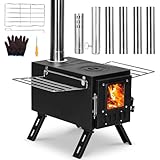
Overview: The YRenZ Upgraded Portable Wood Stove delivers robust performance for serious campers seeking reliable heating and cooking solutions. Constructed from heavy-duty steel, this compact stove features a spacious firebox that accommodates substantial wood loads for extended burn times. Its high-airtightness design prevents smoke leakage, making it ideal for tent camping scenarios where ventilation control is critical. The unit is engineered for durability, resisting warping under high temperatures while maintaining consistent combustion efficiency.
What Makes It Stand Out: This stove’s exceptional airtightness sets it apart from budget alternatives. The tight-sealing door and strong chimney draft create a virtually smoke-free experience once properly installed. The large-capacity firebox reduces refueling frequency, allowing overnight heating without constant attention. Notably, the manufacturer provides explicit guidance about initial paint curing—a black smoke period during first use—which demonstrates transparency and helps users avoid alarm. The 7x24 customer service commitment adds confidence for first-time stove users.
Value for Money: Positioned in the mid-range category, this stove offers excellent value for car campers and basecamp enthusiasts. The heavy-duty steel construction ensures years of service, outperforming thinner alternatives that warp or degrade. While heavier than titanium models, the durability and larger firebox justify the weight penalty for those who don’t need to backpack. Comparable stoves with similar airtightness typically cost 20-30% more.
Strengths and Weaknesses: Strengths include superior airtightness, durable construction, large firebox capacity, and responsive customer support. The thick steel withstands repeated high-heat cycles without deformation. Weaknesses include significant weight for portable use, mandatory paint curing process that requires outdoor burning, and potential rust if not properly maintained. The steel construction makes it unsuitable for ultralight backpacking but perfect for vehicle-supported adventures.
Bottom Line: The YRenZ stove excels for hunters, ice fishers, and winter campers who prioritize heat output and reliability over portability. Its airtight design and large firebox make it a dependable choice for heating medium to large tents, provided you can manage the weight.
2. Hot Tent Stove, unho Wood Burning Stove, Portable Wood Stove with 6 Stainless Chimney Pipes for Outdoor Heating & Cooking, Ice Fishing, Hunting,Winter Warmth

Overview: The unho Wood Burning Stove offers a versatile heating solution for outdoor enthusiasts across multiple activities. Constructed from premium stainless steel, this portable stove includes six chimney pipes that facilitate proper ventilation and enhanced safety by directing combustion gases outside. Designed for ice fishing, hunting, and backyard gatherings, it generates substantial warmth while maintaining relatively compact portability. The robust design promotes quick fire starting and efficient combustion, making it accessible for users of varying experience levels.
What Makes It Stand Out: This stove’s multi-pipe ventilation system provides exceptional flexibility for various shelter configurations. The stable leg design ensures secure positioning on uneven terrain, while the integrated airflow control optimizes burning efficiency. Its backyard-friendly design transforms outdoor spaces into cozy retreats, extending seasonal use of patios and campsites. The stainless steel construction resists corrosion and withstands harsh weather conditions, making it particularly suitable for ice fishing shelters where moisture is prevalent.
Value for Money: This stove delivers solid mid-range value, offering more chimney pipes than many competitors at a similar price point. The stainless steel durability ensures longevity, making it a cost-effective investment for regular outdoor users. While slightly heavier than some alternatives, the additional pipes and robust construction justify the weight. It competes favorably with stoves costing significantly more, particularly for users needing versatile ventilation options.
Strengths and Weaknesses: Strengths include excellent ventilation flexibility, durable stainless construction, stable base design, and suitability for diverse activities from ice fishing to backyard use. The multiple pipes adapt to various tent sizes and layouts. Weaknesses include notable weight that limits backpacking applications, potential complexity during initial setup, and unclear documentation regarding pipe configuration. The “bit heavier” description understates its true heft for long-distance transport.
Bottom Line: Ideal for basecamp scenarios, ice fishing shacks, and stationary outdoor heating needs. The unho stove prioritizes versatility and durability over ultralight portability, making it perfect for users who drive to their destinations and want reliable, adaptable warmth.
3. REDCAMP Wood Burning Folding Camp Stove Stainless Steel Grid, Portable Collapsible Backpacking Stove Survival Rocket Stove for Hiking Outdoor Tent Camping Picnic BBQ, Samll
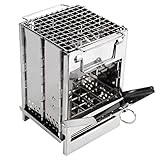
Overview: The REDCAMP Folding Camp Stove redefines ultralight cooking for minimalist backpackers and survivalists. Weighing a mere 1.9 pounds, this stainless steel rocket stove collapses to just 1.5 inches thick, fitting into an included carry bag. Its clever cuboid design with a grid backing plate creates a stable cooking platform for small pots and pans. Designed to burn natural fuels like twigs and leaves, it eliminates the need for carried fuel, making it ideal for extended wilderness trips where resupply is impractical.
What Makes It Stand Out: This stove’s exceptional portability is its defining feature. The fold-flat design is genuinely innovative, transforming from a compact slab to a functional stove in seconds. The stainless steel grid backing plate provides surprising stability for its weight class, while the acceptance of various natural fuels offers true wilderness independence. At under two pounds, it competes with even the lightest canister stoves while providing unlimited fuel access. The manufacturer proactively removes protective film based on customer feedback, demonstrating responsive product development.
Value for Money: This represents outstanding value for entry-level backpackers and survivalists. Priced significantly below titanium alternatives, it delivers essential functionality at a fraction of the cost. While not suitable for heating shelters, its cooking performance rivals heavier, more expensive options. For hikers prioritizing weight and simplicity over winter heating capability, this is among the best budget choices available.
Strengths and Weaknesses: Strengths include exceptional lightness, compact folding design, natural fuel versatility, and rock-bottom price. The stable platform defies its minimalist appearance. Weaknesses include limited heat output suitable only for cooking—not tent heating, small size restricts pot dimensions, and thin stainless steel may deform under extreme heat over time. It’s not designed for cold-weather survival scenarios.
Bottom Line: Perfect for ultralight backpackers, day hikers, and emergency kits where cooking versatility and minimal weight trump heating capacity. Don’t expect winter tent warmth, but for warm-weather cooking, it’s hard to beat this combination of weight, price, and practicality.
4. OneTigris Tiger Roar Tent Stove, Portable Wood Burning for Winter Camping Hunting and Outdoor Cooking, Pipes Included
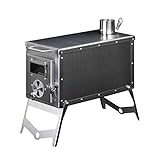
Overview: The OneTigris Tiger Roar represents premium tent stove engineering with its 304 stainless steel construction and German Schott ROBAX heat-resistant glass viewing window. Forged with 3mm thick steel at the top to prevent warping, this stove includes a comprehensive kit of seven chimney pipes, multiple elbow configurations, and essential accessories. Designed for serious winter campers and hunters, it integrates advanced airflow management and spark reduction technology to deliver safe, efficient heating in enclosed spaces.
What Makes It Stand Out: The SCHOTT ROBAX glass-ceramic window is a game-changer, allowing fire monitoring without opening the door and losing heat. The innovative air intake valve splits airflow upward and downward, optimizing combustion while preventing carbon and spark escape. An internal guide flake reduces gas flow rate and sparks, eliminating the need for a separate spark arrestor. The inclusion of four elbow pipes (45° and 90°) provides unmatched installation flexibility, while thoughtful extras like leather gloves, ash scraper, and replacement glass demonstrate comprehensive planning.
Value for Money: While priced at the premium tier, the Tiger Roar justifies its cost through superior materials, safety features, and complete accessory inclusion. Comparable stoves with glass windows and similar pipe kits often cost significantly more. The 304 stainless steel and ROBAX glass ensure longevity, making this a long-term investment for frequent winter campers. The replacement glass alone adds value rarely seen in competitor packages.
Strengths and Weaknesses: Strengths include exceptional build quality, glass viewing window, advanced airflow control, comprehensive accessory package, and superior spark management. The 3mm top plate resists deformation. Weaknesses include premium price point, substantial weight from thick steel and glass, and complex setup requiring careful pipe orientation. The sophisticated features may overwhelm beginners seeking simplicity.
Bottom Line: Best suited for dedicated winter campers, hunting outfitters, and basecamp operators who demand premium performance and safety. The Tiger Roar’s quality and features justify its price for those who prioritize reliability and convenience in harsh conditions.
5. DANCHEL OUTDOOR T6 Ultralight Titanium Wood Stove for Camping Backpacking, 4.4lbs Folding Hot Tent Stove with 7.2ft Chimney Pipe, Easy Setup for 1 Person Winter Survival, Cooking

Overview: The DANCHEL T6 revolutionizes ultralight hot tent camping with its TA1 titanium construction weighing only 4.4 pounds—60% lighter than comparable steel stoves. Designed for solo or duo winter adventurers, this folding stove packs into a laptop-sized carry bag while delivering genuine tent heating capability. The 7.2-foot chimney pipe rolls up compactly, and the 15-liter firebox provides sufficient capacity for overnight heating. Rivet-based assembly eliminates small screws, utilizing titanium’s shape memory for quick setup.
What Makes It Stand Out: This stove achieves an unprecedented balance of weight and functionality. The TA1 titanium offers superior corrosion resistance and higher temperature tolerance than steel while dramatically reducing pack weight. The updated middle pipe position enhances stability, while slidable air intakes with rotary damper provide precise burn control. The spark arrestor and 22-pound capacity top-loading bar for cooking demonstrate thoughtful design. Titanium’s shape memory makes the pipe easier to roll after initial use—a clever material application.
Value for Money: Premium-priced but justified for weight-conscious backpackers. Titanium stoves typically command high prices, and the T6 undercuts many competitors while offering superior features. For those who backpack into winter campsites, the weight savings alone justify the cost. Compared to hauling heavier steel stoves, the T6 pays for itself in reduced fatigue and expanded trip possibilities.
Strengths and Weaknesses: Strengths include exceptional lightness, titanium durability, compact storage, fast assembly, and genuine heating capability for small tents. The shape-memory pipe is innovative. Weaknesses include premium price, smaller firebox limiting burn time, potential learning curve for titanium pipe rolling, and steel fasteners that differ from main titanium body. The 4.4-pound weight, while ultralight for a hot tent stove, still exceeds minimalist cooking-only options.
Bottom Line: The ultimate choice for solo or duo winter backpackers who refuse to compromise on tent heating despite weight constraints. If you hike to your campsite in cold weather, this titanium stove is worth every penny for its revolutionary portability and performance balance.
6. Gas One GS-3400P Propane or Butane Stove Dual Fuel Stove Portable Camping Stove - Patented - with Carrying Case Great for Emergency Preparedness Kit
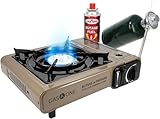
Overview: The Gas One GS-3400P is a versatile dual-fuel portable stove designed for camping and emergency preparedness. This compact unit runs on both butane cartridges and propane cylinders, offering flexibility when fuel sources are scarce. The automatic piezo-electric ignition eliminates the need for matches, while built-in safety mechanisms provide peace of mind during operation.
What Makes It Stand Out: True dual-fuel capability sets this apart from single-fuel competitors. The included propane converter regulator adds value, while the pressure sensor cartridge ejection system automatically disconnects butane canisters if irregular pressure is detected—a rare safety feature in this price range. The carrying case enhances portability for mobile applications.
Value for Money: Priced competitively against single-fuel stoves, the GS-3400P essentially delivers two stoves in one. The addition of professional-grade safety features and ignition system typically found on more expensive models makes it an exceptional value for budget-conscious campers and emergency preppers.
Strengths and Weaknesses: Strengths include versatile fuel options, reliable automatic ignition, robust safety systems, and excellent portability. Weaknesses involve fuel not being included, potential vulnerability to wind requiring additional shielding, and some plastic components that may wear over time. The stove performs best in sheltered conditions.
Bottom Line: This dual-fuel stove is a smart investment for campers seeking flexibility and safety without breaking the bank. Its emergency preparedness credentials are solid, making it equally suitable for kitchen backup during power outages. Highly recommended for both recreational and survival applications.
7. Wood Burning Stove, Portable Tent Stove for Heating,Mini Outdoor Stove,Folding Stove for Cooking, Courtyard, Camping,BBQ,Camp,Touring,Winter,Ice Fishing, Hunting,Include Chimney Pipes(Stainless-304)

Overview: This portable wood-burning tent stove offers a complete heating and cooking solution for winter outdoor adventures. Constructed from 0.8mm stainless steel with a 4mm heat-resistant glass window, it includes a 2.5-meter chimney pipe and spark-proof tube. The folding design collapses to 33.5 x 43.5cm, making it transportable despite its 6kg weight.
What Makes It Stand Out: The secondary burning system reduces wood consumption while maximizing heat output—a feature rarely seen in portable models. The spark-proof tube provides essential safety for tent use, and the protective reinforcement panels prevent warping, extending lifespan significantly. Real-time fire monitoring through the glass window adds convenience.
Value for Money: This stove competes favorably against non-folding alternatives, offering superior portability without sacrificing performance. The comprehensive accessory package (gloves, storage bag, chimney) eliminates hidden costs, while the durable 304 stainless construction ensures years of service, justifying the mid-range price point.
Strengths and Weaknesses: Strengths include excellent portability, complete accessory kit, secondary combustion efficiency, and robust safety features. Weaknesses involve the 6kg weight for backpacking, assembly time in cold conditions, and dependency on dry wood availability. The folding mechanism may develop looseness over extensive use.
Bottom Line: Ideal for hunters, ice fishers, and basecamp winter campers who prioritize portability and safety. While too heavy for ultralight backpacking, its folding design and comprehensive feature set make it a reliable companion for vehicle-supported cold-weather adventures.
8. Wood Burning Stove with Oven - Portable Pellet Stove with Chimney Pipes, 304 Stainless Steel Outdoor Hot Tent Camping Stove for Winter, Hunting, Cooking, Hiking,Compatible with Wood/Pellets

Overview: This premium wood-burning stove distinguishes itself with an integrated oven compartment, transforming campsite cooking possibilities. Compatible with both wood and pellets, the 304 stainless steel construction features a thermometer, large viewing glass, and 2.75-inch chimney pipes with adapters. It enables simultaneous heating, cooking, and baking—functionality typically requiring separate equipment.
What Makes It Stand Out: The oven chamber with thermometer is genuinely unique among portable stoves, allowing users to bake pizza, bread, or roast while maintaining tent warmth. The versatile fuel compatibility and oversized viewing glass enhance usability, while the robust stainless frame ensures durability in harsh conditions.
Value for Money: While commanding a premium price, this stove replaces three pieces of equipment: heater, cooktop, and oven. For basecamp scenarios where culinary versatility matters, the investment pays dividends. Comparable single-function stoves cost nearly as much without the oven capability, making this a value-packed proposition for serious outdoor chefs.
Strengths and Weaknesses: Strengths include unmatched cooking versatility, superior build quality, dual-fuel flexibility, and excellent heat control. Weaknesses involve considerable weight and bulk, complex assembly, and price point exceeding basic models. The oven requires practice to master temperature management.
Bottom Line: A game-changer for extended winter camping, hunting camps, or off-grid living where varied meal preparation is desired. The oven feature justifies the premium for those who refuse to compromise on camp cuisine. Not for ultralight travelers, but perfect for equipped expeditions.
9. Portable Hot Tent Wood Stove, 304 Stainless Steel Camping Tent Stove for Heating & Cooking, Foldable Legs, Spark Arrestor, Glass Window, Winter Camping & Ice Fishing

Overview: Engineered specifically for hot tent applications, this 304 stainless steel wood stove prioritizes airtight operation and safety. The reinforced sealing structure prevents smoke leakage while the built-in spark arrestor contains embers. Foldable legs and detachable chimney enable compact transport, and the large firebox delivers sustained heat output for winter camping and ice fishing shelters.
What Makes It Stand Out: Unlike generic portable stoves, this model’s hot tent-specific design includes enhanced seals and integrated spark arrestor—critical features for safe overnight heating in enclosed spaces. The foldable leg system creates a stable platform while maintaining packability, and the large firebox reduces refueling frequency during cold nights.
Value for Money: Positioned in the mid-to-high range, this stove justifies its cost through specialized hot tent optimization that generic stoves lack. The 304 stainless construction and purpose-built safety features deliver reliability where failure isn’t an option, offering excellent value for serious winter campers compared to retrofitting standard stoves.
Strengths and Weaknesses: Strengths include hot-tent-specific sealing, effective spark arrestor, portable folding design, and efficient large firebox. Weaknesses involve specialized nature limiting versatility, regular maintenance requirements for seals, and learning curve for optimal damper control. Assembly requires careful attention to gasket alignment.
Bottom Line: The ideal choice for dedicated hot tent campers seeking safe, reliable overnight heating. Its specialized design eliminates compromises found in adapted standard stoves. If winter tent camping is your passion, this purpose-built stove is worth every penny for the safety and performance it delivers.
10. POMOLY Camping Hot Tent Cabin Tent, Chalet 70 Pro Portable Wall Tents with Stove Jack and Two Poles for 2-3 Person Hiking, Backpacking (M)

Overview: The POMOLY Chalet 70 Pro is a purpose-built hot tent designed for 2-3 person winter camping with wood stove integration. Constructed from 70D plaid ripstop polyester with a 2500mm waterproof rating, it features a stove jack, dual opposing doors with rain curtains, and 7001 aluminum alloy poles. The 8.2×6.56×4.9ft footprint balances livable space with packable weight.
What Makes It Stand Out: Dedicated stove jack placement and heat-resistant materials differentiate this from standard tents. The double door design with integrated rain curtains provides exceptional ventilation and entry convenience while preventing precipitation intrusion. Eight guy-out points with 7001 aluminum poles deliver impressive stability in harsh weather.
Value for Money: While priced above entry-level tents, the Chalet 70 Pro costs significantly less than four-season mountaineering tents while offering superior winter livability through stove compatibility. The specialized features eliminate risky DIY stove modifications, providing excellent value for winter campers seeking a turnkey hot tent solution.
Strengths and Weaknesses: Strengths include integrated stove jack, excellent weather resistance, dual-door ventilation, and robust stability. Weaknesses involve limited capacity for three adults with gear, requires separate stove purchase, and complex setup compared to summer tents. The polyester material may sag slightly when wet.
Bottom Line: A superb dedicated hot tent for couples or solo winter adventurers. The thoughtful stove integration and weather-resistant design make it a reliable shelter for cold-weather expeditions. Pair it with a compatible stove for the ultimate winter camping system. Highly recommended for those ready to embrace hot tent camping.
Understanding Winter Camping Stove Requirements
Why Cold Weather Changes Everything
When mercury drops below freezing, the physics of stove operation changes dramatically. Standard canister stoves that perform flawlessly in mild weather can become frustratingly unreliable as fuel pressure plummets. The cold affects fuel vaporization rates, metal contraction, and even the chemical composition of certain fuel types. Winter camping demands equipment specifically engineered to overcome these challenges, with features like preheating tubes, robust pressure regulation, and designs that maintain consistent heat output regardless of ambient temperature.
The Science of Heat Output in Freezing Temperatures
BTU ratings on paper tell only part of the story. In winter, actual delivered heat becomes the metric that matters. Cold air is denser, meaning stoves must work harder to maintain combustion efficiency. Snow and ice act as heat sinks, drawing thermal energy away from your pot. A stove that boils a liter of water in three minutes at 70°F might take twice as long at 10°F, consuming significantly more fuel in the process. Understanding this performance gap helps you pack adequate fuel reserves and set realistic expectations for meal preparation times.
Altitude Considerations for Winter Stove Performance
Winter camping often overlaps with high-altitude adventures, creating a double challenge for stove performance. Thin air at elevation reduces oxygen availability for combustion while simultaneously lowering boiling points. Your stove needs to compensate for both factors simultaneously. Liquid fuel stoves generally excel in these conditions because they allow manual pressure adjustment and aren’t dependent on ambient temperature to maintain fuel vaporization like canister systems.
Types of Stoves for Winter Adventures
Liquid Fuel Stoves: The Winter Workhorse
Liquid fuel stoves represent the gold standard for serious winter camping. These systems run on white gas (naphtha) and feature a separate fuel bottle with a pump mechanism that lets you generate pressure manually. This independence from ambient temperature means they perform consistently whether it’s 30°F or -30°F. The ability to service them in the field and their exceptional cold-weather reliability make them the top choice for extended expeditions and emergency situations where failure isn’t an option.
Canister Stoves: Modern Convenience with Cold Weather Caveats
Canister stoves offer undeniable appeal—screw on a fuel canister, ignite, and cook. But this convenience comes with serious winter limitations. Standard butane-propane mixtures stop vaporizing effectively around 20°F, leaving you with a full but useless canister. Inverted canister designs improve performance by feeding liquid fuel to a preheating tube, extending usability down to 0°F or slightly below. However, they still can’t match the raw power and reliability of liquid fuel systems for extreme cold.
Alternative Fuel Options for Extreme Conditions
Multi-fuel stoves that can burn kerosene, diesel, or even unleaded gasoline provide ultimate versatility for international travel or situations where white gas isn’t available. While these fuels burn dirtier and require more maintenance, they offer crucial flexibility. Alcohol stoves, popular among ultralight backpackers, become nearly useless in true winter conditions due to their low heat output and difficulty igniting in cold weather. Wood-burning stoves might seem appealing but gathering fuel in snow-covered terrain presents its own challenges.
Integrated Stove Systems: All-in-One Solutions
Integrated systems combine stove, pot, and heat exchanger into a single unit, maximizing efficiency and minimizing heat loss. While originally designed for three-season use, some models now incorporate cold-weather features like pressure regulators and windproof designs. These systems excel at boiling water quickly—a primary winter task—but their specialized nature means you can’t easily swap pots or adapt to different cooking styles. For snow-melting duties, their efficiency gains can offset some cold-weather performance penalties.
Critical Features to Evaluate
BTU Output and Boil Time Realities
Marketing materials love to highlight maximum BTU ratings, but sustained output matters more than peak numbers. A stove that claims 10,000 BTUs but can’t maintain it for more than two minutes is less useful than a 7,000 BTU stove that runs steadily for 20 minutes. For winter camping, look for stoves that deliver consistent heat across the entire cooking process. Snow melting requires prolonged, steady heat rather than rapid boiling bursts, making sustained performance the key specification to evaluate.
Fuel Efficiency in Sub-Zero Temperatures
Fuel consumption increases dramatically in winter—sometimes by 50% or more compared to summer use. Every degree of temperature loss requires more energy to heat water and cook food. Efficient stoves with built-in windscreens and heat exchangers stretch your fuel reserves further. Consider stoves that allow precise flame control, as you’ll often need to simmer meals or maintain just enough heat to keep melted water from refreezing without burning precious fuel.
Ignition Systems That Work When It’s Cold
Piezo igniters, convenient in mild weather, often fail in freezing conditions as moisture freezes in the mechanism. The most reliable winter stoves feature manual ignition using a firesteel or lighter, or they position the igniter where it stays warm during operation. Always carry multiple ignition sources—firesteel, waterproof matches, and a butane lighter kept in an inside pocket. Your stove’s ignition system should be considered a backup, not your primary fire-starting method.
Stability on Snow and Ice
Four-season stoves feature wide, stable bases that prevent tipping on uneven snow surfaces. Some designs include removable legs or support arms that accommodate larger pots for melting snow. Consider how the stove performs when loaded with a heavy pot containing several liters of water—this is your typical winter cooking scenario. A top-heavy design that works for a single cup of coffee becomes a spill hazard when you’re melting enough snow for the day’s water supply.
Wind Resistance and Heat Retention
Winter winds cut through standard windscreens and steal heat faster than you can produce it. Look for stoves with integrated wind protection or the ability to use robust aftermarket screens. Some designs feature built-in heat exchangers that capture and direct thermal energy upward into your pot rather than letting it dissipate sideways. Remember that enclosed windscreens with canister stoves can be dangerous, creating overheating hazards—balance protection with safety.
Fuel Types Deep Dive
White Gas: The Cold Weather Champion
White gas remains the premier winter camping fuel because it burns hot, clean, and doesn’t require canister pressure to vaporize. You can prime these stoves easily, and they work reliably at any temperature you’re likely to encounter. The fuel also lasts indefinitely when stored properly, making it ideal for emergency kits. The main drawbacks are the need to pump the fuel bottle manually and the requirement to prime the stove before ignition—a small price for guaranteed performance.
Propane/Butane Canisters: Understanding Limitations
Standard canister fuels contain a blend of butane and propane, with butane’s boiling point at 31°F. Once temperatures drop below this, butane stops vaporizing, leaving only the propane portion usable. This effectively reduces your fuel capacity and pressure. Inverted canister designs help by feeding liquid fuel to a preheating tube, but performance still degrades significantly below 0°F. Canisters also lose pressure as they empty, creating inconsistent performance throughout their lifespan.
Multi-Fuel Versatility for Extended Trips
For expedition-length trips or travel to regions where white gas is unavailable, multi-fuel stoves offer crucial flexibility. These systems can burn everything from kerosene to unleaded gasoline, though each fuel type requires different jet sizes and maintenance routines. Diesel and kerosene produce more soot, requiring more frequent cleaning, but their availability in remote areas makes them invaluable. The learning curve is steeper, but the adaptability is unmatched.
Fuel Storage and Transport in Winter
Fuel bottles must be insulated from extreme cold to maintain pressure and prevent condensation issues. Store canisters inside your sleeping bag at night to keep them warm enough to function in the morning. Always carry more fuel than you think you need—winter camping demands conservative planning. Liquid fuel bottles should be filled only 80% full to allow for expansion, and all fuel containers must be kept away from potential ignition sources inside your pack.
Cold Weather Performance Factors
Preheating Techniques for Reliable Ignition
Liquid fuel stoves require priming—preheating the fuel line and burner to vaporize fuel before ignition. In extreme cold, this process becomes even more critical. Experienced winter campers develop reliable priming routines, often using a small amount of fuel in the priming cup or using a firesteel to generate immediate heat. Some stoves feature built-in preheating tubes that use the flame itself to warm incoming fuel, creating a self-sustaining cycle once started.
Pressure Regulation in Freezing Conditions
Consistent fuel pressure separates functional winter stoves from frustrating ones. Manual pump systems let you increase pressure as fuel levels drop or temperatures plummet. Some advanced canister stoves now incorporate pressure regulators that maintain consistent output as the canister empties or cools. This technology significantly improves cold-weather performance, though it can’t overcome the fundamental physics of fuel vaporization at extreme temperatures.
Melting Snow: Your Primary Water Source
In winter, melting snow becomes your main water source, and this task defines your stove’s true value. Melting snow requires sustained, moderate heat—too hot and you’ll scorch the snow, creating an ice layer that insulates the remaining snow from heat; too cool and the process takes forever. The ideal stove provides precise flame control and stable support for large pots. Plan on melting 6-8 liters of snow per person per day for drinking and cooking, making efficiency and reliability non-negotiable.
Safety Considerations
Carbon Monoxide Risks in Enclosed Spaces
The temptation to cook inside a tent during brutal weather is strong, but so are the risks. All combustion produces carbon monoxide, and winter shelters often have reduced ventilation. If you must cook inside due to extreme conditions, ensure maximum ventilation, never leave the stove unattended, and consider using a carbon monoxide detector. Better yet, create a sheltered cooking area outside your tent using a tarp setup that blocks wind while allowing fresh air circulation.
Handling Fuel in Extreme Cold
Cold makes plastics brittle and metal more prone to cracking. Handle fuel bottles and canisters gently, especially when temperatures drop below 0°F. Fuel spills are more dangerous in winter as flammable liquids can soak into insulating layers without you noticing. Always fill stoves and fuel bottles away from ignition sources, and be aware that fuel vapors are heavier than air and can pool in low spots inside your shelter.
Stove Placement on Snow and Ice
Never place a stove directly on snow—it will melt unevenly, creating an unstable platform and potentially drowning your stove. Instead, use a stove base, piece of closed-cell foam, or even a folded sit pad underneath. For liquid fuel stoves, ensure the fuel bottle remains upright and stable. In windy conditions, build a snow wall around your cooking area or use your pack as a windbreak, keeping it at a safe distance from flames.
Practical Setup Strategies
Creating a Stable Cooking Platform
Beyond just keeping your stove out of the snow, consider your entire cooking environment. Pack down a firm platform with your boots or snowshoes before setting up. Some campers carry a small piece of plywood or use their snow shovel as a base. For multi-day basecamps, excavate a kitchen area with benches and counters made from snow blocks. This not only creates a stable workspace but also provides natural wind protection.
Windscreen Usage and Precautions
Effective windscreens can improve fuel efficiency by up to 50% in winter conditions. For liquid fuel stoves, wrap-around screens that enclose both stove and fuel bottle (while leaving ventilation) work excellently. With canister stoves, never fully enclose the canister—instead, use a partial screen that protects the flame while leaving the canister exposed to ambient air to prevent dangerous heat buildup. Some campers create snow walls that serve as natural, safe wind protection.
Cold Weather Maintenance in the Field
Winter conditions demand more frequent stove maintenance. Carry spare O-rings, jet cleaning tools, and lubricant specifically designed for cold weather. Liquid fuel stoves should be pumped and burned dry at the end of each day to prevent fuel line clogging from residue. Keep cleaning supplies warm inside your sleeping bag so they’re ready for use. A well-maintained stove is a reliable stove, and in winter, reliability equals safety.
Budget and Value Considerations
Understanding Price vs. Performance
Winter-worthy stoves range from budget-friendly to expedition-grade expensive. While it’s tempting to save money, remember that your stove is life-support equipment in winter conditions. Mid-range liquid fuel stoves often provide the best balance of reliability, performance, and value. They include essential cold-weather features without the premium price of ultralight or expedition models. Consider the total cost including fuel bottles, maintenance kits, and windscreens when comparing options.
Long-Term Investment in Winter Gear
A quality winter stove should last decades with proper care. Cheaper alternatives might save money initially but often lack field-serviceable parts and cold-weather reliability. When evaluating cost, factor in the stove’s lifespan, availability of replacement parts, and versatility across different trip types. A stove that works for winter car camping but can be stripped down for spring backpacking offers better value than a single-purpose unit, even at a higher initial price.
Frequently Asked Questions
What’s the lowest temperature a canister stove can realistically handle?
Standard upright canister stoves become unreliable below 20°F as butane stops vaporizing. Inverted canister designs with preheating tubes can function down to 0°F or slightly below, but performance degrades significantly. For consistent sub-freezing performance, liquid fuel stoves are the reliable choice, working effectively at -40°F and below with proper technique.
How much fuel should I pack for a winter overnight trip?
Plan on using 1.5 to 2 times your normal summer fuel consumption. For liquid fuel stoves, budget 8-12 ounces of white gas per person per day for snow melting and cooking. Canister users should carry multiple canisters, keeping one warm for morning use while others stay packed. Always add a 25% safety margin for unexpected conditions or emergencies.
Can I use my summer backpacking stove for winter camping?
Most ultralight summer stoves lack the stability, heat output, and cold-weather reliability needed for winter use. While you might manage in mild winter conditions (just below freezing), they’re inadequate for true winter camping where snow melting is required. The small pot supports, minimal wind resistance, and fuel type limitations make them risky choices for serious cold.
Why does my stove take forever to boil water in winter?
Cold water starting temperature, heat loss to the environment, and reduced fuel efficiency all contribute. Snow melted water starts near freezing rather than the 50-60°F of summer sources. Wind steals heat faster than your stove can produce it, and fuel doesn’t burn as efficiently in cold air. Using a windscreen, insulating your pot, and keeping fuel warm can significantly improve boil times.
Is it safe to sleep with my fuel canister in my sleeping bag?
Keeping canisters warm is necessary for morning use, but requires caution. Place the canister in a sealed plastic bag to prevent fuel odors from contaminating your sleeping bag insulation. Ensure the valve is completely closed and the canister has no leaks. Never sleep with a canister you’re actively using, and always check for damage before bringing it into your shelter.
What’s the best way to prime a liquid fuel stove in extreme cold?
In temperatures below 0°F, prime longer than usual—30-45 seconds instead of 15-20. Use a firesteel for immediate ignition rather than waiting for the priming fuel to evaporate and create a combustible mixture. Some campers pre-warm their fuel bottle by keeping it in their jacket for 10 minutes before use. Always prime on a stable surface away from snow that could melt and extinguish your priming flame.
How do I prevent my stove from sinking into the snow?
Use a dedicated stove base, a square of closed-cell foam, or even a folded backpack frame sheet underneath. For extended cooking sessions, create a platform from packed snow or use your snow shovel as a base. Some campers carry a small piece of plywood for basecamp setups. The key is distributing the stove’s weight over a larger area to prevent localized melting.
Can I cook inside my tent in an emergency?
Only as an absolute last resort and with extreme caution. Use the tent’s vestibule area if available, keeping the stove near the entrance for ventilation. Never cook in a fully enclosed tent. Keep a carbon monoxide detector active, maintain maximum ventilation, and never leave the stove unattended. The risk of fire and carbon monoxide poisoning is significantly higher than the inconvenience of cooking outside.
What’s the difference between a pressure regulator and a manual pump?
Manual pumps (on liquid fuel stoves) let you physically increase fuel bottle pressure as needed, giving you complete control. Pressure regulators (on some canister stoves) automatically maintain consistent pressure as the canister empties or cools, but can’t increase pressure beyond what the canister naturally provides. Manual pumps offer better cold-weather performance; regulators improve consistency in milder cold.
How often should I maintain my winter stove?
Clean and inspect your stove after every winter trip, paying special attention to fuel lines, jets, and O-rings. During extended trips, perform quick maintenance every 2-3 days of use. Carry spare parts and cleaning tools. At season’s end, perform a complete overhaul: disassemble, clean thoroughly, replace worn parts, and lubricate according to manufacturer specifications. Proper maintenance ensures decade-long reliability.
Related Buying Guides
- The Complete Guide to the 10 Best Camping Stoves for Winter Camping
- We Tested 50 Portable Camping Stoves - Here are the 10 Best for Winter Camping
- We Tested 50 Portable Camping Stoves - Here are the 10 Best for Winter Use
- The 10 Best Dual Fuel Stoves Every Winter Camper Needs This Year
- 10 Best Value Thermal Base Layers for Winter Camping in 2026