Table of Contents
Solo camping in 2026 is all about finding that sweet spot between traveling light and maintaining the comforts that make wilderness adventures truly enjoyable. Your camping stove sits at the heart of this equation—it’s the difference between a mediocre dehydrated meal and a hot, satisfying dinner that refuels your body after a long day on the trail. For solo campers, this piece of gear becomes even more critical because every ounce matters, yet you still need reliable performance when you’re miles from civilization with only yourself to depend on.
The landscape of portable cooking technology has evolved dramatically, with innovations in fuel efficiency, materials, and compact design transforming what a solo camper can expect from their stove. Whether you’re a minimalist backpacker counting every gram or a car-camping soloist who enjoys gourmet meals under the stars, understanding what separates a mediocre stove from an exceptional one will save you money, frustration, and potential hunger in the backcountry. This guide walks you through everything you need to know to make an informed decision without getting overwhelmed by technical jargon.
Top 10 Camping Stoves for Solo Campers
Detailed Product Reviews
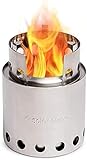
1. Solo Stove Lite - Portable Camping Hiking and Survival Stove | Powerful Efficient Wood Burning and Low Smoke | Gassification Rocket Stove for Quick Boil | Compact 4.2 Inches and Lightweight 9 Ounces
Overview:
The Solo Stove Lite is an award-winning ultralight wood-burning stove engineered for solo backpackers and survivalists. Weighing just 9 ounces and packing down to 4.25 inches, this stainless steel rocket stove uses twigs and leaves as fuel, eliminating canister waste. Its patented double-wall design creates a clean gasification burn that boils 34 fl oz of water in 8-10 minutes while producing minimal smoke.
What Makes It Stand Out:
The Lite’s signature gasification technology draws air through the bottom to create a secondary combustion, burning fuel completely with almost no smoke. The stove nests perfectly inside the Solo Stove Pot 900 (sold separately), creating a space-saving system that disappears in your pack. The “fuel is free” philosophy means endless resupply in the backcountry without carrying heavy canisters.
Value for Money:
For serious backpackers, the Lite pays for itself by eliminating recurring fuel costs. While comparable canister stoves cost less upfront, they require endless expensive fuel purchases. The premium stainless steel construction ensures years of service, making it a smart long-term investment for frequent adventurers.
Strengths and Weaknesses:
Pros include exceptional packability, ultralight weight, eco-friendly operation, and no fuel logistics. Cons are slower boil times versus gas stoves, dependence on dry fuel availability, and the separate pot purchase required for nesting. The small capacity limits it to solo use.
Bottom Line:
The Solo Stove Lite is the gold standard for ultralight wood-burning stoves. Ideal for solo hikers prioritizing weight savings and sustainability, though those needing quick boils or cooking in wet conditions should consider alternatives.
2. Solo Stove Titan Camping Stove Portable Stove for Backpacking and Outdoor Cooking Great Stainless Steel Camping Backpacking Stove Compact Wood Stove Design-No Batteries or Liquid Fuel Canisters Needed

Overview:
The Solo Stove Titan scales up the brand’s signature gasification technology for pairs and small groups. At 16.5 ounces, this portable wood stove boils 34 fl oz of water in just 4-6 minutes—nearly twice as fast as the Lite. The 5.1-inch diameter accommodates larger cookware while still nesting inside the Solo Stove Pot 1800 (sold separately) for efficient packing.
What Makes It Stand Out:
The Titan maintains the same smoke-reducing double-wall combustion as its smaller sibling but adds serious cooking power for two people. The optimized air ventilation system creates a hotter, more efficient flame that handles larger meal prep without sacrificing portability. Like all Solo Stoves, it runs on free twigs and branches found on-site.
Value for Money:
The Titan bridges the gap between ultralight solo stoves and bulky group cook systems. While pricier than basic canister stoves, it eliminates fuel costs forever. For couples who camp frequently, the investment quickly pays dividends compared to disposable propane canisters, and the durable stainless steel construction withstands years of use.
Strengths and Weaknesses:
Pros include faster boil times, suitable capacity for two people, reliable wood-burning efficiency, and compact nesting design. Cons are increased weight over the Lite, still requires separate pot purchase, and depends on dry fuel sourcing. Not ideal for above-treeline travel where wood is scarce.
Bottom Line:
The Titan hits the sweet spot for backpacking duos wanting wood-burning convenience without the Lite’s limitations. Perfect for pairs prioritizing fuel independence and cooking performance over absolute minimal weight.
3. ODSD 2 Burner Camping Stove with Windshield, 20000 BTU Propane Camp Stove, Portable Folding Gas Stove, Camping Essentials Gear Includes Frying Pan, Coffee Stand & Carry Bag, Green

Overview:
The ODSD 2 Burner Camping Stove delivers car-camping convenience in a surprisingly compact package. This propane-powered stove cranks out 20,000 BTUs across two independently adjustable burners, handling everything from morning coffee to evening stir-fries. The integrated wind shield and magnetic closure system set it apart from traditional camp stoves, while the included frying pan and coffee stand add exceptional value.
What Makes It Stand Out:
The innovative magnetic closure creates a secure, tool-free setup that traditional latch systems can’t match. The windproof design maintains stable flames in challenging conditions while protecting users from oil splatter. Despite its power, it folds to just 10.63 × 9.06 × 5.12 inches and weighs under 4 pounds—remarkably portable for a dual-burner system.
Value for Money:
This stove punches above its weight class with included accessories that competitors sell separately. The 304 stainless steel construction ensures durability while the complete package eliminates additional purchases. For car campers and tailgaters, it rivals premium brands at a mid-range price point, offering professional-grade features without the premium cost.
Strengths and Weaknesses:
Pros include powerful dual burners, excellent wind protection, magnetic convenience, included accessories, and stable construction. Cons require propane canisters (added cost and waste), not suitable for backpacking due to weight, and lacks the eco-friendly appeal of wood stoves. Performance depends on fuel availability.
Bottom Line:
The ODSD excels for vehicle-based adventures where power and convenience trump ultralight needs. Ideal for families, tailgaters, and basecamp cooking, though backpackers should look elsewhere.
4. Solo Stove Ranger 2.0 with Stand - 15 Inch Smokeless Portable Fire Pit - Lightweight Outdoor Fireplace with Removable Ash Pan, Stainless Steel, Carry Case Included, Ideal for 2-4 People, 16.5 lbs

Overview:
The Solo Stove Ranger 2.0 redefines portable fire pits with its smokeless 360° Airflow technology. Weighing 16.5 pounds, this 15-inch stainless steel fire pit creates a nearly smoke-free bonfire experience perfect for campsites, beaches, and backyards. The included stand elevates the pit for ventilation and surface protection, while the removable ash pan simplifies cleanup.
What Makes It Stand Out:
Unlike traditional fire pits that chokingly billow smoke, the Ranger’s innovative design burns off smoke before it escapes, creating a clean, enjoyable fire. The premium 304 stainless steel construction withstands intense heat and weather, while the included carry case enables true portability. The system adapts from cooking meals to providing ambient warmth for 2-4 people.
Value for Money:
As a premium fire pit, the Ranger commands a higher price than basic models, but delivers a unique smokeless experience that backyard enthusiasts and frequent campers will immediately appreciate. The durable construction and included accessories (stand, ash pan, carry case) justify the investment over cheaper, smoke-heavy alternatives that require constant position shifting.
Strengths and Weaknesses:
Pros include genuinely smokeless operation, premium build quality, easy cleanup, portable design for a fire pit, and versatile functionality. Cons are substantial weight for wilderness travel, overkill for simple water boiling, and premium pricing. Requires wood fuel and proper ventilation.
Bottom Line:
The Ranger 2.0 is a game-changer for social outdoor gatherings where smoke ruins the experience. Perfect for car camping and backyard use, but impractical for backpacking. Those wanting ambiance without the smoke will find it worth every penny.
5. Solo Stove Campfire 2 Pot Set Combo - 4+ Person Wood Burning Camping Stove | Outdoor Kitchen Kit for Backpacking Camping Survival | NO Batteries or Liquid Fuel Gas Canister Required

Overview:
The Solo Stove Campfire 2 Pot Set Combo is a complete wood-burning kitchen system for groups of four or more. This acclaimed stove (recommended by Backpacker Magazine) uses the same patented gasification technology to boil water in 2-4 minutes while producing minimal smoke. The combo includes the Campfire stove, two nesting pots, and stuff sacks—everything needed for backcountry cooking.
What Makes It Stand Out:
This is Solo Stove’s most powerful portable stove, generating enough heat for group meals while maintaining the brand’s signature efficiency. The included 2 Pot Set provides graduated cookware that nests perfectly with the stove, creating an integrated system. Running on twigs and natural debris eliminates fuel logistics for larger parties and emergency preparedness scenarios.
Value for Money:
As a complete cooking system, the combo offers significant savings over purchasing stove and pots separately. For group campers, the elimination of fuel costs for multiple people creates immediate value. The robust stainless steel construction and included accessories make it a cost-effective alternative to multiple canister stoves or bulkier liquid fuel systems.
Strengths and Weaknesses:
Pros include fastest boil time in the Solo Stove line, complete pot set included, group-sized capacity, fuel independence, and trusted design. Cons are increased size and weight for backpacking, overcapacity for solo use, and reliance on available dry fuel. Not ideal for ultralight purists.
Bottom Line:
The Campfire 2 Pot Set Combo is the ultimate solution for group wilderness cooking and emergency kits. While too bulky for solo ultralight trips, it’s perfect for family camping, scout groups, and survivalists wanting a complete, fuel-free system.
6. Coleman Classic 1-Burner Butane Stove, Portable Camping Cooktop with Carry Case & InstaStart Ignition, Adjustable Burner with 7650 BTUs of Power for Camping, Grilling, Tailgating, & More
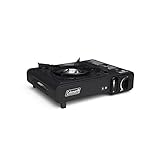
Overview: The Coleman Classic 1-Burner Butane Stove delivers reliable performance in a compact package. This portable cooktop generates 7,650 BTUs of cooking power through its single adjustable burner, making it suitable for camping, tailgating, and roadside meals. The unit features Coleman’s InstaStart ignition for matchless lighting and comes with a convenient carry case.
What Makes It Stand Out: Coleman’s legendary reputation for durability shines through with this model. The InstaStart ignition system eliminates the need for matches, while the large base provides exceptional stability for stirring and cooking. The porcelain-coated grate removes easily for cleaning, and the rust-proof aluminum burner ensures longevity in outdoor conditions.
Value for Money: Positioned in the mid-range price bracket, this stove justifies its cost through brand reliability and thoughtful design. While you can find cheaper alternatives, Coleman’s proven track record and warranty support add significant value. The included carry case is a practical bonus that competitors often charge extra for.
Strengths and Weaknesses: Strengths include rock-solid stability, trusted brand name, easy maintenance, and dependable ignition. The porcelain coating resists rust and cleans effortlessly. Weaknesses are limited to butane fuel only, which performs poorly in cold weather, and the 7,650 BTU output lags behind some dual-fuel competitors. The single-fuel limitation may restrict versatility for some users.
Bottom Line: The Coleman Classic is an excellent choice for weekend campers and tailgaters who prioritize reliability over maximum power. Its user-friendly design and stable platform make it ideal for cooking simple meals outdoors.
7. Gas One GS-3400P Propane or Butane Stove Dual Fuel Stove Portable Camping Stove - Patented - with Carrying Case Great for Emergency Preparedness Kit
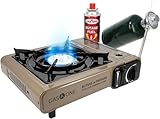
Overview: The Gas One GS-3400P offers exceptional versatility as a dual-fuel portable stove compatible with both 8oz butane cartridges and 16.4oz propane cylinders. This flexibility makes it an outstanding choice for emergency preparedness kits and varied camping scenarios. The package includes a propane converter regulator and carrying case.
What Makes It Stand Out: The dual-fuel capability sets this apart from single-fuel competitors, allowing users to adapt to fuel availability. Its comprehensive safety system includes a pressure sensor cartridge ejection mechanism and gas flow cut-off, providing peace of mind during operation. The automatic piezo-electric ignition ensures reliable starts without matches.
Value for Money: This stove delivers excellent value by essentially providing two stoves in one. The included propane adapter, which often costs $15-20 separately, adds immediate value. For budget-conscious buyers needing maximum flexibility, it’s hard to beat this price point while maintaining safety standards.
Strengths and Weaknesses: Key strengths include unmatched fuel versatility, robust safety features, and automatic ignition. The ability to switch between butane and propane extends its usability across seasons and situations. Weaknesses include Gas One’s lesser brand recognition compared to Coleman, and the BTU rating isn’t prominently specified, suggesting moderate power output. The design is functional but less refined aesthetically.
Bottom Line: Perfect for emergency kits and versatile camping needs, the GS-3400P prioritizes fuel flexibility and safety over raw power. It’s a practical, budget-friendly solution for preparedness-minded outdoor enthusiasts.
8. SHINESTAR Dual Fuel Stove with Butane & Propane Compatibility, Portable Camping Stove for Outdoor Cooking, Propane Adapter Hose and Carrying Case Included, 7800 BTUs Output

Overview: The SHINESTAR Dual Fuel Stove combines high-performance heating with exceptional fuel versatility. Delivering 7,800 BTUs through its efficient aluminum burner, this portable stove works with both 8oz butane canisters and 1lb propane tanks. The included adapter hose and carrying case make it ready for immediate deployment in any outdoor setting.
What Makes It Stand Out: The annular burner design achieves remarkable efficiency, boiling 4 cups of water in just 5 minutes while consuming less fuel than conventional designs. The auto-ignition system is rated for over 10,000 uses, far exceeding typical piezo igniters and ensuring long-term reliability. Comprehensive safety features include cartridge ejection, safety lock, and auto shut-off mechanisms that protect users during operation.
Value for Money: This stove offers strong value with the propane adapter hose included—an accessory often sold separately for $15-20. The 7,800 BTU output competes with premium single-fuel stoves while adding dual-fuel flexibility. For performance-focused users, the efficient burner design translates to measurable fuel savings over time.
Strengths and Weaknesses: Strengths include high heat output, excellent fuel efficiency, dual-fuel capability, and long-lasting ignition. The safety trifecta provides confident operation in various conditions. Weaknesses involve SHINESTAR’s limited brand history in North America, potentially raising long-term support questions. The burner, while powerful, may be overkill for simple reheating tasks.
Bottom Line: A performance-oriented choice for serious campers who value speed and efficiency. The SHINESTAR excels at rapid boiling and cooking while maintaining the flexibility to use either fuel type.
9. Gas One Portable Butane Camping Stove with Case: Automatic Ignition, Precise Heat Control - Camping & Tailgating and Outdoor Cooking

Overview: The Gas One Portable Butane Stove prioritizes safety and quiet operation for discreet outdoor cooking. This CSA-approved single-burner stove delivers 7,650 BTUs and features an automatic piezo-electric ignition system. Designed exclusively for 8oz butane canisters, it includes a carrying case and comprehensive safety mechanisms.
What Makes It Stand Out: CSA certification ensures this stove meets rigorous US and Canadian safety standards, a distinction many competitors lack. The fuel cartridge injection safety feature automatically ejects canisters under irregular pressure, preventing dangerous situations. Its notably quiet operation makes it ideal for campsites where noise matters and for early morning cooking without disturbing others.
Value for Money: While priced similarly to other butane stoves, the CSA approval and enhanced safety features justify the investment for risk-averse buyers. The quiet burner design adds value for those seeking a peaceful outdoor experience. However, single-fuel limitation reduces versatility compared to dual-fuel options at comparable prices.
Strengths and Weaknesses: Major strengths include top-tier safety certification, ultra-quiet operation, reliable automatic ignition, and the safety shut-off system. The build quality feels substantial and trustworthy. Weaknesses are the butane-only fuel restriction and moderate 7,650 BTU output. Cold-weather performance suffers, and fuel costs can add up versus propane.
Bottom Line: Ideal for families and safety-conscious campers who prioritize quiet operation and certified reliability over maximum versatility. It’s a dependable choice for peaceful campsites and emergency home use.
10. Grill Boss Dual Fuel Camp Stove - 12,000 BTU Butane & Propane Portable Stoves for Camping, Emergencies, BBQ, Hiking & Backpacking - Double Wind Guard, Instant Piezo Ignition System - 90057

Overview: The Grill Boss Dual Fuel Camp Stove delivers professional-grade power in a portable package. With an impressive 12,000 BTU output, this stove handles serious cooking tasks from searing to rapid boiling. Compatible with both butane and propane, it includes an adapter and stores in a durable hard-shell case for maximum protection.
What Makes It Stand Out: The 12,000 BTU burner is the most powerful in this category, dramatically reducing cooking times for hungry campers. The double wind guard maintains consistent flame performance in adverse conditions—a feature usually found on larger, more expensive stoves. The hard-shell carrying case offers superior protection during transport compared to soft cases, ensuring longevity.
Value for Money: While commanding a premium price, the Grill Boss justifies cost through exceptional power and wind resistance. For serious outdoor cooks, the time savings and cooking versatility offset the higher investment. Casual campers may find the power excessive for basic reheating tasks.
Strengths and Weaknesses: Strengths include unmatched 12,000 BTU output, effective wind protection, robust safety shutoff, and premium hard-shell case. The dual-fuel design adds versatility across seasons. Weaknesses involve larger size and weight, higher fuel consumption, and premium pricing. The powerful flame may be difficult to simmer gently for delicate cooking.
Bottom Line: Best suited for outdoor enthusiasts who demand restaurant-level heat output and weather resistance. The Grill Boss excels for serious camp cooking, tailgating, and emergency scenarios requiring rapid meal preparation.
Understanding Solo Camping Stove Fundamentals
When you’re cooking for one in the wilderness, your needs differ significantly from group campers. Solo stoves prioritize efficiency, packability, and simplicity without sacrificing the ability to boil water quickly and simmer with control. The right choice becomes your reliable companion, performing consistently whether you’re at a established campground or deep in dispersed territory.
Why Size and Weight Matter More for Solo Adventurers
Every item in a solo camper’s pack must justify its presence through utility versus burden. A stove that weighs a few ounces more might seem insignificant in your living room, but after eight miles of elevation gain, you’ll feel every gram. Solo-specific designs often feature compact nesting abilities, where the stove fits inside your cookpot, effectively disappearing into your pack. Consider not just the stove’s weight but also the fuel type’s weight-to-burn-time ratio and whether you’ll need to carry multiple canisters or bottles for extended trips.
The Solo Cook’s Priorities: Boil Time vs. Simmer Control
Your cooking style should dictate your stove selection. If you’re primarily rehydrating meals and boiling water for coffee, a rapid-boil system with less precise flame control works perfectly. However, if you enjoy actually cooking meals—sautéing fresh vegetables, simmering sauces, or frying fish you caught—prioritize stoves offering excellent flame adjustability. Many solo stoves now feature micro-adjustment valves that let you dial in temperatures from rolling boil to gentle simmer, expanding your backcountry menu possibilities significantly.
Fuel Types and Their Impact on Solo Trips
The fuel your stove uses determines not just performance but also trip planning, cost, and environmental considerations. Each type presents distinct advantages for the solo camper.
Canister Fuel Systems: Convenience and Simplicity
Pressurized canisters containing blended fuels like isobutane and propane dominate the solo camping market for good reason. They screw directly onto the stove, require no priming, and offer instant flame with push-button ignition. The self-sealing nature means you can disconnect and swap canisters easily. For solo campers, the main drawback is the difficulty of determining remaining fuel, often leading to carrying extra canisters as backup. Cold weather performance also decreases as temperatures drop below freezing unless you choose canisters with higher propane content.
Liquid Fuel Stoves: Versatility for Extended Adventures
White gas stoves excel for longer solo expeditions where resupply is uncertain. You can see exactly how much fuel remains, refill from larger containers, and they perform exceptionally well in sub-zero temperatures. The trade-off involves more complex operation—priming is required, they need regular maintenance, and the fuel bottles add weight. For international travel, multi-fuel stoves capable of burning kerosene or even unleaded gasoline provide unmatched flexibility, though with increased complexity.
Alternative Fuel Options for the Minimalist
Alcohol stoves appeal to ultralight solo campers with their simplicity, silence, and DIY potential. They burn denatured alcohol, available worldwide, and have no moving parts to break. However, they heat slowly, struggle in wind, and lack flame control. Solid fuel tablets offer similar simplicity but produce a chemical smell and soot. Wood-burning stoves eliminate carried fuel entirely but require dry tinder and constant tending. These options suit specific camping styles but demand skill and patience.
Critical Performance Features to Evaluate
Beyond fuel type, several technical specifications determine how well a stove will serve you in real-world conditions.
BTU Output and Boil Time Realities
Manufacturers love advertising boil times, but these numbers come from lab conditions. For solo camping, look for stoves delivering 8,000-12,000 BTUs—enough to boil a liter of water in 3-5 minutes under ideal conditions. More important than maximum output is efficiency: how much fuel gets converted into usable heat versus wasted. Stoves with integrated heat exchangers and wind protection can boil water faster while using less fuel, saving weight over multi-day trips.
Wind Resistance and Stability Solutions
Nothing frustrates solo campers more than a stove that won’t stay lit in a breeze. Integrated windscreens that wrap around the burner and pot create a micro-environment where flames stay consistent. Some designs mount the burner close to the pot bottom, reducing wind exposure. For pot stability, look for wide, serrated supports that accommodate various pot diameters—a crucial feature when you’re using a small mug one day and a larger pot the next.
Ignition Systems: Built-in vs. Manual
Piezo igniters offer push-button convenience but can fail when wet or after repeated use. Smart solo campers treat them as backup and always carry a lighter or waterproof matches. Some stoves now feature magnetic or electric ignition systems with better reliability. Consider whether the igniter is replaceable or integrated into the stove—replaceable ones extend the stove’s lifespan significantly.
Design Elements That Enhance Solo Cooking
The subtle design choices separate frustrating stoves from those that feel like natural extensions of your camp kitchen.
Pot Support Versatility and Compactness
Your stove should securely hold everything from a narrow coffee cup to a wider frying pan. Some solo stoves feature fold-out arms that create a stable platform while packing down tiny. Others use a fixed design optimized for specific pot sizes. Think about your cookware collection and whether you prefer dedicated compatibility or universal flexibility. The best solo stoves let you remove pot supports for packing, preventing bent arms and ensuring everything nests perfectly.
Fuel Line and Valve Engineering
For canister-top stoves, the valve design affects both safety and control. High-quality valves provide smooth flame adjustment without sticking or sudden flare-ups. Remote canister stoves connect via a flexible fuel line, allowing you to invert the canister for better cold-weather performance and keeping the stove lower to the ground for stability. The hose material matters—reinforced lines resist kinking and cracking over years of use.
Matching Stove to Your Solo Camping Style
Your typical adventures should drive your stove selection more than any specification sheet.
Ultralight Backpacking Priorities
When base weight is paramount, every component must serve multiple purposes. Stoves weighing under 3 ounces that pack into your pot are ideal. Consider systems where the stove, canister, and igniter all nest together. Fuel efficiency becomes crucial because carrying extra canisters defeats the ultralight purpose. Some ultralight designs sacrifice simmer control for simplicity—acceptable if you’re only boiling water.
Multi-Day Expedition Considerations
For week-long solo trips, reliability and fuel availability trump convenience. Liquid fuel stoves that can be field-maintained and burn multiple fuel types provide security. Look for stoves with self-cleaning needles that clear fuel jets automatically and tool-free maintenance designs. Carrying a small repair kit becomes part of your system, so choose stoves with simple mechanisms you can understand completely.
Front-Country Solo Camping
If you drive to campsites, weight becomes irrelevant. Focus on stoves with excellent simmer control for real cooking, larger pot supports for bigger cookware, and stable bases for uneven picnic tables. Dual-burner setups might seem excessive for one person but allow simultaneous cooking tasks—boiling water while frying, for instance. These stoves often cost less than their ultralight counterparts while offering superior culinary performance.
Environmental and Practical Considerations
Responsible solo camping means minimizing your impact while maximizing safety and enjoyment.
Leave No Trace Cooking Practices
Your stove choice affects your environmental footprint. Canister stoves produce no ground scarring, while wood stoves require careful fire management. Always use a stove on durable surfaces and never on vegetation. Some national parks now require stoves with shut-off valves, eliminating alcohol stoves in certain areas. Consider stoves with efficient combustion that produces minimal soot—keeping your cookware clean means less water needed for washing.
Cold Weather Performance Factors
Solo winter camping demands reliable stove performance. Canisters cool as fuel vaporizes, reducing pressure and flame output. Stoves that allow canister inversion or use remote canister designs perform better in freezing conditions. Liquid fuel stoves excel here but require careful priming technique. Some stoves feature integrated pressure regulators that maintain consistent output as the canister empties or temperatures drop—worthwhile for cold-weather soloists.
Maintenance and Longevity Strategies
A quality stove should last decades with proper care, making it a true investment in your solo adventures.
Cleaning and Storage Best Practices
After each trip, wipe down your stove to remove food residue and environmental grime. For liquid fuel stoves, burn off remaining fuel in the line before storage to prevent varnish buildup. Store canisters separately from the stove in a cool, dry place. Disassemble stoves with removable burners annually to check for corrosion or wear. A quick wipe with a light machine oil on metal parts prevents rust during off-season storage.
Field Repair Capabilities
Solo campers must be self-sufficient. Learn to clean your stove’s fuel jet with the appropriate tool—many stoves include a cleaning needle integrated into the design. Carry spare O-rings for liquid fuel pumps and know how to replace them. A small roll of Teflon tape can seal minor fuel line leaks. Practice disassembly at home before you need to do it in the field, in cold weather, with numb fingers.
Budget and Value Considerations
Stove prices range from under $20 to over $200, but cost doesn’t always correlate with value for solo campers.
Understanding Price Tiers
Budget stoves under $50 often perform adequately but may use cheaper materials that wear faster or lack wind protection. Mid-range options ($50-$120) typically hit the sweet spot for solo campers—reliable ignition, decent construction, and reasonable weight. Premium stoves justify their cost through exceptional durability, cold-weather performance, or specialized features like integrated cooking systems that replace multiple pieces of gear.
Total Cost of Ownership
Factor in fuel costs over time. Canister fuel costs more per BTU than liquid fuel, but liquid fuel stoves require occasional maintenance parts. Alcohol is cheapest but least efficient. Consider how many trips you’ll take annually—frequent campers save money long-term with refillable liquid fuel systems, while occasional users benefit from the simplicity of canisters without the upfront investment.
Safety Protocols for Solo Stove Operation
Operating a stove alone means no one is there to help if something goes wrong, making safety knowledge non-negotiable.
Fuel Handling and Storage Precautions
Never attach or detach fuel canisters near open flames or sparks. Check canisters for dents or rust before use. Store fuel away from your tent and food area, preferably in a bear canister where required. For liquid fuel, use only approved containers and fill them outdoors with good ventilation. Understand that alcohol fuel is nearly invisible when burning—always use a windscreen to see the flame pattern.
Carbon Monoxide Awareness
Solo campers sometimes cook in shelters during storms, but this carries serious risks. All stoves produce carbon monoxide, which is odorless and deadly. Never use a stove inside a tent, vestibule, or enclosed space. Even under tarps, ensure adequate ventilation. Some stoves burn cleaner than others, producing less CO, but none are safe for indoor use. A small, packable CO detector adds negligible weight but provides peace of mind.
Frequently Asked Questions
How much should I expect to spend on a quality solo camping stove?
Most solo campers find excellent options between $60 and $150. This range provides reliable ignition, decent wind resistance, and durable construction without unnecessary weight. Budget-conscious campers can find functional stoves under $40, but expect plastic components and less precise flame control.
What’s the lightest practical stove option for ultralight backpacking?
Ultralight stoves can weigh as little as 1-3 ounces, not including fuel. However, the complete system weight—including fuel, pot, and windscreen—matters more. A simple canister-top stove often provides the best balance of minimal weight and practical functionality for most solo backpackers.
Can I use my camping stove for winter solo trips?
Yes, but choose wisely. Remote canister stoves with inverted canister capability or liquid fuel stoves perform reliably below freezing. Standard canister-top stoves struggle in cold weather. Always test your stove in cold conditions close to home before depending on it in remote winter environments.
How do I know how much fuel to bring on a solo trip?
Calculate your expected water boils and cooking time, then add a 25% safety margin. Most manufacturers provide boil-per-canister estimates. For a typical 3-day solo trip, a small 100g canister usually suffices if you’re primarily boiling water. Always carry a backup ignition source regardless of fuel amount.
Are integrated stove systems worth the weight for solo campers?
Integrated systems (where stove, pot, and heat exchanger combine) excel at boiling water quickly and efficiently, often saving fuel weight that offsets the system weight. For solo campers who primarily rehydrate meals, these systems make sense. Traditional separate components offer more cooking versatility.
What’s the safest fuel type for beginners?
Canister fuel is safest for beginners—it’s self-contained, requires no priming, and the canister seals automatically when detached. The main safety concern is ensuring connections are tight. Liquid fuel involves more handling and fire risk during priming, while alcohol flames are nearly invisible.
How long do camping stoves typically last?
With proper maintenance, quality stoves last 10-20 years. Canister stoves have fewer moving parts and often outlast their igniters (which are replaceable on good models). Liquid fuel stoves require periodic O-ring and pump maintenance but can be rebuilt indefinitely. Budget stoves with plastic components typically fail sooner.
Can I fly with my camping stove and fuel?
You can fly with stoves in checked luggage after thorough cleaning to remove all fuel residue. TSA may inspect them, so pack them accessibly. All fuels are prohibited in both carry-on and checked baggage—ship canisters to your destination or buy fuel after arriving. Never attempt to sneak fuel past security.
What’s the most fuel-efficient cooking method for solo campers?
Using a windscreen and lid dramatically improves efficiency. For canister stoves, a wide, stable flame pattern that matches your pot size prevents heat loss. Integrated heat exchanger pots can improve fuel efficiency by up to 30%. Avoid cooking in wind without protection, as this wastes enormous amounts of fuel.
Should I choose a stove with a built-in igniter or rely on matches?
Choose a stove with a built-in igniter for convenience, but always carry waterproof matches or a lighter as backup. Piezo igniters can fail when wet or cold, leaving you unable to start your stove. The best practice is using the built-in igniter for daily use while keeping backups in a waterproof container for emergencies.