Table of Contents
When family camping trips call for standing room and elbow space, cabin tents answer with architectural designs that prioritize livability over minimalist pack weight. These vertical-walled shelters transform the traditional camping experience into something closer to glamping, offering enough headroom to change clothes comfortably and enough floor space to accommodate air mattresses, gear, and even portable furniture. As we look toward 2026 camping seasons, manufacturers continue refining the balance between spacious interiors and practical portability, making today’s cabin tents more sophisticated than ever.
The evolution of cabin tent engineering means modern options deliver exceptional comfort without sacrificing the weather protection and durability serious campers demand. Understanding what separates an adequate cabin tent from an exceptional one requires examining dozens of design elements—from pole geometry and fabric technology to ventilation systems and privacy features. This comprehensive guide walks you through every consideration that impacts spacious comfort, ensuring your next outdoor home-away-from-home matches your specific needs perfectly.
Top 10 Cabin Tents
Detailed Product Reviews
1. CORE 9 Person Instant Cabin Tent | Large Multi Room Family Pop Up Tent for 2 Minute Camp Setup | Included Storage Pockets for Camping Accessories

Overview: The CORE 9 Person Instant Cabin Tent revolutionizes family camping with its pre-attached pole system that delivers a full setup in under two minutes. Measuring 14 by 9 feet with a 78-inch center height, this shelter comfortably accommodates two queen air mattresses or up to nine sleeping campers. The cabin-style design maximizes interior space, while integrated storage pockets keep essentials organized and off the ground.
What Makes It Stand Out: The patented instant pop-up technology eliminates the traditional pole assembly frustration, making it ideal for families with young children or frequent site changes. The H20 Block Technology combines 1200mm water-resistant fabric with a fully taped rainfly and sealed seams, providing reliable wet weather protection. Adjustable ground vents and mesh ceiling create superior airflow management, reducing condensation during humid nights.
Value for Money: Priced competitively against traditional dome tents, the CORE justifies its cost through significant time savings and frustration-free setup. Families who camp multiple times per season will recoup the investment in convenience alone. Comparable instant tents often lack the comprehensive weather protection and ventilation system included here.
Strengths and Weaknesses: Strengths include lightning-fast setup, excellent weather resistance, generous headroom, and effective ventilation system. The storage pockets add practical organization. Weaknesses involve its substantial packed size and weight, making it unsuitable for backpacking. The nine-person rating is optimistic; four to six campers with gear is more realistic for comfort.
Bottom Line: Perfect for car camping families prioritizing speed and convenience over ultralight portability. The CORE 9 Person Instant Cabin Tent delivers reliable performance with minimal setup stress, making it an excellent choice for established campgrounds and festival camping where quick pitch matters most.
2. UNP Camping Tent 10-Person-Family Tents, Parties, Music Festival Tent, Big, Easy Up, 5 Large Mesh Windows, Double Layer, 2 Room, Waterproof, Weather Resistant, 18ft x 9ft x78in (Gray)
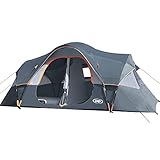
Overview: The UNP 10-Person Family Tent offers expansive shelter for large groups, stretching 18 feet long to create a palatial 162 square feet of floor space. This double-layer cabin tent features a removable divider curtain that transforms the interior into two separate rooms, enhancing privacy for families or groups. The generous 78-inch center height allows most campers to stand comfortably.
What Makes It Stand Out: The massive footprint accommodates three queen air mattresses or ten sleeping bags with room to spare. Five large mesh windows plus a mesh roof deliver exceptional ventilation and stargazing opportunities. The unique projector-ready divider screen converts the tent into an outdoor cinema, adding entertainment value. Two doors eliminate midnight crawl-overs when accessing the tent.
Value for Money: For groups requiring maximum space per dollar, this tent delivers exceptional value. The two-room flexibility essentially provides double the functionality of single-space alternatives. While the PU1000mm waterproof rating is modest compared to premium models, the price point reflects this compromise fairly.
Strengths and Weaknesses: Strengths include enormous interior space, superior ventilation, versatile room configuration, and dual entry points. The easy-up design simplifies pitching despite the tent’s size. Weaknesses include a bulkier packed size (25.6 inches long) and longer setup time (10 minutes) than instant tents. The lower waterproof rating may struggle in heavy, sustained rain.
Bottom Line: Ideal for large families, group camping, or festival-goers needing maximum interior space and privacy. The UNP 10-Person tent excels in fair to moderate weather conditions, offering versatility and comfort that smaller tents simply cannot match.
3. UNP 4-Person Tent, Portable Cabin Tent, Camping Tent 4-Person Easy Set Up, Waterproof with Top Rainfly for Outdoor Camping/Hiking (Gray)

Overview: The UNP 4-Person Portable Cabin Tent delivers straightforward shelter for small families or couples seeking hassle-free camping. Measuring 8 by 7 feet with 72 inches of headroom, the nearly vertical walls create usable interior space that belies its compact footprint. Weighing just 13 pounds, it bridges the gap between car camping convenience and manageable portability.
What Makes It Stand Out: The three-minute setup time requires no special skills, making it accessible for novice campers. The rectangular roof design with four steel leg poles provides surprising stability in windy conditions. The comprehensive mesh package—door, windows, and ceiling—ensures excellent cross-ventilation while keeping insects at bay. The one-year unconditional warranty offers peace of mind rare in this price category.
Value for Money: This tent represents exceptional budget value for occasional campers. It delivers core functionality without premium price tags, making it an ideal starter tent. The warranty protection mitigates risk for first-time buyers unsure about camping frequency.
Strengths and Weaknesses: Strengths include rapid setup, lightweight portability, excellent ventilation, and reliable warranty support. The near-vertical walls maximize interior space efficiency. Weaknesses include modest waterproofing suitable only for light to moderate rain, and the four-person rating is tight for adults with gear—two to three campers is more realistic for comfort.
Bottom Line: A solid entry-level choice for couples or small families who prioritize simplicity and value. The UNP 4-Person Tent performs admirably for fair-weather car camping and established campgrounds, offering reliable protection without complexity or excessive cost.
4. FanttikOutdoor Zeta C6 Pro Camping Tent 6 Person Instant Cabin Tent Setup in 60 Seconds with Rainfly & Windproof Portable with Carry Bag for Family Camping & Hiking, Khaki

Overview: The FanttikOutdoor Zeta C6 Pro elevates instant tent technology with a premium build that pitches in an impressive 60 seconds. The pre-installed pole system creates a 120 by 108-inch interior that comfortably houses six campers or a queen air mattress with living space to spare. At 66 inches tall, it provides adequate standing room while maintaining wind-resistant stability.
What Makes It Stand Out: This tent boasts superior materials including buttery-smooth SBS zippers, durable B3 mesh yarn, and rock-solid carbon structural steel poles with protective sleeves. The power cord entrance enables modern camping conveniences, while interior mesh pockets provide organized storage. The removable canopy and adjustable guy lines deliver enhanced wind resistance uncommon in instant tents.
Value for Money: Positioned at a premium price point, the Zeta C6 Pro justifies its cost through material quality and engineering refinement. The 60-second setup saves valuable time on every trip, while the durable components ensure longevity that budget instant tents cannot match.
Strengths and Weaknesses: Strengths include industry-leading setup speed, high-quality hardware, thoughtful features like power cord access, and robust wind stability. The mesh ceiling and four-side windows offer excellent ventilation. Weaknesses include a lower ceiling height than some competitors and a 16.8-pound weight that limits portability. The premium price may exceed casual campers’ budgets.
Bottom Line: The ideal choice for families seeking the ultimate blend of convenience and quality. The Zeta C6 Pro’s rapid deployment and durable construction make it perfect for frequent campers who value their time and demand reliable performance across multiple seasons.
5. Inflatable Tent with Skylight, Quick Setup Blow Up Tents with Pump, Hot Tent with Stove Jack, Waterproof Oxford Inflatable House for Camping, Air Glamping Tents for Camping Adult 4-6 Person

Overview: This innovative inflatable tent redefines campsite luxury with TPU air beams replacing traditional poles, enabling setup in minutes using the included pump. The 420D Oxford fabric with PU3000mm waterproofing and UPF30+ protection creates a robust four-season shelter. Designed for four to six campers, it features a panoramic PVC skylight for immersive nature viewing and a stove jack for cold-weather warmth.
What Makes It Stand Out: The inflatable structure eliminates pole assembly entirely while delivering surprising stability. The skylight offers stargazing opportunities unmatched by conventional tents, with an optional privacy cover for versatility. The integrated stove jack transforms this into a true hot tent for winter camping. Zippered air beam covers allow quick repairs, addressing durability concerns inherent to inflatable designs.
Value for Money: This premium-priced tent targets serious glampers and four-season adventurers. The investment pays dividends for winter campers who need stove compatibility and for those who value unique experiences like skylight stargazing. Traditional pole tents cannot match its combination of features.
Strengths and Weaknesses: Strengths include revolutionary quick inflation, exceptional waterproofing, four-season versatility, stunning skylight design, and stove jack functionality. The 360° mesh ventilation maintains comfort. Weaknesses include dependence on a functioning pump, potential puncture vulnerabilities despite protective covers, and a packed size likely larger than pole tents. The premium price restricts its appeal.
Bottom Line: Perfect for adventurous campers seeking luxury and four-season capability. This inflatable tent excels for glamping, winter camping, and stargazing enthusiasts willing to invest in innovative design. The unique features justify the price for those who prioritize experience over traditional simplicity.
6. Coleman 4/6/8/10 Person Instant Camping Tent with 1-Minute Setup, Large Family Tent with Pre-Attached Poles, Air Vent, & Carry Bag, Sets Up in About 60 Seconds

Overview:
The Coleman Instant Camping Tent delivers on its promise of rapid deployment, setting up in roughly 60 seconds thanks to pre-attached poles. Designed for families of 4-10 people, this tent combines convenience with Coleman’s trusted outdoor heritage. The 10x9 ft footprint offers practical space for small groups, while the integrated WeatherTec system provides essential protection against unexpected showers.
What Makes It Stand Out:
The one-minute setup is genuinely game-changing for families with impatient children or unpredictable weather. Coleman’s WeatherTec system with welded corners and inverted seams offers superior water protection compared to basic tents. The double-thick Polyguard 2X fabric provides enhanced durability for multi-season use, while the integrated rainfly improves ventilation without requiring separate assembly.
Value for Money:
Priced in the mid-to-high range for instant tents, you’re paying premium for convenience. However, the time savings and brand reliability justify the cost when compared to traditional 15-30 minute setups. For occasional campers, the price may seem steep, but regular adventurers will recoup value through durability and stress-free pitching.
Strengths and Weaknesses:
Strengths: Genuine 60-second setup; proven WeatherTec waterproofing; durable Polyguard fabric; integrated rainfly; trusted brand reputation
Weaknesses: Smaller footprint than claimed capacity suggests; limited headroom for taller campers; instant mechanisms may wear over time; fewer windows than competitors
Bottom Line:
Perfect for families prioritizing speed and weather protection over sprawling space. Ideal for weekend warriors and those who value hassle-free camping without sacrificing quality.
7. KTT Extra Large Tent 12 Person,Family Cabin Tents,2 Rooms,3 Doors and 3 Windows with Mesh,Straight Wall,Waterproof,Double Layer,Big Tent for Outdoor,Picnic,Camping,Family Gathering(Brown)

Overview:
The KTT Extra Large Tent is a manual-setup behemoth designed for experienced campers who prioritize space over speed. Accommodating 10-12 people with dimensions of 14.1x10x6.58 feet, this tent requires hands-on assembly but rewards users with exceptional interior volume and versatility. The straight-wall design maximizes usable space throughout the entire footprint.
What Makes It Stand Out:
This tent’s standout feature is its dual personality—it functions as a spacious two-room shelter or transforms into a sunshade canopy using included poles. The straight-wall architecture creates near-vertical walls, eliminating dead space and allowing four full air mattresses. Three doors and windows with mesh provide excellent ventilation and multiple entry points, while the high-density mesh ceiling offers stargazing opportunities.
Value for Money:
Positioned as a budget-friendly alternative to instant tents, the KTT sacrifices setup speed for size and stability. The manual assembly results in a more robust structure when properly staked, offering better value for seasoned campers who don’t mind 20-30 minute setups. The included repair patches and plastic joints add practical value for field repairs.
Strengths and Weaknesses:
Strengths: Massive interior space; convertible canopy design; excellent ventilation; straight walls maximize space; stable when properly assembled
Weaknesses: Not for beginners; complex manual setup; time-consuming assembly; requires careful staking; vague waterproof rating
Bottom Line:
Best suited for experienced campers, car campers with gear space, and large families who value versatility and interior volume over instant gratification. Avoid if you want quick setup.
8. CAMPROS Tent-8-Person-Camping-Tents, Waterproof Windproof Family Tent, 5 Large Mesh Windows, Double Layer, Divided Curtain for Separated Room, Portable with Carry Bag - Blue

Overview:
The CAMPROS 8-Person Tent strikes a balance between traditional pole assembly and family-friendly features. With a straight-wall design offering 72-inch center height, this tent provides standing room for most adults. The two-room configuration uses a divided curtain for privacy, while five large mesh windows ensure cross-ventilation and scenic views.
What Makes It Stand Out:
The color-coded poles simplify setup for two people, reducing pitching time to approximately 10 minutes. The straight-wall architecture creates a more spacious feel than dome designs, while the mesh top and multiple windows offer panoramic views and superior airflow. The divider doubling as a projector screen is a clever touch for family entertainment during downtime.
Value for Money:
This tent sits in the budget-to-mid-range category, offering solid value for families wanting space without premium instant-tent pricing. While it lacks the rapid setup of instant tents, the 10-minute assembly is reasonable for the cost savings. The waterproof claims are adequate for light to moderate rain, though extreme conditions may test its limits.
Strengths and Weaknesses:
Strengths: Affordable pricing; excellent ventilation; standing height; color-coded poles; versatile room divider; lightweight at 18 lbs
Weaknesses: 10-minute setup requires two people; waterproof rating unspecified; fewer doors than competitors; fabric durability concerns for heavy use
Bottom Line:
An excellent choice for budget-conscious families who prioritize ventilation and interior space over instant setup. Ideal for fair-weather camping and recreational use.
9. CORE 12 Person Instant Cabin Tent | Large 3 Room Family Pop Up Tent for 2 Minute Camp Setup | Included Storage Pockets for Camping Accessories

Overview:
The CORE 12 Person Instant Cabin Tent combines massive capacity with rapid deployment, setting up in under two minutes through pre-attached poles. Measuring 18x10 feet with an 80-inch center height, this tent accommodates up to 12 people or four queen air mattresses. The three-room configuration offers unprecedented privacy for large groups and families.
What Makes It Stand Out:
The two-minute instant setup technology eliminates the traditional camping frustration of complex pole assemblies. H20 Block Technology with 1200mm fabric, fully taped rainfly, and sealed seams provide robust weather protection. The inclusion of two room dividers creates three separate spaces—a feature rare in instant tents. Integrated storage pockets maintain organization for large groups.
Value for Money:
Positioned at the premium end, this tent commands a higher price but delivers exceptional value for large families or group campers. The time savings and weather protection justify the investment compared to assembling multiple smaller tents. For those regularly camping with 8+ people, the convenience and space efficiency offer strong ROI.
Strengths and Weaknesses:
Strengths: Rapid two-minute setup; massive 18x10 footprint; three-room privacy; excellent weather protection; 80-inch headroom; included dividers
Weaknesses: Heavy and bulky when packed; premium pricing; requires large campsite; instant mechanisms potential failure point
Bottom Line:
The ultimate solution for large families or groups seeking instant convenience without sacrificing space or weather protection. Worth every penny for frequent group campers.
10. UNP 6 Person Tent for Camping, Easy Setup Cabin Tent Waterproof Windproof Family Camping Tent 1 Mesh Door & 5 Large Mesh Windows 10’X9’X78in(H)

Overview:
The UNP 6 Person Tent targets entry-level family campers with a straightforward design emphasizing ease of use and ventilation. The 10x9x78-inch dimensions provide adequate space for six sleeping bags or two air mattresses, while the 78-inch center height allows standing. Weighing 18 pounds, it’s manageable for car camping and short hikes.
What Makes It Stand Out:
The five-minute setup time is impressive for a non-instant tent, achievable by one person in 10 minutes. The extensive mesh—one door, five windows, and mesh ceiling—creates exceptional airflow and stargazing opportunities. The 1-year unconditional warranty provides peace of mind uncommon in this price bracket. Four steel leg poles add stability in breezy conditions.
Value for Money:
This budget-friendly tent offers remarkable value for occasional campers. The waterproof coating and windproof design perform adequately for mild conditions, though extreme weather may reveal limitations. The warranty mitigates risk, making it a smart choice for families testing camping interest without major investment.
Strengths and Weaknesses:
Strengths: Budget price; quick setup; outstanding ventilation; 1-year warranty; lightweight; steel poles for stability
Weaknesses: 6-person rating optimistic; waterproofing adequate but not exceptional; less durable than premium brands; limited weatherproofing details
Bottom Line:
Perfect for first-time campers and families seeking an affordable, well-ventilated tent for fair-weather adventures. The warranty makes it a risk-free entry point into family camping.
Understanding Cabin Tent Design Philosophy
The Vertical Wall Advantage
Cabin tents distinguish themselves from dome and tunnel designs through their near-vertical walls, which maximize usable interior space from floor to ceiling. This architectural choice eliminates the sloped walls that force campers to crouch or crawl in traditional tents, instead creating a room-like environment where you can stand, walk, and organize gear along the perimeter. The structural engineering behind these walls typically involves hubbed pole systems or rigid frame architecture that transfers stress downward rather than inward, maintaining that coveted vertical profile even under wind load.
Space Optimization Strategies
Modern cabin tent designers employ sophisticated space-planning techniques borrowed from tiny home architecture. Strategic placement of storage pockets, gear lofts, and hanging loops keeps the floor clear while maintaining accessibility. Some models integrate pre-bent poles that create subtle outward bulges in walls, adding precious inches to floor dimensions without increasing packed size. The most innovative designs treat the interior as modular zones—sleeping areas, living spaces, and vestibule transitions—each optimized for specific activities.
Material Choices for Durability
The expansive surface area of cabin tents demands robust materials that won’t sag or deform over time. High-denier polyester and nylon fabrics provide the necessary tear resistance while maintaining reasonable weight. Look for fabrics rated at minimum 68D for the canopy and 150D+ for floors, with attention to how manufacturers balance durability against packability. The fabric’s hydrostatic head rating—measuring waterproofness—should exceed 1500mm for reliable three-season performance, while premium options push beyond 3000mm for enhanced protection.
Key Features That Define Spacious Comfort
Peak Height and Livability
Peak height measurements can be misleading if you don’t understand how that height distributes throughout the tent. A 7-foot center height sounds impressive, but if walls angle inward sharply, only a small patch beneath the peak offers full standing room. Superior designs maintain at least 6 feet of clear height across 60-70% of the floor area, achieved through advanced pole geometry that pushes walls outward. Consider your tallest camper’s height plus a few inches for comfortable movement when evaluating specifications.
Floor Dimensions and Layout Options
Stated floor dimensions tell only part of the story. A 10x14-foot tent sounds spacious, but interior obstacles like angled corners or integrated vestibules can reduce usable space. Rectangular layouts generally offer more practical living area than square or odd-shaped footprints. Pay attention to how the tent divides space—some models use color-coded floor patterns or subtle seam work to delineate sleeping zones from common areas, helping you visualize furniture placement before purchase.
Multiple Room Configurations
Multi-room cabin tents transform camping into a genuine home base experience with removable dividers that create separate sleeping quarters, living areas, or even dedicated gear rooms. The most functional designs use full-height dividers with zippered doors rather than simple curtains, providing genuine privacy and noise reduction. Consider how many separate spaces you realistically need—families with older children often appreciate three-room layouts, while couples might find a single divider sufficient for creating a changing area.
Window Placement and Ventilation
Strategic window placement dramatically impacts both ventilation and the feeling of spaciousness. Large, low windows capture breezes and create cross-ventilation, while upper windows release hot air without compromising privacy. The best designs offer windows on at least three sides, with mesh panels that can be sealed during storms. Some premium models include adjustable awning windows that remain open during light rain, maintaining airflow when weather turns foul.
Capacity Considerations for 2026
Decoding Manufacturer Ratings
Tent capacity ratings follow no standardized formula, making them more art than science. Manufacturers typically calculate capacity based on how many standard sleeping pads fit shoulder-to-shoulder on the floor, ignoring gear storage, personal space, or comfortable movement. A “6-person” cabin tent might technically sleep six adults, but four occupants will enjoy far more comfortable living conditions. Always subtract 1-2 people from the stated capacity for family camping, or 2-3 people for groups with lots of gear.
Real-World Occupancy vs. Stated Capacity
Practical occupancy depends heavily on trip duration and group dynamics. Weekend warriors can tolerate tighter quarters, but week-long basecamp stays demand generous space allowances. Families with young children need room for portable cribs or play areas, while groups of adults require privacy zones. Consider your typical camping style—car camping near your vehicle allows for more spacious tents since weight isn’t a concern, while walk-in sites might require balancing comfort against portability.
Gear Storage and Living Space Balance
Spacious comfort means nothing if gear clutter consumes the floor. Modern cabin tents address this through integrated vestibules, gear lofts with substantial weight capacity, and wall-mounted storage systems that keep equipment organized and accessible. Some designs incorporate separate “mud rooms” or screened porches that act as transitional spaces for dirty boots and wet jackets. Calculate your gear volume realistically—camping chairs, coolers, and storage totes add up quickly, consuming more space than you might anticipate.
Seasonal Performance Factors
3-Season vs. 4-Season Cabin Tents
Most cabin tents fall into the three-season category, optimized for spring through fall conditions with emphasis on ventilation and moderate weather protection. Four-season cabin tents—rarer but increasingly available—feature stronger frames, reduced mesh panels, and reinforced fabrics to handle snow loads and high winds. For 2026 camping, hybrid designs offer the best of both worlds: removable rainfly panels that expose mesh for summer ventilation, or cover it entirely for winter camping. Consider your geographic location and year-round camping ambitions when choosing between these categories.
Weather Resistance Features
True weather resistance extends beyond waterproof fabrics to include sealed seams, waterproof zippers, and bathtub floors that curve upward to prevent ground water intrusion. The rainfly should extend well beyond the tent body, creating protected ventilation gaps while shedding water away from walls. Look for designs with minimal flat roof areas where water can pool, and consider how the tent handles condensation—some models integrate drip rails or channel systems that direct moisture away from sleeping areas.
Temperature Management
Cabin tents’ spacious interiors create challenges for temperature regulation. Dark-colored rainflies absorb heat, beneficial in cool weather but stifling in summer sun. Light-colored or reflective coatings help maintain cooler interiors during hot days. Ventilation becomes critical—multiple ground vents combined with roof vents create convection currents that exhaust hot air. Some advanced models include adjustable reflective panels that can be positioned to block morning sun or retain evening warmth.
Setup and Stability Features
Frame Architecture Options
Cabin tents employ three primary frame types: traditional pole sleeves, clip systems, and hubbed pole designs. Hubbed systems dominate modern cabin tents for good reason—they simplify setup while creating stronger, more stable structures. Color-coded poles and intuitive connection points reduce assembly time and frustration. Pay attention to pole diameter—thicker poles (11mm+) provide better rigidity for large tents but add weight. The best designs use mixed-diameter poles, placing thicker sections where stress concentrates.
Freestanding vs. Staked Designs
Freestanding cabin tents maintain their shape without stakes, valuable for rocky or sandy campsites where securing stakes proves difficult. However, even freestanding models require staking for wind resistance and to properly tension rainflies. Staked designs often achieve greater interior volume and stability but demand suitable ground conditions. For maximum versatility, look for tents that are technically freestanding but include numerous guy-out points for enhanced stability when conditions warrant.
Wind Resistance Engineering
The vertical walls that make cabin tents spacious also make them vulnerable to wind. Engineers counter this through aerodynamic shaping, reinforced pole junctions, and strategic guy-line placements. Some designs incorporate flexible pole sections that absorb gusts rather than transferring full force to stakes. When evaluating wind ratings, consider the tent’s orientation options—models with doors on multiple sides allow you to position the narrowest profile into prevailing winds.
Comfort-Enhancing Amenities
Integrated Storage Solutions
Beyond simple mesh pockets, premium cabin tents feature sophisticated storage systems. Overhead gear lofts with rigid frames prevent sagging under weight, while wall-mounted organizers include specialized pockets for tablets, headlamps, and water bottles. Some designs incorporate closet-like hanging systems for clothes, and removable storage cubes that can be positioned where needed. Evaluate storage placement relative to sleeping areas—you want essentials within arm’s reach without cluttering relaxation zones.
Electrical Access Ports
Power management becomes increasingly important for modern campers. Well-designed electrical ports feature weather-sealed flaps and internal cord management systems that prevent tripping hazards. The best placements position ports near storage areas or central locations, avoiding sleeping zones where cords create entanglement risks. Some models include multiple ports or integrated USB routing channels. Consider whether the port location works with your typical campsite power source—whether generator, vehicle, or campground pedestal.
Lighting Systems
Integrated lighting transforms evening tent experiences. Reflective guy-lines and interior surfaces maximize headlamp efficiency, while some premium models include built-in LED strips with dimmers and color temperature controls. Hanging points for lanterns should be positioned centrally and over specific zones like cooking or changing areas. Evaluate how lighting integrates with the tent’s power access—battery-powered options offer simplicity, but hardwired systems provide reliability for extended stays.
Material Technology Advances in 2026
Fabric Innovations
2026 cabin tents benefit from fabric technologies previously reserved for premium backpacking gear. Ripstop weaves with reinforced grids prevent small tears from spreading, while fabrics treated with permanent water repellents maintain performance longer than traditional coatings. Some manufacturers now incorporate recycled materials without sacrificing durability, appealing to environmentally conscious campers. The latest fabrics also feature improved UV resistance, preventing the degradation that causes tents to become brittle after seasons of sun exposure.
Waterproofing Technologies
Beyond standard polyurethane coatings, modern tents employ silicone-impregnated fabrics that remain flexible in cold weather and resist abrasion better. Taped seams remain standard, but premium models use welded seams that eliminate needle holes entirely. The hydrostatic head rating continues as the key metric, but breathability matters equally—some fabrics now achieve waterproofness while allowing moisture vapor to escape, reducing interior condensation significantly.
UV Protection and Longevity
Extended exposure to ultraviolet radiation degrades tent fabrics, causing colors to fade and materials to weaken. 2026 models increasingly feature UV inhibitors integrated into the fabric itself rather than surface treatments that wash away. Dark-colored tents benefit most from these advances, maintaining their structural integrity despite absorbing more solar radiation. Consider your typical camping environment—high-altitude and desert locations demand maximum UV protection, while forest camping places less stress on materials.
Ventilation and Climate Control
Mesh Panel Configurations
Strategic mesh placement balances ventilation against weather protection and privacy. Full-mesh ceilings work wonderfully for stargazing but compromise warmth in cool weather. The best designs use adjustable panels—zippered mesh sections that can be covered with fabric when needed. Consider mesh density: no-see-um netting (600+ holes per square inch) blocks tiny insects but restricts airflow more than standard mosquito mesh (200-300 holes per square inch). Placement matters—mesh panels positioned low on walls catch ground breezes, while upper panels exhaust rising warm air.
Ground Vent Systems
Advanced cabin tents incorporate dedicated ground vents separate from doors, allowing airflow even during rain when doors must remain closed. These vents typically feature adjustable covers that can be opened from inside the tent, with mesh barriers preventing insect entry. Some designs position vents near sleeping areas to direct cool air where most needed, while others place them near gear storage to reduce moisture buildup on equipment. Evaluate vent placement relative to your typical sleeping orientation and prevailing wind directions.
Condensation Prevention
Condensation remains the bane of spacious tents, where large interior air volumes hold significant moisture. Premium cabin tents attack this problem through multiple strategies: breathable fabrics, strategic ventilation, and interior drip management systems. Some models include condensation channels that collect moisture and direct it outside rather than allowing droplets to fall on occupants. The rainfly-to-tent-body gap proves critical—minimum 3-inch separation allows air circulation while preventing water transfer during wind-driven rain.
Floor and Ground Preparation
Bathtub Floor Designs
Bathtub floors curve upward at the edges, creating a waterproof basin that prevents ground moisture from seeping in. The height of these curves varies dramatically—3-inch curves suit fair-weather camping, while 6-inch+ curves handle standing water and heavy rain. Pay attention to floor seams; premium models weld or tape floor-to-wall seams, while budget options may leave these vulnerable. Consider how the floor material feels underfoot—thicker floors (150D+) provide better puncture resistance but add weight.
Footprint Compatibility
Custom footprints protect tent floors from abrasion and provide an extra moisture barrier. The best footprints match the tent’s exact dimensions, with webbing loops at corners that align with pole placement. Some footprints include additional grommets for alternative pitching configurations, effectively creating a floor-only shelter for ultralight trips. While adding cost, footprints extend tent life significantly—consider them essential for rocky or abrasive campsites. Generic tarps work in a pinch but often create water pockets that funnel moisture under the tent.
Seam Sealing Importance
Even factory-sealed seams can fail over time, especially at stress points where poles attach. Understanding seam construction helps evaluate longevity—lap-felled seams offer better water resistance than simple overlapping seams. Some manufacturers now use heat-bonded or welded seams that eliminate stitching entirely. Inspect seam quality before purchase, looking for consistent taping without bubbles or gaps. Consider purchasing seam sealer as part of your initial tent investment, allowing you to reinforce high-stress areas before they become problems.
Privacy and Partition Options
Removable Dividers
Quality dividers transform single large spaces into functional multi-room layouts. Look for full-height dividers that zip securely to ceiling and walls, preventing light and noise transfer. The best designs include pockets on both sides of dividers, effectively doubling storage capacity. Some dividers feature partial mesh sections at the top, allowing ventilation between rooms while maintaining privacy. Evaluate divider material—opaque fabrics provide maximum privacy, but lighter colors reflect interior light better, making spaces feel larger.
Door Configurations
Multiple doors prevent midnight disturbances and improve ventilation. Side doors work well for bedroom areas, while front doors serve as main entrances. Consider door size and shape—D-shaped doors are easier to enter with gear than vertical zippers. Some models include secondary screen doors that allow airflow while maintaining bug protection. Door placement relative to interior layout matters—position doors to create natural traffic flows that don’t cross sleeping areas.
Awning and Vestibule Extensions
Awnings and vestibules extend living space beyond the tent body, creating covered areas for cooking, gear storage, or relaxing. The most functional designs include adjustable poles that allow you to modify awning pitch based on sun angle or wind direction. Screened vestibules offer bug-free transition zones between outdoors and interior living space. Consider how these extensions attach—some require separate poles while others use the main tent structure, affecting both setup time and stability.
Portability and Transportation
Packed Size Considerations
Cabin tents’ spacious interiors come at the cost of packed size. Modern compression systems and pole designs help minimize bulk, but you’ll still need significant vehicle space. Measure your vehicle’s cargo area and compare against tent packed dimensions before purchasing. Some models pack into multiple bags—one for tent body, another for poles—allowing you to distribute weight among family members for walk-in sites. Consider how packed shape affects storage in your garage or gear closet between trips.
Weight Distribution
Large cabin tents can exceed 30 pounds, making weight distribution important for transport. Premium models include ergonomic carry bags with padded straps and multiple grab handles. Some designs allow you to separate components—poles, stakes, tent body—into different bags for easier carrying. Evaluate the packed weight relative to your physical capabilities and typical campsite access. Car camping sites allow for heavier tents, while walk-in locations might necessitate compromising on size for portability.
Carry Bag Features
Beyond basic storage, quality carry bags include organizational features that simplify setup. Color-coded pockets for stakes and guylines, clear labeling of components, and expansion zippers for easy repacking all enhance user experience. Some bags transform into gear totes or wash stations at camp, adding utility. Consider bag material—water-resistant coatings protect tent components during transport, while ventilation panels prevent mildew if you must pack damp.
Maintenance and Longevity
Cleaning Protocols
Proper cleaning extends tent life dramatically. Never machine wash cabin tents—the agitation damages waterproof coatings and seam tape. Instead, use mild soap, lukewarm water, and a soft brush, focusing on heavily soiled areas. Rinse thoroughly and air dry completely before storage. For stubborn stains, specialized tent cleaners remove grime without harming waterproofing. Clean your tent after every 2-3 trips, or immediately after exposure to salt water, sand, or tree sap.
Storage Best Practices
Long-term storage determines whether your tent lasts five seasons or fifteen. Always store tents loose, never compressed, in a cool, dry location. Use a large cotton or mesh storage sack rather than the original packed bag. Ensure the tent is completely dry before storage—even slight moisture breeds mildew that destroys fabric integrity. Store poles partially assembled or completely disassembled, never halfway, to prevent creating permanent bends. Keep stakes and guylines separate to prevent abrasion damage.
Repair Kits and Field Maintenance
Comprehensive repair kits turn potential trip-enders into minor inconveniences. Essential items include fabric repair tape, seam sealer, pole splints, and spare pole sections. Learn basic repairs before leaving home—practice patching fabric and splinting poles in your backyard. Some manufacturers offer field repair guides specific to their tent models. Consider adding a small tube of lubricant for zippers, which often fail before fabric does. Store repair kits in waterproof containers within easy reach.
Budget and Value Analysis
Price Tier Expectations
Cabin tent pricing reflects materials, features, and brand reputation. Entry-level options ($150-300) provide basic space but often compromise on fabric durability and weather resistance. Mid-range tents ($300-600) balance cost with performance, offering better materials and thoughtful features. Premium models ($600-1200+) deliver exceptional materials, innovative designs, and comprehensive warranties. Consider cost-per-use—a $800 tent used for 40 nights costs the same per night as a $200 tent used for 10 nights, but delivers superior comfort and longevity.
Warranty Considerations
Tent warranties reveal manufacturer confidence in their products. Look for at least 2-3 year coverage on materials and workmanship, with extended warranties on poles and hardware. Premium brands often offer lifetime warranties against manufacturing defects. Read warranty terms carefully—many exclude normal wear, UV damage, and improper care. Some manufacturers provide repair services or replacement parts at reasonable costs, extending tent life beyond the warranty period.
Long-Term Investment Value
The cheapest tent isn’t always the best value. Factor in replacement costs, comfort level, and versatility when evaluating value. A well-maintained premium cabin tent can serve for a decade or more, while budget options might need replacement every 2-3 seasons. Consider resale value—quality brands retain value if you decide to upgrade. Evaluate whether the tent adapts to evolving needs—models with removable rooms or modular accessories grow with your family or changing camping styles.
Frequently Asked Questions
How do I determine the right cabin tent size for my family?
Calculate based on real-world space needs rather than manufacturer capacity ratings. Plan for 25-30 square feet per person for comfortable car camping, factoring in gear storage and personal space. A family of four should consider 6-person tents minimum, while families with older children or frequent rain might prefer 8-person models. Measure your typical sleeping pads and camping furniture, then create a paper layout to visualize fit before purchasing.
What’s the difference between cabin tents and dome tents for space?
Cabin tents maximize vertical space with near-vertical walls, creating room-like interiors where you can stand and move freely throughout most of the floor area. Dome tents prioritize wind resistance and packability, with sloping walls that reduce usable space significantly. While dome tents often weigh less and handle harsh weather better, cabin tents deliver superior livability for basecamp-style camping where comfort outweighs portability concerns.
Can cabin tents withstand strong winds and heavy rain?
Modern cabin tents handle moderate winds (25-35 mph) when properly staked and guyed-out, but their vertical profile makes them inherently less wind-resistant than low-profile dome tents. Look for models with reinforced pole hubs, multiple guy-out points, and aerodynamic shaping. For heavy rain, focus on hydrostatic head ratings (1500mm+ for reliable performance), full-coverage rainflies, and bathtub floors. Always pitch with the narrow end facing prevailing winds and use all available stake points.
How important is the peak height measurement?
Peak height matters less than maintained height across the floor area. A 7-foot peak means little if walls slope dramatically inward. Evaluate how much of the floor area offers at least 6 feet of clear height—premium designs maintain this across 60-70% of interior space. Consider your tallest camper’s height plus 3-4 inches for comfortable movement. Some tents achieve impressive peak heights but sacrifice stability, so balance height against structural integrity.
Should I buy a footprint for my cabin tent?
Custom footprints represent a worthwhile investment, protecting the tent floor from abrasion and extending its lifespan significantly. They add a second moisture barrier and allow for easier packing when the ground is wet. While adding cost, footprints typically cost 10-15% of the tent price but can double floor longevity. Generic tarps work but often create water pooling issues—custom footprints match tent dimensions exactly and include proper attachment points.
How do I prevent condensation in a large cabin tent?
Maximize ventilation by opening all windows and vents, especially opposing ones to create cross-breeze. Use ground vents even in cool weather, as they exhaust the moist air you exhale during sleep. Avoid cooking inside the tent, which introduces massive moisture. Pitch in areas with natural airflow, not low spots where cold air settles. Consider tents with double-wall construction and rainflies that maintain air gaps. In humid conditions, accept some condensation and focus on directing it away from sleeping areas.
What’s the ideal number of doors for a family cabin tent?
Two doors minimum prevent midnight disturbances when someone needs to exit. Position one door near the main living area for daytime use, and another accessing sleeping zones for nighttime convenience. Three-door designs offer even better traffic flow, especially in multi-room layouts. Consider door size and direction—large D-shaped doors ease entry with gear, while doors with both mesh and solid panels allow ventilation control. Ensure doors don’t open directly into sleeping areas.
How long should a quality cabin tent last?
With proper care, premium cabin tents last 8-12 years of regular use. Mid-range options typically serve 5-7 years before requiring significant repairs. Longevity depends on usage frequency, exposure to UV radiation, storage practices, and weather conditions. Signs of aging include delaminating waterproof coatings, failing seam tape, and brittle fabric. Regular cleaning, proper storage, and prompt repairs dramatically extend lifespan. Budget for eventual zipper replacement, which often fails before fabric does.
Are instant-setup cabin tents as durable as traditional designs?
Instant-setup mechanisms simplify pitching but introduce additional failure points in the form of moving parts and pre-attached poles. Quality instant tents use robust hub systems and reinforced connections that match traditional durability, but budget options may compromise. The convenience factor is undeniable—setup times drop from 20 minutes to under 5. However, repairs become more complex when poles integrate permanently with the tent body. Choose instant setups for frequent short trips; traditional designs offer better long-term serviceability.
What accessories enhance cabin tent comfort?
Essential accessories include a quality footprint, gear loft for overhead storage, and an LED lantern with dimmer function. Add a tent fan for hot weather circulation, and a small carpet or foam tiles for floor comfort. Portable organizers that hang from walls maximize vertical space. For extended stays, consider a pop-up canopy that extends the covered living area. Battery-powered string lights create ambiance, while a compact folding table transforms the interior into a functional living space. Choose accessories that pack small but deliver significant comfort improvements.
Related Buying Guides
- The 10 Ultimate Best Cabin Tents for Spacious Comfort in 2026
- The 10 Most Revolutionary Cabin Tents of 2026
- 10 Premium Cabin Tents for Comfortable Glamping (Worth the Investment)
- 10 Premium Family Tents for Comfort (Worth the Investment)
- How to Solve Wind Resistance Issues with the 10 Best Cabin Tents in 2026