Table of Contents
Stepping into the world of waterfowl hunting doesn’t have to drain your wallet before you even reach the blind. For casual hunters who hit the marsh a handful of times each season, those premium decoy spreads costing hundreds of dollars might seem like a prerequisite for success, but that couldn’t be further from the truth. Modern manufacturing has made it possible to build an effective, realistic decoy setup for under $50 per dozen, proving that smart hunting is about placement and strategy, not just expensive gear.
The key lies in understanding what actually matters when you’re working with a budget. While high-end decoys offer incredible detail and durability for hardcore hunters who spend 60+ days in the field annually, casual hunters can achieve similar results by focusing on the right features, proper deployment, and a bit of fieldcraft knowledge. This guide walks you through everything you need to know about selecting budget-friendly duck decoys that will fool birds without emptying your pockets, ensuring your limited hunting days are productive and enjoyable.
Top 10 Duck Decoys
Detailed Product Reviews
1. Final Approach Last Pass Mallard Floaters, Decoy 12 Pack

Overview: The Final Approach Last Pass Mallard Floaters offer a compact 12-pack solution for waterfowl hunters prioritizing portability. At just 12 inches bill-to-tail, these decoys are significantly smaller than standard models, making them ideal for hunters who trek deep into fields or need to maximize pack space. Sculpted by 17-time World Champion carver Pat Godin, they deliver surprising detail despite their reduced size. The one-piece HDPE construction ensures durability without sacrificing realism.
What Makes It Stand Out: The one-piece HDPE construction eliminates seams and weak points that typically fail first in traditional decoys. This rugged design withstands hard hunting conditions while the compact profile allows you to double your spread numbers without doubling your load. The Godin-designed carvings bring championship-level realism rarely seen in packable decoys. Their smaller size actually works as an advantage when adding numbers to existing spreads without overwhelming your carrying capacity.
Value for Money: This 12-pack typically runs 30-40% less than premium full-sized alternatives, offering exceptional volume for budget-conscious hunters. While smaller size may reduce long-distance visibility, the ability to deploy twice as many decoys for the same weight and cost often creates a more convincing spread up close. For mobile hunters or those building starter spreads, the price-to-quantity ratio is difficult to beat.
Strengths and Weaknesses: Strengths include superior portability, champion-grade carving, bombproof one-piece construction, and excellent packability. The high-density polyethylene withstands impacts and extreme temperatures. Weaknesses are reduced visibility at distance, smaller profile may deter some hunters, and less detail than larger premium models. The compact size may not anchor as securely in heavy current.
Bottom Line: Perfect for mobile hunters and those needing high-volume spreads without the weight penalty. The Last Pass series trades some visibility for unmatched portability and durability, making them an intelligent choice for packed blinds and long hikes.
2. Flambeau Outdoors 8036SUV Storm Front 2 Mallard Decoys, Classic Floaters - 6-Pack

Overview: Flambeau’s Storm Front 2 series represents the intersection of cutting-edge paint technology and master craftsmanship. This 6-pack of 14-inch floaters features carvings from three renowned artists and patented UVision paint that replicates actual waterfowl plumage signatures, creating scientifically-proven realism that live ducks recognize. Each decoy floats in classic Mallard posture with a proprietary keel system designed for versatile motion.
What Makes It Stand Out: The UVision paint technology is the star here—it’s not just visually appealing to humans but accurately reflects ultraviolet light patterns that real ducks see. The proprietary keel offers four tie-off points for versatile rigging in various water conditions, while the mix of active and semi-resting postures creates natural flock dynamics. Master carvers Tom Christie, Dave Van Lanen and Rich Smoker contributed to the design, ensuring anatomical accuracy.
Value for Money: As a premium 6-pack, these cost more per decoy than budget options, but the UVision technology and master carver pedigrees justify the investment. For hunters targeting pressured birds in heavily-hunted areas, this scientific edge can mean the difference between success and empty skies. The durability ensures multiple seasons of use, spreading the initial cost over years of reliable performance.
Strengths and Weaknesses: Strengths include revolutionary UV paint, excellent posture variety, versatile keel design, and master-level carving. The high-definition paint scheme and detailed plumage catch light naturally. Weaknesses are higher price point, only six decoys per pack requiring multiple purchases, and paint can chip with rough handling despite durability claims. The limited hen-to-drake ratio may not suit all hunting strategies.
Bottom Line: For serious hunters pursuing wary, late-season ducks, the Storm Front 2’s UVision technology provides a tangible advantage. The premium price buys proven performance when it matters most.
3. Cifavor Floatable Mallard Duck Decoy - Realistic & Durable Hunting Decor (1 Pack)

Overview: The Cifavor Floatable Mallard Duck Decoy offers a budget-friendly single-decoy option that serves double duty as both hunting tool and garden decoration. This 1-pack features industrial-grade construction with UV-resistant painting and a weighted keel designed for stable, realistic floating on ponds and lakes. Engineered for optimal buoyancy, it creates lifelike water movements to attract waterfowl while maintaining color vibrancy through seasons.
What Makes It Stand Out: Unlike multi-pack hunting decoys, Cifavor sells individually, perfect for replacing damaged decoys or testing a new brand without committing to a full dozen. The anatomically accurate posture and hand-finished feather detailing punch above its price class, while the weatherproof materials withstand sun, rain, and impacts. The reinforced seams add durability that exceeds expectations for the cost.
Value for Money: As a single unit, this is the most affordable entry point for hunters needing to supplement existing spreads or decorators wanting realistic waterfowl accents. While not matching premium brands in ultra-fine detail, it costs 60-70% less per decoy than high-end options, making it ideal for budget-conscious buyers or high-risk hunting spots where decoy loss is likely. The industrial-grade materials ensure longevity that maximizes your return.
Strengths and Weaknesses: Strengths include ultra-low cost, individual purchase flexibility, robust weatherproofing, and dual-purpose functionality. The weighted keel provides stable floating. Weaknesses are inconsistent quality control between units, less detailed paint than premium brands, and buying singles is inefficient for building large spreads. The 1-pack limitation requires multiple purchases for serious hunting applications.
Bottom Line: An excellent choice for supplementing spreads, replacing casualties, or decorative use. While not a primary spread foundation, its durability and value make it a smart backup option for thrifty hunters.
4. Flambeau Outdoors 1812DPK Masters Series 14” Full-Sized Mallard Duck Decoys, Classic Floaters - 12-Pack
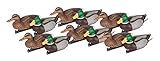
Overview: Flambeau’s Masters Series brings championship-level artistry to the masses with this 12-pack of full-sized Mallard decoys. Based on carvings by Master Carver Roger Desjardins, these 14-inch floaters feature the same patented UVision paint technology found in Flambeau’s premium lines, delivering scientifically-advanced realism in a high-volume package. The detailed winter plumage paint scheme ensures season-long effectiveness.
What Makes It Stand Out: The Masters Series combines UVision paint with detailed winter plumage schemes, creating decoys that look authentic to both human and avian eyes. Sand-filled keels provide reliable self-righting capability without the sloshing of water keels, while the even 6-drake, 6-hen split offers perfect flock balance. The Desjardins-designed details elevate these above standard production decoys, with heightened feature detail that captures subtle anatomy.
Value for Money: This 12-pack sits in the sweet spot between budget bulk buys and ultra-premium small sets. You get UVision technology and master carver pedigree at roughly 20% less than Flambeau’s Storm Front 2 series per decoy. For hunters wanting scientific realism without paying trophy prices, the Masters Series delivers professional-grade performance with volume economics. The sand-filled keels add value through reliable performance.
Strengths and Weaknesses: Strengths include UVision technology, master carver design, excellent flock ratio, sand-filled keel stability, and full-size visibility. The 14-inch profile ensures long-range attraction. Weaknesses are paint durability concerns with heavy use, slightly less posture variety than some premium packs, and the rigid plastic can become brittle in extreme cold. The weight adds up when carrying full dozens.
Bottom Line: A smart investment for serious hunters building a primary spread. The Masters Series 12-pack balances cost, realism, and volume, making it the workhorse of many successful waterfowl setups.
5. Avery GHG Essential Mallard Duck Decpus - 12 Pack

Overview: Avery’s GHG Essential Series Mallard Decoys form the foundation of countless successful spreads across North America. This 12-pack delivers professional-grade performance with six drakes and six hens featuring dynamic body postures and weighted self-righting swim keels that stabilize quickly even in choppy conditions. The decoys replicate a complete, lifelike flock to draw ducks from afar, instantly enhancing setup authenticity.
What Makes It Stand Out: These decoys are tested by professional hunters in real-world environments, ensuring they perform when it counts. The high-definition feather etching and accurate body shapes create subtle contrasts that catch light naturally, while the advanced paint application maintains realism season after season. The self-righting keels deploy faster than traditional designs, and the natural appeal draws in high-flying migrators while finishing birds in close.
Value for Money: Positioned as a mid-premium option, the Essential Series offers 90% of the performance of trophy decoys at 70% of the cost. The 12-pack configuration provides immediate spread-building capability without requiring multiple purchases. For hunters wanting reliable, proven decoys that won’t break the bank, these represent excellent long-term value and durability through harsh conditions. The professional testing pedigree ensures quality.
Strengths and Weaknesses: Strengths include professional testing pedigree, excellent self-righting keels, balanced drake-to-hen ratio, durable construction, and natural floating motion. The advanced paint application creates subtle definition. Weaknesses include slightly less detailed paint than UVision-equipped competitors, heavier than some alternatives, and the classic designs may not fool the wariest late-season birds in heavily pressured areas. The price sits above entry-level options.
Bottom Line: A dependable, field-proven choice for hunters building their core spread. The GHG Essential Series delivers the reliability and realism that consistently puts birds in the bag.
6. MOJO Outdoors Rippler - Premium Waterfowl and Duck Hunting Decoy

Overview: The MOJO Rippler revolutionizes static decoy spreads by introducing subtle, natural motion that triggers ducks’ landing instincts. This innovative device pairs a realistic Mallard drake body with an internal vibrating mechanism that creates expanding ripples across your spread, simulating feeding activity on calm water when natural movement is absent.
What Makes It Stand Out: The secret sauce is the vibrating housing that generates authentic ripple patterns rather than aggressive splashing, perfectly mimicking live ducks disturbing the surface. The 6-8 hour runtime on 4 AA batteries provides full-day hunting capability, while the screw-lock removable housing makes battery changes and maintenance effortless in the field. Its self-contained design protects all moving elements from harsh hunting conditions.
Value for Money: Priced in the premium tier for motion decoys, the Rippler justifies its cost by effectively animating your entire spread rather than requiring multiple individual motion decoys. Compared to spinning-wing decoys that can spook pressured birds, this subtle approach offers versatility across different hunting scenarios. The durable construction ensures multiple seasons of reliable performance, spreading the investment over years of successful hunts.
Strengths and Weaknesses: Strengths include its subtle, natural motion pattern that works on wary birds, all-day battery life, weather-resistant housing, and ability to animate dozens of surrounding decoys. The realistic drake body adds confidence to incoming flocks. Weaknesses include batteries not being included, potential limitations in heavy wind conditions, and the possibility that extremely pressured ducks might still detect mechanical elements. The initial cost may deter budget-conscious hunters.
Bottom Line: For serious waterfowl hunters hunting educated birds or still water, the MOJO Rippler is an essential tool that transforms dead spreads into living, breathing setups. Its subtle motion pattern and reliable performance make it worth every penny for hunters prioritizing realism over flashy gimmicks.
7. Flambeau Outdoors 8015SUV Storm Front 2 Green-Winged Teal Decoys, Classic Floaters - 6-Pack

Overview: The Storm Front 2 series delivers six ultra-realistic Green-Winged Teal decoys designed for hunters targeting these fast-flying, early-season birds. This set includes varied postures—active drakes, resting drakes, and hen positions—to create a natural, convincing spread that mirrors real teal behavior on the water.
What Makes It Stand Out: Flambeau’s patented UVision paint technology replicates the actual ultraviolet reflectance of teal plumage, creating scientific-level realism that live birds recognize as authentic. The proprietary keel design features four tie-off points and a depth-adjusting anchor eyelet, allowing precise positioning in diverse water conditions. Master carvers Tom Christie, Dave Van Lanen, and Rich Smoker’s expertise shows in the high-definition detail and anatomical accuracy.
Value for Money: Positioned in the mid-to-premium range, these decoys compete directly with higher-priced custom carvings while offering superior durability. The six-pack configuration provides enough variety for a small spread, and the UVision technology gives hunters an edge over standard painted decoys. Their rugged construction withstands season after season of heavy use, making them a long-term investment.
Strengths and Weaknesses: Strengths include unmatched UV-realistic paint, excellent variety in posture, superior keel versatility, and proven durability in harsh conditions. The master-carver detail attracts discerning ducks from distance. Weaknesses include teal-specific design limiting versatility for other species, a higher price point than entry-level options, and the need for additional decoys to build larger spreads. Some hunters may prefer even more active postures.
Bottom Line: For dedicated teal hunters seeking maximum realism and durability, the Storm Front 2 six-pack delivers professional-grade performance. The UVision technology alone justifies the investment, making these decoys a must-have for serious waterfowlers targeting early-season birds.
8. Vecacosic Texas Duck Decoy Rigs Weights Tangle Free Duck Hunting Decoy Rigs with A Large Gold Padded Carabiner, Waterfowl Decoy Rigs Anchors for Duck Hunting 12pack (4 OZ 36 in)

Overview: This 12-pack of Texas-style rigging systems solves the eternal headache of tangled decoy lines. Each 36-inch rig features heavy-duty coated stainless steel cable, 4-ounce lead weights, and premium hardware designed for quick deployment and retrieval without the frustrating bird’s nests that plague traditional cord systems.
What Makes It Stand Out: The single-cable design eliminates the multiple cord tangles of conventional rigs, while the stainless steel ball-bearing swivel clips rotate 360 degrees in both directions, preventing line twist and ensuring decoys ride naturally on water. The thermoplastic-wrapped crimps add security beyond standard crimping. The oversized 5-inch gold padded carabiner allows hunters to carry entire spreads in organized bunches, dramatically reducing setup and takedown time.
Value for Money: Offering exceptional utility for the price, these rigs cost slightly more than basic cord systems but save hours of frustration over a season. The heavy-duty construction prevents replacement costs associated with broken lines or lost decoys. For hunters running multiple dozen decoys, the time savings alone justify the modest premium over economy rigging options.
Strengths and Weaknesses: Strengths include genuinely tangle-free performance, superior durability of stainless steel cable, smooth-sliding swivels, secure crimping, and the game-changing large carabiner for transport. The 4-ounce weight provides adequate holding power in moderate current. Weaknesses include lead weight environmental concerns, limited weight options in this configuration, and the cable’s rigidity being slightly less convenient than soft line for some storage methods. The fixed length may not suit all water depths.
Bottom Line: These Vecacosic Texas rigs are a no-brainer upgrade for hunters tired of untangling messes. The heavy-duty construction and thoughtful design details make them a reliable, time-saving investment that pays dividends every time you deploy or pick up your spread.
9. Heerweiyi Mallard Duck 6-Pack. Popular New Material EVA Collapsible Plastic Duck Decoy Mallard Duck Decoys,Easy to Carry and use, More Cost-Effective.
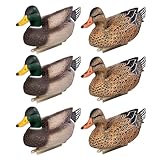
Overview: Heerweiyi’s EVA collapsible decoys redefine portability for mobile duck hunters. This six-pack of Mallards weighs just 2.65kg total and compresses flat for transport, then springs back to full three-dimensional form when deployed. The soft silicone-like material offers a lightweight alternative to traditional hard plastic decoys without sacrificing floating performance.
What Makes It Stand Out: The fold-and-rebound EVA construction eliminates bulk, allowing hunters to carry twice as many decoys in the same space. Despite being collapsible, these decoys feature professional spray painting with hand-traced feather details that rival rigid decoys. The special keel design maintains stability and enables natural movement in wind and current, while the material withstands outdoor elements without fading or deforming.
Value for Money: These decoys deliver exceptional value, priced competitively with entry-level hard plastic options while offering superior portability. For hunters hiking into remote spots or traveling light, the space savings alone justify the purchase. The durability of EVA material ensures multiple seasons of use, making them more cost-effective than repeatedly replacing cracked hard plastic decoys.
Strengths and Weaknesses: Strengths include incredible lightweight portability, quick setup and takedown, realistic paint schemes, stable floating performance, and resistance to fading and deformation. The collapsible design is ideal for mobile hunters. Weaknesses include potential durability concerns in extreme cold (though a hair dryer solves temporary stiffening), less rigid body definition than hard plastic, and the possibility of puncture damage from sharp objects. Some hunters may prefer the traditional feel of solid decoys.
Bottom Line: For run-and-gun hunters or those with limited storage space, Heerweiyi’s EVA decoys are a game-changer. The combination of portability, realism, and affordability makes them an excellent choice for hunters prioritizing mobility over absolute rigidity in their decoy spread.
10. Cifavor Duck Decoy Duck Hunting Decoys Gear Garden Decorations (2 Pack Mallard Duck 13.38 * 7 * 8.3 in.)

Overview: Cifavor’s two-pack offers an affordable entry point into waterfowl hunting or decorative pond enhancement. This set includes one Mallard drake and one white-feathered duck, sized at 13.38 inches for adequate visibility. The dual-purpose design serves both hunting applications and aesthetic garden or barn decoration needs.
What Makes It Stand Out: The versatility to function as both hunting tools and landscape decorations expands the value proposition beyond the blind. Professional spray painting combined with hand-painted details creates convincing feather textures and natural coloration. The specialized keel design promotes stability and allows wind-driven movement, enhancing realism on water while maintaining upright positioning in decorative settings.
Value for Money: This two-pack represents one of the most budget-friendly options available, making it ideal for beginners testing the sport or decorators seeking realistic waterfowl accents. While not competing with premium carving-level decoys, the price-to-quality ratio is excellent for entry-level hunting use. The multi-functionality means buyers get utility regardless of their primary intent.
Strengths and Weaknesses: Strengths include exceptional affordability, realistic paint application, stable keel design, weather-resistant construction, and versatile dual-purpose use. The natural posture enhances on-water realism. Weaknesses include the minimal two-decoy quantity being insufficient for serious hunting, smaller spread impact compared to six-packs, and less detailed molding than premium options. The white duck’s species accuracy may not match all hunting scenarios. Durability in heavy hunting use remains unproven compared to established brands.
Bottom Line: Perfect for beginners, occasional hunters, or decorators, Cifavor’s two-pack delivers surprising quality for the price. While serious waterfowlers will need larger quantities, these decoys provide an affordable, realistic starting point or supplement to existing spreads without breaking the budget.
Understanding Budget Duck Decoys
What Defines a “Budget” Decoy
When we talk about budget duck decoys under $50, we’re typically referring to entry-level plastic or foam decoys sold in multi-packs. These decoys prioritize function over ultra-fine detail, using simplified paint schemes and basic molding techniques. The price point usually means you’re getting mass-produced items that may lack the intricate feather texturing or premium materials of their expensive counterparts, but they still deliver the fundamental silhouette and color blocking that ducks recognize from above.
Why Price Doesn’t Always Equal Performance
Waterfowl see the world differently than we do. From their aerial perspective, they’re looking for key visual cues: species-appropriate shapes, contrasting colors, and natural spacing. Budget decoys that nail these basics will work exceptionally well, especially for casual hunters who don’t need gear that survives constant abuse. Many seasoned hunters maintain that a well-placed spread of inexpensive decoys consistently outperforms a poorly arranged collection of premium blocks.
The Casual Hunter’s Advantage
As a casual hunter, you’re not subjecting your gear to daily wear and tear. This means you can prioritize initial cost savings over long-term durability without significant downside. Your decoys spend more time in storage than in the field, so issues like paint fading from constant sun exposure matter less. This usage pattern makes budget decoys particularly well-suited for your hunting style.
Key Features to Consider in Sub-$50 Decoys
Body Construction and Mold Quality
Even at lower price points, look for decoys with clean, defined body lines and minimal seam lines from the molding process. The best budget options use two-piece construction that fits together tightly, creating a smooth profile. Avoid decoys with obvious flashing (excess plastic) or warped bodies, as these irregularities create unnatural shadows that alert wary ducks. Press gently on the body; it should have some flex without feeling brittle or hollow.
Paint Schemes and Species Accuracy
Factory paint on budget decoys typically covers the essential color blocks: black, white, browns, and greens in roughly the right places. While you won’t get the subtle iridescent shading of premium models, the key is whether the paint matches the basic plumage pattern of the species you’re targeting. Check that the white rings on mallard drakes are crisp, the black rump patches are positioned correctly, and the overall color placement follows nature’s template.
Keel Design for Stability
The keel determines how your decoy rides in the water and handles wind and waves. Budget decoys usually feature simple weighted keels or clip-on weights. Weighted keels provide better stability right out of the box, preventing the decoy from tipping in light chop. If the keel is unweighted, ensure it has attachment points for adding your own weights and that the keel depth is adequate to keep the decoy upright in typical hunting conditions.
Anchor Systems Included
Most sub-$50 decoy packs include basic anchor systems, but quality varies dramatically. Look for decoys that come with at least 4-6 ounces of weight per decoy and line that’s at least double the depth of your typical hunting water. The anchor line attachment point should be secure and positioned to allow natural decoy movement. Some budget options skimp on anchor weight, requiring you to purchase supplemental weights for effective deployment.
Pack Size and Value
Budget decoys typically sell in six-packs or dozen-packs, with per-decoy cost dropping significantly at higher quantities. A six-pack at $30 ($5 per decoy) might seem cheaper than a dozen at $50 ($4.17 per decoy), but the larger pack often represents better value. Consider starting with a dozen of your primary target species, as this gives you enough decoys to create a convincing spread without looking sparse.
Types of Budget-Friendly Duck Decoys
Field Decoys vs Water Decoys
Budget hunters need to decide where they’ll hunt most often. Field decoys for dry ground hunting typically feature stakes that insert into the body, allowing them to stand upright in cut corn or stubble. Water decoys are sealed, hollow bodies designed to float. Some versatile budget options attempt to do both, but these hybrids often compromise on performance. Focus your budget on decoys specifically designed for your primary hunting environment.
Full-Body vs Shell Decoys
Full-body decoys provide 360-degree realism but cost more and take up significant storage space. Shell decoys are half-body profiles that sit on stakes or float, offering good visibility from above while being lighter and more packable. For under $50, you’ll primarily find shell-style floating decoys or silhouette field decoys. These provide excellent value, as the reduced material cost keeps prices low while maintaining effective visual profiles.
Floating Decoys for Water Hunts
The most common budget option is the standard floating duck decoy, typically 12-14 inches long. These work in everything from small potholes to large lakes. Look for decoys with adequate buoyancy; they should float with the waterline hitting at the bird’s mid-breast level. Too high or too low in the water looks unnatural. The best budget floaters have slightly concave bottoms that allow them to ride naturally and self-right when tipped.
Field Stakes and Ground Placement
Budget field decoys rely on simple steel or plastic stakes that slide into the body. The stake system should hold the decoy securely at multiple angles, allowing you to simulate feeding, resting, or alert postures. Check that stakes are long enough for your typical field conditions—12-18 inches works for most situations. Some budget sets include adjustable stakes, which add versatility without adding cost.
Material Matters: What You’re Getting for Under $50
Polyethylene Plastic Basics
Most budget decoys are molded from high-density polyethylene (HDPE), the same material used for milk jugs and detergent bottles. This plastic is durable enough for occasional use, resists cracking in cold weather, and is easy to repair with plastic welding glue if damaged. The downside is that HDPE doesn’t hold paint as well as more expensive plastics, which is why budget decoys may require touch-ups after a season or two of heavy use.
EVA Foam Options
Some budget decoys use ethylene-vinyl acetate (EVA) foam, the same material found in yoga mats and running shoes. Foam decoys are incredibly lightweight, nearly unsinkable, and quiet to handle in the boat. However, they’re more susceptible to punctures from sharp objects and can absorb water if the outer skin is compromised. For casual hunters who prioritize weight savings and don’t hunt around thick brush, foam decoys represent an excellent budget choice.
The Trade-offs of Cheaper Materials
Budget materials mean accepting certain limitations. Paint adhesion is typically the first compromise—you might notice flaking after repeated use. Seam strength can also be an issue; the glue holding two-piece decoys together may fail after multiple freeze-thaw cycles. UV degradation happens faster with cheaper plastics, causing colors to fade. Understanding these limitations helps you set realistic expectations and take proper care of your gear.
Weather Resistance Expectations
Sub-$50 decoys will handle normal hunting conditions, but extreme weather reveals their limits. In temperatures below 20°F, cheap plastic becomes brittle and more prone to cracking if dropped on ice. Prolonged exposure to direct sunlight accelerates paint fading and plastic degradation. Store your budget decoys out of direct sun when not in use, and avoid leaving them in freezing conditions for extended periods to maximize their lifespan.
Size and Weight Considerations
Standard Size vs Oversized Decoys
Budget lines typically stick to standard 12-14 inch decoys, which accurately represent live ducks. Some manufacturers offer “magnum” or oversized decoys at budget prices, often 16-18 inches long. These larger decoys increase visibility at distance, which helps in open water or large fields. However, they take up more storage space and may look oversized in small potholes. For most casual hunters, standard sizes offer the best balance of realism and practicality.
Portability for the Mobile Hunter
If you hunt multiple spots or walk into public land, weight matters. A dozen standard plastic decoys weighs roughly 15-20 pounds, plus anchors. Foam decoys cut this weight in half. Consider how far you’ll carry your spread and whether you’ll be making multiple trips. Budget hunters often benefit from lighter spreads since they can carry more decoys without expensive boat setups.
Weighted Keels vs Unweighted Options
Weighted keels add 4-6 ounces per decoy but eliminate the need for separate rigging in calm water. Unweighted decoys require clip-on weights or rigging with anchors, giving you more flexibility in how they ride but adding setup time. For casual hunters hunting varied conditions, unweighted decoys with separate anchor systems often provide better versatility, allowing you to adjust for wind and water depth quickly.
Paint Durability and Realism on a Budget
Factory Paint Quality at Lower Price Points
Budget decoy paint is applied in 3-5 basic color blocks rather than the 15-20 layers of premium decoys. The paint is often baked on at lower temperatures or air-dried, making it less durable. However, the fundamental color placement is usually correct. Inspect decoys before purchasing—look for crisp lines between color blocks and even coverage without thin spots. Some factory seconds or overstock decoys offer premium paint at budget prices if you’re willing to hunt for deals.
DIY Touch-Up Techniques
Extending the life of budget decoys is easy with simple touch-ups. Use matte spray paint in species-appropriate colors to refresh faded areas. Tan or khaki spray paint works for most duck bellies, while flat black and white cover the major contrast areas. Add a clear matte sealer to protect your work. This 30-minute project can add 2-3 seasons to budget decoys, making them an even better value proposition.
UV Resistance Concerns
Waterfowl see ultraviolet light, and premium decoys incorporate UV-reflective paints to match natural plumage. Budget decoys typically lack UV enhancement, which can make them appear “flat” to ducks under certain lighting conditions. You can address this by applying UV-reflective spray (available at most sporting goods stores) to your decoys annually. This inexpensive upgrade helps budget decoys compete with premium options in the UV spectrum.
Motion and Variety in Affordable Decoys
Wind-Powered Motion Options
Static spreads work, but adding motion increases effectiveness. Budget hunters can create wind-powered motion using simple techniques. String multiple decoys together with slack line, allowing wind to create ripples that transfer between decoys. Position decoys at angles to the wind so they pivot naturally. Some budget decoys have slightly off-center keels that cause them to wobble in breeze—this subtle movement adds realism without any mechanical parts to fail.
Jerk Strings on a Budget
A simple jerk string system costs less than $10 to build and adds lifelike motion to any floating spread. Tie a main line to 3-4 decoys, run it to your blind, and attach a bungee cord anchor on the far end. A gentle pull creates ripples and movement across multiple decoys. This low-tech solution makes even the cheapest decoys appear alive and feeding, dramatically improving their effectiveness.
Importance of Species Diversity
A spread of mixed species looks more natural and attracts a wider variety of ducks. Budget hunters can build diversity by purchasing single-species packs of different ducks rather than all mallards. Consider pintail, wigeon, or teal packs to mix in with your main spread. These smaller species packs often cost the same but add visual variety that signals safety to circling flocks. Aim for a 3:1 ratio of your target species to other species.
Where to Find Quality Budget Decoys
Big Box Store Strategies
Major retailers often carry house-brand decoys that offer surprising quality for under $50 per dozen. These typically appear in late summer, with prices dropping further after opening weekend. Visit stores in person to inspect decoy quality—check paint, seams, and keel design. Many big box stores price-match online competitors, allowing you to combine low prices with immediate availability.
Online Marketplaces
Online shopping opens access to overstock and previous-year models at deep discounts. Look for seller ratings above 95% and read reviews focusing on durability and paint quality rather than just appearance. Watch for “add-on” items that ship free with larger orders. Set price alerts for late July through August when retailers clear inventory before new models arrive.
End-of-Season Sales Timing
The absolute best prices on budget decoys hit in February and March when retailers need to clear space for spring merchandise. You can find decoys at 40-60% off regular prices. The trade-off is limited selection, but for casual hunters, the savings outweigh having the latest paint schemes. Store your purchases properly, and they’ll be ready for next season.
Second-Hand Market Considerations
Used decoys can be a goldmine for budget hunters. Many hunters upgrade and sell perfectly functional budget decoys for $1-2 each. Inspect used decoys for cracks, missing paint, and leaky seams. A little touch-up work on a $15 dozen often yields better value than new budget decoys. Check hunting forums, local classifieds, and garage sales in waterfowl-heavy areas.
Building Your Spread on a Budget
Starting with a Core Species
For most North American hunters, mallards are the logical starting point. They’re widely recognized by other duck species and work in diverse habitats. Begin with one dozen mallard decoys—six drakes and six hens. This gives you enough blocks to create a basic U-shaped or J-shaped spread that works in potholes, sloughs, and field edges. Master using these before expanding your collection.
The 12-Decoy Rule for Beginners
Twelve well-placed decoys consistently outperform 50 poorly arranged blocks. With a single dozen, you can create tight feeding groups, scattered resting rafts, or linear swimming lines. Learn to read the wind and sun direction, placing decoys where they’ll be most visible and natural-looking. As you gain experience, you’ll understand what additional decoys would actually improve your setup versus just adding clutter.
Adding Confidence Decoys
Once you have a core dozen, add species that signal safety to other ducks. Canada goose decoys (even budget ones) make excellent confidence decoys—ducks naturally associate with geese. A single goose decoy or two mixed into your spread can make the entire setup more attractive. Similarly, adding a few oversized mallard decoys or a spinning wing decoy (if legal in your area) draws attention from distance.
Storage and Transportation Tips
Proper Cleaning After Use
Budget decoys last longer with basic maintenance. Rinse them with fresh water after hunting saltwater or muddy conditions to prevent corrosion and staining. Allow them to dry completely before storage to prevent mold and mildew. Wipe down keels and hardware with an oily rag to prevent rust. This 10-minute cleanup after each hunt adds years to your decoys’ lifespan.
Stackable Design Benefits
One advantage of simpler budget decoys is they often stack more compactly than premium models with intricate detailing. Nest decoys together in stacks of 6-8, aligning keels to prevent scratching. Store stakes separately in PVC tubes or mesh bags. This compact storage reduces space requirements and prevents damage during transport.
Transportation Solutions
Milk crates, mesh decoy bags, and plastic totes all work for budget decoys. The key is preventing excessive rubbing that wears paint. Line containers with old towels or burlap. For field decoys, consider a golf club bag—it’s designed to carry long stakes and has wheels for easy transport. Whatever system you choose, keep it simple and organized so setup and takedown don’t become chores.
Common Mistakes to Avoid
Buying Too Many Too Soon
New hunters often purchase 3-4 dozen decoys before understanding their hunting style. Start small and learn what works for your locations. You might discover you primarily hunt small potholes where six decoys are more effective than twenty. Or you might hunt fields where silhouettes work better than full bodies. Let experience guide your purchases rather than enthusiasm.
Ignoring Species-Specific Details
While budget decoys simplify details, they should still be species-accurate in silhouette and major color blocks. Avoid “generic duck” decoys that lack distinguishing features. Ducks can identify species from altitude, and a spread of identifiable, appropriate species looks infinitely more realistic than ambiguous blocks. Even on a budget, choose decoys that clearly represent the ducks you’re hunting.
Overlooking Anchor Quality
The included anchor system can make or break budget decoy performance. Test anchors in typical hunting conditions before committing to a full spread. Lightweight anchors that can’t hold in wind or current render your decoys useless. Budget hunters can upgrade anchors incrementally—replace the worst ones first, then improve the rest as needed rather than buying an entire new system.
Seasonal Considerations for Budget Hunters
Early Season vs Late Season Needs
Early season ducks are often less wary, making them more receptive to basic decoy spreads. Your budget decoys shine here, as simple paint schemes are sufficient. Late season birds have seen it all and become decoy-shy. This is when adding motion, reducing spread size, or focusing on ultra-realistic placement matters more than decoy quality. Adapt your strategy rather than buying new decoys.
Weather Condition Adaptations
Budget decoys handle calm to moderate conditions perfectly. In extreme wind, consider reducing your spread size and using heavier anchors to prevent decoys from washing ashore. During freeze-up, check that your decoys aren’t accumulating ice that changes their profile. A quick shake every hour prevents ice buildup. In heavy rain, ensure water doesn’t pool on field decoy stakes, causing them to lean or fall.
Maximizing Your Decoy Investment
Multi-Season Care
Store decoys in a cool, dark place during the off-season. Extreme heat in storage buildings can warp plastic and fade paint. Consider spraying decoys with UV protectant before long-term storage. Check all decoys for leaks at season’s end and repair them during summer when you have time. This proactive approach prevents last-minute scrambles before opening day.
When to Upgrade Individual Decoys
Rather than replacing your entire spread, upgrade strategically. If one decoy becomes badly damaged, replace it with a slightly better model. Over time, you’ll develop a mixed spread where your best decoys serve as “confidence” blocks in the landing zone while budget decoys fill out the spread. This hybrid approach maximizes value while improving overall effectiveness.
Frequently Asked Questions
Can budget decoys really work as well as expensive ones?
Absolutely. While premium decoys offer superior durability and detail, budget decoys provide the correct silhouette and color blocking that ducks need to see. Proper placement, natural spacing, and adding motion matter far more than individual decoy cost. Many successful hunters use budget decoys exclusively, focusing their efforts on scouting and setup rather than gear investment.
How long will sub-$50 decoys last with casual use?
With proper care, budget decoys typically last 3-5 seasons for hunters who hunt 10-15 days per year. Paint may need touch-ups after the second season, and seam glue can fail in extreme cold. Storing them properly and performing basic maintenance dramatically extends their lifespan. Casual use patterns mean less wear and tear, making budget decoys an excellent value proposition.
What’s the minimum number of decoys I need to start?
A dozen decoys is the sweet spot for most beginners. This gives you enough blocks to create realistic groupings without overwhelming you with setup complexity. You can hunt effectively with as few as six decoys in the right situation, but a dozen provides flexibility for different wind conditions and water sizes. Start here and expand only after you’ve mastered decoy placement.
Should I buy all drakes, all hens, or a mix?
A mix is most realistic. Natural duck groups typically show a 60/40 or 50/50 ratio of hens to drakes. Most budget packs come with this ratio already mixed. If buying individual decoys, aim for equal numbers. The contrast between drake plumage and hen camouflage creates visual interest that attracts live birds from distance.
Are foam decoys better than plastic for budget hunters?
It depends on your priorities. Foam decoys are lighter and unsinkable but more prone to punctures. Plastic decoys are more durable but heavier. For walk-in hunts or boat access where weight matters, foam excels. For field hunts or areas with thick vegetation where punctures are likely, plastic is safer. Both work effectively when used appropriately.
How do I fix paint chips on budget decoys?
Clean the area with rubbing alcohol, then apply matching matte spray paint in light coats. For white areas, appliance epoxy spray works well. For colors, use camouflage or hunter spray paints. Finish with a clear matte sealer. This $10 touch-up kit can refresh an entire dozen decoys in an afternoon, making them look nearly new.
Can I mix different brands and styles in my spread?
Yes, and this often looks more natural. Ducks in real groups vary in posture and appearance. Mixing brands creates subtle differences in silhouette and paint that mimics this natural variation. Just ensure all decoys represent appropriate species for your area and that they’re similar enough in size to not look jarringly different from above.
What’s the best way to store decoys between hunts?
Stack them keel-to-keel in groups of 6-8 to prevent scratching. Store in a cool, dark place like a garage or basement. Avoid attics where summer heat can warp plastic. Keep anchors separate in a bucket or bag. For long-term storage, wipe decoys with a silicone cloth to protect the paint. Proper storage prevents 90% of premature decoy deterioration.
Do I need different decoys for different duck species?
Start with decoys for your primary target species, usually mallards. These attract other ducks as well. As you expand, add species-specific decoys for birds you hunt regularly. Pintail decoys add visibility with their long tails. Teal decoys work great for early season. But remember, a well-placed mallard spread will draw most puddle ducks effectively.
When is the best time to buy budget decoys?
Late summer (July-August) brings new inventory and sales on previous year’s models. However, the absolute lowest prices appear in February-March during end-of-season clearance. Sign up for email alerts from major retailers to catch flash sales. Black Friday and Cyber Monday also offer significant discounts on hunting gear, often including decoy bundles at 30-50% off regular prices.
Related Buying Guides
- 10 Affordable Motion Decoys That Don’t Sacrifice Realism in 2026
- 10 Affordable Turkey Decoys That Don’t Sacrifice Quality in 2026
- 10 Best Budget Deer Decoys Under $50 for Casual Hunters
- 10 Best Budget Duck Calls Under $40 for Casual Hunters in 2026
- 10 Best Value Duck Decoy Kits for First-Time Hunters in 2026