Table of Contents
Stepping into the deer woods for the first time can feel overwhelming, especially when you realize these majestic creatures communicate through a sophisticated language of grunts, bleats, and snorts. The good news is that you don’t need to empty your wallet to start speaking their language effectively. Modern manufacturing has made it possible to find high-quality deer calls that produce incredibly realistic sounds for under $40, making this essential hunting tool accessible to everyone from weekend warriors to those just discovering the thrill of calling in a mature buck.
Understanding which calls to invest in and how to use them properly matters far more than the price tag. A budget-friendly call in the hands of a hunter who understands deer behavior will outperform an expensive model used incorrectly every single time. This guide walks you through everything you need to know about selecting affordable deer calls that deliver results, mastering the fundamental techniques that bring deer within range, and avoiding the common pitfalls that plague beginners. By focusing on education over equipment cost, you’ll build skills that serve you for seasons to come.
Top 10 Deer Calls for Beginner Hunters
Detailed Product Reviews
1. Primos Hunting unisex adult The Original CAN Deer Estrus Bleat Call from Primos, Green, One Size US

Overview:
The Primos Original CAN Deer Estrus Bleat Call represents the quintessential deer calling tool that has earned its place in countless hunting packs. This simple, no-frills can-style call specializes in producing authentic estrus bleats that signal a doe is ready to breed. The design features a raised thumb hole locator that ensures a consistent seal and repeatable sound quality. As one of the most iconic calls in hunting history, it relies on the basic principle of air displacement through a reed system housed in a compact canister.
What Makes It Stand Out:
Its legendary status as the “Number 1 Deer call of all time” isn’t just marketing hyperbole—this call has consistently produced results for decades. The thumb hole locator is a brilliant ergonomic feature that eliminates guesswork and ensures you get the same sound every time. Unlike complex multi-call devices, the Original CAN masters one sound exceptionally well, making it a reliable tool when estrus bleats are specifically needed.
Value for Money:
This is among the most affordable deer calls on the market, typically retailing under $15. Its simplicity means zero maintenance costs and no replacement parts. For hunters on a budget or those building their first call collection, it offers tremendous bang for your buck, though its single-purpose design means you’ll need additional calls for a complete setup.
Strengths and Weaknesses:
Pros include extreme simplicity, reliability, consistent sound production, and unbeatable price. The raised thumb hole ensures proper technique even for novices. Cons are significant: limited to estrus bleats only, no volume control, requires practice to master timing, and offers none of the versatility modern hunters expect. The plastic construction can also become brittle in extreme cold.
Bottom Line:
The Original CAN remains a worthy backup or entry-level option, but serious hunters will quickly outgrow its limitations. It excels at its singular purpose but can’t serve as your only deer call.
2. Flextone Outdoor Hunting Versatile Realistic Sounds Volume Control Compact Buck Collector Plus Deer Game Call

Overview:
The Flextone Buck Collector Plus revolutionizes deer calling with its innovative Tru-Touch Button system, delivering consistent vocalizations regardless of weather conditions or whether you’re wearing gloves. This compact unit produces a comprehensive range of whitetail sounds including fawn bawls, estrus bleats, buck grunts, aggressive growls, and the coveted snort-wheeze. The soft, flexible exterior allows for natural tonal variations through manipulation, while the button design ensures reliable performance when traditional reed calls might fail due to moisture or freezing temperatures.
What Makes It Stand Out:
The Tru-Touch Buttons represent a significant advancement in call technology, eliminating the inconsistency that plagues many mechanical calls. The weatherproof design means you can hunt confidently in rain, snow, or sub-zero temperatures without worrying about a frozen reed. Its glove-friendly operation is a game-changer for late-season hunts when dexterity is compromised. The soft body also prevents the loud clacking noise that can spook deer if the call accidentally contacts your weapon or stand.
Value for Money:
Positioned in the mid-$20 range, the Buck Collector Plus offers exceptional versatility that would otherwise require purchasing multiple specialized calls. The durability and weather resistance extend its lifespan well beyond traditional calls, making it a smart long-term investment. While pricier than basic can calls, it replaces at least three separate devices.
Strengths and Weaknesses:
Pros include unmatched versatility, consistent performance in adverse weather, intuitive button operation, and silent contact materials. The volume control allows for subtle close-range calling or loud long-distance hails. Cons include a slight learning curve to master button timing, potential for button wear over several seasons, and some purists argue it lacks the nuanced control of traditional tube calls. The compact size can be harder to locate quickly in a pack.
Bottom Line:
For hunters seeking one call that handles virtually any situation reliably, the Buck Collector Plus is an outstanding choice. Its weatherproof design and ease of use make it particularly valuable for hunters in challenging climates.
3. Flextone Hunting Outdoor Realistic Sounds Tone Variety All-N-One Boned Up Deer Game Call With Antlerization

Overview:
The Flextone All-N-One Boned Up Deer Call combines button-controlled convenience with a flexible tube design, offering hunters multiple vocalization options in a single compact package. The call features distinct buttons for fawn bawls, doe bleats, and young buck grunts, while a simple blow through the main tube produces mature buck grunts. Its “Antlerization” design—molded to resemble a small antler—adds aesthetic appeal while the flexible body allows users to squeeze and manipulate the call to alter tones and inflections naturally, mimicking the soft tissue of a deer’s vocal tract.
What Makes It Stand Out:
The hybrid approach distinguishes this call from pure button or pure tube designs. The flexible tube component provides a level of tonal nuance that rigid calls cannot match, allowing for realistic inflections that can convince wary mature bucks. The antler-inspired design isn’t just cosmetic—it provides ergonomic grip points and prevents rolling on flat surfaces. The compact size makes it ideal for mobile hunters who prioritize lightweight gear.
Value for Money:
Typically priced in the low $20 range, the Boned Up offers solid value for hunters wanting versatility without complexity. It bridges the gap between simple grunt tubes and advanced multi-button calls. However, its sound library is more limited than the Buck Collector Plus, making it slightly less versatile per dollar spent. Still, for hunters who primarily need grunts and basic bleats, it delivers excellent performance.
Strengths and Weaknesses:
Pros include realistic tonal variation through tube flexing, user-friendly button operation, compact portability, and unique antler design. The call produces natural-sounding nasal tones that are particularly effective. Cons include fewer vocalization options than competitors, the antler design may feel gimmicky to some users, and the flexible tube can develop cracks over time with heavy use. It also lacks the weatherproof button technology of its Buck Collector sibling.
Bottom Line:
The Boned Up is a capable middle-ground option that excels at grunt calls with some bleat versatility. While it doesn’t match the Buck Collector Plus’s comprehensive feature set, its compact design and realistic tone control make it a reliable choice for hunters who prioritize simplicity and portability.
4. Extinguisher 2.0 Deer Call by Illusion | Grunt Tube | Buck, Doe, Fawn | Adjustable 10-in-1 Call | Color (MossyOak/Gray) | Freeze Resistant
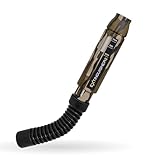
Overview:
The Extinguisher 2.0 from Illusion Systems represents the pinnacle of deer call engineering, earning a record-breaking 99.6% approval rating from the North American Hunting Club. This premium 10-in-1 call utilizes a patented ModiSlide adjustable reed system to replicate over ten distinct whitetail vocalizations, from fawn bleats to dominant buck roars. Each call is hand-tuned and tested before leaving the USA facility, ensuring unmatched sound authenticity. The ingenious freeze-resistant slide design actively prevents reed freeze-up, making it reliable in the harshest conditions.
What Makes It Stand Out:
The ModiSlide system allows instant tonal adjustments without disassembly, a revolutionary feature for dynamic hunting situations. The freeze-free design is a genuine breakthrough—by simply working the slide, you can break ice off a frozen reed, ensuring functionality when other calls fail. The hand-tuned quality control means every unit performs identically, eliminating the trial-and-error of mass-produced calls. Illusion’s extensive video library provides hunters with advanced calling strategies, adding educational value beyond the physical product.
Value for Money:
At around $30-35, the Extinguisher 2.0 sits at the premium end of the market, but delivers commensurate value. The freeze-resistant feature alone can salvage hunts that would otherwise end early due to equipment failure. Made in the USA with meticulous quality control, it’s built to last multiple seasons. When factoring in the educational resources and replacement of multiple calls, the price is justified for serious hunters.
Strengths and Weaknesses:
Pros include unparalleled versatility, weatherproof reliability, premium construction, realistic sound quality, and excellent manufacturer support. The ModiSlide offers infinite adjustability. Cons include higher price point, complexity may overwhelm beginners, and the slide mechanism requires periodic cleaning to maintain smooth operation. The call’s larger size can be cumbersome for minimalist hunters.
Bottom Line:
For dedicated whitetail hunters who refuse to let weather dictate their hunt, the Extinguisher 2.0 is the ultimate tool. Its freeze-resistant design and exceptional versatility make it worth every penny for hunters in northern climates or those pursuing mature, call-shy bucks.
5. Primos Hunting Primos Trophy Grunter Call

Overview:
The Primos Trophy Grunter Call embodies the classic expandable hose design that has proven effective for generations of deer hunters. This 6-in-1 call produces loud, throaty buck grunts through an adjustable reed assembly, with the expandable hose allowing users to vary tones and pitches by extending or compressing it. Specifically engineered for close-in calling scenarios, it excels at producing the subtle contact grunts and challenging sounds that trigger responses from dominant bucks. The straightforward tube design requires no batteries or complex mechanisms, relying instead on the hunter’s breath control and hose manipulation.
What Makes It Stand Out:
The expandable hose provides a level of tonal versatility that fixed-length calls cannot match. By simply extending the hose, hunters can deepen grunts to mimic mature bucks, while compressing it creates higher-pitched young buck or doe sounds. This analog adjustability is immediate and intuitive. The call’s focus on loud, aggressive grunts makes it particularly effective during the rut when challenging vocalizations can provoke territorial responses. The adjustable reed assembly is easy to customize without tools, allowing hunters to fine-tune sound characteristics.
Value for Money:
Priced competitively in the $15-20 range, the Trophy Grunter offers excellent value for hunters seeking quality grunt calls without unnecessary frills. Its simple construction means minimal maintenance and no replacement parts. While it lacks the multi-sound versatility of button calls, it performs its core function—producing realistic grunts—exceptionally well for the price. It’s an affordable way to add professional-grade grunt sounds to your calling arsenal.
Strengths and Weaknesses:
Pros include loud, realistic grunts; simple, reliable design; expandable hose versatility; and excellent price point. The call is lightweight and easy to operate quietly. Cons include vulnerability to freezing temperatures, the hose can develop cracks over time, and it lacks the fawn and doe bleat versatility of multi-button calls. The reed can stick in extreme cold or wet conditions, and there’s no quick way to clear it like the Extinguisher’s slide system.
Bottom Line:
The Trophy Grunter is a no-nonsense workhorse that delivers where it matters most. For hunters who prioritize grunt calls and hunt primarily in moderate weather, it provides professional results at an entry-level price. Pair it with a bleat can for a complete, affordable system.
6. Extinguisher Deer Call by Illusion | Grunt Tube | Buck, Doe, Fawn | Adjustable 10-in-1 Call | Color (MossyOak/Gray) | Freeze Resistant

Overview: The Extinguisher 2.0 from Illusion Systems represents the pinnacle of versatile deer communication, consolidating multiple vocalization tools into a single, sophisticated grunt tube. This hand-tuned instrument replicates over ten distinct deer sounds, from fawn bleats to dominant buck roars, making it a comprehensive solution for hunters seeking to speak the language of whitetails across all seasons and scenarios.
What Makes It Stand Out: The patented ModiSlide adjustable reed system sets this call apart, enabling instant tonal shifts without fumbling through multiple devices. The freeze-resistant design is genuinely innovative—the sliding mechanism actively breaks ice and moisture from the reed, ensuring reliability during those critical late-season sits. Its 99.6% NAHC approval rating isn’t just marketing; it reflects real-world performance validated by serious hunters. The flexible rubber throat tube provides directional control, allowing you to project sound precisely where you want it.
Value for Money: While priced higher than single-purpose calls, the Extinguisher eliminates the need for three separate devices (fawn, doe, and buck calls). Considering quality grunt tubes run $15-25 each, this 10-in-1 unit delivers exceptional ROI. The hand-tuned craftsmanship and weatherproof construction justify the premium, especially when a single hunting trip’s success could outweigh the entire investment.
Strengths and Weaknesses: Pros: Unmatched versatility with 10+ authentic sounds; freeze-proof reliability in harsh conditions; hand-tested quality control; directional calling capability; extensive instructional support. Cons: Steeper learning curve for beginners mastering the ModiSlide; premium price point may deter casual hunters; rubber construction requires occasional maintenance.
Bottom Line: For serious whitetail enthusiasts who demand reliability in any weather, the Extinguisher 2.0 is worth every penny. It’s essentially a complete deer communication system in your pocket. Casual hunters may prefer simpler options, but committed hunters will appreciate the versatility and freeze-proof performance.
7. Cass Creek Ergo Electronic Turkey Call, Compact Hunting Caller with Authentic Digital Sounds, Loud and Portable Game Call for Beginners and Experts

Overview: Cass Creek’s Ergo Electronic Turkey Call distills three decades of game call expertise into a pocket-sized powerhouse that democratizes turkey hunting. This digital caller delivers five essential turkey vocalizations with push-button simplicity, making it equally valuable for novice hunters learning the ropes and seasoned veterans needing reliable backup calls.
What Makes It Stand Out: The one-handed thumb dial operation is brilliantly intuitive—allowing instant sound interruption and volume adjustment without taking your eyes off the bird. The 200-yard sound projection is genuinely impressive for a unit this compact. Authentic digital recordings sourced from live turkeys provide consistency that mouth calls can’t match, especially when fatigue sets in during all-day sits. The raised grip edges demonstrate thoughtful design for wet-weather hunting.
Value for Money: At a mid-range price point, it competes favorably with premium mouth call kits while eliminating the learning curve. Factor in the cost of instructional tapes and practice time, and the value proposition strengthens. However, the ongoing expense of AAA batteries (not included) adds marginal operational cost that traditional calls avoid. For beginners, it pays for itself by eliminating frustration and missed opportunities.
Strengths and Weaknesses: Pros: Effortless one-handed operation; authentic, consistent digital sounds; excellent volume and projection; true weather-resistant construction; compact portability. Cons: Battery dependency creates potential failure point; limited to five sounds versus unlimited mouth call variations; batteries not included.
Bottom Line: This is the ideal entry point for new turkey hunters and a reliable secondary tool for experts. The simplicity and authenticity make it a field-worthy investment, though traditionalists should keep mouth calls as backup. For most hunters, the convenience outweighs the battery consideration.
8. Flextone Outdoor Deer Hunting Realistic Rattling Bucks Sounds Easy-to-Use Battle Bag Deer Game Call

Overview: The Flextone Battle Bag Plus offers a modern take on antler rattling, replacing traditional bone-on-bone with high-tech polymer sticks housed in a rubber-flex bag. This design creates realistic sparring and fighting sequences that trigger territorial responses from dominant bucks throughout the season, particularly during pre-rut and rut phases.
What Makes It Stand Out: The polymer “battle sticks” produce surprisingly authentic timber, mimicking antler clashes without the weight and bulk of real antlers. The rubber-flex bag is the secret weapon—it amplifies volume while allowing nuanced control over cadence and intensity. The extendable cord system provides versatile deployment, whether hanging from your neck for quick access or suspending from a branch to free both hands for your weapon.
Value for Money: Priced competitively with other rattling bags, it undercuts the cost of authentic antler sets while offering superior durability. Real antlers can chip, crack, and weigh down your pack. The Battle Bag’s polymer construction withstands years of abuse, making it a one-time investment that performs season after season. For hunters targeting mature bucks, it’s an affordable advantage.
Strengths and Weaknesses: Pros: Lightweight and portable; realistic sound replication; durable polymer construction; hands-free hanging options; easy to master with minimal practice. Cons: Limited to rattling sounds only—requires separate grunt call for complete communication; polymer may lack the exact resonance of real bone for purists; cord could be longer for tree-branch use.
Bottom Line: If rattling is part of your deer hunting strategy, this bag deserves a spot in your kit. It delivers authentic sound without the hassle of real antlers, though it should complement—not replace—a quality grunt call. For dedicated buck hunters, it’s a practical, durable tool that punches above its weight class.
9. Primos Hunting Lil’ Shawty Hands-Free Buck and Doe Call, Dual-Reed Design for Authentic Deer Vocalizations
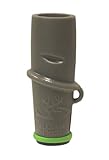
Overview: The Primos Lil’ Shawty packs impressive versatility into a tiny package, addressing a fundamental hunter need: effective calling without occupying your hands. This dual-reed grunt call produces both buck and doe vocalizations while its compact design disappears in your pocket, making it ideal for mobile hunters who prioritize speed and stealth.
What Makes It Stand Out: The hands-free operation is the headline feature—position it between your teeth or lips and produce realistic sounds without releasing your weapon. The dual-reed system isn’t just marketing; it genuinely expands tonal range, allowing you to transition from subtle doe bleats to aggressive buck grunts with simple pressure adjustments. Weighing mere ounces, it eliminates the “leave it behind” dilemma that plagues bulkier calls.
Value for Money: Positioned in the mid-range price bracket, it offers dual functionality that typically requires two separate calls. The durability ensures multi-season performance, spreading the investment over years of use. While premium single-reed calls might offer slightly richer tones, none match the Shawty’s portability and hands-free convenience at this price point. It’s a specialist tool that earns its keep.
Strengths and Weaknesses: Pros: True hands-free operation; dual-reed versatility; ultralight and pocket-friendly; durable construction; minimal learning curve. Cons: Smaller size sacrifices some volume for long-distance calling; dual-reed requires practice to master transitions; may not produce the deepest mature buck tones.
Bottom Line: Perfect for bowhunters and still-hunters who need to call without movement. The Lil’ Shawty excels in close to mid-range scenarios where stealth trumps volume. Pair it with a louder grunt tube for long-distance work, but for hands-free convenience, it’s unmatched. A must-have for mobile hunting strategies.
10. Hunters Specialties Hunting Ruttin’ Buck Rattling Bag Deer Call - One-Hand Operation Realistic Buck Vocalizations for Pre-Rut/Rut Periods

Overview: The Ruttin’ Buck Rattling Bag from Hunters Specialties focuses on the critical pre-rut and rut periods when mature bucks are most responsive to antler-clashing sounds. Engineered for simplicity and stealth, this tool uses hardwood rods to replicate the authentic tones of sparring and fighting deer, triggering aggressive responses from dominant animals seeking to defend their territory.
What Makes It Stand Out: The specialized timing focus is refreshing—this isn’t trying to be an all-season gimmick. The hardwood rods produce a more organic resonance than synthetic alternatives, closely mimicking actual antler impact. The rubberized grip section is a practical innovation, ensuring positive control during cold, wet conditions when dexterity fails. Most impressive is the silencer strap that prevents accidental noise during transport, a detail serious hunters will appreciate.
Value for Money: Competitively priced within the rattling bag category, the hardwood construction offers authenticity typically reserved for higher-end models. The single-hand operation design increases your effective hunting time by keeping your weapon ready. While limited to rut-specific application, its performance during peak activity periods delivers strong ROI when trophy opportunities are highest.
Strengths and Weaknesses: Pros: Authentic hardwood rod sound; excellent grip in adverse weather; quiet transport system; true one-hand operation; focused pre-rut/rut specialization. Cons: Single-purpose tool with limited use outside rut phases; hardwood rods may wear faster than polymer; lanyard length could be limiting for some setups.
Bottom Line: If you hunt the rut hard, this bag belongs in your pack. The authentic sound and stealthy transport features make it a specialist worth owning, though it should supplement—not replace—your grunt call arsenal. For peak-rut hunters targeting mature bucks, it’s a sound investment that performs when it matters most.
Understanding Deer Vocalizations
The Language of Whitetails
Deer communicate through a complex system of sounds that convey everything from contentment to aggression. Does use soft bleats to call their fawns, while bucks grunt to establish dominance and attract mates. Learning these vocalizations helps you understand which call to use and when. The most common sounds you’ll replicate include contact grunts, tending grunts, doe bleats, and the aggressive snort-wheeze. Each serves a specific purpose in the deer world, and mastering their timing and cadence separates successful hunters from those who merely make noise in the woods.
Why Calls Work
Deer calls exploit the natural curiosity and social instincts of whitetails. A lonely doe hearing another doe’s bleat may approach seeking companionship. A dominant buck hearing a challenge grunt might investigate a potential rival invading his territory. Younger bucks often respond to any grunt out of curiosity about the social hierarchy. The key lies in making sounds that trigger these instinctual responses without alerting deer to human presence. Budget calls achieve this by using reeds, tubes, and chambers designed to mimic the exact frequency and tone of real deer vocalizations.
Seasonal Communication Patterns
Deer behavior changes dramatically throughout the hunting season, and your calling strategy must adapt accordingly. Early season finds deer in relaxed feeding patterns, making soft social grunts and doe bleats most effective. The pre-rut introduces more aggressive communication as bucks begin establishing dominance. Peak rut demands loud, frequent calling as bucks actively seek and defend does. Post-rut returns to subtle communication as deer focus on survival. Understanding these patterns helps you select the right call type and sound level for any given hunt, regardless of your equipment’s cost.
Types of Deer Calls for Beginners
Grunt Calls
Grunt calls represent the most versatile and essential tool in any deer hunter’s kit. These handheld devices produce the deep, throaty sounds bucks make during social interactions and breeding activities. Budget grunt calls typically feature a simple reed system inside a plastic or wooden tube. The hunter blows into the call while covering or uncovering a hole to adjust pitch. Quality budget models offer surprising realism, with adjustable O-rings or bands that let you modify tone from young buck to mature dominant buck. For under $40, you can find grunt calls with reliable reeds that withstand temperature changes and moisture.
Bleat Calls
Bleat calls produce the high-pitched sounds of does and fawns, making them invaluable throughout the season. These calls work exceptionally well for attracting does, which often bring bucks trailing behind them. Budget bleat calls come in two main styles: can calls and mouth-blown calls. Can calls feature a simple internal pendulum that creates a bleat when tipped over, requiring no blowing technique. Mouth-blown versions offer more control over volume and duration. Both styles perform reliably at lower price points, with can calls being particularly beginner-friendly since they produce consistent sounds with minimal practice.
Snort-Wheeze Calls
The snort-wheeze represents the most aggressive sound in a buck’s vocabulary, essentially challenging other bucks to fight. This call consists of three distinct parts: a quick snort, followed by a wheezing sound, ending with another snort. Budget snort-wheeze calls are typically simple mouth-blown devices that require practice to master. While not essential for beginners, adding this call to your arsenal for under $15 gives you a powerful tool for challenging mature bucks during peak rut. The key is knowing when to use it—too early or too frequently can educate deer and make them call-shy.
Rattle Bags and Antlers
Rattling simulates the sound of bucks fighting, attracting deer curious about the commotion. Budget rattle bags contain wooden or synthetic sticks inside a fabric pouch that clack together when shaken. These compact, lightweight tools fit easily in a pack and produce authentic sparring sounds. While not technically “calls,” they serve the same purpose of drawing deer into range. Affordable rattle bags under $25 offer adjustable tension to vary the intensity from sparring to full-blown fighting sequences. Beginners appreciate their simplicity—just shake with varying intensity to create realistic battle sounds.
Electronic vs Manual Calls
The budget category primarily features manual calls, which require lung power and technique. However, some affordable electronic options have entered the market. Manual calls offer reliability—no batteries to die and no electronic components to fail in wet conditions. They also teach you breath control and timing, fundamental skills that make you a better caller. Electronic calls provide consistent sound quality and allow hands-free operation, but budget models may sacrifice sound authenticity and volume. For beginners learning the ropes, manual calls under $40 provide better educational value and connection to the hunting process.
Key Features to Look for in Budget Calls
Sound Quality and Realism
The best budget deer calls prioritize authentic sound above all else. Look for calls with precision-molded sound chambers that amplify and shape the tone naturally. Quality reeds made from durable Mylar or similar materials maintain consistent pitch across temperature ranges. Test calls by listening for a natural cadence—the sound shouldn’t be too mechanical or perfect. Real deer produce subtle variations and raspy tones. Budget calls that incorporate these imperfections through textured reeds or chambers often outperform pricier models that sound too clean. The goal is fooling educated deer, not just making noise.
Durability and Materials
Sub-$40 calls must withstand harsh hunting conditions without falling apart. High-impact plastics resist cracking when dropped in cold weather, while laminated wood barrels offer natural sound dampening and durability. Inspect the reed assembly—quality budget calls secure reeds with metal or reinforced plastic pegs rather than glue alone. O-rings and adjustment bands should move smoothly without binding. Waterproof construction prevents swelling and reed malfunction during wet hunts. Remember, your call might spend hours in a damp pocket or backpack, so moisture resistance matters as much as initial sound quality.
Ease of Use for Novices
Beginner-friendly budget calls feature intuitive designs that produce good sounds with minimal practice. Grunt calls with single-hand operation let you call while holding your weapon ready. Can-style bleat calls require only a tip of the wrist. Mouth calls with comfortable mouthpieces reduce fatigue during long sits. Look for calls that offer consistent results—the same breath pressure should produce the same sound every time. Adjustable features should be simple to understand, with clear markings for different tones. The best budget calls for beginners build confidence through early success, not frustration.
Versatility and Adjustability
A single call that produces multiple sounds offers better value than several specialized calls. Quality grunt calls under $40 often feature adjustable bands that slide to change pitch from fawn bleat to mature buck grunt. Some models include removable snort-wheeze attachments or interchangeable reeds for different tones. This adaptability lets you experiment with various sounds without carrying a full call arsenal. For beginners still discovering their preferred hunting style, versatile calls provide the flexibility to adapt as skills develop. Look for calls that clearly indicate how adjustments affect sound output.
Portability and Concealment
The best budget calls balance performance with compact design. Lightweight calls under 3 ounces won’t weigh down your pack or pocket. Flattened or contoured shapes prevent printing through clothing, keeping your silhouette hidden. Many budget calls include lanyard holes or clips for attaching to your neck or pack strap, ensuring quick access when opportunity arises. Consider calls with camouflage patterns or muted colors that blend into your setup. Remember, a call you leave at home because it’s bulky or heavy provides zero value, regardless of its sound quality.
How to Choose Your First Deer Call
Assessing Your Hunting Environment
Your hunting location dictates which calls will prove most effective. Dense forests with short visibility benefit from louder calls that cut through thick cover. Open agricultural fields require subtler, more natural-sounding calls that won’t spook deer at distance. Swampy or marshy areas with high moisture demand waterproof calls with corrosion-resistant hardware. Mountain terrain with swirling winds calls for calls you can use frequently without fatigue. Consider the average shot distances in your area—calls should attract deer within your effective range, not beyond it.
Matching Calls to Hunting Style
Still-hunters who move slowly through the woods need compact, quiet-access calls that won’t clank against gear. Stand hunters can use slightly larger calls with more features since they remain stationary. Spot-and-stalk hunters benefit from hands-free lanyard setups allowing quick calling while shouldering a weapon. Ground blind hunters can use slightly larger calls since concealment isn’t an issue. Your calling frequency also matters—aggressive callers need durable reeds that withstand frequent use, while occasional callers prioritize simplicity. Let your hunting method guide your call selection, not the other way around.
Understanding Your Local Deer Population
Research your area’s buck-to-doe ratio and age structure before selecting calls. Areas with high deer density and balanced sex ratios respond well to social grunts and bleats. Heavily hunted public land with pressured deer might require more subtle, natural calling sequences. Regions with predominantly young deer populations work best with higher-pitched calls mimicking younger animals. Conversely, areas known for mature bucks demand deeper, more aggressive tones. Contact local wildlife agencies or hunting clubs for herd composition data. This knowledge helps you choose calls that speak directly to the deer you’re hunting.
Seasonal Strategy Planning
Map out your entire season’s calling approach before buying equipment. Early season success relies on soft contact grunts and fawn bleats, requiring subtle, easy-to-control calls. Pre-rut adds light rattling and tending grunts, calling for versatile grunt-rattle combinations. Peak rut demands aggressive grunts, snort-wheezes, and intense rattling, requiring durable calls that produce loud, clear sounds. Post-rut returns to subtlety. Rather than buying calls for every phase, look for budget options that transition between seasons through simple adjustments, maximizing your investment while minimizing gear.
Mastering Basic Calling Techniques
The Simple Contact Grunt
The contact grunt represents your most-used call, simulating a buck simply announcing his presence. Produce this sound with a short, single-note grunt lasting about one second. Use moderate breath pressure—imagine saying “maah” into the call. Start soft, as deer have excellent hearing. Wait five to ten minutes between sequences, watching for deer reactions. If a deer hears but doesn’t respond, gradually increase volume. The beauty of budget grunt calls lies in their forgiving nature; even imperfect technique often produces acceptable contact grunts that draw curiosity.
Doe Bleats for Early Season
Doe bleats work year-round but shine during early season when deer seek social companionship. For mouth-blown bleat calls, use high-pitched, nasal pressure as if saying “meh” in a high voice. Keep bleats short, about half a second, mimicking a doe’s casual communication. Can calls require simply tipping the device over and letting it return upright. Space bleats five to ten minutes apart, creating a natural rhythm. Does often respond more readily to bleats than bucks early in the season, making this an excellent tactic for filling doe tags or bringing in a group that might include a trailing buck.
Aggressive Grunt Sequences
During the rut, bucks respond to challenge grunts that suggest competition. Create a sequence of 3-5 grunts in quick succession, each about a second apart, using deeper pressure. Think “maah-maah-maah” with increasing intensity. This simulates a buck becoming agitated. Follow with a two-minute pause, then repeat if no response occurs. Budget calls with adjustable bands let you deepen pitch for more mature-sounding challenges. Use this technique sparingly—overusing aggressive sequences educates deer and reduces effectiveness. Save it for when you spot a distant buck or know one is in the area.
When to Call vs When to Stay Quiet
Calling too much ruins more hunts than calling too little. As a beginner, adopt the “less is more” philosophy. Call only when you have reason to believe deer are within hearing range—fresh sign, sightings, or known travel corridors. Morning hunts between 9-11 AM and evening sits from 4-6 PM typically offer the best response rates. Avoid calling during high-pressure weather systems or when deer appear visibly nervous. If deer are already moving toward you, stay silent. Let the situation dictate your strategy, not a predetermined calling schedule.
Common Mistakes Beginners Make
Overcalling and Education Deer
The single biggest error beginners commit is calling too frequently and too loudly. Educated deer learn to associate unnatural calling patterns with danger. Limit yourself to one calling sequence every 15-20 minutes during slow periods. Each sequence should contain no more than 3-5 individual calls. If deer respond but hang up out of range, resist the urge to call repeatedly. Instead, wait 30 minutes before a single, soft follow-up call. Quality budget calls produce authentic sounds, but even the best call can’t overcome poor judgment about frequency. Remember, real deer don’t vocalize constantly.
Poor Timing and Cadence
Deer vocalizations follow specific rhythms that hunters must replicate. A real buck grunt lasts about 1-2 seconds, not a long, continuous blow. The pause between grunts in a sequence runs 2-3 seconds, not rapid-fire succession. Beginners often rush calls due to excitement or nerves. Practice maintaining proper cadence even when your heart pounds from seeing a shooter buck. Record yourself and compare to videos of real deer. Budget calls reward proper technique but amplify mistakes—rushed, unnatural cadences sound mechanical and alert deer rather than attract them.
Ignoring Wind Direction
No call overcomes poor scent control. Always position yourself downwind of where you expect deer to approach. Calls might bring deer from unexpected directions, so hunt with multiple wind scenarios in mind. Use scent elimination products and play the wind religiously. A deer that circles downwind to approach your call will bust you if you haven’t accounted for air currents. Many beginners focus so intently on calling that they forget basic scent discipline. The best budget call in the world can’t overcome a deer smelling you from 100 yards away.
Using the Wrong Call for the Situation
Grunting at does with fawns in early season often spooks the group. Bleating aggressively at a dominant buck during peak rut rarely triggers the desired response. Match your call to the deer’s apparent mood and the season’s phase. A young buck might flee from a deep, mature buck grunt, while a giant old deer might ignore a puny, high-pitched grunt. Observe body language before calling—a relaxed deer feeding calmly needs soft social sounds, while a nervous, head-swinging buck might respond to aggressive challenges. The wrong call at the wrong time educates deer faster than any other mistake.
Building Your Calling Strategy
The Less-Is-More Approach
Successful veteran hunters often call minimally, letting deer move naturally and using calls only to steer or stop them. Adopt this mindset from day one. Start each hunt with a plan to call just twice: once mid-morning and once late afternoon. Only add calling sequences if conditions clearly warrant it. This conservative approach prevents over-educating local deer and helps you learn what works through careful observation. Budget calls used sparingly but effectively produce far better results than constant calling that trains deer to avoid your setup. Quality interactions beat quantity every time.
Reading Deer Body Language
Deer tell you everything through their posture and movement. A deer that hears your call and immediately looks your way with ears forward shows interest. One that flicks its tail and continues feeding is unimpressed. A buck that drops its head and paws the ground after your grunt sequence is ready to fight. Learn to interpret these signals and respond accordingly. If a deer shows mild interest, wait 10 minutes and repeat the same call. Strong interest might warrant switching to a more aggressive call. No reaction means it’s time to change tactics or stay silent. Your call is a conversation starter—let the deer guide the dialogue.
Combining Calls with Scents and Decoys
Calls work best as part of a complete sensory illusion. Pair your grunt call with a drag line soaked in doe urine to create a scent trail leading to your stand. Add a buck decoy when using aggressive calls to give approaching deer a visual target. Use doe-in-heat scent with bleat calls during peak rut. This multi-sensory approach convinces skeptical deer that another real deer exists. Budget hunters can create effective scent drags with cotton wicks and store-bought lure. Even without decoys, scent and sound together prove far more effective than either alone.
Practice Routines for Success
Treat calling like any other hunting skill requiring regular practice. Spend 10 minutes daily during the off-season working on cadence and tone. Practice in your vehicle during commutes (when safe) to build muscle memory. Record yourself and critique the playback honestly. Practice with friends, taking turns calling and listening from a distance to understand how sound travels. Budget calls require proper technique to shine, and technique comes only from repetition. By opening day, your calling should feel as natural as loading your weapon—automatic and precise under pressure.
Maintaining Your Budget Calls
Cleaning and Storage Tips
Proper maintenance extends the life of budget calls dramatically. After each hunt, wipe down calls with a damp cloth to remove saliva, dirt, and debris. Disassemble grunt calls monthly to clean the reed and tone board with rubbing alcohol. Store calls in a cool, dry place during the off-season—avoid hot attics or damp basements that warp reeds and damage seals. Keep calls in a cloth bag, not plastic, to prevent moisture buildup. These simple steps keep sub-$40 calls performing like new for multiple seasons, maximizing your investment.
Reed Replacement and Tuning
Even the best budget reeds wear out or crack over time. Many affordable calls sell replacement reed kits for under $5, essentially giving you a new call for a fraction of the cost. Learn to replace reeds by watching manufacturer videos online. Tuning involves adjusting reed tension and position on the tone board—a slight repositioning can dramatically improve sound quality. Keep spare reeds in your hunting pack for field repairs. This DIY approach keeps budget calls performing at peak levels and teaches you the mechanics of how calls produce sound.
Weatherproofing Your Gear
Hunting in rain, snow, and high humidity challenges any call’s performance. Apply a light coat of silicone spray to the exterior of plastic calls to repel water—avoid getting spray on the reed itself. Store calls in a waterproof pocket or sealed container during downpours. If a call gets soaked, disassemble it and let all parts dry completely before storage. Cold weather stiffens reeds, so keep calls inside your jacket until needed. These precautions ensure your budget calls function reliably regardless of weather, something critical for hunters who don’t have backup expensive models.
Beyond the Call: Complete Hunting Setup
Positioning and Setup
Your call is only effective if deer can hear it and approach safely. Set up 20-30 yards downwind of trails, funnels, or feeding areas. Position yourself with a solid backdrop like a tree trunk to break up your outline. Ensure clear shooting lanes in the directions you expect deer to approach. Consider how terrain features like ridges, creek bottoms, or thickets affect sound travel. A call projected across an open valley carries farther than one muffled by dense foliage. Your $30 call works best when placed in a $0 location that maximizes its reach and your shooting opportunities.
Camouflage and Concealment
Movement when calling spooks deer instantly. Wear full camouflage that matches your surroundings, including face mask or paint. Set up in natural cover that allows you to draw and call without excessive movement. Practice reaching for your call silently while maintaining your shooting position. Use a lanyard to keep calls accessible without fumbling. Remember, a deer responding to your call focuses intently on your location—any sudden movement ends the encounter. Budget calls force you to master concealment since you can’t rely on expensive features to compensate for poor setup.
Scent Control Basics
Scent elimination levels the playing field for budget-conscious hunters. Wash clothing in scent-free detergent and store in sealed bags. Shower with scent-free soap before each hunt. Use scent-eliminating spray on boots and gear. Play the wind, but prepare for it to shift. Consider using cover scents like earth or pine to mask human odor. These inexpensive steps matter more than call quality. A deer that smells you won’t respond to even the most expensive call. Make scent control your non-negotiable foundation, then build your calling strategy on top of it.
Shot Placement Preparation
Calling deer within range means nothing without ethical shot placement. Practice with your weapon until shooting becomes instinctive. Know your maximum effective range and don’t exceed it. When a deer responds to your call and approaches, let it commit fully—wait for broadside or quartering-away angles. Resist the urge to shoot when a deer first appears. Budget hunting success comes from patience and preparation, not gear. A well-placed shot from a $300 weapon beats a poor shot from a $3,000 setup every time. Your call’s job ends when the deer commits; your shooting fundamentals determine the outcome.
Frequently Asked Questions
What’s the most versatile deer call I can get for under $40?
A quality adjustable grunt call offers the best versatility in the budget category. Look for models with sliding bands or O-rings that let you vary pitch from doe bleat to mature buck grunt. This single call covers early season social grunts, pre-rut tending grunts, and peak-rut challenge grunts. Many budget-friendly grunt calls also include removable snort-wheeze attachments, essentially giving you three calls in one package. With practice, a versatile grunt call handles 90% of hunting situations you’ll encounter.
How do I know if a cheap deer call sounds realistic?
Test calls by listening to recordings of real deer, then replicate those sounds with the call. The tone should be rich and full, not thin or metallic. Quality budget calls produce subtle raspiness and variation that mimics natural deer vocals. Ask experienced hunters to evaluate your calling technique and sound quality. Many outdoor retailers have demonstration areas where you can test calls before buying. Online video reviews often include sound tests. Remember, realism depends as much on your technique as the call’s construction, so practice matters more than price.
Can I really kill mature bucks with an inexpensive call?
Absolutely. Mature bucks respond to authentic sounds, not price tags. Many trophy deer have fallen to hunters using simple $15 grunt calls because the hunter understood deer behavior and used proper technique. The key is matching the call’s tone to the buck’s age (deeper for mature deer) and using it sparingly at the right times. A budget call used correctly on a well-scouted buck during peak rut proves just as deadly as expensive gear. Success comes from woodsmanship, not equipment cost.
How often should I practice with my new deer call?
Practice 10-15 minutes daily for two weeks before season opens. Focus on cadence and breath control rather than volume. Record yourself and compare to real deer sounds. Practice in your hunting setup to simulate real conditions. Once season begins, practice at home weekly to maintain skills. Calling is like playing a musical instrument—consistent, short practice sessions beat occasional marathon sessions. Even five minutes of quality practice three times a week dramatically improves your field performance.
When is the best time of day to use deer calls?
The golden hours are 9-11 AM and 4-6 PM. Deer naturally move during these times, making them more receptive to calling. Midday calling can work during peak rut when bucks actively seek does. Avoid calling at first light when deer are still bedded nearby—they can pinpoint your location too easily. Evening calls should cease 30 minutes before dark to avoid educating deer that will return after you leave. Let natural deer movement dictate your calling schedule rather than calling blindly all day.
Should I call more or less on public land?
Call significantly less on public land. Pressured deer learn to associate calling with danger. Use calls only when you have clear evidence of deer presence. Soft, infrequent calling works better than aggressive sequences that educated deer recognize as unnatural. Consider calling only when you can see a specific deer to avoid alerting the entire woods. Many public land veterans call just 2-3 times per hunt, if at all. Let scouting and setup do the heavy lifting, using calls only as a final persuasion tool.
How far can deer hear my calls?
Under normal conditions, deer can hear grunt calls up to 400 yards, though effective range is closer to 200 yards for drawing a response. Bleat calls carry slightly less distance due to higher pitch. Wind, terrain, and vegetation significantly affect range. Calls travel farther across open terrain and water. Dense forests muffle sound considerably. Always consider these factors when calling. Start soft and increase volume only if no deer are visible within 150 yards. Overcalling at distant deer often educates them without bringing them closer.
Do I need different calls for different states or regions?
Deer vocalizations are universal, but herd characteristics vary. Areas with older bucks require deeper-toned calls. High-density deer populations respond well to social grunts and bleats. Southern deer may be less vocal than northern populations. Research your specific area’s deer behavior through local hunters and wildlife observations. One versatile grunt call works everywhere, but you might adjust your calling style. The call itself doesn’t need to change, but your technique and frequency should match local deer habits and pressure levels.
Can I use deer calls for other species like elk or moose?
Deer calls are species-specific and won’t effectively attract elk or moose. However, the principles of calling are universal: learn the animal’s language, use authentic-sounding equipment, and call sparingly. If you hunt multiple species, invest in species-specific calls. Some budget calls are designed for both whitetail and mule deer, as their vocalizations are similar. Stick to calls designed for your target species. Using a whitetail grunt call on elk won’t produce results and might spook them with unnatural sounds.
How long will a budget deer call last?
With proper care, a quality budget deer call lasts 3-5 seasons. Replace reeds annually or when sound quality degrades. Clean and store calls properly during the off-season. Avoid leaving calls in extreme temperatures. Budget calls use simpler construction with fewer breakable parts than expensive models, often making them more durable. Many hunters use the same affordable call for a decade with minimal maintenance. The key is consistent care, not initial cost. A $25 call maintained well outlasts a $100 call abused in the field.
Related Buying Guides
- 10 Best Budget Hunting Decoy Kits Under $200 for Beginners in 2026
- 10 Best Budget Hunting Knives Under $50 for Beginners in 2026
- 10 Affordable Deer Calls That Don’t Sacrifice Quality in 2026
- 10 Best Game Calls for Beginners: Expert Picks for 2026
- 10 Best Game Calls for Beginners Struggling with Realism in 2026