Table of Contents
There’s a magical moment when you first lift binoculars to your eyes and suddenly see the intricate patterns on a distant bird’s wing, the texture of mountain ridges miles away, or the subtle flicker of a deer’s ear in the underbrush. For outdoor beginners, this glimpse into hidden details transforms a simple hike or backyard observation into a captivating adventure. But that excitement can quickly fade when faced with confusing specifications, misleading marketing claims, and the anxiety of choosing the right pair without overspending. The good news? Exceptional optical experiences don’t require a professional’s budget, especially when you know exactly what to prioritize for your beginner journey.
Diving into the world of budget optics can feel overwhelming. Terms like “porro prism,” “exit pupil,” and “fully multi-coated” swirl around, promising clarity but often delivering confusion. Many newcomers assume higher magnification always equals better performance, only to discover shaky, dim images that ruin the experience. Others prioritize compact size but end up with narrow fields of view that make tracking wildlife frustrating. The truth is, the perfect entry-level binocular balances practicality, durability, and optical quality within realistic constraints. This guide cuts through the noise, focusing on the essential features that matter most for beginners exploring nature under $100 in 2026, so you invest wisely in gear that enhances your adventures, not hinders them.
Top 10 Binoculars for Beginners
Detailed Product Reviews
1. Occer 12x25 Compact Binoculars for Adults and Kids, Large Eyepiece Waterproof Binocular with Low Light Vision,High Powered Easy Focus Binoculars for Bird Watching,Outdoor Hunting,Travel,Sightseeing

Overview: The Occer 12x25 binoculars deliver compact, versatile optics for casual outdoor enthusiasts, travelers, and families. With 12x magnification and a waterproof design, they target bird watchers, hikers, and sightseers seeking portability without sacrificing basic functionality.
What Makes It Stand Out: Its standout feature is the large 15mm eyepieces combined with adjustable rubber eyecups, ensuring comfort for glasses wearers and non-wearers alike. The FMC broadband lens coatings and BAK4 prisms enhance low-light clarity, while the ABS plastic body with rubber armor provides secure grip and durability in varied conditions.
Value for Money: Priced accessibly, it outperforms budget models with its premium optics and waterproofing. Though not ideal for professional use, it’s a cost-effective choice for beginners compared to heavier, pricier alternatives in the compact category.
Strengths and Weaknesses: Strengths include exceptional portability (fits in a pocket), reliable low-light performance, and family-friendly design for kids and adults. Weaknesses are the narrower field of view (273ft/1000yds) limiting peripheral vision and plastic construction that may lack long-term ruggedness.
Bottom Line: A solid entry-level binocular for casual outings; recommend for travelers and families prioritizing ease of use and compactness over extreme magnification.
2. Aurosports 10x25 Binoculars for Adults and Kids, Large View Compact Binoculars for Bird Watching, Easy Focus Small Binocular with Low Light - Ideal for Theater Concerts Travel Hunting Hiking
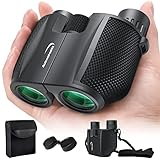
Overview: Aurosports’ 10x25 binoculars offer lightweight, user-friendly optics tailored for theatergoers, hikers, and families. Weighing just 0.5lb, they emphasize comfort and quick focus for spontaneous use during concerts, travel, or wildlife spotting.
What Makes It Stand Out: The BAK4 prisms with multi-coated lenses deliver surprisingly bright, vivid images in low light—a rarity in this price bracket. Its ultra-compact, shockproof silicone body and three-step focusing system make it exceptionally beginner-friendly for all ages.
Value for Money: Excellent value for casual users; it undercuts competitors with similar optics while including anti-fog and waterproofing. Ideal for gifting (e.g., Father’s Day) but lacks the durability for intense outdoor expeditions.
Strengths and Weaknesses: Strengths are featherlight portability, effortless focus, and versatile use from concerts to hiking. Weaknesses include limited magnification (10x) for distant wildlife and smaller objective lenses (25mm) reducing light intake versus larger models.
Bottom Line: Highly recommended for everyday adventures and gifts; choose this over bulkier options if portability and simplicity are priorities.
3. Hontry Binoculars for Adults and Kids, 10x25 Compact Binoculars for Bird Watching, Theater and Concerts, Hunting and Sport Games
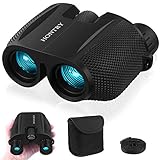
Overview: Hontry’s 10x25 binoculars are designed as an everyday companion for families, balancing practicality with solid optics. Palm-sized and lightweight (0.6lb), they bridge casual and intermediate use for birding, sports, or travel.
What Makes It Stand Out: The adjustable interpupillary distance (60–75mm) accommodates nearly all users—from children to adults—making it uniquely family-shared. The ergonomic grip and 10x magnification strike a steady, shake-resistant viewing experience ideal for prolonged use.
Value for Money: Justifies its price with durable, eco-friendly materials and multi-scene versatility. While not specialized for extreme conditions, it offers better longevity than disposable binoculars, rivaling mid-tier brands at a modest cost.
Strengths and Weaknesses: Strengths include universal fit, comfortable all-day handling, and reliable low-light clarity. Weaknesses are the absence of advanced waterproofing (only daily splash resistance) and modest magnification for serious hunting or astronomy.
Bottom Line: A top pick for households seeking one pair for all ages; perfect for glove-box storage or weekend hikes but not heavy-duty expeditions.
4. 15x55 UHD Binoculars for Adults High Powered with Phone Adapter - Large View, BAK4 Prism, Waterproof, Lightweight for Bird Watching, Hunting, Cruise, Travel, Sports (Blue)

Overview: These 15x55 binoculars target serious hobbyists with high-powered optics for birding, marine observation, and stargazing. The inclusion of a phone adapter elevates them beyond standard field glasses into content-creation territory.
What Makes It Stand Out: The standout feature is the IPX7 waterproofing and argon-purged fogproofing—uncommon in compact designs—paired with a phone adapter for capturing UHD images. Large 55mm lenses and BAK4 prisms ensure exceptional light transmission and edge-to-edge sharpness.
Value for Money: Premium-priced but justified for enthusiasts needing all-weather reliability and photo capabilities. Cheaper than dedicated camera rigs, though the fixed 15x magnification limits flexibility versus zoom models.
Strengths and Weaknesses: Strengths include stellar low-light performance, rugged construction, and versatile phone integration. Weaknesses are the heavier weight (unsuitable for all-day hiking) and fixed magnification reducing adaptability in dynamic settings.
Bottom Line: Ideal for photographers and avid birders; invest if you prioritize image quality and weather resistance over ultralight portability.
5. 20x50 High Powered Binoculars for Adults, Waterproof Compact Binoculars with Low Light Vision for Bird Watching Hunting Camping Travel Cruise Hiking Sports Stargazing, Christmas Birthday Gifts for Men

Overview: The 20x50 binoculars deliver extreme magnification for detailed long-range viewing, catering to hunters, stargazers, and travelers needing to scrutinize distant subjects up to 1,000 yards away.
What Makes It Stand Out: Its 20x power and 26mm ergonomic eyepiece minimize eye strain during extended use—a rarity at this magnification. The BAK4 Porro prism with 99.8% light transmission and green FMC coating produce vivid, color-accurate images even at dusk.
Value for Money: Commands a higher price but excels in light gathering and clarity for its class. Outperforms similarly priced models in low-light scenarios, though the bulk may deter minimalist travelers.
Strengths and Weaknesses: Strengths are unparalleled detail resolution, non-slip textured grips, and effective waterproofing. Weaknesses include weight-induced hand shake (requiring a tripod for steady viewing) and a narrow field of view limiting situational awareness.
Bottom Line: Best for stationary observation like stargazing or hunting blinds; avoid for hiking but highly recommended for precision-focused users willing to trade portability for power.
6. Celestron - Cometron 7x50 Astronomy Binoculars – Entry-Level for Stargazing and Comet Watching – Large 50mm Objective Lenses – Wide 6.6° Field of View – Multi-Coated Optics

Overview: The Celestron Cometron 7x50 is a purpose-built entry point into astronomy, designed specifically for beginners exploring the night sky. Its 7x magnification and large 50mm objective lenses prioritize light gathering and a wide field of view over high power, making it ideal for celestial navigation and observing diffuse objects like comets and the Milky Way.
What Makes It Stand Out: Its standout feature is the exceptionally wide 6.6° field of view, significantly larger than many comparable astronomy binoculars. This, combined with the light-gathering power of the 50mm multi-coated optics, provides bright, immersive views perfect for sweeping the sky. The included tripod adapter socket is crucial for stable, fatigue-free stargazing sessions, a thoughtful inclusion often omitted at this price.
Value for Money: Priced accessibly for newcomers, it delivers exceptional value for dedicated astronomy beginners. While 50mm binoculars are common, the Cometron’s specific tuning for celestial observation (wide field, coatings) and tripod compatibility offer more focused utility than generic 7x50 models, making it a smarter investment than cheaper, less-optimized alternatives.
Strengths and Weaknesses: Strengths: Unbeatable wide-field stargazing experience for the price; bright, high-contrast views; essential tripod readiness; surprisingly versatile for daytime use (birding, scenery). Weaknesses: Relatively heavy (over 2 lbs) for prolonged handheld use; 26.2 ft close focus limits detailed terrestrial viewing; basic rubber armor lacks premium feel.
Bottom Line: An outstanding first telescope alternative, the Cometron 7x50 excels at its core mission: making the night sky accessible. Its wide view and light grasp are perfect for beginners, justifying its price. Highly recommended for aspiring astronomers, though less ideal for extended handheld terrestrial use due to weight.
7. Celestron - Outland X 10x42 Binoculars – Ideal for Birding and Outdoors – 42mm Objective Lenses – 5.5° Field of View – BaK-4 Prisms – Multi-Coated – Waterproof and Fogproof

Overview: The Celestron Outland X 10x42 is a rugged, mid-sized binocular engineered for serious outdoor enthusiasts, particularly birders and hikers. It balances powerful 10x magnification with a manageable 42mm objective size, housed in a durable, weatherproof chassis ready for demanding environments.
What Makes It Stand Out: Its key differentiator is the premium BaK-4 prisms paired with multi-coated optics, delivering sharp, color-accurate, and bright images even in challenging dawn/dusk light – crucial for wildlife observation. The robust polycarbonate body with rubber armor, combined with full waterproofing and nitrogen purging, ensures reliability in rain, snow, or humidity where lesser models fog or fail.
Value for Money: Positioned as a mid-range optic, it offers excellent value by packing high-end optical components (BaK-4 prisms) and serious weatherproofing into a lightweight (21.2 oz), pocketable design. It undercuts many competitors with similar specs, making it a compelling choice for birders seeking premium performance without a pro-level price tag.
Strengths and Weaknesses: Strengths: Exceptional optical clarity and color fidelity; supremely durable and weatherproof; comfortable grip; lightweight yet substantial feel; excellent close focus (~6.6 ft). Weaknesses: Field of view (5.5°) is narrower than lower-magnification models; eye relief may be tight for some eyeglass wearers; tripod adapter sold separately.
Bottom Line: A top-tier choice for active birders and outdoor adventurers, the Outland X 10x42 delivers professional-grade optics in a tough, reliable package. Its weather resistance and image quality justify the price, making it a highly recommended investment for serious daylight observation.
8. Mini Compact Binoculars for Adults and Kids - Waterproof High Powered Easy Focus Small Binocular, Ideal for Bird Watching, Hunting, Concert, Theater, Travel, Hiking, Sightseeing & Outdoor Sports

Overview: These ultra-compact binoculars prioritize extreme portability and broad usability for casual observers of all ages. Weighing only 5.3 oz, they fit easily in a pocket or small bag, targeting users seeking a lightweight, versatile optic for travel, events, and light outdoor activities like birding or hiking.
What Makes It Stand Out: Their standout feature is exceptional miniaturization without sacrificing core functionality. The durable aluminum alloy frame with non-slip rubber armor provides surprising resilience for its size. The inclusion of a detailed guide and easy focus mechanism makes it uniquely accessible for children (as young as 2-4) alongside adults, broadening its appeal significantly.
Value for Money: Offering strong value for casual, multi-scenario use. The comprehensive bundle (case, strap, cloth) and durable build at this price point outperform many flimsier pocket binoculars. While optics won’t match larger models, the bright 12x42-like specs (despite smaller apparent lenses) deliver decent performance for the size and cost, ideal for occasional use.
Strengths and Weaknesses: Strengths: Extremely lightweight and pocketable; robust aluminum construction; simple, intuitive focus for kids/adults; versatile for concerts, travel, light outdoors; genuinely waterproof against splashes. Weaknesses: Optical quality (edge distortion, lower light transmission) lags behind full-sized binoculars; 12x magnification is shaky handheld; “30x60” specs appear misleading (likely 12x30); narrow field of view.
Bottom Line: An excellent, durable choice for casual, on-the-go viewing where portability is paramount. Perfect for kids, travelers, or as a backup optic, but not for serious astronomy or low-light birding. Highly recommended within its compact niche for its build and ease of use.
9. Compact Binoculars for Adults and Kids, HD Mini Portable Outdoor Binoculars Children, Pocket Lightweight Folding for Bird Watching, Hunting, Concert, Theater, Opera, Traveling, Tourism, Shows

Overview: Marketed similarly to Product 8, these mini binoculars emphasize portability and family-friendly use for everyday events and light outdoor pursuits. They share core specs (5.3 oz, 12x magnification) but push a “Glimmer Night Vision” claim, targeting users wanting versatility from concerts to twilight hikes.
What Makes It Stand Out: The primary differentiator is the aggressive marketing of “Low-light night vision.” Crucially, this only means enhanced low-light capability (via coatings/BaK-4 prisms), not true night vision requiring illumination. The folding design (unmentioned in Product 8) potentially offers even slimmer storage, though durability trade-offs are likely. The focus remains on universal appeal for all ages and activities.
Value for Money: Value is comparable to Product 8, but the “night vision” claim requires careful interpretation. You pay for compactness and durability (aluminum frame, rubber armor), not genuine night vision. It’s fairly priced for a lightweight, splash-proof optic suitable for concerts or daytime hikes, but the low-light performance, while better than cheap models, won’t enable true night observation.
Strengths and Weaknesses: Strengths: Very portable and lightweight; sturdy non-slip grip; simple operation for all ages; decent low-light improvement over basic compacts; versatile for listed activities. Weaknesses: “Night vision” is misleading marketing (requires ambient light); optical quality limited by small size (dimmer, narrower field than 42mm); 12x magnification unstable handheld; folding mechanism may compromise weather sealing.
Bottom Line: A solid, durable compact binocular for casual daytime or twilight use, but buyer beware of the “night vision” hype. Best suited for travel, events, or beginner outings where size trumps optical power. Recommended cautiously for realistic expectations, especially regarding low-light claims.
10. Adorrgon 12x42 HD Binoculars for Adults High Powered with Phone Adapter, Tripod and Tripod Adapter - Large View Binoculars with Clear Low Light Vision - Binocular for Bird Watching Cruise Travel
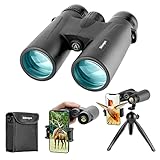
Overview: The Adorrgon 12x42 bundles high magnification (12x) with a comprehensive accessory kit (phone adapter, tabletop tripod), targeting tech-savvy users who want to capture and share views. It emphasizes low-light performance and a large eyepiece for brighter images during activities like birding, hunting, or cruises.
What Makes It Stand Out: The standout feature is the complete, upgraded smartphone photography ecosystem. The universal phone adapter (fits phones with cases) and sturdy, rotatable tabletop tripod enable stable, shake-free image capture – a rarity in this price bracket. The large 18.5mm eyepieces genuinely enhance brightness and viewing comfort compared to smaller compacts.
Value for Money: Offers exceptional value through its bundled accessories. The core binoculars provide solid 12x42 performance with multi-coated optics and low-light capability at a competitive price. However, the inclusion of a functional phone adapter and useful tripod (often $20+ extras elsewhere) significantly boosts the package’s worth for social media-oriented users.
Strengths and Weaknesses: Strengths: Excellent phone photography kit (adapter + tripod); very bright view due to large eyepieces; good low-light performance; lightweight (1.1 lbs); wide field of view (367ft/1000yds); durable rubber armor. Weaknesses: 12x magnification demands steady hands/tripod; phone adapter setup may require fine-tuning; build quality good but not premium; tripod is small/tabletop only.
Bottom Line: The clear winner for users wanting to photograph through binoculars without breaking the bank. The thoughtful, functional accessories combined with solid optics make it a highly recommended package for travelers, birders documenting sightings, or cruise enthusiasts, justifying its price over bare-bones models.
Understanding Key Specifications for Beginners
Why Magnification Matters (But Isn’t Everything)
Magnification, often the first number you see (like 8x or 10x), indicates how much closer an object appears. While tempting, ultra-high magnification (12x+) on a budget often backfires. Higher power amplifies hand shake, making images wobble excessively without a tripod – impractical for hiking. For beginners, 8x magnification offers the sweet spot: stable handheld viewing, a wider field of view for easier target acquisition, and sufficient detail for most birding, hiking, or sporting events. 10x provides slightly more reach but demands steadier hands; consider it only if you plan mostly stationary observation.
Objective Lens Size: Light Gathering Power
The second number (e.g., 42mm in 8x42) is the objective lens diameter. This crucial spec determines how much light the binoculars gather, directly impacting image brightness, especially in dawn, dusk, or forested areas. Larger lenses (42mm) gather significantly more light than smaller ones (25mm or 32mm), yielding brighter, clearer views in low light. However, larger lenses increase weight and bulk. For versatile beginner use across varying light conditions, 32mm to 42mm is ideal. Prioritize 42mm if low-light performance is key; choose 32mm for maximum portability on long hikes.
Porro vs. Roof Prisms: The Structural Difference
Binoculars use prisms to flip the inverted image created by the lenses. Porro prism designs (with offset eyepieces and objectives) are generally simpler to manufacture, often delivering better optical performance per dollar at the budget level. They typically offer superior depth perception and a wider field of view. Roof prism designs (straight-barrel) are more compact and streamlined but require precise alignment and specialized phase coatings to match Porro performance – coatings often skipped in true budget models. For under $100, Porro prism models frequently provide better value and image quality for beginners.
The Critical Role of Lens Coatings
Coatings reduce light loss and glare as light passes through multiple glass surfaces. “Coated” (single layer on some lenses) is basic. “Fully coated” (single layer on all lenses) is better. “Multi-coated” (multiple layers on some lenses) improves contrast and brightness significantly. “Fully multi-coated” (multiple layers on all lenses) is the gold standard for budget optics, maximizing light transmission and image clarity. Never settle for uncoated or minimally coated lenses under $100; fully multi-coated optics are essential for bright, true-color views and are increasingly standard even in entry-level 2026 models.
Essential Features for Practical Beginner Use
Field of View: Your Window to the Action
Field of View (FoV), measured in feet at 1000 yards or degrees, indicates how much scenery you see. A wider FoV makes it easier to locate and track moving subjects like birds or wildlife. Higher magnification often narrows the FoV. Beginners benefit greatly from a wider FoV (e.g., 350+ ft at 1000yds for 8x models) as it reduces the “tunnel vision” effect and simplifies following action. Check specs carefully – some budget models sacrifice FoV for higher magnification numbers, creating a frustrating user experience.
Weight and Ergonomics: Comfort is Non-Negotiable
You won’t use binoculars that strain your hands or neck. Lightweight models (under 20 oz) are preferable for extended hikes, but ultra-lightweight designs sometimes compromise on lens size or durability. Consider the grip texture and overall balance. Binoculars that feel awkward or top-heavy in your hands will gather dust. Try to handle potential models if possible, or read detailed user reviews focusing on comfort. Rubber armor isn’t just for looks; it provides a secure, non-slip grip and absorbs shock from bumps.
Waterproofing and Fog Proofing: Weather Readiness
“Waterproof” means the binoculars are sealed with O-rings to prevent moisture, dust, and debris ingress – essential for any outdoor use near water, in rain, or humid environments. “Fog proof” means they’re purged with nitrogen or argon gas, preventing internal fogging when temperatures change rapidly (like moving from an air-conditioned car to a humid trail). True beginner-friendly binoculars under $100 in 2026 increasingly include both features. Never skip this; internal fogging or water damage can ruin an inexpensive pair quickly.
Eye Relief: Crucial for Glasses Wearers
Eye relief is the distance your eye can be from the eyepiece and still see the full image. If you wear glasses, you need longer eye relief (15mm or more) to avoid a “tunnel vision” effect. Budget models sometimes skimp here, offering only 10-12mm, which forces glasses wearers to remove their specs for a full view – impractical and unsafe. Check the spec sheet specifically for eye relief if you use corrective lenses. Twist-up or fold-down rubber eyecups also help customize the viewing position.
Diopter Adjustment: Compensating for Vision Differences
Your eyes likely aren’t perfectly matched. The diopter adjustment (usually a ring near one eyepiece) lets you fine-tune focus for one eye to match the other. This is vital for achieving sharp, comfortable viewing without eye strain. A simple, positive-click diopter lock is preferable to vague, loose rings found on some ultra-cheap models. Test this feature if possible; it should adjust smoothly and hold its setting securely once calibrated.
Close Focus Distance: Exploring the Nearby World
How close can the binoculars focus? A shorter close focus distance (e.g., 6-8 feet) allows you to observe insects, flowers, or small details up close, adding versatility beyond distant viewing. While not critical for astronomy, it’s a valuable feature for nature study beginners. Budget models vary widely here; some focus only beyond 15 feet, limiting their utility. Look for a close focus under 10 feet for broader applicability.
Navigating Common Budget Pitfalls
The Magnification Mirage: Why 12x+ is Often a Trap
Marketing loves big numbers. Claims of 16x, 20x, or even “digital zoom” on sub-$100 binoculars are major red flags. Such high magnification on inexpensive optics results in extremely dim, shaky, narrow-field images that are practically unusable handheld. Optical physics dictates that without a massive objective lens (which would be heavy and expensive) and premium stabilization, high magnification under $100 delivers poor performance. Stick to 8x or 10x for reliable, enjoyable viewing.
Plastic vs. Metal Chassis: Durability Matters
The internal frame (chassis) significantly impacts longevity. All-plastic constructions, common at the very bottom of the price range, can flex, misalign the optics, and break easily under stress or temperature changes. A metal (often magnesium alloy) chassis, even partially, provides crucial rigidity, stability, and resistance to impacts. While adding slight cost, it’s a key indicator of a binocular built to last beyond a few outings. Check product descriptions for mentions of “metal chassis” or “die-cast chassis.”
The Twilight Factor Myth: Seeing Beyond the Hype
Some marketing pushes “Twilight Factor” (square root of magnification x objective lens size) as a low-light performance metric. While mathematically interesting, it oversimplifies reality. Actual low-light performance depends far more on quality of lens coatings, glass purity, prism type/coatings, and optical alignment than this single number. Don’t be swayed by a high Twilight Factor alone; prioritize fully multi-coated lenses and reputable optical design instead.
Avoiding “Toy” Optics: Recognizing Poor Quality
Ultra-cheap binoculars (<$30) sold as novelties often have severe flaws: plastic lenses instead of glass (causing distortion), no meaningful coatings, flimsy focus mechanisms, and poor sealing. Images appear blurry, dim, or colored (chromatic aberration). They lack ergonomic design and break quickly. Investing slightly more ($60-$100) moves you firmly into the realm of functional optical instruments designed for real outdoor use, not disposable trinkets.
Understanding Warranty and Support Expectations
Reputable optical brands, even those offering budget lines, typically provide solid warranties (5-10 years or even lifetime coverage) against manufacturing defects. Extremely short warranties (1 year or less) or vague “limited” policies can signal lower confidence in the product’s longevity. Research the manufacturer’s reputation for honoring warranties and providing customer support – it’s a valuable safety net for your investment.
Maximizing Your Entry-Level Binocular Experience
Proper Care and Maintenance Basics
Treat your binoculars right, and they’ll last years. Always use the included lens caps. Clean lenses only with a microfiber cloth designed for optics and, if needed, a few drops of lens cleaning fluid (never glass cleaner!). Blow off loose dust first. Store them in a dry place, ideally in a protective case. Avoid rapid, extreme temperature changes if possible. Proper care prevents scratches, fungus growth, and internal damage, preserving clarity.
Essential Accessories for Beginners
While your binoculars might come with a basic strap, consider upgrading to a padded, adjustable neck strap for all-day comfort. A compact, waterproof carrying case offers better protection than a flimsy pouch. A small microfiber cloth stashed in your pack is indispensable for quick cleanups after a dusty trail or misty morning. Avoid cheap clip-on lens filters; they often degrade image quality more than they protect.
Developing Your Observation Skills
The best binoculars are useless without technique. Practice holding them steadily: brace your elbows against your ribs or use a tree for support. Learn to adjust the diopter once for your eyes (close the covered eye, focus with the main knob; then close the other eye, adjust diopter only). Scan slowly and deliberately. Start with stationary targets before tracking moving wildlife. Patience and practice dramatically improve what you see.
When to Consider Moving Beyond Budget Models
As your passion grows, you might notice limitations: dimmer images in deep shade, less detail on distant subjects, or bulkiness hindering long hikes. This is natural progression. When you find yourself consistently wishing for brighter views at dawn, sharper detail on bird markings, or a wider, more immersive field of view, it’s a sign you’re ready to explore mid-range optics. Your first pair serves as the perfect teacher for understanding your specific needs.
Frequently Asked Questions
Frequently Asked Questions
Can budget binoculars under $100 be used for stargazing? Yes, they can offer enjoyable views of the moon, star clusters like the Pleiades, and larger constellations. However, their limited magnification and field of view make observing planets or faint deep-sky objects challenging. A stable mount is essential for higher magnifications.
Why do the images shake so much when I look through them? Hand shake is amplified by higher magnification. Using 8x instead of 10x+ reduces this. Brace your elbows against your body or a stable surface like a tree or car roof. Practice slow, deliberate breathing while viewing to minimize movement.
How do I properly clean smudged or dusty lenses? First, gently blow off loose dust with a bulb blower or soft brush. Never wipe dry dust, as it can scratch. Use a clean microfiber cloth lightly moistened with optical lens cleaner (or distilled water in a pinch), wiping in a circular motion from the center outward. Never use paper towels, shirts, or household cleaners.
Is waterproofing really necessary for casual use? Absolutely. Unexpected rain, morning dew, high humidity, or even splashes near water can damage non-waterproof optics. Sealing also keeps dust and sand out, prolonging the life of moving parts and internal mechanisms. It’s a critical feature for any outdoor gear.
What magnification is best for hiking and backpacking? 8x magnification is generally ideal. It offers a wide field of view for spotting trail details and wildlife, stable handheld viewing even when tired, and sufficient brightness in varied forest light. The slightly lighter weight compared to 10x models is also beneficial on long trips.
Can children comfortably use adult-sized binoculars? Many budget models are lightweight enough for older children. Look for models with a shorter interpupillary distance (IPD) range if for younger kids. Porro prism designs often have a more forgiving IPD range. Ensure the focus knob is easy for small hands to operate and the strap is adjustable.
Why do my binoculars fog up inside the lenses? Internal fogging means the seal has failed, allowing moist air inside. Nitrogen/argon purging prevents this when seals are intact. Once fogging occurs internally, it usually requires professional servicing (which may not be cost-effective on a budget pair). Prevention via waterproof/fog-proof specs is key.
How long should a good pair of budget binoculars last? With proper care (using caps, storing dry, avoiding drops), a well-made budget pair ($60-$100) should last 5-10 years of regular recreational use. Plastic chassis or poor sealing will significantly shorten lifespan. Metal chassis models generally offer better longevity.
Can I see license plates or read text clearly at long distances? On a very clear day with stable air, 8x42 binoculars might resolve large license plates at 100-150 yards under ideal conditions. Reading small text (like newspaper print) typically requires much higher magnification and stability than budget handheld binoculars provide, even at moderate distances.
What’s typically included in the box with budget binoculars? Standard inclusions are a basic neck strap, soft carrying pouch or case, and objective lens caps (often connected by a string). Some may include a microfiber cloth. Higher-end budget models might offer a slightly padded case or a better strap, but tripods, harnesses, or premium cases are uncommon at this price point.