Table of Contents
When you’re dialing in your archery setup for consistent bullseyes or clean ethical shots in the field, every piece of equipment matters more than you might think. Your quiver might seem like a simple arrow holder, but the wrong choice can throw off your bow’s balance, introduce unwanted torque, and create noise that spooks game at the moment of truth. The connection between your quiver and shot recovery—the ability to return to your exact anchor point and hold with precision—is often overlooked until accuracy starts to suffer mysteriously.
Finding the perfect quiver isn’t about chasing brand names or trendy designs; it’s about understanding how weight distribution, mounting position, and arrow accessibility affect your shooting form. Whether you’re a 3D competitor chasing tight groups or a hunter needing silent, fumble-free arrow access, the right quiver becomes an extension of your bow rather than an accessory fighting against it. Let’s explore what separates a quiver that enhances your accuracy from one that quietly sabotages it.
Top 10 Bow Quivers
Detailed Product Reviews
1. Trophy Ridge 5-Spot Archery Arrow Quiver, Black
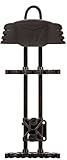
Overview: The Trophy Ridge 5-Spot delivers a focused feature set for serious bowhunters who prioritize stealth and efficiency. This streamlined quiver accommodates five arrows with a design that emphasizes quiet operation and rapid deployment. Its minimalist approach strips away unnecessary bulk while maintaining essential functionality for tree stand and spot-and-stalk hunting scenarios.
What Makes It Stand Out: The adjustable dual arrow grippers provide exceptional security across various shaft diameters, preventing arrow chatter during movement. The Soft-Touch hood effectively dampens vibration and eliminates the telltale noise that can spook game at critical moments. The quick detach mounting bracket allows for one-handed removal when it’s time to take the shot, while the integrated hanging loop offers convenient tree-stand storage.
Value for Money: Positioned in the mid-range price bracket, the 5-Spot offers professional-grade features without premium cost. It competes favorably against quivers costing 30% more, delivering comparable noise reduction and security. While it lacks illumination features of higher-end models, its core functionality represents excellent ROI for hunters who value reliability over gadgets.
Strengths and Weaknesses: Strengths: Exceptionally quiet operation; secure dual-gripper system; lightweight construction; proven quick-detach mechanism; practical hanging loop. Weaknesses: Limited to five arrows; no built-in lighting for low-light conditions; mounting adjustability less extensive than premium alternatives.
Bottom Line: The Trophy Ridge 5-Spot is an outstanding choice for hunters seeking a no-nonsense, reliable quiver that excels in noise reduction and arrow security without unnecessary complexity or expense.
2. Huntinghome 6 Arrow Archery Quiver Holder Quick-Release Compound Bow Arrow Holder
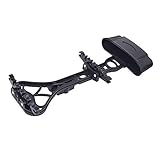
Overview: The Huntinghome 6 Arrow Quiver positions itself as an accessible entry point for archers seeking functional arrow storage without premium pricing. Constructed from ABS plastic with a rubber-lined interior, this lightweight holder accommodates six arrows across a broad spectrum of shaft and broadhead types, making it versatile for various hunting and target applications.
What Makes It Stand Out: Its six-arrow capacity provides an extra round compared to standard five-arrow quivers, offering welcome backup during extended hunts. Weighing just 250 grams, it adds minimal heft to your setup. The universal gripper design handles both fixed and expandable broadheads competently, while the quick-release mounting bracket facilitates smooth arrow extraction when seconds count.
Value for Money: This quiver delivers remarkable affordability, typically costing less than half of name-brand alternatives. For beginners or archers needing a backup quiver, the price-to-functionality ratio is compelling. However, the ABS construction suggests potential longevity concerns under heavy field use compared to higher-grade polymers or aluminum systems.
Strengths and Weaknesses: Strengths: Budget-friendly pricing; six-arrow capacity; extremely lightweight; universal broadhead compatibility; straightforward quick-detach system. Weaknesses: ABS material may crack in extreme cold; brand lacks established reputation; noise dampening inferior to premium models; limited mounting adjustability.
Bottom Line: The Huntinghome quiver serves admirably as a starter option or secondary setup, but serious hunters demanding maximum durability and stealth should invest in established brands with proven noise-reduction technology.
3. Trophy Ridge Hex Light Archery Arrow Quiver, Black
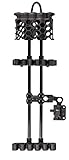
Overview: The Trophy Ridge Hex Light revolutionizes low-light hunting with integrated LED illumination that addresses the critical challenge of arrow identification and equipment management during dawn and dusk. This five-arrow quiver combines Trophy Ridge’s proven quiet construction with intelligent lighting technology, creating a specialized tool for hunters operating in marginal light conditions.
What Makes It Stand Out: The built-in LED lights illuminate both arrows and surrounding area, eliminating fumbling when selecting broadheads in darkness. The Soft-Touch hood construction maintains Trophy Ridge’s reputation for vibration dampening, while the customizable mounting system allows unprecedented positioning flexibility. Switch between single or dual grippers based on arrow type and personal preference.
Value for Money: Positioned at the upper mid-range price point, the Hex Light justifies its premium through unique functionality that competitors lack. For hunters frequently in low-light scenarios, this feature alone warrants the additional cost. Daylight-only hunters may find the premium unnecessary, but crepuscular hunters gain significant tactical advantage.
Strengths and Weaknesses: Strengths: Innovative LED lighting system; exceptional mounting adjustability; proven quiet hood design; versatile gripper configuration; premium build quality. Weaknesses: Battery dependency requires monitoring; higher price than non-lighted alternatives; additional weight from electronics; potential failure point in harsh weather.
Bottom Line: The Hex Light is essential equipment for serious low-light hunters, delivering unmatched visibility and arrow management when it matters most. For daytime-only hunters, standard quivers offer better value.
4. LimbSaver Silent Quiver for Bow Hunting, One Piece, Carbon Black, 5 arrow

Overview: The LimbSaver Silent Quiver represents the pinnacle of noise suppression technology in arrow management, engineered for hunters who understand that silence equals success. This five-arrow quiver employs LimbSaver’s proprietary NAVCOM material throughout its gripper system, creating what is arguably the quietest quiver available for bowhunting applications.
What Makes It Stand Out: The innovative non-com technology actively dampens vibration at a molecular level, eliminating the subtle noises competitors merely reduce. Its ultra-low profile design hugs the bow tightly, improving balance and reducing snag potential in dense cover. The thumb-operated quick disconnect is intuitively positioned for silent, one-handed detachment without visual confirmation.
Value for Money: As a premium-priced quiver, it demands investment but delivers measurable performance advantages. For hunters pursuing wary game like mature whitetails or elk, the superior silence can justify the cost many times over. Compared to standard quivers, the noise reduction is immediately noticeable and potentially hunt-changing.
Strengths and Weaknesses: Strengths: Industry-leading noise dampening; exceptional build quality; intuitive thumb-release disconnect; ultra-low profile design; reliable universal broadhead fit. Weaknesses: Premium price point; five-arrow capacity may limit some hunters; slightly heavier than minimalist options; specialized features unnecessary for target archery.
Bottom Line: For bowhunters prioritizing absolute stealth above all else, the LimbSaver Silent Quiver is unmatched. The investment pays dividends when drawing on alert game in close quarters.
5. ARusyna 5 Arrow Bow Quiver for Archery Universal Hunting Quiver Quick Detach Quiver for Compound Bow and Recurve Bow Broadheads Lightweight Black
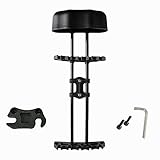
Overview: The ARusyna 5 Arrow Quiver enters the market as a budget-conscious universal solution for archers seeking basic arrow containment without brand-name pricing. This ABS-constructed quiver promises compatibility across compound and recurve setups while emphasizing quick-detach functionality and lightweight portability for entry-level hunters.
What Makes It Stand Out: The quiver’s primary distinguishing feature is its aggressive pricing strategy, making it accessible to the cost-sensitive segment. The quick detach lock mechanism functions adequately for target shooting and casual hunting, while the five-arrow capacity meets standard field requirements. Its universal design genuinely accommodates most broadhead and shaft combinations without modification.
Value for Money: Extremely inexpensive, this quiver costs a fraction of premium alternatives. The value proposition is clear: functional arrow storage for minimal investment. However, the generic ABS construction and lack of specialized noise-dampening features mean hunters sacrifice stealth and potentially longevity for savings.
Strengths and Weaknesses: Strengths: Highly affordable; lightweight design; universal broadhead compatibility; simple quick-detach system; adequate for recreational use. Weaknesses: Generic brand with unproven track record; minimal noise reduction; ABS durability concerns; vague marketing language; no advanced features like lighting or premium grippers.
Bottom Line: The ARusyna quiver serves as a functional placeholder for beginners or backup applications, but serious hunters should allocate budget toward proven brands offering meaningful noise reduction and durability improvements.
6. TRUGLO Tuff-Loc 4-Arrow Quiver Black

Overview: The TRUGLO Tuff-Loc 4-Arrow Quiver delivers ultra-lightweight performance for serious bowhunters. Weighing under 7 ounces, this composite quiver attaches directly to your bow, keeping arrows within immediate reach without compromising balance. Engineered for harsh outdoor conditions, it withstands impacts against trees and rocks while maintaining structural integrity, making it ideal for mobile hunters who demand durability.
What Makes It Stand Out: The vibration-absorbing design sets this quiver apart, featuring a rubber hood insert that silences broadheads and prevents dulling. The innovative CAM-LOCK mounting system enables smooth one-handed removal and secure locking—a game-changer for tree stand hunters. Its contrasting hood interior improves visibility in low-light conditions, while the thumb-tab gripper allows whisper-quiet arrow retrieval. The quiver accommodates both carbon and aluminum shafts .229" and larger, plus mechanical and fixed-blade broadheads.
Value for Money: Priced competitively against other premium bow-mounted quivers, the Tuff-Loc offers exceptional value through its vibration-dampening technology and robust construction. Comparable models often weigh more or lack the CAM-LOCK convenience. The universal fit for most compound bows and crossbows eliminates the need for separate purchases.
Strengths and Weaknesses: Strengths include featherlight weight, superior noise reduction, ambidextrous design, and broadhead protection. The quick-release system operates flawlessly even with gloved hands. Weaknesses are limited to four-arrow capacity, which may insufficient for some hunters, and the composite material may show wear after seasons of heavy brush contact.
Bottom Line: For hunters prioritizing mobility and silence, the TRUGLO Tuff-Loc is an excellent investment. Its lightweight, vibration-free performance justifies the capacity trade-off for most tree stand and spot-and-stalk scenarios.
7. NRJSSCC Arrow Quiver, Archery Arrow Holder & Back Hip Quivers for Arrows, Adjustable Archery Equipment for Recurve & Compound Bow Target Practice and Hunting Accessories, Elegant Black

Overview: The NRJSSCC Arrow Quiver offers versatile carrying solutions for archers transitioning between target practice and hunting scenarios. This back/hip quiver combines premium tear-resistant materials with adaptive design, accommodating both youth and adult shooters. Its reinforced bottom protects fletchings and broadheads while the foldable construction makes it practical for storage and transport.
What Makes It Stand Out: Unmatched versatility defines this quiver. The adjustable padded straps (13-30 inches) ensure customized comfort, while dual shoulder and waist carry options provide flexibility for any shooting discipline. Quick-release straps and a sturdy belt clip enable rapid configuration changes. The compact, lightweight design excels during long training sessions, distributing weight evenly across the body rather than the bow.
Value for Money: This quiver delivers exceptional versatility at a mid-range price point. Instead of purchasing separate back and hip quivers, archers get two-in-one functionality. The durable construction withstands rigorous daily use, making it cost-effective for clubs, schools, and individual archers. Comparable specialized quivers often cost more while offering less adaptability.
Strengths and Weaknesses: Strengths include universal fit for all ages, multiple carry configurations, protective reinforced bottom, and excellent portability. The foldable design is travel-friendly. Weaknesses include potential bouncing during vigorous movement, less stealth than bow-mounted options for hunting, and arrow retrieval is slower compared to direct-mount systems.
Bottom Line: Ideal for target archers, beginners, and those wanting maximum versatility. The NRJSSCC quiver excels in training environments where comfort and adaptability outweigh absolute silence.
8. GTBriter Side Arrow RE1-11

Overview: The GTBriter Side Arrow RE1-11 caters to traditional archers seeking authentic aesthetics for takedown and longbows. Crafted with a genuine leather hood covering a steel frame, this side-mounted quiver complements classic bow designs like the Samick Sage. Its dark brown leather construction ages beautifully while providing functional arrow storage up to 62-inch takedown or 68-inch longbows.
What Makes It Stand Out: Authentic materials distinguish this quiver in a market dominated by synthetics. The replaceable five-arrow leather and rubber gripper extends service life, allowing archers to refresh worn components rather than replace the entire unit. Dual Velcro straps enable ambidextrous mounting without tools, preserving the bow’s traditional profile. The leather hood protects broadheads while maintaining vintage appeal.
Value for Money: For traditional archers, the genuine leather construction justifies the moderate price premium over composite alternatives. The replaceable gripper adds long-term value, and the steel frame ensures durability. While more expensive than basic nylon quivers, the classic aesthetics and material quality appeal to purists. However, budget-conscious buyers may find synthetic options more economical.
Strengths and Weaknesses: Strengths include authentic leather craftsmanship, ambidextrous versatility, replaceable components, and perfect pairing with traditional bows. The steel frame provides excellent stability. Weaknesses include limited five-arrow capacity, Velcro straps that may lose grip over time, and specific compatibility constraints with modern compound bows.
Bottom Line: Perfect for traditional archers wanting period-correct gear. The GTBriter quiver excels on takedown recurves and longbows where aesthetics matter as much as function.
9. THREE ARCHERS 5 Spot Arrow Quiver for Compound Bow Quick Detach Mounted Bracket Potable Arrow Quiver for Shooting&Hunting (BLACK)

Overview: The THREE ARCHERS 5 Spot Arrow Quiver provides bow-mounted convenience for compound bow shooters seeking quick access and smooth operation. Designed for both hunting and target practice, this black quiver holds five arrows and features a quick-detach mounting bracket that prioritizes speed and simplicity. The soft-touch hood construction minimizes vibration while rubber shaft wrapping prevents arrow-on-arrow noise.
What Makes It Stand Out: The rapid one-hand release mechanism excels in situations requiring swift quiver removal, such as transitioning from hiking to shooting. The five-arrow capacity offers one extra round compared to many competitors, providing a subtle advantage. Soft rubber construction throughout significantly reduces metallic clanking, while the contrasting interior improves arrow visibility during low-light retrieval.
Value for Money: Positioned as a budget-friendly alternative to premium brands, this quiver delivers core functionality at an attractive price point. The five-arrow capacity and noise-reduction features typically cost more in established brands. While lacking the advanced materials of high-end models, the performance-to-price ratio makes it accessible for entry-level hunters or as a backup quiver.
Strengths and Weaknesses: Strengths include easy one-handed operation, additional arrow capacity, effective vibration dampening, and universal compound bow compatibility. The quick-release design functions reliably. Weaknesses include unknown long-term durability of mounting hardware, limited brand reputation, and basic materials that may not withstand extreme conditions as well as premium composites.
Bottom Line: An excellent value proposition for budget-conscious hunters. The THREE ARCHERS quiver provides reliable performance for moderate use, though serious hunters may eventually upgrade to more durable options.
10. SCORPION ARCHERY Traditional Shoulder Back Quiver Bow Arrow Holder Handmade Straps Belt Adjustable Lightweight & Comfortable Cow Leather Gift for him Aniversary Gift (Suede Brown)

Overview: The SCORPION ARCHERY Traditional Shoulder Back Quiver embodies classic craftsmanship for archers valuing style and capacity. Handmade from genuine cow leather with a suede brown finish, this 18-inch quiver holds 20+ arrows, making it ideal for extended hunting trips or historical reenactments. The thickened leather bottom ensures durability while protecting arrow points and fletchings.
What Makes It Stand Out: Artisanal construction distinguishes this quiver from mass-produced alternatives. The dual-wear design allows shoulder or crossbody waist carry, adapting to different shooting styles and body types. Adjustable straps provide customized fit, while the large pouch capacity eliminates frequent resupply trips. The natural leather develops character with age, appealing to traditional archery purists.
Value for Money: As a handmade leather product, it commands a premium price justified by material quality and craftsmanship. While more expensive than synthetic quivers, the durability and aesthetic appeal create heirloom potential. For traditional archers, the authentic materials and construction justify the investment. Casual shooters may find more economical options sufficient.
Strengths and Weaknesses: Strengths include massive arrow capacity, versatile wearing options, premium leather construction, and ambidextrous design. The handmade quality ensures attention to detail. Weaknesses include heavier weight than synthetic alternatives, requiring leather maintenance, and higher cost. The large capacity may be excessive for short sessions.
Bottom Line: Perfect for traditional archers, hunters needing high capacity, or those seeking authentic period gear. The SCORPION quiver combines functionality with timeless style, making it a worthy investment for serious enthusiasts.
Understanding Bow Quivers and Shot Recovery
Shot recovery refers to your ability to maintain consistent form, anchor, and follow-through from one arrow to the next. A quiver influences this by either preserving or disrupting your bow’s natural balance point. When you draw and release, any asymmetrical weight or movement in your equipment can create subtle variations that open up your groups. The ideal quiver works in harmony with your bow’s geometry, allowing you to focus entirely on your shot process rather than compensating for equipment quirks.
The Physics of Balance and Torque
Every ounce added to your bow changes its moment of inertia—the resistance to rotational movement. A quiver mounted off-center creates torque that your bow hand must counteract, often unconsciously. This compensation can lead to grip pressure inconsistencies and ultimately, unpredictable arrow flight. Understanding this relationship helps you evaluate quiver designs based on how they distribute mass relative to your bow’s riser and grip.
How Quiver Design Affects Follow-Through
A quiver that rattles, shifts, or creates wind resistance during your shot can interrupt your follow-through—the critical phase where you maintain position until the arrow clears the bow. Designs that hug the bow tightly and minimize protruding elements help preserve your natural shooting rhythm, which is essential for repeatable accuracy.
Key Features That Impact Accuracy
Weight and Mass Distribution
The heaviest quiver isn’t necessarily the worst, but how that weight is distributed matters enormously. Models that concentrate weight close to the bow’s centerline minimize the lever arm effect. Look for designs that position arrows parallel to the riser rather than flaring outward, as this keeps mass tucked in where it has less mechanical advantage to create torque.
Vibration Dampening Properties
After the shot, your bow vibrates as energy dissipates. A quiver that resonates or amplifies these vibrations can affect how quickly you settle for the next shot. Features like rubber isolation mounts, carbon construction, or built-in dampening materials absorb these micro-movements, helping your sight picture return to steady more quickly.
Secure Arrow Retention Without Excessive Grip
Arrows must stay put during stalks, climbs, and awkward positions, but retention systems that grip too tightly can make silent arrow removal impossible. The sweet spot involves adjustable tension that you can fine-tune—firm enough to prevent loss, smooth enough for a whisper-quiet draw when that trophy animal is at full draw.
Types of Bow Quivers Explained
Fixed-Mount Bow Quivers
These attach directly to your bow’s riser and remain in place while shooting. They offer the most consistent weight distribution since they become part of your setup. The trade-off is that they add mass during the shot, which some archers feel affects their hold. However, for many hunters and target shooters, the convenience and consistent balance outweigh this consideration.
Detachable Quiver Systems
These allow you to remove the quiver before taking your shot, eliminating any weight or balance concerns entirely. The key is finding a system that detaches silently and quickly without requiring you to look away from your quarry. Magnetic systems, lever locks, and twist-off designs each have their own noise and speed profiles that affect real-world performance.
Hip and Back Quivers
While not mounted on the bow, these options completely remove weight from your shooting platform. They require more movement to access arrows, which can be detrimental in hunting scenarios. However, for target archery and 3D shooting where time isn’t critical, they allow for a pure, unencumbered bow setup that many accuracy purists prefer.
Materials and Construction Quality
Aluminum vs. Carbon Fiber Construction
Aluminum quivers offer durability and cost-effectiveness but typically weigh more. Carbon fiber models shave precious ounces while maintaining rigidity, though they come at a premium price. The material choice affects not just weight but also how the quiver handles vibration—carbon tends to dampen more effectively while aluminum can sometimes act as a resonating chamber.
Polymer and Composite Options
High-tech polymers provide excellent impact resistance and quiet operation at a mid-range weight. These materials often incorporate noise-reducing textures and can be molded into ergonomic shapes that fit your bow’s contours perfectly. The best polymer quivers use UV-stabilized compounds that won’t become brittle after seasons in the sun.
Hardware and Connection Points
The screws, brackets, and mounting hardware deserve scrutiny. Stainless steel hardware resists corrosion, while anodized aluminum offers a good balance of strength and weight. Look for captured-locking mechanisms that prevent bolts from loosening under vibration—nothing destroys accuracy faster than a quiver that gradually shifts position during a long practice session.
Mounting Systems and Bow Balance
Riser-Mount Configurations
Most modern quivers attach to the sight mounting holes or dedicated quiver holes on the riser. The vertical position—how high or low the quiver sits—affects how the weight influences your bow hand. Lower positions tend to feel more stable but can interfere with arrow rest or cable routing. Higher positions stay out of the way but may create a top-heavy feel.
Offset and Centerline Alignment
Some quivers offer adjustable offset, allowing you to position arrows closer to or further from the riser. Minimal offset keeps weight centralized but may cause fletching clearance issues with some rests. Greater offset solves clearance problems but extends the lever arm, increasing torque potential. The best designs let you find your personal sweet spot.
Secondary Stabilization Points
Premium quivers often include a second contact point, such as a strap or bracket that connects to the stabilizer bushing. This two-point mounting system prevents the quiver from cantilevering and vibrating independently of the bow, creating a more rigid, predictable platform that returns to the same position shot after shot.
Capacity Considerations for Different Archery Styles
Hunting Quiver Capacity Trade-offs
Hunters typically carry 5-7 arrows, balancing preparedness against weight. A full quiver adds significant mass to one side of your bow, which can be fatiguing during long sits or spot-and-stalk hunts. Consider whether you need maximum capacity or if a slim 4-arrow quiver provides enough backup while minimizing balance disruption.
3D and Target Archery Needs
Competition shooters often prefer larger capacities for multiple ends without reloading. However, a full quiver of 12 arrows creates substantial weight imbalance. Many target archers use hip quivers or remove bow-mounted quivers entirely during competition, using them only for transport between targets.
Broadhead vs. Field Point Considerations
Mechanical broadheads require more clearance and often dictate wider-spaced arrow grippers. Fixed-blade heads need even more room to prevent edge contact. If you shoot both, look for adjustable grippers that accommodate different shaft diameters and head profiles without requiring you to reconfigure between practice and hunting season.
Weight Distribution and Its Effect on Aim
Horizontal Balance Issues
A quiver full of arrows creates a weight bias to one side of your grip. Your bow hand subconsciously applies opposing pressure to center the sight, introducing variability. Some archers counter this by adding weight to the opposite side, while others prefer quivers designed to position arrow mass directly behind the riser, creating a more neutral balance.
Vertical Weight Placement
Arrows carried high on the riser raise your bow’s center of gravity, making it feel less stable on target. Low-mounted quivers can interfere with your sight picture or arrow rest. The ideal height positions the arrow bundle’s center of mass roughly aligned with your bow hand, creating a neutral feel that doesn’t fight your natural aiming instincts.
Dynamic Weight Changes
As you shoot arrows, your quiver’s weight decreases, subtly changing balance. This affects follow-up shots in hunting situations or during rapid-fire 3D sequences. Some hunters practice with a full quiver then shoot their last arrow with an empty one to understand how this shift affects their hold. Consistent practice helps develop muscle memory that adapts to these changes.
Noise Reduction Features for Hunting
Silent Arrow Grippers
Rubber grippers with tapered entry slots allow arrows to slide in and out without the “click” or “snap” of plastic alternatives. The best designs use dual-durometer rubber—soft where it contacts the shaft, firmer where it needs structural support. This prevents the telltale noise that can alert game when you’re trying to load a follow-up shot.
Vibration-Deadening Materials
Look for quivers lined with felt, fleece, or vibration-absorbing foam where arrows contact the hood. Bare metal or hard plastic hoods create a tuning fork effect when an arrow is seated or when brush contacts the quiver during a stalk. These soft materials also protect broadhead sharpness, which indirectly affects accuracy by ensuring consistent deployment and penetration.
Secure Mounting Without Squeaks
A quiver that shifts microscopically against the riser can produce squeaks or clicks at full draw when your bow is under maximum stress. Quality mounting systems use isolation washers, rubber gaskets, or precise machining tolerances to prevent metal-on-metal contact. Test any quiver by firmly grasping it and trying to twist it on the mount—any movement will translate to noise and potential accuracy issues.
Adjustability and Customization Options
Modular Gripper Spacing
The ability to reposition arrow grippers along the quiver shaft lets you accommodate varying arrow lengths and fletching configurations. Longer arrows may need wider spacing to prevent vane contact, while shorter arrows can be positioned closer together for a more compact package. This flexibility ensures your quiver grows with your evolving setup.
Detachable Hoods and Accessories
Some quivers feature removable hoods that convert them from broadhead-ready to field-point-only configurations, saving weight when hunting season ends. Accessory brackets for rangefinders, calls, or small gear can be useful, but remember that every addition changes weight distribution. The best systems let you strip the quiver down to its essentials for competition shooting.
Tension Adjustment Mechanisms
Arrow grippers with adjustable tension screws let you fine-tune retention based on arrow diameter and hunting conditions. Loose enough for silent removal but tight enough to keep arrows secure during a tumble down a steep ridge—this adjustability is crucial for archers who face varying terrain and weather conditions.
Compatibility with Your Bow Setup
Riser Geometry Considerations
Modern bows feature varying riser shapes—from deep reflexed designs to straight target-style risers. A quiver that fits one perfectly may leave awkward gaps or pressure points on another. Check how the quiver’s mounting bracket contours match your specific riser model. Some manufacturers offer adapter plates for popular bow designs, ensuring a flush, stable fit.
Cable and Rest Clearance
Nothing ruins a hunting trip like discovering your quiver’s hood interferes with your drop-away rest’s operation or contacts your cables at full draw. Measure the distance from your mounting holes to these critical components, and look for quivers with adjustable hood angles or cutaway designs that provide clearance without sacrificing arrow security.
Sight Picture Obstruction
A quiver positioned too high can block your sight picture or force you to crane your neck uncomfortably. Too low, and it may interfere with your sight level or obscure your view of the target through your peep sight. The ideal position keeps arrows completely out of your visual reference while maintaining natural head position behind the sight.
Budget vs. Performance Trade-offs
Entry-Level Considerations
Budget quivers often use simpler mounting systems and heavier materials, but that doesn’t automatically make them inaccurate. Many affordable polymer quivers offer excellent vibration dampening and secure mounting. The key is to prioritize features that directly affect balance and stability over cosmetic enhancements or brand prestige.
Premium Features Worth the Investment
High-end quivers justify their cost through meticulous engineering: carbon construction, isolated mounting systems, and tool-less adjustments. For the serious archer, these refinements translate to measurable improvements in consistency. However, the law of diminishing returns applies—a $200 quiver won’t make a novice shooter suddenly accurate, but it can help a skilled archer squeeze out that last bit of precision.
Long-Term Value Proposition
Consider durability when evaluating price. A quiver that lasts five seasons without developing rattles or loose mounts offers better value than replacing a cheaper model every other year. Stainless hardware, replaceable grippers, and robust warranty support indicate a product designed for longevity, which ultimately protects your accuracy investment.
Maintenance Tips for Long-Term Consistency
Regular Hardware Checks
Vibration from thousands of shots will loosen even the best hardware. Develop a monthly routine of checking mounting bolts with a torque wrench to manufacturer specifications. Use thread locker on critical fasteners, but avoid over-tightening, which can damage riser threads or compress mounting brackets, leading to misalignment.
Gripper and Hood Cleaning
Dust, blood, and debris in your arrow grippers can affect how smoothly arrows release. Clean rubber grippers with mild soap and water, avoiding petroleum-based products that degrade rubber. Inspect hood foam for broadhead cuts that could cause arrows to hang up during removal—replace foam inserts annually or when damage becomes apparent.
Seasonal Rebalancing
If you switch between heavy hunting arrows and lightweight practice shafts, your quiver’s balance changes. Take time to re-sight your bow and practice with both configurations. Some archers mark their sight settings for “full quiver” and “empty quiver” to quickly adjust when transitioning between practice and hunting setups.
Common Mistakes to Avoid When Choosing
Prioritizing Capacity Over Balance
It’s tempting to choose a quiver that holds 8-10 arrows “just in case,” but this often creates unnecessary weight and balance issues. Most hunting situations require only 1-2 shots. Carrying more arrows than realistically needed adds mass that works against your accuracy without providing practical benefit.
Ignoring Noise During Testing
Many archers test quivers in quiet showrooms or their backyard, failing to simulate real hunting conditions. Shake the quiver vigorously, bump it against tree branches, and practice removing arrows quickly. Any noise you create during testing will be magnified tenfold when a mature buck is within 30 yards.
Overlooking Quick-Detach Importance
Even if you plan to shoot with your quiver attached, situations arise where removal becomes necessary—like shooting from a cramped blind or taking a long shot where every ounce of stability matters. A quiver that’s difficult to remove silently defeats its own purpose. Always practice removing and reattaching in the dark before heading to the field.
How to Test a Quiver Before Committing
The Wobble Test
Mount the quiver on your bow and grasp it firmly. Try to move it in all directions. Any play in the mounting system will translate to accuracy issues and noise. A rock-solid connection that feels like part of the riser itself is non-negotiable for serious accuracy work.
The Balance Point Check
With your full quiver mounted, balance your bow horizontally on your palm at the grip. Note how far you must adjust your hand from the natural balance point without the quiver. The less adjustment needed, the better the quiver preserves your bow’s inherent stability. If you must shift significantly, consider adding counterweight or a different quiver design.
Real-World Shooting Evaluation
Test with broadheads if you’re a hunter—they affect balance differently than field points. Shoot groups with a full quiver, then with one arrow remaining. The group centers should remain consistent. If your point of impact shifts more than an inch at 20 yards, the quiver is affecting your form, and you may need to practice more with it attached or consider a detachable system.
Future Innovations in Quiver Design
Integrated Stabilization Technology
Emerging designs incorporate small adjustable weights within the quiver itself, allowing you to fine-tune balance without adding separate stabilizers. These systems let you compensate for the quiver’s inherent weight bias precisely, potentially eliminating the need to remove it for long-distance shots.
Smart Materials and Adaptive Grippers
Research into shape-memory polymers could produce grippers that automatically adjust tension based on arrow diameter or temperature. Imagine a quiver that grips tighter in cold weather when plastic becomes brittle and loosens in heat when rubber softens—maintaining perfect retention across conditions.
Modular Quiver Ecosystems
The future points toward quivers that integrate with your entire bow system—connecting to sights, rests, and stabilizers through standardized mounting interfaces. This would allow archers to build a cohesive system where each component works in harmony rather than as separate accessories, potentially revolutionizing how we think about bow balance and shot recovery.
Frequently Asked Questions
Will any quiver affect my accuracy?
Any quiver adds weight and changes balance, which can affect accuracy initially. However, a well-designed quiver minimizes these effects, and consistent practice with your setup allows you to adapt. The key is choosing one that doesn’t introduce torque or vibration and practicing enough that it becomes part of your natural shooting form.
Should I remove my quiver before shooting?
It depends on your priorities. Removing it eliminates weight and balance concerns, maximizing potential accuracy. However, hunting often requires quick follow-up shots, and removing it takes time and creates movement. Many modern quivers are designed to shoot with attached, and with practice, accuracy differences become negligible.
How many arrows should my hunting quiver hold?
Most experienced hunters carry 5-6 arrows. This provides adequate backup for follow-up shots or missed opportunities without excessive weight. Consider your hunting style—tree stand hunters may need fewer arrows than spot-and-stalk hunters who might encounter multiple animals or need to take longer shots requiring range estimation.
What’s the quietest quiver material?
Rubber-lined polymer or carbon fiber quivers with fleece-lined hoods tend to be quietest. The material itself matters less than how it’s implemented—tight tolerances, isolation mounts, and soft contact points all contribute to silence. Avoid bare metal hoods and hard plastic grippers if stealth is paramount.
Can I use the same quiver for target and hunting?
You can, but it’s rarely ideal. Target quivers often prioritize capacity and quick access over compactness and silence. Hunting quivers focus on minimal weight, noise reduction, and broadhead compatibility. Using a hunting quiver for target practice helps you maintain consistent form, but the reverse may leave you underprepared in the field.
How do I know if my quiver is too heavy?
If you notice fatigue during long practice sessions, your sight pin floats more than usual, or your groups open up compared to shooting without the quiver, it may be too heavy. Try a lighter model or a detachable system. Your bow should feel nimble and responsive, not cumbersome.
Should I choose a fixed or detachable quiver?
Choose fixed if you want simplicity and practice exclusively with your hunting setup. Choose detachable if you shoot long distances, hunt from tight blinds, or want the option of a stripped-down bow for certain situations. Many hunters compromise with quick-detach systems that offer both options.
How often should I replace my quiver?
A quality quiver should last 5-10 years with proper care. Replace it when you notice permanent deformation in grippers, stripped mounting hardware, or if it develops rattles you can’t eliminate. Also consider upgrading if new designs offer significant weight savings or features that address specific accuracy issues you’ve identified.
Do broadheads require a special quiver?
Yes. Broadheads need more hood depth and wider gripper spacing to prevent blade contact. Mechanical broadheads need protection for the deployment mechanism, while fixed blades require individual compartments or thick foam to keep edges sharp and prevent accidental cuts. Never use a field-point-only quiver for broadheads.
Can a quiver help stabilize my bow?
Ironically, yes. Some archers find that a well-balanced quiver acts like a small side stabilizer, actually improving their hold. This works best when the quiver positions weight low and close to the riser. However, this is highly individual—what stabilizes one archer’s bow may create torque for another. Experimentation is key to finding what works for your specific setup and shooting style.
Related Buying Guides
- 10 Best Bow Quivers for Accurate Shots This Year
- Top 10 Best Bow Sights for Accurate Long-Range Shots in 2026
- How to Solve Poor Shot Consistency with the 10 Best Adjustable Bow Sights in 2026
- How to Solve Poor Shot Grouping with the 10 Best Bow Sights in 2026
- The 10 Ultimate Best Bow Quivers with Integrated Sighting Systems for 2026