Table of Contents
There’s a magical moment when bird watching transforms from a casual hobby into a profound connection with nature. It happens when you first spot a rare warbler flitting through sun-dappled leaves, its colors impossibly vivid through the lenses of the right pair of binoculars. Suddenly, the distant becomes intimate—the intricate patterns on a hummingbird’s throat, the subtle shift in a raptor’s posture before takeoff—details invisible to the naked eye. Choosing the perfect optical tool isn’t just about magnification; it’s about selecting a portal to a richer, more immersive experience in the wild. Get it wrong, and you’ll wrestle with foggy lenses, neck strain, or missed moments. Get it right, and every outing feels like unwrapping a new layer of the natural world.
Many beginners dive into birding armed with whatever binoculars they have lying around—maybe a dusty pair from a high school football game or a generic travel model. The frustration is real: shaky images, narrow fields of view that make tracking swift flyers impossible, or heavy optics that discourage long hikes. Birding demands specialized tools designed for patience, precision, and the fleeting beauty of avian life. Unlike hunting or marine binoculars, birding optics prioritize close focus, wide fields of view, and exceptional color fidelity in varying light. Understanding why certain features matter—beyond just the numbers on a spec sheet—turns overwhelming choices into confident decisions. Let’s demystify what truly elevates your birding adventures.
Top 10 Binoculars for Bird Watching
Detailed Product Reviews
1. Occer 12x25 Compact Binoculars for Adults and Kids, Large Eyepiece Waterproof Binocular with Low Light Vision,High Powered Easy Focus Binoculars for Bird Watching,Outdoor Hunting,Travel,Sightseeing

Overview: The Occer 12x25 binoculars target casual users seeking portability for travel, birding, or events. With 12x magnification and a 25mm objective lens, they promise wide-field viewing (273ft/1000yds) and low-light usability, plus waterproofing and kid-friendly ergonomics.
What Makes It Stand Out: Large 15mm eyepieces and adjustable rubber cups accommodate eyeglass wearers comfortably, while FMC broadband coatings on BAK4 prisms enhance color accuracy. Its palm-sized design (weighing under 1 lb) and included strap make it exceptionally portable for hiking or concerts.
Value for Money: Priced affordably for entry-level users, it outperforms similarly sized competitors in clarity due to the FMC coatings. However, the “low-light vision” claim is modest—realistic for twilight, not true darkness—making it ideal for budget-conscious families but less suited for serious wildlife observers.
Strengths and Weaknesses: Strengths: Ultra-portable, comfortable for glasses wearers, durable rubber armor, and versatile for kids/adults. Weaknesses: Limited low-light capability despite marketing, 12x magnification causes noticeable hand shake without stabilization, and plastic build feels less premium.
Bottom Line: A solid, travel-friendly starter binocular for casual sightseeing or kids. Not for low-light specialists, but excellent value for its size and ease of use—recommended for tourists or theatergoers needing lightweight optics.
2. Hontry Binoculars for Adults and Kids, 10x25 Compact Binoculars for Bird Watching, Theater and Concerts, Hunting and Sport Games
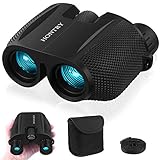
Overview: Hontry’s 10x25 binoculars prioritize everyday versatility, balancing 10x magnification with stability for theater, sports, or family outings. Weighing just 0.6 lbs, they fit in a pocket while supporting use cases from hiking to airport layovers.
What Makes It Stand Out: The adjustable interpupillary distance (60–75mm) ensures a comfortable fit for children and adults alike—a rarity in compact models. BAK4 prisms deliver surprisingly rich detail for the price, and the palm-sized chassis encourages spontaneous use without bulk.
Value for Money: Exceptional for multi-generational households at its price point. While 10x magnification lacks the reach of higher-end models, it minimizes shake for steadier handheld viewing. Cheaper than theater-specific optics but outperforms ultra-budget alternatives in clarity.
Strengths and Weaknesses: Strengths: Lightweight, family-friendly IPD range, stable 10x magnification, and rugged enough for daily adventures. Weaknesses: Narrow field of view (261ft/1000yds), limited low-light performance, and no waterproofing for harsh conditions.
Bottom Line: The best compact binoculars for shared family use or casual events. Sacrifices some optical power for universal comfort—highly recommended for parents, concertgoers, or travelers prioritizing portability over extreme magnification.
3. 20x60 Binoculars for Adults High Powered - OPAITA HD Binoculars with BAK4 Prism & FMC Lens for Clear Low Light Vision - Large View Binoculars for Bird Watching Hunting Cruise Camping Travel Stargazing
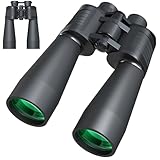
Overview: OPAITA’s 20x60 binoculars are built for serious observers needing high magnification and exceptional low-light performance. Large 60mm objectives paired with BAK4 prisms target hunters, astronomers, and birders demanding edge-to-edge sharpness in dawn/dusk conditions.
What Makes It Stand Out: The 20x magnification captures distant details clearly, while FMC lenses and phase-correction coatings maximize light transmission (99.8%) for vibrant, distortion-free images. The 26mm eyepieces reduce eye strain during extended use, and nitrogen-purged, fog-proof construction ensures reliability in rugged environments.
Value for Money: Priced mid-range for high-power optics, it undercuts premium brands while matching their optical quality. The included case, strap, and cleaning cloth add practicality. Worth the investment for enthusiasts—but the size/weight (over 2 lbs) limits casual portability.
Strengths and Weaknesses: Strengths: Outstanding low-light clarity, robust weatherproofing, comfortable viewing ergonomics, and tripod-ready stability. Weaknesses: Heavy for prolonged handheld use, narrow field of view (187ft/1000yds), and 20x magnification amplifies hand tremors.
Bottom Line: A top-tier choice for dedicated outdoor pursuits where optical performance trumps portability. Ideal for stationary birding, hunting, or stargazing—recommended for serious users despite its bulk.
4. 12x42 HD Binoculars for Adults High Powered with Phone Adapter and Tripod, Super Bright BAK4 Prism Waterproof Binoculars for Bird Watching Hunting Hiking Safari Travel Sports
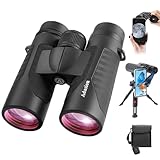
Overview: Adasion’s 12x42 binoculars merge traditional optics with modern tech, featuring a phone adapter and tripod for photography. Designed for travelers and content creators, they balance 12x magnification with IPX7 waterproofing and low-light capability.
What Makes It Stand Out: The universal smartphone adapter and 360° tripod unlock unique photo/video opportunities—a standout for adventure vloggers. BAK4 prisms and FMC lenses deliver bright, color-accurate images, while the 1.25-lb weight and crossbody case enhance field mobility.
Value for Money: Justifies its premium price with the bundled tech accessories. The adapter alone adds significant value for social media enthusiasts, though pure optics slightly lag behind non-tech competitors at similar price points. Best for users prioritizing documentation over pure observation.
Strengths and Weaknesses: Strengths: Innovative phone/tripod combo, excellent low-light brightness, comfortable twist-up eyecups, and full waterproofing. Weaknesses: Adapter setup can be fiddly, 12x magnification still requires stable support, and case lacks padding for rough use.
Bottom Line: The go-to binoculars for capturing wildlife footage on-the-go. Not essential for traditional users, but indispensable for photographers—highly recommended if sharing experiences digitally matters most.
5. 20x50 High Powered Binoculars for Adults, Waterproof Compact Binoculars with Low Light Vision for Bird Watching Hunting Camping Travel Cruise Hiking Sports Stargazing, Christmas Birthday Gifts for Men

Overview: These 20x50 binoculars offer high magnification in a relatively compact form, targeting hunters and travelers who need detail at distance without extreme bulk. Waterproof construction and ergonomic grips suit rugged use, from safari to stargazing.
What Makes It Stand Out: The 26mm eyepieces minimize eye strain during prolonged viewing—a rarity in 20x models—while green FMC coatings and BAK4 prisms ensure 99.8% light transmission for bright, sharp images. Non-slip rubber handles and a sensitive focus wheel enhance usability in dynamic conditions.
Value for Money: Competitively priced for 20x optics, though slightly heavier than 20x42 alternatives. Superior grip and low-light performance justify costs for active users, but the “compact” claim is relative—still requires a tripod for steady 20x viewing. Ideal as gifts for outdoorsy men.
Strengths and Weaknesses: Strengths: Excellent low-light clarity, comfortable extended viewing, intuitive one-finger focusing, and solid waterproofing. Weaknesses: Handheld use is shaky at 20x, field of view is narrow (168yd/1000yds), and not fully submersible.
Bottom Line: A powerful, user-friendly optic for dedicated hobbyists. Best paired with a tripod for hunting or astronomy—recommended for gifting or enthusiasts needing detail without compromising on durability.
6. 15x55 UHD Binoculars for Adults High Powered with Phone Adapter - Large View, BAK4 Prism, Waterproof, Lightweight for Bird Watching, Hunting, Cruise, Travel, Sports (Blue)

Overview: These vibrant blue binoculars deliver 15x magnification through 55mm objective lenses, targeting outdoor enthusiasts seeking detailed long-range viewing. Built for rugged use with waterproofing and a phone adapter, they suit birding, hunting, and travel where clarity in varied light matters.
What Makes It Stand Out: The fixed 15x magnification (no zoom) paired with BAK4 prisms ensures edge-to-edge sharpness and vivid color fidelity, even at dusk. The IPX7 waterproofing and argon purging guarantee reliability in storms or humidity, while the twist-up eyecups accommodate glasses wearers seamlessly. The included phone adapter is a practical touch for capturing moments.
Value for Money: Priced competitively for its class, it undercuts premium brands while offering comparable optics. The 55mm lenses outperform smaller models in low light, and the durable rubber armor justifies the cost for frequent outdoor use—though the fixed magnification limits versatility versus zoom alternatives.
Strengths and Weaknesses: Strengths: Exceptional low-light clarity, rugged all-weather build, comfortable ergonomics, and useful phone adapter. Weaknesses: Fixed magnification (no zoom), heavier than 42mm models, and the blue finish may not appeal to all users.
Bottom Line: An outstanding choice for serious birders and travelers needing reliable, high-clarity optics in challenging conditions. The robust design and vivid imaging make it a worthy investment despite the lack of zoom flexibility.
7. Adorrgon 12x42 HD Binoculars for Adults High Powered with Phone Adapter, Tripod and Tripod Adapter - Large View Binoculars with Clear Low Light Vision - Binocular for Bird Watching Cruise Travel
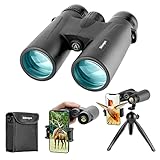
Overview: This lightweight (1.1 lb) kit combines 12x42 binoculars with a tripod and universal phone adapter, targeting travelers and hobbyists prioritizing portability and stability. It emphasizes low-light performance for concerts, hunting, and twilight birding without sacrificing ease of use.
What Makes It Stand Out: The 18.5mm extra-large eyepieces deliver a noticeably brighter, wider image than typical compact binos—critical for dim settings. The 2026-upgraded phone adapter accommodates cased phones securely, while the included 360°-rotatable tripod eliminates shake for crisp photos, a rare bundled feature at this price.
Value for Money: Exceptional value as a complete ecosystem. The tripod inclusion alone saves $20–$30 versus competitors, and low-light clarity rivals pricier models. Ideal for beginners or casual users who want versatility without juggling separate accessories.
Strengths and Weaknesses: Strengths: Bright low-light vision, ultra-stable tripod setup, phone adapter compatibility, and featherlight portability. Weaknesses: 12x magnification struggles with hand shake at distance, and plastic tripod feels less durable than metal alternatives.
Bottom Line: A superb entry-level package for travelers and families. The thoughtful accessories and low-light prowess justify its price, though serious birders may desire higher magnification for distant subjects.
8. 20x50 Binoculars for Adults, HD High Powered Professional Binoculars for Bird Watching Travel Stargazing Concerts Outdoor Sports-BAK4 Prism FMC Lens,Waterproof

Overview: Engineered for extreme magnification, these 20x50 binoculars target stargazers and long-range hunters needing intense detail. The large 50mm lenses and BAK4 prisms promise enhanced light gathering, though the high power demands steady handling or tripod support.
What Makes It Stand Out: The 20x magnification outreaches most consumer binos, revealing intricate details in celestial or wildlife observation. Fully multi-coated (FMC) lenses minimize glare, while rubber-armored leather coating offers superior grip and shock absorption—key for rugged adventures.
Value for Money: Competitive for its magnification tier, undercutting premium brands by 30–40%. The waterproofing and FMC optics deliver pro-level clarity, but the steep learning curve for stable handheld use may frustrate casual users seeking plug-and-play convenience.
Strengths and Weaknesses: Strengths: Unmatched detail at range, excellent low-light capability, durable anti-slip build, and versatile for stargazing. Weaknesses: Heavy hand shake without tripod, narrow field of view, and challenging focus for beginners.
Bottom Line: A specialist tool for astronomers or dedicated hunters. Its power justifies the price for niche use, but casual users should consider lower-magnification alternatives for everyday stability.
9. 15x52 HD Binoculars for Adults High Powered with Upgraded Phone Adapter - Large View Binoculars with Clear Low Light Vision - Lightweight Waterproof Binocular for Bird Watching Travel Hunting Cruise

Overview: These binoculars prioritize immersive viewing with a 15x52mm optical system and an industry-leading 22mm eyepiece, targeting birders who demand expansive, detailed sightlines in low-light environments like forests or dawn hunts.
What Makes It Stand Out: The massive 22mm eyepiece (1.5x wider than standard 16mm) creates an unparalleled field of view, reducing eye strain during extended use. Combined with BAK4 prisms and dielectric coatings, it excels in twilight, while the 2025-upgraded phone adapter features screw locks for rock-solid smartphone alignment.
Value for Money: Priced mid-range but feels premium. The low-light performance rivals $400+ models, and the robust phone adapter justifies standalone cost. However, the lack of tripod inclusion (unlike Product 7) slightly diminishes its accessory value.
Strengths and Weaknesses: Strengths: Largest eyepiece in class for fatigue-free viewing, exceptional twilight clarity, secure phone adapter, and vivid color fidelity. Weaknesses: No tripod bundle, slightly bulkier than 42mm models, and overkill for casual daytime use.
Bottom Line: The top pick for avid birders needing fatigue-proof, low-light mastery. The immersive optics and reliable photo capture make it a standout, though tripod buyers should budget separately.
10. Vortex Optics Crossfire HD 10x42 Binoculars - HD Optical System, Tripod Adaptable, Rubber Armor, Waterproof, Fogproof, Shockproof, Included GlassPak - Unlimited, Unconditional Warranty

Overview: Vortex’s Crossfire HD merges optical precision with rugged reliability in a 10x42 package. Designed for hunters and hikers, it features an unconditional lifetime warranty—setting a gold standard for consumer confidence in mid-tier binoculars.
What Makes It Stand Out: The “Unconditional Warranty” is revolutionary: replace or repair for any reason, no questions asked. Optically, select glass elements eliminate chromatic aberration, while nitrogen purging ensures fogproofing in extreme climates. The included GlassPak strap adds immediate usability.
Value for Money: Pricier than budget models but justified by Vortex’s legendary support and pro-grade optics. Outperforms competitors at similar price points in color accuracy and durability, making it a long-term investment over disposable alternatives.
Strengths and Weaknesses: Strengths: Industry-best warranty, edge-to-edge sharpness, recoil-proof build, and tripod adaptable. Weaknesses: 10x magnification feels modest next to 15x/20x models, and rubber armor attracts lint.
Bottom Line: The definitive choice for reliability-focused users. Sacrifice some magnification for unmatched peace of mind and optical excellence—ideal for hunters and travelers who prioritize longevity over raw power.
Understanding Core Specifications for Birding Optics
Magnification: Finding the Sweet Spot
Higher magnification isn’t inherently better for birding. While 10x brings subjects closer than 8x, it also magnifies hand shake and narrows the field of view—critical when tracking erratic songbirds. For most birders, 8x offers the ideal balance: stable handheld viewing, brighter images, and a wider scene to follow fast-moving targets. Consider 10x only if you primarily observe larger, slower birds in open habitats or use a tripod. Anything above 10x becomes impractical for extended handheld use in typical woodland or marsh settings.
Objective Lens Diameter: Light Gathering Power
The second number (e.g., 42mm in 8x42) determines light transmission. Larger lenses (42mm vs. 32mm) excel in low-light conditions like dawn or dense forests, producing brighter, clearer images. However, they add bulk and weight. For all-day comfort during hikes, 32mm or 36mm models often strike the best compromise, offering sufficient light for most daylight hours without straining your neck. Reserve 42mm+ optics for stationary observation or if you frequently bird in very dim environments.
Field of View: Seeing the Bigger Picture
Measured in feet at 1000 yards, a wider field of view (FOV) lets you locate and track birds more easily, especially in cluttered habitats. It reduces the “tunnel vision” effect of high magnification. Prioritize FOV specs when comparing similar models—50+ feet is excellent for active birding. A narrow FOV forces constant readjustment, causing you to lose sight of quick-moving subjects like warblers or swallows mid-flight.
Optical Quality Essentials
Prism Types: Roof vs. Porro
Roof prisms (straight-barrel design) are sleeker, more durable, and weather-sealed but often cost more for equivalent optical quality. Porro prisms (offset barrels) typically deliver superior depth perception and light transmission at lower price points but are bulkier. Modern roof-prism coatings have narrowed the gap significantly, making roof prisms the practical choice for most birders seeking portability and ruggedness.
Lens and Coating Quality: Beyond the Hype
Fully multi-coated lenses (all air-to-glass surfaces treated) are non-negotiable for minimizing glare and maximizing light transmission. Look for terms like “phase correction” in roof prisms and “dielectric coatings” on mirrors, which preserve image brightness and color accuracy. Cheap coatings degrade quickly; reputable brands invest in proprietary lens treatments that maintain clarity through years of field use.
Image Sharpness Across the Field
Test optics for edge-to-edge sharpness. Budget models often have crisp centers but blurry peripheries, forcing constant refocusing as birds move. High-quality birding binoculars maintain consistent clarity across the entire field, crucial for identifying field marks on wings or tails without adjusting your position.
Ergonomics and Usability Factors
Weight and Balance: Comfort for Long Hours
Sustained neck and shoulder strain ruin birding trips. Aim for under 24 ounces for all-day carry. Test how binoculars feel in hand—do they sit naturally? Is the center of gravity near your eyes or toward the front? Lightweight magnesium chassis and ergonomic grips make a tangible difference during multi-hour observation sessions.
Close Focus Distance: Intimate Encounters
The ability to focus on subjects within 6 feet unlocks behavior often missed—hovering hummingbirds, insects on flowers, or birds bathing in streams. While 8–10 feet is standard, dedicated birding optics often achieve 4–6 feet. If you photograph or study small, close-range wildlife, prioritize this spec.
Eye Relief and Twist-Up Eyecups
Critical for eyeglass wearers, eye relief (15mm+) ensures the full field of view is visible without removing glasses. Twist-up or fold-down eyecups allow quick adjustment. Insufficient eye relief causes “vignetting” (dark edges), forcing uncomfortable positioning to see clearly.
Durability and Environmental Protection
Waterproofing and Fogproofing
True waterproofing (submersible to 1m+) and nitrogen/purged gas filling prevent internal fogging during sudden temperature shifts—like moving from air conditioning to humid forests. O-rings must seal all joints. Avoid “water-resistant” claims; birding demands full immersion protection against rain, dew, and accidental drops in streams.
Rugged Housing Construction
Aircraft-grade aluminum or magnesium alloy chassis withstand drops and rough handling better than plastic. Rubber armor provides grip in wet conditions and absorbs shock. Check hinge stability—wobbly barrels degrade optical alignment over time.
Weather and Temperature Resilience
Optics should function flawlessly from freezing winter marshes to tropical heat. Low-temperature seals prevent lens lubricants from hardening, while UV-resistant materials avoid cracking. Extreme temperature swings test housing integrity; quality models maintain alignment regardless of climate.
Specialized Birding Features
Twist-Up Focus Wheel Mechanics
A large, knurled focus wheel allows precise adjustments with gloves on and smooth tracking of moving birds. Stiff or tiny wheels frustrate quick refocusing. Dual-focus systems (fine + coarse) are rare but valuable for digiscoping.
Diopter Adjustment Precision
A secure, easily adjustable diopter compensates for vision differences between eyes. It should lock firmly in place after calibration—slippage means constant readjustment. Look for click-stops or wide adjustment ranges (+/- 3 diopters).
Harness Compatibility and Attachment Points
D-rings or lanyard slots must accommodate padded harness systems (not just neck straps). A harness distributes weight across shoulders, reducing fatigue during hikes. Ensure attachment points are robust enough to prevent accidental drops.
Coating Durability and Scratch Resistance
Lens coatings degrade with cleaning. Hard-coated lenses withstand frequent field maintenance without hazing. Hydrophobic top coatings repel water and oil, making rain or fingerprints easier to wipe away without smudging.
Budget Considerations and Value
Defining Your Investment Threshold
Birding optics span entry-level to professional tiers. Determine your commitment level: occasional park visits vs. serious lifelisting. Mid-range models often deliver 90% of premium performance at half the cost—ideal for most enthusiasts. Avoid ultra-cheap optics; poor quality discourages continued birding.
Long-Term Cost vs. Replacement Cycles
High-quality optics last decades with proper care. Cheaper models may need replacing within 2–3 years due to coating failure or misalignment. Factor in repair costs and warranty length—reputable brands offer 25–30 year service plans.
Warranty and Customer Support Realities
“Forever” warranties often exclude normal wear. Prioritize brands with transparent terms, in-house repair facilities, and responsive support. Test warranty processes before buying—some require lengthy shipping delays that sideline you during peak migration.
Frequently Asked Questions
What’s the ideal magnification for beginners?
8x magnification offers the best stability, widest field of view, and brightest image for most birding scenarios, making it the top recommendation for new birders.
Can I use hunting binoculars for bird watching?
Hunting optics often prioritize long-distance clarity over close focus and wide fields of view. While usable, they lack key birding-specific features like close focus under 8 feet.
Why are my binoculars blurry at the edges?
Edge distortion usually indicates lower optical quality. Premium birding models maintain sharpness across the entire field—a critical feature for identifying wing patterns as birds move.
How important is waterproofing for daytime birding?
Essential. Sudden rain, morning dew, or accidental drops near water can damage non-waterproof optics. Fogproofing also prevents internal condensation during temperature changes.
Do I need image stabilization for birding?
Generally no—it adds significant weight and cost. Most birders achieve stable 8x–10x viewing with proper technique (bracing elbows). Stabilization is mainly useful for very high magnification (12x+).
What’s the lightest binocular suitable for all-day hiking?
Models under 20 ounces with 32mm objective lenses (e.g., 8x32) offer the best weight-to-performance ratio for extended treks without sacrificing daylight clarity.
How do I clean lenses in the field without damaging coatings?
Use a microfiber cloth and lens-safe spray. Never wipe dry lenses—blow off debris first. Avoid paper towels or clothing, which can scratch delicate coatings.
Are roof prism binoculars really as good as porro prism?
Modern roof prisms with phase correction coatings match porro prism optical quality while offering better durability and portability—making them the preferred choice for most birders today.
Why do two binoculars with the same specs look different?
Coating quality, glass purity, prism alignment, and optical design significantly impact image brightness and color fidelity. Always test optics side-by-side in natural light.
How often should I replace my birding binoculars?
Quality optics last 10–20+ years. Replace only if lenses crack, internal fogging occurs, or coatings severely degrade. Upgrading for marginal improvements is rarely cost-effective.
Related Buying Guides
- The 10 Best Binoculars Every Bird Watcher Needs This Year
- 10 Best Binoculars for Birding Enthusiasts Who Need Precision and Portability in 2026
- 10 Best Binoculars for Kayaking and Coastal Exploration in 2026
- 10 Best Binoculars for Kids and Young Explorers in 2026
- Top 10 Best Binoculars for Long-Range Wildlife Observation in 2026