Table of Contents
Embarking on a thru-hike transforms your relationship with every ounce in your pack, and perhaps nothing exemplifies this more than your choice of cooking system. After months on trail, that tiny piece of gear that reliably delivers hot coffee on frosty mornings and warm meals after 25-mile days becomes more than equipment—it becomes your trail companion. The right backpacking stove can mean the difference between efficient, stress-free resupplies and frustrating fuel hunts in trail towns, between a quick boil at camp and a dangerous struggle in harsh weather.
But here’s the challenge: there’s no universal “best” stove for every thru-hiker. The Pacific Crest Trail’s long water carries and fire bans create different demands than the Appalachian Trail’s humid, resupply-rich corridor. Your cooking style matters too—are you a “boil water and add to pouch” efficiency seeker, or do you craft elaborate one-pot meals that require precise simmer control? Understanding the categories, features, and trade-offs will help you identify the perfect system for your specific journey, rather than chasing someone else’s gear list.
Top 10 Backpacking Stoves for Thru-Hikers
Detailed Product Reviews
1. AOTU Portable Camping Stoves Backpacking Stove with Piezo Ignition Stable Support Wind-Resistance Camp Stove for Outdoor Camping Hiking Cooking

Overview: The AOTU Portable Camping Stove delivers a compact, no-frills cooking solution for solo backpackers and small groups. Weighing mere ounces and folding to pocket size (4x5x8cm), this stove integrates a piezo ignition system with a wind-resistant aluminum alloy burner base. Rated at 3000W, it efficiently handles 1-3 person meals when paired with standard 7/16-thread EN 417 fuel canisters. The honeycomb windproof net and four-dimensional support structure provide stability for pots up to 20cm diameter.
What Makes It Stand Out: This stove’s integrated windproof design sets it apart from basic canister stoves. The high-bright aluminum alloy construction with polyethylene flame enhancement creates superior oxygen circulation, boosting combustion efficiency in breezy conditions. Its protective plastic storage case is a thoughtful inclusion rarely found at this price point, preventing damage during transport. The brand’s aggressive satisfaction guarantee and direct marketing approach suggest confidence in durability for repeated outdoor exposure.
Value for Money: Positioned as a budget-conscious option, the AOTU stove punches above its weight class. Comparable standalone stoves from premium brands cost 2-3 times more without offering significantly better performance for casual use. While it lacks the integrated pot systems of higher-end models, the standalone flexibility allows use with existing cookware. For occasional campers and entry-level backpackers, this represents exceptional utility per dollar spent.
Strengths and Weaknesses: Pros: Extremely compact and lightweight; effective wind resistance; reliable piezo ignition; robust aluminum alloy construction; universal fuel canister compatibility; included storage case.
Cons: Not compatible with propane canisters; smaller pot support may limit stability with large cookware; basic flame control compared to precision valves; no integrated cooking system.
Bottom Line: The AOTU Portable Camping Stove is an excellent entry-level choice for budget-minded adventurers prioritizing packability and simplicity. While it won’t replace premium integrated systems for serious thru-hikers, its wind-resistant design and reliable ignition make it a dependable companion for weekend trips and emergency preparedness kits.
2. Fire-Maple “Fixed Star 1” Backpacking and Camping Stove System | Outdoor Propane Cooking Gear | Portable Pot/Jet Burner Set | Ideal for Hiking, Trekking, Fishing, Hunting Trips and Emergency Use

Overview: The Fire-Maple Fixed Star 1 is an integrated cooking system that combines a 1-liter hard-anodized aluminum pot with a high-efficiency heat-exchanger burner. Weighing just 18 ounces, this all-in-one unit nests all components—including a bowl and fuel canister—inside the pot for streamlined packing. The built-in piezoelectric igniter and locking stainless steel handle with neoprene insulation create a cohesive, grab-and-go solution for serious backpackers.
What Makes It Stand Out: Fire-Maple’s proprietary heat exchange technology reduces boiling times by up to 30% compared to conventional stoves, conserving precious fuel on longer treks. The integrated design eliminates the guesswork of component compatibility while the pot’s neoprene sleeve allows safe handling immediately after cooking. Unlike modular systems, everything stays connected, preventing lost parts. The locking handle mechanism provides confidence when pouring hot liquids—a critical safety feature often overlooked in minimalist designs.
Value for Money: Though priced higher than basic canister stoves, the Fixed Star 1 delivers complete system value. Purchasing separate pot, burner, and windscreen of comparable quality would cost 40-60% more. For backpackers counting ounces and minutes, the fuel efficiency gains translate to carrying less canister weight over multi-day trips. The durability of hard-anodized construction ensures years of service, amortizing the initial investment across countless adventures.
Strengths and Weaknesses: Pros: Exceptional fuel efficiency; integrated nesting design saves space; rapid boiling performance; secure locking handle; protective neoprene cover; reliable piezo ignition; sturdy pot construction.
Cons: Not compatible with Coleman canisters; requires separate windscreen for optimal performance in high winds; 1L capacity limits group cooking; integrated design lacks versatility for existing cookware.
Bottom Line: The Fixed Star 1 is ideal for serious backpackers and solo adventurers who prioritize efficiency and compactness. Its integrated design and heat-exchange technology justify the premium price for those who count every ounce and every fuel gram on extended trips. A top-tier choice for performance-focused hikers.
3. Fire-Maple Torch Gas Stove – Ultralight Backpacking Camping Stove, Built-in Piezo Ignition, Stainless Steel & Aluminum Alloy, Compact & Portable, Ideal for Hiking & Outdoor Cooking

Overview: The Fire-Maple Torch Gas Stove redefines ultralight cooking at a featherweight 56 grams (2 ounces). This minimalist burner folds to the size of a small spool (Φ55×76mm) yet delivers robust performance for solo use. Constructed from stainless steel and aluminum alloy, it features an integrated piezo igniter and surrounding wind barrier. Compatible with isobutane canisters and propane via adapter, it boils 0.5 liters of water quickly for coffee or dehydrated meals.
What Makes It Stand Out: At under 60 grams, this stove achieves an exceptional strength-to-weight ratio that rivals premium brands costing significantly more. The 10-second setup—unfold, attach, ignite—eliminates assembly frustration during cold, hungry moments. Its integrated wind barrier provides meaningful protection without adding bulk, while dual-fuel compatibility (with optional adapter) offers versatility across international fuel markets. The collapsible design requires no disassembly, reducing wear points.
Value for Money: This stove competes directly with elite ultralight options at a fraction of their price. For weight-obsessed backpackers, the cost-per-gram savings versus competitors is compelling. While it lacks a pot or integrated system, the standalone flexibility allows pairing with ultralight titanium cookware you likely already own. The durable metal construction ensures longevity, making it a smart long-term investment for ounce-counters.
Strengths and Weaknesses: Pros: Incredibly lightweight and compact; instant setup; integrated ignition; wind-resistant design; stainless steel durability; dual-fuel capability; exceptional portability.
Cons: Tiny size limits pot stability; not suitable for extreme weather; requires separate cookware; no built-in pressure regulation; limited flame control finesse.
Bottom Line: Perfect for ultralight backpackers, thru-hikers, and emergency kits where every gram matters. The Torch Gas Stove delivers reliable performance in an impossibly small package. While not for gourmet cooking or large groups, it’s the ultimate backup or primary stove for minimalist adventures.
4. Portable Camping Stove Backpacking Stove, Specialized Hiking Stove Camping Stove with Piezo Ignition Stable Support Wind-Resistance, Camp Stove for Outdoor cooking Camping Hiking Adventure Cooking

Overview: The YCDMLJC Portable Camping Stove offers a precision-engineered aluminum alloy burner designed for stable, efficient outdoor cooking. Weighing 0.24 pounds and packing down to 3.1×2×1.6 inches, this stove delivers 3000W of power through adjustable flame control. The piezoelectric ignition system and 7/16-thread EN 417 fuel compatibility make it a versatile choice for 1-3 person camping trips, supporting pots up to 8 inches diameter.
What Makes It Stand Out: This stove emphasizes safety and stability with its “dual safety” system combining secure gas cylinder connections and rotary control valves. The expandable cooking surface provides broader pot support than many ultralight competitors, reducing tip-over risk—a crucial consideration for uneven terrain. Its high-precision manufacturing claims suggest tighter tolerances and better quality control than generic alternatives. The lifetime after-sales service commitment indicates manufacturer confidence unusual in this price category.
Value for Money: Positioned as a mid-range option, this stove bridges the gap between budget burners and premium integrated systems. You get enhanced safety features and broader pot compatibility without the integrated system premium. For campers who already own cookware, this offers better stability and control than entry-level models at only modest additional cost. The lifetime service promise adds intangible value for risk-averse buyers.
Strengths and Weaknesses: Pros: Stable four-dimensional support; adjustable flame control; reliable piezo ignition; compact storage; wide pot compatibility; safety-focused design; lifetime service guarantee; lightweight construction.
Cons: Brand recognition is limited; no integrated windscreen; requires careful valve adjustment; basic construction compared to premium models; limited documentation.
Bottom Line: A solid choice for safety-conscious campers seeking a stable, reliable burner without integrated system costs. The YCDMLJC stove excels in pot stability and safety features, making it ideal for family camping and beginner backpackers. While not revolutionary, its dependable performance and service commitment make it a trustworthy companion for regular outdoor use.
5. Odoland 6pcs Camping Cookware Mess Kit with Lightweight Pot, Stove, Spork and Carry Mesh Bag, Great for Backpacking Outdoor Camping Hiking and Picnic

Overview: The Odoland 6-Piece Mess Kit provides a complete cooking solution for entry-level campers and backpackers. This all-inclusive set features two non-stick aluminum pots, a compact folding stove, spork, cleaning cloth, and mesh carry bag. Designed for seamless integration, all components nest together with room for a fuel canister inside the larger pot. The anodized aluminum construction ensures rapid heat conduction while keeping weight reasonable for short backpacking trips.
What Makes It Stand Out: This kit eliminates the guesswork of assembling compatible components—a major hurdle for camping newcomers. The nesting design maximizes space efficiency, while the included spork and cleaning cloth demonstrate attention to practical details often overlooked. The stove’s foldable design integrates perfectly with the pot set, creating a cohesive unit that stores in a single mesh bag. For families or groups starting their outdoor journey, having matched cookware and burner simplifies meal preparation logistics considerably.
Value for Money: As a complete package under typical mid-range pricing, this kit delivers exceptional value. Purchasing pots, stove, and accessories separately would cost 50-75% more. While individual components may not match premium brands, the integrated convenience outweighs performance gaps for casual users. The non-stick coating on both pots adds versatility for actual cooking beyond just boiling water, expanding meal options on trail.
Strengths and Weaknesses: Pros: Complete integrated system; excellent price for package; space-efficient nesting; includes essential accessories; non-stick cooking surface; lightweight anodized aluminum; mesh storage bag; beginner-friendly.
Cons: Basic stove performance; non-stick durability concerns; limited pot capacity for groups; no windscreen included; components may wear faster than premium alternatives; spork is minimalist utensil.
Bottom Line: Perfect for families, casual campers, and beginners seeking a one-stop cooking solution. The Odoland kit removes compatibility headaches while delivering functional performance for weekend adventures. Serious backpackers will eventually upgrade individual components, but as an introduction to outdoor cooking, this package offers unbeatable convenience and value for those starting their gear collection.
6. Fire-Maple Backpacking and Camping Stove Series | Outdoor Propane Camp Cooking Gear | Portable Pot/Jet Burner | Ideal for Hiking, Trekking, Fishing, Hunting Trips and Emergency Use (Greenpeak)

Overview: The Fire-Maple Greenpeak stove redefines ultralight camp cooking at just 85 grams. This minimalist canister stove folds to a mere 2.1 x 2.8 inches, disappearing into any pack pocket. Designed for solo adventurers who count every ounce, it pairs with the G3 pot for an integrated cooking system that maximizes efficiency on trail.
What Makes It Stand Out: The premium material selection sets it apart—stainless steel, ceramic, aluminum alloy, and silicone create a surprisingly robust package for its weight class. The fuel-efficient jet burner design extracts maximum energy from every gram of fuel, extending canister life on extended trips. Its tiny packed size rivals any stove on the market.
Value for Money: While priced higher than basic ultralight stoves, the engineering justifies the cost. The durability premium materials provide extends lifespan significantly, while fuel savings accumulate on long-distance hikes. It competes directly with stoves twice its weight and size.
Strengths and Weaknesses: Strengths include exceptional portability, solid construction, and impressive fuel efficiency. The ceramic burner head resists deformation better than pure metal designs. However, the minuscule size limits pot stability with larger cookware, and the 85-gram weight means minimal wind protection. It’s best suited for 1-2 person meals rather than group cooking.
Bottom Line: Perfect for ultralight backpackers and thru-hikers who prioritize weight savings above all else. The Greenpeak delivers reliable performance in a package that won’t burden your pack, though you’ll need to manage its limitations in windy conditions.
7. 6800W Camping Backpacking Stove, Outdoor Portable Burner Cooking Stove with Fuel Canister Adapter, Piezo Ignition, Carry Case, Foldable Windproof Camping Gas Stove for Picnic Hiking

Overview: This powerhouse stove delivers professional-level output in a portable package. The 6800W rating translates to rapid boiling times—under two minutes for a liter of water—making it ideal for group cooking or impatient soloists. Three brass burners provide even heat distribution across larger pots and pans.
What Makes It Stand Out: Brass construction offers superior corrosion resistance and longevity compared to steel alternatives, maintaining performance after years of use. The integrated windproof shield and extended 50cm hose enhance safety and efficiency, while the 10KG weight capacity accommodates substantial cookware for basecamp meals.
Value for Money: Positioned in the mid-to-high price range, this stove justifies its cost through raw power and durability. It essentially replaces bulkier two-burner camp stoves at a fraction of the weight and size, offering better wind resistance than most competitors in its class.
Strengths and Weaknesses: Strengths include exceptional heating speed, outstanding stability, multi-fuel versatility, and robust wind protection. The piezo ignition adds convenience. Weaknesses include increased weight and bulk compared to minimalist stoves, making it less suitable for ultralight backpacking. The powerful flame can be overkill for simple coffee boils.
Bottom Line: An excellent choice for car camping, hunting camps, or group backpacking trips where cooking performance trumps pack weight. The windproof design and brass durability make it a reliable workhorse for serious outdoor chefs.
8. Mini 3000W Camping Stove, Ultralight Backpacking Camp Stove with a Carrying Case and an Additional Adapter, Compatable with Isobutane and Propane Tanks, Portable and Collapsible
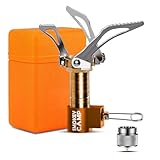
Overview: This 3000W stove hits the sweet spot between ultralight minimalist models and heavy-duty camp stoves. Weighing modestly more than featherweight options, it provides substantially more cooking power and stability for solo travelers or couples who want reliable meal prep without excessive bulk.
What Makes It Stand Out: The included adapter for both isobutane and propane tanks eliminates additional purchases, enhancing versatility straight out of the box. The collapsible design packs efficiently while maintaining a wider burner head than true ultralight models, improving heat distribution for actual cooking beyond just boiling water.
Value for Money: Competitively priced in the entry-level to mid-range segment, this stove delivers excellent bang for your buck. The accessory bundle—carrying case and dual-fuel adapter—adds value that many competitors charge extra for, making it a smart budget-conscious choice.
Strengths and Weaknesses: Strengths include good power-to-weight ratio, fuel versatility, compact storage, and decent stability on uneven ground. The adjustable flame control allows precise cooking. Weaknesses include limited wind resistance compared to integrated windscreen designs, and plastic components may degrade with heavy use. Not ideal for large groups or high-altitude performance.
Bottom Line: A reliable, no-fuss option for weekend warriors and occasional backpackers. The Mini 3000W offers practical performance and versatility at a price point that won’t deter newcomers to backcountry cooking.
9. Camping Stove, Ohuhu Camp Stove Wood Burning Stove Stainless Steel Stoves Mini Portable Stove for Camping Picnic BBQ Backpacking Hiking Survival Emergency Cooking Outdoor with Grill Grid Carry Bag
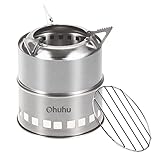
Overview: The Ohuhu wood-burning stove liberates you from fossil fuel dependence, running on twigs, leaves, and solid fuel tablets. Weighing under a pound, this stainless steel stove assembles quickly without tools and provides a sustainable cooking solution for environmentally conscious adventurers or emergency preparedness kits.
What Makes It Stand Out: Unmatched fuel flexibility allows you to scavenge fuel from your surroundings, eliminating canister waste and resupply concerns. The adjustable ash catcher with two height settings provides temperature control rare in wood stoves, while the included grill grid expands cooking options beyond pots to direct grilling.
Value for Money: Exceptionally affordable with zero ongoing fuel costs, this stove pays for itself after just a few trips. For survivalists and budget backpackers, the value proposition is unbeatable—no fuel purchases, no empty canisters to pack out, and unlimited fuel availability in most environments.
Strengths and Weaknesses: Strengths include fuel independence, eco-friendliness, lightweight design, and versatile cooking surface. It’s silent and works at any altitude. Weaknesses include reliance on dry fuel availability, longer boil times, sooty cookware requiring cleanup, and fire restrictions that may prohibit use. Weather dependency can be frustrating.
Bottom Line: Ideal for survival scenarios, eco-conscious campers, and those hiking in forested areas with abundant fuel. The Ohuhu excels when sustainability and self-sufficiency matter more than convenience, though it’s not suitable for fire-ban areas or those wanting instant flame.
10. Backpacking Stove Portable Camping Stove Burner, Caudblor Small Backpack Stoves with Butane Adapter, Lightweight Hiking Stove with Carrying Case for Travel, Little Father’s Day gifts Camp Stove
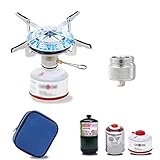
Overview: Caudblor’s offering prioritizes stability and simplicity for entry-level backpackers. The wider base design addresses a common frustration with tipping stoves, while the included propane adapter provides fuel flexibility typically reserved for pricier models. It sets up in seconds and packs into a convenient carrying case.
What Makes It Stand Out: The expanded pot support surface area prevents spills better than many competitors in this price range. The ability to run on both butane canisters and 1lb propane bottles makes it adaptable for everything from ultralight trips to car camping without buying additional equipment. The smooth flame adjustment valve offers precise control.
Value for Money: Positioned as a budget-friendly option, this stove delivers surprising versatility. The included adapter and carrying case add value that many brands charge extra for, making it an economical entry point into backcountry cooking without sacrificing core functionality.
Strengths and Weaknesses: Strengths include excellent stability, dual-fuel capability, easy setup, and reliable flame control. The wider base inspires confidence with larger pots. Weaknesses include moderate power output, minimal built-in wind protection, and materials that won’t match premium brands for longevity. It’s heavier than true ultralight options.
Bottom Line: A practical, confidence-inspiring choice for beginners and casual campers. The Caudblor stove’s stability and fuel versatility make it a forgiving first stove that performs reliably for weekend adventures without demanding technical expertise or a large budget.
Understanding Thru-Hiking Stove Needs
Why Weight Matters More on Long Trails
When you’re carrying a pack for 2,000+ miles, every gram compounds into real fatigue. But stove weight isn’t just the burner itself—you must consider the entire system. The pot, windscreen, fuel container, and ignition source all contribute to your base weight. A 2-ounce stove that requires a heavy fuel bottle might actually be heavier overall than a 4-ounce integrated system. Thru-hikers quickly learn to calculate “weight per boil” rather than just stove weight, factoring in how efficiently a system uses fuel over a typical 4-6 day resupply stretch.
The Daily Reality of Trail Cooking
Your stove becomes part of your daily ritual. You’ll use it 2-3 times daily for 5-6 months, often in less-than-ideal conditions. Morning coffee in windy conditions, a quick lunch boil during a brief rest stop, and dinner when you’re exhausted and it’s getting dark. This reality means reliability trumps fancy features. A stove that works perfectly in your backyard might fail when you’re shivering, hungry, and dealing with a depleted canister in 35-degree weather. Thru-hikers need systems that are foolproof after months of wear and abuse.
The Main Stove Categories for Thru-Hikers
Canister Stoves: The Popular Choice
Screw-top canister stoves represent the most common sight on long trails for good reason. They offer an unbeatable combination of convenience, reliability, and moderate weight. These stoves attach directly to threaded isobutane-propane canisters, providing excellent flame control and fast boil times. For thru-hikers, the key advantage is simplicity—just twist on and light. No priming, no pumping, no fuss. They perform admirably in three-season conditions and are widely available in most trail towns, though remote sections may require careful fuel planning.
Integrated Canister Systems
These all-in-one designs combine the burner, pot, and heat exchanger into a single unit, creating a highly efficient wind-resistant system. The built-in heat exchanger captures more heat, reducing fuel consumption and improving boil times significantly. For thru-hikers focused on efficiency, this means carrying less fuel weight over time. The integrated design also means fewer pieces to lose and a more stable setup. The trade-off is limited pot compatibility—you’re locked into the manufacturer’s pot system, which can be limiting for creative cooks.
Liquid Fuel Stoves: For Extreme Conditions
While heavier and more complex, liquid fuel stoves excel when conditions get serious. They burn white gas, kerosene, or even diesel in some models, making them ideal for international trails or remote areas where canisters are unavailable. Their performance in sub-freezing temperatures and high altitudes is unmatched. The ability to refill fuel bottles precisely helps with resupply planning. However, they require priming, regular maintenance, and have more parts that can fail—considerations for hikers who prioritize simplicity over versatility.
Alcohol Stoves: The Ultralight Classic
The darling of ounce-counters, alcohol stoves weigh mere grams and have no moving parts to break. Made from simple cat food cans or purchased from cottage gear makers, they burn denatured alcohol or HEET fuel treatment. Their simplicity is beautiful: pour fuel, light, wait for prime, and cook. For thru-hikers on a budget, the low cost is appealing. The downsides are significant though—slower boil times, poor wind resistance, invisible flames that pose burn risks, and lower heat output. They’re best for solo hikers with simple boiling needs.
Solid Fuel Tablets: Simple and Light
Esbit tablets or similar hexamine fuel represent the ultimate in simplicity. The stoves are essentially folding metal stands that weigh almost nothing. Light a tablet, place your pot, and wait. For thru-hikers covering massive distances where every ounce matters, this minimalism is attractive. The fuel is stable, compact, and easy to resupply by mail. However, boil times are slow, the fuel leaves a sticky residue on pots, and the chemical smell is unpleasant. Performance in wind is poor without a dedicated windscreen.
Wood-Burning Stoves: The Fuel-Free Option
These stoves use twigs, leaves, and small sticks as fuel, eliminating resupply concerns entirely. For long trails with abundant biomass and frequent fire restrictions, they present an interesting paradox. Modern designs are efficient and produce minimal smoke. The obvious advantage is unlimited free fuel, but the reality of wet conditions, fire bans, and the time required to gather fuel and maintain a fire makes them impractical for most thru-hikers. They’re better suited for specific trail sections than entire long trails.
Key Features That Define Performance
Boil Time and Efficiency Metrics
Manufacturers love to advertise lightning-fast boil times, but thru-hikers should look deeper. A 3-minute boil time means little if it requires perfect conditions. Efficiency—the amount of fuel used per liter boiled—is more important for long-distance hiking. An efficient stove means carrying fewer canisters or less liquid fuel. Consider real-world conditions: water temperature, altitude, wind, and pot size all affect performance. Look for stoves with good efficiency ratings across varied conditions, not just optimal lab tests.
Ignition Systems: Piezo vs Manual
Many modern stoves include piezo igniters—push-button starters that create a spark. While convenient, these are notorious for failing after months of trail use. Moisture, vibration, and simple wear often render them useless. Smart thru-hikers always carry a backup lighter or matches regardless of the ignition type. Manual ignition stoves are simpler and more reliable long-term. Some hikers remove piezo igniters entirely to save weight, preferring the reliability of a simple Bic lighter they know works.
Stability on Uneven Ground
Trail campsites are rarely level picnic tables. You’re often cooking on sloped dirt, rocks, or uneven ground. A stove with a wide, stable base prevents spills and accidents. Canister-mounted stoves can be top-heavy with a full pot, creating a tipping hazard. Remote canister stoves with fuel hoses place the burner lower to the ground, improving stability. Integrated systems have wide bases designed for their specific pots. Test your stove on uneven surfaces before committing to a long trail—wobbliness is dangerous when handling boiling water daily.
Wind Resistance and Protection
Wind is the enemy of stove efficiency, stealing heat and dramatically increasing fuel consumption. Some stoves include built-in windscreens, while others require separate ones (though many canister stoves warn against using windscreens due to heat buildup). Integrated systems excel here, with the heat exchanger providing natural wind protection. For traditional stoves, a good windscreen is essential gear. Thru-hikers often craft DIY screens from aluminum foil, but commercial options are more durable and packable.
Cold Weather Performance
As temperatures drop, canister fuel performance decreases significantly. Isobutane-propane mixtures work adequately down to about 20°F, but efficiency plummets below that. Liquid fuel stoves shine in cold weather, as you can manually pressurize them and they burn hot regardless of temperature. Inverted canister stoves, which draw liquid fuel from the bottom of a flipped canister, offer a middle ground. For early spring or late fall starts on trails like the PCT or CDT, cold weather capability isn’t optional—it’s survival gear.
Fuel Considerations for Long-Distance Hiking
Fuel Availability on Popular Trails
The Pacific Crest Trail has excellent canister availability in most resupply towns, though some remote sections require planning. The Appalachian Trail’s frequent town access makes any fuel type viable. The Continental Divide Trail’s remoteness favors liquid fuel or alcohol systems that use hardware store fuels. Research your specific trail’s resupply points before choosing. Some hikers mail themselves fuel canisters, but this requires ground shipping and careful labeling. Knowing where you can buy fuel shapes your entire stove strategy.
Calculating Fuel Consumption
Thru-hikers develop sophisticated fuel calculations. A typical hiker boils 2-3 cups of water twice daily. In summer conditions, a small 100g canister lasts 5-7 days. Cold weather, wind, or melting snow can double consumption. Liquid fuel stoves burn roughly 0.1 liters of white gas per day for the same usage. Alcohol stoves require about 1 ounce of fuel per boil, meaning a 12-ounce bottle lasts 6 days. Track your usage during shakedown hikes to create accurate estimates—running out of fuel miles from town is a thru-hiker’s nightmare.
Fuel Types and Resupply Strategy
Canister fuel is convenient but creates waste—empty canisters must be packed out. Some gear shops offer canister recycling programs. Alcohol and liquid fuels generate less waste but require carrying leak-proof bottles. Solid fuel tablets create minimal packaging waste but leave residue. Consider the environmental impact and pack-out logistics. Your fuel choice affects your Leave No Trace practices, which matter deeply on heavily-trafficked trails where every hiker’s impact accumulates.
Cost-Effectiveness Over Time
A thru-hike burns through significant fuel. Canister fuel costs $5-8 per 100g canister, adding up to $100+ over a 5-month hike. Denatured alcohol is cheaper, available by the quart for a few dollars. Liquid fuel is economical, with white gas costing less per BTU than canisters. Solid fuel tablets are expensive per boil. Factor in total cost of ownership including stove price and replacement parts. That budget alcohol stove might save money initially, but if you’re burning more fuel due to inefficiency, costs even out.
Weight and Packability Factors
Stove Weight vs System Weight
The stove itself is often the lightest component. A 1-ounce alcohol stove seems unbeatable until you add a pot, windscreen, fuel bottle, and measuring cup. An integrated system might weigh 15 ounces total but includes everything. Calculate your complete cooking system weight, including fuel for a typical resupply section. Many thru-hikers find that “heavier” integrated systems actually save weight overall through fuel efficiency and eliminated accessories. Don’t let stove weight alone drive your decision.
Nesting and Storage Solutions
Space is as precious as weight in a thru-hiker’s pack. The best systems nest together compactly—stove inside pot, fuel canister nested with mug. Integrated systems excel at this, designed as cohesive units. Canister stoves need pots wide enough to fit a canister inside for packing. Alcohol stoves require leak-proof fuel bottles that fit your pot system. Consider how everything packs together. A stove that rattles around loose in your pack will eventually break or damage other gear.
Durability Trade-offs
Ultralight gear often sacrifices durability. Titanium stoves save ounces but can warp under high heat. Aluminum is light and affordable but less durable than steel. Integrated systems have proprietary parts that are hard to replace in trail towns. Simple canister stoves have few parts to break. Consider your repair skills and access to replacement parts on your specific trail. A slightly heavier but bombproof stove beats a fragile ultralight option that fails in week three.
Simmer Control and Cooking Versatility
From Boiling to Gourmet Trail Meals
Most thru-hikers primarily boil water for rehydrating meals, making simmer control less critical. However, those who cook actual food—rice, pasta, dehydrated vegetables—need precise flame adjustment. Canister stoves generally offer excellent simmer control. Alcohol stoves are essentially on/off with minimal adjustment. Liquid fuel stoves can simmer well but require practice. Integrated systems often prioritize boil speed over simmering. Be honest about your cooking style. Saving 2 ounces on a stove with poor simmer control is pointless if you ruin meals daily.
Temperature Control Importance
Fine flame control helps with fuel efficiency and prevents burning food. It also allows you to warm hands over a low flame on cold mornings—a small luxury that matters after weeks on trail. Some stoves have excellent valve control for precise adjustment. Others have a narrow range between “off” and “rocket blast.” Test stoves with your actual pots and typical meals. A stove that works perfectly with a wide pot might concentrate heat too much in a narrow mug, creating hot spots.
Weather and Environmental Performance
High Altitude Considerations
Above 8,000 feet, water boils at lower temperatures, and oxygen levels affect combustion. Canister stoves struggle as pressure drops in the canister. Liquid fuel stoves perform reliably at altitude, which is why mountaineers prefer them. Inverted canister designs help maintain pressure. If your thru-hike includes significant high-altitude sections, prioritize stoves known for altitude performance. The Colorado Trail and sections of the PCT and CDT demand this consideration.
Cold Weather Challenges
Morning temperatures below freezing are common on early-season starts. Canisters cool further as fuel vaporizes, creating a downward spiral of poor performance. Keeping canisters warm in your sleeping bag helps, but that’s impractical for breakfast. Liquid fuel stoves can be primed and pumped for reliable cold-weather performance. Alcohol stoves are difficult to light and slow in cold conditions. Your start date and expected temperature range should heavily influence stove choice.
Wet and Rainy Conditions
The Appalachian Trail’s legendary humidity and rain demand stoves that work when everything is damp. Piezo igniters often fail when wet. Alcohol can be hard to light in humidity. Canister stoves with manual ignition and some wind protection fare best. Consider where you’ll cook—in your vestibule during storms, or only when weather clears? Your stove choice affects your flexibility. A stove that requires perfect conditions limits your options when you’re cold and wet.
Budget and Value Considerations
Initial Investment vs Long-Term Value
Quality backpacking stoves range from $10 for DIY alcohol stoves to $200+ for premium integrated systems. While tempting to go cheap, consider the daily use over 150+ days. A $150 stove that works flawlessly costs $1 per day of use—worthwhile for reliable performance. Budget stoves often have durability issues or poor efficiency that costs more in fuel over time. That said, many thru-hikers complete trails successfully with $20 stoves. Balance your budget against reliability needs and risk tolerance.
Replacement Parts Availability
On a long trail, things break. O-rings wear out, igniters fail, fuel lines clog. Major brands have good warranty support and replacement parts available in larger trail towns. Cottage industry gear makers offer excellent products but limited support on trail. Liquid fuel stoves have more replaceable parts but require more maintenance knowledge. Simple canister stoves have minimal parts to fail. Consider your mechanical aptitude and the remoteness of your trail when evaluating repairability.
Making Your Final Decision
Matching Stove to Trail and Style
The “perfect” stove depends on your specific trail, season, group size, and cooking preferences. A solo PCT hiker starting in May might love an integrated canister system. A pair of hikers on the CDT might choose a liquid fuel stove for versatility. An AT hiker on a tight budget might succeed with an alcohol stove. Create a decision matrix: weight, fuel availability, expected conditions, cost, and cooking style. Rank these by importance for YOUR hike. There is no universally correct answer, only the right answer for your specific journey.
The Hybrid Approach
Many experienced thru-hikers use a hybrid strategy: a primary canister stove for most conditions, backed up by an ultralight alcohol or solid fuel stove for emergencies or short sections. Some carry a smaller, lighter stove for simple boiling and a more capable system for sections requiring melting snow or group cooking. This approach adds redundancy without much weight. Consider starting with a versatile primary stove, then adjusting your kit based on early trail experience. Flexibility is a thru-hiker’s greatest asset.
Frequently Asked Questions
How long does a fuel canister last on a thru-hike? A standard 100g canister typically provides 12-15 boils for a solo hiker, lasting 5-7 days in summer conditions. Cold weather, wind, or melting snow can reduce this to 3-4 days. Most thru-hikers resupply with a new canister every town stop, carrying one partially used and one full canister between resupplies.
Can I fly with my backpacking stove? You can fly with a clean, empty stove in checked baggage, but never with fuel. Clean your stove thoroughly to remove all fuel residue and odor. Some airlines require you to declare camping stoves, and TSA may inspect them. Never attempt to fly with fuel canisters or full fuel bottles—buy fuel after you land.
What’s the best stove for hiking with a partner? For two people, consider a remote canister stove or liquid fuel system with wider pot stability. Integrated systems work well for couples sharing meals. Calculate that you’ll use roughly 1.5x the fuel of a solo hiker, not double, since you can share boils. A stove with good simmer control helps when cooking larger meal portions.
Are alcohol stoves allowed on all trails? Many trails, especially in fire-prone areas like sections of the PCT, ban alcohol stoves during fire season due to their lack of on/off control and invisible flames. Always check current fire restrictions before your hike. Canister stoves are generally permitted everywhere, making them a safer choice for trails with variable fire regulations.
How do I dispose of empty fuel canisters on trail? Pack out all empty canisters. Some gear shops in trail towns have canister recycling programs (like the “Canister Crush” initiative). Never puncture canisters yourself. If recycling isn’t available, dispose of them in regular trash in town—it’s still better than leaving them in the wilderness. Plan your resupply around towns with recycling when possible.
What’s the lightest viable stove system? A DIY cat can alcohol stove (0.3 oz), a small titanium pot, and a DIY foil windscreen can create a system under 5 ounces total. However, this setup has significant limitations in wind and cold. The lightest truly viable system for varied thru-hiking conditions is typically an integrated canister system around 12-15 ounces complete.
Can I use my stove inside my tent vestibule? This is extremely dangerous due to carbon monoxide and fire risk. Many experienced hikers do it in severe weather, but it requires excellent ventilation, a stable setup, and constant attention. A better solution is a stove with excellent wind resistance that works in harsh conditions outside. If you must cook undercover, consider a tarp setup with ample airflow, never a sealed tent.
How do I prevent my fuel canister from freezing? In cold weather, canisters cool as fuel vaporizes, reducing performance. Sleep with your next canister in your sleeping bag to warm it overnight. Place the canister in a shallow pan of water while cooking (never cover the canister). Inverted canister stoves draw liquid fuel, avoiding the cooling problem. For sustained cold, liquid fuel stoves are superior.
What’s more important: stove weight or fuel efficiency? For hikes longer than a week, fuel efficiency often matters more. A heavier but more efficient stove can save weight overall by reducing fuel carried. Calculate total system weight for a typical 5-day stretch, including stove, pot, and fuel. An efficient 15-ounce system might beat a 5-ounce system that burns twice the fuel, especially on longer resupply sections.
Should I carry a stove repair kit? For liquid fuel stoves, yes—carry spare O-rings, lubricant, and a basic maintenance tool. For canister stoves, a repair kit is usually unnecessary due to their simplicity. At most, carry a small amount of epoxy for pot repairs and a backup lighter. The simplicity of canister stoves is a major advantage—you can’t repair what doesn’t break. Focus on redundancy (backup lighter) rather than repair for most stove types.
Related Buying Guides
- 10 Best Value Backpacking Stoves for Long-Distance Hikers in 2026
- 10 Best Backpacking Sleeping Bags for Ultralight Hikers This Year
- The 10 Best Backpacking Stoves for Lightweight Travel in 2026
- The 10 Best Backpacking Stoves for Ultralight Treks in 2026
- 10 Best Backpacking Tents for Ultralight Hikers in 2026