Table of Contents
There’s something magical about watching a tiny flame transform into a reliable cooking companion after a long day on the trail. For ultralight hikers, every ounce matters, and alcohol stoves represent the perfect marriage of minimalist design and functional simplicity. These pint-sized powerhouses have become the go-to choice for backpackers who prioritize weight savings without sacrificing the joy of a hot meal beneath the stars.
Whether you’re a seasoned thru-hiker looking to shave precious grams from your pack or a weekend warrior curious about ditching your heavy canister stove, understanding what makes alcohol stoves tick will revolutionize your backcountry cooking experience. This comprehensive guide walks you through everything you need to know about selecting, using, and maintaining these featherweight wonders—no brand bias, just pure, actionable knowledge to help you make the smartest choice for your adventures.
Top 10 Alcohol Stoves for Hikers
Detailed Product Reviews
1. Keweis Portable Outdoor Mini Alcohol Stove Burner Ultralight Camping Cookware Set for Outdoor Camping, Hiking, Backpacking, Picnic
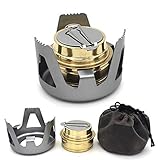
Overview: The Keweis alcohol stove embodies pure ultralight philosophy in a no-nonsense package. Tipping scales at 145 grams, this brass-and-aluminum cooker delivers reliable performance for solo adventurers counting every ounce. Its integrated stand and windscreen create a stable platform for backcountry meals without requiring separate components.
What Makes It Stand Out: The windproof stand integration is genuinely clever—most ultralight stoves force you to choose between weight savings and stability. The O-ring sealed cover prevents alcohol evaporation during storage, a frustrating problem with DIY options. The foldable regulator handle provides surprising flame control precision for such a simple device, letting you simmer rather than just blast.
Value for Money: This sits firmly in the budget tier, costing less than a fuel canister multi-pack. The 50-minute burn per 100ml alcohol delivers excellent economy for weekend warriors. You’re essentially getting a refined version of the classic Trangia-style burner without paying for brand prestige, making it ideal for cost-conscious ultralighters.
Strengths and Weaknesses: Pros include exceptional portability, reliable leak-proofing, corrosion-resistant brass stove, stable wind-resistant base, and straightforward operation. Cons: lacks integrated ignition, slower boil times than pressurized systems, reduced efficiency below freezing, and minimal capacity for group cooking. The basic design won’t impress gear geeks seeking innovation.
Bottom Line: Perfect for entry-level ultralight backpackers or as a dependable backup. It executes the fundamentals flawlessly without unnecessary complexity or cost.
2. REDCAMP Mini Alcohol Stove for Backpacking, Lightweight Brass Spirit Burner with Aluminium Stand for Camping Hiking, Silver

Overview: The REDCAMP Mini Alcohol Stove delivers the classic ultralight alcohol burner experience with manufacturer backing. At 145 grams, this brass-and-aluminum unit mirrors generic designs but adds a crucial warranty layer. The included velvet bag and wind-screen base create a ready-to-go system for solo camping and hiking.
What Makes It Stand Out: REDCAMP’s 365-day manufacturer warranty distinguishes it from anonymous alternatives, providing actual recourse if defects arise. The velvet storage bag, while simple, prevents gear abrasion and contains fuel odors—practical touches that show user-experience consideration. The integrated wind screen maintains stability without adding complexity.
Value for Money: Priced slightly above generic competitors, you’re essentially paying for quality control and customer support. For frequent backpackers, this insurance proves worthwhile; one replacement justifies the premium. The 50-minute burn time per 100ml remains competitive. Occasional campers might skip the warranty, but regular users gain measurable security.
Strengths and Weaknesses: Strengths include proven lightweight design, reliable O-ring sealing, stable pot support, and responsive customer service. Brass construction resists corrosion. Weaknesses reflect category limitations: no built-in igniter, slower boiling than canister stoves, reduced cold-weather efficiency, and basic flame control only.
Bottom Line: Choose REDCAMP if manufacturer support matters. It offers identical performance to generic versions but with accountability—a worthwhile trade for serious adventurers.
3. Alocs 2250W Alcohol Stove - Camping Stove with Sealed Cover - Stainless Steel Backpacking Solo Stove with Foldable Stand for Outdoor, Hiking, Survival, Climbing and Picnic

Overview: The Alocs 2250W Alcohol Stove shatters expectations for alcohol-fueled cooking, delivering canister-stove performance in a stainless steel package. Weighing 13.6 ounces, this premium burner uses instant fuel vaporization to achieve rolling boils in four minutes. The 200ml capacity supports extended cooking without mid-meal refills.
What Makes It Stand Out: The 2250W output and 5-second preheat system fundamentally change alcohol stove capabilities. Rotating Flame Technology ensures even heating and near-complete combustion, maximizing efficiency. The leak-proof silicone seal allows safe transport with fuel inside. Premium 304 stainless steel construction offers superior durability and rust resistance compared to brass alternatives.
Value for Money: This commands a premium price but delivers legitimate performance gains that justify the cost for serious users. The efficiency reduces long-term fuel expenses, while the robust build ensures years of service. Compared to gas canister systems, you save on fuel costs and waste. It’s an investment for frequent adventurers, not occasional campers.
Strengths and Weaknesses: Pros include rapid boiling, exceptional fuel efficiency, large capacity, stable heavy-load support, and true temperature control. The foldable design maintains portability despite weight. Cons: significantly heavier than minimalist options, higher upfront cost, and overkill for simple water heating tasks.
Bottom Line: For dedicated backpackers and expedition cooks needing reliable alcohol performance that rivals gas systems, this is the premium choice worth every gram and dollar.
4. Gexdes Mini Alcohol Camping Stove – Lightweight Brass & Aluminum Spirit Burner with Stand | Faster Heating – Perfect for Backpacking, Hiking & Brewing Piping Hot Tea/Coffee

Overview: The Gexdes Mini Alcohol Stove targets extreme ultralight enthusiasts with a complete kit weighing just 100 grams. This aluminum-magnesium alloy system includes thoughtful accessories like a precision pouring bottle and heat-resistant stabilizing ring, creating a ready-to-deploy cooking solution for minimalist backpackers and tea aficionados.
What Makes It Stand Out: The sub-4-ounce weight for a complete system is genuinely impressive. The non-slip, heat-resistant rubber ring provides stability on uneven terrain—a detail many ultralight designs sacrifice. The included alcohol-pouring bottle eliminates messy transfers and fuel spills, addressing a common frustration. The one-piece frame resists losing parts in the field.
Value for Money: This kit offers strong value by bundling essential accessories that competitors sell separately. The corrosion-resistant construction promises decent longevity. While not the cheapest burner alone, the complete package eliminates additional purchases, making it cost-effective for those building their ultralight kit from scratch.
Strengths and Weaknesses: Pros: incredibly lightweight, comprehensive accessory kit, stable one-piece design, leak-proof brass seal, and rapid 8-minute boil time for 550ml. The copper combustion tube enhances efficiency. Cons: smaller fuel capacity limits extended cooking, brand recognition is limited, and the minimalist design lacks advanced temperature regulation.
Bottom Line: Ideal for ultralight backpackers wanting a turnkey system without sourcing components separately. Delivers impressive portability with thoughtful execution.
5. FRAINEL Mini Pocket Stove – Circular Alcohol Burner for Emergency & Survival Cooking, Ultra-Light 15g EDC Furnace for Backpacking, Snow Camping | Winter Picks

Overview: The FRAINEL Mini Pocket Stove pushes ultralight boundaries to their absolute limit, creating a 15-gram emergency heat source that literally fits in your palm. This circular aluminum burner serves as specialized insurance for survival kits rather than primary camp cooking, designed for quick heat generation in critical situations.
What Makes It Stand Out: The 15-gram weight is unprecedented—lighter than most keychain tools. The palm-sized dimensions enable storage anywhere, from shirt pockets to minimalist EDC pouches. The O-ring seal permits short-term fuel storage, allowing pre-loaded readiness. The circular flame pattern provides surprisingly even heating for its size.
Value for Money: Value depends entirely on use case. As emergency insurance for ultralight purists or survivalists, it’s invaluable. As a primary cooking tool, it’s poor value. Consider it equivalent to a space blanket: essential for emergencies, impractical for regular use. The specialized nature justifies the cost for the right user.
Strengths and Weaknesses: Pros: unbelievably lightweight, incredibly compact, simple design with minimal failure points, stable circular flame, and cold-weather reliability. Cons: minuscule 40ml capacity requires constant refilling, no integrated pot stand, extremely limited cooking capability, and questionable durability for regular use.
Bottom Line: This is emergency equipment, not camping gear. Perfect for survival kits, ultralight backup, or day-hike emergency warmth. Do not rely on it as your primary cooking system.
6. Gexdes Mini Alcohol Stove – Jetfire, Heat - Resistant Rubber Grip & Leak - Proof Design | Compact, Windproof & Effortless to Operate – Ideal for Camping, Emergency Preparedness & Outdoor Adventures

Overview: The Gexdes Mini Alcohol Stove is a pocket-sized cooking solution weighing just 3.51 ounces. Designed for ultralight backpackers and emergency preppers, it boils 500ml of water in approximately seven minutes using high-proof denatured alcohol. The stove’s compact dimensions (7.3cm × 5.4cm × 4.2cm) make it unobtrusive in any pack, while the included storage bag keeps it organized.
What Makes It Stand Out: This stove prioritizes user safety with its heat-resistant rubber grip ring, allowing you to handle hot components without burns. The leak-proof alcohol bottle with screw-top seal eliminates spills and evaporation, a common frustration with alcohol stoves. Combined with a 365-day warranty and 24/7 customer support, Gexdes demonstrates confidence in their product’s reliability.
Value for Money: Priced competitively against other alcohol stoves, the Gexdes offers exceptional value through its safety features and warranty protection. While basic alcohol stoves cost slightly less, the added rubber grip, leak-proof design, and comprehensive customer support justify the modest premium. It’s an investment in worry-free outdoor cooking.
Strengths and Weaknesses: Strengths include rapid boiling time, robust safety features, true leak-proof storage, and excellent warranty coverage. The lightweight design doesn’t compromise stability. Weaknesses: denatured alcohol must be purchased separately, and the small fuel capacity requires frequent refilling for extended cooking sessions. The windproof claim may be overstated without additional windscreen.
Bottom Line: The Gexdes Jetfire is an excellent choice for safety-conscious adventurers seeking reliable, compact cooking. Its thoughtful design features and strong warranty make it a standout option for both casual campers and serious ultralight hikers.
7. Evernew Titanium Alcohol Stove
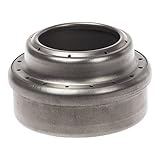
Overview: The Evernew Titanium Alcohol Stove represents the pinnacle of ultralight cooking gear. Weighing a mere 0.5 ounces for the cross stand configuration, this Japanese-made stove system is engineered for serious weight-conscious backpackers. The optional DX stand expands versatility while keeping total weight under 2.3 ounces for the complete system.
What Makes It Stand Out: Its titanium construction delivers unmatched durability-to-weight ratio. The DX stand’s multi-fuel capability sets it apart, accommodating wood, solid fuel tablets, and alcohol burners in one modular system. This adaptability makes it invaluable for long-distance hikers who may encounter fuel availability challenges. The precision manufacturing from Japan ensures reliable performance.
Value for Money: As a premium product, the Evernew commands a higher price than basic aluminum stoves. However, for ultralight enthusiasts, the weight savings alone justify the cost. Titanium’s corrosion resistance and longevity mean this stove will outlast cheaper alternatives, making it a wise long-term investment for dedicated adventurers.
Strengths and Weaknesses: Strengths include exceptional lightweight design, multi-fuel versatility, premium materials, and superior craftsmanship. The modular system adapts to various cooking needs. Weaknesses: high price point may deter casual users, requires separate purchase of DX stand for full versatility, and lacks integrated wind protection. The minimalist design offers no frills or safety grips.
Bottom Line: For ultralight backpackers and thru-hikers where every ounce matters, the Evernew Titanium stove is worth every penny. Its versatility and durability make it a professional-grade tool, though casual campers may find better value elsewhere.
8. Gexdes Portable Alcohol Camping Stove – Lightweight Brass Aluminum Spirit Burner with Stand | Faster Heating – Feul Denatured Alcohol (Not Included) – for Backpacking, Hiking Brewing Piping Coffee
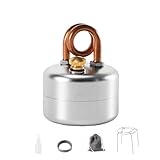
Overview: This Gexdes alcohol stove combines brass and aluminum construction in a palm-sized package weighing 3.51 ounces. It promises rapid heating through copper tube vaporization, boiling 500ml of water in seven minutes. The stove targets backpackers and hikers needing quick, reliable hot meals and beverages without bulk.
What Makes It Stand Out: The copper tube vaporization system ensures consistent, efficient combustion. Its versatility extends beyond cooking—the stove doubles as an emergency light source for tent setup or power outages. The comprehensive package includes everything needed: stove, stand, empty bottle, rubber ring, and storage bag, eliminating aftermarket purchases.
Value for Money: Similar in price to other Gexdes models, this version offers added value through its dual-function capability and complete kit. The brass construction provides better heat conductivity than aluminum alternatives, improving efficiency. For budget-conscious buyers wanting maximum functionality, this all-in-one solution delivers strong ROI.
Strengths and Weaknesses: Strengths include efficient copper vaporization, multi-purpose design, complete accessory package, and safety features like the heat-resistant grip. The compact size is ideal for minimalist packing. Weaknesses: repeated safety information in description suggests possible editing issues, the dual-purpose design may compromise cooking performance, and alcohol fuel remains an additional expense.
Bottom Line: A versatile, well-equipped stove perfect for hikers wanting more than just cooking capability. While its multi-function design is clever, purists may prefer dedicated tools. Excellent for emergency kits and casual backpacking.
9. REDCAMP Mini Alcohol Stove for Backpacking, Lightweight Brass Spirit Burner with Aluminium Stand for Camping Hiking, Green

Overview: The REDCAMP Mini Alcohol Stove offers a robust brass burner with aluminum stand in an attractive green finish. Weighing 5 ounces, it’s slightly heavier than ultralight options but provides enhanced stability with its integrated windscreen base. Designed for backpackers and campers, it delivers approximately 50 minutes of burn time per 100ml of alcohol.
What Makes It Stand Out: Variable temperature control via a foldable handle on the flame regulator provides cooking precision rare in alcohol stoves. The integrated windscreen base improves efficiency and stability, supporting various pot sizes securely. This practical design element eliminates the need for separate wind protection in moderate conditions.
Value for Money: Positioned as a mid-range option, the REDCAMP offers professional features at an accessible price. The temperature control mechanism and extended burn time provide better fuel efficiency than basic models. A 365-day warranty adds consumer confidence, making it a smart purchase for regular campers.
Strengths and Weaknesses: Strengths include excellent burn time, temperature control, stable windscreen base, and reliable warranty. The brass burner ensures consistent performance. Weaknesses: heavier than ultralight alternatives, green color may not appeal to all users, and the flame regulator adds complexity that could fail in field conditions. No fuel bottle included.
Bottom Line: The REDCAMP strikes an impressive balance between functionality and affordability. Its temperature control and stability features make it ideal for campers who cook varied meals, though ultralight purists may prefer lighter options.
10. Mini Alcohol Camping Stove – Lightweight Brass & Aluminum Spirit Burner with Stand | Faster Heating – Perfect for Backpacking, Hiking & Brewing Piping Hot Tea/Coffee

Overview: This generic-branded mini stove delivers professional features at a competitive price point. Weighing 3.51 ounces, it combines a brass combustion tube with an aluminum-magnesium alloy frame. It boils 550ml of water in eight minutes, positioning itself as a reliable ultralight cooking solution for serious backpackers.
What Makes It Stand Out: The one-piece brass combustion copper tube design prevents part loss and breakage—a common issue with multi-piece stoves. The aluminum-magnesium alloy frame provides exceptional durability without weight penalty. Its versatility as both heater and light source adds emergency utility beyond cooking.
Value for Money: This stove offers premium features typically found in higher-priced models. The corrosion-resistant materials and robust construction ensure longevity, while the all-in-one kit eliminates hidden costs. For budget-minded adventurers refusing to compromise quality, it represents outstanding value.
Strengths and Weaknesses: Strengths include durable one-piece design, stable construction, leak-proof sealing, and comprehensive kit contents. The multi-function capability enhances utility. Weaknesses: generic branding may raise quality concerns, slightly slower boiling time than competitors, and the magnesium alloy could corrode if not maintained. No warranty information provided.
Bottom Line: An excellent value proposition for cost-conscious backpackers wanting premium features. While the generic name lacks brand recognition, the specifications and included accessories make it a worthy contender for ultralight kits and emergency preparedness.
Why Alcohol Stoves Dominate Ultralight Circles
The Philosophy of Ultralight Backpacking
Ultralight hiking isn’t just about carrying less—it’s about intentional gear choices that multiply your freedom on trail. Alcohol stoves embody this mindset perfectly. With no moving parts, valves, or complex mechanisms, they strip cooking systems down to their essence. This simplicity translates directly to reliability; there are fewer components that can fail when you’re miles from civilization. The minimalist design philosophy extends beyond weight savings to create a more mindful relationship with your gear.
Weight Savings That Actually Matter
When you’re counting every gram, alcohol stoves shine brilliantly. Most models weigh between 15-50 grams—that’s less than a single energy bar. Compare that to canister stoves plus fuel canisters, and you’re looking at savings of 200-300 grams minimum. Over a 2,000-mile thru-hike, this reduction in pack weight can significantly decrease fatigue and strain on your joints. The fuel itself is lighter per BTU than many alternatives, and you can carry exactly the amount you need rather than being stuck with partially-used canisters.
Simplicity Breeds Confidence
Trail life becomes profoundly simpler when your cooking system consists of just a stove, a small fuel bottle, and a lighter. No worrying about O-rings degrading, valves clogging, or piezo igniters failing. Alcohol stoves light reliably in most conditions and can be repaired or improvised in the field with basic knowledge. This simplicity also means a lower price point, making them accessible to hikers on any budget.
Understanding Alcohol Stove Design Variations
Open Flame vs. Pressurized Systems
Open flame stoves, often called “open jet” designs, feature exposed burner holes that create a gentle, widespread flame pattern. These excel at simmering and fuel efficiency but struggle in wind. Pressurized systems use internal chambers that create more focused, hotter flames by vaporizing fuel before combustion. They boil faster but use more fuel and require careful priming. Your choice depends on whether you prioritize fuel efficiency or cooking speed.
DIY vs. Commercial Construction
The alcohol stove world is unique in that DIY options perform nearly as well as commercial models. Soda can stoves cost pennies to make and weigh next to nothing, while commercial versions offer refined features like integrated pot stands, wind resistance, and durable materials. Commercial stoves typically use thicker metal for longevity and feature engineering tweaks that optimize flame pattern and fuel consumption.
Material Matters for Durability
Titanium offers the best strength-to-weight ratio but comes at premium prices. Aluminum strikes a balance between weight, cost, and durability—most commercial stoves use aircraft-grade aluminum. Brass and copper components appear in some designs for better heat conductivity. Thicker gauge metals resist warping from high heat but add grams. Consider your usage frequency when evaluating material choices.
Key Performance Metrics to Evaluate
Burn Time and Fuel Efficiency
Look for stoves that achieve 10-12 minute burn times with 1-2 ounces of fuel. Efficiency varies dramatically based on design—some stoves stretch fuel for multi-day trips while others prioritize speed. Test conditions matter: manufacturers often quote burn times in ideal lab settings. Real-world performance with wind and cold will differ. A truly efficient stove maintains consistent heat output throughout the fuel burn rather than tapering off.
Boil Time Realities
Most alcohol stoves boil 2 cups of water in 5-8 minutes. While slower than canister stoves, this trade-off is acceptable for ultralight hikers who aren’t racing. Faster boil times usually mean less fuel efficiency and more noise—yes, some alcohol stoves create a subtle jet-like sound. Consider your patience level and daily mileage when evaluating speed vs. economy.
Stability and Pot Support Systems
A stove that tips over with your dinner is worthless regardless of weight savings. Integrated pot supports should accommodate your specific cookware diameter. Some designs use separate stands that add versatility but also complexity. Evaluate the stove’s center of gravity and footprint width—wider bases provide stability on uneven ground. Your pot’s shape and weight when full will dramatically affect stability.
Wind Resistance Capabilities
Wind is the arch-nemesis of alcohol stoves. Designs with built-in wind protection or those that work optimally with separate windscreens perform better in real conditions. Some stoves position the flame close to the pot bottom, using the cookware itself as a wind barrier. Consider how the stove’s flame pattern interacts with windscreens—too much enclosure can starve the flame of oxygen.
Fuel Capacity Flexibility
Stoves with adjustable fuel capacity let you customize for trip length. Some designs allow you to pour in exact amounts, while others have fixed reservoirs. Larger capacity means fewer refills but adds weight. Think about your typical meal plan—do you need multiple boils per day or just morning coffee? The ability to easily extinguish and save unused fuel is a valuable feature.
Fuel Types and Trail Compatibility
Denatured Alcohol Fundamentals
Denatured alcohol remains the gold standard—clean-burning, widely available, and inexpensive. It typically contains ethanol mixed with methanol to make it undrinkable. Burn temperatures reach around 1,400°F, sufficient for any trail cooking. The key is finding “clean” denatured alcohol without additives that create soot or toxic fumes. Hardware stores and marine supply shops stock it year-round.
Alternative Fuel Options
Grain alcohol (everclear) works in a pinch but costs significantly more. Methanol (yellow HEET gas line antifreeze) burns hotter but is more toxic and produces more carbon monoxide—isolate it from your food and water. Isopropyl alcohol creates excessive soot and should be avoided. Some stoves handle multiple fuel types, offering flexibility for international travel where denatured alcohol might be scarce.
Fuel Storage and Transport Strategies
Ultralight hikers repurpose small plastic bottles (like those from energy gels) to carry fuel. Look for leak-proof caps and opaque bottles to prevent degradation. Carry only what you need plus a small margin—most hikers need 1-2 ounces per day for simple cooking. Always label fuel bottles clearly and store them outside your food bag. In cold weather, keep fuel in your sleeping bag overnight to improve performance.
Critical Safety Considerations
Ventilation Requirements
Alcohol stoves produce carbon monoxide and consume oxygen. Never use them inside tents, even with vestibules open. Cook in well-ventilated areas with airflow. The flame is nearly invisible in bright light—always check if the stove is lit before adding fuel. Keep a 3-foot clearance from flammable materials including dry leaves and tent walls.
Spill Prevention Techniques
Fuel spills are the primary safety hazard. Always fill stoves on stable, level ground away from ignition sources. Use a funnel or small measuring cup to prevent overfilling. If fuel spills, wait for it to evaporate completely before lighting. Carry a small absorbent towel specifically for fuel management. Some stoves feature fill lines or overflow channels—learn your stove’s limits before heading out.
Extinguishing and Emergency Protocols
Unlike canister stoves, you can’t just turn off an alcohol stove. Use a dedicated snuffer cup (often just an old tuna can) to smother the flame. Never blow on it—this can spread burning fuel. For emergencies, dump sand or dirt on the stove. Keep a bandana soaked in water nearby for small flare-ups. Always let the stove cool completely before refueling—a hot stove can ignite fuel vapors.
Maximizing Efficiency on Trail
Priming Techniques for Cold Weather
Alcohol stoves need priming in temperatures below 50°F. Warm the fuel bottle in your jacket first. Pre-heat the stove with a few drops of fuel lit underneath (use a foil priming pan). Some hikers place the stove on a warm rock or use a reflective base to concentrate heat. Cold fuel burns inefficiently and may extinguish before vaporizing properly.
Pot and Windscreen Optimization
Use pots with dark bottoms to absorb heat better. A tight-fitting windscreen that reflects heat back to the pot can improve efficiency by 30-40%. The ideal gap between pot and windscreen is ¼-½ inch—too close and you starve the flame, too far and wind sneaks in. Consider making a custom windscreen from aluminum flashing for your specific pot/stove combo.
Altitude and Temperature Adjustments
At high altitude, alcohol stoves lose some efficiency due to lower oxygen levels. Increase fuel by 10-15% for elevations above 8,000 feet. Cold temperatures require more fuel and longer boil times—plan accordingly. Some stoves perform better at altitude than others, generally those with more open designs that aren’t oxygen-starved.
Maintenance and Troubleshooting
Cleaning and Debris Management
Alcohol burns relatively clean, but soot and carbon buildup still occur. Clean burner holes periodically with a pin or needle. Soak the stove in warm, soapy water if heavily soiled. Never use abrasive materials that could enlarge burner holes. Check for corrosion if you use methanol-based fuels regularly.
Long-Term Storage Practices
Empty fuel completely before storing your stove long-term. Alcohol can leave residues that clog burner holes. Store in a dry place to prevent oxidation. If your stove has a separate pot stand, keep them together to avoid loss. A small stuff sack prevents damage to delicate burner components during transport.
Common Field Problems and Solutions
Flame sputtering usually indicates debris in burner holes or water contamination in fuel. Yellow flames mean insufficient oxygen—adjust your windscreen. If the stove won’t stay lit, the fuel might be too cold or the stove needs priming. A weak flame despite full fuel suggests the burner holes are partially blocked.
Environmental and Practical Considerations
Leave No Trace Cooking Ethics
Alcohol stoves are generally LNT-friendly when used properly. They produce minimal soot compared to wood fires. Always cook on durable surfaces like rock or mineral soil. Pack out any fuel bottles and used alcohol-soaked materials. The near-invisible flame means extra care to prevent scorching vegetation—use a protective base at all times.
Weather Performance Realities
Light rain won’t extinguish an alcohol stove, but heavy rain makes cooking nearly impossible. Wind is the bigger challenge—always carry a windscreen. Cold, wet conditions require more fuel and patience. Some hikers carry a small piece of closed-cell foam to insigate the stove from cold ground. Consider your typical hiking season and climate when evaluating whether an alcohol stove meets your needs.
Integration with Your Cook System
Your stove doesn’t exist in isolation. Consider how it pairs with your pot, lid, and eating utensils. Some stoves nest perfectly inside specific pots, creating an integrated system. Measure your packed volume carefully—many ultralight hikers store the stove, windscreen, and fuel bottle inside their cookpot. The entire system should work harmoniously without redundant components.
Frequently Asked Questions
How much fuel should I carry for a weekend trip?
Most hikers need 1-2 ounces of denatured alcohol per day for simple cooking like boiling water for dehydrated meals and morning coffee. For a typical 3-day, 2-night trip with two hot meals daily, carry 6-8 ounces total. Always add a 20% safety margin and adjust based on altitude, temperature, and your specific stove’s efficiency.
Can I use rubbing alcohol in my alcohol stove?
Isopropyl (rubbing) alcohol burns poorly in most alcohol stoves, creating excessive soot, toxic fumes, and low heat output. Stick to denatured alcohol, methanol (HEET), or ethanol. If you must use isopropyl, ensure it’s 90%+ concentration and expect significantly reduced performance and messy cleanup.
Are alcohol stoves allowed on trails with fire bans?
Regulations vary by location and season. Many jurisdictions classify alcohol stoves as “open flame” devices and prohibit them during high fire danger. Always check current regulations before your trip. Some areas allow alcohol stoves with a shut-off valve (rare) or if they have a contained flame. When in doubt, carry a canister stove as backup.
How do I know when my fuel bottle is leaking?
Test fuel bottles at home by filling them, sealing tightly, and storing them on a paper towel overnight. Any wet spot indicates a leak. On trail, check for fuel odor in your pack and inspect bottles regularly for cracks. A leaking fuel bottle can contaminate food and gear, so replace questionable bottles immediately.
What’s the best pot size for alcohol stoves?
Most alcohol stoves perform optimally with pots between 600ml and 1.5L capacity. Wider pots (5-6 inch diameter) capture heat more efficiently than tall, narrow ones. Your pot should be stable on the stove’s supports without overhanging excessively. For solo hikers, 750ml-900ml pots offer the best balance of efficiency and versatility.
Can I simmer with an alcohol stove?
Simmering is challenging but possible. Use a windscreen with adjustable vents to control airflow. Some hikers place a small piece of foil with holes over the burner to diffuse the flame. The most effective method is to partially smother the flame with a pot lid or snuffer, then remove it to “pulse” the heat. True simmer control remains a limitation compared to canister stoves.
How do I prevent my stove from tipping over?
Choose flat, stable ground and clear away debris. Use a stove with a wide base relative to its height. Position your pot centered on the supports. For extra security, some hikers create a small platform from a cut-down aluminum pie plate. Avoid extending pot handles over the stove edge where they can catch and tip.
Is it normal for my stove to turn black?
Some carbon buildup is normal, especially when using less-refined fuels or during priming. Excessive black soot indicates incomplete combustion, usually from too little oxygen or contaminated fuel. Clean your stove regularly and ensure your windscreen isn’t choking the flame. A properly tuned alcohol stove should burn with a blue, nearly invisible flame.
Can I bring alcohol stoves on airplanes?
You cannot bring fuel or recently-used stoves on commercial flights due to flammable vapor residues. Clean your stove thoroughly and let it air out for several days before packing. Even then, TSA agents have discretion to confiscate items that smell of fuel. For international trips, plan to purchase stoves and fuel at your destination.
What’s the lifespan of a typical alcohol stove?
A well-maintained commercial alcohol stove lasts 5-10 years of regular use. DIY soda can stoves might last 1-2 seasons before burner holes enlarge or metal fatigues. Titanium stoves outlast aluminum ones. The key factors are fuel quality, cleaning frequency, and storage conditions. Replace any stove that shows warping, cracks, or inconsistent flame patterns.
Related Buying Guides
- The 10 Best Lightweight Sleeping Bags for Ultralight Hikers in 2026
- The Complete Guide to the 10 Best Ultralight Sleeping Bags for Thru-Hikers
- The 10 Ultimate Best Lightweight Sleeping Bags for Ultralight Hikers in 2026
- We Tested 50 Portable Water Filters - Here are the 10 Best for Solo Hikers
- How to Choose the 10 Best Alcohol Stoves for Ultralight Trips in 2026