Table of Contents
The morning mist hangs heavy over the marsh as you settle into your blind, the distant sound of wings cutting through the silence. In today’s waterfowl hunting landscape, the difference between a successful harvest and going home empty-handed often comes down to one critical element: convincing movement. Motion decoys have revolutionized how we attract wary birds, but the misconception that effective motion requires emptying your wallet has kept many hunters tethered to static spreads far too long.
As we look ahead to 2026, technological advances and increased competition have created a golden age for budget-conscious sportsmen. The market now offers sophisticated motion decoys that deliver lifelike movement, durability, and smart features without the premium price tags of years past. Understanding what features truly matter—and which are just marketing fluff—empowers you to build a dynamic spread that rivals those costing thousands more, while keeping your finances firmly in the green.
Top 10 Motion Decoys
Detailed Product Reviews
1. MOJO Outdoors Rippler - Premium Waterfowl and Duck Hunting Decoy

Overview: The MOJO Rippler addresses a fundamental challenge in waterfowl hunting: creating lifelike motion on windless days. This innovative decoy combines a realistic Mallard drake body with an integrated vibrating mechanism that generates subtle ripples across your spread, transforming static setups into dynamic, convincing scenes without complex rigging.
What Makes It Stand Out: The secret sauce is the built-in vibrating housing that transmits energy through the water, animating surrounding decoys rather than just itself. The screw-lock battery compartment houses four AA batteries (providing 6-8 hours of runtime) and all moving parts in a removable unit, making maintenance straightforward even in harsh field conditions. This self-contained design reflects MOJO’s understanding that hunters need gear that performs when conditions turn foul.
Value for Money: Positioned in the mid-range price bracket, the Rippler offers significant advantage over traditional static decoys without requiring the investment of full-body motion systems. The AA battery configuration is both economical and convenient—no specialized chargers or expensive battery packs needed. For hunters building their first motion spread or supplementing existing rigs, this represents a calculated entry point.
Strengths and Weaknesses: Pros include remarkably simple deployment, effective ripple propagation across multiple decoys, and robust construction that withstands typical hunting abuse. The realistic drake body adds authenticity even when motionless. Cons: batteries aren’t included, the vibration-only motion lacks the splash effect some scenarios demand, and its effectiveness diminishes in choppy water where natural motion already exists.
Bottom Line: The MOJO Rippler excels as a strategic tool for calm-day hunts, delivering reliable motion with minimal fuss. It’s an intelligent purchase for hunters prioritizing practicality and proven performance over flashy features.
2. GUGULUZA Duck Decoy Motor w/Clip for Drive Waterfowl Decoys, Universal Decoys Motors for Hunting

Overview: The GUGULUZA motor kit offers a clever retrofit solution, transforming standard floating decoys into swimming, moving attractions. This universal drive motor suspends discreetly beneath any waterfowl decoy, propelling it through the water with adjustable motion patterns that mimic live birds exploring feeding areas.
What Makes It Stand Out: True universality sets this apart—the adjustable clips with anti-skid padding grip any decoy size securely without modification. The adjustable caudal fin provides directional control and motion intensity tuning, while dual waterproof sealing rings ensure reliable sub-surface operation. Powered by a single C-cell battery via a rotary switch, the system prioritizes simplicity over complexity.
Value for Money: This budget-friendly motor delivers exceptional versatility, effectively upgrading existing decoy investments rather than requiring complete replacement. For hunters with extensive static decoy collections, the cost-per-unit conversion is dramatically lower than purchasing dedicated motion decoys. The C-cell power source, while less common than AA, offers decent runtime for the price point.
Strengths and Weaknesses: Major advantages include universal compatibility, adjustable motion parameters, and stealthy underwater operation that doesn’t spook wary birds. The PE construction and quality clips show thoughtful engineering. Drawbacks include requiring manual installation each hunt, the C-cell battery format (less convenient than AA), and potential clip fatigue over repeated attachments. The motion is limited to swimming patterns without surface splashing effects.
Bottom Line: Ideal for DIY hunters who want to animate their current spread without breaking the bank. The GUGULUZA motor provides functional, adjustable motion at a price that justifies buying multiple units for comprehensive spread animation.
3. Higdon Outdoors Motion Machine | Modernized Motion Decoy System | Holds 3 Duck Decoys to Mimic Feeding and Splashing for Waterfowl Hunting | Ice Blasting & Adjustable Decoy Tethers
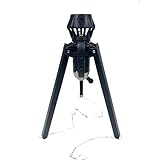
Overview: The Higdon Motion Machine represents a paradigm shift from individual motion decoys to systematic water manipulation. This portable unit generates powerful currents that animate up to three decoys simultaneously, creating coordinated feeding and splashing sequences that replicate active duck congregations with unprecedented realism.
What Makes It Stand Out: Engineering focused purely on water movement distinguishes this system. The sub-5-pound frame folds to 22 inches for transport yet deploys to a 33-inch platform, making it surprisingly field-friendly for its capability. The 100-foot cord and remote control with custom timing sequences (constant, realistic, or maximum disruption) provide tactical flexibility that single decoys cannot match.
Value for Money: While commanding a premium price, the Motion Machine replaces three separate motion decoys, potentially offering savings for hunters building comprehensive spreads. The 12v power requirement adds cost but delivers commercial-grade performance. Compared to buying multiple pulsators or swimmers, this centralized system provides more coordinated motion per dollar spent.
Strengths and Weaknesses: Strengths include powerful water displacement affecting multiple decoys, remote operation convenience, and rapid deployment despite its size. The adjustable tethers accommodate various decoy types. Weaknesses: requires separate 12v battery purchase, weighs more than individual decoys, and needs adequate water depth for proper operation. The cord length, while generous, still limits placement options in large spreads.
Bottom Line: For serious waterfowlers managing large spreads, the Motion Machine delivers unmatched coordination and power. It’s a strategic investment that transforms entire hunting zones rather than just adding single points of motion.
4. Higdon Outdoors Pulsator PRO Mallard Hen | Motion Duck Decoy | Compatible in Fresh Salt and Brackish Water | Spraying Rocking and Feeding Motion

Overview: The Pulsator PRO elevates water disturbance to an art form, combining timed water jets with rocking motion to simulate feeding hens with remarkable authenticity. This self-contained unit integrates a digital timer, waterproof battery housing, and redesigned pump system into a foam-filled decoy body that performs reliably across diverse water conditions.
What Makes It Stand Out: The built-in digital timer surges intermittent water spray, creating visible surface disturbance that attracts ducks from distance while the rocking motion completes the illusion. The IPX7-rated battery housing charges in three hours and runs for seven, eliminating field-day battery swaps. Saltwater and brackish compatibility broadens hunting territory options significantly.
Value for Money: Positioned at the premium end, the Pulsator PRO justifies cost through specialized performance and durability. The rapid charging system and long runtime reduce operational expenses over seasons. For hunters targeting pressured birds in varied environments, the versatility eliminates need for separate saltwater/freshwater units, effectively doubling value.
Strengths and Weaknesses: Pros: exceptionally realistic feeding simulation, quick-charge internal battery, robust waterproofing, and minimal setup (just attach cord and weight). The foam-filled construction prevents sinking even if punctured. Cons: premium price point, requires at least six inches of water, and the water spray may be too aggressive for extremely wary late-season ducks in calm conditions.
Bottom Line: The Pulsator PRO is a top-tier choice for hunters demanding maximum realism and reliability across multiple water types. Its sophisticated timing and robust build quality make it worth the investment for dedicated waterfowlers.
5. Lucky Duck Agitator 2.0 Mallard Duck Butt Combo with Bag, Decoy 2 Pack

Overview: The Agitator 2.0 takes a minimalist approach to motion, focusing exclusively on surface activity where ducks feed. This two-pack of realistic duck butts creates aggressive water throwing that simulates feeding frenzies, packing significant visual punch into a compact, transportable package designed for hunters who value mobility.
What Makes It Stand Out: The butt-only design is strategically clever—ducks approaching from distance see the signature upended feeding posture while the submerged agitator throws water convincingly. The removable exhaust tube enables breakdown for transport in the included bag, solving a common problem with one-piece motion decoys. As a Rogers exclusive, it carries retailer backing for quality assurance.
Value for Money: Mid-range pricing for a two-pack offers reasonable value, particularly given the included transport bag. The design focuses production costs on functional components rather than full-body sculpting, passing savings to hunters. For those already owning traditional decoys, these add specialized surface motion without full decoy replacement costs.
Strengths and Weaknesses: Strengths include compact storage, realistic feeding simulation, and effective water disturbance relative to size. The bag enhances portability for mobile hunters. Weaknesses: limited visibility in choppy water, butt-only design may not suit all spread configurations, and the aggressive motion could potentially flare cautious birds in heavily pressured areas. Lack of timer means constant operation, reducing battery efficiency.
Bottom Line: The Agitator 2.0 excels as a supplementary motion source for hunters prioritizing portability and surface realism. It’s a smart addition to established spreads rather than a standalone solution, delivering targeted performance where it matters most.
6. MOJO Outdoors Flock A Flicker 2 - Premium Waterfowl and Duck Hunting Decoy

Overview: The MOJO Flock A Flicker 2 revolutionizes motion decoy spreads with four independent spinning-wing units that create synchronized, random flashing patterns. This second-generation system addresses previous waterproofing concerns while maintaining the proven strobe effect that mimics landing ducks. Designed for both water and dry field deployment, each unit operates autonomously with pre-programmed intermittent timers, simulating the chaotic, natural movement of a real flock.
What Makes It Stand Out: Four separate units deliver unmatched spread-wide animation compared to single decoy systems. The magnetic wings feature reversible white/brown sides for customizable flash patterns, while the redesigned motor shaft seal and twist-lock lid with heavy-duty gasket significantly improve water resistance. Intermittent timers create a “random look” that eliminates mechanical repetition. Smart storage clips manage decoy line, and dual rigging eyelets offer versatile anchoring options. The soft-touch button remains operational even with frozen fingers in heavy gloves.
Value for Money: Priced as a premium system, you’re essentially getting four decoys in one package. This represents solid value versus buying individual motion decoys separately. The durability upgrades reduce replacement costs, and the versatility for both water and field use maximizes hunting season utility. While initially expensive, the multi-unit design animates your entire spread more effectively than several static decoys with one motion unit.
Strengths and Weaknesses: Pros: Four-unit randomization creates ultra-realistic flock movement; improved waterproofing; versatile deployment; glove-friendly operation; smart storage features. Cons: Managing four units increases setup complexity; battery costs multiply across units; moving parts require maintenance; initial investment is substantial.
Bottom Line: For serious waterfowl hunters seeking the most realistic flock simulation, the Flock A Flicker 2 delivers unmatched spread animation. The waterproofing improvements justify the upgrade, making it a worthwhile investment for dedicated hunters.
7. Avian X Power Butt Kicker Drake Mallard Motion Duck Decoy
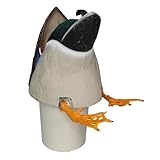
Overview: The Avian X Power Butt Kicker targets realism at water level with a feeder-butt design that replicates a mallard’s natural feeding posture. This motion decoy focuses on water disturbance rather than aerial flash, using power-kicking webbed feet to create authentic surface commotion. The complete package includes everything needed for immediate deployment, emphasizing convenience for hunters who value quick setup and lifelike motion that attracts ducks from the waterline.
What Makes It Stand Out: The kicking webbed feet generate realistic wake and splash patterns that mimic actual feeding behavior, a different approach from traditional spinning-wing decoys. Dual operation modes offer flexibility: 12+ hours of continuous action or 24+ hours in intermittent mode, conserving battery for extended hunts. The rechargeable lithium-ion system eliminates constant battery purchases, while the fully assembled, hunt-ready package means no frustrating pre-dawn assembly. The high-impact power module withstands harsh field conditions.
Value for Money: This premium-priced decoy justifies its cost through exceptional battery life and the included rechargeable system. When compared to AA-powered alternatives requiring frequent battery replacements, the lithium-ion charger pays for itself within a season. The durability and realism factor reduces the need for multiple decoys, concentrating your investment in one highly effective motion unit.
Strengths and Weaknesses: Pros: Ultra-realistic water disturbance; exceptional battery life; rechargeable system saves money; ready-to-hunt assembly; intermittent mode extends runtime. Cons: Higher upfront cost; butt-only design has limited visibility; lithium battery requires charging access; single-unit animation versus spread systems.
Bottom Line: The Power Butt Kicker excels for hunters prioritizing water-level realism and battery efficiency. Its rechargeable system and dual modes make it ideal for all-day or multi-day hunts where authentic feeding motion is critical.
8. Avian-X Power Swimmer Mallard Drake Motion Duck Decoy, 10+ Hour Battery, Non-Fouling Motor Design, & Stabilized Foam-Filled Body for Waterfowl Hunting

Overview: The Avian-X Power Swimmer brings remote-controlled convenience to motion decoy spreads, simulating natural swimming action with a foam-filled drake mallard body. This decoy targets hunters who want precise control over their spread animation without wading into the water. Engineered for reliability in adverse conditions, the non-fouling motor design ensures consistent performance in weedy or muddy environments where traditional motors fail.
What Makes It Stand Out: Remote operation distinguishes this from fixed-pattern decoys, allowing hunters to activate motion only when needed, conserving battery and preventing over-flaring birds. The non-fouling motor is a game-changer for shallow, vegetation-rich waters where debris clogs conventional systems. The foam-filled body provides superior buoyancy and shot-absorbing durability while remaining stable in choppy conditions. The intermittent mode stretches battery life beyond 10 hours on a 6-volt lithium-ion system.
Value for Money: Mid-to-premium pricing reflects the advanced remote feature and specialized motor design. For hunters frequently battling vegetation or wanting on-demand motion control, this justifies the cost over basic swimmers. The foam-filled construction adds long-term durability, reducing replacement frequency. However, the proprietary 6-volt system may limit backup battery options compared to standard AA models.
Strengths and Weaknesses: Pros: Remote control for tactical motion management; non-fouling motor excels in vegetation; foam-filled durability; stable swimming action; good battery life. Cons: Proprietary battery system; remote adds complexity; premium price; potential signal interference in remote operation.
Bottom Line: The Power Swimmer suits tech-savvy hunters needing reliable motion in challenging water conditions. The remote feature and non-fouling motor make it worth the investment for those who demand performance in weedy or muddy environments.
9. Avian X Power Shaker Motion Mallard Hen Preener Decoy, with Authentic Feeding and Preening Motion to Fool Wary Fowls, 10 Hour Battery Life

Overview: The Avian X Power Shaker takes a unique approach by animating your entire decoy spread rather than just itself. This hen preener decoy uses a built-in shaker module to create subtle ripples that bring surrounding static decoys to life. Designed specifically for windless days when traditional motion decoys struggle, it adds critical realism through preening behavior that calms wary flocks and makes your spread appear natural and content.
What Makes It Stand Out: Spread activation technology sets this apart—one unit animates dozens of surrounding decoys, offering economy of motion. The preening motion itself is a confidence-builder for late-season ducks that have seen every spinner. Powered by standard AA batteries, it avoids proprietary power systems and allows easy field replacement. The foam-filled construction handles rough water while the simple operation focuses on reliability over complexity. At 10 hours runtime, it covers most hunt durations.
Value for Money: This is among the more affordable motion options, delivering spread-wide impact from a single unit. Using common AA batteries (while not included) saves money over proprietary systems. For hunters already invested in static decoys, this economically upgrades the entire spread’s effectiveness without replacing everything. The durability ensures multiple seasons of service, maximizing return on investment.
Strengths and Weaknesses: Pros: Animates entire spread; perfect for calm conditions; realistic preening motion; standard AA batteries; durable foam-filled design. Cons: Batteries not included; 10-hour life shorter than lithium options; less individual motion than dedicated swimmers; hen-only design limits drake representation.
Bottom Line: The Power Shaker is ideal for hunters needing windless-day solutions or wanting to enhance existing spreads economically. Its ripple effect and preening realism make it a smart, budget-friendly addition for finishing wary birds.
10. Mojo Outdoors Mojo Butt Up Rippler, Mallard

Overview: The Mojo Butt Up Rippler offers simplicity-focused motion for hunters wanting basic water disturbance without complexity. This compact decoy simulates a feeding duck’s butt-up posture, creating ripples that add life to your spread. Designed as an economical supplement rather than a centerpiece, it provides entry-level motion technology from a trusted brand in waterfowl gear. Its straightforward operation makes it accessible for beginners or those preferring minimal gear complications.
What Makes It Stand Out: Simplicity is the key feature—just deploy and let it run. The butt-up design creates natural feeding ripples without the mechanical appearance of some spinners. Mojo’s brand reliability ensures decent performance, while the compact size makes it easy to transport and store. It integrates seamlessly into existing spreads without dominating the setup. The design focuses on doing one thing well: creating convincing surface disturbance that suggests feeding activity.
Value for Money: This budget-friendly option provides accessible motion decoy technology. However, the 6-8 hour battery life is shorter than premium alternatives, and requiring four AA batteries (not included) adds hidden costs. While affordable upfront, frequent battery replacement and shorter lifespan per hunt reduce long-term value compared to rechargeable models. It serves best as a supplementary piece rather than primary motion source.
Strengths and Weaknesses: Pros: Simple, reliable operation; affordable price point; compact and portable; trusted Mojo brand; effective ripple creation. Cons: Short 6-8 hour battery life; batteries not included; basic motion lacks advanced features; limited realism compared to premium models; single-purpose design.
Bottom Line: The Butt Up Rippler suits beginners or budget-conscious hunters needing basic motion. While it lacks advanced features, its simplicity and ripple effect make it a solid supplementary decoy for adding subtle movement to your spread without significant investment.
The Evolution of Motion Decoy Technology
From Simple Spinners to AI-Enhanced Realism
Remember when a spinning-wing decoy was considered cutting-edge? Those days feel like ancient history. Today’s motion decoys incorporate microprocessors, variable speed motors, and programmable sequences that mimic actual bird behavior. The technology has democratized dramatically—features once reserved for professional guides now appear in models priced for weekend warriors.
How Manufacturing Advances Lowered Costs
3D printing, improved battery chemistry, and streamlined supply chains have slashed production expenses. Manufacturers can now create detailed molds with intricate feather textures and anatomically correct postures at scale, passing those savings directly to consumers. This means your budget buys more sophistication than ever before.
Key Features That Define Realistic Motion Decoys
Variable Speed Control Importance
Static, repetitive motion alerts educated birds faster than no motion at all. Quality affordable units now offer adjustable speed settings, allowing you to dial in subtle twitches or vigorous splashing based on species, weather conditions, and hunting pressure. This flexibility transforms a simple mechanical device into a convincing actor in your spread.
Randomization and Intermittent Motion Patterns
The most effective motion decoys avoid predictable cycles. Look for units offering random pause features, staggered activation, and irregular timing. These patterns replicate live birds feeding, preening, and alert behaviors that static timers simply cannot duplicate. The technology behind this has become remarkably inexpensive to implement.
Realistic Body Postures and Anatomy
A motion decoy that moves perfectly but looks like a cartoon won’t fool mature birds. Modern budget options feature detailed sculpting with correct head positions, wing angles, and body profiles. The key is finding models where the manufacturer invested in the mold quality rather than flashy packaging.
Understanding Motion Decoy Categories
Spinning-Wing Decoys: The Classics Evolved
These remain the workhorses of motion decoy spreads, but 2026’s affordable versions bear little resemblance to their ancestors. Current models feature magnetic wing attachments for silent operation, dawn-to-dusk battery life, and remote activation. The wings themselves now use lightweight, flexible materials that create realistic flash without the helicopter effect.
Swimming and Feeding Decoys
These units create ripples and movement on the water’s surface, simulating active feeding behavior. Budget-friendly versions now include weighted keels for stability in chop, multiple swim patterns, and even directional control. The best models create V-wakes and subtle water disturbance that visible from altitude.
Flapping and Landing Decoys
Simulating birds on final approach or settling into the spread, these decoys add vertical dimension to your setup. Affordable options now incorporate flutter mechanisms with adjustable amplitude, allowing you to match the wingbeat frequency to different species from teal to Canada geese.
Full-Body Motion Systems
The latest category gaining traction in the budget space involves entire decoy bodies that pivot, bob, or rotate. These create macro-movement visible from extreme distances while maintaining realistic profiles up close. The engineering simplicity has made them surprisingly affordable for their impact.
Materials and Construction Quality on a Budget
Durability vs. Weight Trade-offs
High-impact plastics have revolutionized affordable decoy construction. Modern polymers withstand shotgun pellets, freezing temperatures, and rough handling while remaining light enough for mobile hunts. Understanding the difference between polyethylene grades helps you spot value—thicker isn’t always better if the polymer quality is high.
Paint Adhesion and UV Resistance
The Achilles heel of cheap decoys has always been paint flaking. 2026’s better budget options use rotational molding that integrates color throughout the material or advanced powder-coating processes that bond at a molecular level. Look for UV-stabilized pigments that maintain color fidelity season after season.
Hardware and Connection Points
Stainless steel or coated hardware separates long-lasting decoys from landfill fodder. Pay special attention to wing attachment mechanisms, battery compartment seals, and stake interfaces. These stress points reveal manufacturer commitment to longevity versus planned obsolescence.
Power Systems and Battery Life Considerations
Lithium-Ion vs. Alkaline Economics
While alkaline batteries seem cheaper upfront, lithium-ion rechargeable systems pay for themselves within a single season of heavy use. Modern budget decoys increasingly include USB-C charging ports and efficient voltage regulators that extend runtime. A decoy that runs 12+ hours on a single charge eliminates mid-hunt battery anxiety.
Solar Supplement Options
Integrated solar panels, once a luxury feature, now appear on mid-priced motion decoys. These trickle-charge systems won’t power a unit independently but significantly extend battery life during full-sun hunts. For cloudy day reliability, hybrid systems automatically switch to battery backup.
Power Management Features
Smart power circuits that automatically shut down during inactive periods or reduce motor speed as battery voltage drops represent hidden value. These features prevent the sudden death mid-hunt and give you visual warnings before power fails completely.
Remote Control and Smart Features
Bluetooth vs. Radio Frequency Remotes
Bluetooth connectivity allows smartphone app control with customizable programs, while traditional RF remotes offer simplicity and reliability. Budget decoys increasingly include one or both options. Consider range requirements—many affordable RF remotes work reliably to 100 yards, while Bluetooth offers more sophisticated programming.
Programmable Sequences and Timing
The ability to create custom motion schedules—say, 30 seconds of swimming followed by a 2-minute pause—adds realism without constant manual adjustment. Entry-level programmable decoys now include preset species-specific modes that handle the thinking for you.
Multi-Decoy Synchronization
Coordinating multiple motion decoys prevents your spread from looking like a collection of random robots. Affordable systems now offer master-slave configurations where one remote controls several units in choreographed sequences, creating flock-like behavior across your entire spread.
Weather Resistance and Durability
Waterproofing Standards Explained
IP ratings (Ingress Protection) tell the real story of weather resistance. Budget decoys achieving IPX6 or IPX7 ratings withstand heavy rain and brief submersion—essential for water hunts. Don’t trust marketing terms like “weatherproof”; verify actual IP certification.
Cold Weather Performance Factors
Battery chemistry, lubricant viscosity, and plastic brittleness all affect sub-freezing performance. Quality affordable decoys specify operating temperature ranges and use low-temp greases. Magnetic drive systems excel here, having fewer mechanical parts to freeze up.
Wind Stability Engineering
A motion decoy that blows over in 15 mph winds is worse than useless. Look for weighted bases, low center of gravity designs, and aerodynamic profiles that shed wind. Some budget models include sand-fillable compartments or stabilizing fins that deploy automatically.
Portability and Setup Efficiency
Compact Transport Designs
Modern hunting often requires hiking into remote spots. Motion decoys that break down into compact components—detachable wings, folding stakes, nesting bodies—reduce pack weight and volume. The best designs achieve this without tools, using clever cam-lock or twist-and-lock mechanisms.
Quick-Deployment Mechanisms
When birds are moving at first light, fumbling with complicated assembly costs opportunities. Magnetic wing attachments, snap-fit battery compartments, and telescoping stakes enable sub-30-second deployment. Practice at home reveals which designs are truly intuitive versus frustrating.
Weight Distribution for Carrying
Consider how the decoy’s weight balances when carried. Models with centered mass and comfortable grip points reduce fatigue during long treks. Some designs allow multiple decoys to clip together into a single carry unit, streamlining transport for field setups.
Sound Integration and Calling Features
Built-in Calling Systems
Motion decoys increasingly incorporate electronic calls, but quality varies wildly. Focus on units with directional speakers that project sound away from your blind and volume controls that allow subtle background calling. The best budget options include species-specific sound libraries with natural cadence.
Synchronizing Motion with Sound
The magic happens when wingbeats match calling sequences. Affordable decoys now offer trigger inputs that activate motion in response to your manual calls or coordinate with their own sound playback. This multisensory approach triggers commitment from circling flocks.
Volume Control and Directionality
A loud, blaring call spooks more birds than it attracts. Look for decoys with graduated volume settings and speaker designs that focus sound downward into the spread rather than broadcasting across the marsh. This creates realistic audio perspective.
Decoy Spreads and Strategic Placement
Motion Decoy Positioning Principles
Motion decoys work best as focal points within a larger static spread. Position them where live birds would naturally land—upwind feeding lanes, landing pockets, or visible approach corridors. The “motion island” concept clusters 2-3 moving decoys together for maximum visibility.
Creating Natural Movement Patterns
Avoid symmetry. Stagger motion decoy activation times, vary distances from your blind, and mix movement types. A swimming decoy paired with a flapping unit creates the illusion of active feeding with birds coming and going. This complexity sells the realism.
Species-Specific Spread Strategies
Diving ducks respond to vigorous water motion, while puddle ducks prefer subtle ripples. Geese need larger, slower movements. Quality budget decoys allow you to adjust amplitude and speed to match these preferences without buying species-specific models.
Maintenance and Longevity Tips
Cleaning and Storage Best Practices
Salt, mud, and vegetation wreak havoc on mechanical components. Freshwater rinses after each hunt, periodic lubrication of moving parts, and thorough drying before storage extend lifespan dramatically. Disassemble wing attachments and stakes to prevent corrosion bonding.
Battery Care for Maximum Lifespan
Lithium batteries degrade when stored fully charged or completely drained. Maintain them at 40-60% charge during offseason storage and cycle them every few months. Keep contacts clean with electrical contact cleaner to prevent voltage drop.
Seasonal Inspection Checklist
Before opening day, test all functions, check for cracked housings, verify remote range, and replace worn wing attachments. This 30-minute ritual prevents field failures and identifies warranty issues while coverage remains active. Document any problems with photos for manufacturer support.
Legal Considerations and Regulations
Federal and State Restrictions
Motion decoy regulations vary significantly by species and location. Some states prohibit motorized decoys entirely during certain seasons, while others restrict the number of moving units per spread. Federal migratory bird treaties also influence what’s permissible. Always verify current regulations before hunting.
Restricted Features to Avoid
Certain capabilities can push a decoy into illegal territory. Avoid units with laser targeting, explosive deployment mechanisms, or radio transmission on restricted frequencies. When in doubt, contact your state’s wildlife agency with the decoy’s specifications before purchase.
Ethical Hunting Considerations
Beyond legality, consider fair chase principles. Overly aggressive motion can create unsporting advantages and educate birds negatively for other hunters. Use motion judiciously—sometimes less is more, especially late in season when birds become decoy-shy.
Cost vs. Value Analysis
Price Tiers and What They Deliver
Budget motion decoys ($50-100) offer single motion types and basic durability. Mid-range ($100-200) adds remote control, better waterproofing, and multiple patterns. Understanding these tiers helps you allocate funds where they matter most for your hunting style.
Long-Term Value Calculation
A $150 decoy lasting five seasons costs $30 per year—cheaper than replacing a $75 decoy every other year. Factor in battery savings, warranty coverage, and resale value when calculating true cost. Sometimes spending slightly more upfront yields better lifetime value.
Warranty and Customer Support
A solid warranty indicates manufacturer confidence. Look for at least one-year coverage on electronics and motors, with clear replacement policies. Responsive customer service can turn a frustrating malfunction into a minor inconvenience. Check online forums for real-world warranty experiences.
Shopping Smart in 2026
Timing Your Purchases
Post-season clearance sales (February-April) offer 30-50% discounts as retailers make room for new inventory. Black Friday deals increasingly include premium budget models. Signing up for manufacturer newsletters often yields early access to promotions and exclusive bundles.
Reading Between Marketing Lines
“Bargain” decoys might use outdated technology or inferior materials. Research the release year—2024 and 2025 models often sell at deep discounts when 2026 versions launch with minor upgrades. Compare component specifications rather than flashy feature lists.
Community Feedback and Reviews
Online hunting communities provide unfiltered performance data. Look for patterns in reviews—multiple mentions of the same failure point or praise for specific features carry more weight than individual rants or raves. Video reviews showing actual field performance are particularly valuable.
Troubleshooting Common Issues
Motor and Movement Problems
Sluggish motion often indicates low battery voltage or binding mechanics. Check for debris in gear trains and ensure wings balance properly. Intermittent operation usually points to loose connections or moisture in the battery compartment. Keep spare motor brushes if your model uses them.
Remote Control Failures
Range issues frequently stem from weak batteries in the remote or antenna interference. Test with fresh batteries first. Signal interference from cell phones or other electronics can cause misfires—store remotes away from other devices. Some models benefit from antenna extension modifications.
Water Intrusion and Corrosion
Fogging inside the housing indicates seal failure. Silicone grease on O-rings prevents this, but once moisture enters, immediate drying is critical. Corroded battery terminals can be cleaned with fine sandpaper and dielectric grease. Prevention beats repair every time.
Frequently Asked Questions
What makes a motion decoy “affordable” without being cheaply made?
Affordable motion decoys achieve lower prices through efficient manufacturing, simplified feature sets, and strategic material choices rather than cutting corners on critical components. They focus on core motion functionality and durability while omitting premium extras like smartphone integration or exotic materials. The key is robust motors, waterproof housings, and realistic paint jobs—features that have become surprisingly inexpensive to produce at scale.
How many motion decoys do I actually need for an effective spread?
Most hunters find that 2-4 motion decoys create sufficient movement within a spread of 2-3 dozen static decoys. One spinning-wing decoy as a focal point, paired with a swimming feeder and perhaps a flapping decoy, provides variety without looking mechanical. Quality trumps quantity—a few convincing movers outperform a dozen robotic-looking units.
Can I use motion decoys effectively in late season when birds are wary?
Absolutely, but subtlety becomes critical. Reduce motion speed, increase pause durations, and position decoys further from your blind. Motion that mimics resting or preening behavior works better than aggressive feeding simulation. Some hunters switch motion decoys on only when birds are circling at distance, then deactivate them as flocks commit.
What’s the realistic battery life I should expect from budget motion decoys?
Quality affordable decoys should run 8-12 hours on a full charge under normal conditions. Cold weather reduces this by 20-40%, so plan accordingly. Lithium-ion models maintain more consistent voltage as they drain, providing better performance throughout the day compared to alkaline batteries that slow motors as they weaken.
Are remote-controlled motion decoys worth the extra cost?
Remote control pays dividends in several scenarios: hunting pressured birds that spook easily, running large spreads where manual activation is impractical, or adapting to changing wind conditions without leaving your blind. For stationary blinds over decoy-shy birds, it’s nearly essential. For casual field hunts with cooperative birds, manual activation suffices.
How do I prevent motion decoys from spooking birds?
Position them where live birds would naturally be—avoid placing motion decoys in unnatural locations like directly in front of your blind. Use intermittent rather than constant motion, and match the activity level to the conditions. On calm days, subtle ripples work better than vigorous splashing. Observe real bird behavior and mimic it.
What maintenance is required to keep affordable motion decoys running for years?
Rinse with freshwater after saltwater or muddy hunts, dry thoroughly before storage, and lubricate moving parts with silicone-based products monthly during season. Store batteries at partial charge in a cool, dry place. Inspect seals and O-rings annually, replacing any that show cracking. These simple steps easily double a decoy’s lifespan.
Can motion decoys be repaired when they break, or are they disposable?
Most quality budget decoys are designed for field repair. Common replacement parts like wings, stakes, and battery covers are available directly from manufacturers. Motors and gearboxes can often be serviced with basic tools. Avoid models sealed with permanent adhesives—look for screws and replaceable components that indicate repair-friendly design.
Do motion decoys work for all waterfowl species, or are they duck-specific?
While most motion decoys target puddle ducks, specialized versions exist for diving ducks, sea ducks, and geese. The motion patterns, size, and speed should match the target species. Some versatile models allow swapping body profiles and adjusting motion parameters to work across multiple species, offering excellent value for hunters targeting mixed bags.
How has motion decoy technology changed for 2026 compared to previous years?
The biggest shift is the integration of AI-driven motion randomization and improved power efficiency. Motors draw 30-40% less current while producing smoother, more variable movement. Bluetooth connectivity has become standard even on mid-priced models, and manufacturing improvements have made realistic sculpting and painting affordable across all price tiers. Essentially, 2026’s budget models perform like 2022’s premium options.
Related Buying Guides
- 10 Affordable Rabbit Calls That Don’t Sacrifice Realism in 2026
- 10 Affordable Turkey Decoys That Don’t Sacrifice Quality in 2026
- 10 Affordable 1080p Trail Cameras That Don’t Sacrifice Quality in 2026
- 10 Affordable 3D Targets That Don’t Sacrifice Durability in 2026
- 10 Affordable Alcohol Stoves That Don’t Sacrifice Quality in 2026